
Oxford University’s Pitt Rivers Museum was founded in 1884 when Augustus Pitt Rivers donated his private collection to the university as the basis for a new ethnography program. Since then, the Pitt Rivers has become known as a “museum of museums,” as curators have worked hard to preserve the original Victorian displays while balancing the needs of a modern museum and audience. This article explores the museum’s history, unique displays, and some of the most fascinating objects on display.
Augustus Henry Lane Fox Pitt Rivers
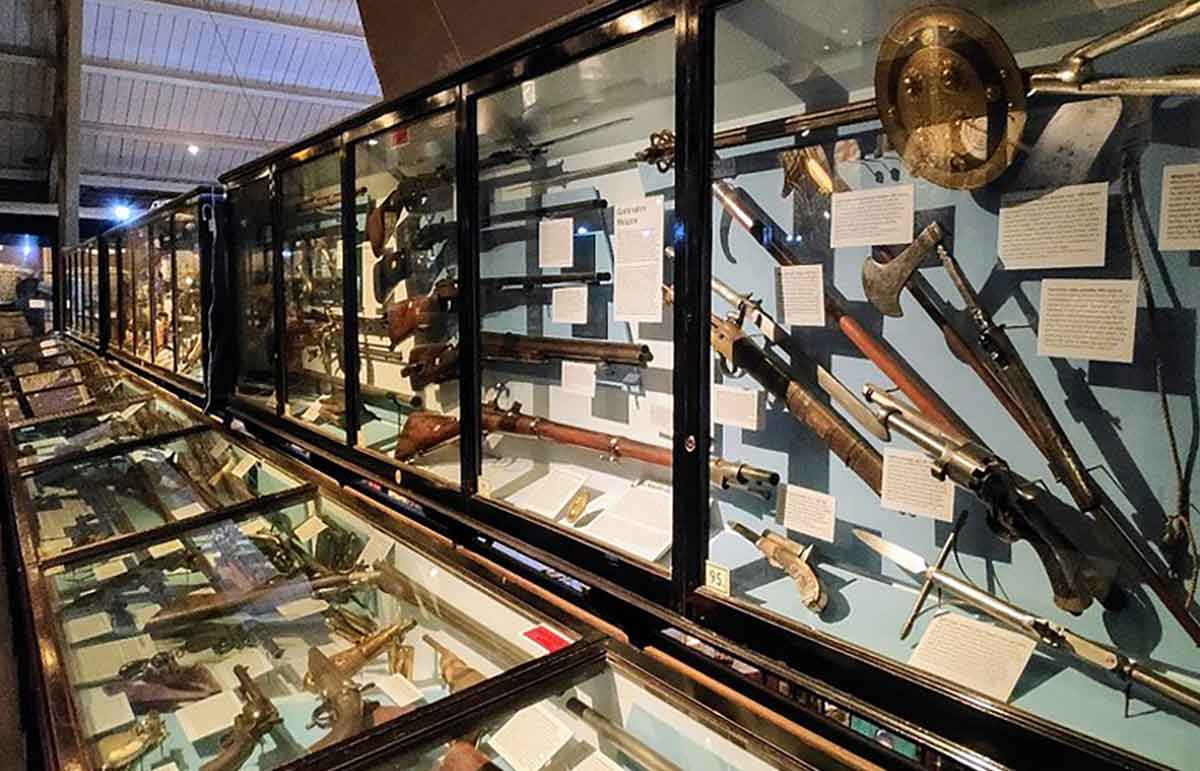
Augustus Henry Lane Fox Pitt Rivers was a British Army officer from 1845 to 1882. However, in 1854, he was found unfit for service after seeing action at the Battle of Alma in the Crimean War. From that time, he was mainly involved in assessing the effectiveness of muskets and instructing other officers in their use. This sparked an interest in the invention and evolution of weapons and understanding human invention. This put him on the path to becoming an ethnologist and archaeologist.
In 1867, Pitt Rivers went on half-pay with the military so that he could study archaeology and visit excavations. This kicked off a career during which he traveled extensively, collecting objects that demonstrated human invention. However, most of his collection seems to have been acquired through dealers and auction houses, leading many to call him an “armchair collector.” It was around 20,000 of these artifacts that he donated to the University of Oxford, with the stipulation that a permanent museum be built to house the collection.
It is fitting that this museum was built adjoining the Oxford University Museum of Natural History, which holds an incredibly rare dodo specimen and was the setting for Charles Darwin’s Great Debate on evolution. Darwin’s theories on evolution influenced Pitt Rivers, who applied similar theories to human invention. Therefore, rather than organizing his collection by geographical or cultural area, he organized objects based on use: musical instruments, weapons, textiles, etc.
A Museum of Museums
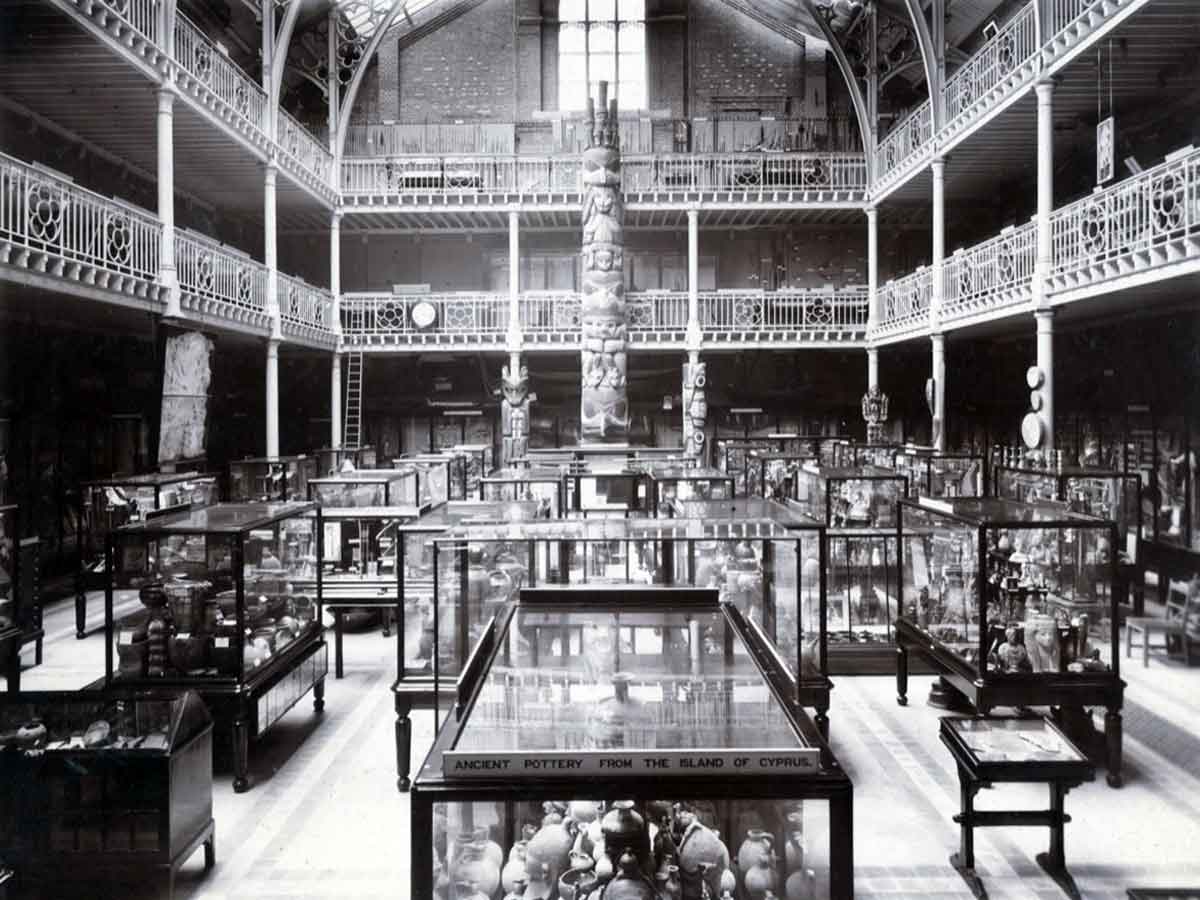
While Pitt Rivers may have harbored ideas about cultural hierarchies and the inventions of some cultures being more “advanced” than others, the modern museum retains the same “by use” display but has flipped the context. Displays focus on how different cultures have responded to the same universal challenges. The museum now holds more than 500,000 artifacts.
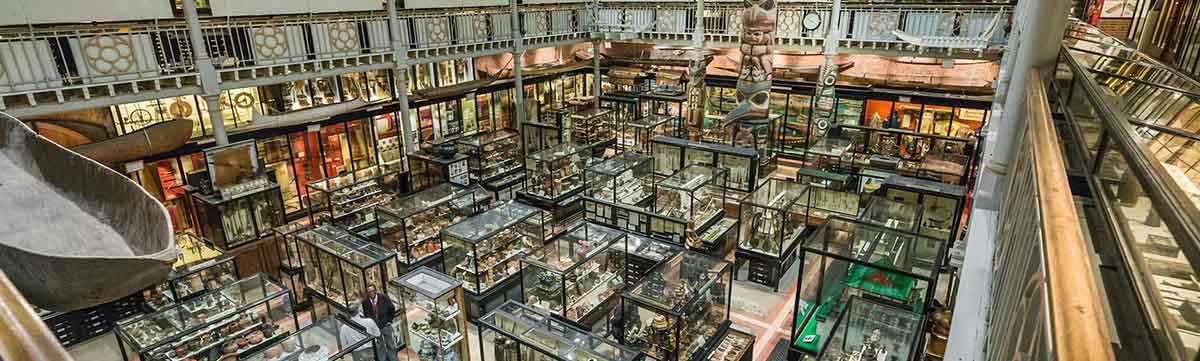
In many ways, the modern museum has retained the original Victorian displays while upgrading for better preservation. This is why the museum feels like a 19th-century “cabinet of curiosities,” with displays crowded with objects, and less emphasis on large text displays explaining every artifact.
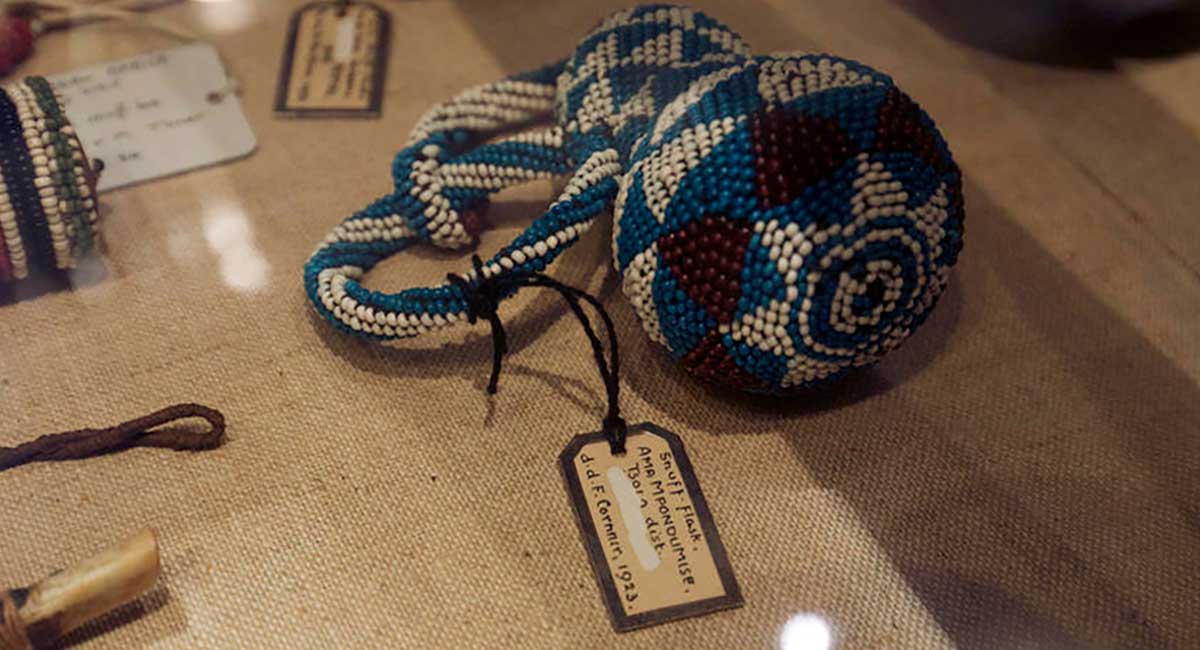
The objects on display even retain their original labels, often handwritten and difficult to read, and sometimes containing references that are considered derogatory or hurtful today. To balance this, the museum has introduced careful interventions that highlight the problematic parts of the label and the museum’s history. Rather than covering up a complicated past, this opens the conversation about the history and ethics of collecting.
Today, the museum actively works with source communities to better understand their culture and communicate the meaning and purpose of the objects on display. The museum has also been heavily involved in decolonization work and returned culturally significant objects. Importantly, the museum has also taken all human remains off display. That means that certain objects, such as the museum’s famous shrunken heads, are no longer on display.
1. Shoes from Roman Egypt
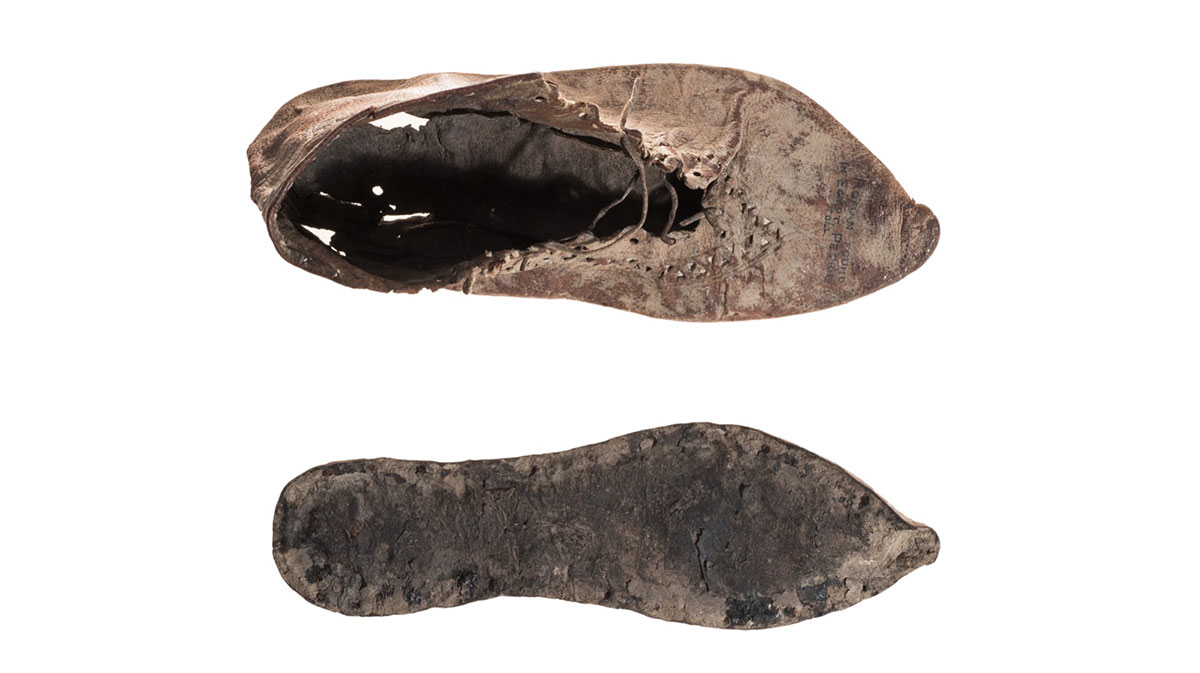
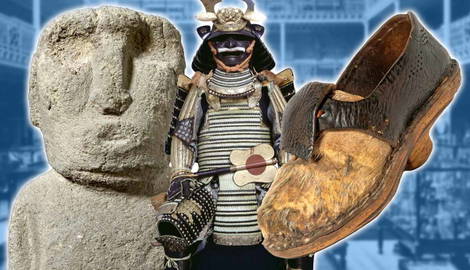
In 1899, Flinders Petrie discovered these shoes from the Roman occupation of Egypt. They have thick leather soles and use weaker leather for the uppers and straps. The shoes have evidence of red staining, suggesting they were dyed using red kermes dye made from insects from European oak trees. This expensive import reflects trade across the Roman Empire, and that these shoes belonged to a high-status individual.
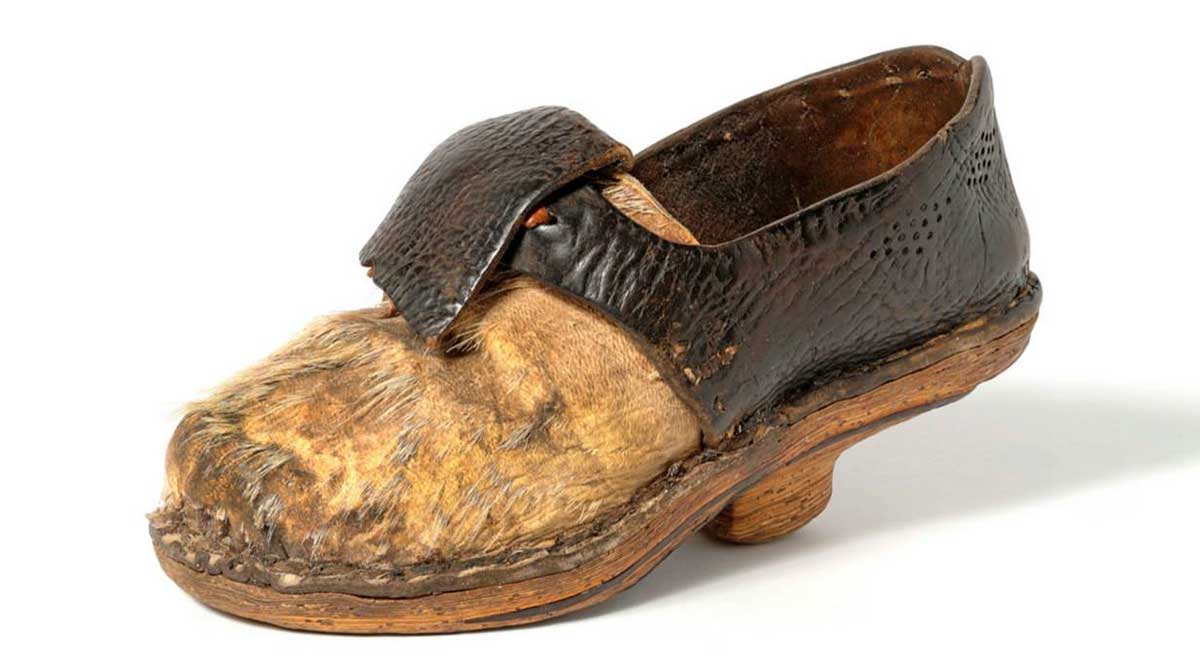
In the museum, they sit alongside a woman’s bridal shoe from Sweden from the early 19th century. Made from reindeer skin with some hair still visible, the shoe also has a small heel, indicating their use. Rather than leather, the sole was made of birch bark, a common practice until about 1820.
2. Haida Totem Pole
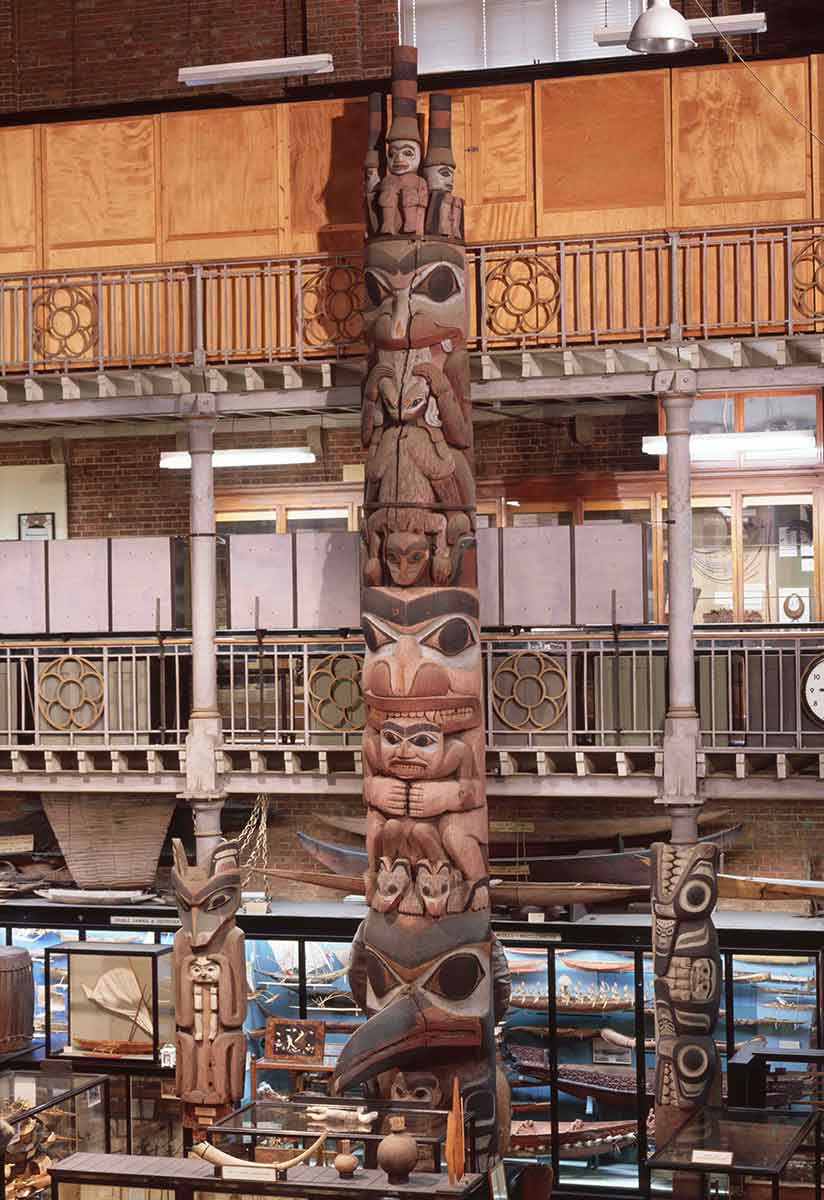
Inside the Pitt Rivers Museum, you can discover an 11.36-meter-high Haida Totem Pole from a Masset village on the Queen Charlotte Islands, Canada. The largest object on display, it is carved from Canadian Red Cedar and originally stood outside the Star House of the chief Anetlas around 1882 to mark his adoption of a young girl.
The pole is carved with crest figures, much like a European coat of arms, so the term “totem” is applied inaccurately. It shows three seated figures, a bear with a frog in its mouth, a bear holding a human with two bear cubs at its feet, and a raven with a human between its wings. It was purchased in 1901 for £36.
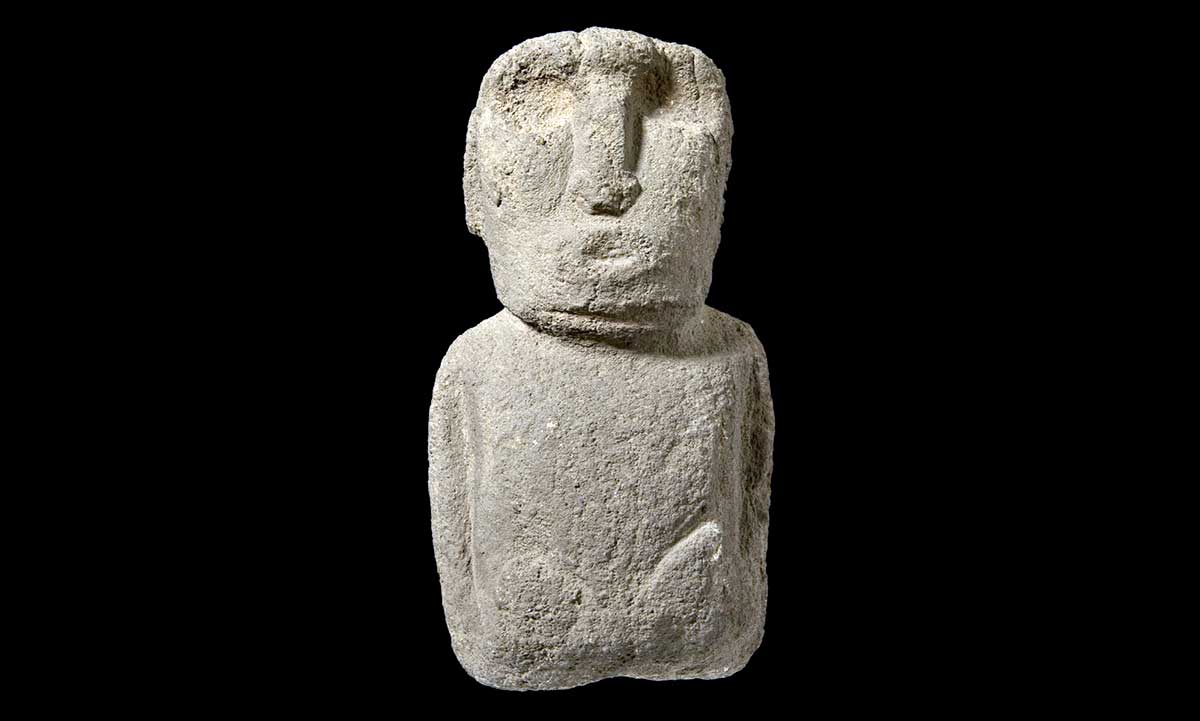
Alongside this imposing piece, the museum also holds a moai maea, which is a smaller version of the Rapa Nui moai sculptures found on Easter Island. Like its larger counterparts, the half-a-meter-high statue was made from rock created by condensed volcanic ash, making it soft and easy to work.
3. Samurai Armor
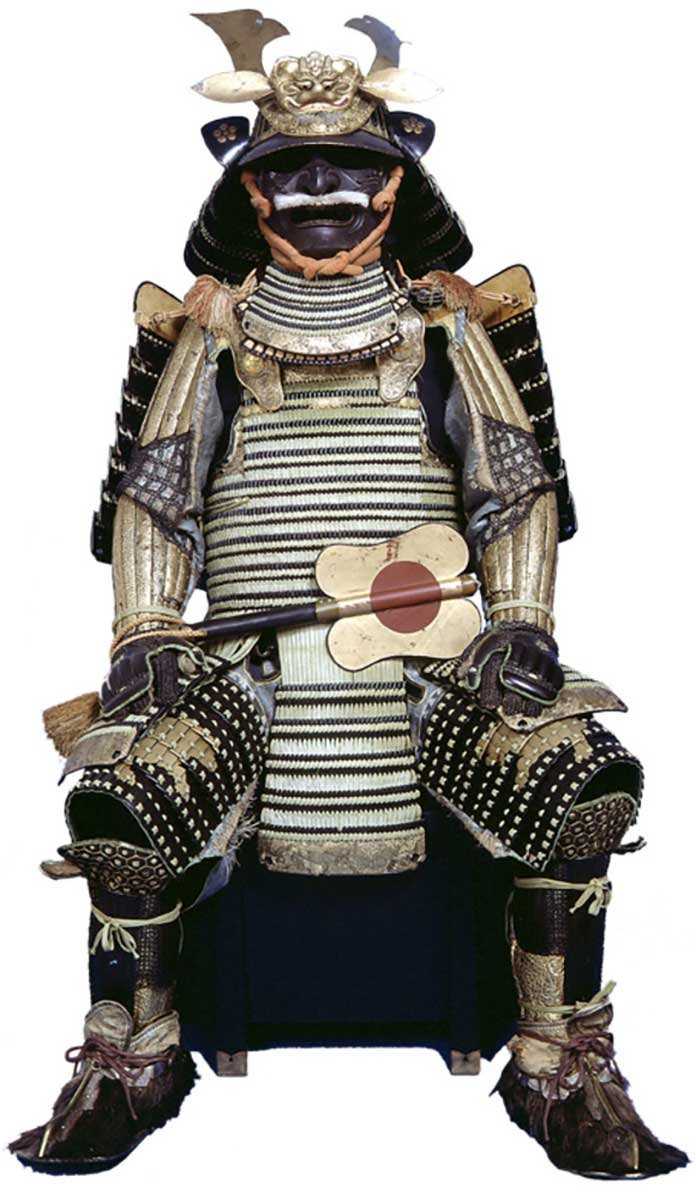
Pitt Rivers holds a particularly fine example of samurai armor dating from around 1750 that is remarkably complete with gloves, shoes, and undergarments. It sits alongside miniature sets of samurai armor that were probably made by the armorer’s apprentices as part of their training.
Study of the samurai’s sword shows that the blade, hilt, scabbard, and other fittings were all made by different specialist artists, reflecting the time and energy that went into making these sacred weapons. The owner also carried alternative blade fittings, so that he could change his fittings for the occasion while still using his prized blade.
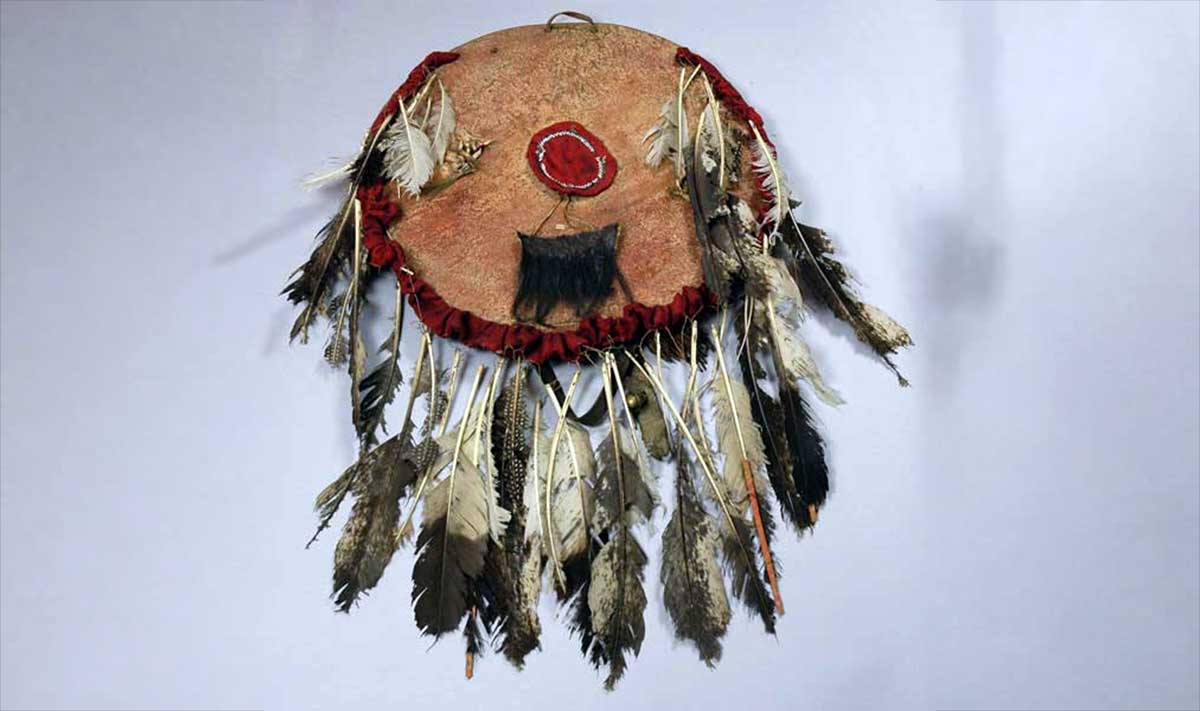
The samurai is part of the museum’s extensive arms and armor collection. It includes an impressive array of weapons from blowpipes and darts to modern firearms. Like the samurai’s blade, it includes other sacred weapons, such as a decorated war shield from the Trobriand Islands in Oceania and a native North American Comanche medicine shield decorated with eagle feathers.
4. Noh Theater Masks
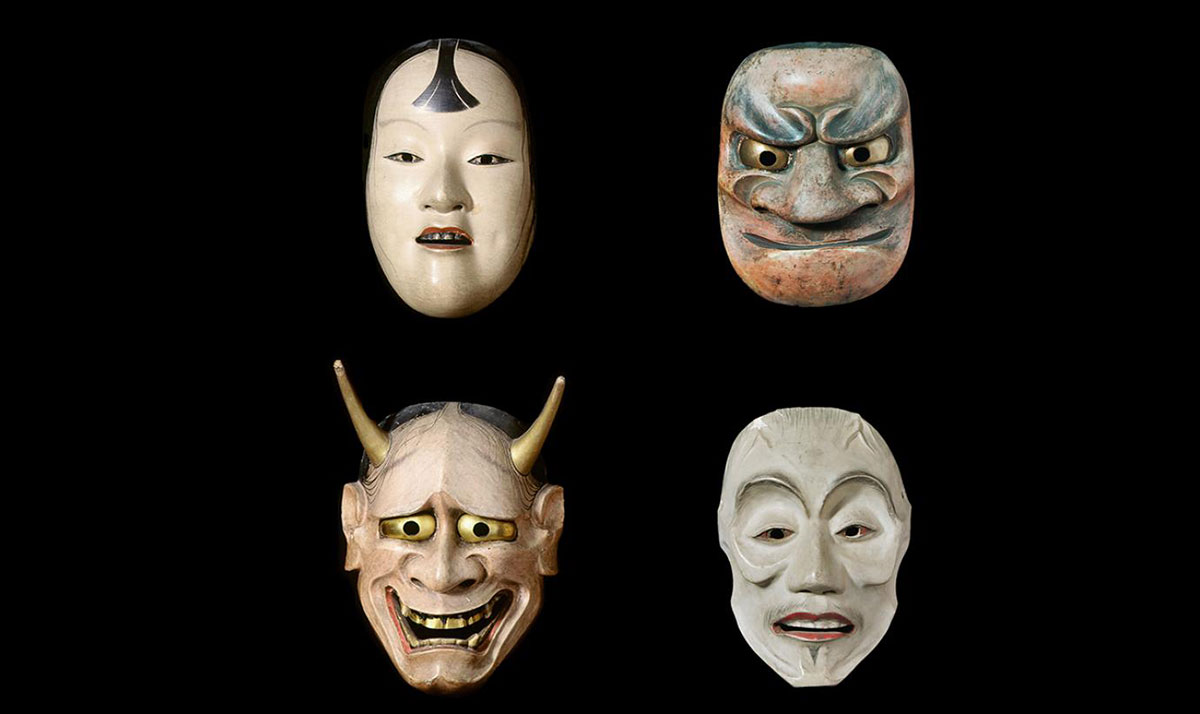
The museum has an extensive collection of masks, including 52 Noh masks from Kyoto, Japan, purchased on behalf of Augustus Pitt Rivers in the 19th century, but dating from the 16th century to 1840. The collection represents most of the major character types used in Noh theater, from demons and spirits to gods and women. While initially appearing neutral in expression, the masks are designed to change expression based on head angle. Tilting up suggests joy, while tilting down expresses anger.
These masks share similarities with carved dance masks from Mexico, also displayed in the museum. These are used to represent foreigners as caricatures during dance performances. While the characteristics are hard for outsiders to recognize, they would have been immediately identifiable to their audience.
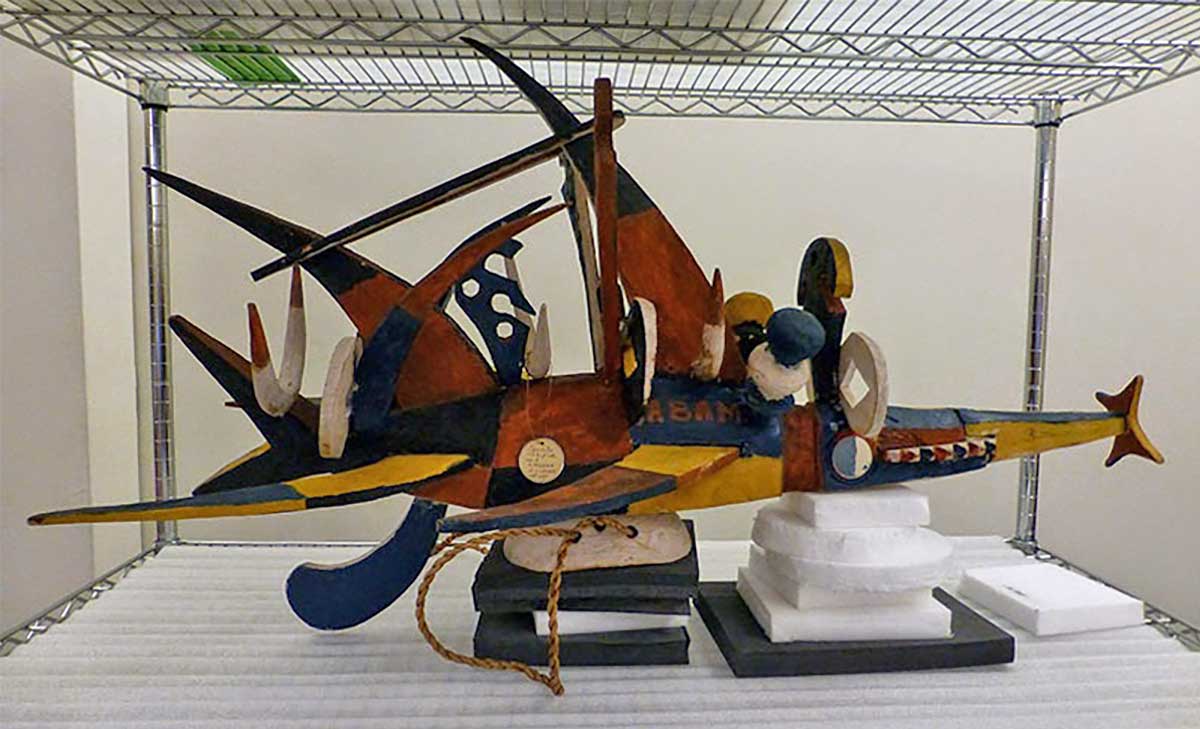
The museum also displays a Nigerian mask of a character called Abam, who is a predatory fish. It was used in Igbo culture masquerades, known as Mmanwu, which celebrate the spirits of ancestors, deities, and nature. The performers can act as mediators between the living and spirit worlds.
5. Many Shots Robe
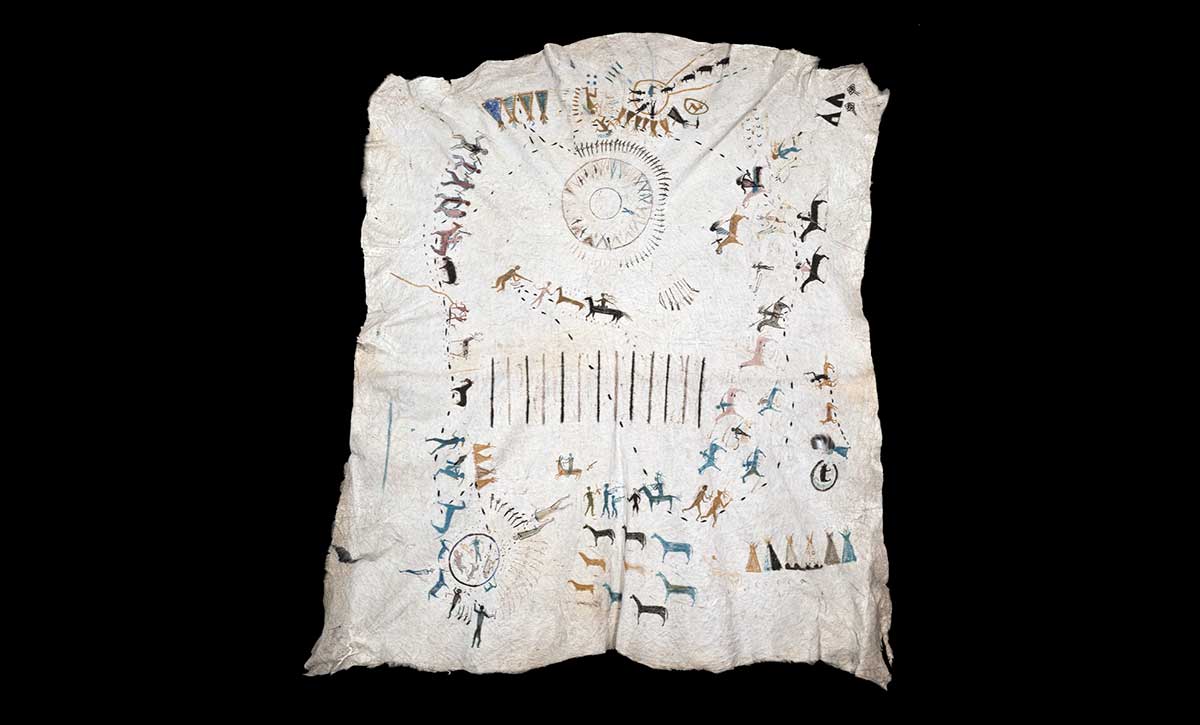
The Blackfoot men of the northwestern plains of North America painted images of their great deeds on shirts and robes that were worn as status symbols. Mainly buffalo-hunting people, they were also encouraged to engage in warfare with neighboring tribes to develop their status.
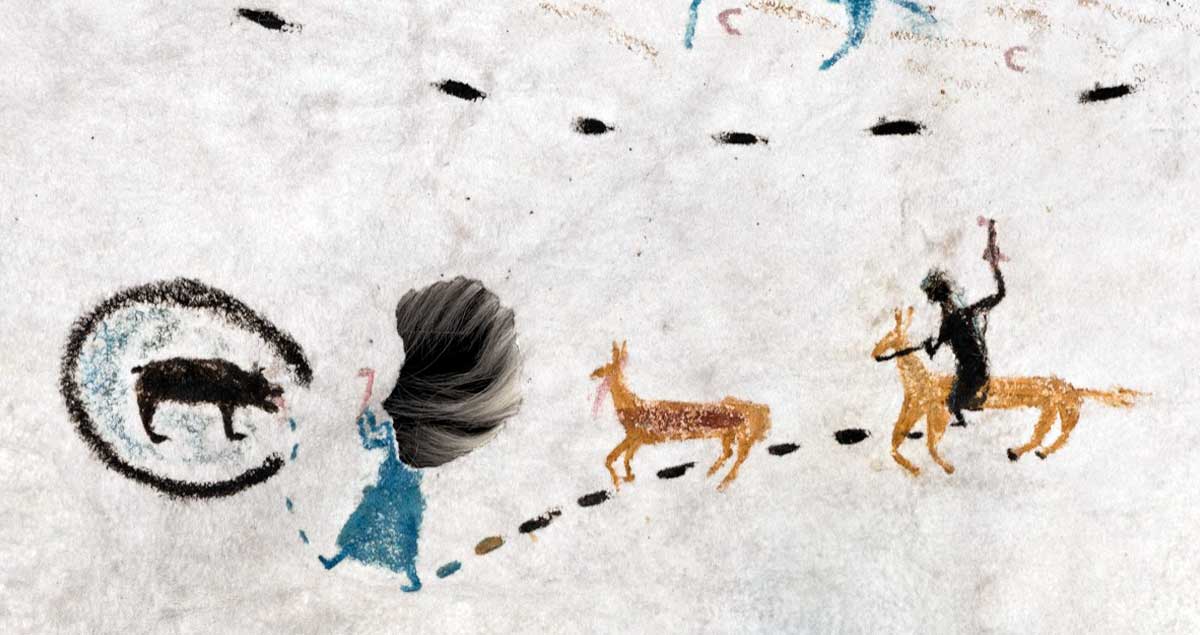
The Blackfoot people moved onto reservations in the 19th century, and as bison herds were exterminated, they became cattle ranchers. As a reflection of this changing lifestyle, this robe, from 1894, is made from cowhide. We also see European weapons, namely guns, introduced into the scene. Many Shots Robe also shows a woman killing a grizzly bear with an axe.
6. Witch in a Bottle
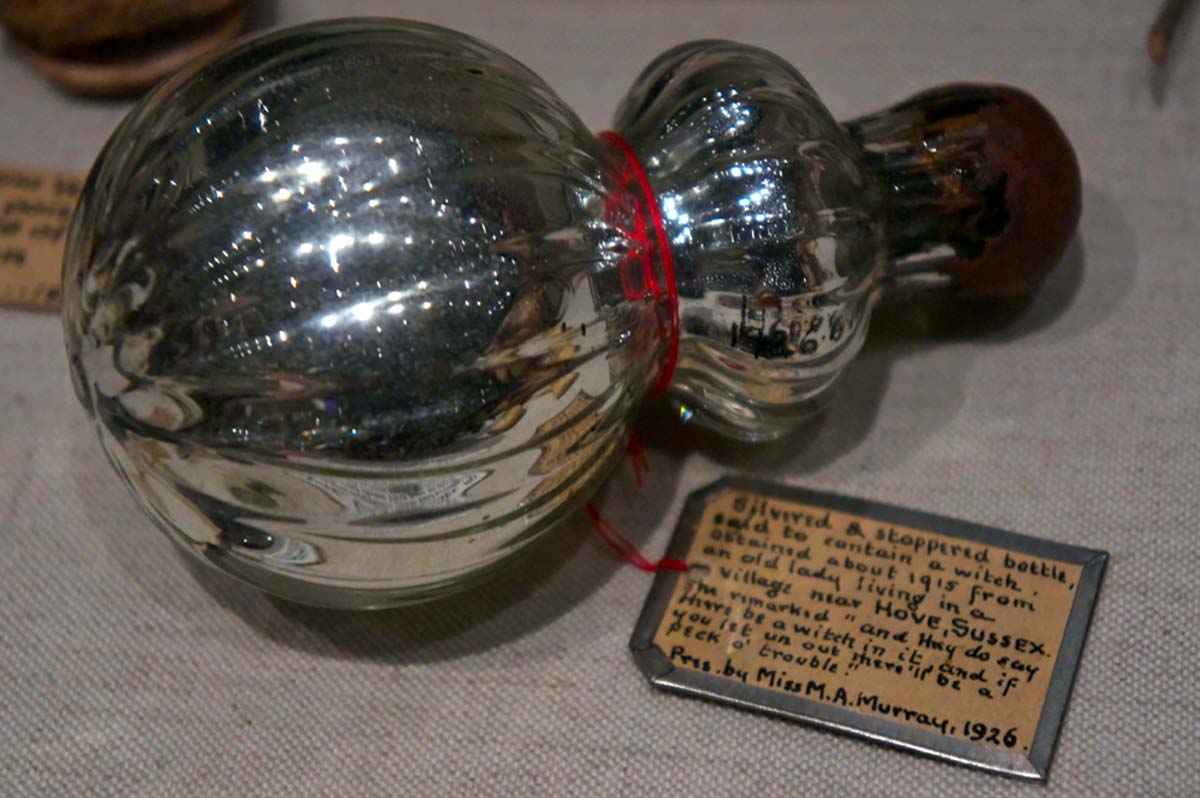
One of the museum’s most curious objects is a silvered glass bottle from Sussex, England, said to contain a witch. It was acquired by folklorist and archaeologist Margaret Murray in 1915 from an “old lady” who said to keep it closed so as not to release the witch and “a peck o’ trouble.”
This artifact seems to contrast with other witch bottles associated with the European witch paranoia, which are usually said to protect from witches. The museum has not opened the bottle.
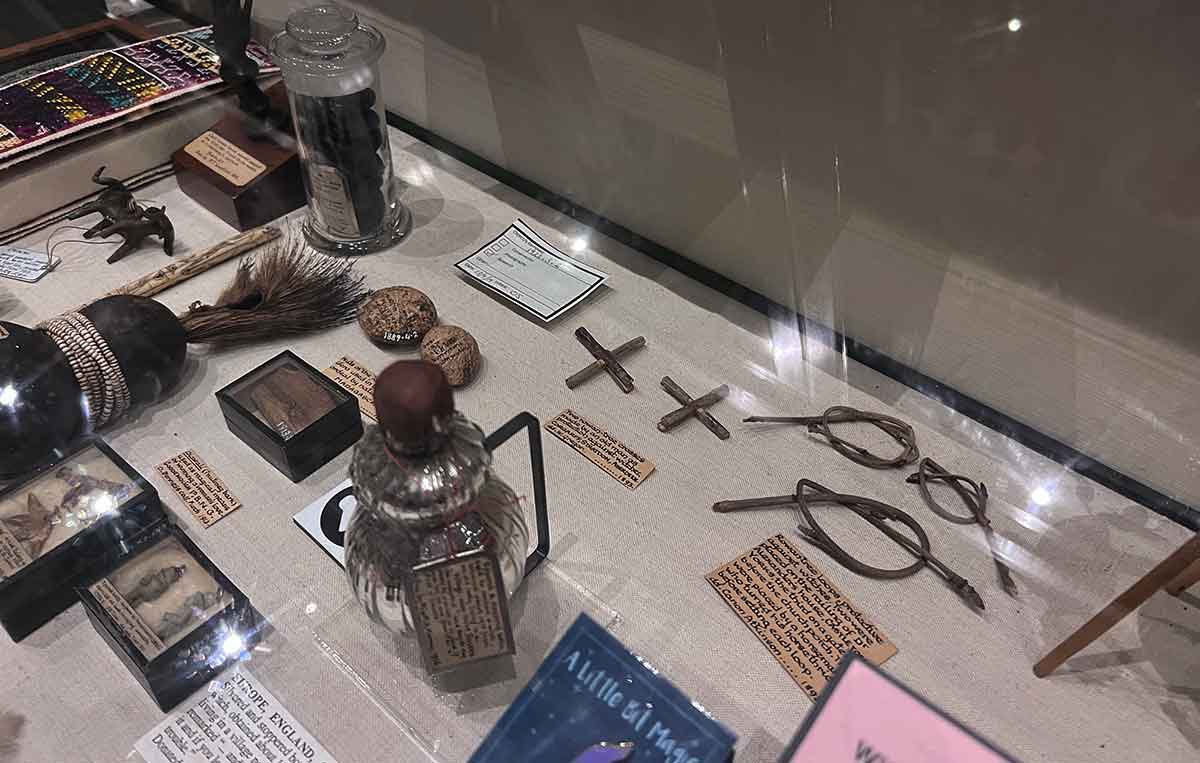
It sits in a display alongside other objects associated with magic. These include English rowan tree crosses that were hung on doors or above fireplaces as protective charms against malignant witchcraft, and an Agu’-nsi figure from Nigeria used in ritual divination.
7. Borneo Hair Comb
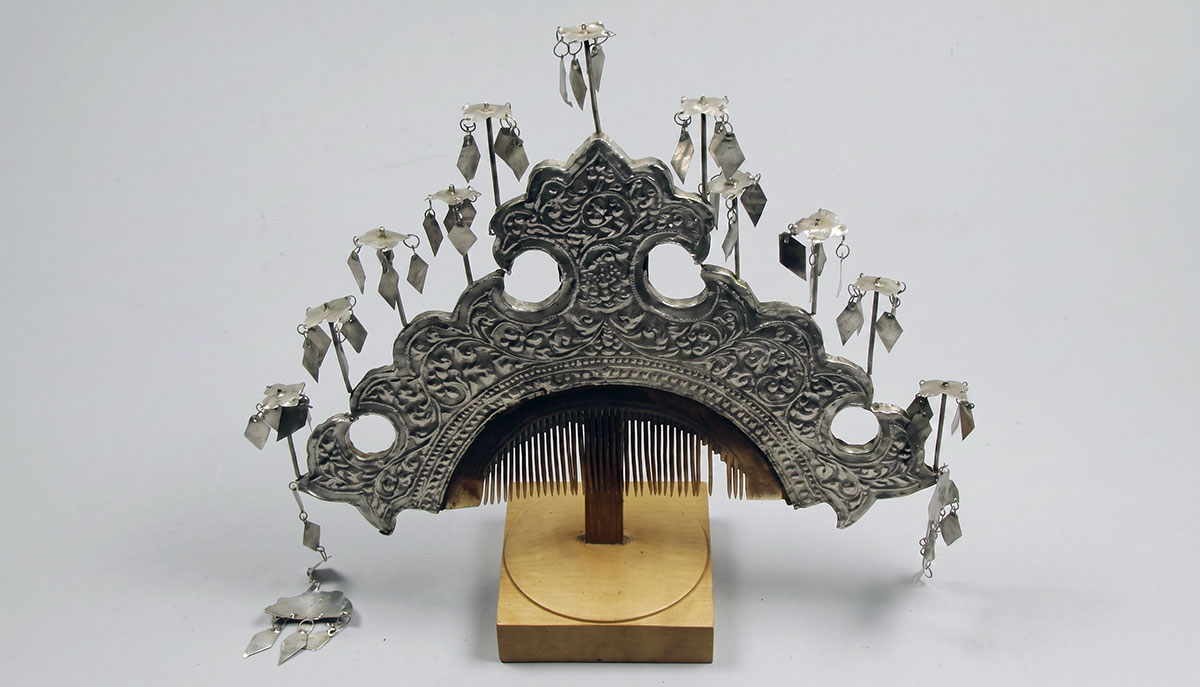
The Pitt Rivers Museum has an impressive collection of combs from around the world on display, used to untangle hair or produce elaborate fixed hairstyles. This large, elaborate comb from Borneo is made from turtle shell mounted in silver and is from the late 19th century.
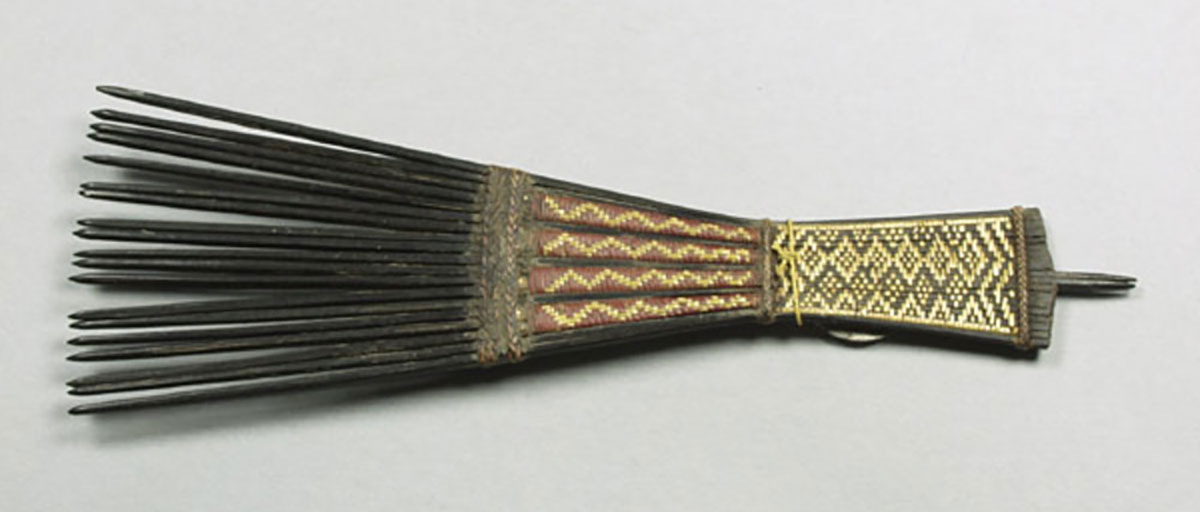
It sits alongside a wooden ornamental comb from the Solomon Islands, decorated with red and yellow grass work, another place where elaborate hair decorations were common. Combs like this were worn by young men on their first fishing expedition and were decorated with red streamers.
8. Italian Cimaruta Charm
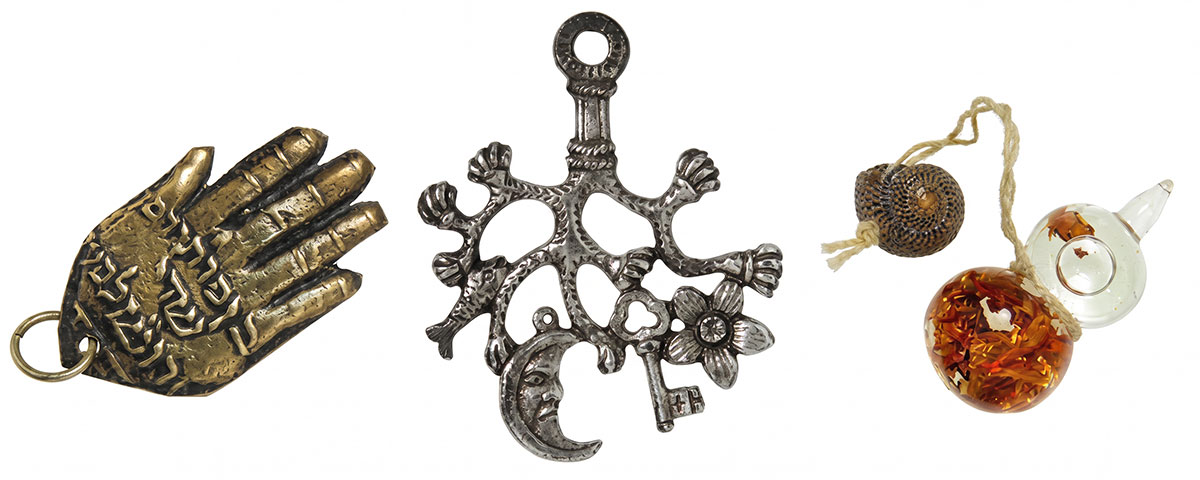
The museum contains a collection of charms and amulets believed to ward off the Evil Eye. One of the most impressive is a Cimaruta from Italy, which means “sprigs of rue,” referring to the magical and protective properties associated with the herb. The charm looks like a rue branch and is also decorated with an image of the crescent moon, associated with the goddess Diana, who offered protection during childbirth.
It sits alongside a hand amulet from Syria made from silver and covered in Hebrew writing, and a hy-o-tan amulet from Japan consisting of a small blown glass bottle with water and tinsel-leaf connected to a perforated shell.