
Museums in Japan were created differently from many museums elsewhere. In Europe and North America, they often developed to display relics from the past. In Japan, many were founded with a sense of urgency, collecting objects and traditions that were still in use because people understood how quickly the country was changing. Religious practices, court life, and everyday domestic culture were preserved before they disappeared during rapid modernization. That forward-looking approach explains why Japanese museums place such emphasis on how objects were used and displayed, rather than on spectacle alone.
1. Tokyo National Museum, Tokyo
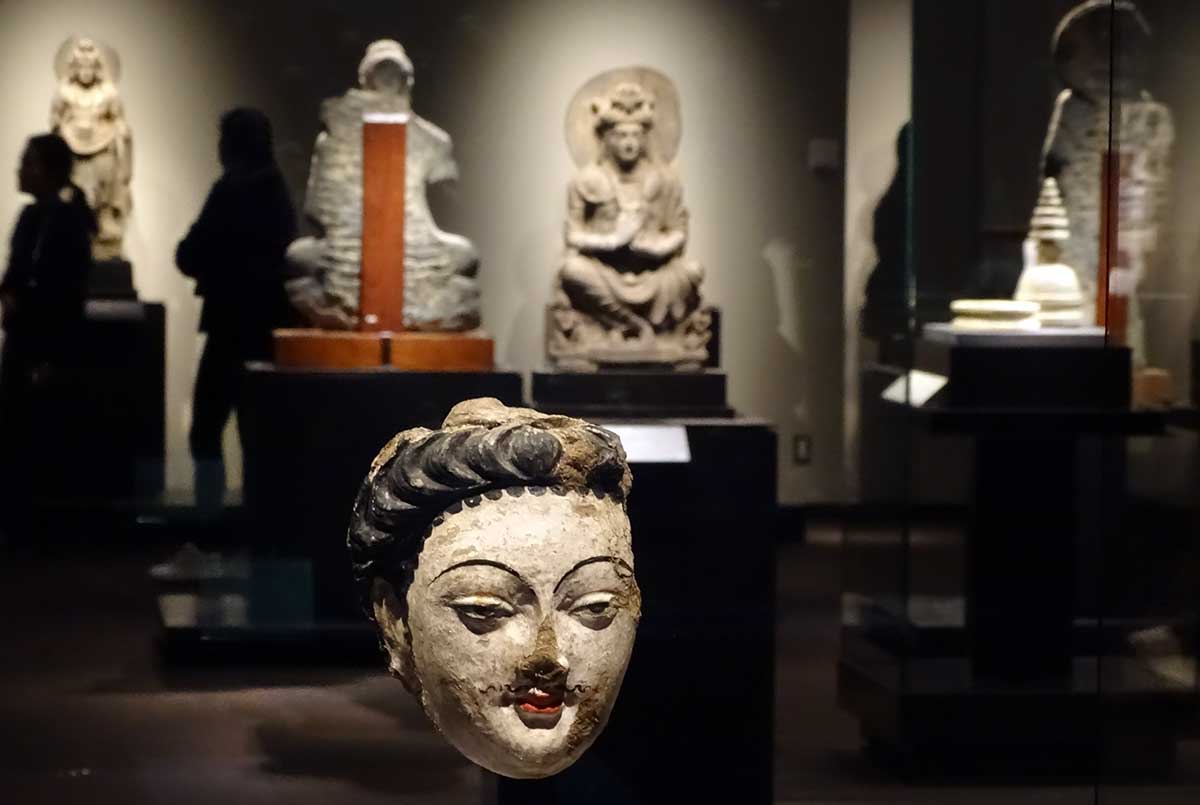
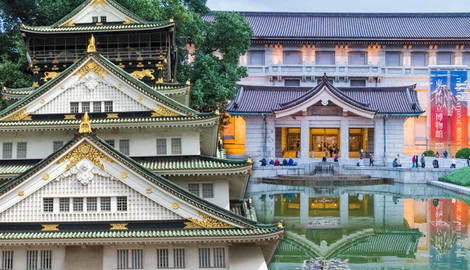
Tokyo National Museum is Japan’s oldest national museum and the clearest place to see how the country’s cultural traditions were shaped over time. Founded in 1872 during the early Meiji Period, it was created just as Japan was opening itself to the world and deciding what parts of its past needed formal protection.
The collection is eclectic but not chaotic in any way, and features archaeological relics from the Jōmon and Yayoi periods shown alongside Buddhist sculptures, samurai armor, court paintings, and an abundance of quaint, decorative art. Highlights include early clay figurines, Heian-period Buddhist statues carved from single blocks of wood, and folding screens that once divided space in residences of the elite. One of the museum’s strengths is in the way it explains everything in detail, with objects shown as functional equipment (even armor) and paintings rotated to reflect how they would have been traditionally viewed, briefly and seasonally.
Rather than presenting history as a straight line, the museum shows how beliefs, techniques, and social structures overlapped. You come away with a clear sense of how religion, warfare, court culture, and daily life all fed into what later became “Japanese art.”
2. Kyoto National Museum, Kyoto
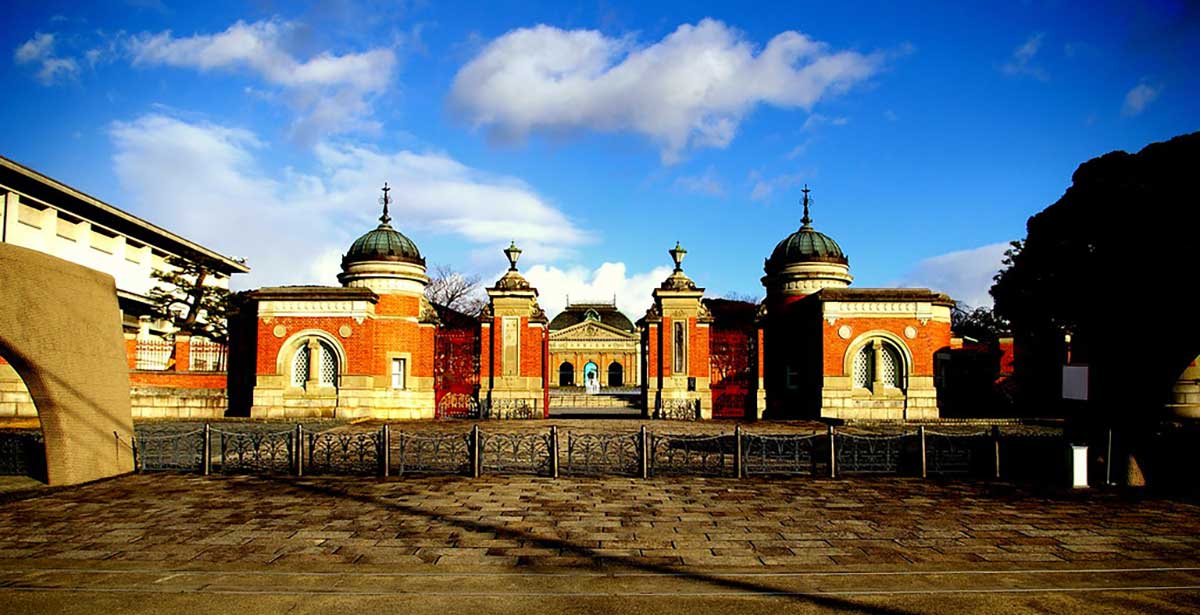
Founded in 1897, this National Museum sits in a city where religious life, court culture, and artistic production overlapped for centuries, often in the same neighborhoods.
The museum’s collection focuses on Buddhist art and court-related works, including sutras, ritual objects, paintings, and furnishings tied to elite life. Many of these pieces mirror what you see inside Kyoto’s temples, but here they are showcased in detail, with labels explaining who commissioned them, how they were used, and why they were preserved.
Insider tip: Try to visit this museum early in your Kyoto stay, as it gives you a useful visual vocabulary. Buddhist figures, ritual objects, scrolls, and materials are clearly explained, and once you’ve seen them here, temples around the city stop feeling interchangeable. You begin to notice which figures belong to which sect, why certain halls are arranged the way they are, and how objects were meant to be handled or displayed.
3. Nara National Museum, Nara
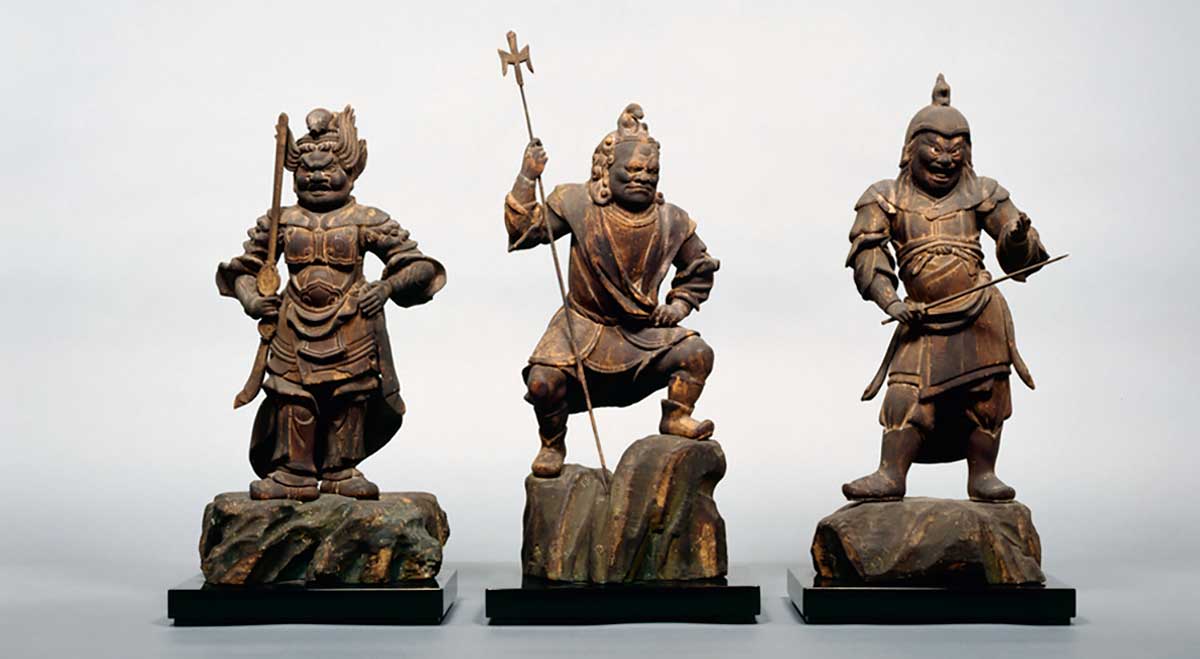
Established in 1889, the Nara National Museum concentrates on Buddhist art from the period when Japan was first experimenting with a permanent capital and a centralized state. At that time, Buddhism was closely tied to the government, and many of the objects here were produced with official backing rather than private patronage.
The collection includes large-scale sculptures, ritual implements, reliquaries, and temple furnishings made for major institutions around Nara. These were not decorative works but functional objects used in public ceremony and state-supported worship. Several works date to the Nara Period and early Heian Period, when temples operated on a scale that later cities could rarely match.
4. Hiroshima Peace Memorial Museum, Hiroshima
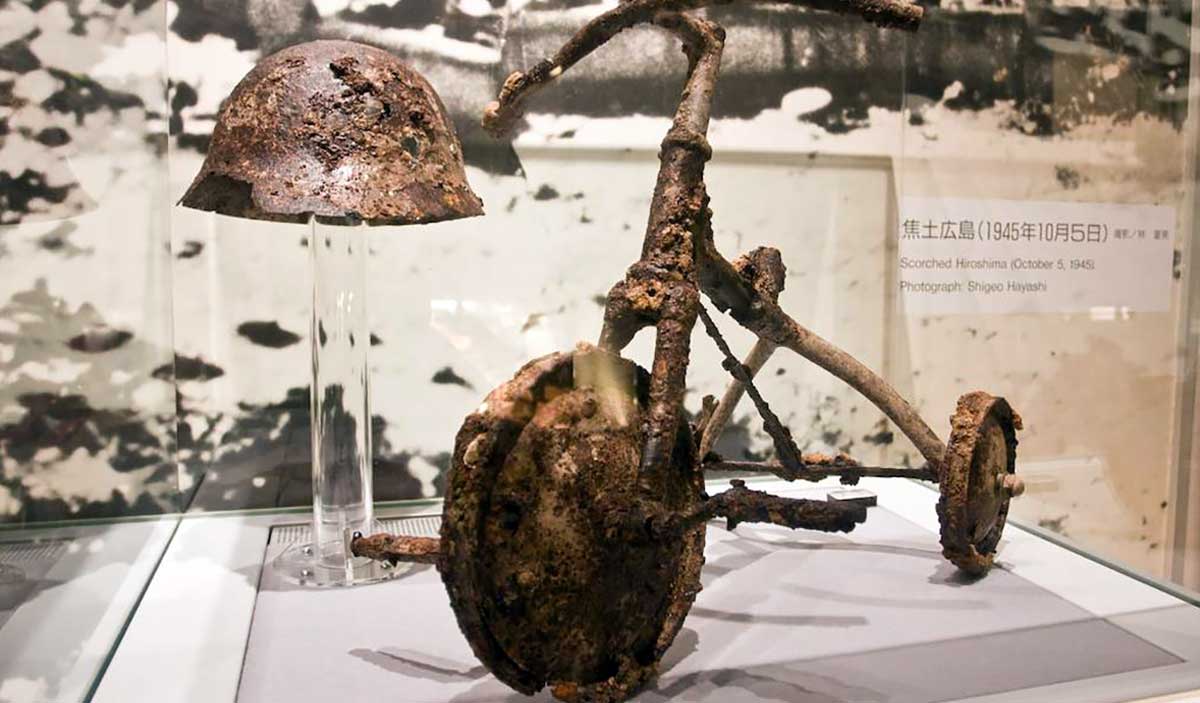
The Hiroshima Peace Memorial Museum opened in 1955, less than a decade after the atomic bombing of the city, and has been revised several times as public discussion of the war deepened. From the beginning, the main purpose of the museum was shaped by survivors who began saving objects, documents, and personal testimonies while memories were still fresh and physical evidence remained.
Early exhibitions focused on reconstruction and peace education in a period when open discussion of civilian suffering was actually quite limited. As the years passed and the themes around the atomic bombs were expanded and revisited, the scope of the museum broadened. It began to give more space to the individual experience and broached the subject of the long-term effects of radiation. That shift is evident in how the story is told today, through personal belongings, photographs, official records, and survivor accounts.
The museum keeps its scale deliberately small, and the effect on visitors is startling. A watch stopped at the moment of the blast, a scorched school uniform, a lunch box burned to smithereens. These everyday objects help to anchor the cataclysmic event in real lives and are much more effective than sweeping statements of inconceivable numbers of deceased and wounded. This is, by far, one of the most direct and impactful museum experiences you’ll likely have in Japan.
5. Edo-Tokyo Open Air Architectural Museum, Tokyo
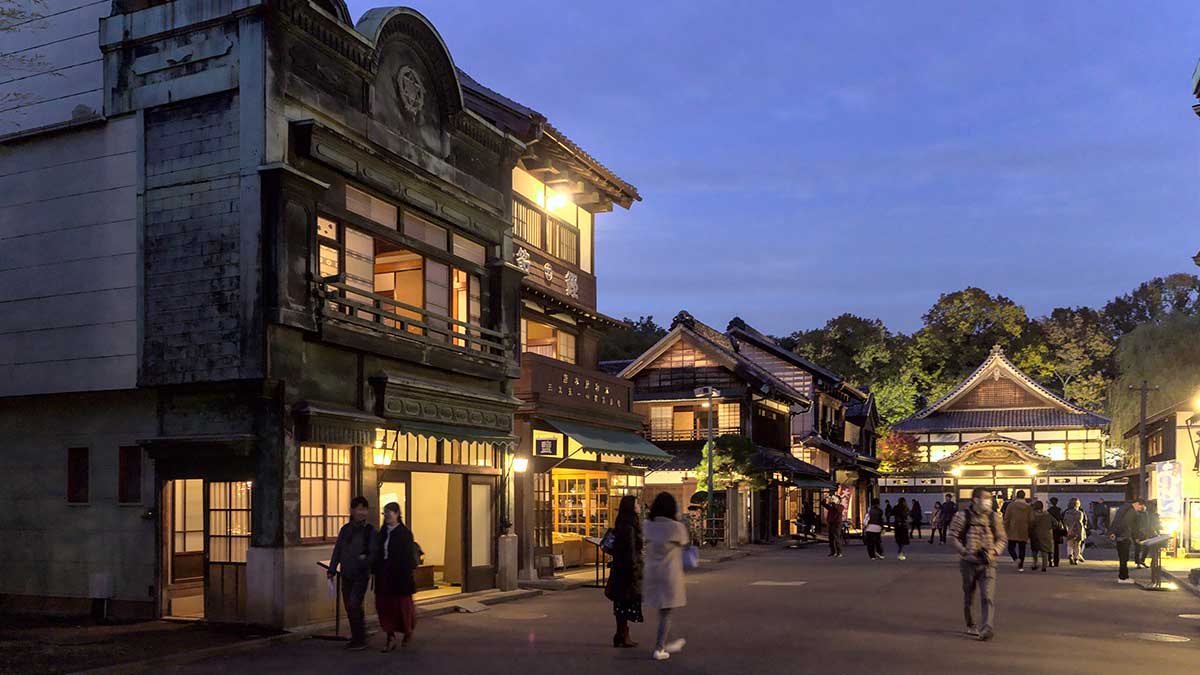
Opened in 1993, Edo-Tokyo documents parts of the city that disappeared as it expanded and redeveloped, using full-scale buildings as its main storytelling tool.
Homes, shops, bathhouses, and small workshops were relocated here from across Tokyo when their original neighborhoods were cleared. Walking through the grounds, the city’s history unfolds in sequence. Edo-period merchant houses give way to Meiji-era shops and early Shōwa homes, and the physical changes are easy to read. Rooms become smaller, ceilings lower, and living and working spaces blend together.
These buildings show how Tokyo changed through countless practical adjustments made by ordinary people as the city grew more crowded. It is one of the clearest places to understand how urban life actually functioned across different periods, without needing explanation layered on top.
6. Nezu Museum, Tokyo
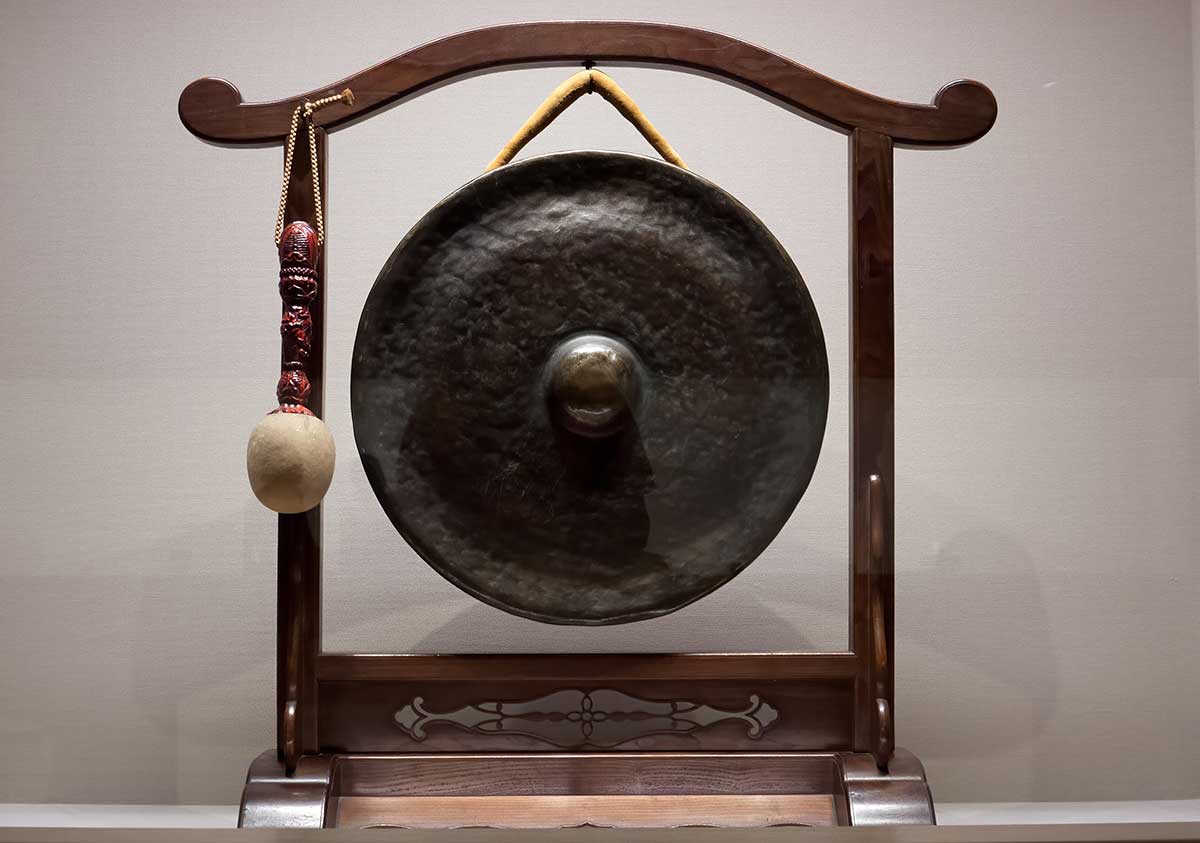
Opened to the public in 1941, the Nezu Museum reflects the personal taste of its founder, Nezu Kaichirō, a railway magnate and dedicated tea drinker. His collection focuses on Japanese and East Asian art, with particular strengths in painting, calligraphy, Buddhist works, and tea ceremony objects.
Because the museum is shaped by a single collector rather than an institution, it feels carefully edited rather than encyclopedic. As many will attest, the museum is not there to teach you anything but to show you lots of pretty things. Tea bowls, scrolls, and utensils shown here were all carefully selected for their meaning and use rather than their age or value. Many are rotated on a regular basis, and displays are often themed and timed with the seasons and traditional tea practices.
Insider tip: Unless you’re visiting in winter and desperate to get out of the cold, take some time to walk through the garden before stepping inside the museum. The garden is delightful in autumn or early spring and makes the focus on tea objects and seasonal display choices easier to appreciate. If you have time afterward, the quiet streets around Aoyama and Omotesandō are perfect for a slow walk and a coffee, which fits the mood far better than jumping straight back onto the bustling subway.
7. National Museum of Modern Art, Tokyo
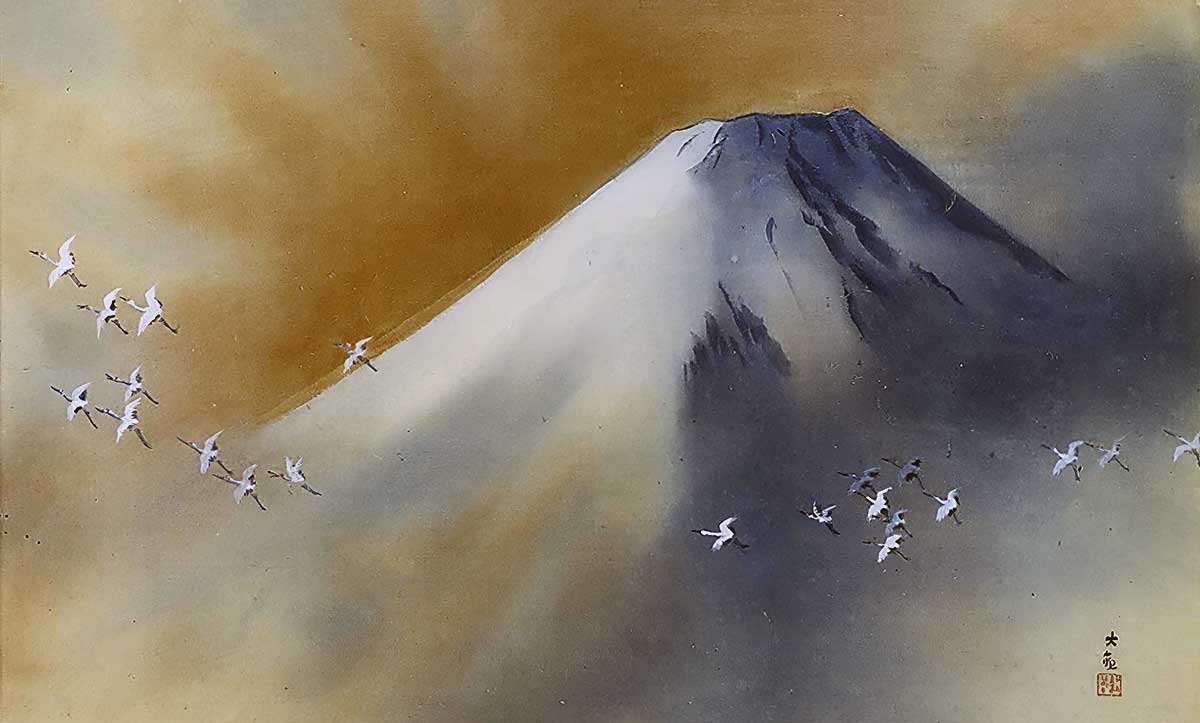
The first national museum in Japan devoted solely to modern art was founded in 1952, when the country was still recovering from the devastation of WWII. Artists were working in a country shaped by defeat, occupation, and exposure to Western ideas, while also grappling with how much of their own artistic tradition still made sense in a rapidly changing modern world.
What is abundantly clear in the galleries is that modern Japanese art did not abandon tradition altogether. Nihonga painters such as the legendary Yokoyama Taikan experimented with modern techniques while continuing to use mineral pigments and ink on paper or silk. Artists working in oil and printmaking likewise adopted Western techniques without fully letting go of Japanese themes or well-loved formats.
8. Adachi Museum of Art, Shimane Prefecture
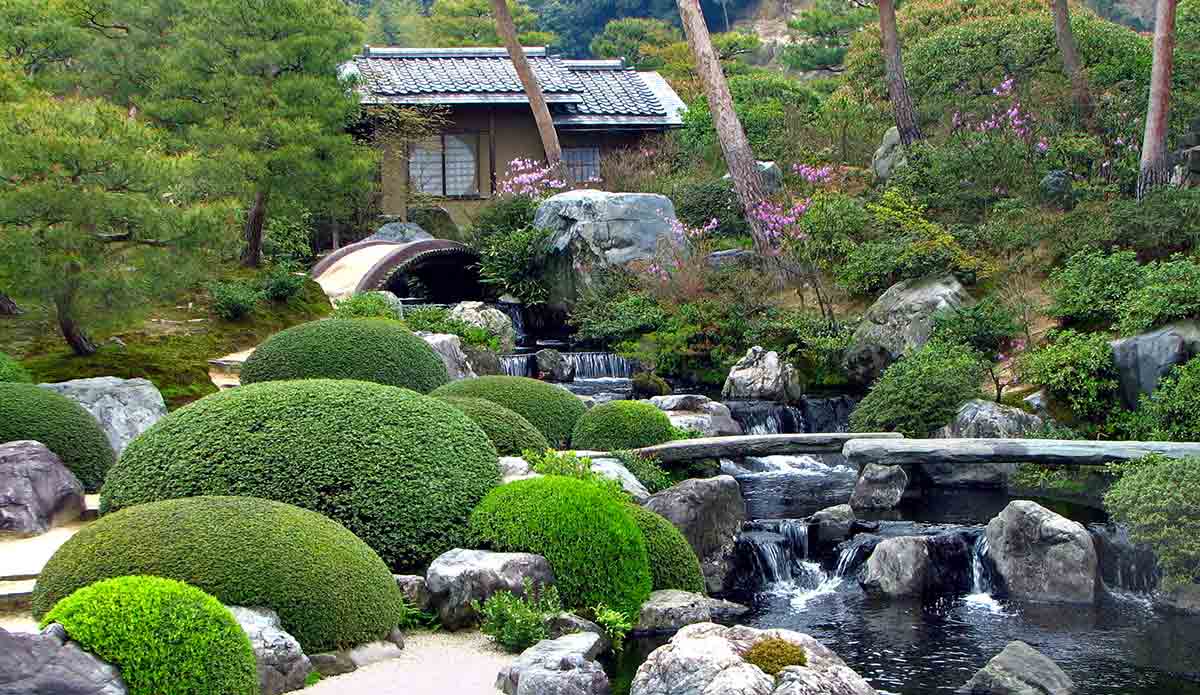
Opened in 1970, the Adachi Museum of Art was established by industrialist Adachi Zenko, who believed paintings were best experienced in a carefully controlled environment. The collection homes in on modern Japanese painting, with a particular lean toward works by Yokoyama Taikan, whose Nihonga landscapes play a central role throughout the galleries.
Paintings are shown in relatively small rooms that boast large windows facing out to the gardens. These gardens are designed to be viewed alongside the paintings as composed scenes, stretching the balance, spacing, and brushwork of the works of art. Seasonal changes actually become part of the experience, affecting how both art and landscape are perceived, so that no two visits are ever the same.