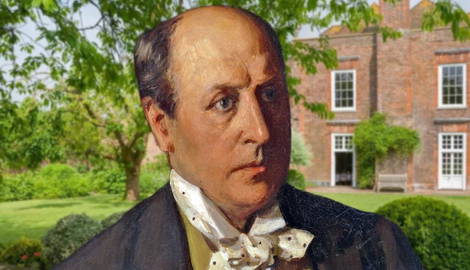

Author Henry James constantly moved between two worlds: from the 19th century to the 20th, realism to modernism, and America to Europe. Like many expatriate American writers who followed him in the 20th century, he developed a double consciousness, taking on the ways of his adopted English society but retaining an ability to analyze it as an outsider. He drew on this double life to write novels revered as much for their notoriously difficult prose as for their presentation of contrasts between the Old World and the New.
Early Life in New England
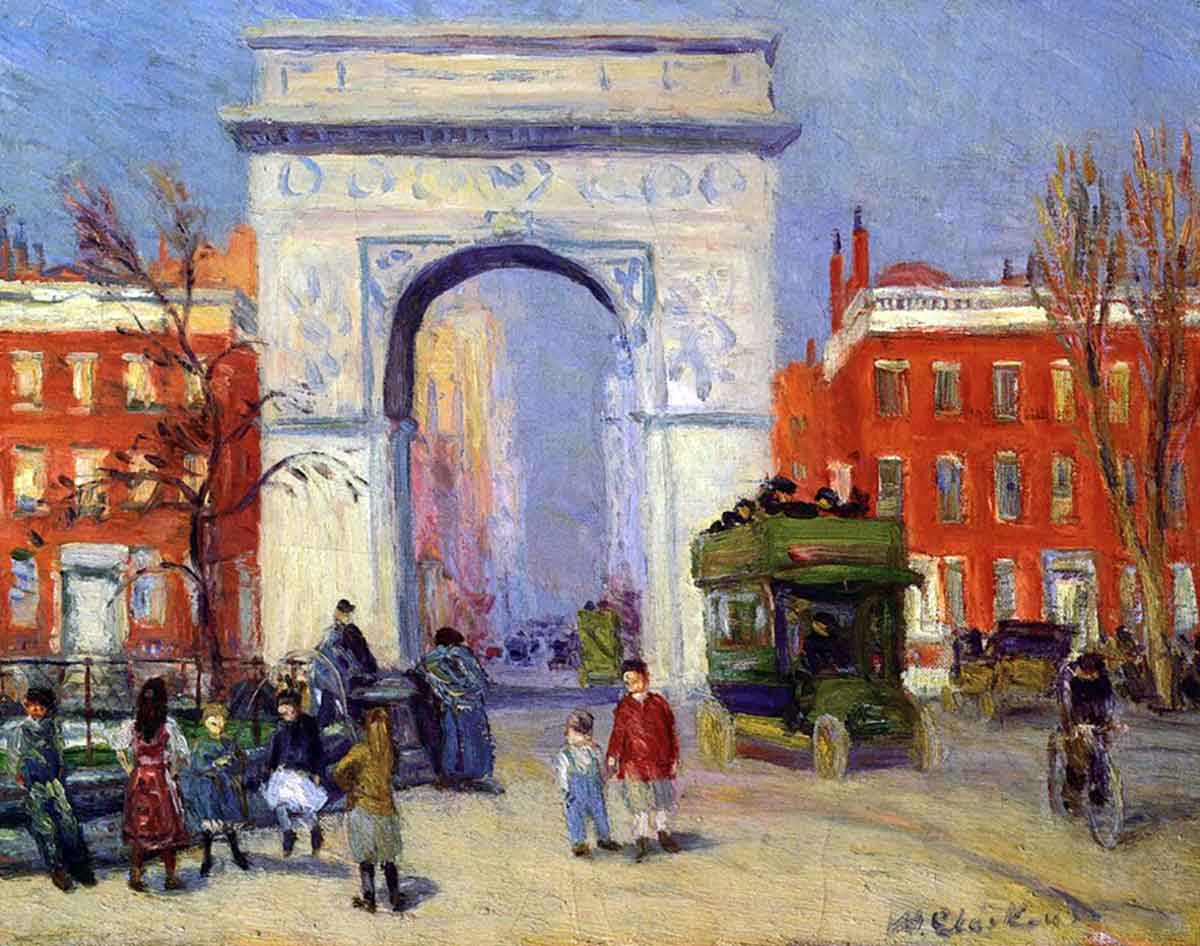
The James family was famously brilliant. Henry James Sr. was a utopian theologian immersed in the intellectual life of mid-19th-century Massachusetts, rubbing shoulders with Ralph Waldo Emerson and Henry David Thoreau.
When his children were born, he was living in Washington Square, New York City, the eponymous location of an early novel by his son. Henry James Jr. would describe the neighborhood as having “a kind of established repose which is not of frequent occurrence in other quarters of the long, shrill city.” Here, one might “come into a world which appeared to offer a variety of sources of interest” (James 2001, p. 13). He would never completely lose this interest in the genteel world of high-society New York, but he would cast his sights further afield before long.
Henry James Jr. was born in 1843, a year after his brother William, who would go on to become an eminent and innovative psychologist. William James’s experimental, empiricist psychology was founded on his early training in physiology and medicine, as well as an interest in philosophy, in which he took after his father.
William and Henry James were close to their sister Alice, whose bouts of mental illness seem to have influenced both brothers’ work. Alice was also a writer, keeping a diary for the last three years of her life, which has become a source of scholarly interest for its revelations about the James family and in its own right, as a study of illness.
A Cosmopolitan Youth
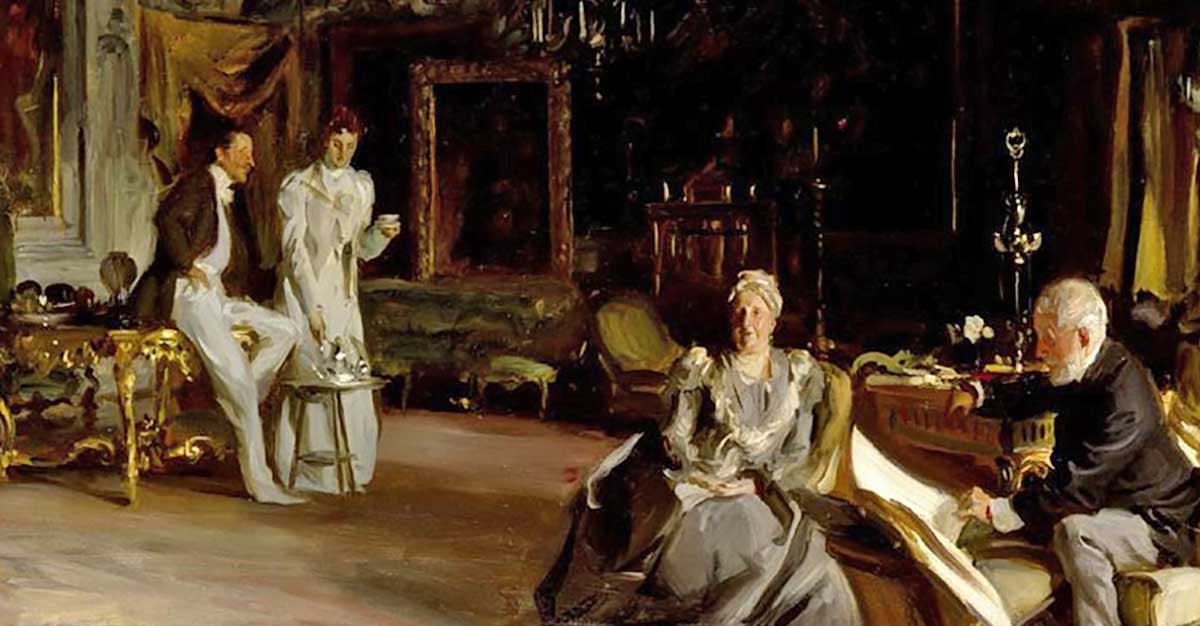
A cosmopolitan, in the 19th century, was someone whose worldview was untrammeled by national borders; someone who had spent time absorbing the culture of multiple countries. In America, particularly, someone who had traveled extensively in Europe. The James family was as cosmopolitan as they come.
Henry was not yet one when his father sold the house in Washington Square, and the family upped sticks to Europe. They returned intermittently to New York, but between the ages of 12 and 17, Henry spent more time abroad than at home. His father’s work took him to intellectual centers such as Paris, Geneva, and London.
According to 19th-century tradition, a young American returning from such travels could now consider himself sufficiently worldly and cultured to become a writer, which James did after quickly abandoning his studies at Harvard Law School. From the very start, James was interested in what he would later term ‘the art of fiction,’ publishing criticism as well as stories, and making friends with important figures in the literary circles of New York, Boston, and Cambridge, Massachusetts.
In his late twenties, he felt a pull to return to Europe. There, he mixed with even more eminent Victorians, many of them cosmopolitans like himself. From the world of English literature, he met George Eliot (who was working on her own novels set partly in Europe, 1871’s Middlemarch and 1876’s Daniel Deronda), Charles Dickens, and the critics Matthew Arnold and John Ruskin.
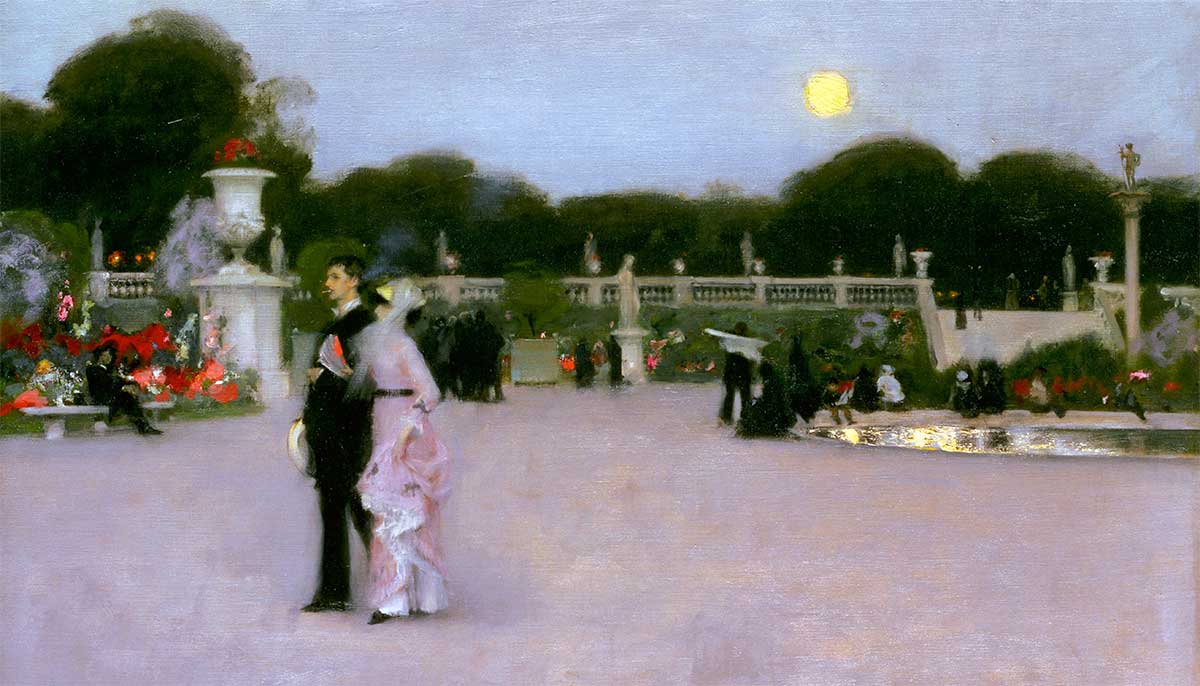
Rome and Paris offered long-term prospects for James as a foreign correspondent for American publications. In 1875, he spent a year living in Paris’s famed Latin Quarter, again managing to make the acquaintance of authors whose names would go down in history: Émile Zola, the master of literary naturalism; Guy de Maupassant, practitioner of the short story; Ivan Turgenev, advocate of Russian literature in the West.
The stage was set for James to start penning classics of his own. His early novels dealt, perhaps predictably enough, with wealthy heiresses in New York society, struggling artists in Rome, and the contrasting values and ways of life in the New World of America versus the Old World of Europe. See his revealingly titled novels The American (1877) and The Europeans (1878).
Settling in England
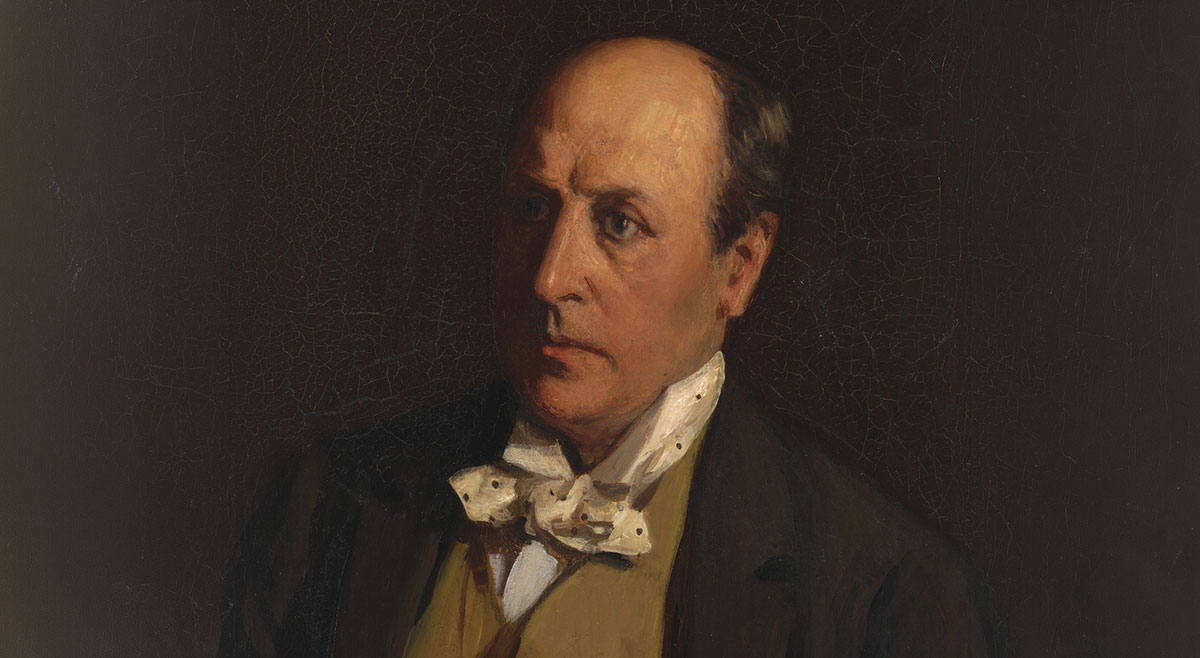
It was not until he settled in London that James hit his stride, drawing together the influences of his affluent, learned New England upbringing with his cosmopolitan education and passion for the literary traditions of France and England.
Moving among the upper echelons of British society, James developed an interest in (and a keen ability to analyze) both the people within this society and the effects of this society on outsiders such as himself. Americans, with their innocent optimism and zeal for taking life by the horns, might easily find themselves at odds with world-weary Europeans, whose cynicism comes from having seen and done everything that the Old World, stuffed with so many artistic treasures that beauty becomes passé, has to offer.
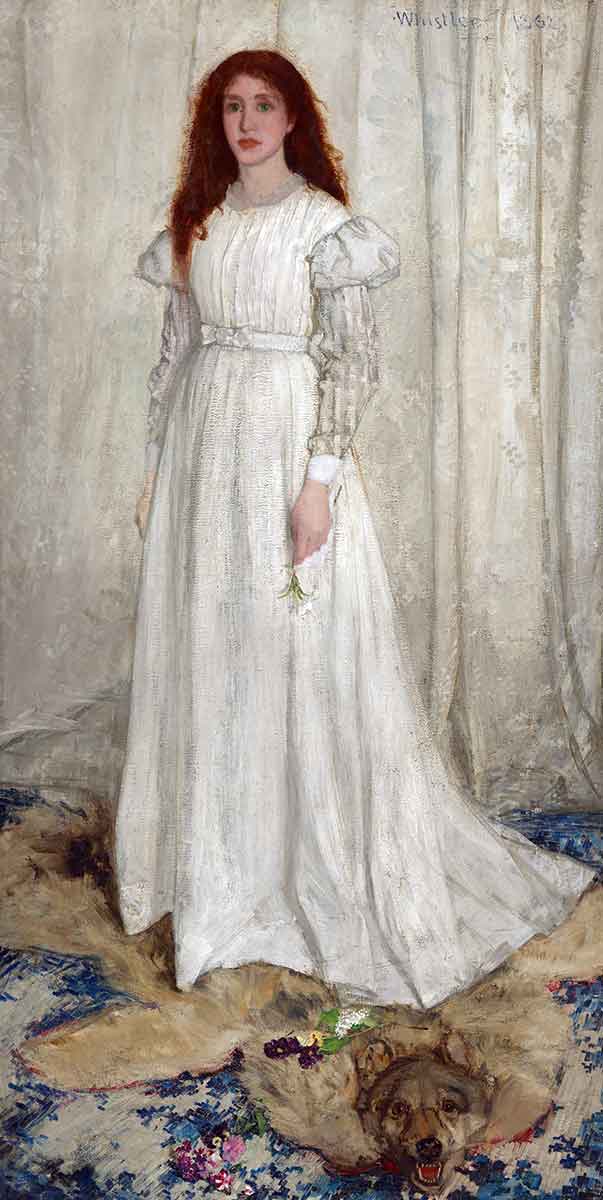
Many of James’s friends and readers were well-off women. Unsurprisingly, his first successful novels featured protagonists plucked from this demographic: Daisy Miller (1878) and The Portrait of a Lady (1881). Both novels examine the problems of courtship for young, wealthy, and brilliant women whose privileged, cosmopolitan experiences set them at odds with the norms of behavior for married women.
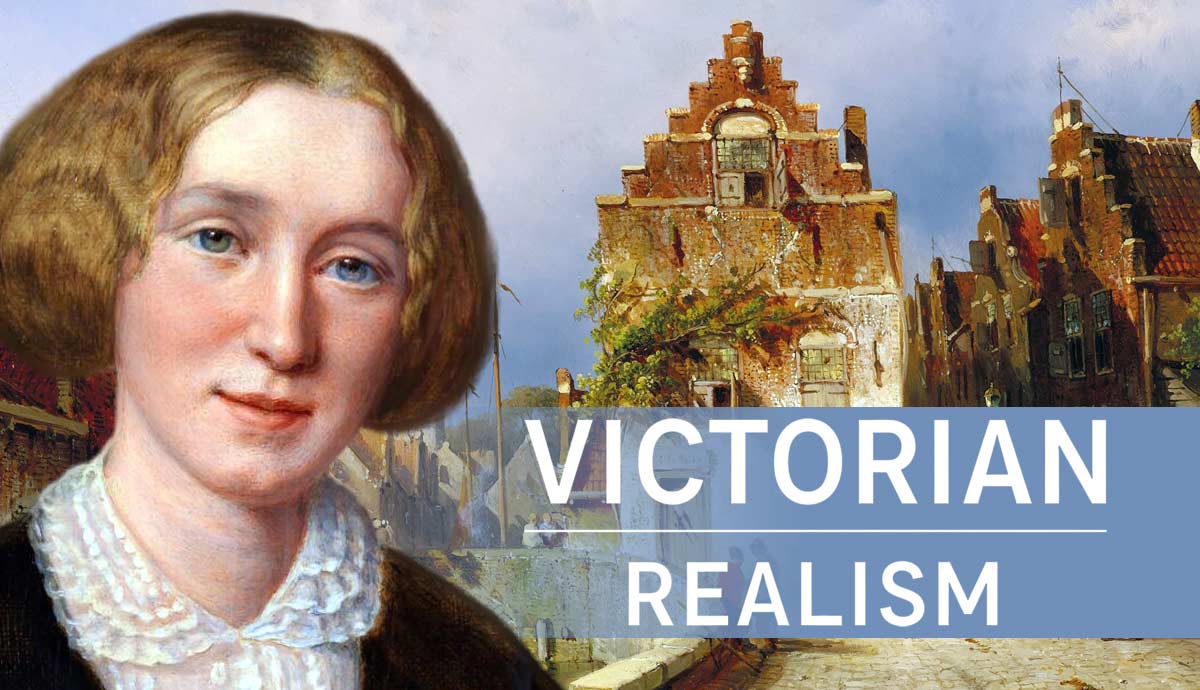
James has been both praised and criticized for how he portrays women. He claimed to have been inspired by George Eliot’s ordinary yet remarkable heroines, such as Dorothea Brooke in Middlemarch. “Place the centre of the subject in the young woman’s own consciousness,” he wrote, “and you get as interesting and as beautiful a difficulty as you could wish” (James 1908, Preface).
This is partially an explanation of James’s approach in Portrait of a Lady, which is considered his first masterpiece for the way it interrogates the interiority of its heroine, Isabel Archer, as she contemplates marriage and throughout her marriage to the egotistical Gilbert Osmond. It is also more broadly a defense of his highly interiorized technique. James admired Eliot’s ability to prove how much her female characters “insist[ed] on mattering” by placing them front and center in her novels, making their consciousnesses adequate subjects for serious, intellectual fiction, and he aimed to do the same.
The 1890s: James’s Crisis Point
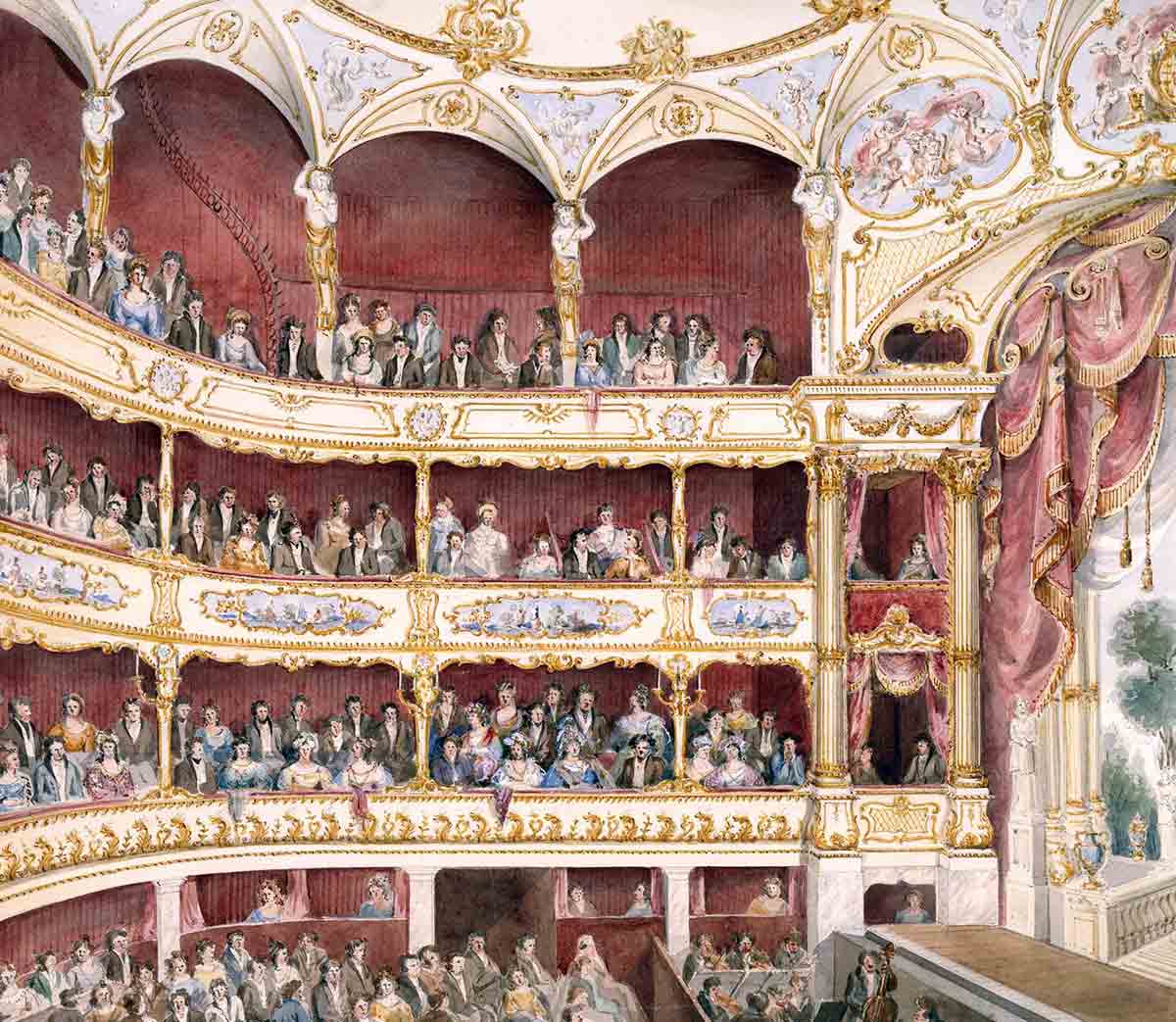
By the late 1880s and early 1890s, James was living in London, often visiting Paris and re-immersing himself in French literature. His 1890 novel The Tragic Muse, with its actress protagonist, revealed his strong interest in the theater, and was followed by an attempt to conquer the West End.
Guy Domville, which premiered in January 1895, ran for just one month and was greeted with booing. Audiences did not quite share James’s interest in the conflict between worldly and religious lives, played out in the 18th-century protagonist’s flirtations with entering a monastery versus continuing the family line. Famously, when the protagonist spoke the line, “I’m the last, my lord, of the Domvilles,” an audience member shouted out: “It’s a bloody good thing you are!”
The conflict in Guy Domville was pertinent to James: not because he had designs upon a religious life but because celibacy and all-male companionship were on his mind. Guy Domville was staged by the manager of the St. James’s Theater, George Alexander, already known for promoting Oscar Wilde’s comedy Lady Windermere’s Fan (1892). Alexander would become notorious later in 1895 as the producer of Wilde’s The Importance of Being Earnest, which was running at St. James’s when the playwright was arrested and convicted for homosexuality.
Perhaps in the spirit of rivalry, James had called Wilde’s play An Ideal Husband “crude,” “feeble,” and “vulgar.” But in a letter reacting to Wilde’s arrest, he stressed the “sickening horribility” of having one’s private life exposed and made into a “spectacle” (Matheson 726).
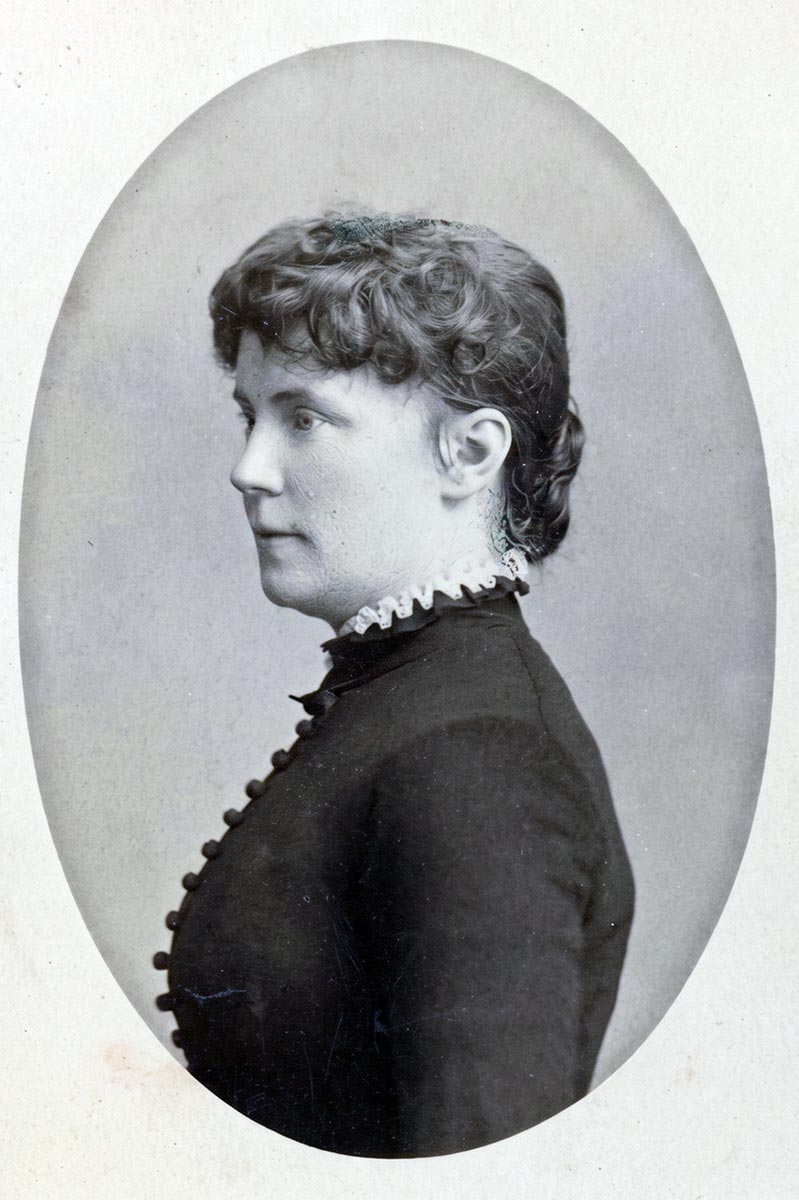
Objecting to the indignity of being made conspicuous for one’s sexuality, James here fuels the theory of several critics who have speculated that he was closeted. Like his friend Robert Louis Stevenson in the classic Gothic novella The Strange Case of Dr Jekyll and Mr Hyde, James seemed interested in the possibilities afforded by modern, urban life for hiding in plain sight.
The 1890s brought James a series of personal and professional crises, which, as the themes of Guy Domville suggest, must have made him conscious of his public perception. He was brought down by the deaths of his sister Alice in 1892, then Stevenson in 1894, and then his close friend Constance Fenimore Woolson.
An erudite, cosmopolitan writer like James, Woolson had kept up an intense, 14-year friendship with him, founded on rivalry and mutual obfuscation. Both felt they had something to hide. It remains open to debate what, exactly, they felt for each other: words flowed freely between them when discussing each other’s work, but when it came to their feelings, a wall of silence sprang up. Undoubtedly, James was affected by her probable suicide in Venice in 1894. From here on, his work grew yet more contemplative, yet more complex.
Henry James’s Masterpieces
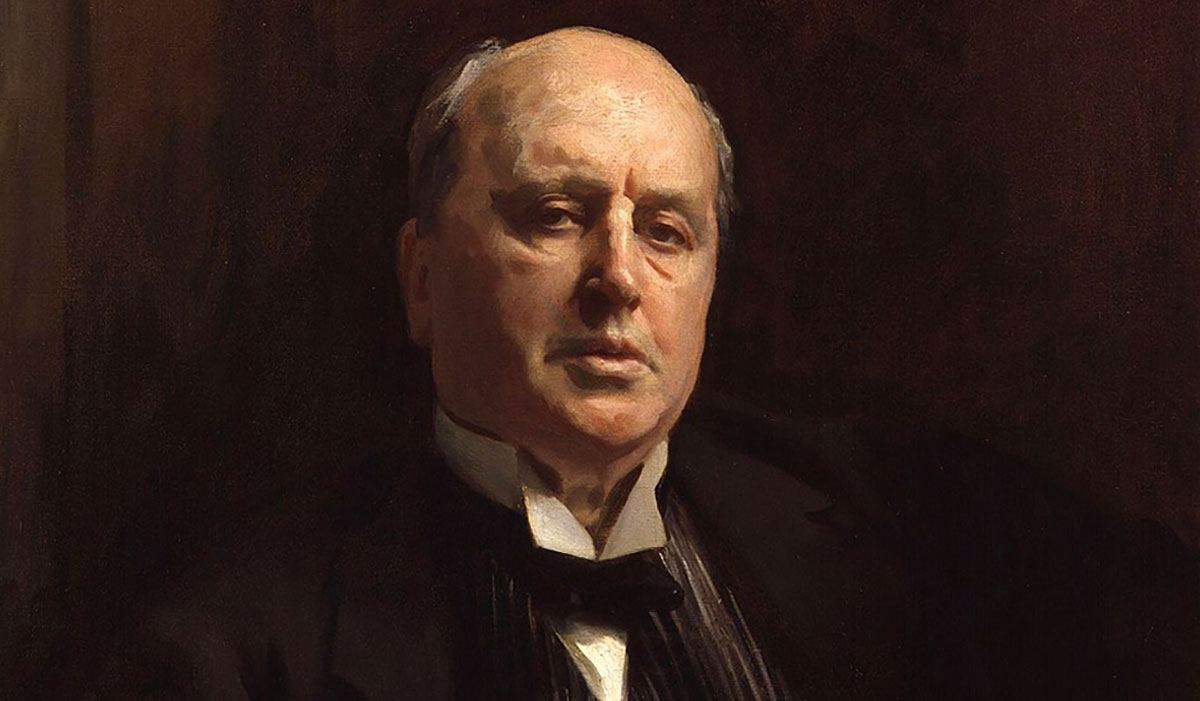
After the hardships of the 1890s, James reached his apex as a writer, although he now stuck firmly to novels, short stories, and criticism. In works from the late 1890s and 1900s, he integrated his previous ‘international theme’ with an interest in drama, psychological depth, and awakening consciousness of sexuality.
He published The Turn of the Screw in 1898: a Gothic horror novella which turns on the unreliable narration of a governess who believes her young wards to be possessed by the spirits of former staff at the mansion. Part of the governess’s outrage (although it is not quite overtly spelled out) comes from the possibility that these children have, through these evil spirits, been exposed to sexual knowledge.
The Awkward Age, the following year, was less Gothic in style but similarly explored a young girl’s awareness of sexuality among the adults around her, as did What Maisie Knew (1897). James’s increasingly oblique style matched this subject. The novels are full of euphemism and circumlocution, mimicking the way people talk around their feelings (and juxtaposing it with the straight-talking of children).
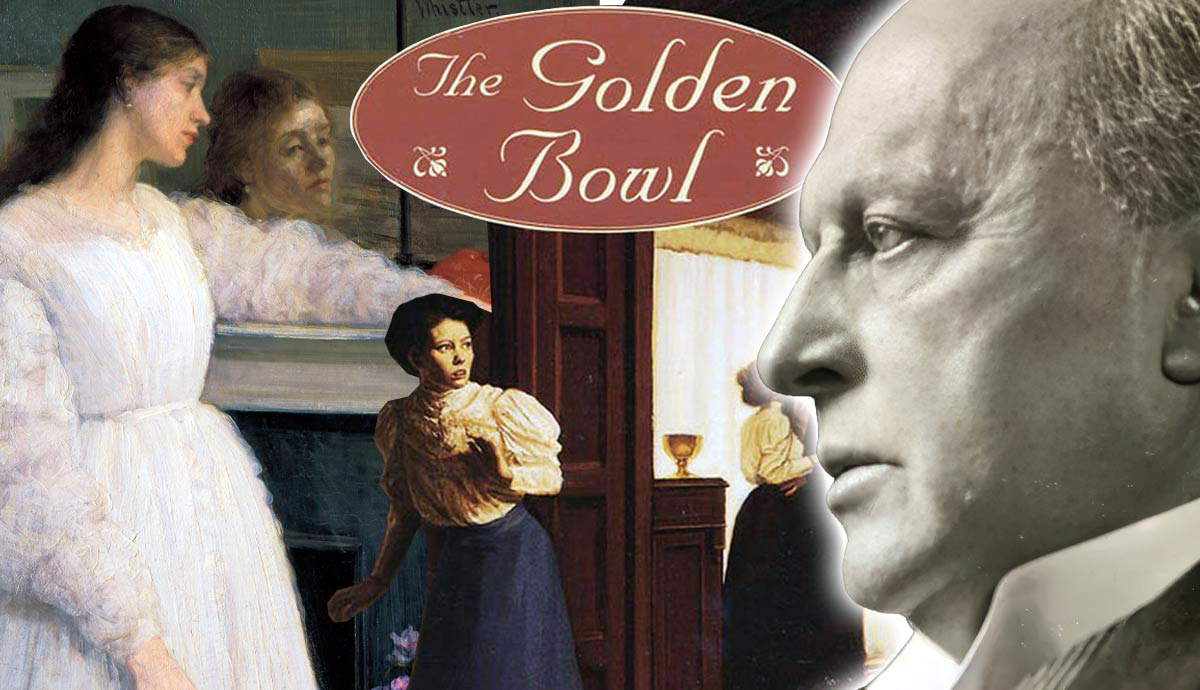
Other masterpieces from this period were The Wings of the Dove (1902), The Ambassadors (1903), and The Golden Bowl (1904). James’s themes of cosmopolitan experience and the problem of marriage, especially for women, remain intact. With these novels, though, James mastered the prose for which he is known: both wandering and precise, fixated on pursuing every facet of a character’s inner workings and thought processes.
Final Years and Impact

Henry James wrote most of his masterpieces after settling in the English seaside town of Rye in 1898, in a Georgian villa called Lamb House. He lived here for the next 18 years, only returning to America for short visits. He never married, but devoted himself to filling Lamb House with art, developing its gardens, and inviting numerous literary friends, including H.G. Wells and Joseph Conrad.
In the early 1900s, James undertook the huge task of editing and compiling his novels for a collection known as the New York edition, revising some and writing prefaces explaining his intentions. By this time, he was dictating his words to a secretary rather than writing or typing them himself, which has been proposed as a reason for his labyrinthine sentences.
Yet each word is scrupulously chosen, and it can often take more than one reading to comprehend a Henry James sentence. Take this example, from his 1908 preface to Portrait of a Lady:
“These are the fascinations of the fabulist’s art, these lurking forces of expansion, these necessities of upspringing in the seed, these beautiful determinations, on the part of the idea entertained, to grow as tall as possible, to push into the light and the air and thickly flower there; and, quite as much, these fine possibilities of recovering, from some good standpoint on the ground gained, the intimate history of the business – of retracing and reconstructing its steps and stages.” (James 1908, Preface)
By the time the First World War broke out, James had good reason to consider himself more English than American. Like many in Britain’s artistic circles, he was horrified by the prospect of war in Europe, a place he saw as a cradle of culture and freedom. As an American, James was doubly horrified at his home nation’s initial lack of intervention. In 1915, in an act of protest, he gave up his American citizenship and became a naturalized British citizen.
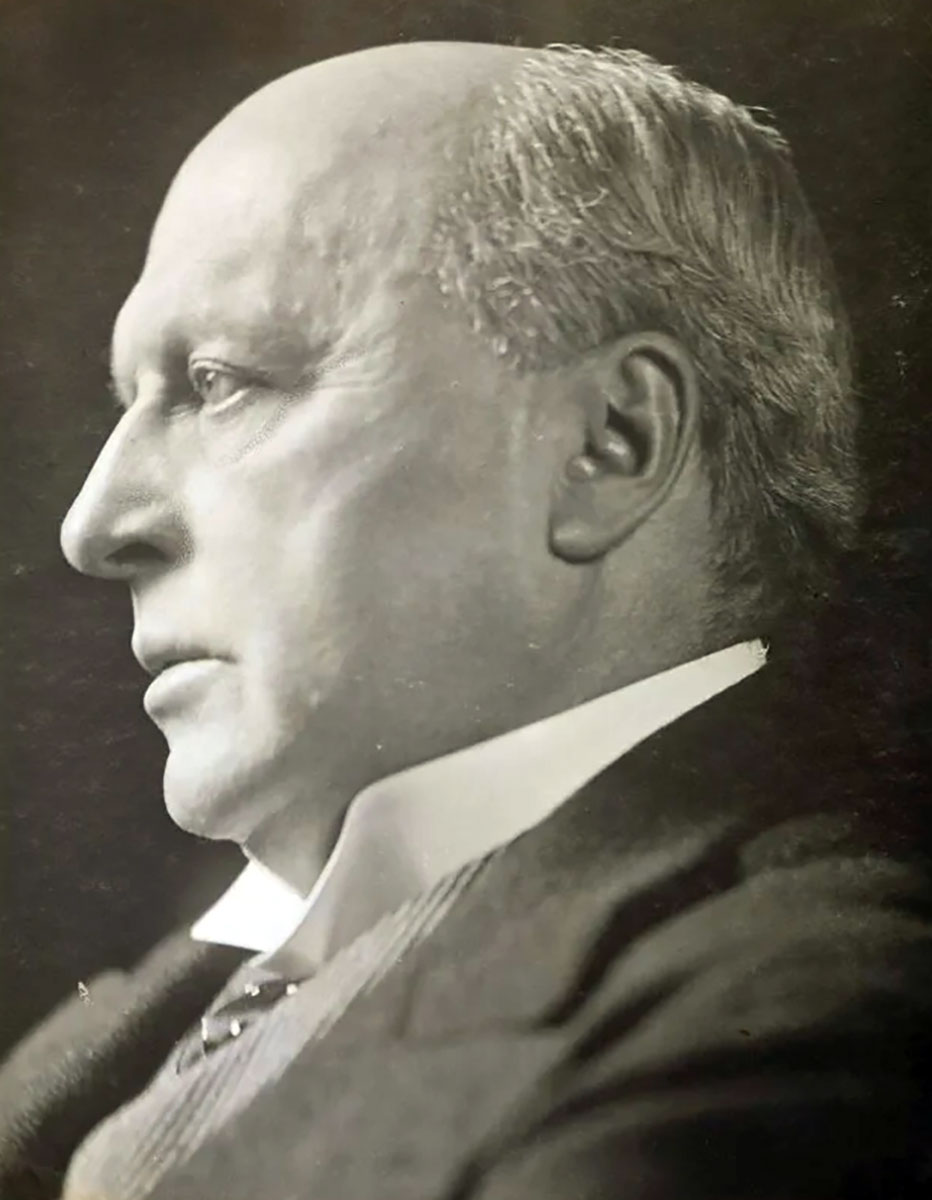
His fiction remains difficult to categorize because of this straddling of worlds. In terms of style, he matured to a prolix, dense prose that, especially in its psychological complexity, anticipated modernist writers who would come to maturity just after his death in 1916, such as Virginia Woolf and James Joyce.
He can be grouped with British writers of the period, sharing the cosmopolitan vision of predecessors such as George Eliot and John Ruskin; but his reflections on American sensibility set him apart. Ultimately, this double vision from a long, transnational life makes Henry James unlike any other author. It’s no wonder readers call him The Master.
Sources
- James, Henry (1908). The Portrait of a Lady, New York edition.
- James, Henry (2001). Washington Square. Project Gutenberg edition.
- Matheson, Neill (1999). ‘Talking Horrors: James, Euphemism, and the Specter of Wilde’, American Literature Vol. 71, No. 4.