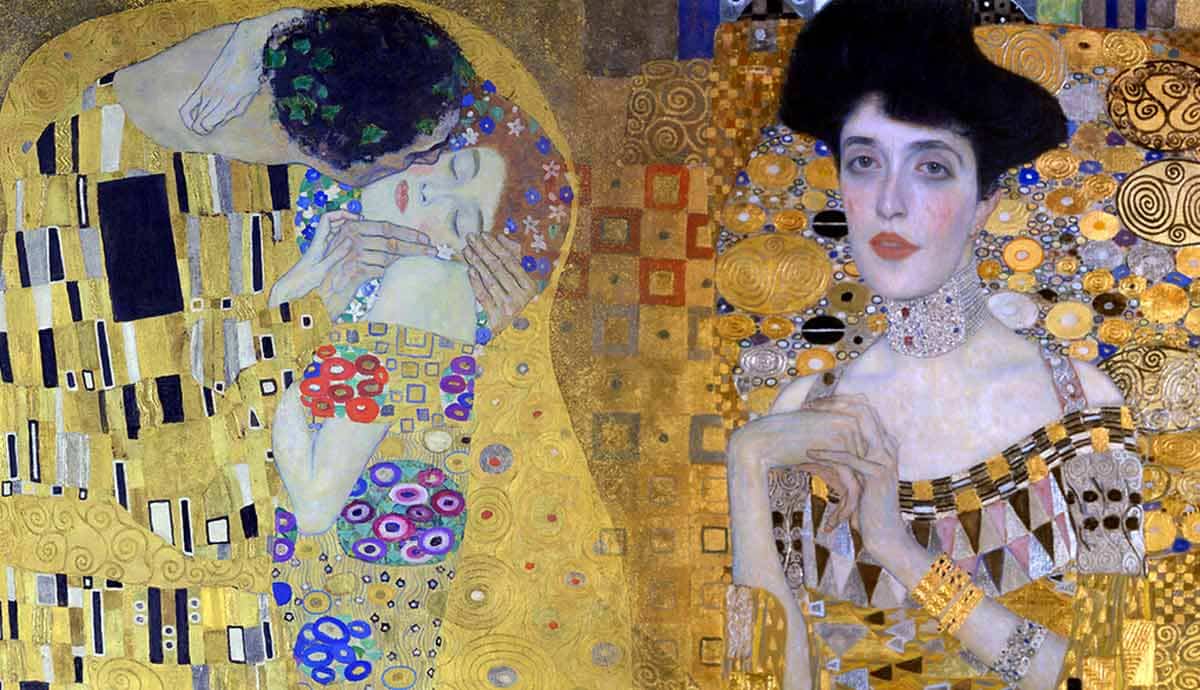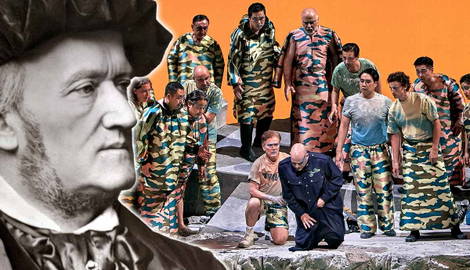

Gesamtkunstwerk is an ancient Greek concept with a 19th-century German name, which boomed across Europe and beyond in the early 20th century. The Gesamtkunstwerk is indelibly associated with the German opera composer Richard Wagner, although he did not invent the term and only used it a few times. By the time modernism hit its peak, artists of all kinds were fascinated by the Gesamtkunstwerk, a total synthesis of all art forms into one unified work.
Who Invented the Gesamtkunstwerk?
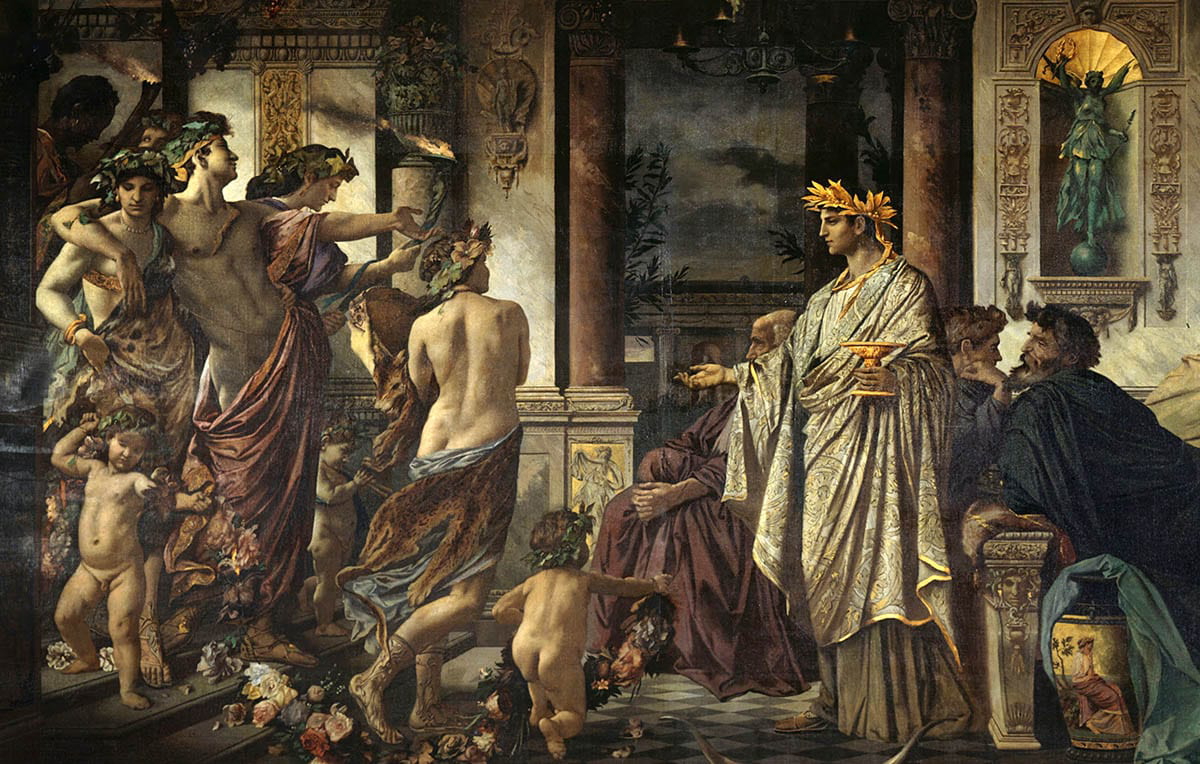
The term Gesamtkunstwerk came into use long after the first examples appeared, some 2,000 years, in fact. It is thought to have first appeared in print in 1827 in a philosophical treatise by Karl Friedrich Eusebius Trahndorff titled Aesthetics, or Doctrine of Worldview and Art. This was at the height of the Romantic period when artists and philosophers were reconceptualizing the arts in their relationship to the self, divinity, and the universe.
Many Romantics turned to Ancient Greece as a model for the arts and their place in the world. When the composer Richard Wagner took up the term Gesamtkunstwerk in 1849, he had his eye on Greek tragedy as the apex of artistic achievement.
Why Greek tragedy? The works of dramatists such as Aeschylus and Sophocles were (as many translators render the “Gesamt” part of the German compound word) ‘total.’ They involved poetry, music, and dance. They were also presented in amphitheaters, which brought audiences together in a ritualistic celebration of the arts, not conceived of separately but experienced simultaneously.
Trahndorff had invoked the Gesamtkunstwerk, with its connotation of a unified, exalted experience, to argue for the importance of aesthetics as a conduit to faith in an increasingly rational world. For Wagner, this Ancient Greek ideal needed reviving because, over the centuries, the arts had been separated and—even worse—subjected to commercialism.
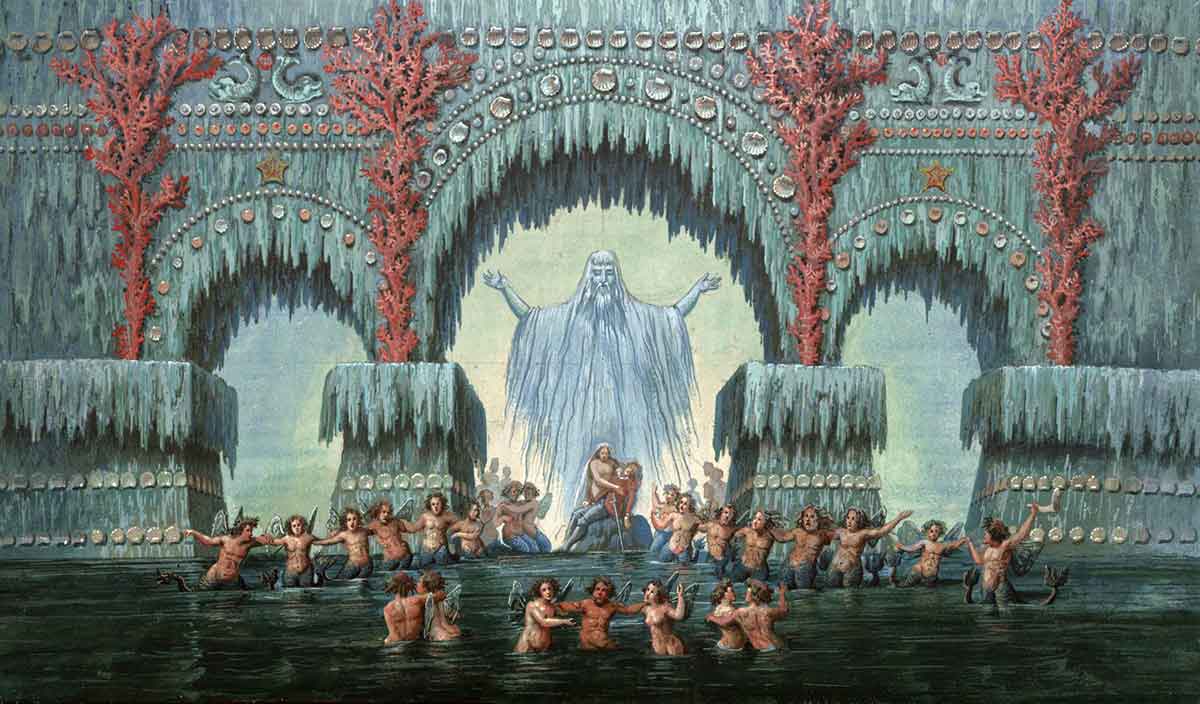
The Romantic period saw several figures strive to bring the arts together, whether in theory or practice. Philosophers such as the Schlegel brothers, Ludwig Tieck, and Novalis used ‘poetry’ as a blanket term for the spirit animating all art. E.T.A. Hoffmann’s opera Undine (1816), which vividly brought to life a Romantic folk tale, was praised by fellow composer Carl Maria von Weber in terms which would later sound very much like the Gesamtkunstwerk: “an art work complete in itself, in which partial contributions of the related and collaborating arts blend together, disappear, and, in disappearing, somehow form a new world.”
Richard Wagner’s Theory of Gesamtkunstwerk
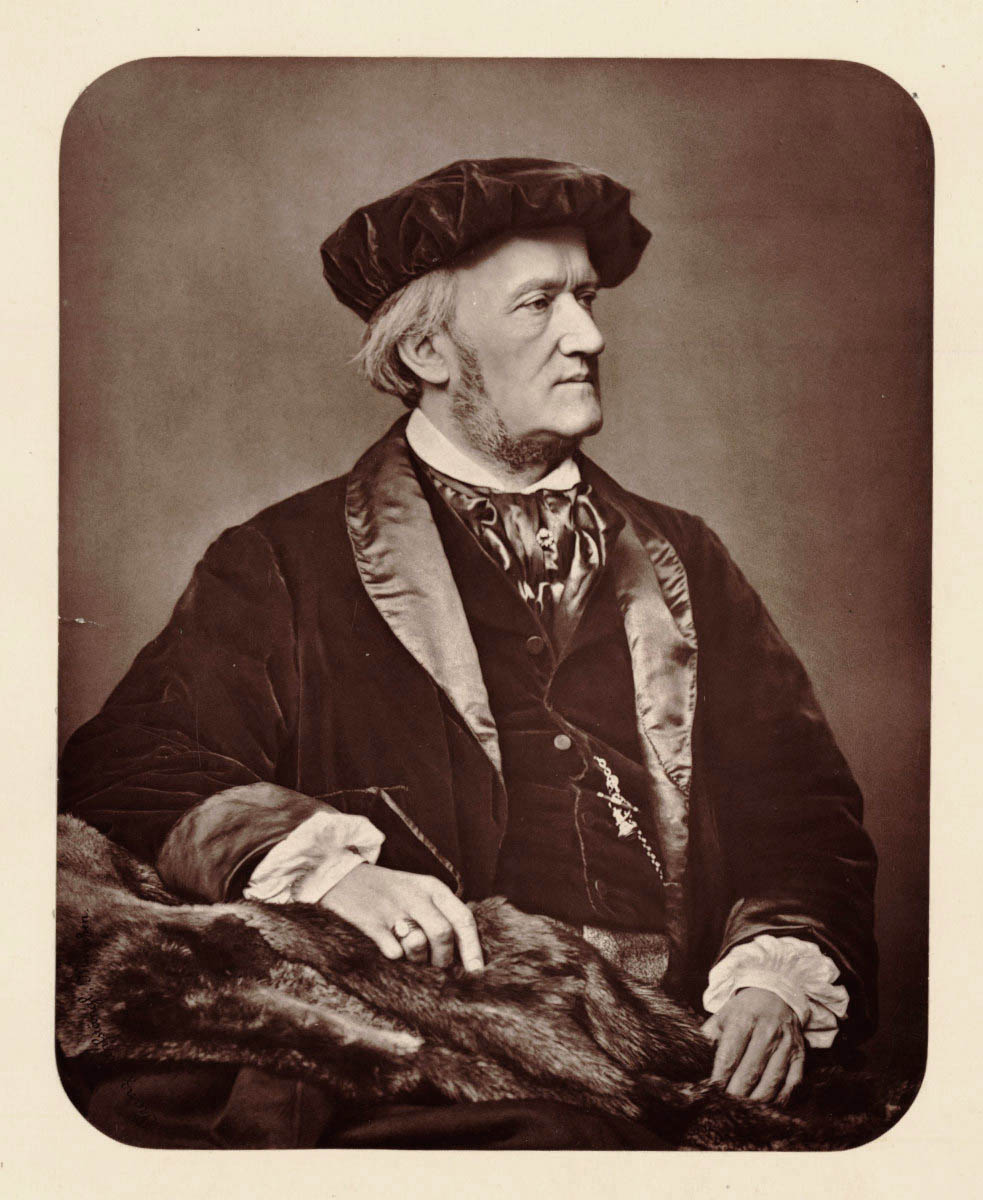
Richard Wagner used the term Gesamtkunstwerk in two essays published in 1849, Art and Revolution and The Art-Work of the Future. The concept was not the only subject covered by these verbose essays, but it was one that became inextricably associated with the composer.
In the first essay, Wagner celebrates ancient Greece as the last period in human history when art was a free and authentic expression of the race which made it (the idea of art as expressive of a race is another of Wagner’s best-known theories and one which endeared him to the Nazis).
Wagner argues that in ancient Greece, people had unfettered access to beauty, and all of their senses were thrilled in ceremonies that fused the arts of Dance, Tone, and Poetry, as he calls them. Now, in the 19th century, art is in a state of “civilized barbarianism.” It serves industry, commercialism, and greed—things he saw embodied, as it happened, in the contemporary opera world.
In The Art-Work of the Future, Wagner looked ahead to a kind of art that would revive the Greek principle of unity. In the artwork of the future, there would be no second-rate lyrics accompanying great music just for the sake of it. There would be no grand tragedies whose impact was negated by being staged in shoddy or stuffy theaters. Every aspect of the experience of art would be considered, and each element would complement the other.
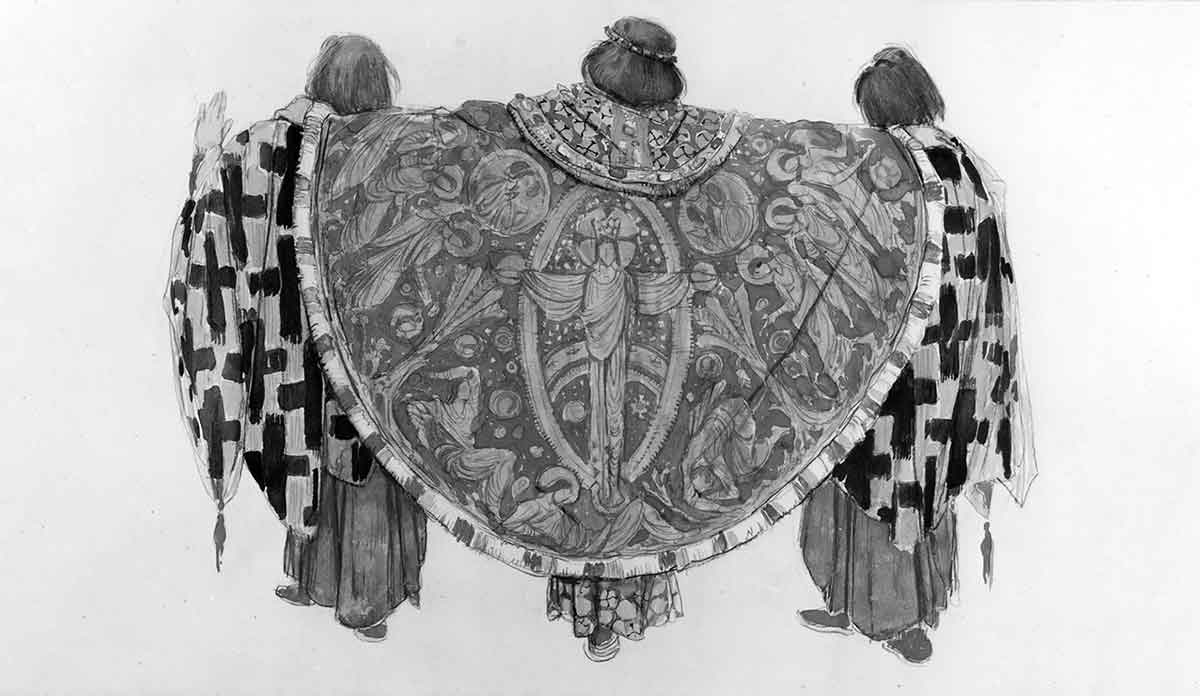
It mattered little that Wagner only used the word Gesamtkunstwerk a handful of times in these essays and then not at all afterward, seemingly growing ambivalent toward it (Ross 2020, p. 13). In the second half of the 19th century, as he slowly became known, then notorious, then ubiquitous, he seemed to be enacting the Gesamtkunstwerk again and again.
When Wagner published the 1849 essays, he was beginning to taste success with works such as The Flying Dutchman and Tannhäuser, but still struggling to get his operas staged. It was only later that he wrote the works that made his name, each one taking him closer to achieving the Gesamtkunstwerk: Tristan and Isolde (1865), the Ring cycle (premiered in full 1876), and Parsifal (1882).
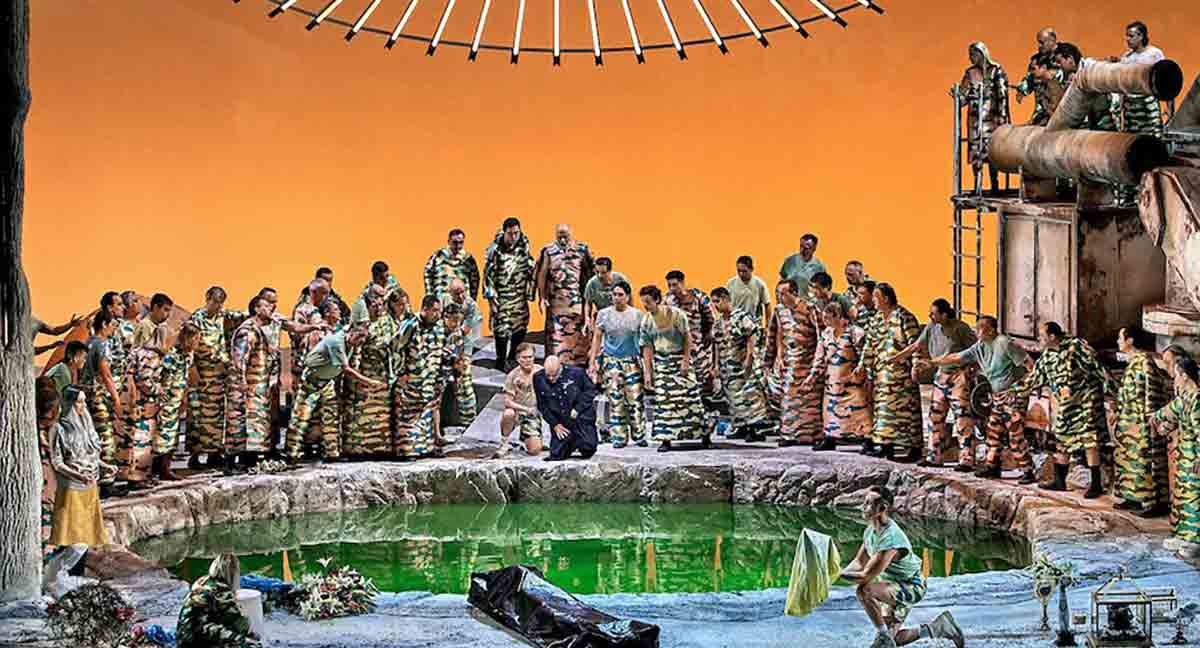
The latter two music dramas (a term usually used instead of ‘opera’ for Wagner’s productions) were premiered at a location that might also be considered one of Wagner’s great Gesamtkunstwerken: the Bayreuth Festival theater.
This purpose-built venue was dedicated, like a consecrated religious building, to the sole performance of Wagner’s works. For many years, it was forbidden to perform Parsifal outside Bayreuth. This is because the building itself, with its egalitarian fan-shaped seating, invisible orchestra pit, and double proscenium, was built in conjunction with Wagner’s works, designed to fully immerse audiences in every facet of the experience.
The Gesamtkunstwerk in the 19th Century
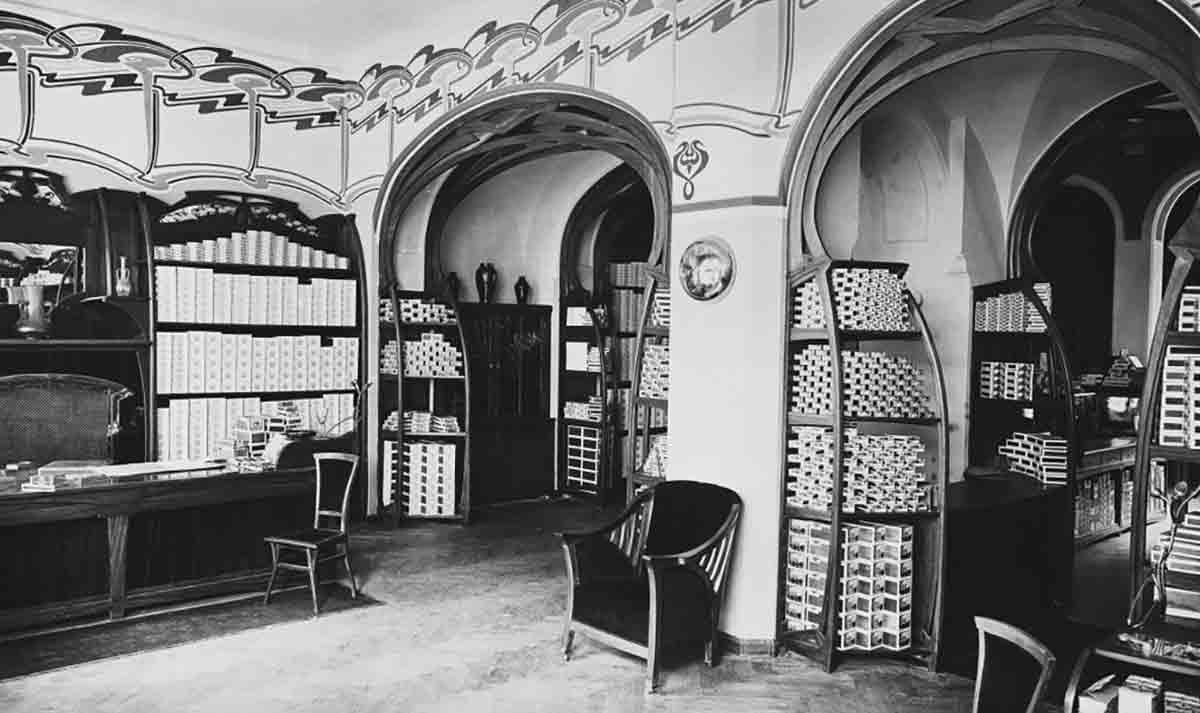
Although Wagner had used the term Gesamtkunstwerk only a few times, it became representative of his work and ideas, as Wagnerism—a craze for all things relating to the composer’s music dramas, their characters, settings, plots, and forms—spread in the second half of the 19th century. As Wagnerism blossomed, the meaning of its central concepts expanded, with each of its proponents finding something new in it.
In architecture, the Gesamtkunstwerk influenced a movement toward making every aspect of a building beautiful. Art Nouveau designers in Belgium and France looked to Wagner’s comprehensive vision to inspire their efforts to make entire cities aesthetically pleasing. Expert artists from all fields—sculpture, metalwork, stained glass, carpentry, textiles, lighting—collaborated in these efforts.
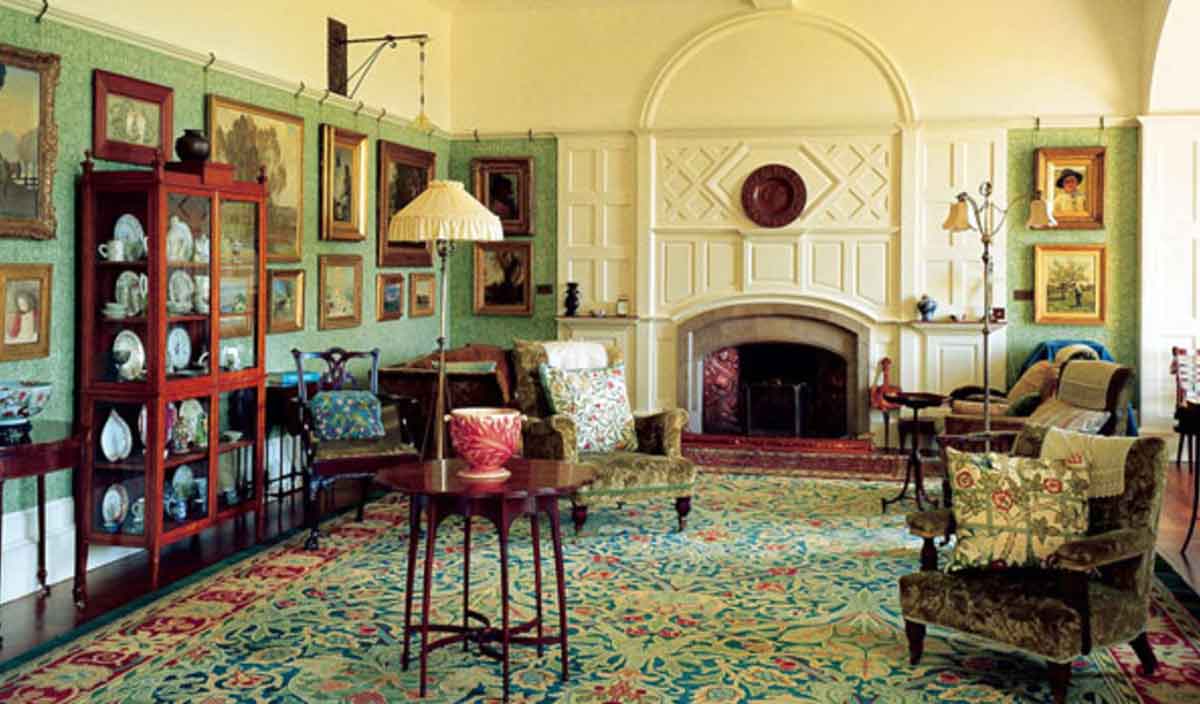
The Arts and Crafts movement in Britain operated on the same principle. The maxim “Have nothing in your houses that you do not know to be useful or believe to be beautiful,” attributed to William Morris, captures the idea of the Gesamtkunstwerk: everyday life can be geared towards an experience of all the arts blended together in harmony.
Aestheticism, a related movement whose spokespeople included Oscar Wilde, similarly promoted the role of art in everyday life and the vital importance of satisfying our aesthetic needs by living in beautiful surroundings and engaging with all of the arts.
Disciples of Aestheticism in the 1870s and 1880s were profoundly influenced by French artists of the previous few decades, many of them fervent Wagnerians who meditated on the possibilities of the Gesamtkunstwerk. Perhaps most influential was the poet Charles Baudelaire, whose experience of Wagner’s Tannhäuser in 1861 produced exactly the kind of multi-sensory immersion, overwhelming to the point of exhaustion, that the composer had hoped to achieve.
According to Baudelaire’s essay about this experience, Wagner’s music revealed to him that “true music evokes analogous ideas in different brains,” reflecting the “complex and indivisible totality” of the world (Ross 2020, p. 81). By “true music,” Baudelaire means an experience in which all the arts are synthesized or correspond. The latter was a key term in Baudelaire’s own work, which repeatedly plays on synesthesia, or the correspondence of sight, smell, sound, taste, and touch (see his poem ‘Correspondances’ in Les Fleurs du mal).
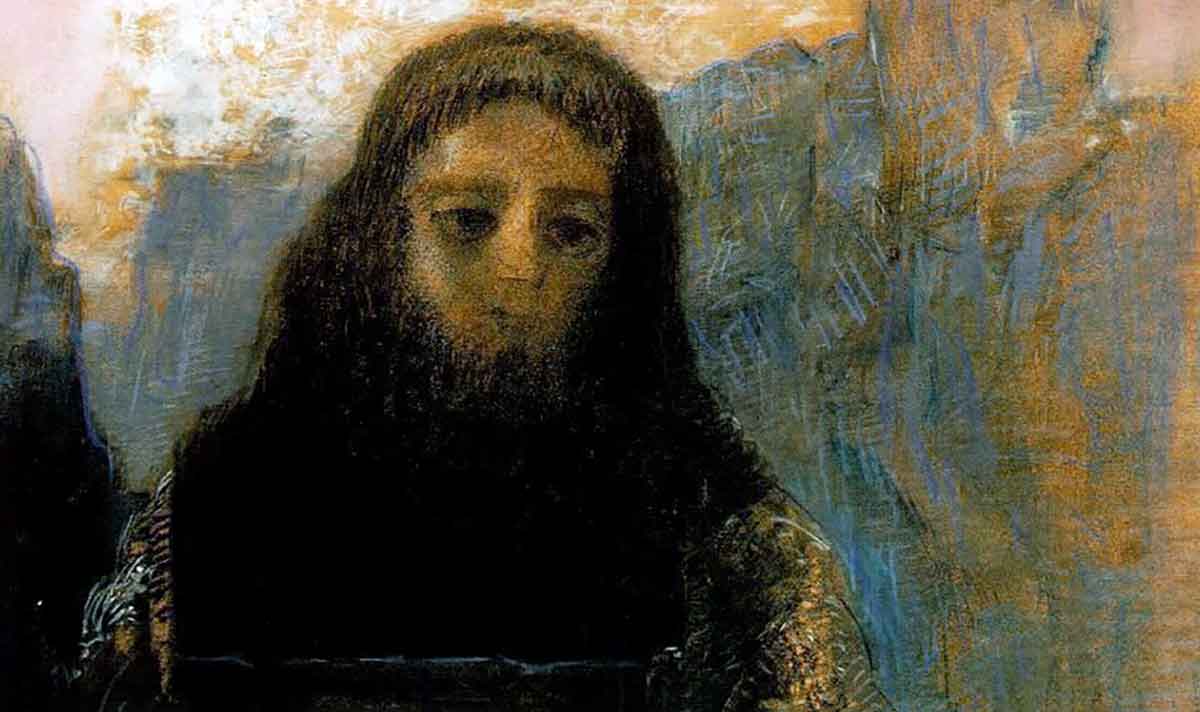
Several 19th-century movements, whether in poetry, painting, or music, took up the idea that one art might imitate another and thereby move closer to the total experience Wagner had written about. Symbolist poetry, painting, and theater aimed toward an essential aesthetic experience in which the limitations of one artistic form or another were unimportant.
From the Impressionists to the Parnassians to the Aesthetes, many artists tried to achieve musical effects. The art critic and theorist Walter Pater proposed: “All art constantly aspires towards the condition of music.” Pater’s idea was not explicitly Wagnerian (although he nodded to a shared basis in German aesthetics by terming this aspiration Anders-streben, or “other-striving”). Still, the Gesamtkunstwerk had by now exceeded its most famous theorist, filtering into all areas of intellectual and artistic culture.
Modernist Literature and the Gesamtkunstwerk
By the first half of the 20th century, examples of Gesamtkunstwerk were being identified across the arts, not only the operatic or theatrical stage where it had begun. Like Wagnerism, modernism took many forms and is difficult to define, but correspondence between the arts was a key feature.
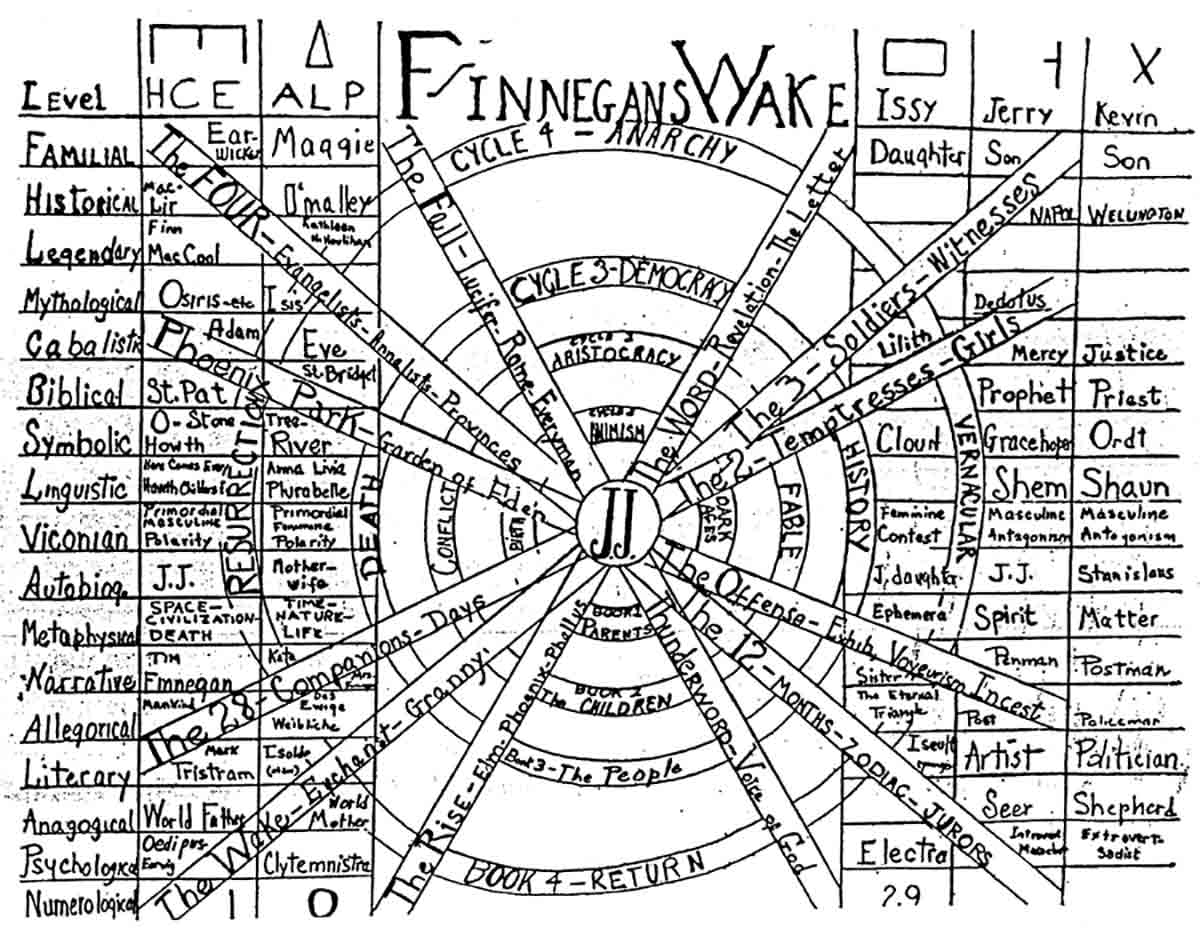
In literature, writers took inspiration from the visual arts and music to create arresting novels, poetry, and plays that reconfigured the experience of language itself: figures like W.B. Yeats, T.S. Eliot, James Joyce with his monumental Ulysses, and Virginia Woolf in her stream-of-consciousness novel. Woolf’s The Waves, or Joyce’s Finnegans Wake (which continues to baffle readers), created rhythmic effects, moving language beyond its ordinary usage of simply communicating meaning.
The Gesamtkunstwerk Throughout the 20th Century
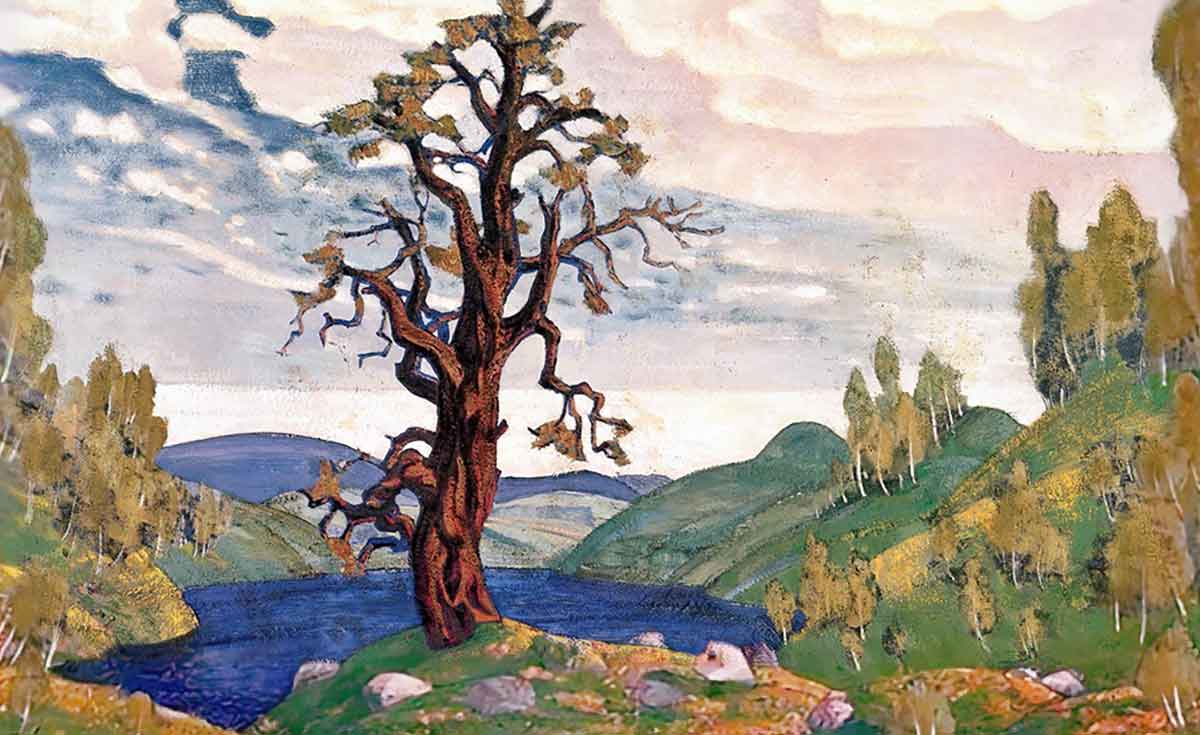
Examples of the modernist Gesamtkunstwerk on stage were similarly baffling and shocking to audiences. Igor Stravinsky and Sergei Diaghilev’s The Rite of Spring famously caused a sensation on its premiere in 1913, usually attributed to the new and unusual sound of its music. But the ballet was equally noteworthy for its correspondence of the arts, with meticulous care over the costuming, choreography, and stage design.
Companies such as Diaghilev’s Ballets Russes and individual composers, playwrights, and impresarios promoted collaboration between artists of all kinds to ensure that every aspect of the theatrical experience was artistically perfect.
Wilde even hoped to infuse theaters with a variety of scents during performances of his controversial production, Salome (1893), corresponding to emotions in the play—an aspiration harking back to Greek plays. However, logistical limitations prevented him from achieving his plan.
Another Ballets Russes production brought together innovative artists in all forms. Parade (1917) was written by Jean Cocteau, set to music by Erik Satie, and featured costumes and sets designed by Pablo Picasso. Although it confused many spectators and, therefore, did not quite achieve the Gesamtkunstwerk aim of taking its audience to a higher sphere, Parade was conceived as a Gesamtkunstwerk. Indeed, it was a production in which all the arts worked together, unfettered by their formal differences, striving to attain unity and transforming elements of ordinary life into art—using everyday settings and making music with ‘found’ objects such as a typewriter and milk bottles.
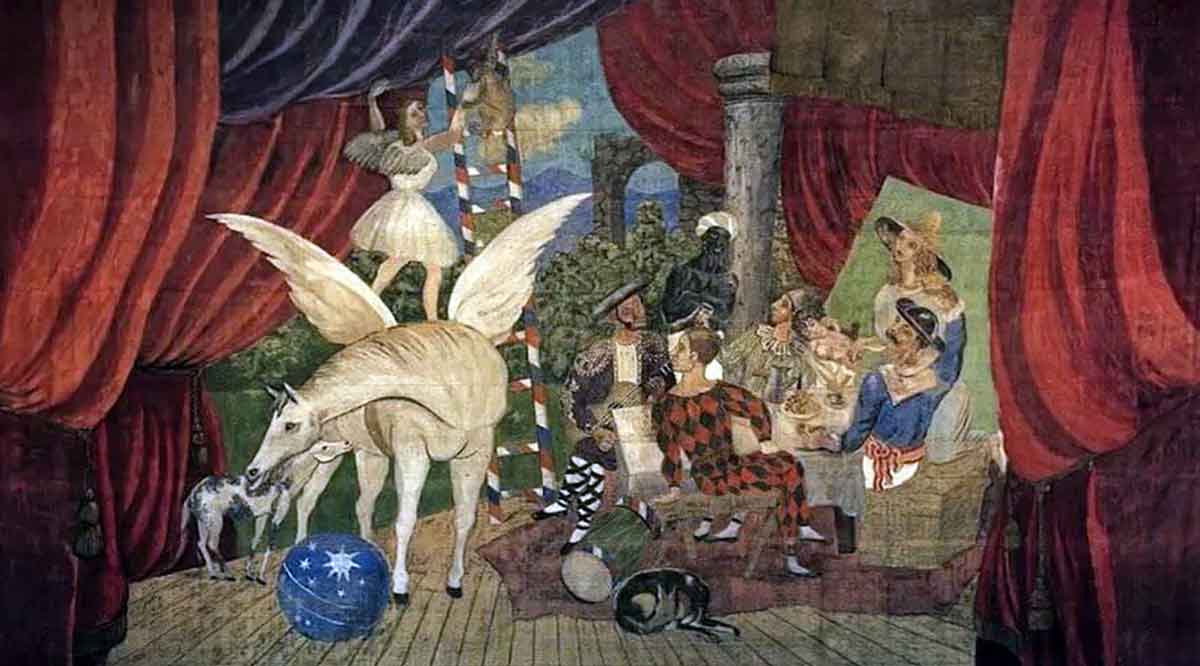
Parade led to the coining of the term Surrealism. An early 20th-century movement, Surrealism, along with near-contemporary movements such as Bauhaus and Dada, drew on the Gesamtkunstwerk in its commitment to blending art forms and seeking to make life itself an artistic experience. Walter Gropius‘s 1919 Bauhaus manifesto echoed Wagner’s language 70 years previously, lamenting how “the arts exist in isolation” and calling for “the new structure of the future,” requiring the “conscious, cooperative effort of all craftsmen” (Ross 2020, p. 460).
Although Dada’s anti-art stance might seem to make it the polar opposite of Wagner’s glorification of the perfected aesthetic experience in the Gesamtkunstwerk, the movement did not entirely discard the concept. Dada artists like Marcel Duchamp and Man Ray treated all kinds of objects as material for art. They emphasized the continuous, performative nature of artistic experience, leading to encounters with art that simultaneously played on all the senses.
The Gesamtkunstwerk Now
Critic Alex Ross writes that the definition of the Gesamtkunstwerk mutated in the 20th century beyond what Wagner (or, for that matter, its original creator, Trahndorff) had meant because the term became a way of projecting 20th-century ideas (generated by 20th-century technologies) back onto 19th-century origins.
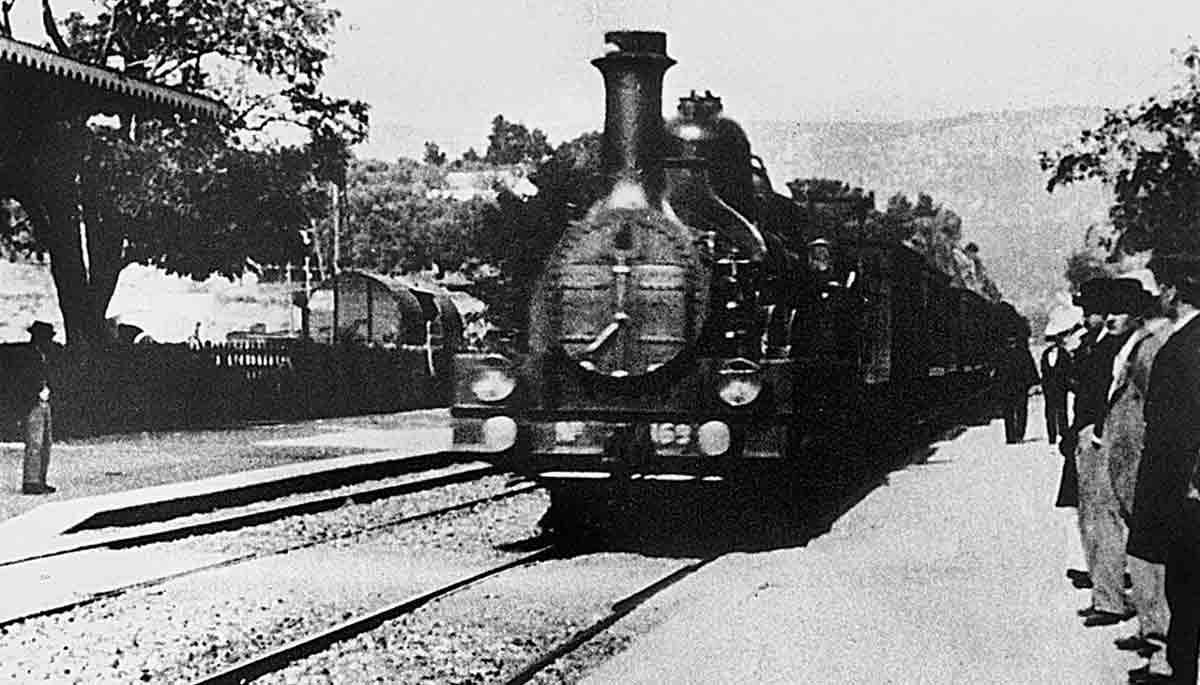
By the early 1900s, artists could look to the burgeoning world of the cinema as the epitome of the Gesamtkunstwerk: sound and vision synthesized in an experience so overawing that early audiences—so the story goes—fled in fear when the screen showed a train approaching.
Cinema was recognized early on as a medium in which what Wagner called the sister arts could exist in harmony. Music is so ubiquitous in a film that we find it noteworthy if it deliberately omits it and plays with silence instead. Film composers work with directors and writers to ensure that the music corresponds with the images, assisting with the narrative, and deepening our understanding of a character’s psychology (many film scores use Wagner’s technique of the leitmotif, in which a musical phrase is paired with a particular character or idea), and playing on our very emotions.
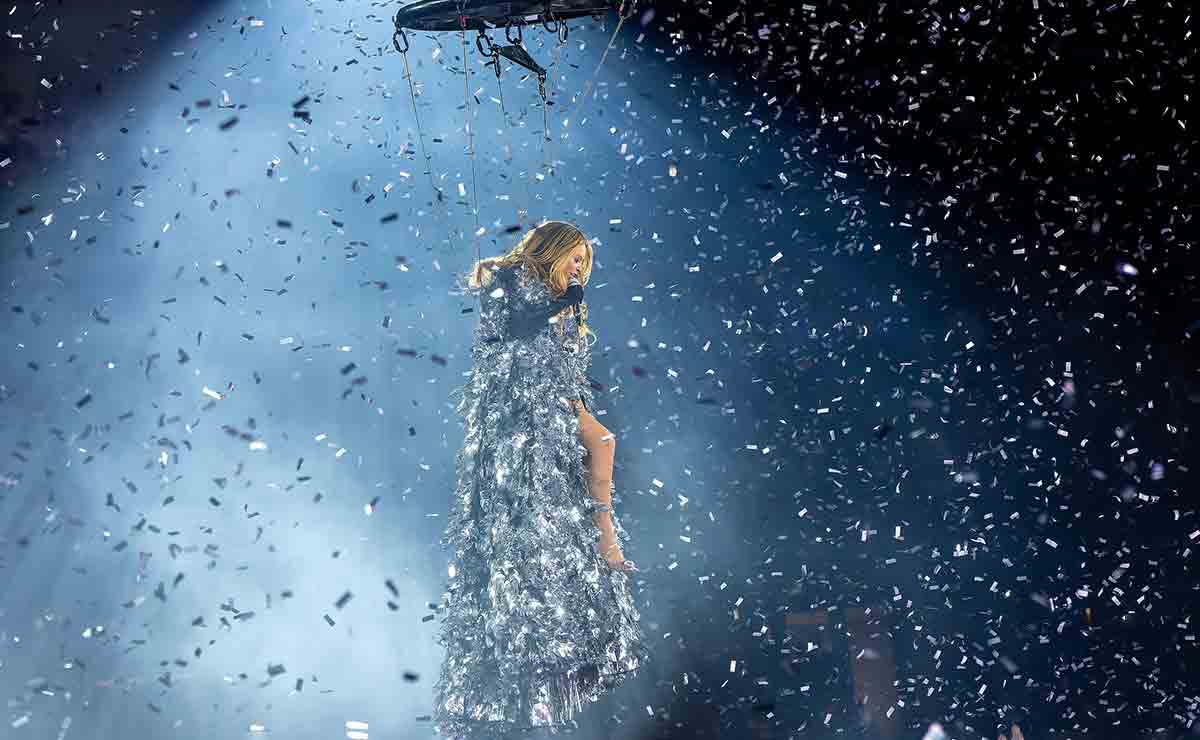
But the modern Gesamtkunstwerk is not limited to the cinema. Artists in all media continue to explore how one art can imitate another to expand the boundaries of art, make life itself an aesthetic experience, and stage sacralized ceremonies in which the audience hopes to achieve some kind of transcendence.
The vast scale of concerts in the pop and rock music worlds is a good example. Audiences can now expect a sensory onslaught, not just hearing music but witnessing curated choreography, costuming, and cinematic visuals on screens behind the artist. These artists may not always be conscious of it, but their high-concept tours are perpetuating and expanding the possibilities of the Gesamtkunstwerk.
Bibliography
Ross, A. (2020). Wagnerism: Art and Politics in the Shadow of Music. 4th Estate.