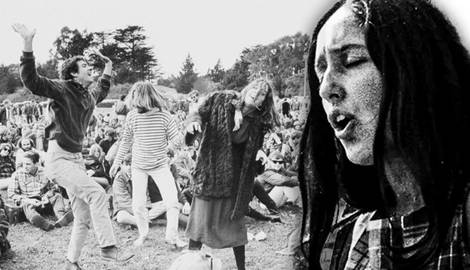

The 1960s were a decade of political and social unrest in the United States. Seven thousand miles away, an unpopular war raged in Vietnam. Its effects were felt in the home of every American family. As a result of the war, mass protests broke out across the country, on college campuses, and in major cities. No American was spared the psychological toll the war took on the nation’s psyche and many turned to music, both as an escape and as a means of protest.
The Vietnam War & Origins of the Counterculture Movement
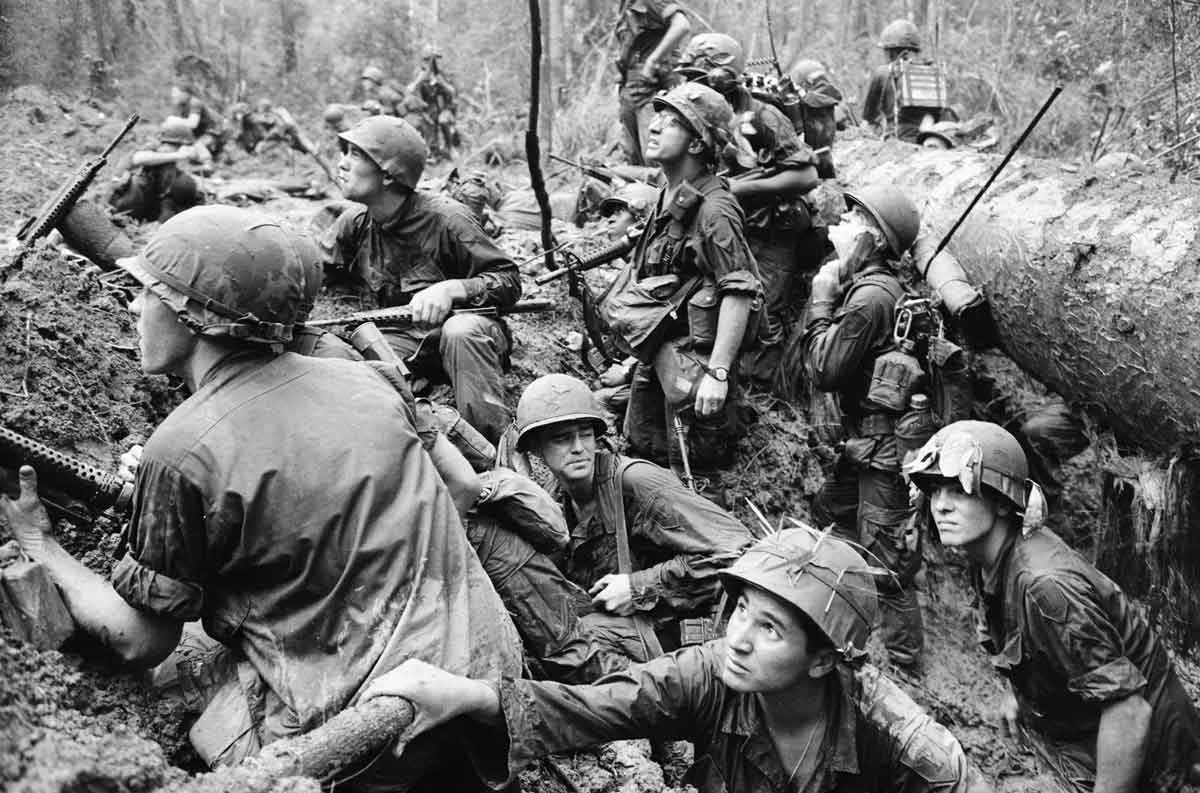
The Vietnam War was unpopular and divisive. The United States began its involvement in the war in 1954, which was fought between the communist government of North Vietnam, and South Vietnam, the latter of which the United States was aligned with. The United States was committed to preventing the spread of communism and feared that South Vietnam was vulnerable to its influence. As a subscriber to the “domino theory,” the United States government feared what would happen to surrounding nations if South Vietnam fell to communism.
As the United States strengthened its attacks on North Vietnam, public awareness of the war grew back home. However, the American public’s support for the war wavered and turned to disillusionment following an event known as the Tet Offensive in 1968. The Tet Offensive was an attack by North Vietnam on South Vietnamese cities and government buildings, as well as on US forces. The attack was considered a success. This shook the confidence of Americans and brought into question the purpose of the United States’ involvement in the war.
Approximately two million young men were drafted during the war, a fact that contributed to its unpopularity in the United States. Many were skeptical and viewed the draft as a convenient way for the United States government to continue the war at the expense of America’s youth. Opposition to the draft and the war itself fueled much of the anti-war sentiment of the time and gave rise to the counterculture movement. This opposition often took the form of and was strengthened by popular music.
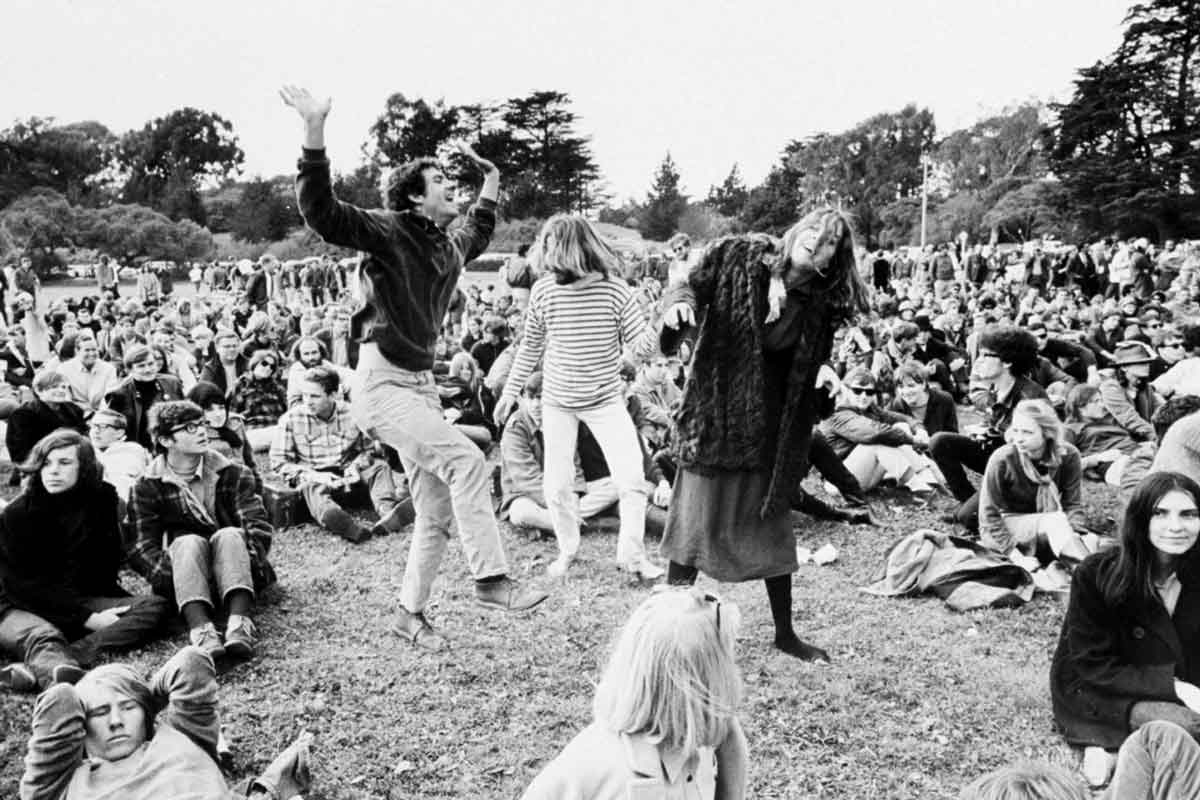
In addition to anti-war beliefs, counterculture youth of the 1960s rejected values deemed important by their parents’ generation. In the 1940s and 50s, emphasis was placed on the “nuclear family,” traditional gender roles, and conformity. In the 1960s, the generational gap between children and parents became more apparent. Disillusioned by their parent’s way of life and the actions of the American government, many young people felt that American society was essentially “broken.” This belief, coupled with other social and political factors created a perfect storm out of which the counterculture movement was born.
Oral contraceptives had recently been introduced and allowed young people the sexual freedoms not granted to previous generations. This fueled the “free love” mentality of the counterculture movement, which broke from traditional social norms, further widening the gap between the youth and older generations. Many members of the counterculture movement felt that people from older generations could not be trusted.
Folk Music as Protest
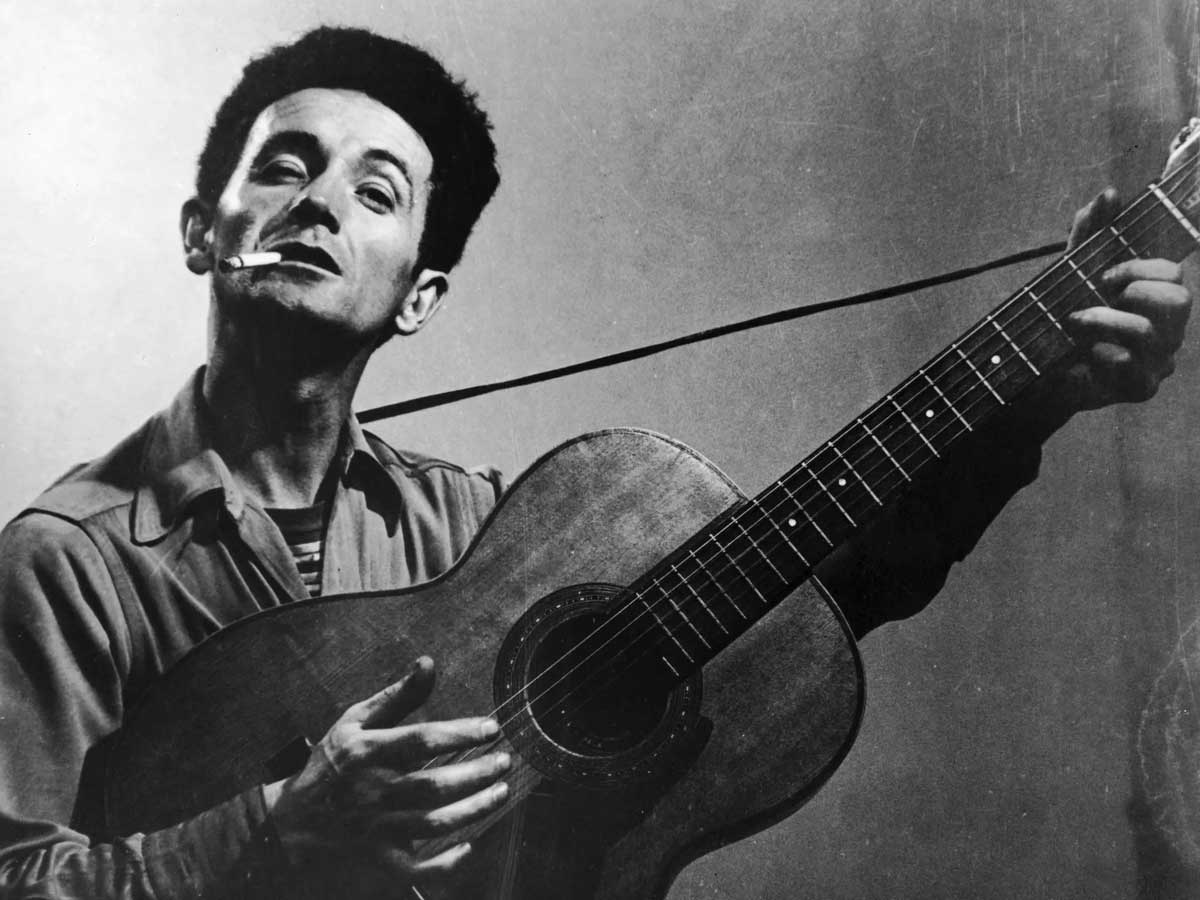
In the 1940s, following the Great Depression, traditional American folk music began to see a revival. This kind of music was special because the lyrics often carried political and social messages. Pete Seeger and Woody Guthrie were among the most well-known and influential figures of the early folk revival.
Seeger saw a breakthrough in the 1940s and gained popularity for his versions of traditional American folk songs as well as originals that focused on the civil rights movement and environmentalism. Woody Guthrie, an outspoken socialist, wrote the American folk mainstay “This Land is Your Land” in 1940, the song’s melody inspired by an old Baptist hymn.
It was not uncommon for folk songs written in the 1940s to borrow melodies and lyrics from gospel hymns. “This Land is Your Land” was not only a musical celebration of America’s physical features, but also contained anti-establishment lyrics which criticized the privatization of land. One (originally banned) variation of the song contained the lyrics “There was a big high wall there that tried to stop me/ Sign was painted, it said private property/ But on the back side it didn’t say nothing/ This land was made for you and me.”
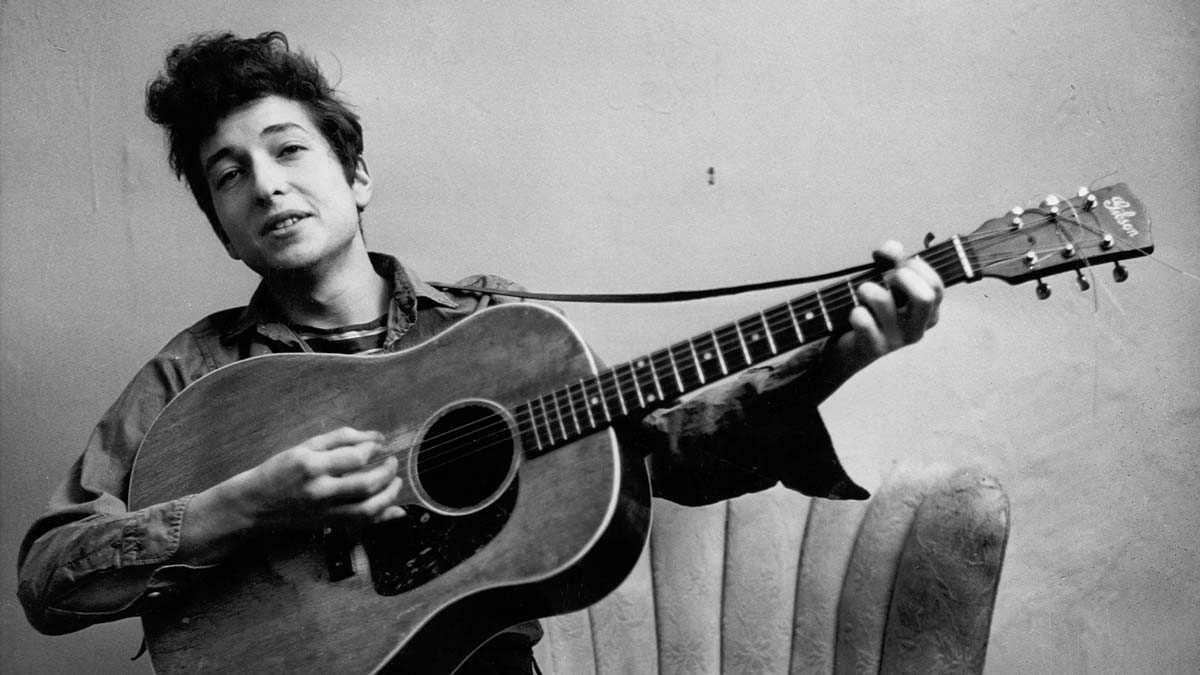
Renewed interest in folk music reached its peak in the 1960s. This coincided with the genesis of the counterculture movement. Traditional folk songs preached messages of living simply and embracing anti-materialism. In addition, these songs were often very critical of social institutions such as the American government.
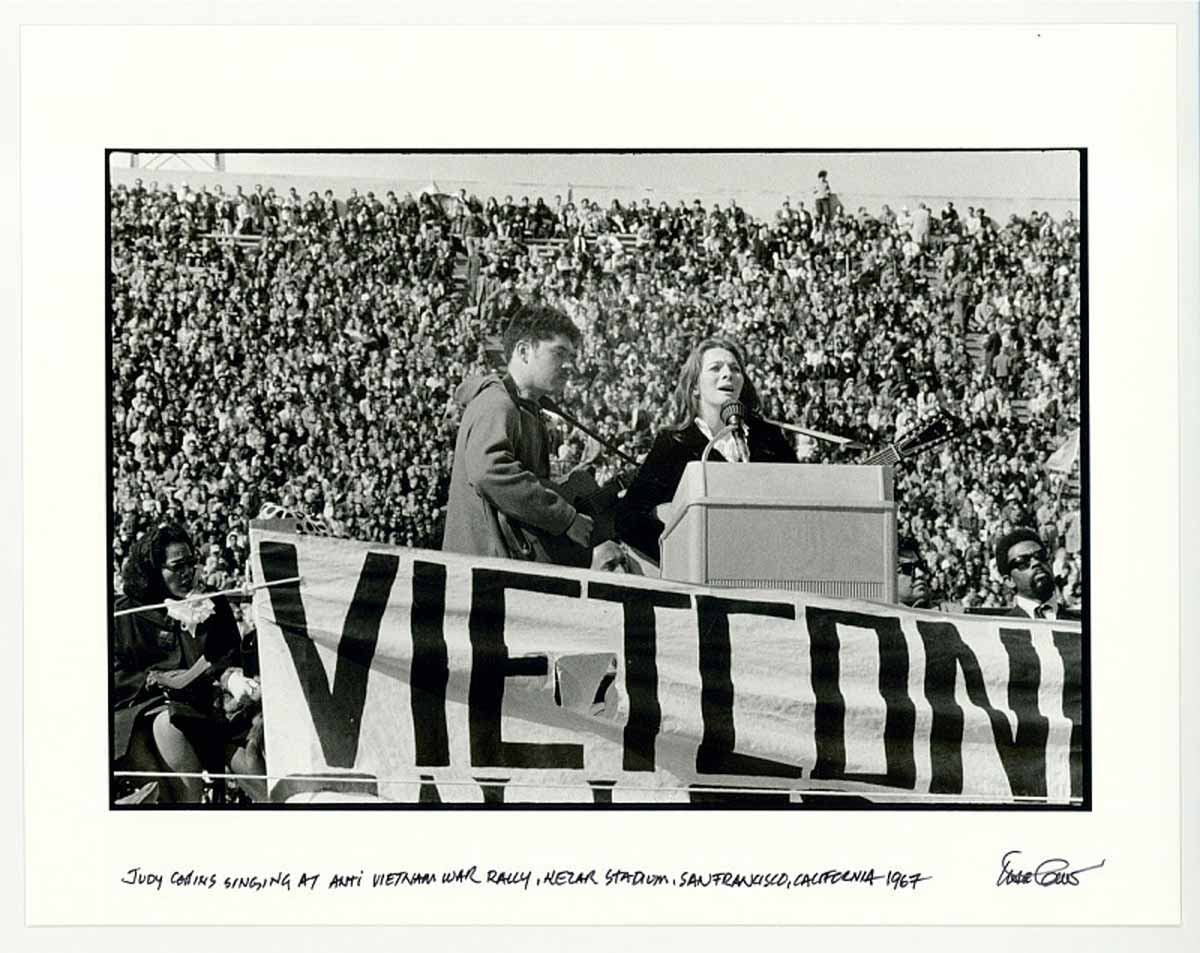
These anti-establishment messages spoke to the youth of the 1960s, who were feeling disillusioned with the United States government. Folk artists such as Bob Dylan, Judy Collins, and Peter, Paul, and Mary, began to cover traditional folk songs, the messages of which began to take on renewed meaning to youthful audiences.
Bob Dylan, in particular, embodied certain traits that aided in his making as a folk hero. He rejected conformist attitudes, lived simply, and was vocal about political and social causes. His lyrics dealt with topics such as war, economic struggles, and violence poetically. Dylan espoused the feelings of the counterculture youth in his 1963 song “Masters of War,” in which he wrote: “How much do I know/ To talk out of turn/ You might say that I’m young/ You might say that I’m unlearned/ But there’s one thing I know/ Though I am younger than you/ That even Jesus would never/ Forgive what you do.”
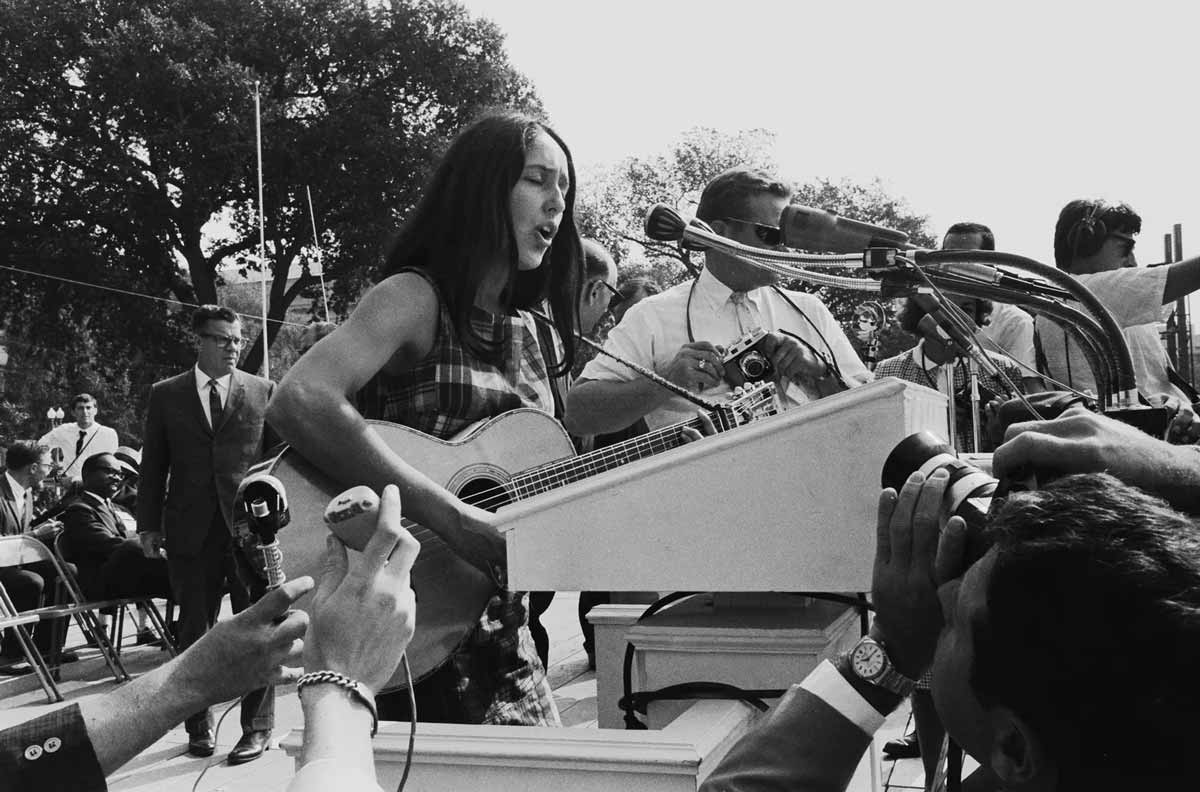
In 1963, during the March on Washington for Jobs and Freedom, Martin Luther King Jr. delivered his famous “I Have a Dream” speech to thousands gathered in front of the Lincoln Memorial in Washington DC. During this demonstration, young folk singer and Dylan collaborator Joan Baez performed a rendition of “We Shall Overcome,” the basis of which is thought to have been the hymn “I’ll Overcome Someday,” originally composed by Charles Albert Tindley, an African-American minister, in 1901.
The song, which had resonated with formerly enslaved African-Americans living in poverty in the United States in the early 1900s, resonated with members of the counterculture and became an anthem for the movement. Pete Seeger had also performed the song on numerous occasions prior. The renewed popularity of “We Shall Overcome” acted as an example of the journey taken by many traditional American songs, from hymns and gospel songs to staples of the counterculture movement.
Folk Rock and Protest Music for a New Generation
Folk music began to decline in popularity in the mid-to-late-1960s. New genres, such as folk rock, which combined traditional folk with heavier rock elements, and psychedelic music, began to dominate music scenes around the country. Bands such as Buffalo Springfield, the Byrds, and Crosby, Stills, Nash, and Young became the new musical voices of the counterculture movement. However, despite a sonic divergence from folk music, these bands still used their platforms to speak out.
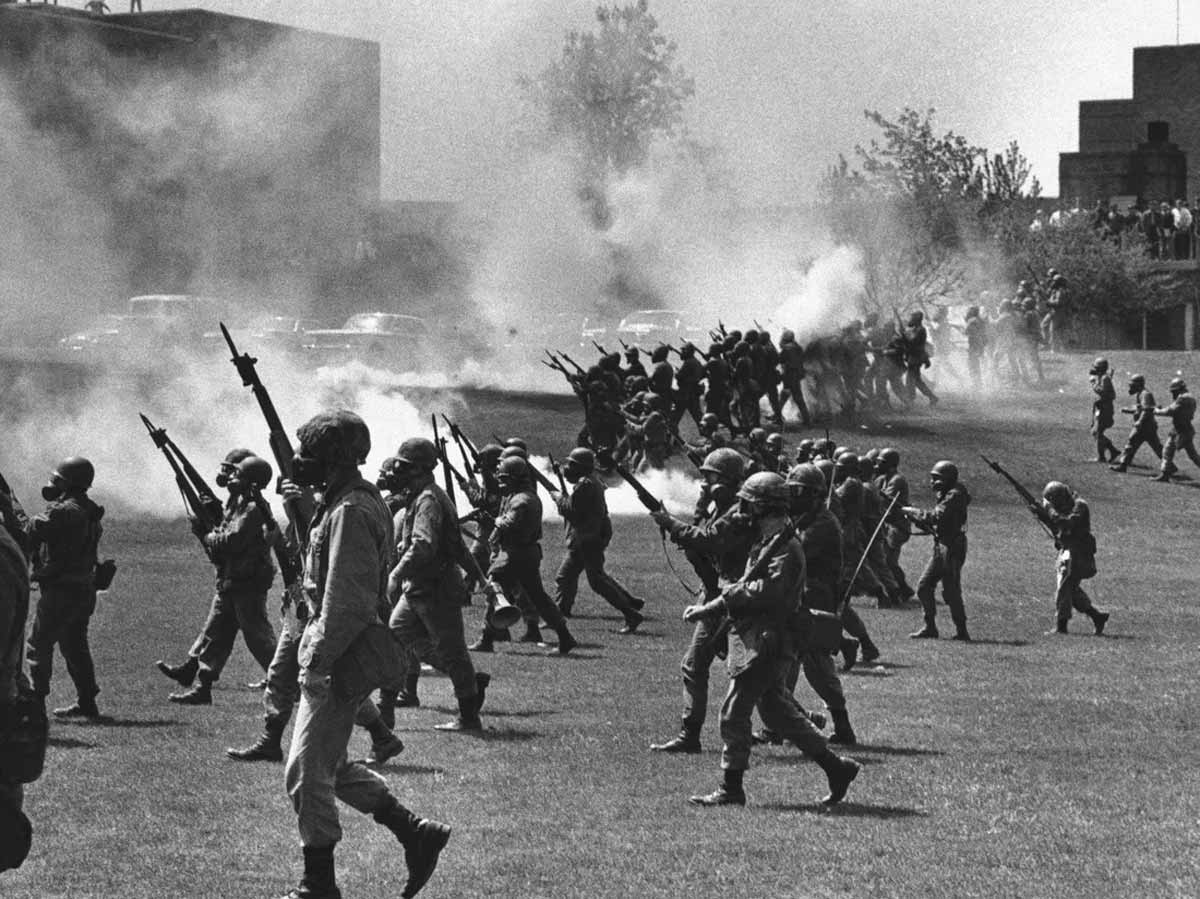
In May 1970, National Guardsmen shot and killed four university students in Ohio, who had been part of a protest against President Richard Nixon’s expansion of the war into Cambodia. The crowd of protestors was ordered to disperse by National Guardsmen, and when students refused, the Guardsmen opened fire, killing four students and wounding several others.
Only two weeks after the massacre, Neil Young, then living in the musical paradise of Los Angeles’s Laurel Canyon and working on an album with Crosby, Stills, Nash & Young, wrote “Ohio.” The song began with the line “Tin soldiers and Nixon coming,” which not only sneeringly reduced the Guardsmen to toy soldiers playing at being combat soldiers but directly implicated Nixon as responsible. Though Young was not physically present at the protest, the lyrics “we’re finally on our own” placed him in firm alliance with the student protestors, as did his use of “we.” The line “We’re finally on our own” also voices the feelings of abandonment felt by the American youth. The young members of the counterculture movement felt abandoned by leaders tasked with protecting them as citizens, by the National Guard, and more generally, the American government.
Songs such as Neil Young’s “Ohio,” The Byrds’ “Draft Morning,” and Creedence Clearwater Revival’s “Fortunate Son” all delivered strong anti-war messages. They stayed true to the themes of folk songs but swapped out acoustic guitars for electric ones. Though folk musicians such as Bob Dylan and Joan Baez remained popular throughout the late 1960s and 1970s, they too adapted their sound to the changing musical trends.
Though the popularity of folk music began to decline in the mid-1960s, it had already made a mark on the American musical landscape. The messages in folk music empowered the American youth active in the counterculture movement, giving a voice to those who felt voiceless and overlooked. In addition, music during this era provided an opportunity for people to come together, united under the shared goals of self-expression, freedom, and peace. Though musical trends have continued to come and go over the years, folk music has been cemented in the American musical canon.
Today, “This Land is Your Land” is still sung in school choirs and played at concerts across the United States. Bob Dylans’s unique delivery is recognized the world over and Joan Baez continues to perform at age eighty-two. The music of the folk revival is enduring and a testament to the power of solidarity through song.