
What we think of as Irish literature is a multifaceted phenomenon, shaped to some extent by the ever-changing relationship between the island and its near neighbor, Britain. All of the following writers wrote primarily in English (though some also knew Irish). Some came from Anglo-Irish backgrounds, growing up in England and spending only a brief time in their homeland. Others lived and breathed Ireland, and their writing is saturated with local characters, beliefs, traditions, and turns of phrase. You may already know that Irish literature boasts the playwright Oscar Wilde, poet W.B. Yeats, and novelist James Joyce—but who else does it count among its leading lights?
1. Oscar Wilde
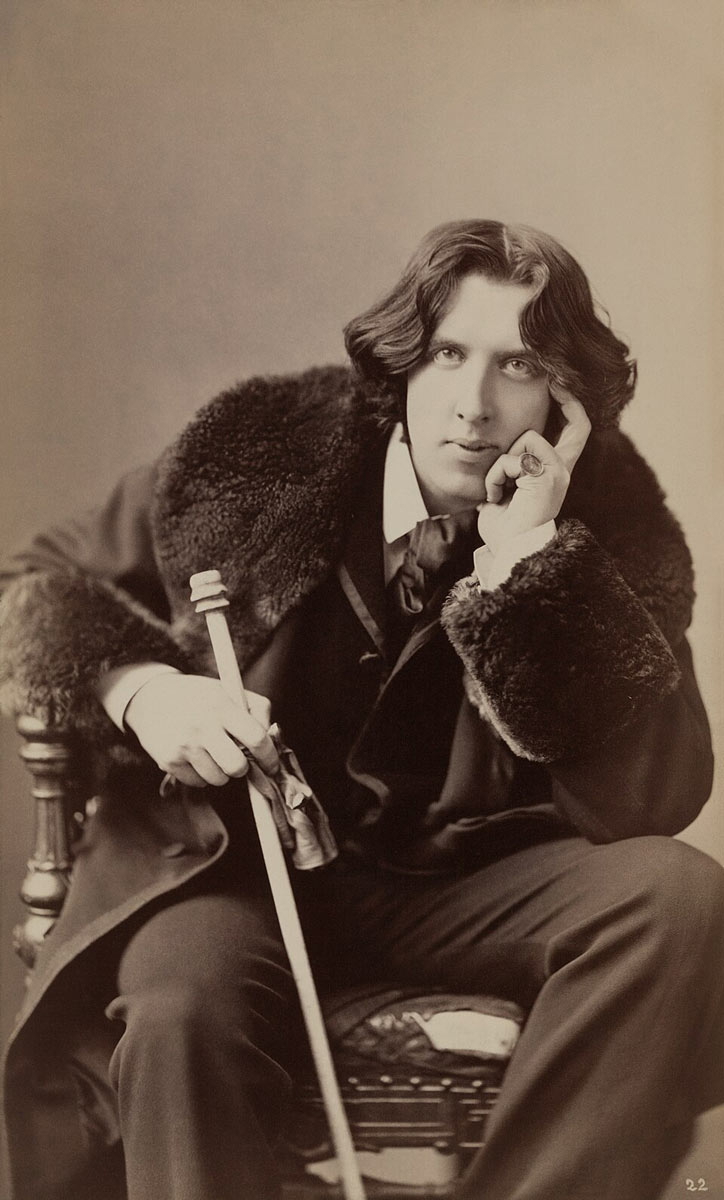
Irish literature is known all around the world thanks to the country’s longstanding devotion to nurturing literary talent, a tradition that survives today. It’s also known, in part, thanks to certain great names: Oscar Wilde, W.B. Yeats, and James Joyce.
The flames of Wilde’s fame were undoubtedly fanned by circumstances beyond his writing, namely his arrest and imprisonment for “gross indecency” (or homosexual acts) in 1895. Yet the Dublin-born writer, who spent most of his adult life in England, was always destined to go down in literary history. He cultivated a penchant for the epigram, a short, witty saying which often revolves around reversing expectations or a pair of qualities: “Nowadays people know the price of everything and the value of nothing,” as a character states in his only novel, The Picture of Dorian Gray (1895).
Wilde was also one of the most popular playwrights in 1890s London. He took up the genre of the drawing room play and infused it with his epigrammatic wit in plays such as Lady Windermere’s Fan (1892) and The Importance of Being Earnest (1895). These have gone down as archetypes of Victorian Englishness, despite Wilde’s Irish background (his mother, Speranza, was a poet with a strong interest in Irish nationalism and folklore).
2. W.B. Yeats
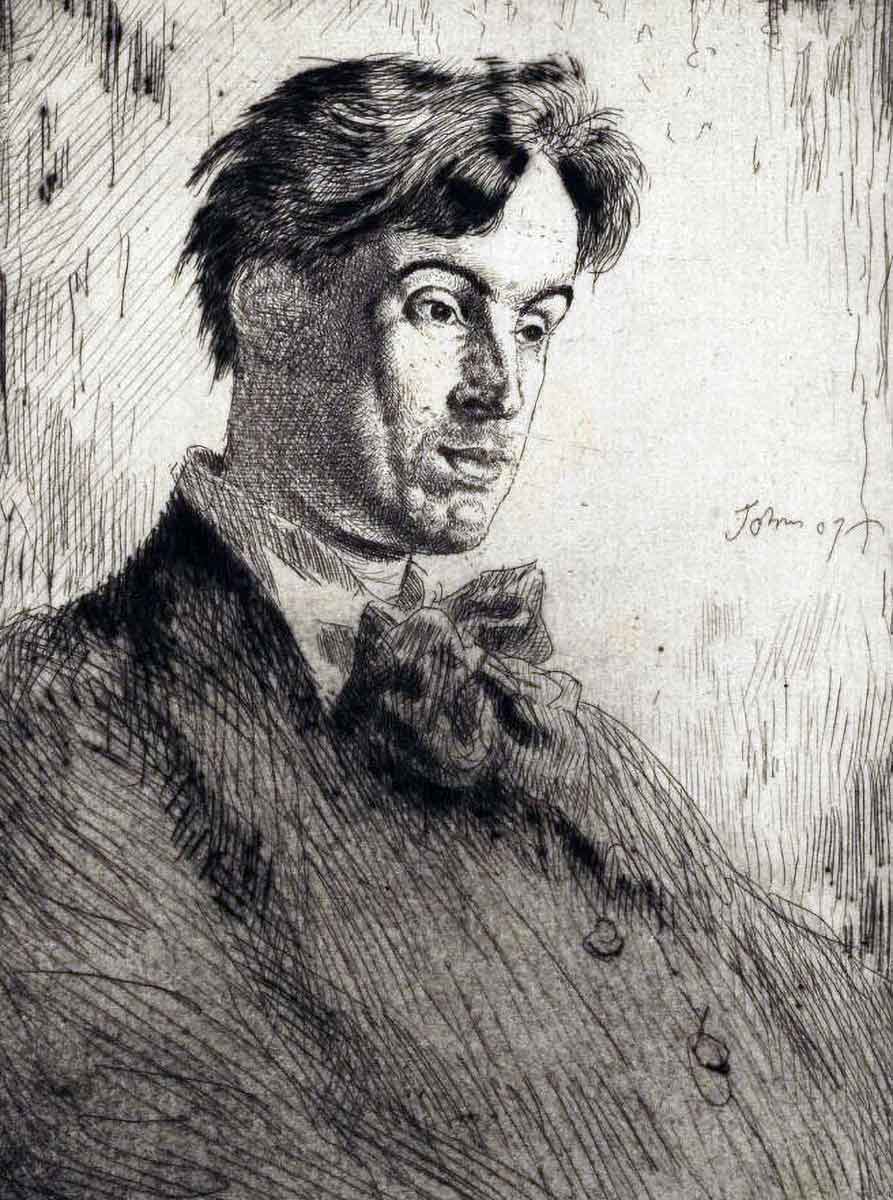
Two years after Wilde’s biggest theatrical success and great fall from grace, his compatriot, Yeats, pledged to open an Irish Literary Theatre, which ran from 1899 to 1901. Though short-lived, it laid the groundwork for the more successful (and still running) Abbey Theatre in Dublin, a home of the groundswell in Irish literary activity in the 20th century.
Yeats was also the foremost poetic chronicler of the Celtic Twilight (another name for the revival of interest in Celtic, Gaelic, and Irish culture in the late 19th century). His own poetry brought together Irish folk tales with classical allusions and an interest in spiritualism.
3. James Joyce
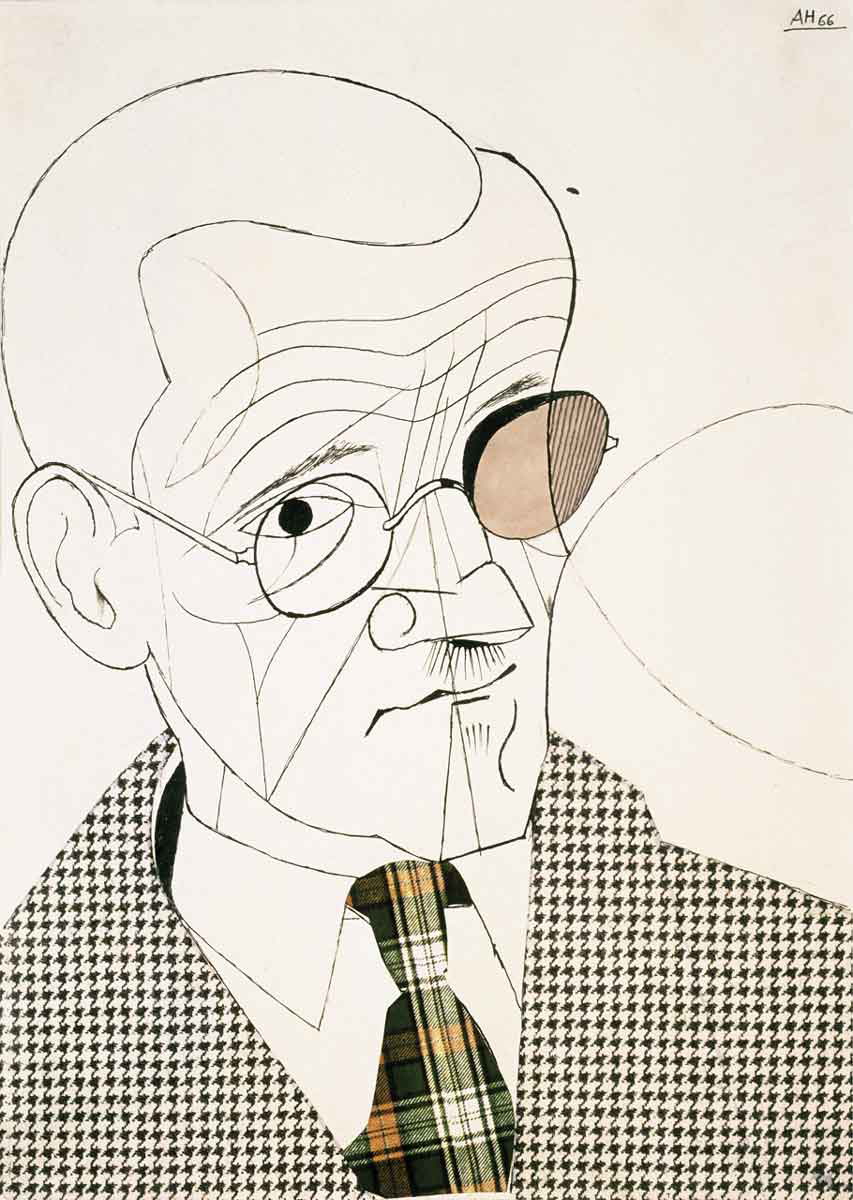
If Yeats’s language looked towards modernism, with its frequent recourse to imagery and symbolism, James Joyce’s works brought Irish literature and modernism together definitively. Like Yeats, he was interested in traditional Irish stories as well as classical mythology, depicting ordinary urban life in the short stories that made up Dubliners (1914), before retelling Homer‘s Odyssey in a stream of consciousness style in Ulysses (1922).
Finnegans Wake (1939) is perhaps his most formidable work, moving towards the invention of a new language, resembling English but in a highly idiosyncratic distortion. Like several of the following writers, Joyce wrote most of his works outside Ireland, living in various European cities, including Paris and Zurich.
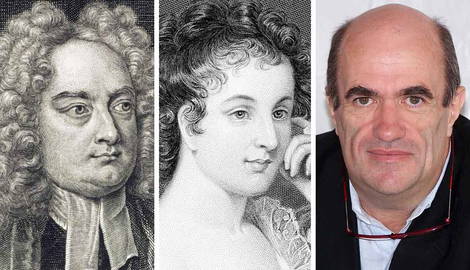
4. Jonathan Swift
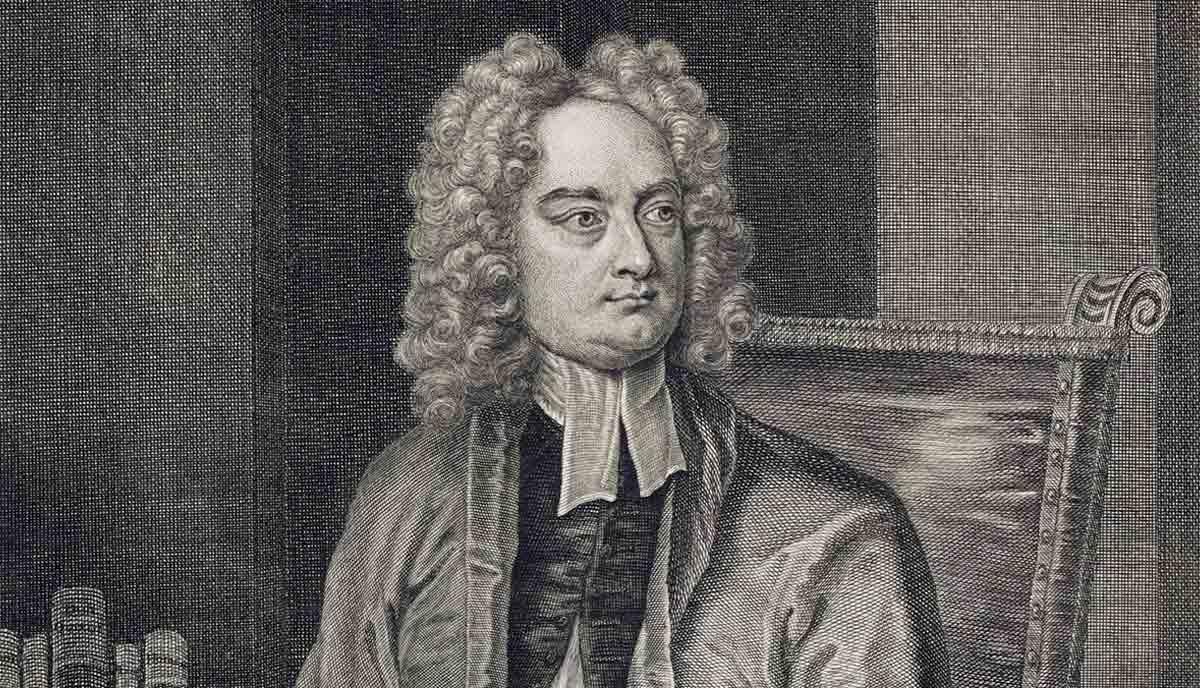
A master of satire, Jonathan Swift is also known as Dean Swift, in reference to his day job as Dean of St. Patrick’s Cathedral in Dublin during the early 18th century. From this prominent position, Swift—son of English parents who had moved to Ireland following their support of the royalist cause during the English Civil War—was able to get involved in politics, both locally and further afield in London.
His politics varied, oscillating widely as did the terms ‘Whig’ and ‘Tory’ themselves in this period. However, from his writing, we can safely say that Swift supported the cause of Ireland, a nation ruled from afar by the British monarchy.
Works such as A Modest Proposal (1729) weaponized a highly ironic style to urge readers to recognize the harsh conditions foisted upon Irish people under British rule.
A Modest Proposal is an essay that begins fairly ordinarily, lamenting the starvation of poor people across the country. Eventually, Swift makes his ‘modest’ proposal: children can be “most delicious nourishing and wholesome food, whether stewed, roasted, baked, or boiled,” so why should poor people not eat them? It was an extreme way of drawing attention to poor people’s plight and the dehumanizing solutions put forward by politicians.
Swift’s novel Gulliver’s Travels (1726) satirizes the popular subgenre of travel literature, although it is now celebrated as much for its sprawling imagined geography—including the land of the Houyhnhnms, where talking horses reign over the human-like Yahoos—as for its underlying political commentary.
5. Maria Edgeworth
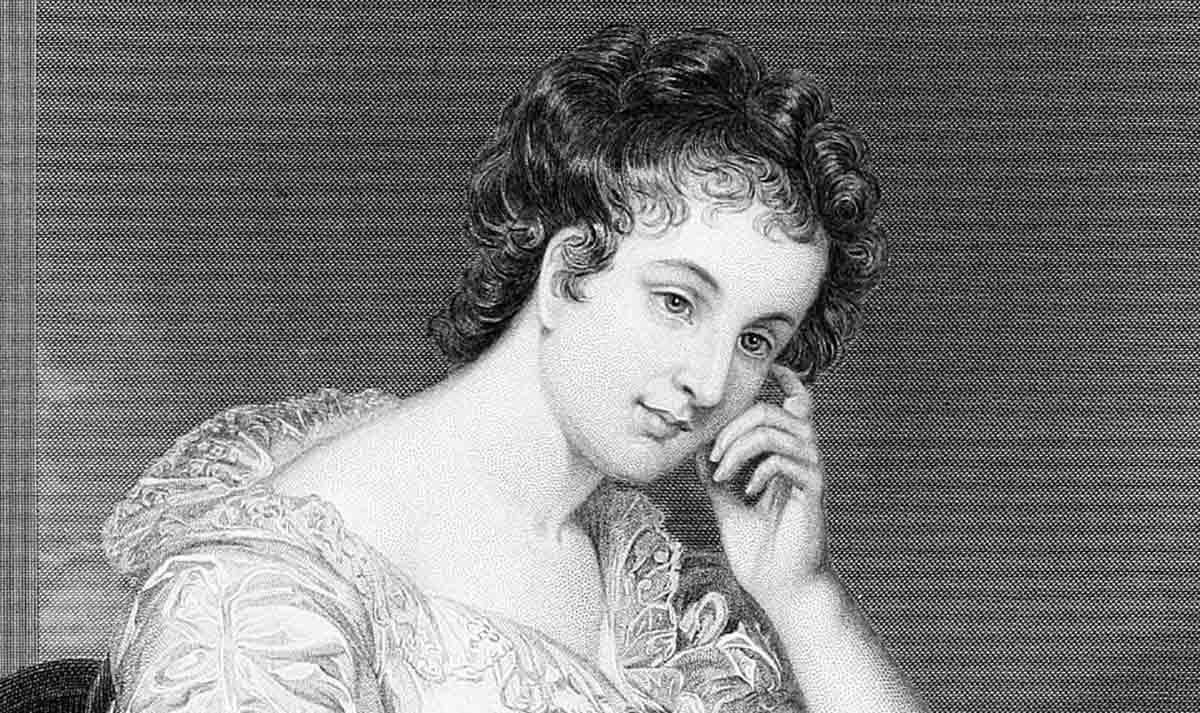
Like Swift, Maria Edgeworth came from an Anglo-Irish background. Her father was a politician and landowner (as well as inventor and father to 22 children), whose estate was named after the family: Edgeworthstown, in County Longford.
Maria Edgeworth grew up with a wealth of firsthand experience of Anglo-Irish landlordism, overseeing the day-to-day life of servants, tenants, and ordinary working Irish people. Both Edgeworth and her father were relatively progressive, supporting Catholic Emancipation and women’s education.
Edgeworth’s novels are reflections of this perspective on Irish country life, as well as important examples of Enlightenment and early Romantic ideals in an Irish literary context. For Castle Rackrent (1800), Edgeworth drew on her own family’s history of mismanaging its estate, telling the tale of the castle’s fluctuating fortunes over four generations.
Not only did the novel inspire Sir Walter Scott to write his Waverley series of novels (sometimes considered among the earliest examples of historical fiction), but it also inaugurated a subgenre which would be integral to Irish literature in English for over a century to come: the Big House novel. These novels centered on a large estate, the Anglo-Irish family that owns it, and their relations with the Irish people and places around them. (It is possibly merely coincidental, but telling as to the Irish perspective on these houses, that ‘big house’ has also long been a slang term for ‘prison’.)
6. Lord Dunsany
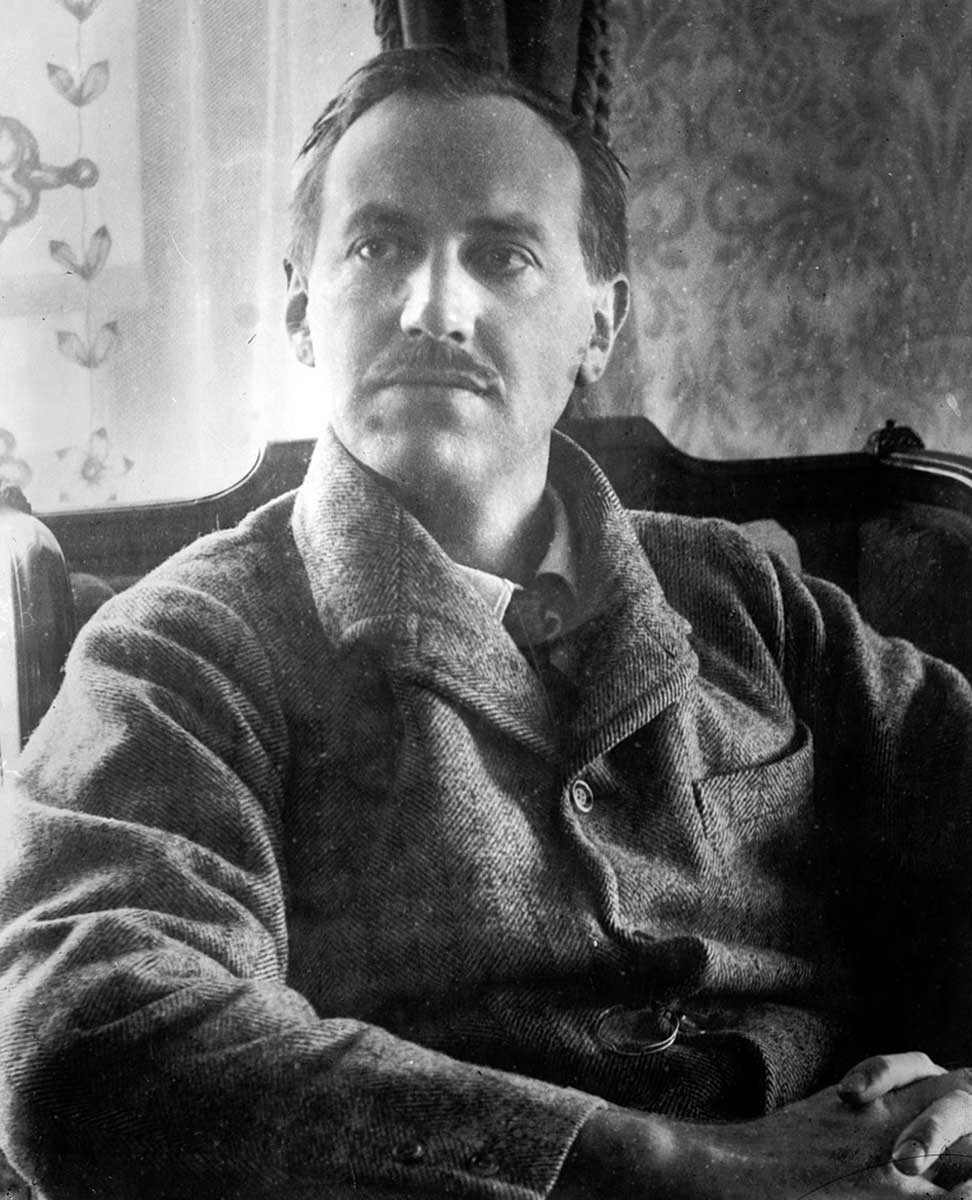
When we think of Irish writers born in the 19th century, several names might spring to mind: Oscar Wilde, beloved for his wit and wisdom; W.B. Yeats, poetic chronicler of the Celtic Twilight (another name for the revival of interest in Celtic, Gaelic, and Irish culture in the late 19th century); and James Joyce, innovative author of enduring literary mind-bogglers such as Ulysses (1922) and Finnegans Wake (1939).
Possibly more prolific than these three put together is the lesser-known Lord Dunsany. Born Edward Plunkett in London, he was heir to the peerage of Dunsany, and after inheriting the title aged 22, lived for most of his life in Dunsany Castle, in County Meath.
This was Dunsany’s base for his participation in the thriving Irish literary culture of the early 20th century, when he worked with Yeats and Lady Gregory, co-founders of the Abbey Theatre in Dublin, a breeding ground for many of Ireland’s most significant playwrights.
Plays did feature among the 90 or so works Dunsany wrote, but his greatest influence was as a writer of short stories and novels in the fantasy genre. He has been cited or detected as a precursor in writing by J.R.R. Tolkien, Arthur C. Clarke, Ursula K. Le Guin, H.P. Lovecraft, Jorge Luis Borges, and Guillermo del Toro.
7. J.M. Synge
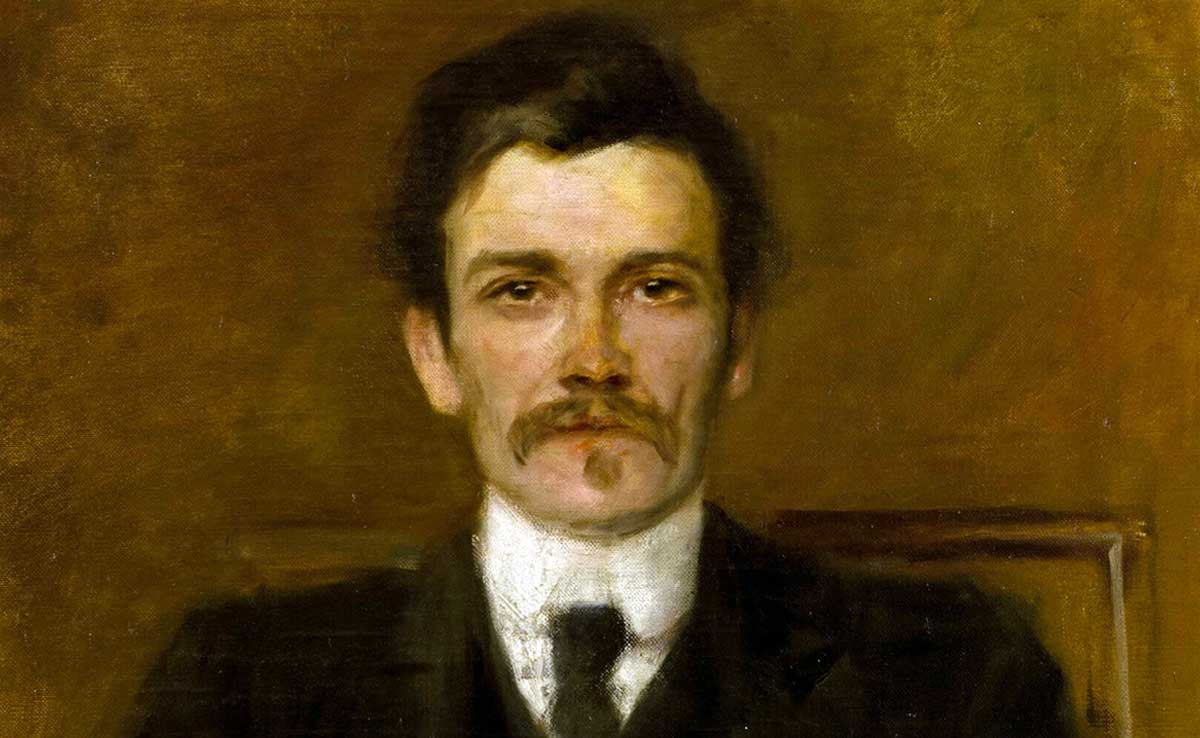
Like Dunsany, Synge was a playwright closely involved with Yeats, Gregory, and Edward Martyn’s Abbey Theatre. It had been open for just three years when it courted a major scandal with the opening of Synge’s play The Playboy of the Western World in 1907.
Synge had been interested in his native language and culture for some time before writing this play. He had extended his university studies in Hebrew and Irish by undertaking further research into Irish folklore and tradition on the Aran Islands, off the coast of Galway. He did not limit himself to patriotic studies: like many literary figures around the turn of the 20th century, Synge was a cosmopolitan, traveling and studying in Germany, Italy, and France.
After meeting Yeats, Gregory, and Martyn, Synge became even more devoted to writing about Irish life and people, and started producing plays which attracted the attention—and often critique—of figures among the prominent Irish nationalist movement of the early 1900s. Many of these figures had strong ideas about how the representation of Irish people, especially their attitudes to religion, sex and gender, and work, could impact support for the nationalist movement.
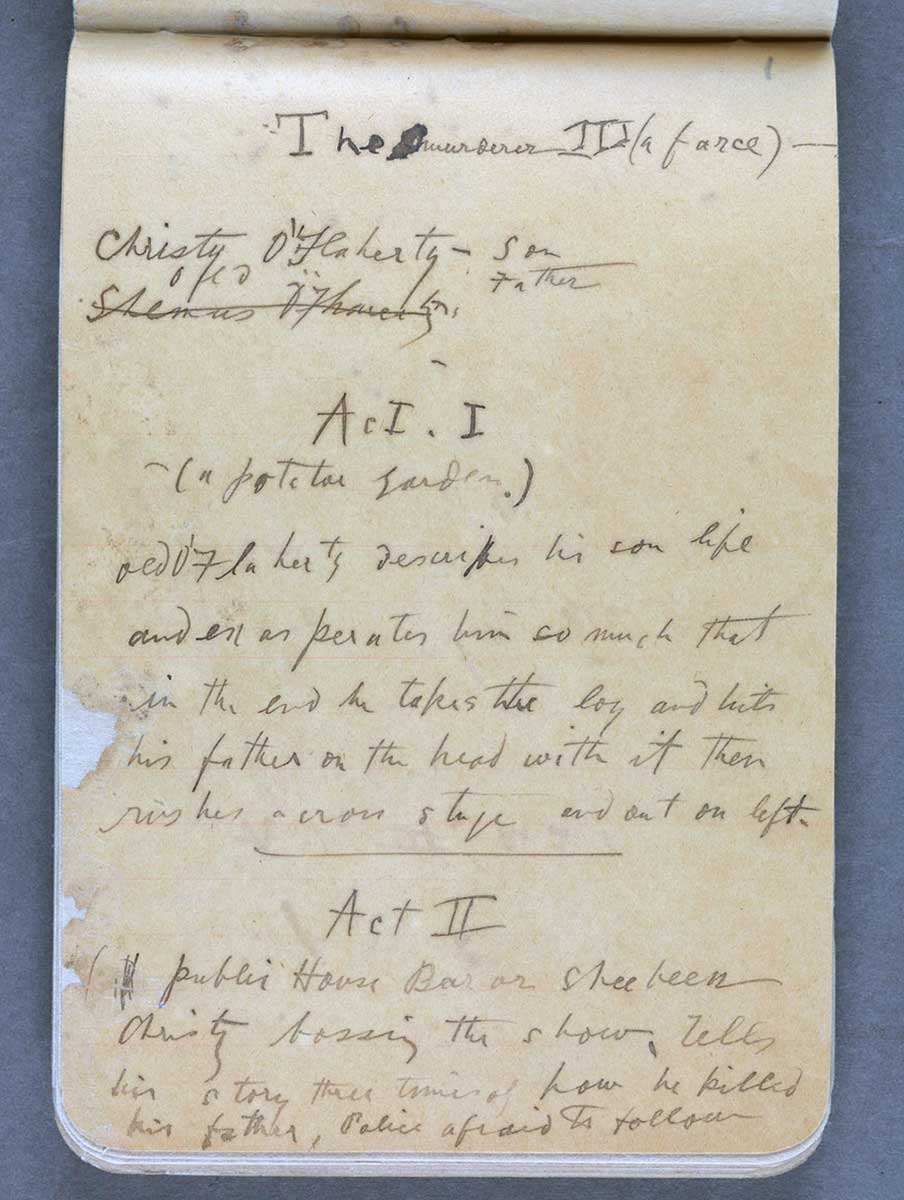
The Playboy of the Western World, set in County Mayo, tells the story of a young man who boasts that he has killed his father and becomes celebrated by local women as a hero, only for it to transpire that his father has not died, so he attacks him again. Nationalists attending the premiere decried the play’s immorality, outraged at Synge’s representation of the Irish working class and of Irish women, and riots broke out across Dublin.
After the outbreak of violence at the premiere, the remainder of The Playboy of the Western World had to be mimed. This meant that audiences missed out on hearing Synge’s greatest achievement: his lyrical language, meticulously representing the dialect of English spoken by Irish people. Synge is now praised for this linguistic mastery as well as his realism.
8. Elizabeth Bowen
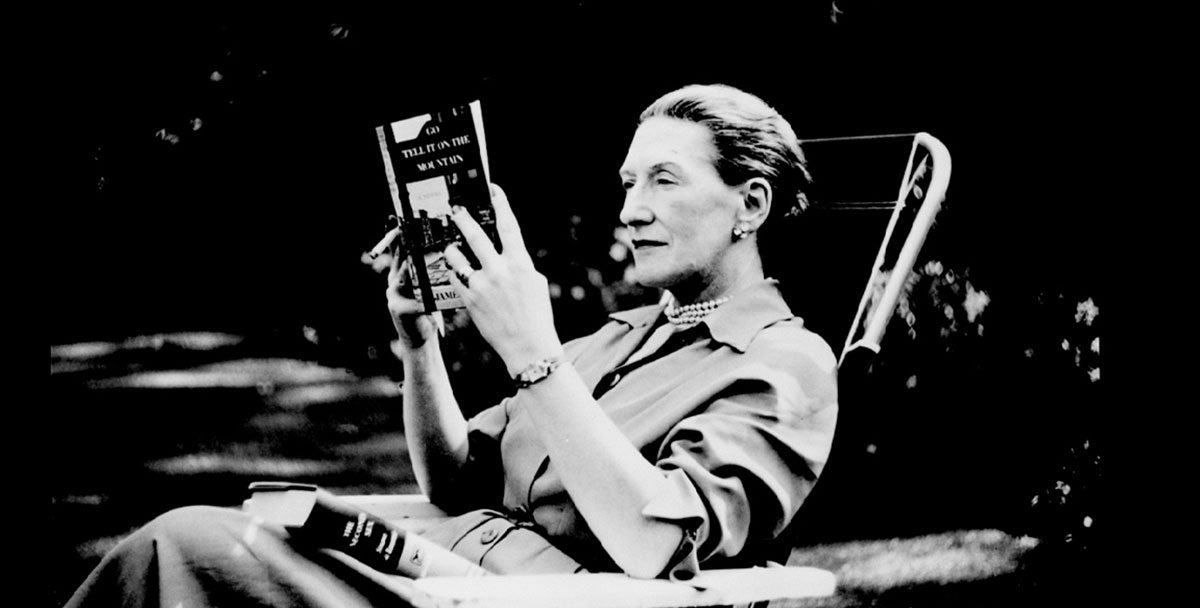
Somewhere between Jane Austen, Virginia Woolf, and Nancy Mitford, Elizabeth Bowen’s writing is acutely conscious of place, and that place is often Ireland, where she spent her early childhood and intermittent periods of her adulthood.
The Last September (1929) is a Big House novel like Edgeworth’s Castle Rackrent, and similarly draws on the author’s autobiography. Bowen inherited the family home, Bowen’s Court in County Cork, in 1930. In The Last September, she combines her idyllic memories of a charmed countryside childhood with the sociopolitical backdrop of Ireland’s struggle for independence.
Bowen was fascinated by Ireland, feeling “an extraordinary ambivalent attitude towards it” as someone with, as she felt, only a partial claim to a heritage which was gradually eroding, the old families and houses disappearing “like patterns fading out of a textile.”
Elsewhere, she reflected on the “slight inflection” implied in the term Big House, its hint of “hostility, irony” (Lee 1999, p. 26). Nonetheless, each of these houses “seems to live under its own spell” (Lee 1999, p. 25). The same could be said about the finely wrought houses in many of her other books, set outside Ireland, such as The Heat of the Day (1949) and The House in Paris (1936).
9. Flann O’Brien
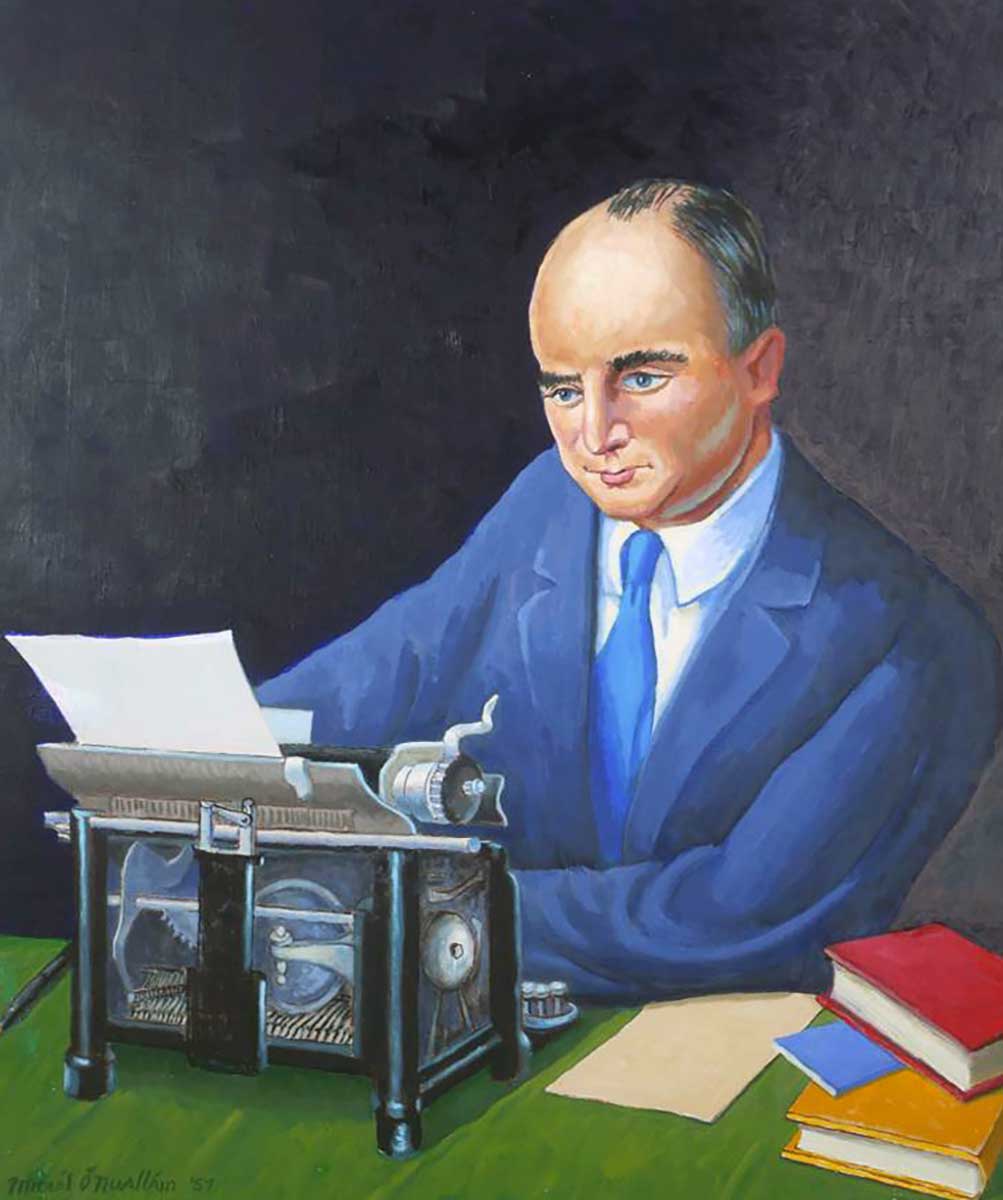
Two hundred years after Jonathan Swift mixed politics and literature, there came Flann O’Brien—one of the many pen-names of the civil servant Brian O’Nolan. Throughout his career, O’Brien wrote fiction and journalism under a variety of pseudonyms to hide the fact that these send-ups of political processes were coming from the heart of politics itself.
Much of O’Brien’s journalism was published during a 20-year period during which he is sometimes said to have withdrawn from writing fiction. His first novel, At Swim-Two-Birds (1939), was a roaring success with critics, lionized by such literary giants as Graham Greene, Anthony Burgess, and James Joyce. After his next novel, The Third Policeman, was rejected, O’Brien started a rumor that he had lost the manuscript on a countryside drive. (It was, in fact, hidden in his sideboard—and the novel was published posthumously in 1967.)
Yet O’Brien did not retire from writing fiction, only fiction in English. His next novel was published in 1941 and was titled An Béal Bocht. Written in Irish, it is the imagined autobiography of a poor Irishman who faces various misfortunes, and was published under the pseudonym Myles na gCopaleen, which O’Brien was using for his Irish-language newspaper columns.
This interplay between Irish and English sets O’Brien apart from a writer with whom he is often paired (and who was something of a bête noire for him), James Joyce. Both were master absurdists, practitioners of ludic metafictional nonsense. However, where Joyce was immersed in cosmopolitanism thanks to his time on the Continent (he spent the majority of his life away from his homeland), O’Brien never left Ireland. Like his somewhat unlikely predecessor, Swift, he wove Dublin, with its culture, its language, its people, and their quirks, into his playful and satirical works.
10. Samuel Beckett
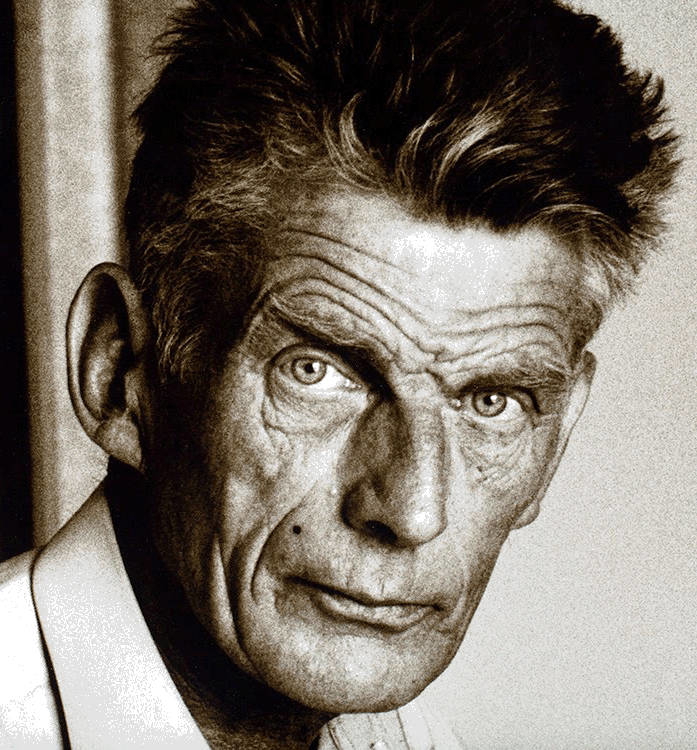
Many of Irish literature’s finest practitioners wrote their best work outside Ireland: Wilde and George Bernard Shaw in London, Joyce in Paris and Switzerland. Samuel Beckett was another, spending most of his life in Paris, but like his friend Joyce, and like Flann O’Brien, Beckett was undeniably influenced by his early years in the literary atmosphere of Dublin.
Beckett was a key figure in literary modernism. In his early years, as a critic, he made important connections between contemporary Irish poetry and modernist writing coming from London and Paris.
Coming into his own as a playwright in the 1950s, he extended that connection, composing most of his plays in French before translating them into English himself. The same goes for his best-known novels, including the trilogy beginning with Molloy in 1951.
Claiming that it was easier to write “without style” in French than English, Beckett innovated a prose that was entirely his own, borne out of his Irish upbringing, his thorough knowledge of literature in English, and his immersion in Parisian culture in the cafés of Paris’s Left Bank.
En attendant Godot (premiered in 1953), Beckett’s best-known play, is typical of his interest in stripped-back theater, with few characters and very little plot, allowing for rumination and philosophical speculation which often borders on the absurd.
11. Iris Murdoch
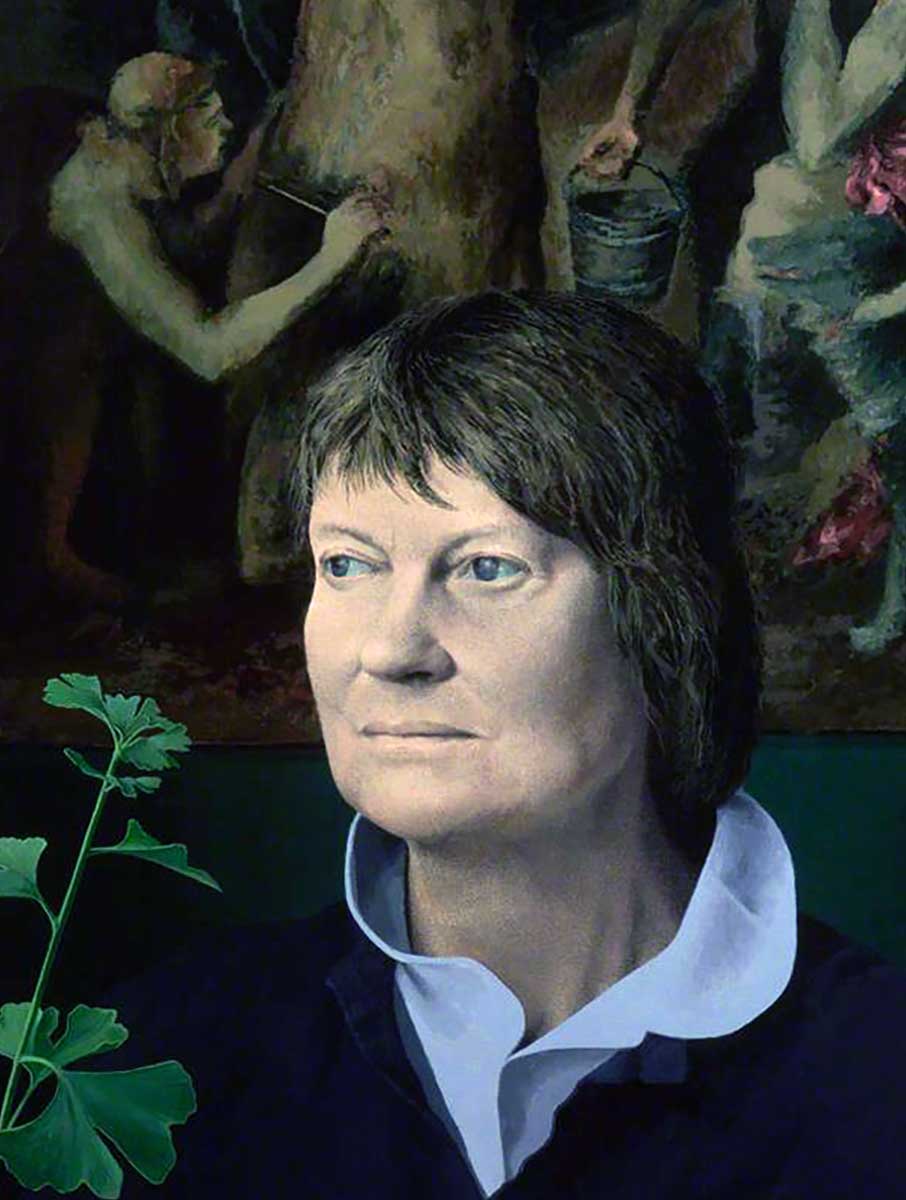
Although born in Dublin to Irish parents, Iris Murdoch lived for most of her life in England. As an adult, she expressed conflicting views on her heritage. She wrote to her fellow philosopher Philippa Foot that “I feel unsentimental about Ireland to the point of hatred,” but this musing did come about while she was on her way to a conference on Irish literature.
Murdoch, along with Foot, was one of several notable young women who became renowned as philosophers during and after World War II. Like her contemporary across the Channel, Simone de Beauvoir, Murdoch channeled her philosophy into fiction too.
Oxford, where Murdoch studied from 1938 to 1942 and returned to live for most of her adult life, was a hotbed for philosophical thought in this period, playing host to academics who found themselves refugees, including Ernst Cassirer, Eduard Fraenkel, and Isaiah Berlin. Murdoch was part of a movement that sought to restore metaphysics to philosophy, and her fiction blended this interest with her inclination towards moral philosophy.
Her first novel, Under the Net (1954), explored the quandary of useless philosophizing in a comic mode. Later novels, such as The Sea, The Sea (1978), which won the Booker Prize in 1978, interrogate the motivations and interior lives of characters who are placed in morally complex situations.
Murdoch may have been ambivalent about her Irish heritage, but the themes and style of her fiction are reminiscent of an Irish predecessor she admired and with whom she was friends: Elizabeth Bowen.
12. Roddy Doyle
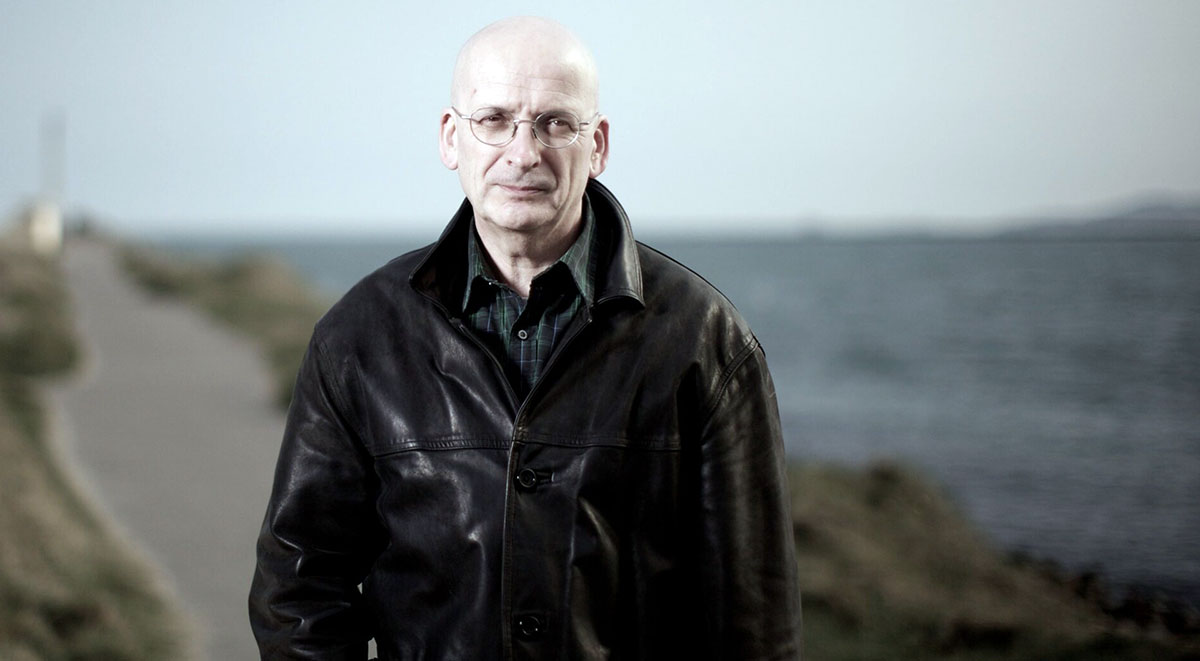
Another Booker Prize-winner born in Dublin is Roddy Doyle, although unlike his predecessor Iris Murdoch, Doyle has remained in his home city for his entire life, suffusing his work with the rich life of the city, especially its working-class neighborhoods.
Doyle’s Booker-winning novel, Paddy Clarke Ha Ha Ha (1993), takes us into the world of a 10-year-old Dubliner in 1968 (when Doyle himself was 10). Living in the Barrytown neighborhood, Paddy narrates his youth: a mixture of carefree hijinks and dim awareness of the adult world around him.
Barrytown was also the setting for a trilogy of novels starting with The Commitments in 1987, all of which were made into films. The Commitments charts a young man’s quest to band together a group of soul musicians and make it big, while The Snapper deals with pregnancy outside marriage—still a source of controversy in traditional, working-class Irish families.
Doyle has become one of Ireland’s most popular novelists today, celebrated for his dialogue-heavy style, which brings characters to life through a vivid use of voice and dialect.
13. Colm Tóibín
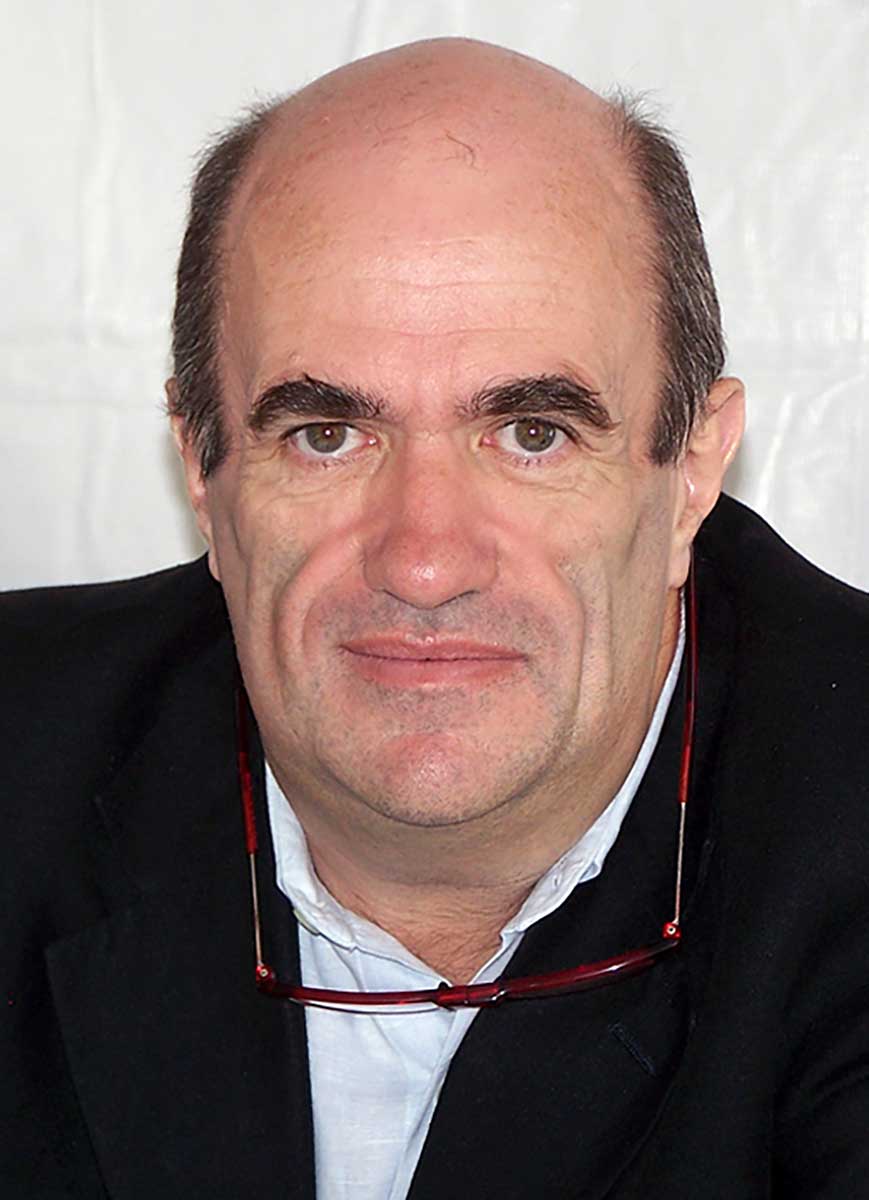
In what has become something of a tradition for Ireland’s great writers, Colm Tóibín blends the rich literary tradition of his homeland with a cosmopolitan perspective gained through spending time away from Ireland. He lived for a few years in Barcelona in his youth, and now lives in America, where he has been a visiting professor at several major universities.
Born in County Wexford, Tóibín often sets his novels in Ireland, sometimes dealing with characters who leave their homeland and have to navigate a sense of split identity—as in Brooklyn (2009), which was adapted as a film in 2015.
Elsewhere, Tóibín’s fiction delves into its protagonists’ deep-seated senses of self: introspective novels which use language to weave an intricate, if sometimes tortuous, impression of identity. These reflections combine with Tóibín’s interest in masculinity and homosexuality in novels such as The Master (2004) and The Magician (2021), fictionalized versions of the lives of Henry James and Thomas Mann, respectively.
Further Reading
- Lee, Hermione (1999). The Mulberry Tree: Writings of Elizabeth Bowen. London: Vintage.