When referring to alternative music, the connotation changes depending on the context, as this article sets out to explain. For example, most rock music from the 1990s and 2000s is described as “alternative” nowadays, but this differs vastly from the original connotation attached to alternative music. Pinning down a single, authoritative definition of alternative music is nearly impossible. This article will explore alternative music through various bands that were instrumental in its rise and fall, as well as the aftermath of the “great alternative music schism” when Nirvana “sold out” and went commercial.
Defining the “Alternative” in Alternative Music
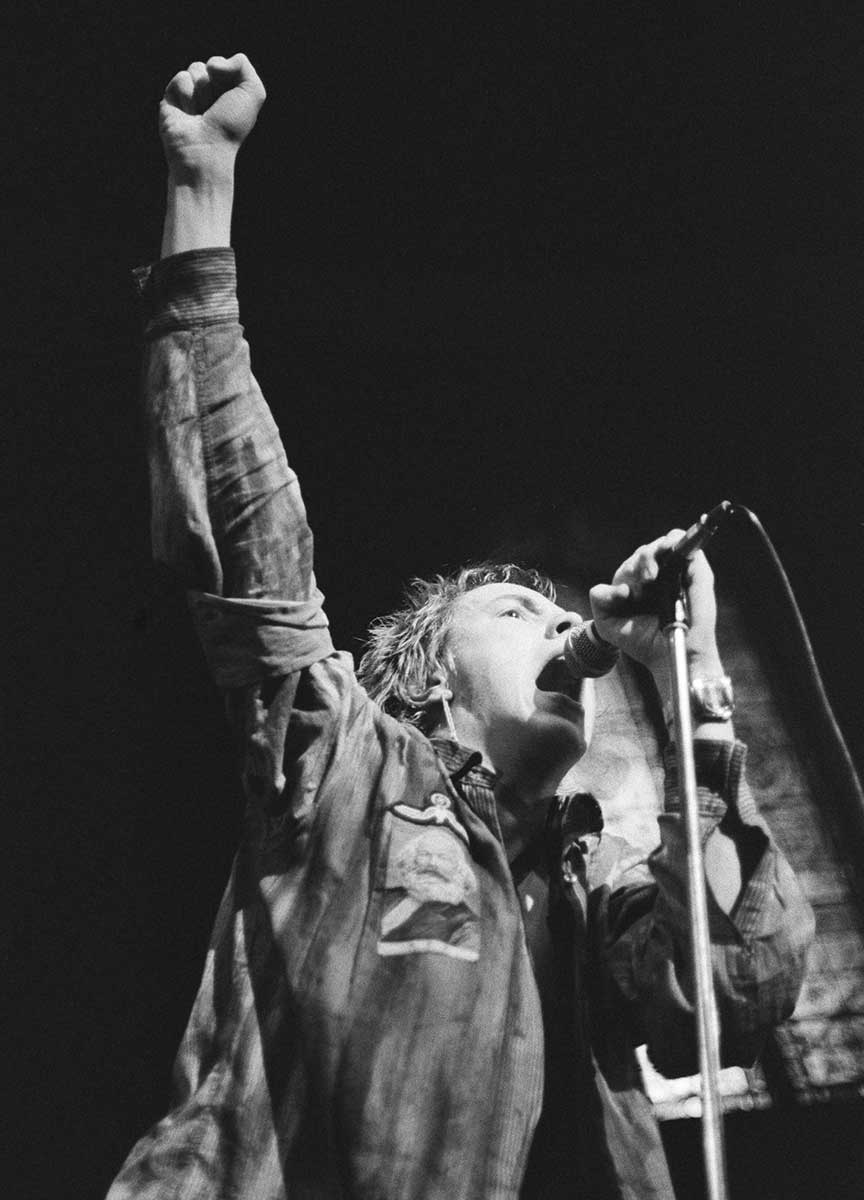
So, let us begin with a general definition: alternative music is a catch-all, umbrella term for music that rose from the post-punk movement in the mid-1980s. It extends to terms like “new music” and “post-modern.” There is an underground status attached to alternative music—artists favored working with independent record labels rather than commercial, mainstream labels. There is also a do-it-yourself (DIY) ethos that rose to prominence and found a footing in the punk movement, combined with the desire to stay underground and shun commercialism and commercial success.
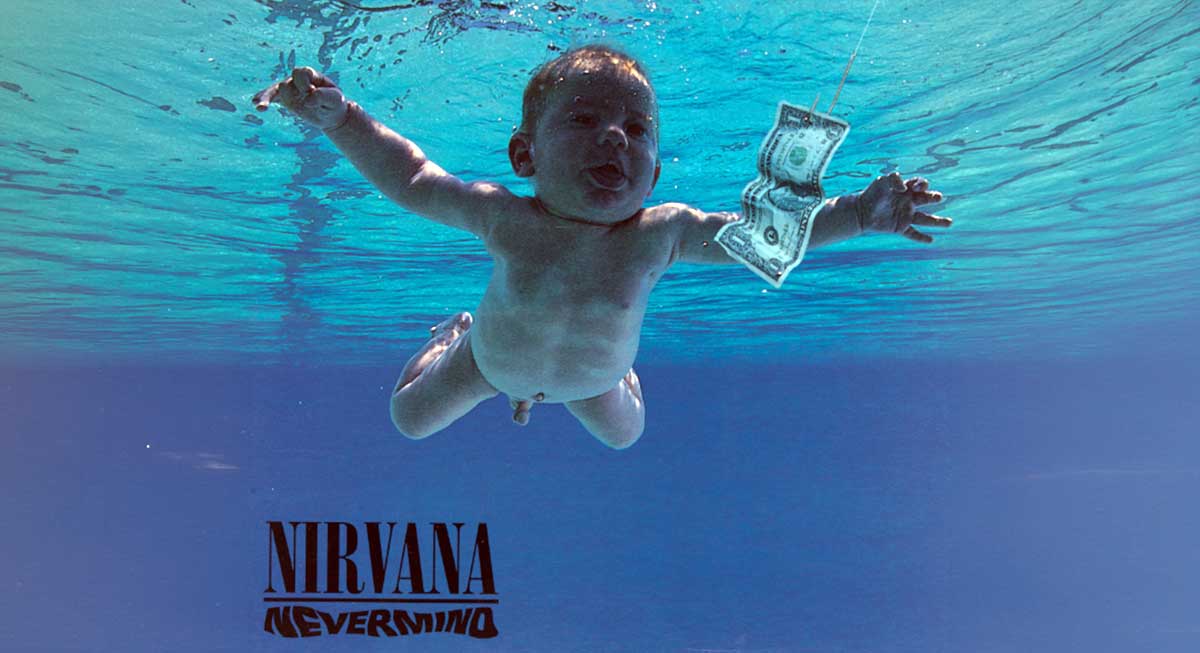
Artistic authenticity is also at the heart of alternative music—an ideal alternative music espoused before a split occurred when Nirvana reached commercial success with their album Nevermind. Nirvana’s breakthrough into and onto commercial radio stations established alternative (rock) music as a commodity that could be commercialized.
The line becomes blurred when we compare the American idea of alternative to that of the British across the pond. In British English, alternative music is the preferred term, but confusion arises because the lines become blurred. After all, hip-hop and electronic music are included in the British idea of alternative music. In the USA, “alternative rock” is the preferred term. Shall we make matters slightly more confusing? In the UK, “indie” (stemming from independent) is sometimes used when referring to alternative rock… but in general, indie refers to artists who sign with independent record labels.
In the US, “underground” music refers to little-known artists who sometimes sign with independent labels, music you only find through word-of-mouth. For this article, alternative music, alternative rock, and underground music will refer to alternative rock in the American sense of the word.
Alternative Rock: A Decade-by-Decade Overview
Before Nirvana’s commercial breakthrough in the early 1990s, alternative rock was known by a variety of terms. In the United States, “college rock” was often used in the 1980s because of its link with college radio stations appealing to the tastes of college students. Across the pond, “indie” was used. Sometimes, “indie rock” is used to refer to alternative rock from the 1980s. But scholars rather reserve the term for independent artists who upheld the underground ideologies associated with its punk roots while remaining underground.
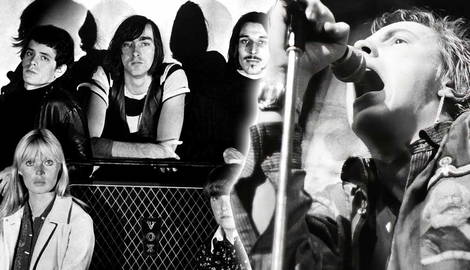
In the United States, alternative rock had its genesis in the late 1960s. Bands like Iggy and the Stooges, MC5, Silver Apples, and Velvet Underground set the stage for the movement. Each offered a distinct sound that broke away from the mainstream mold. While the term would only emerge nearly two decades later, the foundations were in place.
Through artists like Andy Warhol and his Factory, bands like Velvet Underground had the financial backing they needed to pursue their art to their heart’s content.
1960s: Proto-Punk
Proto-punk was never a cohesive movement and the term is applied retrospectively today. Punk emerged around 1975/6 but the proto-punk bands all seem unrelated when you compare their sound palettes. However, some elements tie these bands together—these bands are fully aware of their outsider status and love thumbing their nose. There is the conscious challenge of mainstream rock conventions and the utopianism the hippies sought out. Overall, the proto-punk sound was stripped-down, unpolished, and sometimes even primitive. However, these artists were venting, and it was deeply personal. They sought to expose society’s grimy underbelly and often chose taboo subjects and shone a spotlight on them.
What made these bands “alternative” when compared to their contemporaries? Well, someone had to pick up the torch from the Beat Generation. The aftermath of World War II was still present in society, and conservativism was the name of the game. Now imagine a band of writers and their followers talking openly about homosexuality, sexual liberation, and women’s rights. The arts were shifting out of the claws of modernism into the pluralism of postmodernism.
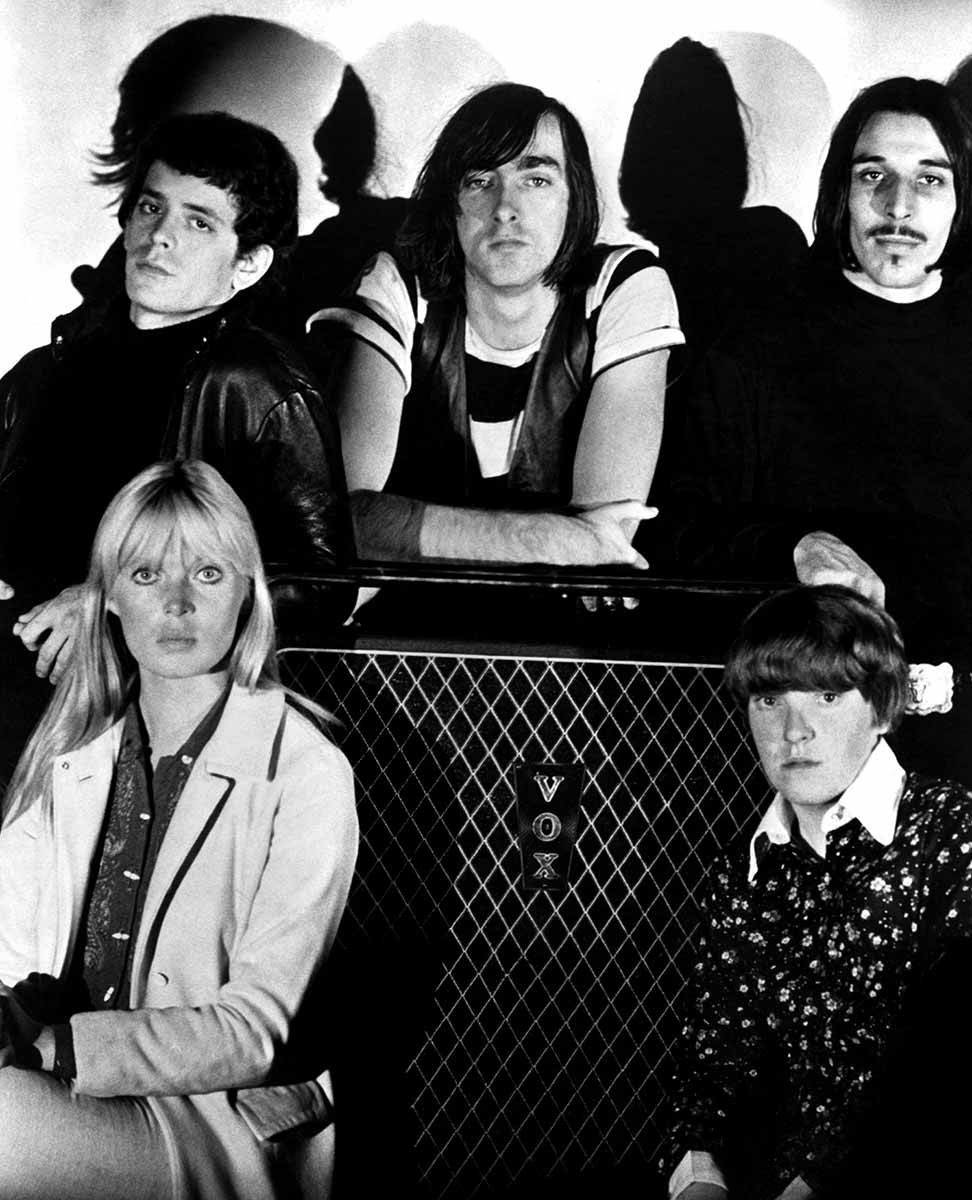
The Velvet Underground (and Nico) (Active: 1964-1973)
The Velvet Underground was revolutionary in a few ways: they borrowed elements from rock ‘n’ roll, the avant-garde scene (e.g. collaborating with John Cage and La Monte Young), and wrote lyrics that did not shy away from being sexually explicit or hinting at sexual acts (e.g., Venus in Furs). Alternative guitar tunings leading to drones are another feature from their early days. Combining their music with lyrics reminiscent of post-beat realism set them apart from their contemporaries.
The Stooges (Active: 1967–1971, 1972–1974, and Reunited 2003–2016)
While the Velvet Underground were the intellectual outsiders, the Stooges went in the opposite direction.
“The Stooges revealed the underside of sex, drugs, and rock & roll, showing all the grime beneath the myth. … Taking their cue from the over-amplified pounding of British blues, the primal raunch of American garage rock, and the psychedelic rock (as well as the audience-baiting) of the Doors, the Stooges were raw, immediate, and vulgar. Iggy Pop became notorious for performing smeared in blood or peanut butter and diving into the audience.” (Stephen Thomas Erlewine, 2005).
The band had a devoted core audience, but Iggy Pop’s on-stage antics and the band’s shock tactics did not sit well with the broader audience. Nevertheless, a talent scout from Elektra Records signed them in Detroit when they went to see MC5 in concert.
Sometimes infamy also leads to opportunities. In 1973, the band released their album Raw Power. David Bowie stepped in to save the band and produced the album, but there were various technical problems and the result was a strange, thin sound. Although Stooges purists blame Bowie for the sound, it laid the foundation for the punk revolution. With the thin audio and fierce attack on the ear, punk was one step closer to becoming a reality two years later.
MC5 (Active: 1963-1973, Reunion Tours in 1992 and 2022)
MC5, or Motor City 5, where Detroit is also known as Motor City, are contemporaries of the Stooges. MC5 played a significant role in the development of punk rock. Their music was loud and intense, and their politics, revolutionary. They believed in the unholy trinity of sex, drugs, and rock ‘n’ roll with their performances taking an energetic and defiant stab at the hippies’ counter-culture ideals of love and peace. Despite their short-lived and controversial existence, MC5 paved the way for numerous music genres like hard rock, punk, and other heavy kinds of music.
Silver Apples (Active: 1967-1970, 1995)
The Silver Apples are the most enigmatic and otherworldly of the alternative music scene’s ancestors. Their music adopted a wide range of pulsing rhythms, synthesizer-generated melodies, and drones and hums. Their minimalist and electronic approach to music never achieved commercial success but inspired generations of musicians after them.
1970s: Punk Enters the Scene
Politically, the 1970s was the age of Thatcherism, the Watergate Scandal, the defeat in Vietnam, and the Anti-Apartheid Movement. The common person became disillusioned with their politicians, economic crises abounded, and there was a growing spirit of discontent among the youth worldwide. The time was ripe for movements like punk to emerge and give a voice to the disenfranchised masses.
New York Dolls (Active: 1972-1976)
During the early 1970s, a bona fide punk rock scene was emerging in New York City. One of the pioneering, yet short-lived bands of the era was the New York Dolls. The band was the brainchild of Malcolm MacLaren, a London clothier. Their amateurish approach to performing, combined with a glam look, laid the foundations for punk and glam rock.
Often, they would perform in high heels, spandex, sports make-up, and lipstick—perhaps the antithesis of the punk movement’s favor of a rough street look—but a look that set them apart. Although the band only released two albums, they are considered the pioneers of the punk rock movement.
The Ramones (Active: 1974-1996)
The Ramones played simple music (a maximum of four chords in a song), and fast (most songs last around two-and-a-half minutes) with a raw edge and energetic fun. They appealed to audiences because they only performed their material and because of their amateurish musical abilities. The Ramones did not have the musical training to learn other people’s music, so they had a make-do attitude which appealed to punkers. They did not follow the narcissistic tendencies of singer/songwriters and other types of confessional music like other rock bands. In 1976, while touring in England, the Ramones helped to establish the British punk scene.
Sex Pistols (Active: 1975–1978, Brief Revivals: 1996, 2002-2003, 2007-2008, and 2024–Present)
Of all the bands thus far, the Sex Pistols may be the most controversial and short-lived band, but their impact still echoes today. Some call the band a farce and marketing gimmick by Malcolm MacLaren (who briefly managed the New York Dolls between 1972 and 1976) who used them to promote his London clothing store, Sex, which sold leather, and S&M fashions. Thus, the name “Sex Pistols” was used to advertise MacLaren’s store and served his nihilistic ideas.
Their anti-authority stance combined with their defiant spirit appealed to the discontent young people across the UK felt: the hypocrisy within the British establishment, unemployment was around one million people, and the inflation rate of 18 percent in 1975. Combine this with school leavers who had dim prospects, and many went on welfare (“the dole”). The overall mood in the UK was boredom, cynicism, and despair.
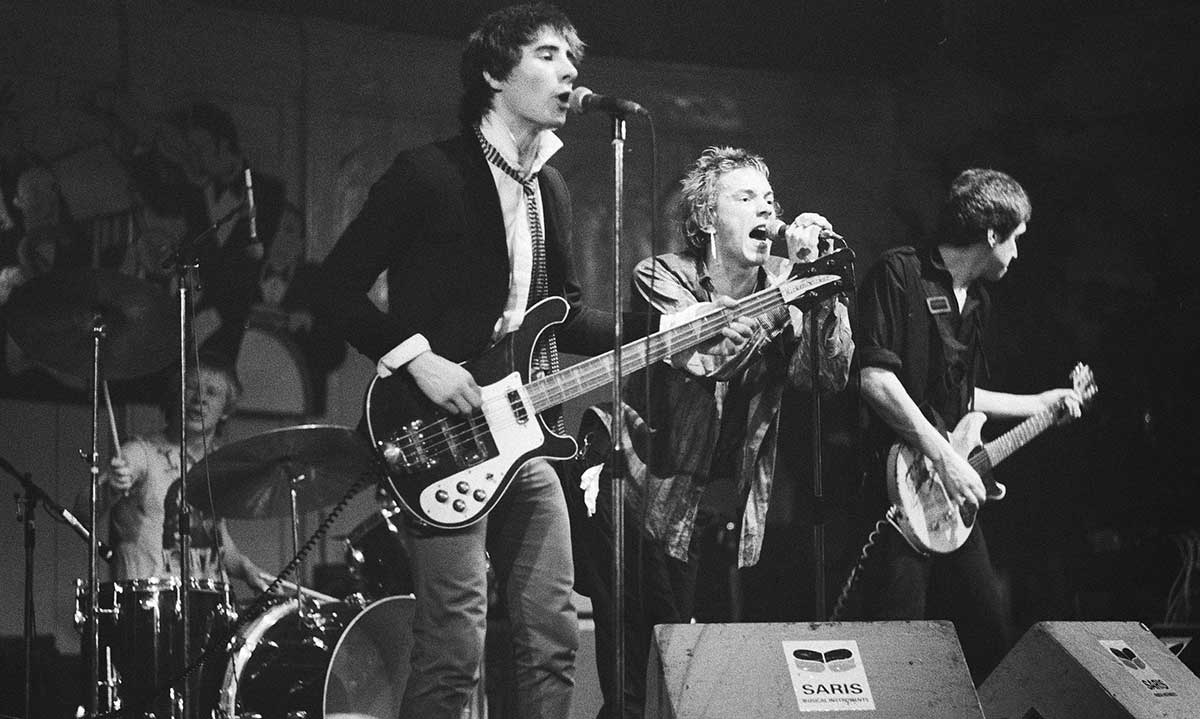
One month after performing at London’s 100 Club at the Punk Rock Festival, organized by Malcolm MacLaren, they signed their first record deal with EMI in October 1976. They received an advance of £50,000 and released Anarchy in the UK. It seemed like the band was on a path of destruction and controversy from the start. Consider this interview on nationwide television on the state-owned BBC program Today:
John Lydon (aka Johnny Rotten): You dirty bastard.
Grundy (host): Go on, again.
Lydon: You dirty f**ker!
Grundy: What a clever boy.
Lydon: You f**king rotter!
(Watch the full interview here.)
The furor that followed catapulted the Sex Pistols to national notoriety. But, in January 1977, EMI struck the band off their artist roster, and they lost their advance. In March 1977, A&M Records signed the band for £50,000, and a week later they also fired the band. Firing the Sex Pistols cost the record company a further £25,000 as a buyout fee. Virgin Records signed the band in May, and they released their first single, God Save The Queen. Furthermore, the single coincided (unintendedly) with Queen Elizabeth II’s silver jubilee. Although the BBC refused to play the song on any of its public stations and many stores refused to sell the record, it quickly became the number-one hit in the UK, selling over 200,000 copies.
Some say the Sex Pistols were one man’s rebellious act to promote his endeavors, others think they were a complete farce. There is another camp that regards them as a breath of fresh air in the music industry. Whichever camp you belong to, the Sex Pistols had a lasting impact on the future of alternative and mainstream rock for decades to come.
1980s: Golden Age of Alternative
The 1980s was a time of fast change around the world. The Berlin Wall fell in 1989, the outbreak of the AIDS epidemic occurred, and the Chornobyl disaster happened. At the same time, various subcultures emerged: the goths, skinheads, and punks, to name a few. In the US, the political landscape was still conservative and Republican—fertile ground for the alternative music scene to follow its mind and go in the opposite direction.
On the music front, the slump of the 1970s came to an end. The introduction of the compact disc (CD), MTV, and Michael Jackson’s Thriller LP helped the music industry to recover and move along with the times. Alternative music was more than just music, it was about taking control over what you listened to and thumbing your nose at the big, commercial corporations who dictated the public’s tastes.
Alternative bands preferred a DIY approach with a garage band mindset, and they incorporated various elements from folk rock, hard rock, psychedelic music, and of course, punk. Important alternative bands from this time included R.E.M., The Pixies, The Feelies, Red Hot Chili Peppers, The Replacements, The Violent Femmes, and Sonic Youth.
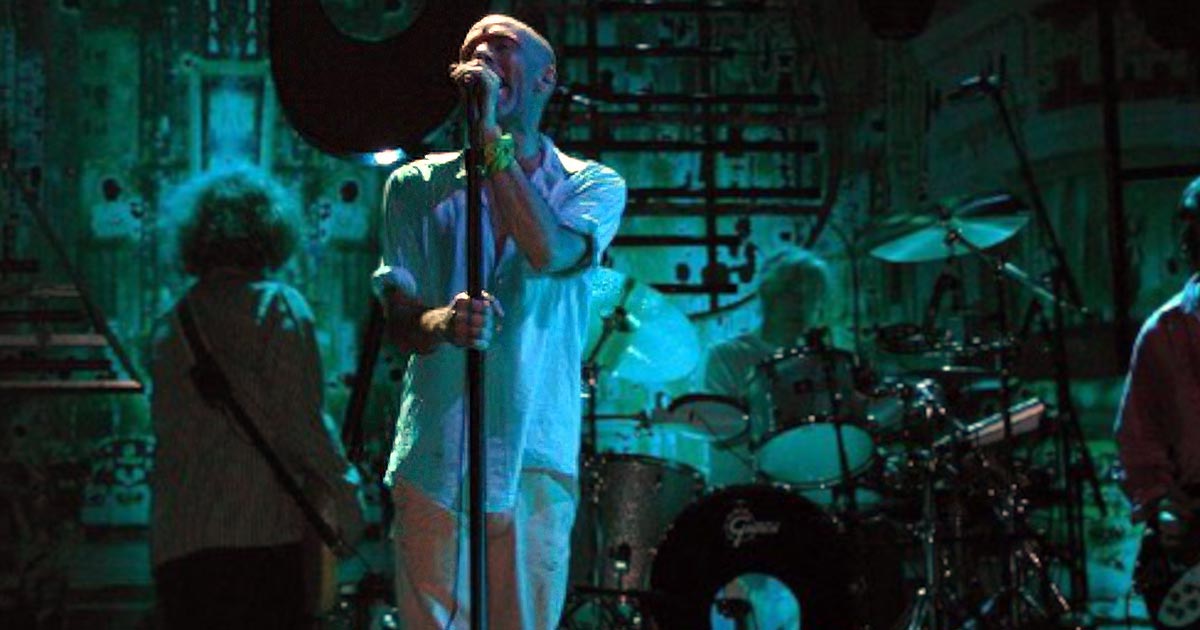
R.E.M. (Active: 1980-2011)
R.E.M. was formed in Atlanta, Georgia in 1980 and was first known as Twisted Kites. Their debut album was Murmur (1983) and they were hailed as “America’s Hippest Band.” The president of I.R.S. Records signed the band after hearing them perform in New Orleans in 1983. With Murmur they shot to stardom and won Rolling Stone magazine’s Band of the Year, Best New Artist, and Album of the Year awards.
Free Radio Europe became a staple on college radio stations and, combined with their extensive touring in a beat-up van, helped establish a cult-like, although underground, following. As one of the alternative scene’s first bands to reach superstardom, R.E.M. helped to push the genre into the limelight.
Camper Van Beethoven (Active: 1983-1990 and 1999-Present)
Camper Van Beethoven merges ska, folk, punk, and world music. The band’s instant trademarks are violin (played by Jonathan Segel) and their laid-back California style. Camper van Beethoven was formed in Redlands, California in 1983. Their influence on the alternative music scene is undeniable and still resounding today.
Sonic Youth (Active: 1984-1997, 2010-2017)
With their alternate tunings, feedback, and combination of hardcore punk, the aesthetic of New York’s downtown music scene found in the works of Philip Glass, Glenn Branca, and Steve Reich’s Sonic Youth redefined the sonic landscape. Their influence would ripple far beyond their timeframe and elements can even be heard in the 1990s grunge bands like Nirvana.
Their albums EVOL (1986) and Sister (1987) were released on SST, and Daydream Nation, which was released in 1988 on the Enigma label, became important sonic and alternative music artifacts. They achieved some of their alternative tunings—inspired by Glenn Branca—by not only changing the way the guitar strings are tuned but also by jamming screwdrivers and drumsticks between the strings and fretboard.
As time passed, their music took on a more pop-friendly sound, which furthered their reputation among listeners outside the alternative scene. In 1990, they signed with major label Geffen and released ten albums with the label.
1990: The “Great Alternative Music Schism” and Fragmentation
The 1990s signaled the march towards the 21st century and technological developments that would shape the face of the world. Some events shocked the world, like the trial of O.J. Simpson and the passing of Princess Diana. South Africa elected its first democratically elected president, Nelson Mandela, and the first babies of Gen Z were born.
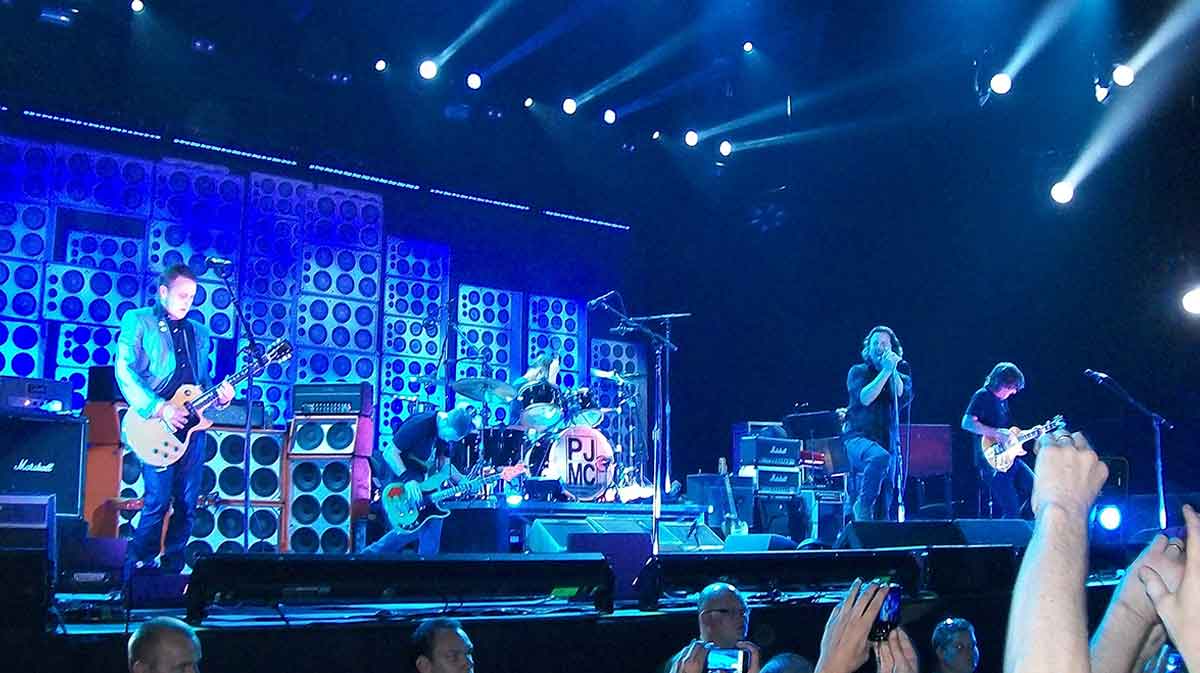
Musically, a new type of music emerged, especially in Seattle, namely “grunge.” Nirvana and Pearl Jam pivoted the alternative music scene into the spotlight. Yet, alternative music has become a catch-all term that ranges from experimental music to more accessible pop-rock. Female artists like Alanis Morissette and Tori Amos made significant contributions to the scene and paved the way for later female artists like Avril Lavigne and Billie Eilish.
Towards the new millennium, the alternative genre became fragmented, and subgenres and the term “indie rock” emerged as the replacing descriptor when referring to alternative rock describing the diverse and independent artists expressing themselves through music.
Nirvana (Active: 1987-1994)
Nirvana sent a clear call that the 1980s were over with their album Nevermind. For Generation X, it is the album that encapsulates their being, and Kurt Cobain became their generation’s version of John Lennon of Beatles’ fame.
Nevermind greatly differed from their first and independent album, Bleach (1989). Their debut album followed the punk rock ethos of staying underground, yet it sold 35,000 copies. But the grunge foundations were laid. Nirvana and other grunge musicians followed the punk ethos in music and attitude, many songs use a slow tempo combined with simple chord progressions, start-stop dynamics where a soft passage is suddenly followed by a loud one (like Baroque music’s terraced dynamics), and with lyrics favoring dark themes and delivered in a lamenting tone.
However, when Nirvana signed with Geffen Records and Nevermind hit the shelves many alternative fans believed that Nirvana became sellouts—they abandoned their authenticity and independence. Others felt that the band abandoned their ethical values and turned their backs on the alternative scene’s values of not chasing money and fame. Kurt Cobain sometimes joked about the band becoming sellouts, but also defended their position of pursuing mainstream success.
Alanis Morisette (Active: 1987-Present)
Alanis Morisette is especially known for emotive and candid lyrics combined with her distinctive sound which blends pop and rock influence. Her album, Jagged Little Pill catapulted her to fame in the American market in 1995.
It was unheard of for a female singer to offer her perspective on the themes of heartache and love, especially in the hit single, You Oughta Know. Many of her songs were censored on radio broadcasts due to the explicit references and language. With her evocative mezzo-soprano voice and expressive songwriting, she paved the way for numerous female artists and gave women a voice to express their feelings.