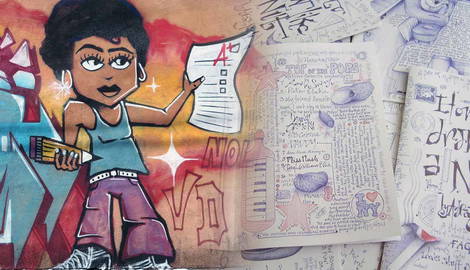

Zines are mini magazines and are often created by individual artists looking to send a short message to the world. These messages can come in any form, from poetry to wordless art. Like many people who want to be heard, zine artists often share political opinions, radical ideas, and defiant art. People have started to create zine collections to collect this form of art, often ignored by the rest of the art world. Zine libraries can be found in a university collection or underground networks that share ideas and art.
What Is a Zine Collection?
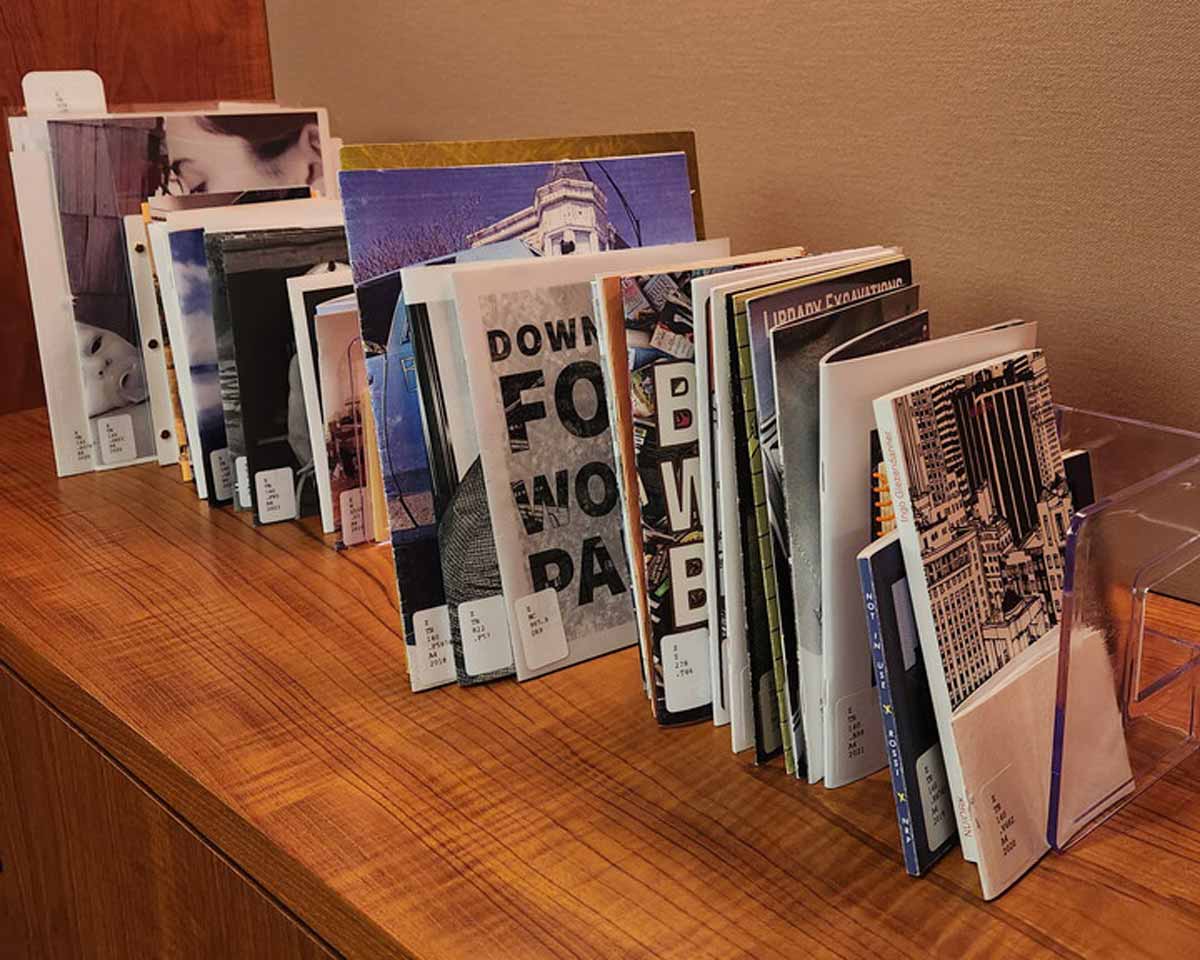
Like any kind of art, people collect zines. While most zine collections are held by individual enthusiasts, a few libraries and art galleries have started to gather them. Zines often hold the ideals, passions, and opinions of the time when they are made, making an interesting time capsule piece of art for museums and galleries. Some zine collections started as underground trading networks and then began to gather zines rather than disperse them.
It can be difficult to create a collection of these zines since they are often one of a kind and irregular in shape. They also don’t have ISBN numbers and can often be missing the artist’s name, the date created, and any other information that could be used to categorize them. The difficulty of organizing collections often means that they go entirely unorganized and are just shelves of little books. Sometimes, though, librarians sort them by themes. Many zine collectors request that artists put their names and a date on the zine, but artists don’t always follow the directions.
What Is a Zine?
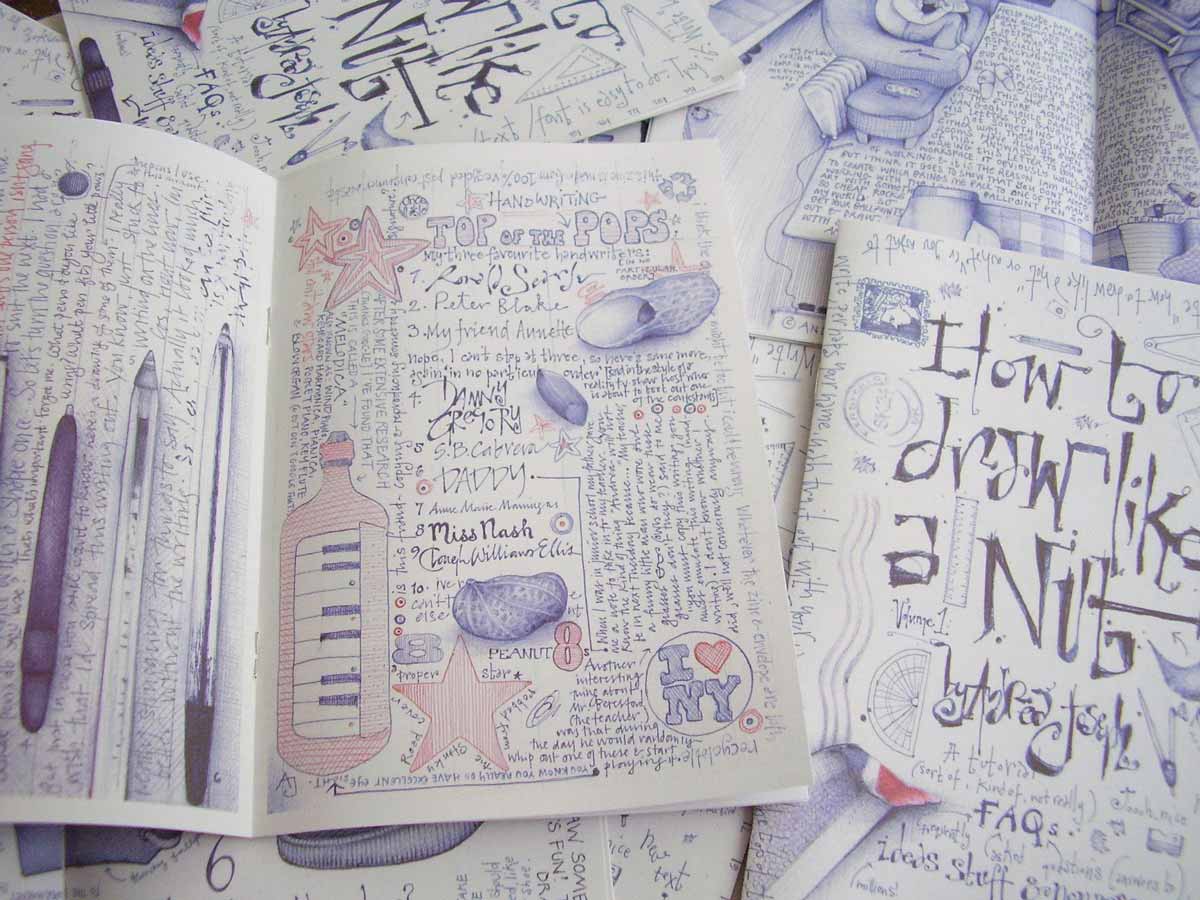
A zine is a mini magazine. It is most often a little booklet with some kind of binding, like an accordion, stitched or glued. Artists can fill these little books with anything they like. Some choose to fill their zines with photographs or drawings, others with poetry, and everything in between.
Some zines are filled with instructions on how to do things, a recipe to follow, or something else you can create with the help of the zine. Some zines are informative; for example, they tell you the facts about a certain subject. Some zines tell stories—either real ones or fictional ones. Other zines are for giving opinions.
Some zines are designed to be easily copied so they can be distributed in a mini-production run. Others are meticulously made as a one-of-a-kind masterpiece. Easily copied zines are often made of one folded piece of paper that is unfolded, put in a copier, and then the resulting copy can be folded into another zine. Zine copies allow multiple collections to have the same zine and allow patrons to take copies of zines home with them.
The Zine Creators
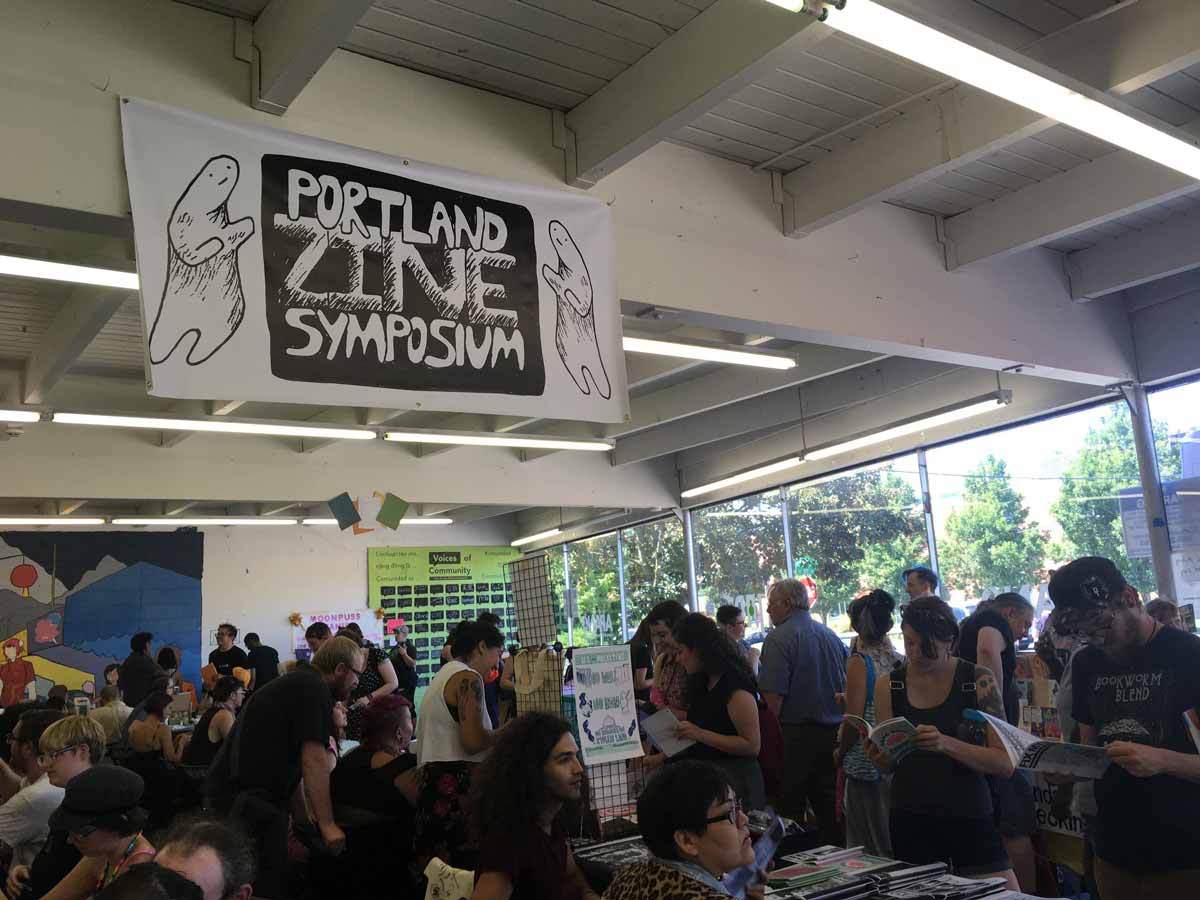
While anyone can create a zine, most are created by independent artists. A zine is an art format, so many kinds of creators who work in all sorts of mediums can make zines. Zine workshops allow the wider public to create their own zines. Photographers, in particular, often work in the zine format since it creates an easy way to share small photobooks.
Others are people trying to change the world in some way, like environmentalists. Zines have small production runs, so they are eco-friendly and can be used to share tips, express outrage at current practices, and show the desperations of the other creatures on this planet. Anarchists, punks, and people of other subcultures also use zines as a way of communicating graphic rage.
Where to Find Zine Libraries
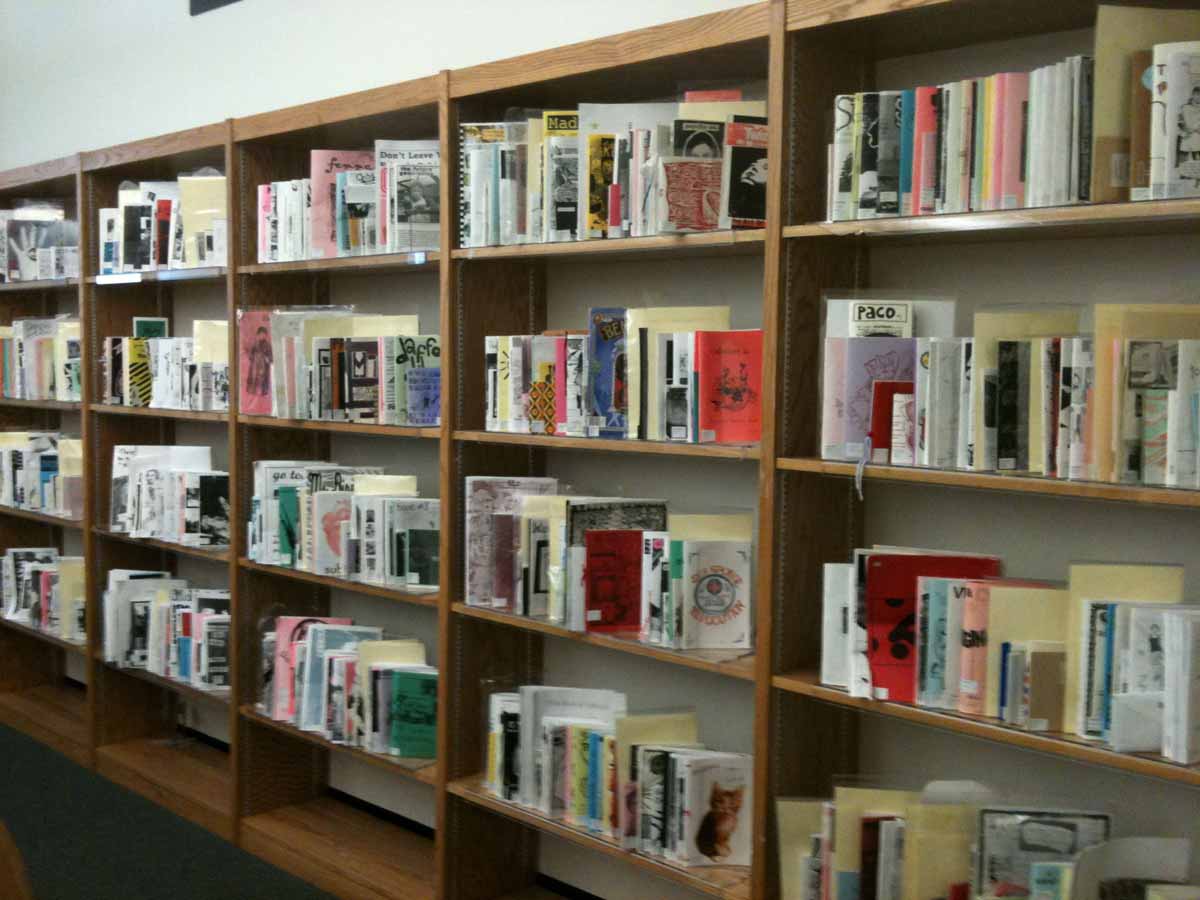
Zine collections are hard to find. Some libraries will have zine collections but won’t advertise them (due to the disorganization or small number), but some libraries are dedicated to these booklets. The Library of Virginia has a directory of digitized zine collections, but it doesn’t cover every single collection out there. Some of the biggest libraries include The Library of Congress, Internet Archive, and Barnard College. Barnard College also keeps a directory of zine collections around the world. The Book of Zines curates all different kinds of zine information, including where to find zine collections. Digitized art collections may also carry zines.
Many of these libraries have digitized their zine collections, so even if you don’t live close to any of these locations, you can still take a look at zines from all over the world. Internet Archive has one of the largest digitized collections. Individual artists may also have digitized zines for sale. Occasionally, a zine is created for an online audience. These are called e-zines. If you don’t live near any zine-filled locations, this might be the easiest spot to find them.
You can ask your local library if they carry zines. If they don’t, you could suggest they start a zine collection. Some local libraries will allow patrons to display and give away their zines right inside the library. You can also create your own zines to add to zine libraries. Some of them say they are looking for zines, some don’t, and others just approach creators directly. If you can’t find a zine library, you can also look into zine fairs and symposiums, or you can always order zines online from artists.
The History of Zines
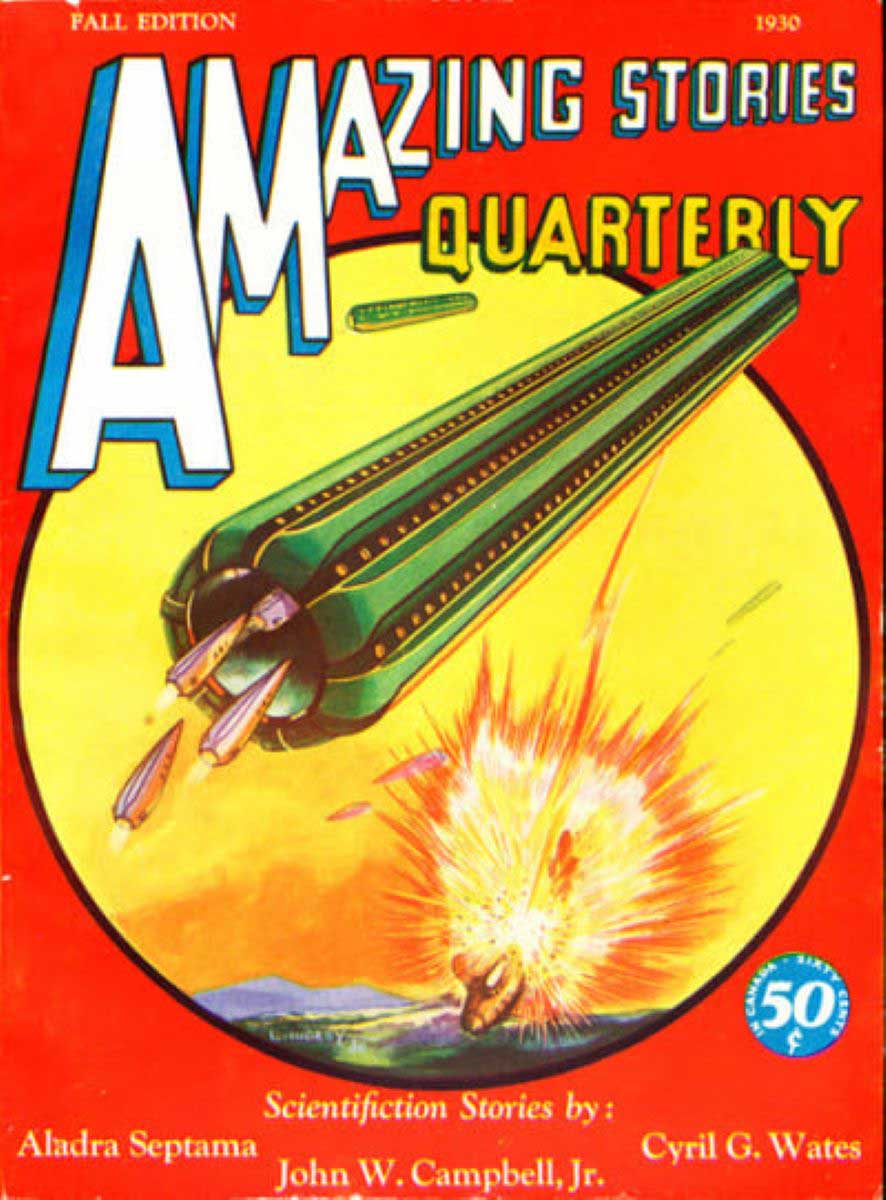
Zines started outside of the art world, in the sphere of science fiction enthusiasts during the 1930s and 1940s. They were used to communicate snippets of fiction and fan theories and to otherwise discuss science fiction. After a while (in the 1960s), artists found the format as a cheap and easy way to share and spread their art to a larger audience. Photographers found them useful for creating cheaper and easier-to-produce photobooks, and poets could use them as small chapbooks (short books filled with poetry). Zines found their way into defiant art shortly after that because their easily reproducible nature made them the perfect vehicle for spreading ideas. Now, zines are used for any kind of idea or narrative—from telling personal stories to spreading political messages.
What Is Defiant Art?
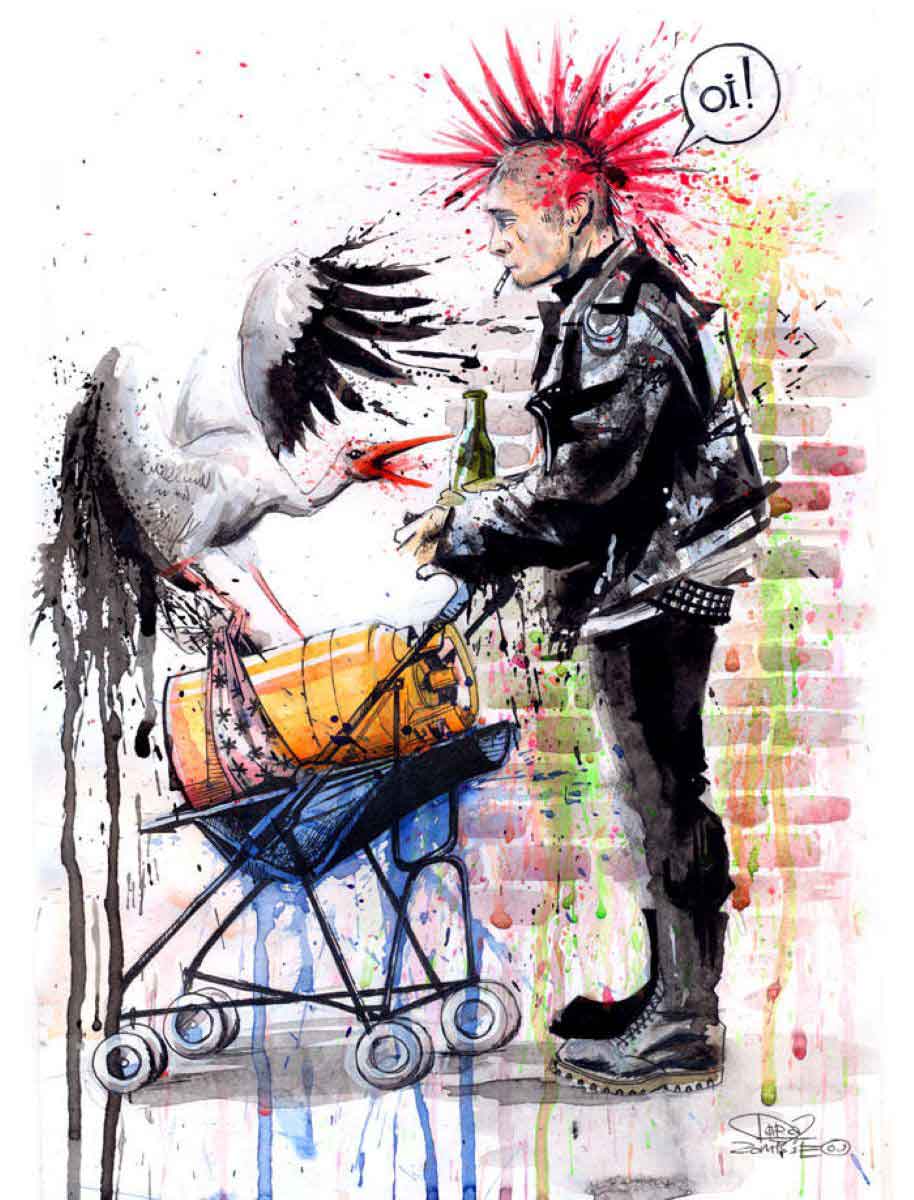
Defiant art challenges social and political norms. It is made to challenge current ideas and counter the direction society is headed in, showing an alternate path that is preferable to the creator of the zine. Much of this defiance is about radical change and showing kindness in places where it is lacking. Rebellious people, ideas, and subcultures create defiant art to inspire change and show outrage. Often, these radical ideas involve anti-capitalism and anti-authoritarianism. Altogether, many zine creators work together to show what a better world might look like.
Why Do Artists Use Zines to Communicate Ideas?
Zines are a good format for communicating snippets of ideas. Some tell a story through pictures, but others are more direct and use words. Just as a picture can tell a thousand words, a few words can communicate a thousand pictures. Melding these two ideas can communicate quite a bit in the tiny format of a zine. Artists also use zines because they are easy to replicate and pass out, getting their ideas further spread than an individual piece could. People are also used to the structure of a book or magazine, so using that format adds a layer of familiarity to the otherwise opaque art.
A Connection Between Street Art and Zines
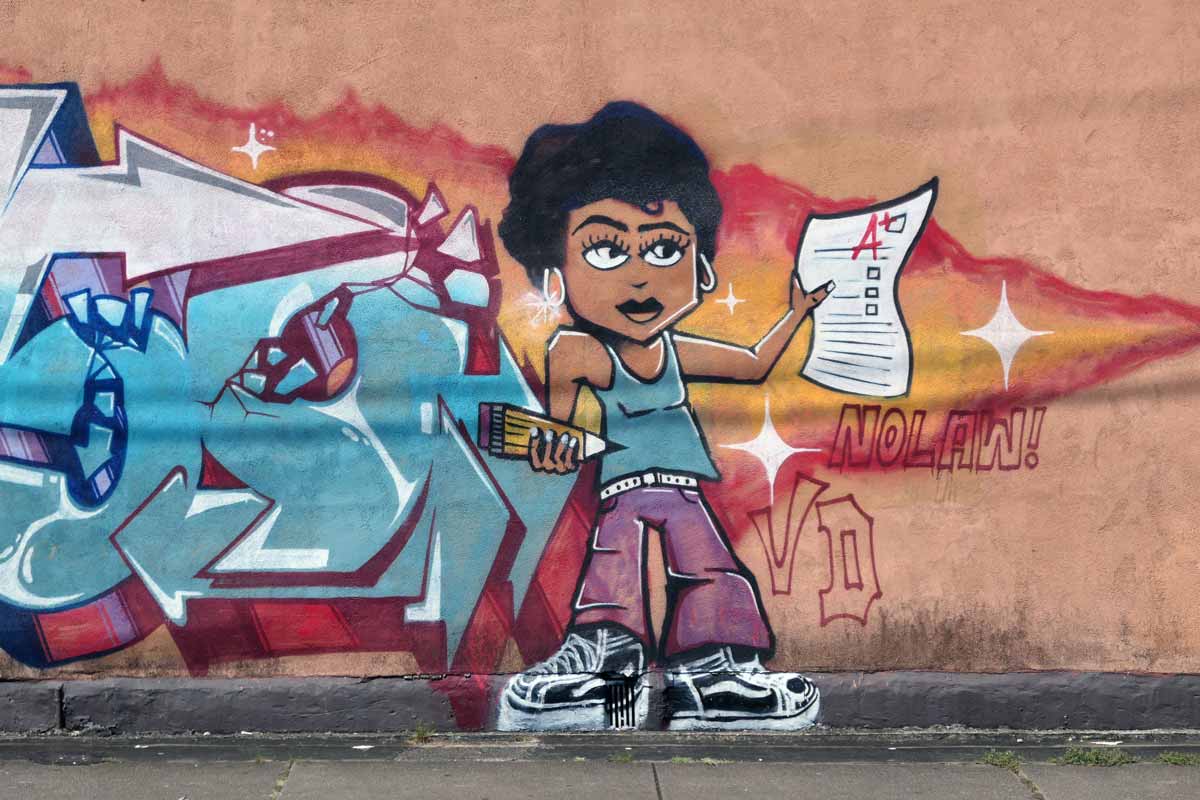
Street art is art that is made on the street, for the street. It can come in the form of stickers stuck on signs and poles, graffiti, fliers, etc. It is characterized by its independence. It’s not controlled by any government, corporation, or other entity. It also tends to be done illegally. Zines are the magazine equivalent. They are also created by individuals (who often want to change the world), made to show opinions unwanted by major publishers, and don’t follow any rules.
New styles, ideas, and designs often start as street art and become more mainstream, and street art moves on to new uncharted territories. It is never a static style and communicates how people feel about current events and changes. This all makes its way to the zines. Like zines, street art is most often the realm of anarchists, punks, and other rebellious subcultures.
What Makes Zine Collections Popular?

The root of zines comes from science fiction (often characterized as seeing possibilities beyond current times), but zines are still around because of the punk subculture. Punks and anarchists have used the medium for decades to share ideas and opinions with others both inside and outside of their subculture. Zines are about communication, specifically underground or unrecognized ideas. This makes them the perfect medium for people bucking the current trends and trying to reach beyond what other people deem possible.
While zines have moved beyond just these subcultures, punks are still one of the main driving forces that keep zines popular. Zines are, by nature, non-mainstream. This independence from the publishing norm automatically sets it into the realm of counter-cultural ideals that people like punks have. Zines are a window into the dreams and aspirations of the people making them, and those people often fall outside of the mainstream. Artists can also create zines to show places and people in the world where bad things are happening. Zines are a practice of emotions and communication.