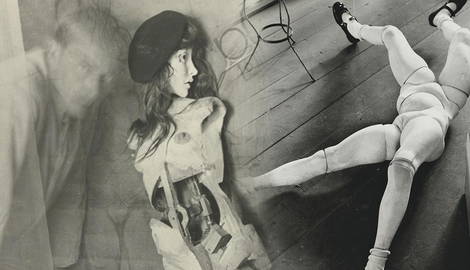

Hans Bellmer was a lesser-known member of the Surrealists who focused on dollmaking and photography. Bellmer’s unsettling, deformed dolls emerged partially as a reaction to the standards of Aryan beauty and health promoted by the Third Reich. However, soon, the dolls turned into a lifelong project that both supported and tormented Bellmer for decades. Read on to learn more about Hans Bellmer, the forgotten dollmaker.
1. Hans Bellmer: Expression Through Opposition
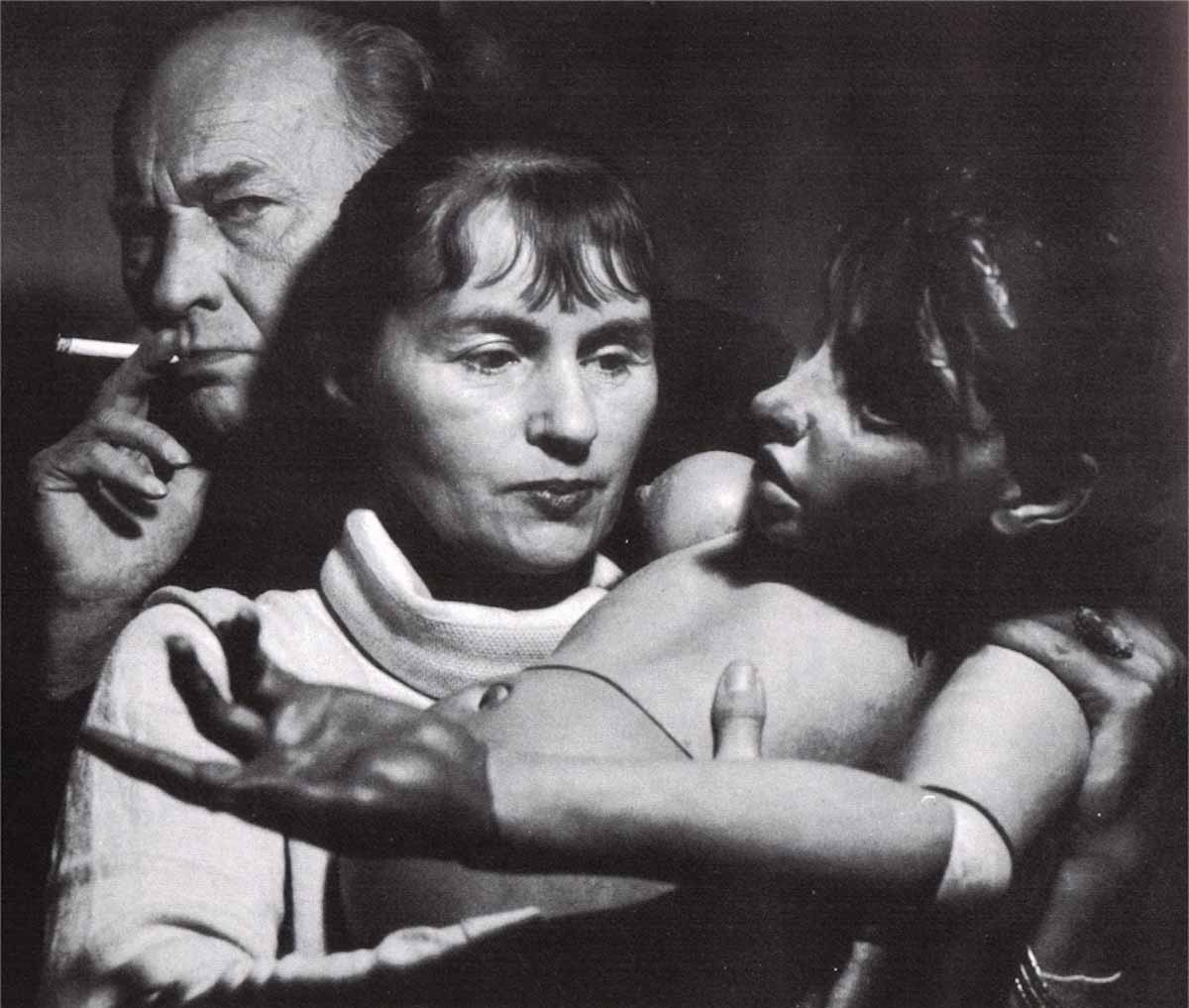
Hans Bellmer, born in 1902 into a rather prosperous middle-class family from present-day Germany, could have enjoyed a comfortable life as an engineer or a civil servant. Instead, from his early years, the dominating force in his life was his opposition to his violent, aggressive, and despotic father. After finding a job in a coal mine (upon his father’s insistence), Hans was soon fired and almost imprisoned for spreading left-wing ideas among other workers. His studies of engineering in Berlin, again forced upon him, were equally unsuccessful—less than a year after enrolling, Bellmer quit and immersed himself into art, exhibiting with German Dadaists and Surrealists. Still, Bellmer was not as impractical as he seemed: soon, he opened a successful advertising agency, designing posters and creating illustrations for major German companies.
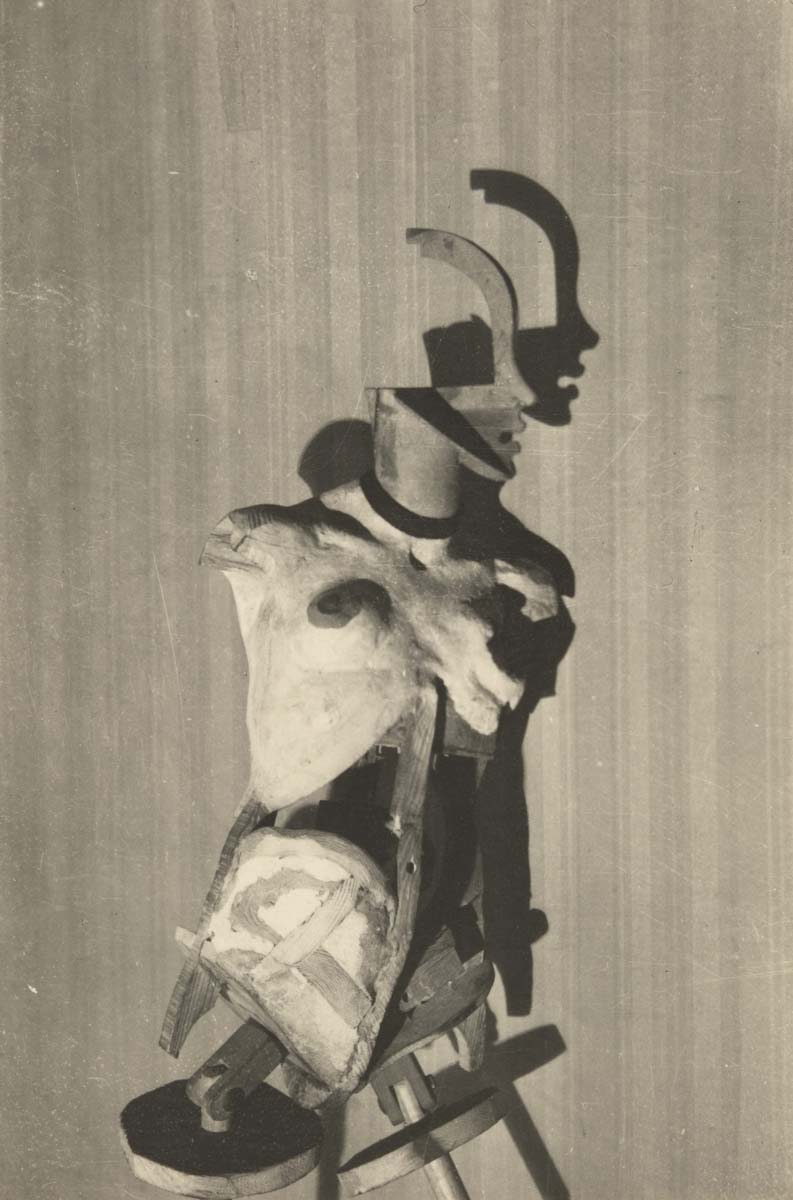
It all changed after the Nazis came to power. In 1933, Bellmer shut his agency for good, unwilling to contribute to this government’s wellbeing in any form. Needless to say, his eternal nemesis, the Bellmer family patriarch, turned out to be an ardent Nazi supporter. Around that time, Hans Bellmer started to conceive his lifelong project that would make him one of the most influential artists of his time and a pariah in his country. Horrified by the Nazi propaganda about the perfect Aryan body and ideal beauty, Bellmer invented an opposition to it.
He modeled his ideal from the figure of an adolescent girl in a transitional state between girlhood and womanhood, falling outside of strict categories of age and societal expectations. Some believe the imaginary figure was a product of Bellmer’s obsession with his teenage cousin Ursula—a forbidden relationship that could never be fulfilled. Ursula was either unaware of her role or fully content with it: a few years later, she, a Sorbonne student, brought Hans’ photographs to Andre Breton, introducing him to the Surrealists.
Bellmer’s first doll was a half-assembled carcass with deliberately unfinished body parts. A few years earlier, while visiting one of Berlin’s museums with his Dadaist friends, he found the technique for assembling movable dolls. There, he found articulated wooden dolls from the 16th century, with ball joints allowing for movement and fixation of limbs and torso.
2. Bellmer’s Projects Maturing
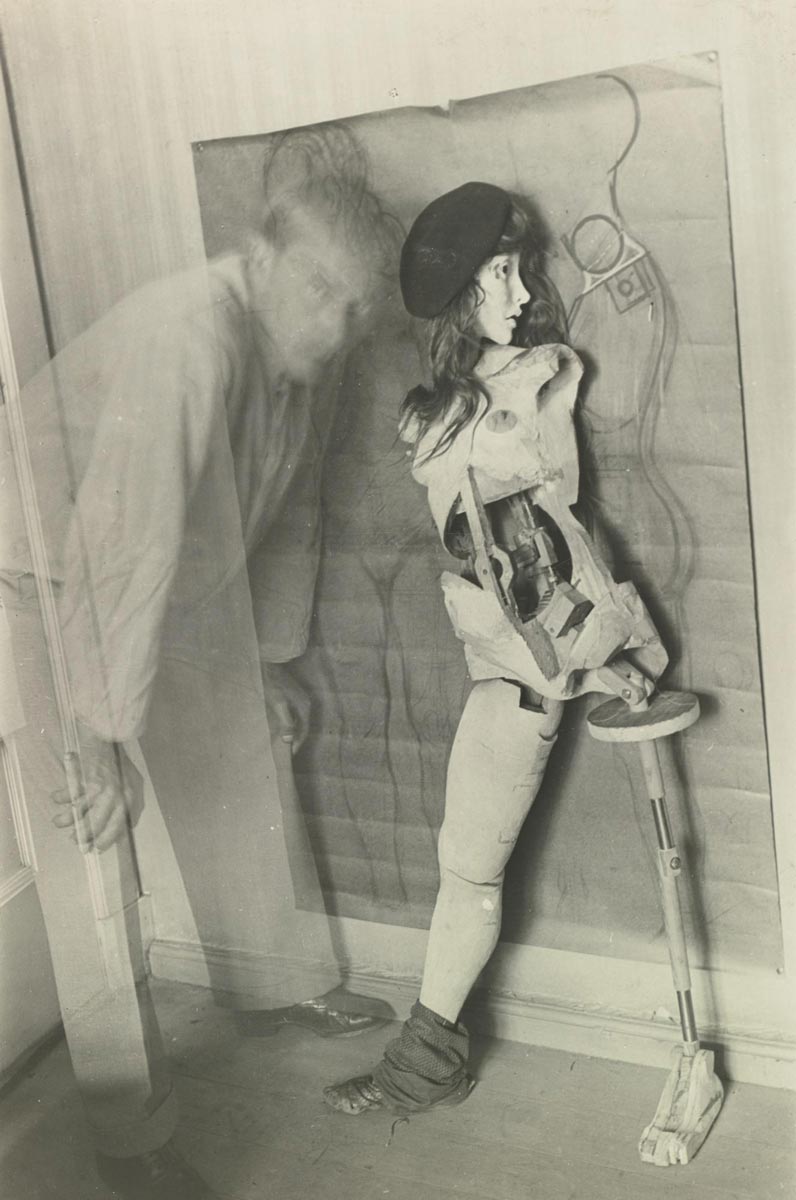
Bellmer’s first projects were financed and otherwise supported by his mother and brother, unbeknownst to his oppressive father. Franz, an accomplished engineer, even took part in building them. He designed movable eyes and rotating miniature panoramas inside the dolls’ abdomens. Pressing on one of the doll’s nipples, the viewer would see six scenes demonstrating lace handkerchiefs, tiny boats, or sweets. However, Bellmer soon abandoned the panoramas project to focus on more complex and erotic photographic arrangements of his dolls.
Part of Bellmer’s inspiration came from a short story by Ernst Hoffmann called The Sandman. There, a man falls in love with an automaton, a moving doll he mistakes for a real woman. Realizing his mistake, the romantic hero loses his mind and commits suicide. Similar dramatic tension and fear reveal themselves in the tableaux vivants of Bellmer, with dolls transgressing the boundaries of the animate and inanimate. Bellmer positioned his dolls in enclosed settings of rooms and cabinets, with their joints rearranged and bodies partially assembled. They look both seductive and threatening, representing the deepest desires and the worst nightmares.
3. Femininity
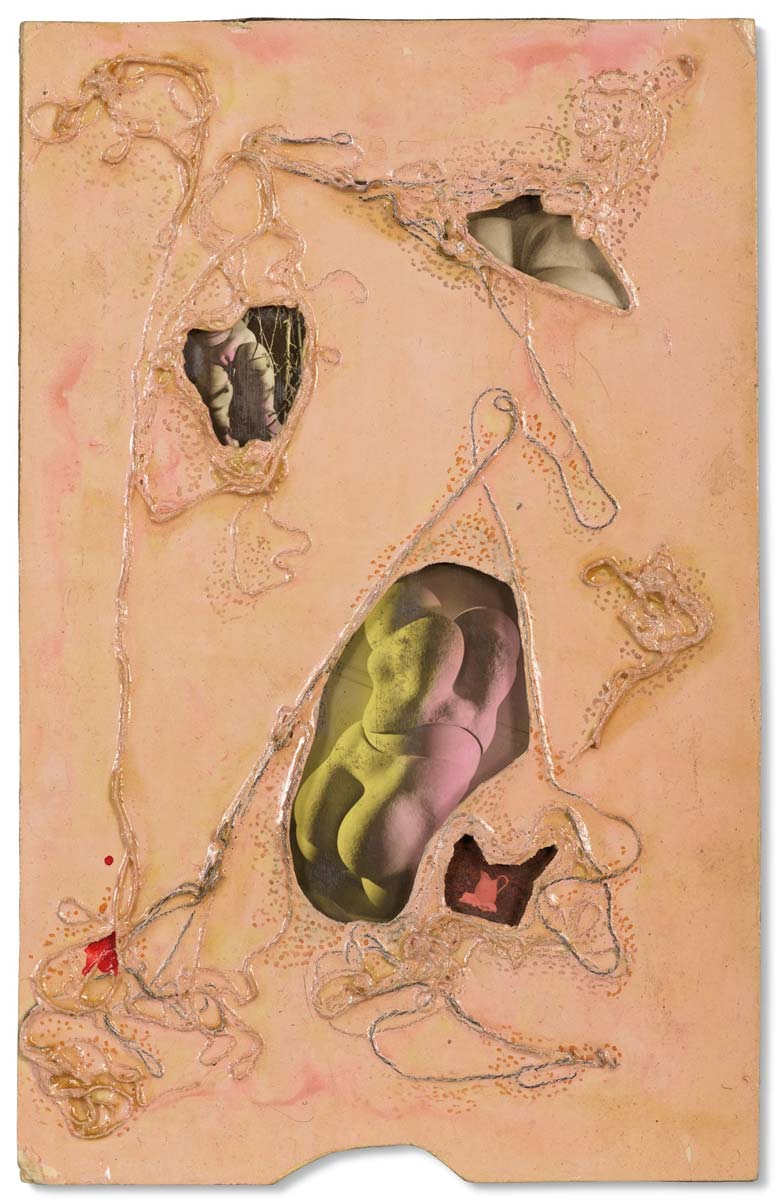
Bellmer’s mother represented all things the father was incapable of expressing: gentleness, understanding, support, and comfort. In fact, adopted femininity became Bellmer’s principal instrument long before he started to work on his dolls. According to the memories of Bellmer’s brother Fritz, Hans sometimes wore dresses and wigs and even signed his letters with female names. Moreover, both Hans and Fritz adopted, as they called it, a girl-like way of behaving around their father, mostly to confuse and destabilize him, avoiding possible attacks.
In 1957, Bellmer met Unica Zurn, a German writer and artist who shocked him with her resemblance to his dream dolls. Bellmer was already a widower with two children but was never truly content with his personal life, haunted by his dreams and doll figures. With Zurn’s enthusiastic consent, he progressed in his art, moving from photographs of dolls to a series of images and montages featuring Zurn’s body, similarly positioned and arranged.
Bellmer’s self-identification with his dolls never went away. Some photographs of his later period include a photomontage of his head inside Zurn’s abdomen as if he was both possessed by her and controlling her from within her body.
4. Modernist Grotesque
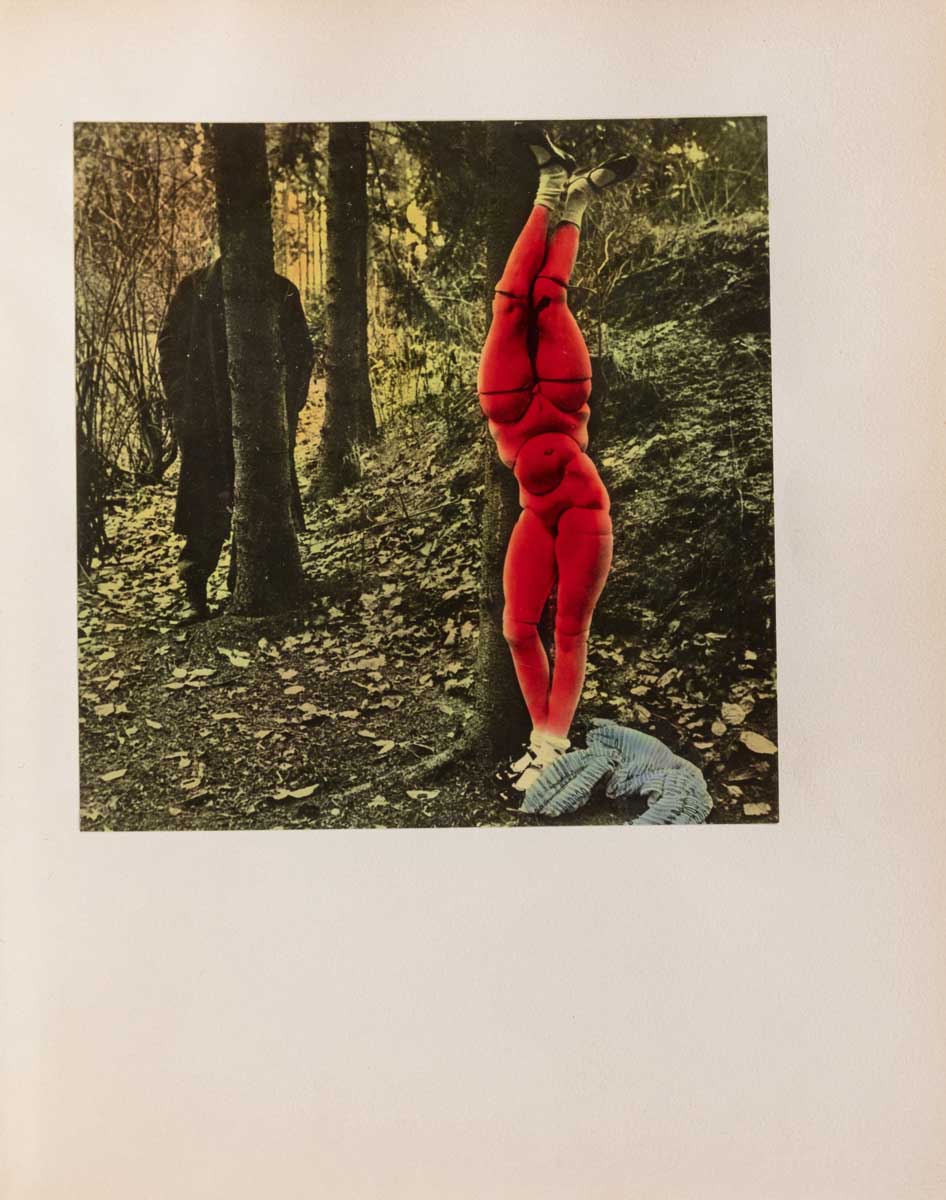
Modernist art has a long and detailed history of exploring grotesque bodies and their limits. The works of Egon Schiele, Bellmer’s contemporary, distorted human anatomy almost beyond recognition, and Futurists blended it with heavy industrial machinery. All of them were concerned with the limits of the human body. At what point does the inanimate come alive, and when does a living thing cease its conscious existence?
Bellmer similarly explored the body limits, although in the context of desire and eroticism turning into threatening presences. On the one hand, his dolls were the ultimate creations of the male gaze—they were sexualized bodies devoid of personality. On the other hand, while losing all non-essential parts, they turn from desirable to haunting, possessing a threat to the one who built them for his pleasure. A destructive relationship between a man and his creation is an archetypal story found in many cultures. In 1919, the famous Austrian artist Oskar Kokoschka created a life-sized doll of his ex-lover Alma Mahler before ritually decapitating it.
5. Hysteria as an Aesthetic Phenomenon
One of the peculiarities of the Surrealist movement was its exploration of hysteria—an old phenomenon and pseudomedical diagnosis that mostly referred to women. Hysteria was expressed through prolonged mental disturbance, fits of emotional distress, or simply the refusal to comply with the normative rules of feminine behavior. Prior to the development of psychiatry, hysteria was considered a physical disease but was reclassified as mental in the early 20th century. The origins of hysteria, according to some experts of the time, lay either in prolonged stress or in repressed sexual trauma.
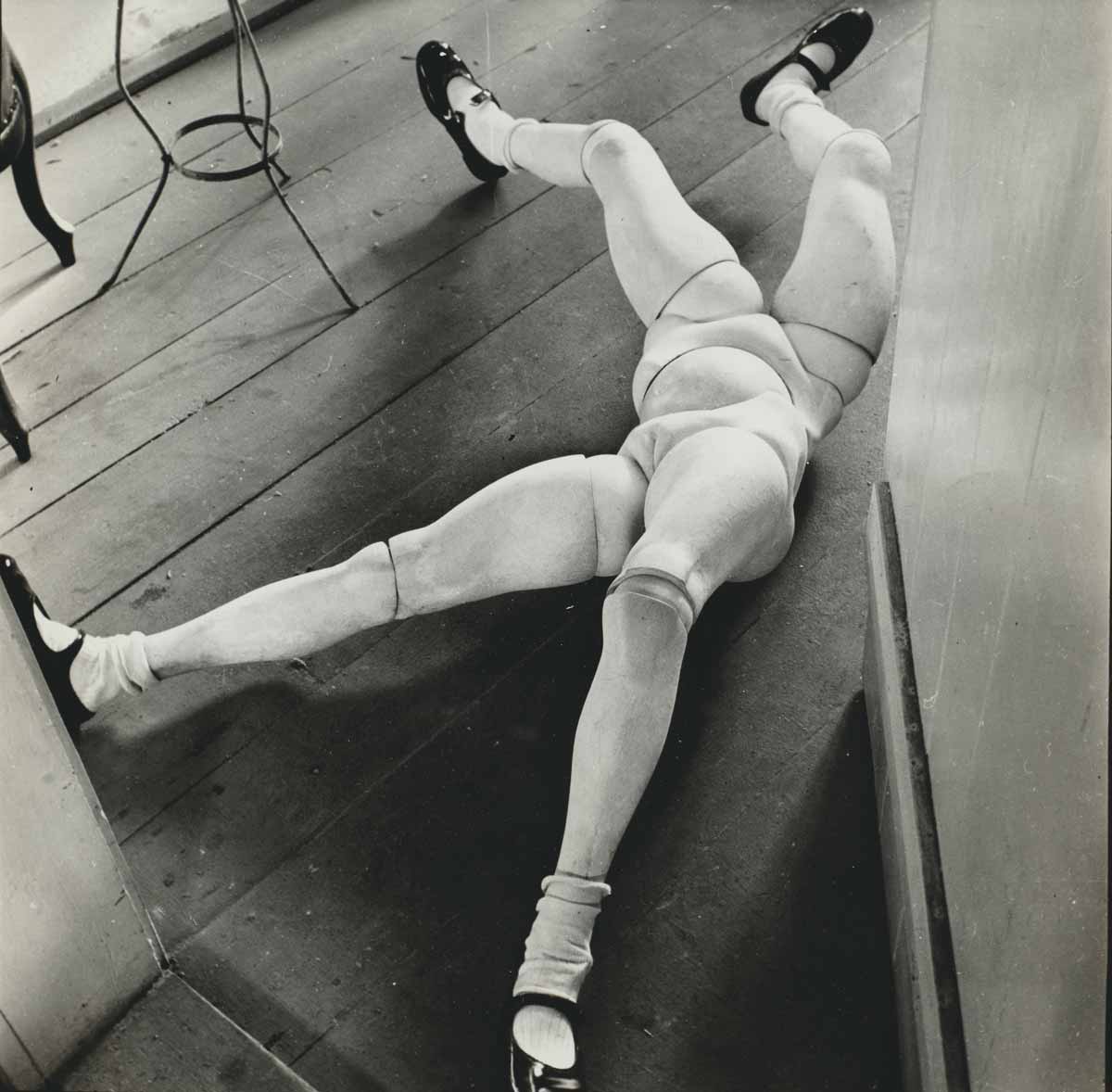
Surrealists, namely their ideological leader Andre Breton, considered hysteria an aesthetical rather than a medical phenomenon. Reading medical reports and observing protographs of hysteria patients in epileptic or catatonic fits, they regarded it as the ultimate expression of the unconscious. Repressed desires finding their way out through hysterical episodes for them represented the highest possible state of automatism. Bellmer’s works explore this concept of hysteria as self-expression. His four-legged creatures, devoid of heads or even torsos, express their torments through convulsions, similar to those of a child during a temper tantrum.
6. Body as Text
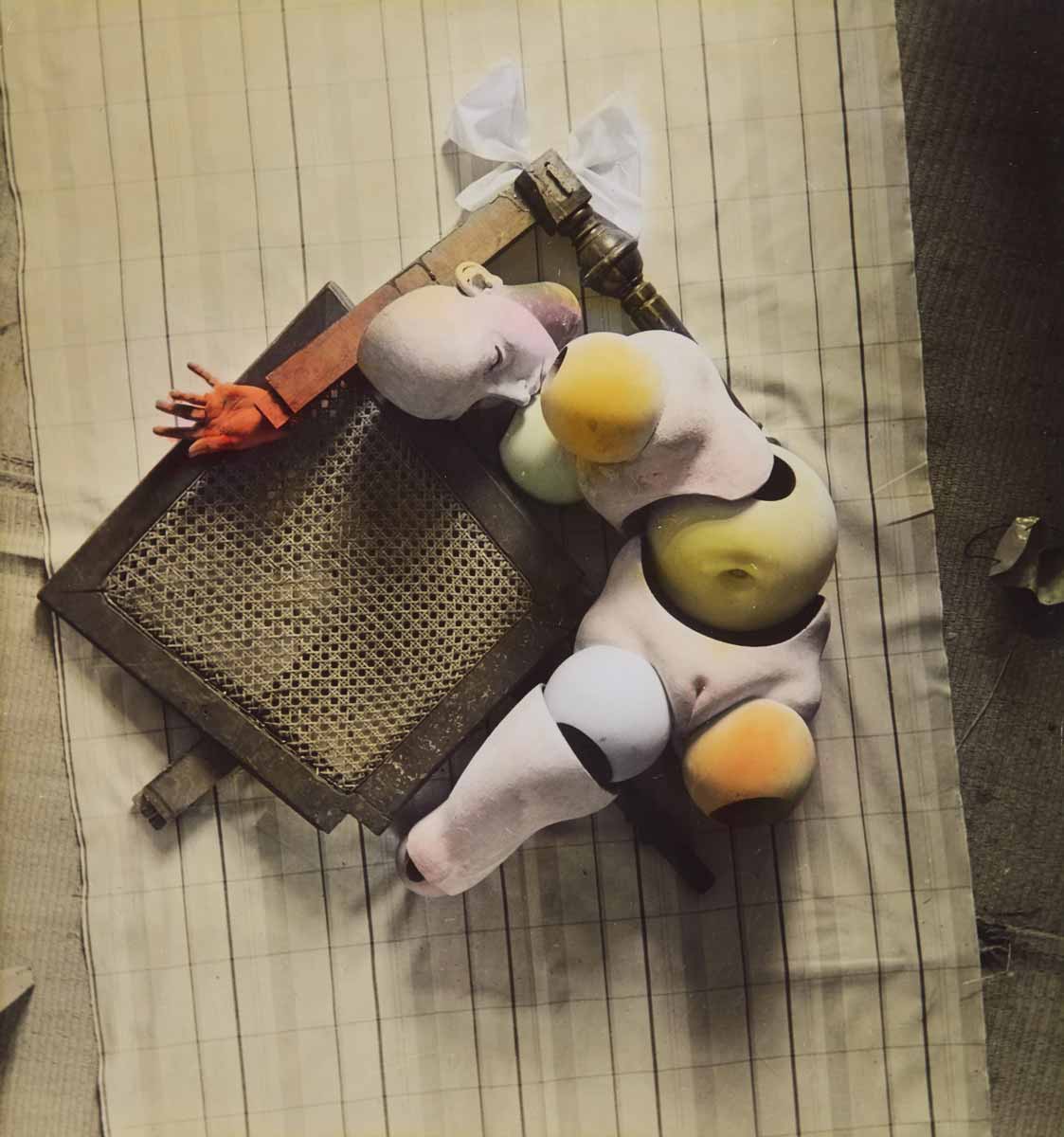
In his writings explaining the logic behind his creations, Bellmer mentioned a medical case of two teenagers, both diagnosed with hysteria in their puberty. According to their medical files, the girls were convinced they went blind, and yet one insisted she could see objects through her nose and the other through her right hand. Following the idea of the hysterical body displacing and moving its sense organs, Bellmer further developed the idea. What if the human body could move and concentrate its senses in areas unrelated to its immediate sensory organs? And what if sexual pleasure could be experienced by the entire body rather than by its part?
In his writings, Bellmer formulated the concept of a body as an erotic palindrome or an anagram—a phrase or a word with its letters mixed and reassembled to form another or similar idea. Moreover, Bellmer’s constructions were meant to be not only easy to transform but interchangeable. Many photographs showed disassembled dolls with their torsos and hips made from identical details and breasts turning into buttocks.
What Is Hans Bellmer’s Legacy?
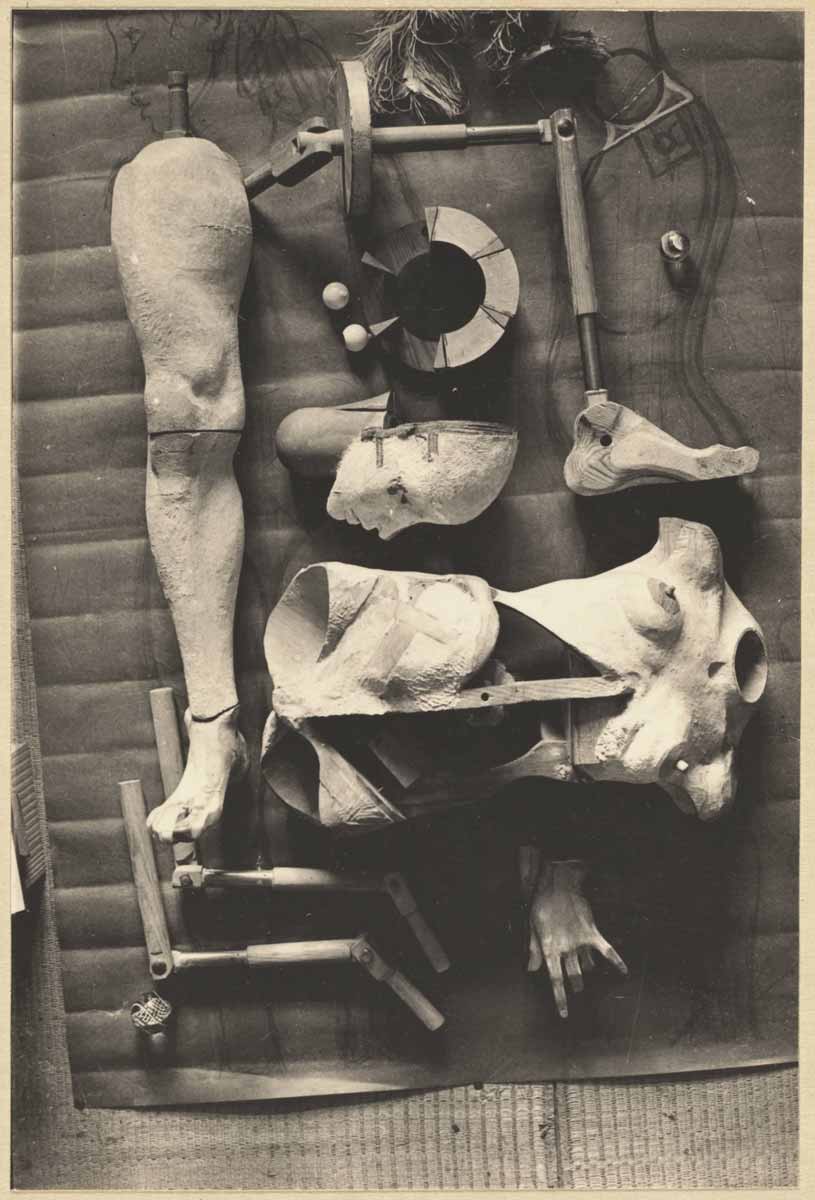
Although Bellmer’s creations and story were too unsettling to make him a superstar artist, his influence on the artistic scene was immediate and transformative. After receiving several photographs from Ursula, Andre Breton almost immediately published them in a Surrealist periodical Minotaure. Figures on dolls and mannequins were already popular among Surrealist painters, but Bellmer’s series launched a new wave of obsession. The issue was not only in the dolls themselves but in the way the artist modeled artificial spaces within his photographs.
For the first time in history, surrealist experiments with collage and montage separated photography from reality, allowing it to create its own alternative realms. One of the most prominent exhibits of the 1938 International Surrealist Exhibition was The Mannequin Alley—a gallery of life-sized mannequins, each decorated by one of the artists present on the show and inspired by Bellmer’s fetishistic figures.

Bellmer continued to work on his dolls and photographs until 1970. That year, Unica Zurn died by suicide, exhausted by her years-long fight with schizophrenia. Historians and medical professionals still argue whether her collaboration with Bellmer was therapeutic or destructive for her. Bellmer died five years later, succumbing to bladder cancer.
Despite its relative obscurity, Bellmer’s work continued to influence creatives of all kinds. In 1997, fashion designer Alexander McQueen released a collection inspired by Bellmer’s designs. Some garments’ proportions were distorted to fit Belmeer’s monstrous creations, while others featured metal cages as parts of their structures.