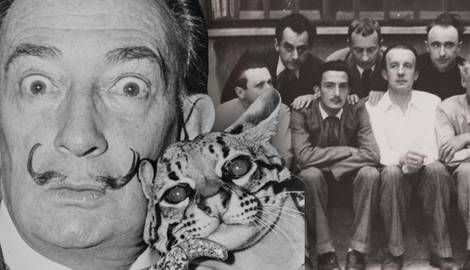
Salvador Dali was the most famous of all Surrealists, most closely associated with the movement’s visual codes and ideology. Yet, he was not the most pleasant person to deal with. He was aggressive and violent, mostly towards women, and openly expressed his admiration for Adolf Hitler, later trying to turn it into a joke. In 1939, the Surrealist group had enough of it and officially banished Dali from their circles. Read on to learn more about Salvador Dali’s dramatic breakup with other Surrealists.
Salvador Dali: Controversial Since Childhood
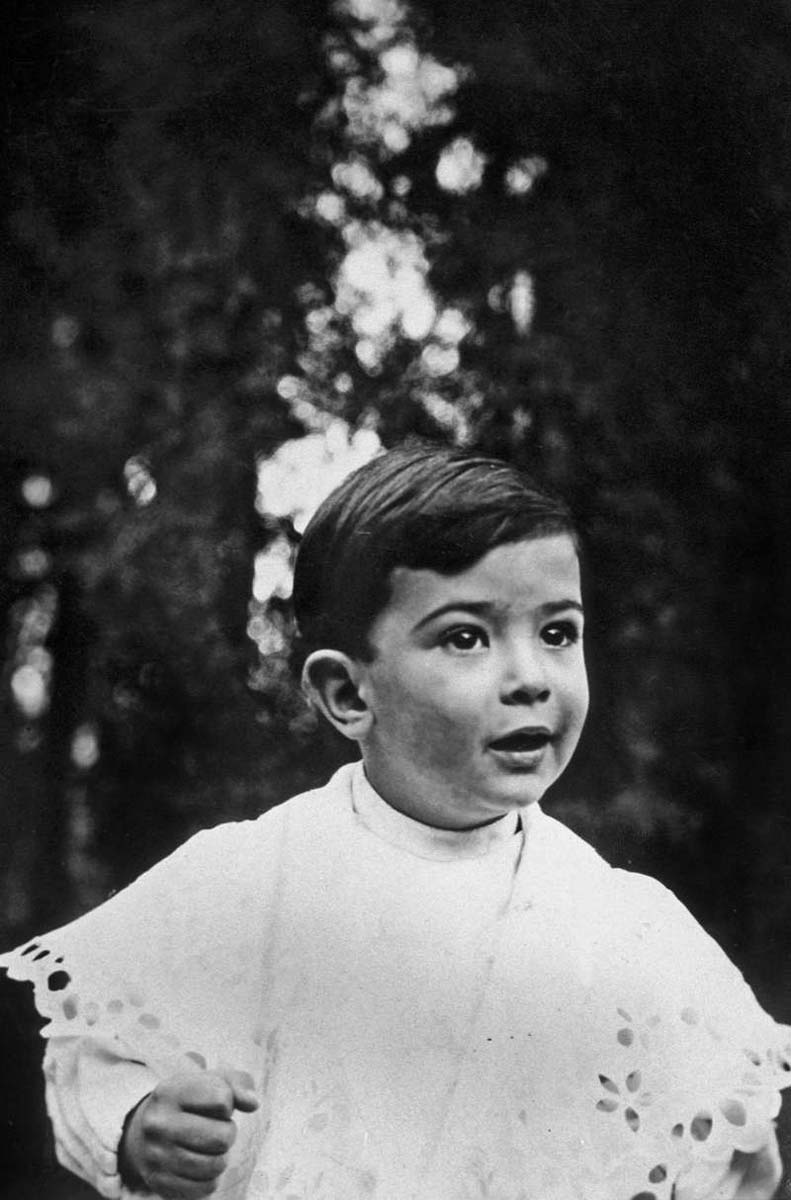
Salvador Dali’s immense popularity is a phenomenon that keeps both art experts and museum visitors astonished and puzzled. Apart from his obvious artistic accomplishments, many aspects of his personality were too shocking to ignore as byproducts of creative eccentricity. In fact, the Surrealist group officially expelled him from their ranks after tolerating his behavior for several years.
Most accounts of Dali’s personality and his escapades came from his 1942 autobiography. Although its credibility remains debatable, it nonetheless painted a sufficient picture of Dali’s public persona. At the age of five, he pushed his friend off a suspension bridge. As the boy lay bleeding below, little Dali sat nearby, eating cherries and watching the boy suffer. Later, he admitted to being delighted by the adults’ shock and panic while the doctors treated the injured child. A year later, he kicked his three-year-old sister in her head, believing it was a ball. Dali recounted the stories of his childhood cruelty with obvious joy, if not pride, savoring every detail.
As he got older, his behavior turned worse. In his late twenties, he ‘trampled’ a woman who complimented the beauty of his feet. Dali’s friends had to physically remove him from his bleeding victim. The artist’s entire life was filled with terrible stories of attacks on women, including his wife Gala, who suffered several broken bones after arguing with Dali.
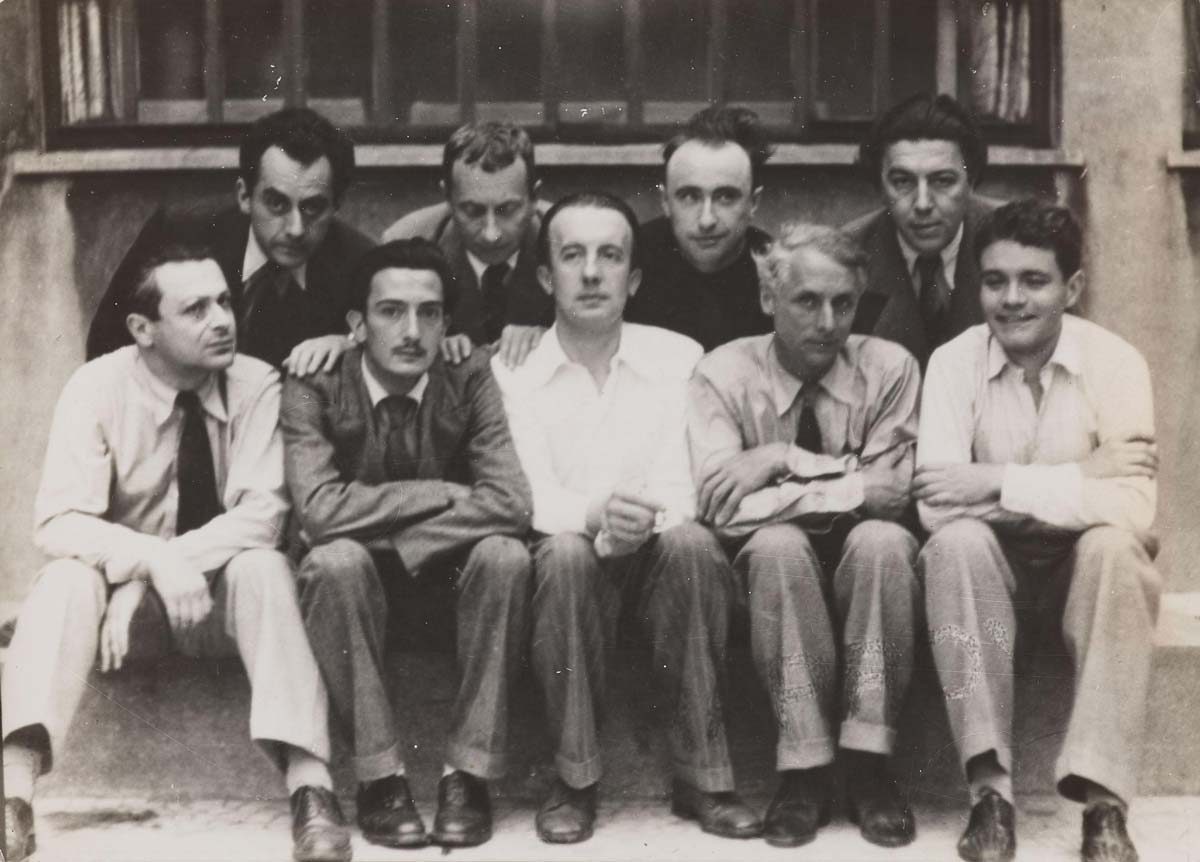
In 1929, after his successful solo exhibition, Dali became a member of the Surrealist movement in Paris. Although the group recognized his outstanding artistic skill, his aggressive behavior and bizarre jokes often caused discomfort to others. Gradually, Dali’s opinions became even more concerning. After the Nazis came to power in Germany, he started to publicly express his fascination with Adolf Hitler, even claiming that he fantasized about him in erotic terms. These claims shocked other group members, who largely shared left-wing views. Many of them were devoted communists and victims of Fascist regimes in Spain and Germany. Still, that did not stop Dali from praising Hitler while being in the same room with people who suffered from his actions.
Dali Versus Surrealists
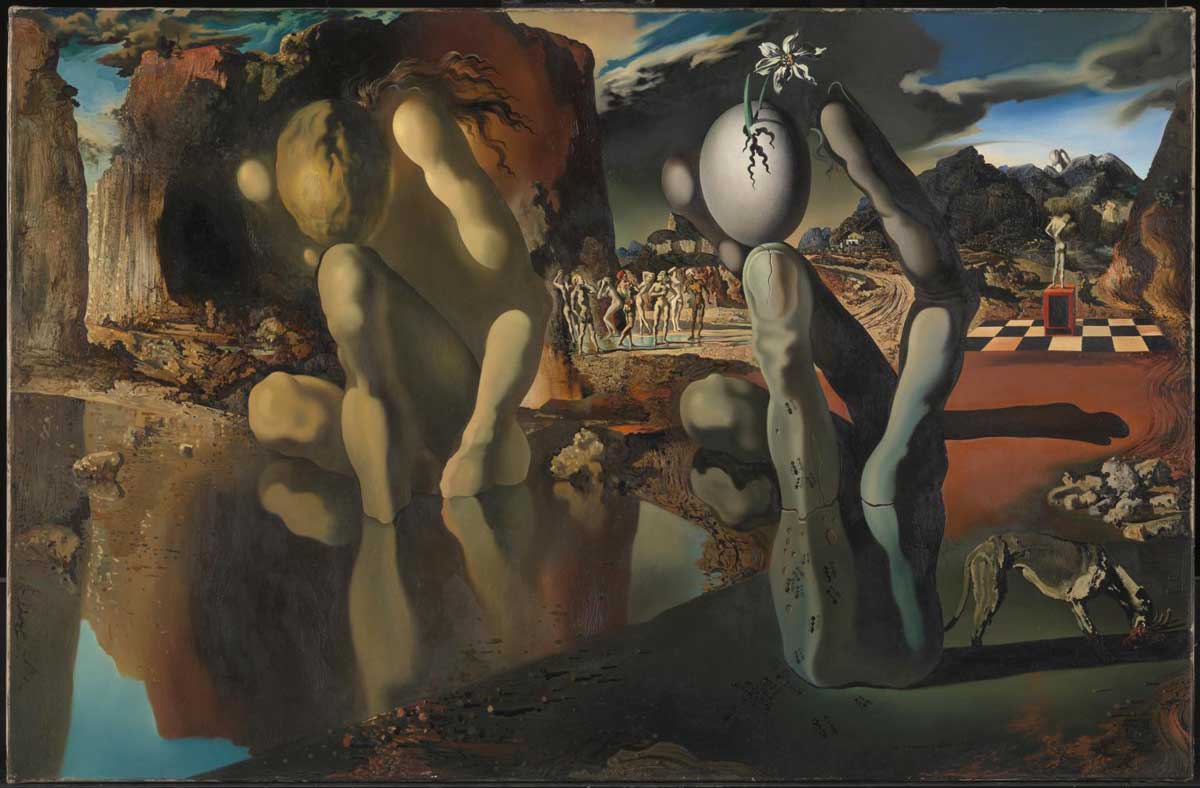
Dali’s disturbing behavior and outrageous political views had long stirred discomfort inside artistic circles. No other artist was more aware of the depths of Dali’s views and aspirations than the ideological leader of the Surrealist movement, Andre Breton. Breton was a devoted anti-fascist and a member of the French Communist Party, radically intolerant of any form of pro-fascist discourse. Over the years of Dali’s presence in Surrealist circles, Breton amassed a collection of letters shocking and disturbing enough to lead him to action.
In fact, Breton subjected Dali to semi-public trials not once but twice. For the first time, in 1934, the leader of the Surrealists accused the Spanish painter of supporting a then-new phenomenon of Hitlerian fascism. Dali claimed that the new violent regime was Surrealist in its nature and defended its methods as the latest and original artistic expression. In his earlier writings, Breton himself called for artists to “work outside all aesthetic and moral preoccupations,” yet Dali seemed to take it too literally.
Some art historians even believe that Dali’s insistence on the matter was merely a methodical effort to offend Breton and destabilize his position as the group’s leader. The 1934 trial did not lead to any substantial result. Dali managed to deflate the tension with another string of pretentious and absurd jokes and win the sympathies of several prominent Surrealists like Paul Eluard and Tristan Tzara. The trial ended with a collective warning that did little to contain Dali’s creative pursuits.
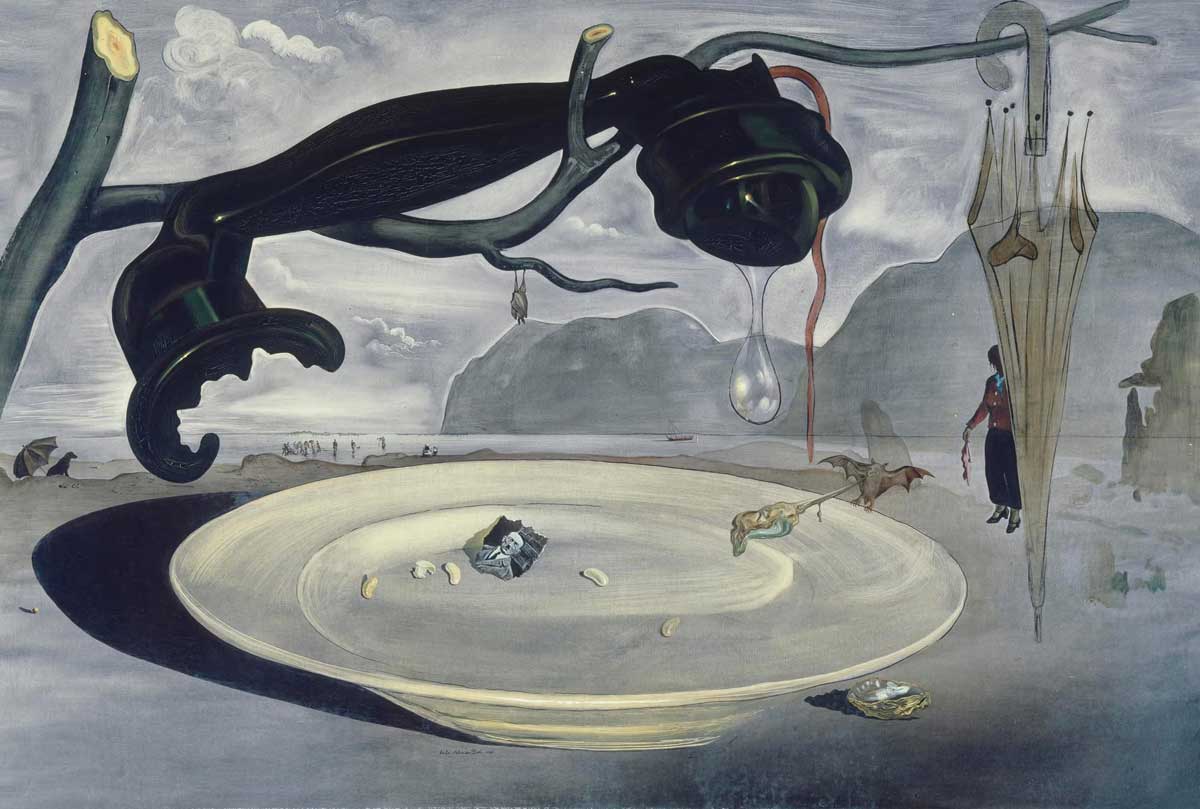
In 1939, Breton’s limit of patience was finally exhausted. By that time, he had amassed a collection of shocking letters that served as evidence of either Dali’s insanity or immense cruelty. These letters were lost over the years of Breton’s travels, and only recently they were suddenly rediscovered—partially in Breton’s archive and in private collections of art critics close to the Surrealist circles. In them, Dali praised Hitler and Francisco Franco, the Spanish fascist dictator who forced thousands, including some Surrealist artists, to flee the country, fearing for their lives. He expressed his bizarre plans to create a new world religion based on white people enslaving all other races, establishing human sacrifice as the cultural norm, and turning Surrealists into priests. In other letters, he praised Hitler and expressed admiration for racist violence in the United States. He explained that although he felt a certain pity for the lynching victims, these scenes filled him with “real pleasure and considerable sexual excitement.” Breton preserved these letters to use in the second trial that finally made Dali unwelcome among the Surrealists and formally expelled him from the group.
Dali’s Life After Surrealism
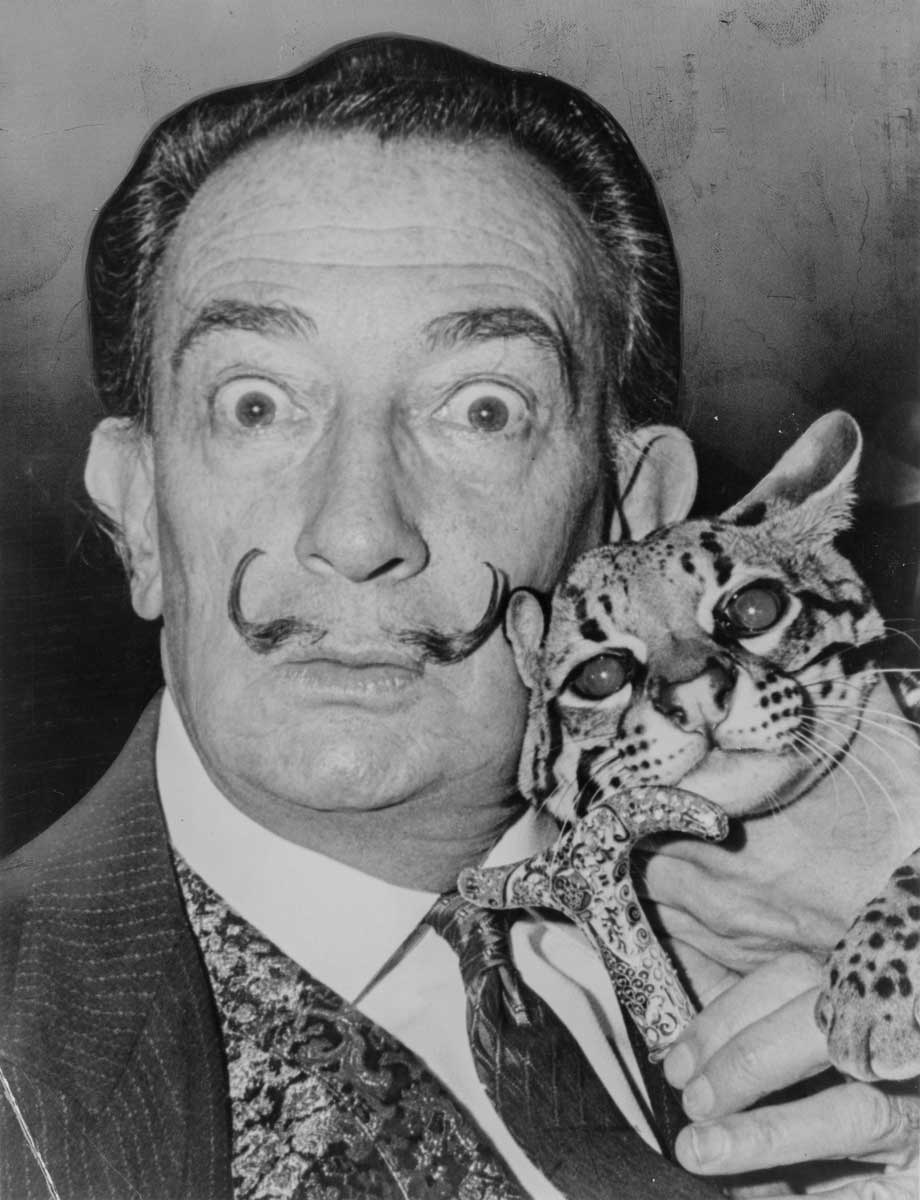
After his dramatic expulsion, despite Breton’s efforts, not much changed for Dali and his career. If anything, this isolated him from the rest of the Surrealist community and cemented his reputation as an independent and unique eccentric genius. Dali had no intention of apologizing or clarifying his views—instead, he stated that he was the only real Surrealist anyway and did not need any associates.
Dali’s hyperinflated ego and talent for commerce effectively turned his isolation into an artistic monopoly. Without the constraints of other members’ opinions, he developed his own brand of Surrealism—highly commercialized, populist, and shocking just enough to impress but not repulse. Single-handedly, Dali became the emblem of the movement, striving further and further away from the initial principles laid by Andre Breton. Among his ex-colleagues, Dali was known as Avida Dollars—an anagram of his name, loosely translated as “eager for dollars.” Dali starred in TV commercials, designed product packaging, and sold every bit of his expressive effort for large sums.
The Secret Life of Salvador Dali
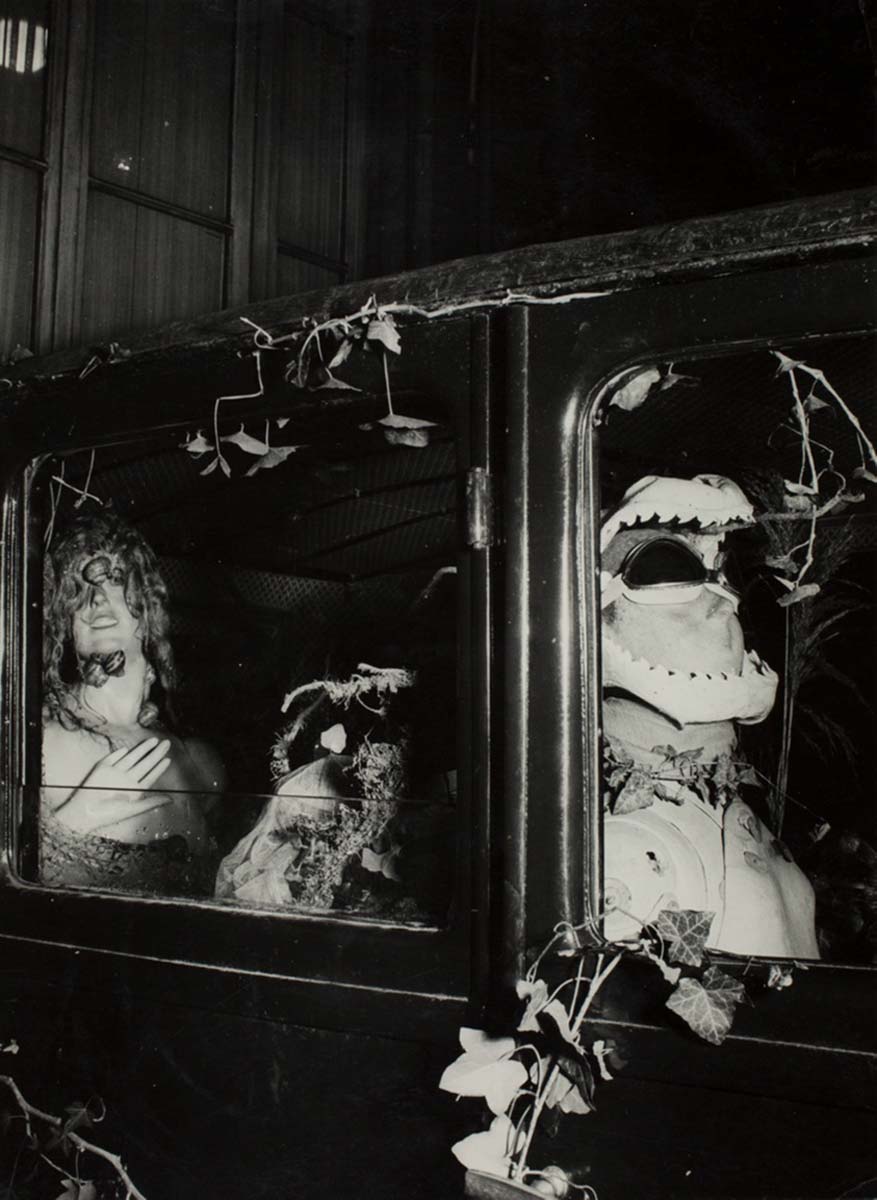
In 1942, Salvador Dali published an autobiography The Secret Life of Salvador Dali, which soon became the most cited account of both his creative accomplishments and wrongdoings. To accept this book as entirely truthful would be a great misunderstanding of Dali’s character. Some critics praised it, writing the book off as a satirical comedy rather than an actual account of the artist’s life.
Among the most prominent critics of the book was the famous writer George Orwell. Two years after the publication, he published a book review that was essentially a prolonged essay on morals, obscenity, and the debatable right of an artist to transgress the norms of the larger society they inhabit. Although his account may seem overly conservative and even prudish, one of Orwell’s points remains too accurate to debate: Dalí’s exceptional artistic skill and ability to work hard have set him apart from ordinary people.
The crowd eagerly forgave the most shocking, repulsive, and dangerous instances of his expression under the umbrella of the presupposed genius. In Orwell’s eyes, Dali was simultaneously a good artist and a “disgusting human being,” with both characteristics hardly contradicting or invalidating each other. Even if, as Orwell insisted, some of Dali’s wild stories were completely fictional, nonetheless, the artist intended them to be perceived as truth. And that, in itself, was enough to question Dali’s public prominence.
Was Salvador Dali Really a Fascist?
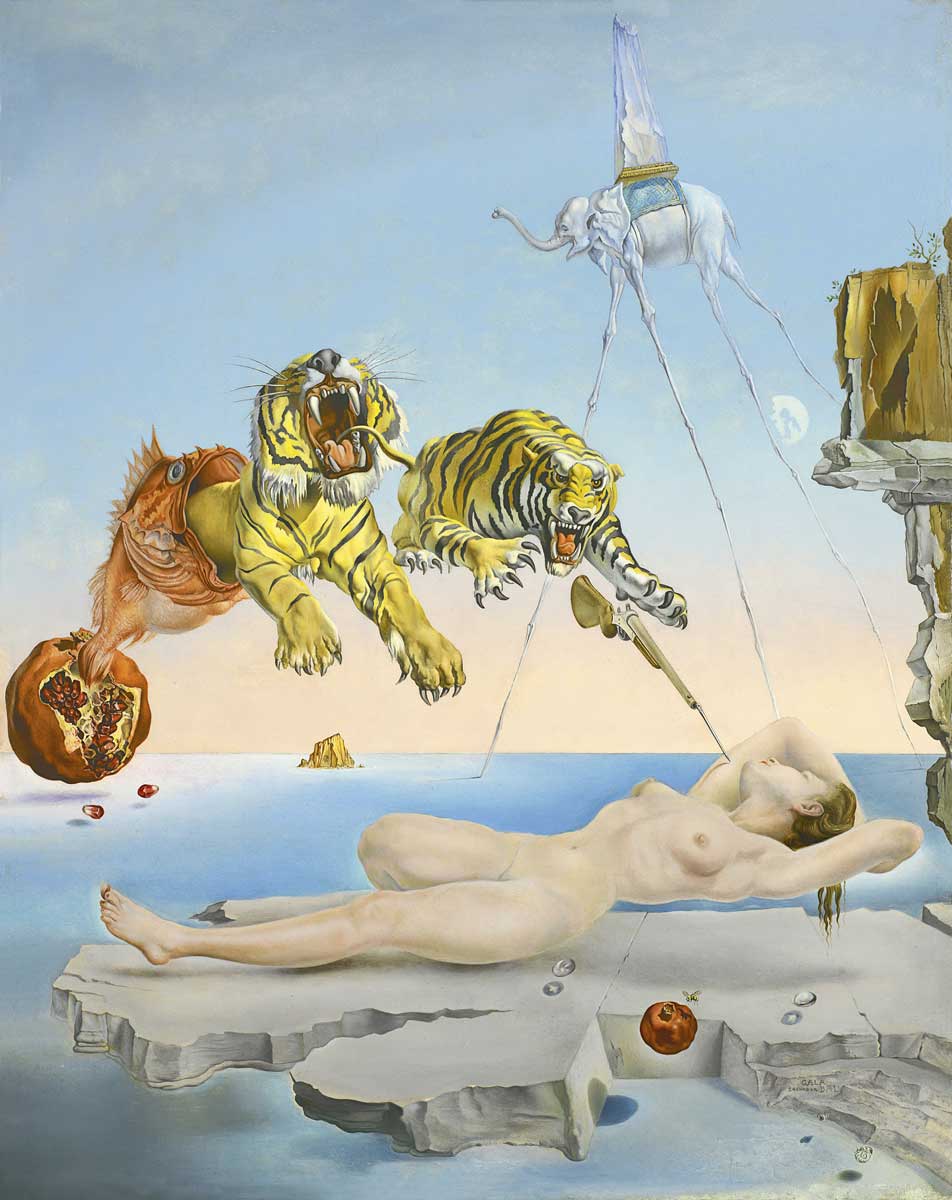
Some critics insist that at the core of Dali’s eccentricity lay not genuine political beliefs but the artistic desire to shock. Moreover, they see the infamous letters as a provocation aimed to enrage Andre Breton by questioning his staunchest beliefs. As we know, that goal was effectively reached, infuriating not only Breton but the entire Surrealist circle.
And yet, even if we somehow ignore Dali’s penchant for violence and a shocking lack of self-awareness, would it really matter what his true beliefs were? The stories of injured children and attacks on women could have been products of his imagination, but that does not make them any more acceptable. Dali’s support of Franco and Hitler had very real and tangible consequences for the people affected by these men’s politics. If anything, Dali’s story is a remarkable example of how easily the public can let go of the greatest atrocities, not hidden but proudly paraded in front of them, to willingly fall for the charm of a “great genius” with all eccentricities and peculiarities.