
Today, the Van Gogh Museum is one of the most famous museums in the world. It stands as a well-preserved legacy of the Dutch artist Vincent van Gogh who has become a symbol of national pride for the Netherlands. The museum, located in Amsterdam, attracted almost two million visitors in 2024 and can easily be spotted due to the long queues of people outside the entrance. A trip to Amsterdam always calls for a visit to the Van Gogh Museum.
Van Gogh Museum as a Symbol of Success
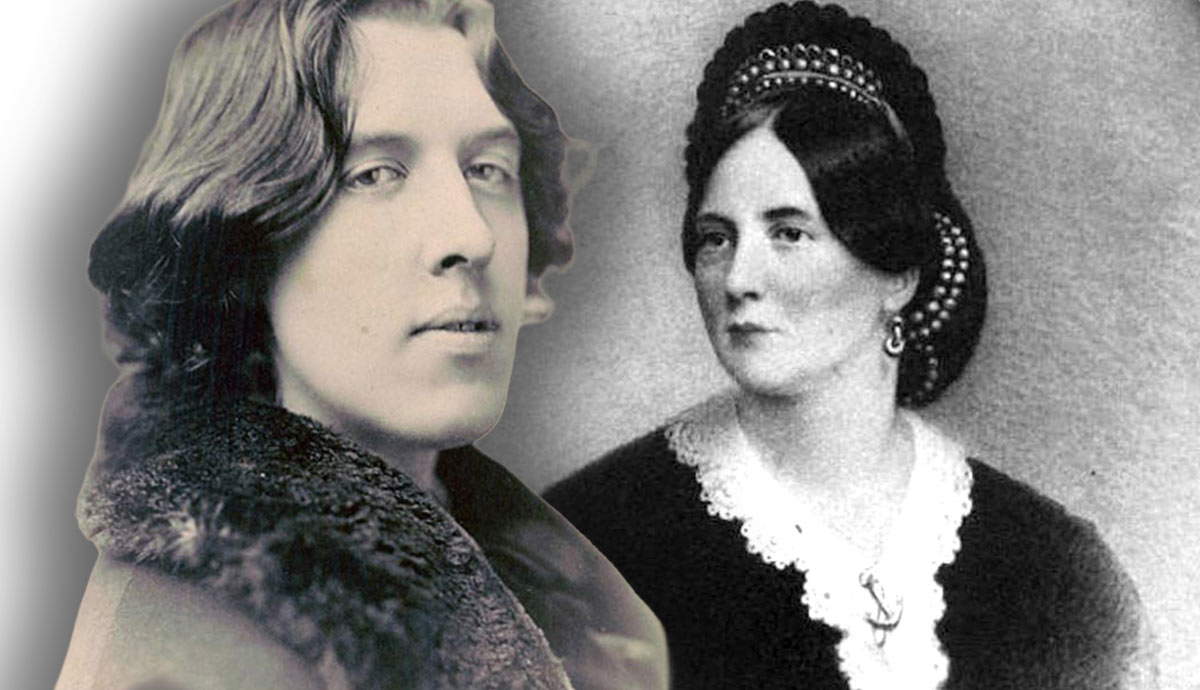
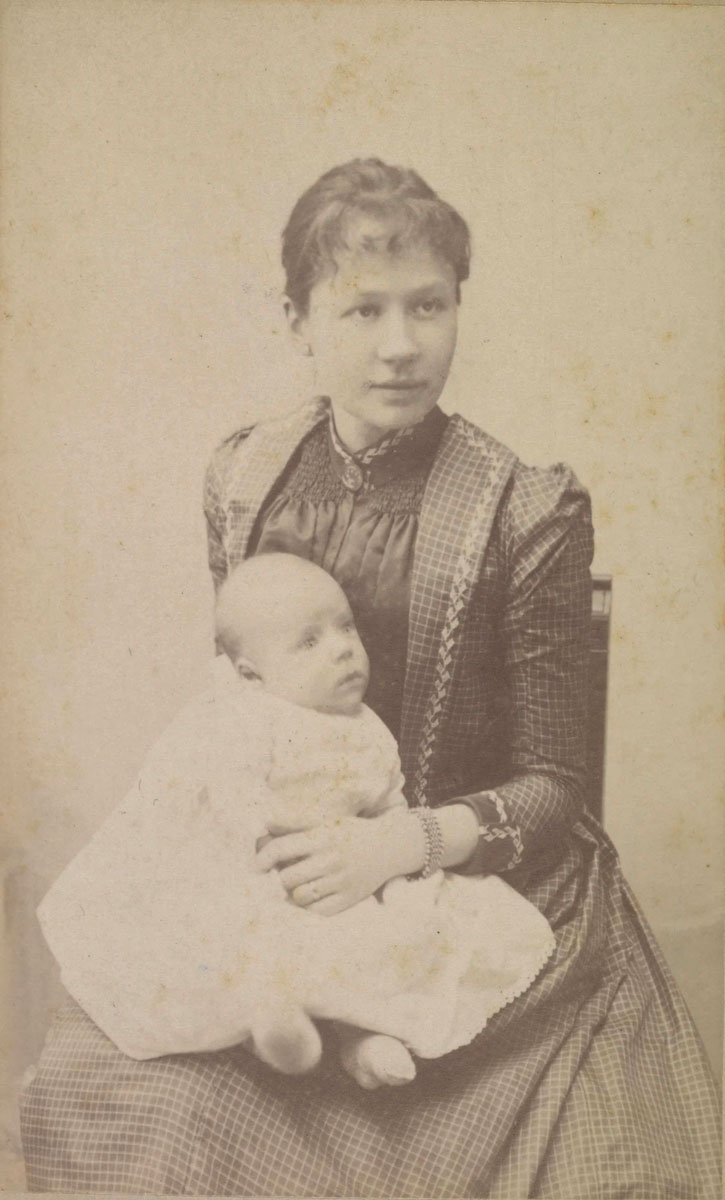
It is not possible to talk about the establishment of the Van Gogh Museum without mentioning Van Gogh’s sister-in-law, Johanna van Gogh-Bonger. The museum was a mark of success culminating from years of efforts that Jo had put into making Van Gogh famous through exhibitions and sales. After the death of the artist in 1890, and of his brother Theo six months later, Jo was left with all of Vincent’s canvases, drawings, letters, and collection of works by other artists in her Paris apartment. She preserved these for years before they were officially owned by the Vincent van Gogh Foundation in 1962.
While Jo died in 1925, her son, Vincent Willem van Gogh, continued her work in order to preserve the memory of his uncle. He made an important decision to keep the remaining artworks within the family and cease any further sales. Eventually, he felt the need to preserve all of Van Gogh’s artworks under one roof, and the nephew made a deal with the Dutch state wherein all artworks were to be owned by the Van Gogh Foundation as state property and kept in a museum dedicated to Van Gogh.
The decision to open a museum was also rooted in the nephew’s desire to make Van Gogh’s art accessible for all to see. Previously, the paintings had only hung in the homes of families or in temporary exhibitions. Finally, the Van Gogh Museum was opened on the 2nd of June in 1973, by Queen Juliana of the Netherlands, and Van Gogh’s works have been permanently displayed for public view ever since. Who would’ve thought that the artist who could not sell a single painting during his lifetime would have one of the most important Dutch museums dedicated to him?
Today, it is not only a world-famous tourist attraction but also a major center for research and education. The museum not only preserves Van Gogh’s artworks, but also his letters and other documentation that holds a wealth of information about his life. The institution has published several collection catalogs and digitally compiled, annotated, and translated all surviving letters that Van Gogh exchanged. The head office of the museum, along with the museum library, is located in a different building on the Gabriel Metsustraat, where curators and researchers develop new ways to enrich Van Gogh’s legacy.
Where Is It?
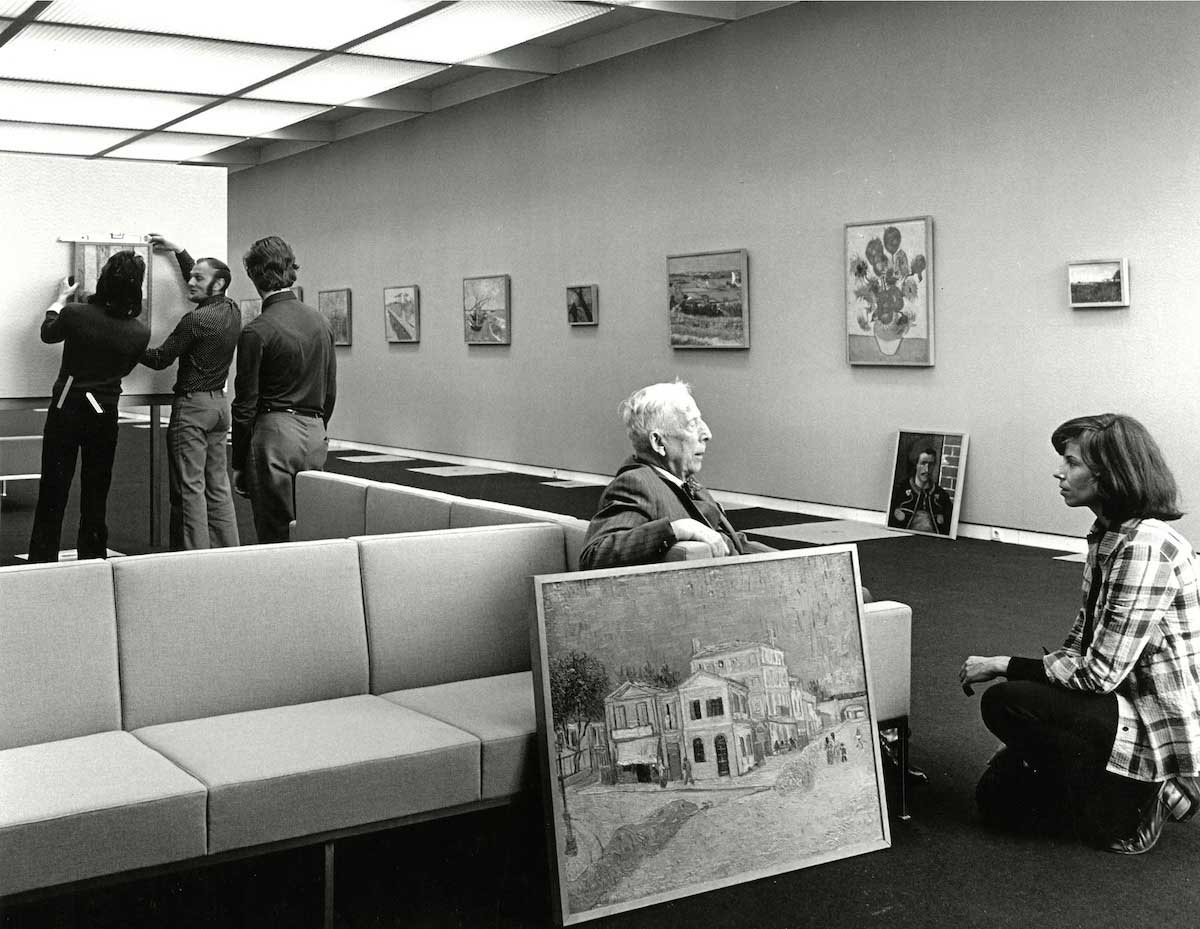
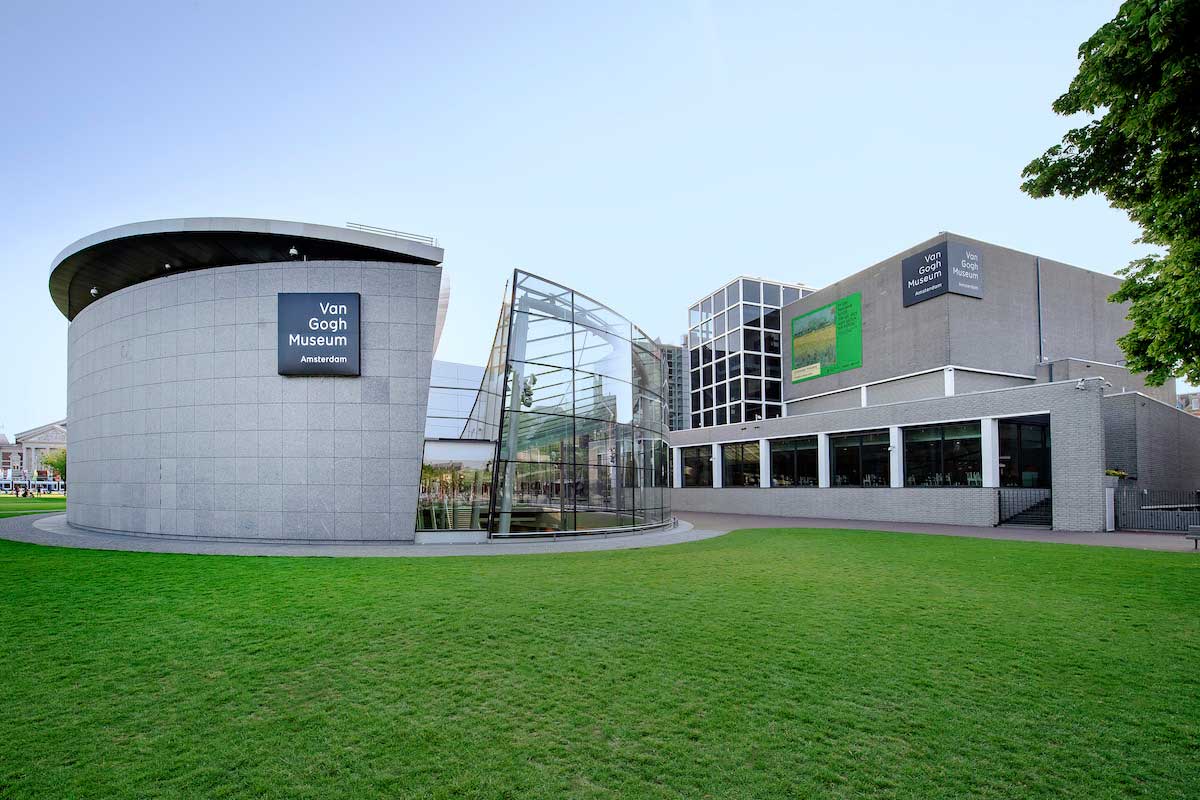
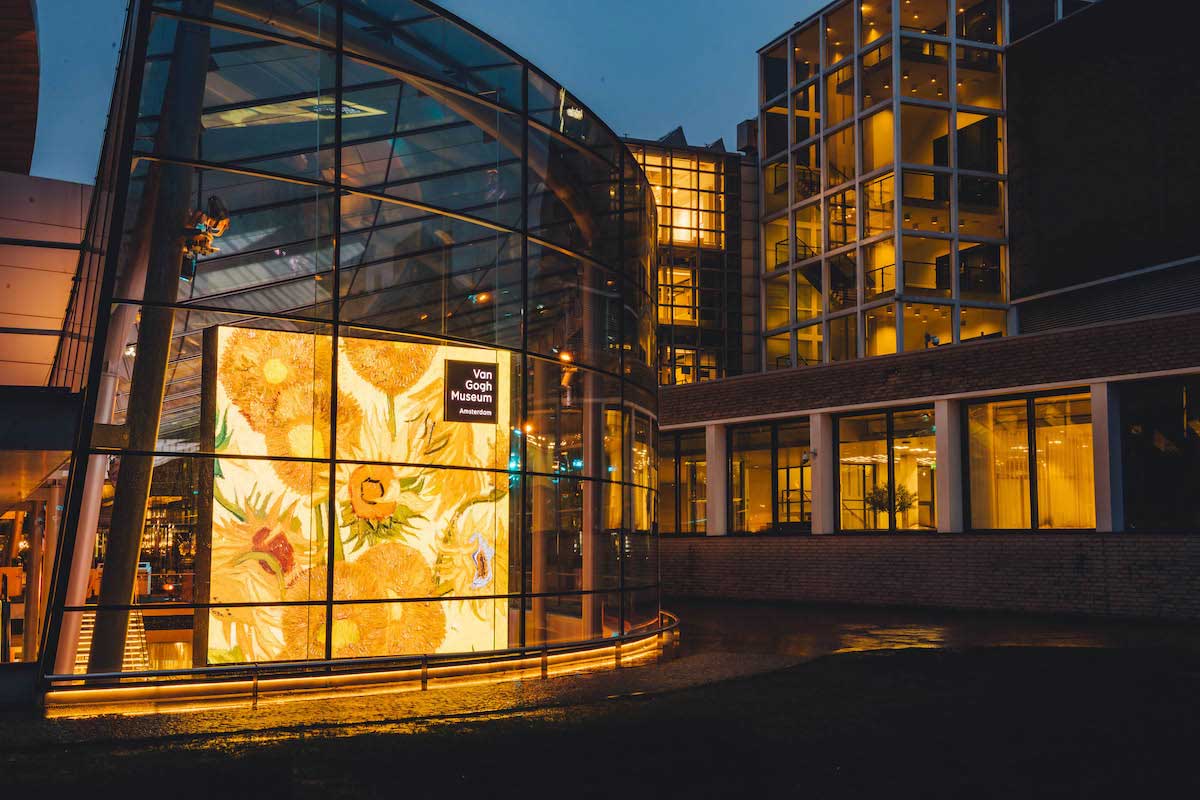
The Van Gogh Museum is located at Museum Square in Amsterdam, between two of the biggest Dutch museums—the Rijksmuseum and the Stedelijk Museum. The Van Gogh Museum building has two parts, one designed by the Dutch designer Gerrit Rietveld and the other by a Japanese architect named Kisho Kurokawa. The Rietveld building is where the permanent collection is housed. This is the building that takes you through the life of Van Gogh through his artwork and his relationship with his contemporaries.
The Kurokawa building is specifically used as a temporary exhibition space, which separates it from the permanent collection that is focused on Van Gogh alone. The separation of the two sections offers visitors the opportunity to explore both the permanent collection and follow the narrative of the temporary exhibitions without interruptions. You can always stop by their café or the gift shop after visiting one building and view the other one after a break.
Highlights From the Collection
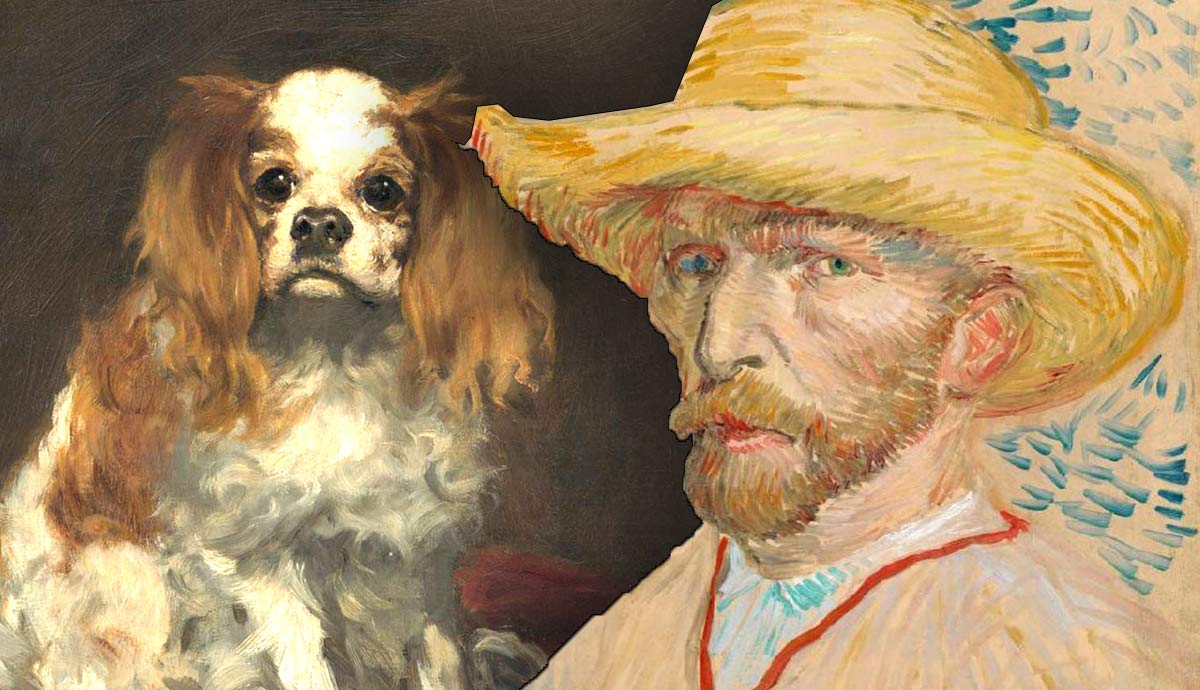
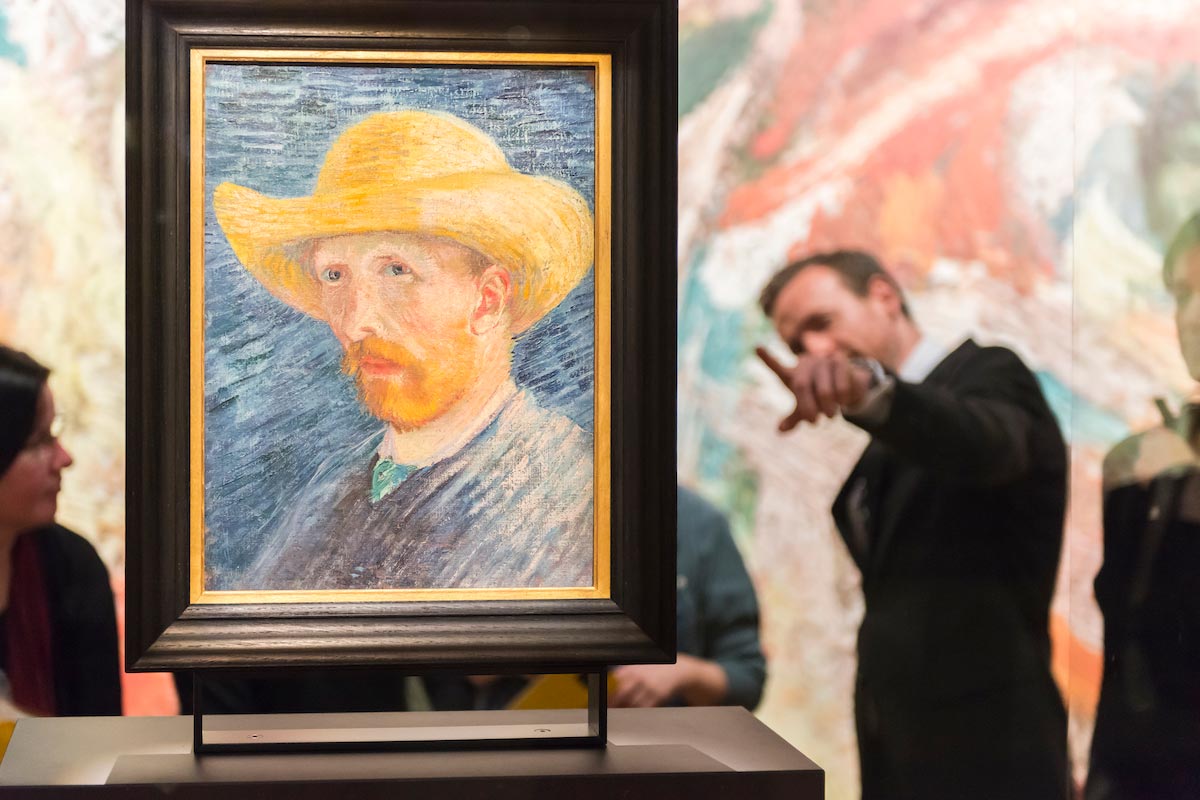
Most of Van Gogh’s artworks are housed in the Van Gogh Museum, and the collection portrays a detailed narrative of his life. The first floor is dedicated to all the self-portraits by the artist throughout his artistic career, along with a timeline of his life. This room is incredibly interesting as it shows the development of Van Gogh’s style from realist, somber colors and smooth brushstrokes to bright hues and modernist brushwork after 1886, the year he spent in Paris learning about the modernist theories and techniques of art.
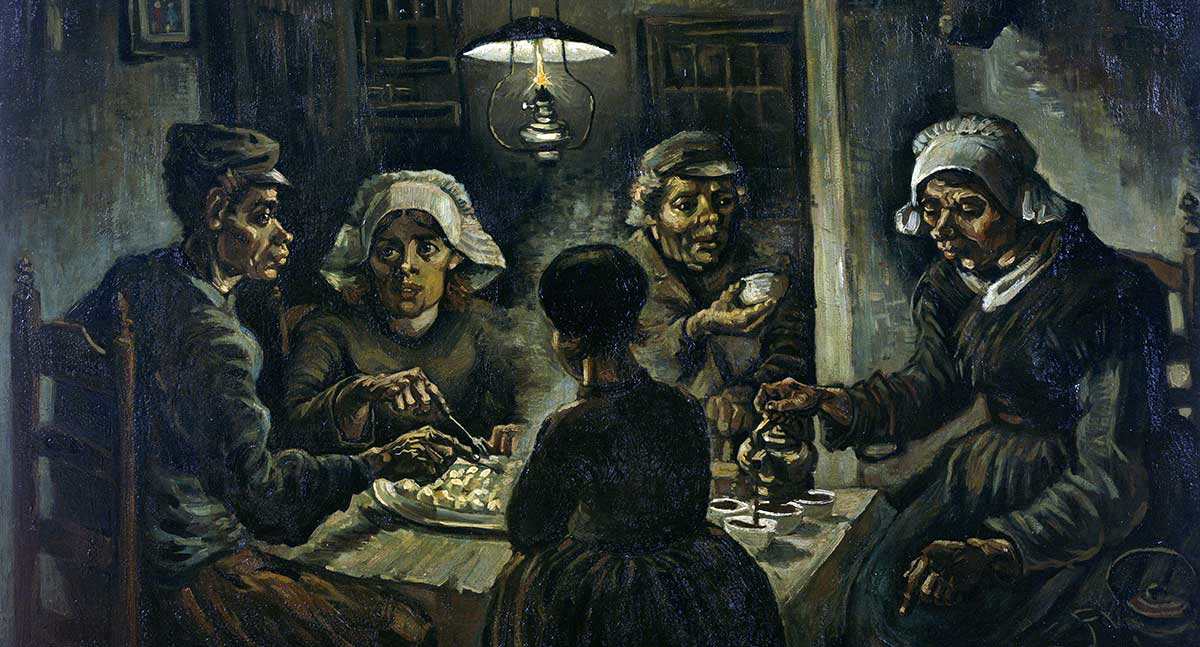
As you go up to each floor, a different period of Van Gogh’s life is on display. You see his first serious painting, The Potato Eaters, in the center of one of the rooms, always hidden behind a crowd of curious visitors. This painting requires a slow and patient observer who can unravel the details of this composition, shrouded in its dark color palette, such as the clock in the background and the features of the subjects.
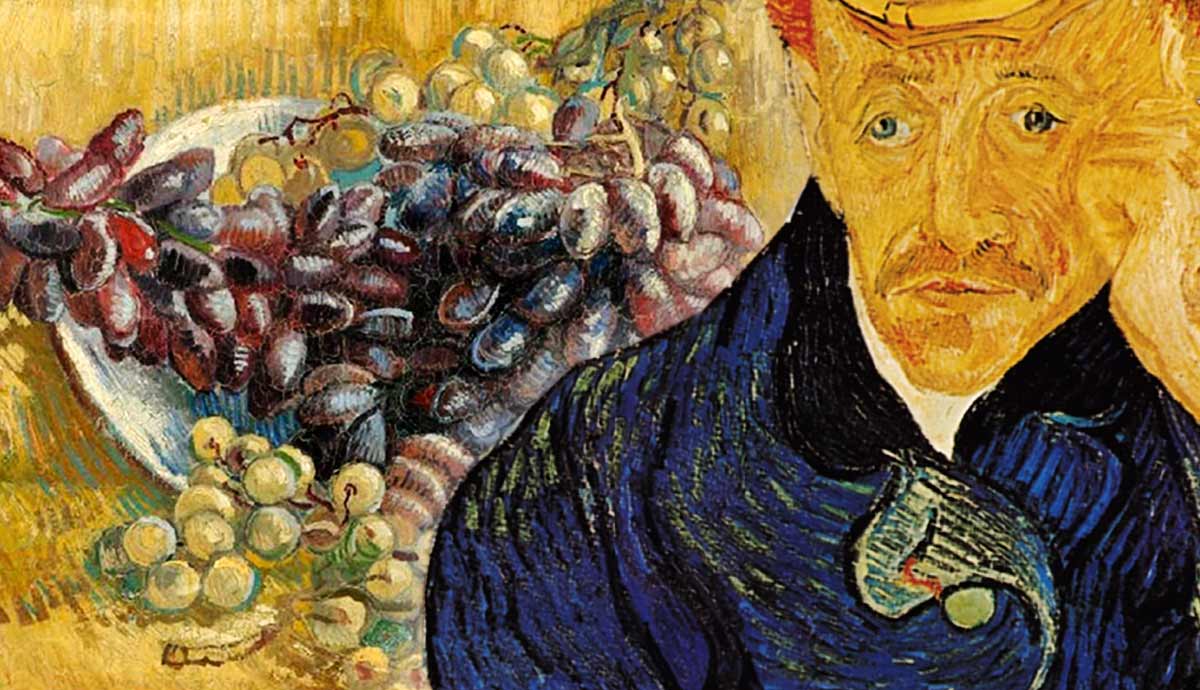
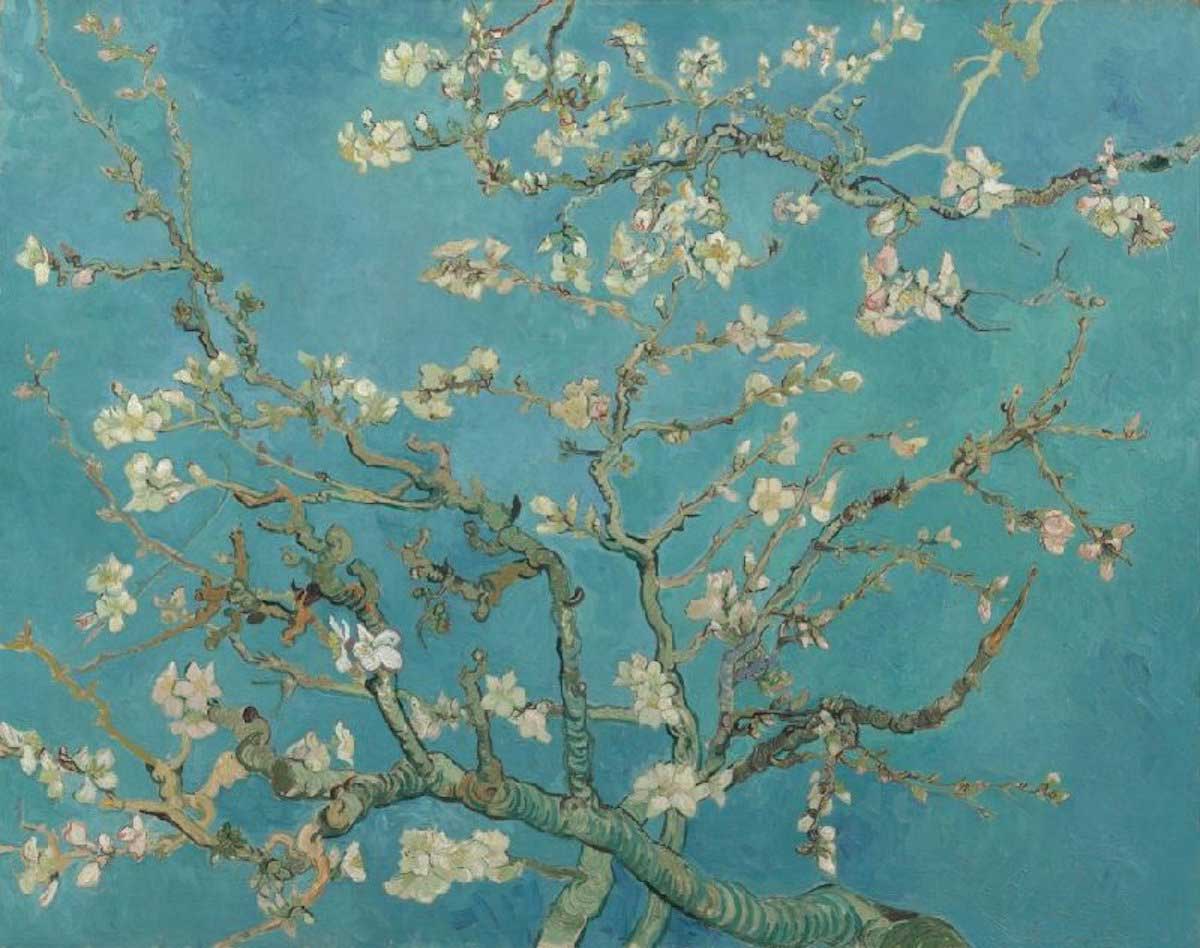
As you move along your journey, you witness some of Van Gogh’s most famous paintings, such as Sunflowers and Bedroom in Arles. These are big canvases, and the rooms are curated in a manner that attracts attention to these works. The period he spent in Arles between 1888-89 resulted in his most luminous works, such as The Harvest and The Yellow House, which is a pleasure to witness in this extensive collection. Apart from these masterpieces, Van Gogh’s repetitions of Japanese prints, from which he derived a lot of inspiration, are displayed alongside his original works. They offer a wonderful comparison of style and how the former influenced the latter. And finally, one of Van Gogh’s most special works, Almond Blossom, is also on display in this museum. It is a big canvas that demands attention from the entire room.
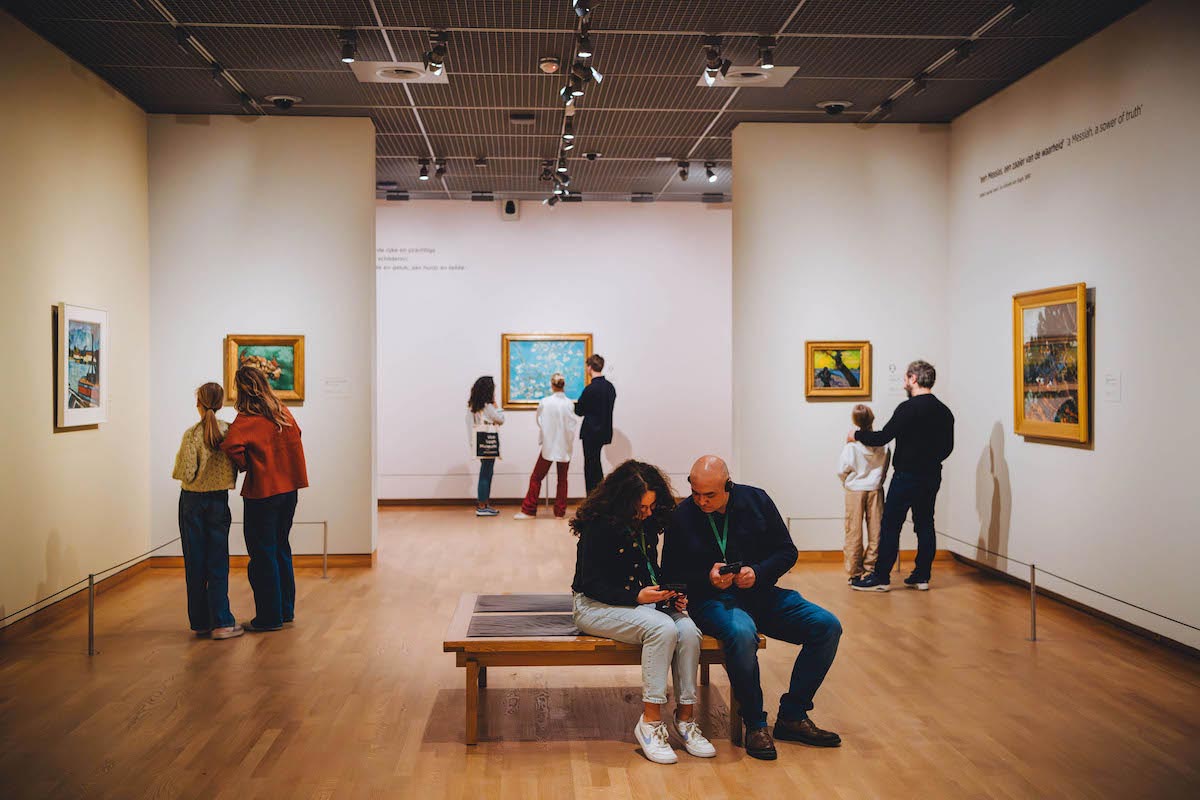
Despite being largely dedicated to one artist, the Van Gogh Museum displays a considerable number of artworks. This is because of the extremely productive career of Van Gogh, wherein he produced nearly 2,100 drawings and paintings in ten years. All these works were painted at different stages of his life, and the museum wonderfully takes you through them to unravel the evolution of his style, techniques, and perspectives on art. Every wall of the museum displays quotes from Van Gogh’s letters in both Dutch and English that beautifully summarize the period of his life that the paintings showcase in each room. In addition to art pieces, the Van Gogh Museum also displays drawings, letters, and even some of the painting supplies used by Van Gogh.
A Platform for Contemporaries
Apart from Van Gogh, the Van Gogh Museum displays paintings and drawings by some of his contemporaries. Both Vincent and Theo were avid collectors of art by their contemporary artists, and left behind this collection after they passed away. It included works by artists such as Edouard Manet, Adolphe Monticelli, Henri de Toulouse-Lautrec, George Hendrik Breitner, and Eugène Boch, among others.
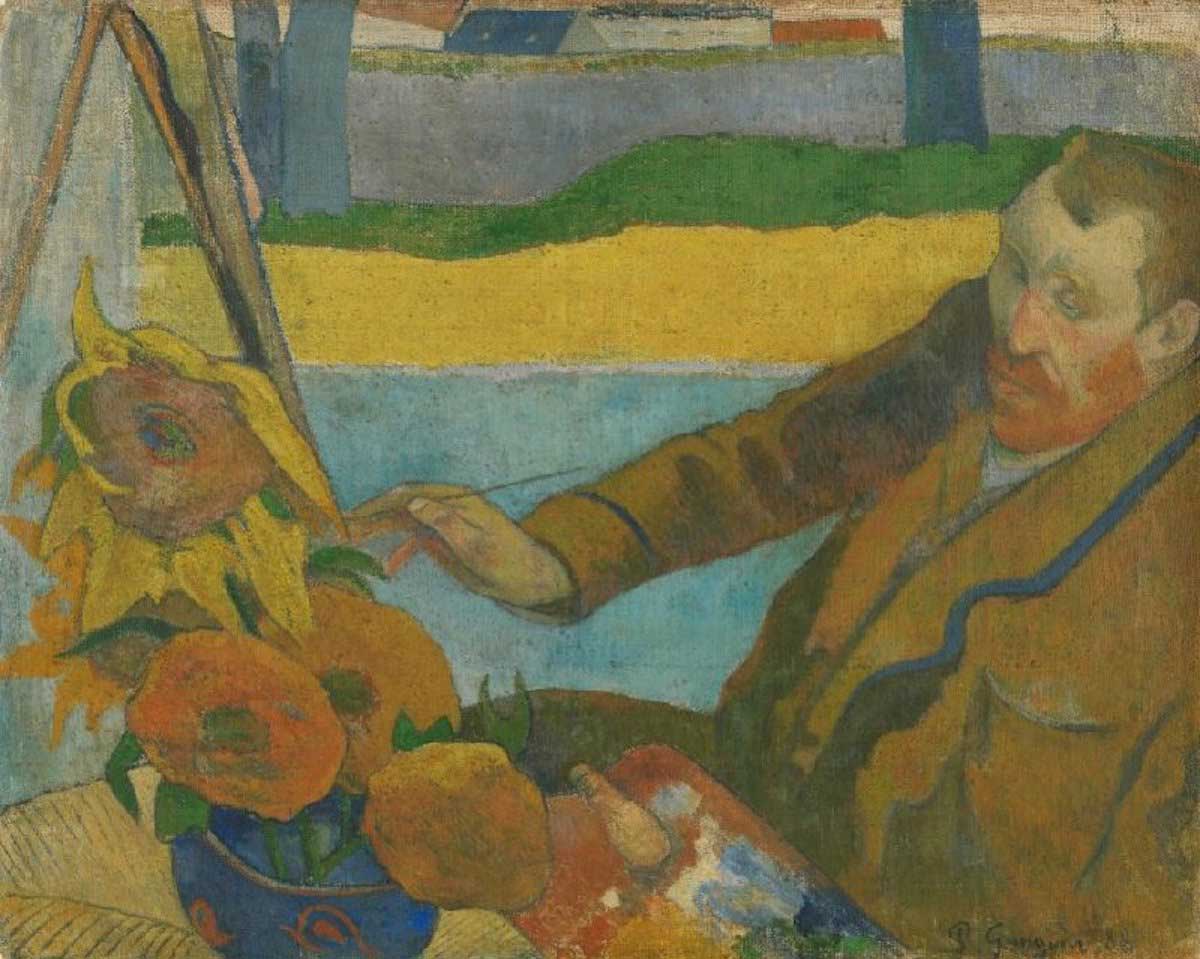
The most important figure displayed in this category is Paul Gauguin, the French avant-garde artist who transformed the world of modernist art and deeply influenced Van Gogh. One particular painting by Gauguin, called The Painter of Sunflowers, is especially relevant. It is a portrait of Van Gogh painting one of the versions of the Sunflowers with a vase of sunflowers sitting in front of him. Van Gogh considered sunflowers as representative of his own oeuvre, and the reaffirming acknowledgment by Gauguin through this painting was a significant moment in their friendship.
At the same time, it was a point of tension between the two. Through this painting, Gauguin implied that Van Gogh only paints by imitating nature, as the latter can be seen copying the sunflowers in the vase. However, the version of the Sunflowers Van Gogh is painting in Gauguin’s portrait was painted from memory. This piece of history makes The Painter of Sunflowers a very interesting addition to the museum’s collection. It shows a nuanced view of Van Gogh’s relationship with Gauguin and their differing views on art.
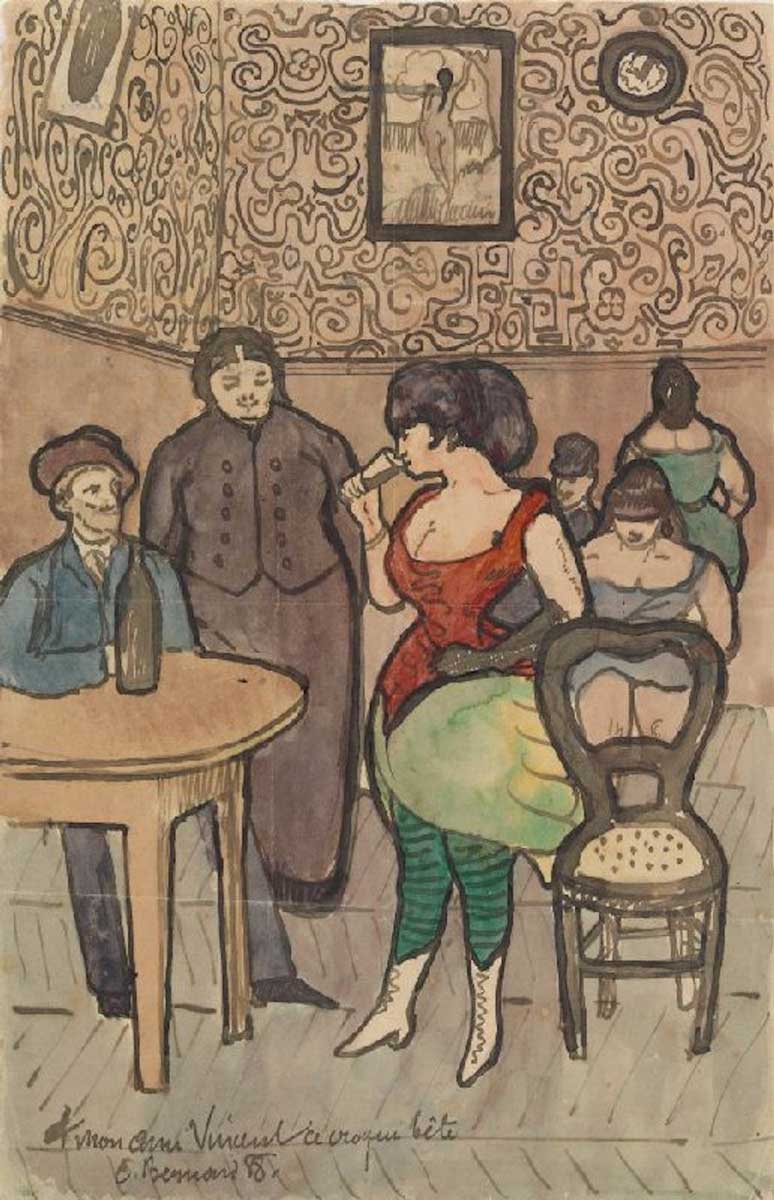
Another artist in the collection is Emile Bernard, a younger but equally significant contemporary of Van Gogh and Gauguin. The museum displays certain works by Bernard, which he sent to Van Gogh with the title For Vincent’s Eyes Only. Drawings by Emile Bernard. This section offers a peek into the artists’ friendship as well as the works Bernard thought would be appreciated by Van Gogh. While Gauguin is considered Van Gogh’s closest artist friend, Bernard also worked alongside the two. In fact, in 1887, Van Gogh was learning to paint in the cloisonnist style of Bernard, which was characterized by flat tones placed alongside each other, sectioned off by bold outlines.
Bernard’s influence was significant in developing Van Gogh’s decorative paintings, and the influences of cloisonnism can be seen in the Sunflowers, Bedroom in Arles, and The Yellow House. The Van Gogh Museum also displays certain works by Edvard Munch, Maurice Denis, Odilon Redon, and Georges Seurat, among others. Including works by Van Gogh’s contemporaries in the collection offers a well-rounded view of the developments in the modernist era and how the Dutch artist shaped his style in this context.
Things to Do at the Van Gogh Museum
The Van Gogh Museum consistently organizes temporary exhibitions related to Van Gogh that focus on certain periods or people in the artist’s life. As the Van Gogh Museum is also an important modern art museum, it organizes exhibitions about artists from the late-19th and early-20th centuries. A recent exhibition at the museum titled ‘Vive l’impressionnisme!’ celebrated 150 years of Impressionism by displaying works by various Impressionist artists that are a part of Dutch collections. This included paintings, sketches, and sculptures by Edgar Degas, Claude Monet, Edouard Manet, Berthe Morisot, and Camille Pissarro, among others.
If you want to learn more about Van Gogh while you look at his artwork, the Van Gogh Museum offers 50-minute guided tours as well as private tours of the museum collection. A Van Gogh expert accompanies you through the museum and shares stories about his life and his work in great detail. These tours are excellent for art and culture enthusiasts or if you just want to immerse yourself in Van Gogh’s work and make the most of your museum visit. If you would rather explore the museum at your own pace, you can also book an audio tour online or at the front desk that takes you through Van Gogh’s life stories as you enjoy the paintings.
It’s always a good idea to book your tickets for the Van Gogh Museum at least a week in advance because it is a tourist favorite, and time slots for visitors fill up quickly. If you’re visiting Amsterdam with kids, you can also enroll them in a children’s workshop that the museum organizes regularly. Here, the children learn about the life of Van Gogh and can also unleash their creative side by painting their own masterpieces. These workshops last for a couple of hours, giving you plenty of time to browse the museum in the meantime.
Apart from that, the Van Gogh Museum also has a great collection of gifts at the museum shop, including books, catalogs, postcards, and prints, as well as a cafe where you can enjoy a cup of coffee or a meal during your visit. The museum is a must-visit site if you are in Amsterdam and want to experience the world of Vincent van Gogh.