
This ought to have been yet another art sale that saw a painting from arguably the most significant period in art history trundled off to hang on a far-off gallery wall or, even worse, stowed away in the vaults of a wealthy collector. However, what has emerged over recent days suggests a different fate for the great artwork. A debate, maybe a tussle, has developed over which Italian city (since it was the Italian government that purchased the painting) best deserves to host Antonello da Messina’s work.
Who Was the Great Artist Antonello Da Messina?
As you might guess from his surname, Antonello da Messina hailed from the Sicilian city of Messina, born around 1429 to a sculptor father under whom he initially studied before taking up an apprenticeship in Rome. It was, however, in Naples that he discovered the huge influence that Netherlandish Renaissance painting, featuring the likes of Jan van Eyck and Rogier van der Weyden, was having on the city-state’s art world. The Netherlandish style, with its jewel-like coloring and a restrained approach, was to influence Antonello, as we can see from the relatively small collection of his paintings still in existence.
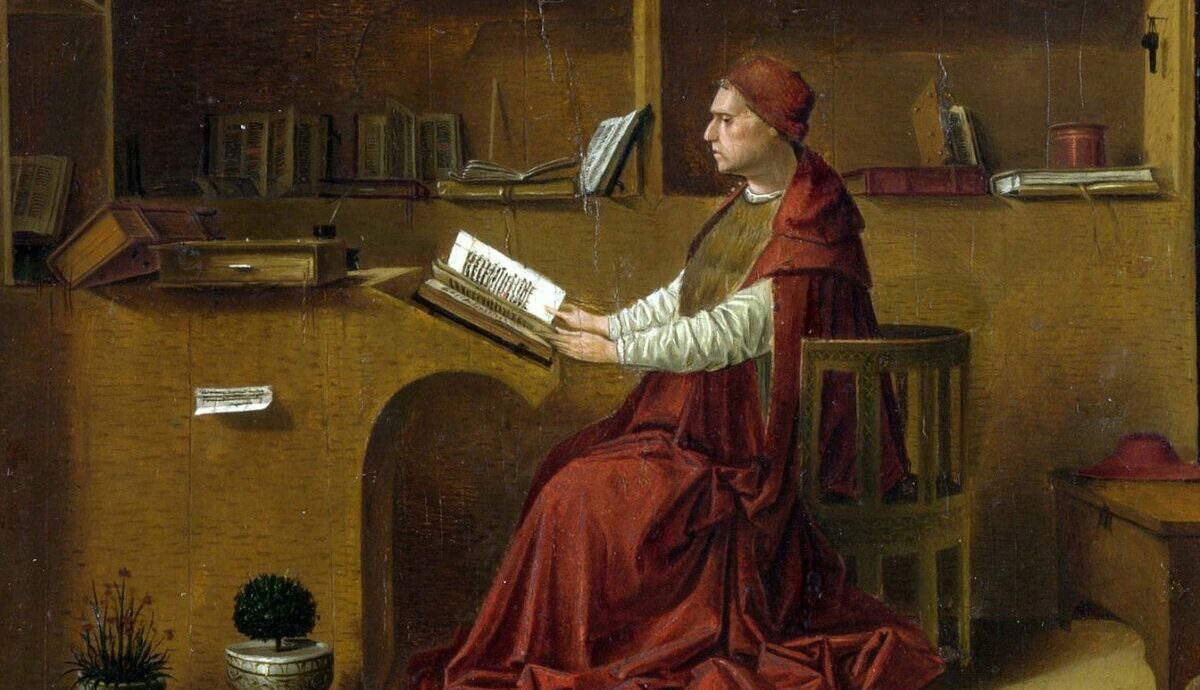
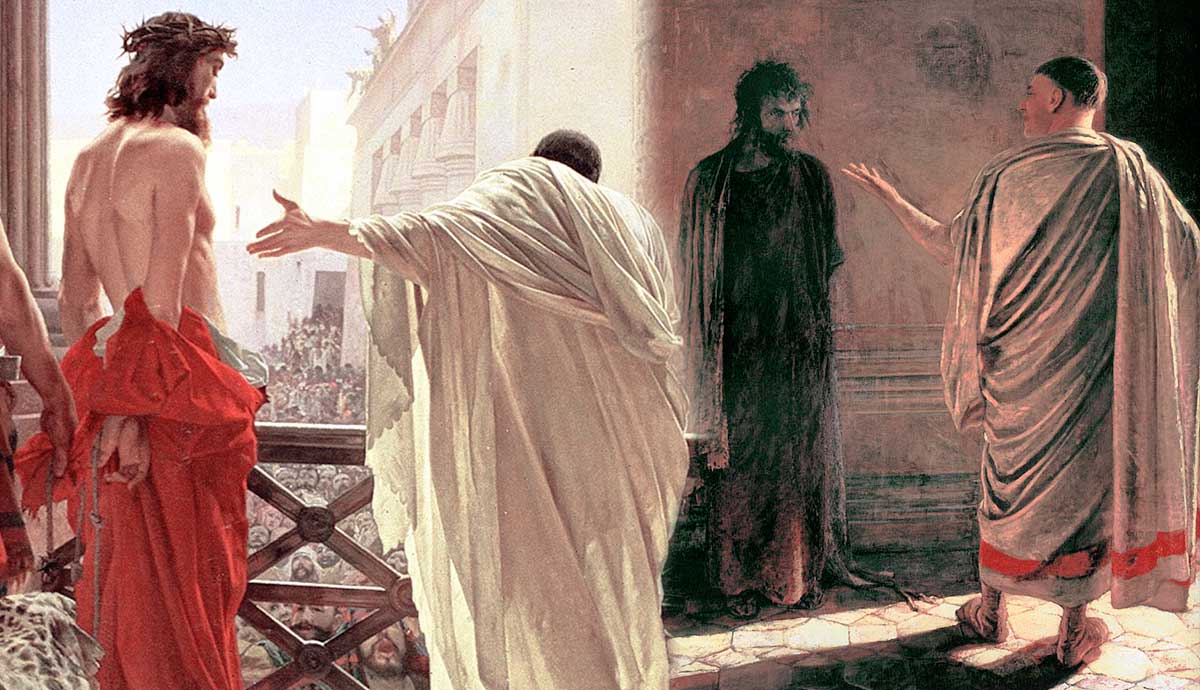
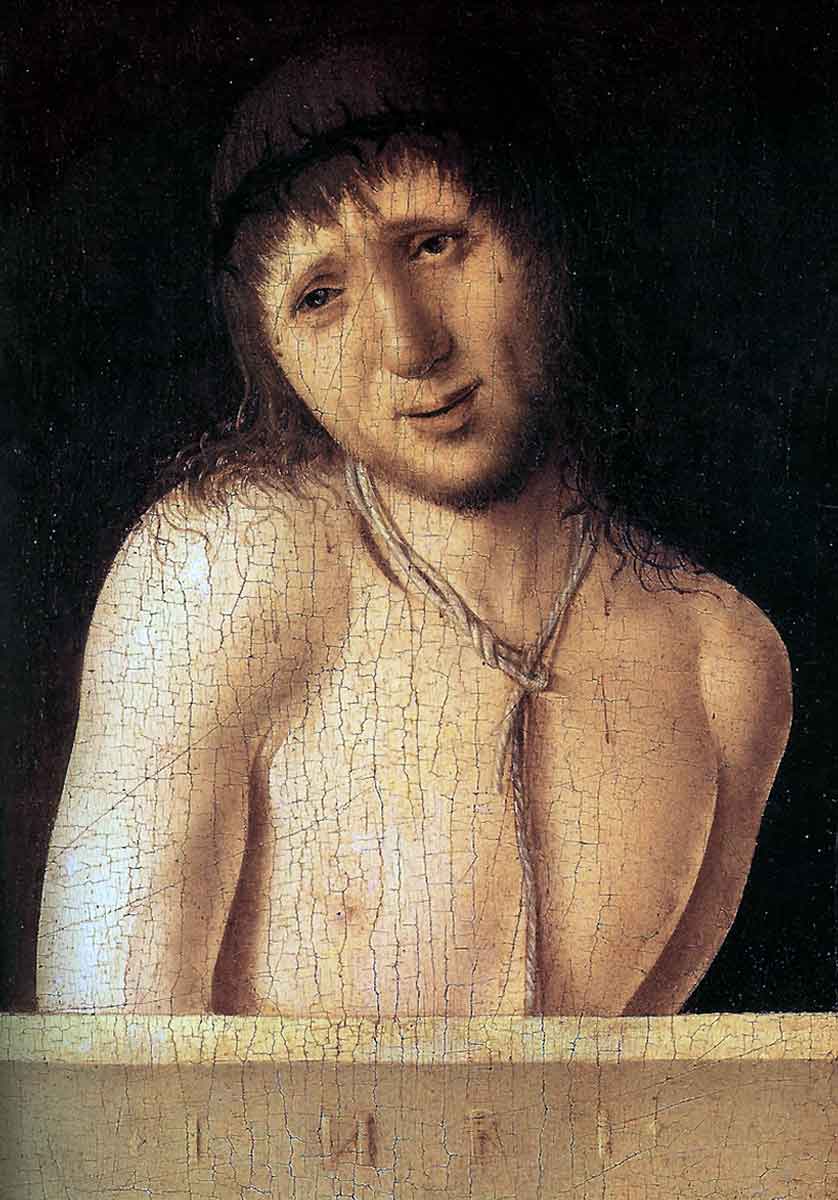
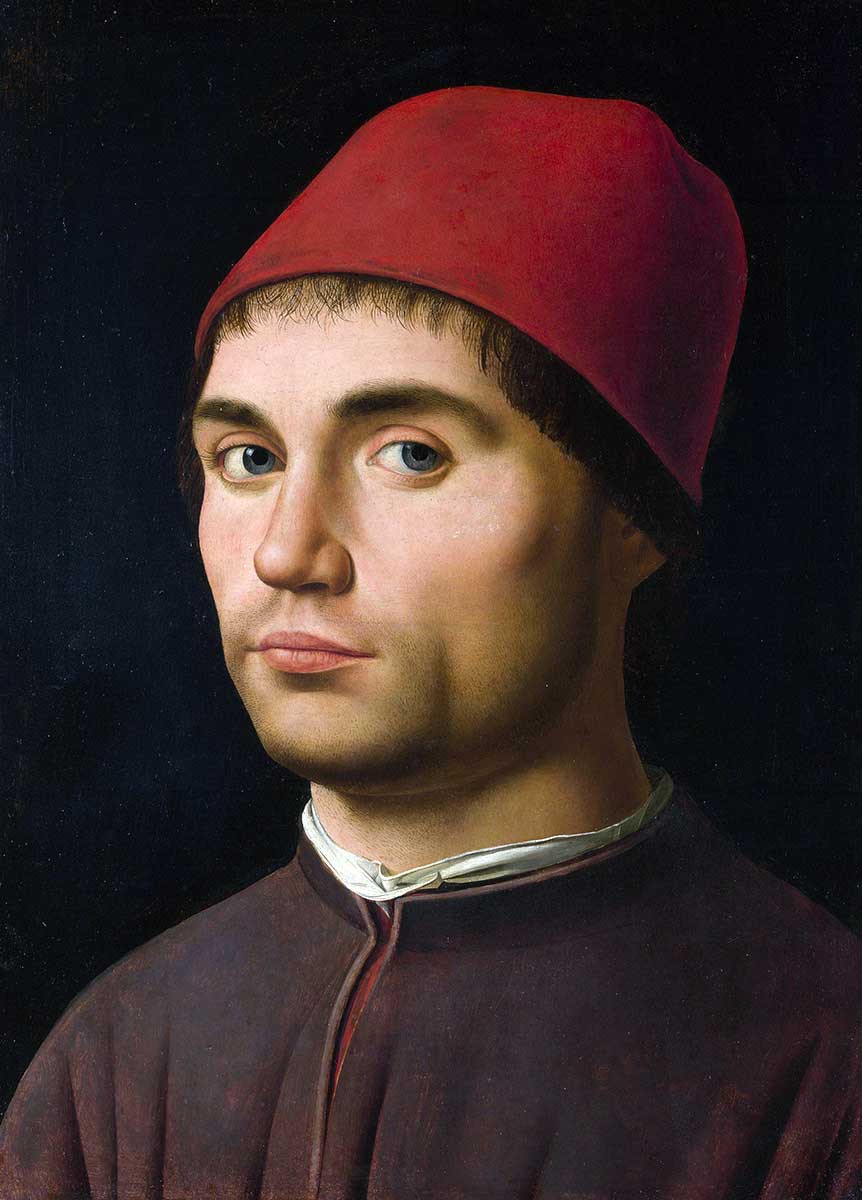
Around 1450, Antonello returned to Messina, although he seems to have travelled frequently back to the mainland to carry out commissions for wealthy patrons. By the 1460s, he was becoming known for his portrait painting, executed in the Netherlandish style, with the head and torso portrayed rather than the more common Italian style of a full-body composition. His alleged self-portrait is a good example of this, as is the subject of the debate, Ecce Homo. The title of the work refers to Pontius Pilate‘s words when he presented a thorn-crowned and bound Christ to accusers, “Behold the man!”
Is Provenance Important?
It may seem a little odd that a tiny devotional, portable artwork such as the Ecce Homo in question is the subject of such a debate amongst Italy’s premier art galleries and museums. I think we can assume that any one of those in the running (Milan’s Brera, Naples’ Capodimonte, and the Accademia in Venice) is safe and well-equipped to provide a home for the painting. These are some of the finest art museums in the world. It seems obvious that the Italian Ministry of Culture ought to go with one of them. So why is there such a commotion over where Antonello’s Ecce Homo belongs?
It is an age-old question: the provenance of works of art. It has become almost as important as the artist’s identity, shifting the ranking of relevant details when valuing a piece. If every altarpiece stayed in the church it was painted for, every Book of Hours was held in the family library of its original owner, every decorative sculptural frieze remained in situ, no matter what the condition of its original home, provenance wouldn’t be an issue. We would all know where something belonged and, in all probability, there it would stay, but when altarpieces are broken up and distributed in sales across the world and sets of marble sculpture (like Elgin/Parthenon Marbles) are appropriated, how do we decide where they really belong?
The Parthenon/Elgin Marbles Question
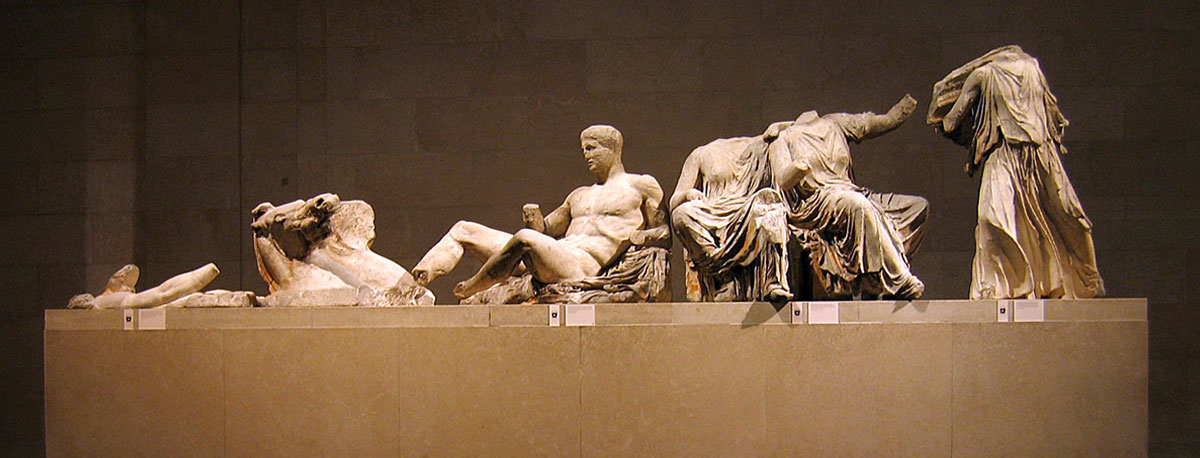
The case that illustrates the questions of place and belonging is that of Lord Elgin’s notorious appropriation, some say theft, of the Parthenon Marbles. So complete was his belief that he was doing the right thing by taking this large and culturally important collection of artifacts that it was named for him. The British Museum houses the marbles in a fine setting. It is only when we see the Acropolis Museum in Athens and its Parthenon Gallery that we can see how out of place Lord Elgin’s collection seems.
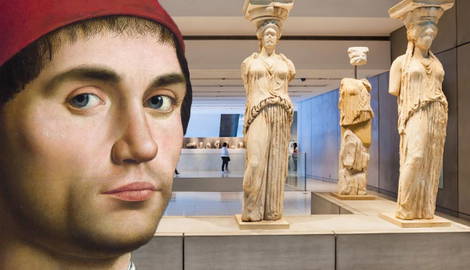
Rather than fill in the gaps in the exhibition of the Parthenon Frieze and the Caryatids, the Acropolis Museum’s directors decided to leave those spaces empty where the marbles looted by Lord Elgin ought to be. These voids leave a striking impression, emphasizing the loss in both physical and cultural senses.
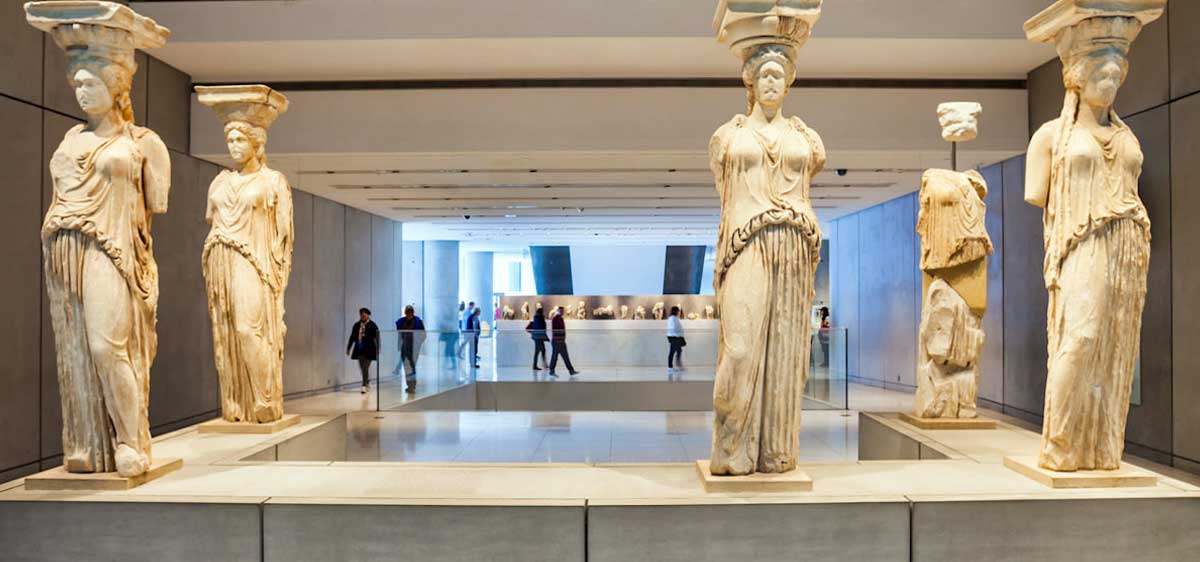
The campaign for the return of the Elgin Marbles to their rightful home is ongoing and, since the opening of the Acropolis Museum, has been gaining support worldwide. It seems obvious that, when one thinks of the lone caryatid languishing in the British Museum, she should be with her sisters in Athens. Likewise, the Parthenon Frieze would be astonishing if all of the existing elements were reunited.
The Parthenon argument seems to be reflected to some extent by that of the Sicilian government in their insistence that Antonello da Messina’s Ecce Homo is brought home. Antonello was their man. Messina was his home. Is that enough, though, to justify the painting’s return?
Rebuilding a Culture – Returning Antonello to Messina
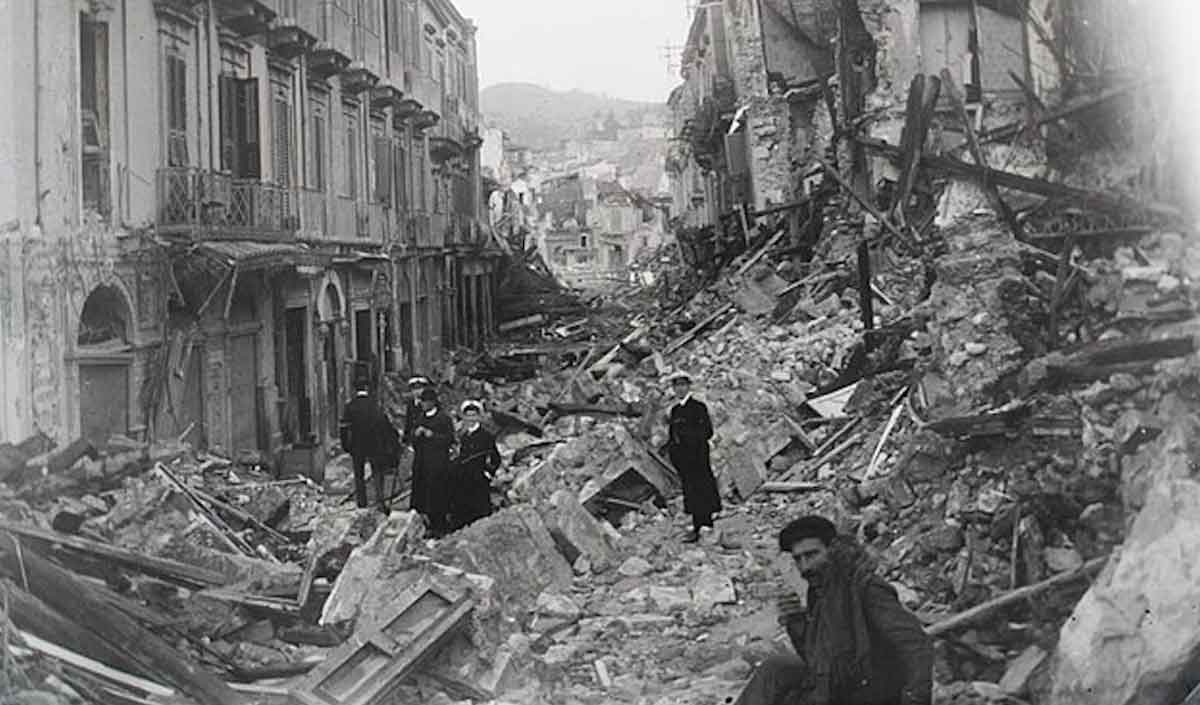
December 28th, 1908 was a day that changed the face of Messina, a port on the northernmost point of Sicily, forever. In the aftermath of the huge earthquake that shook the town, it lost not only almost half of its population and many homes, churches, and municipal buildings, but also much of its physical and cultural heritage. In the space of less than a minute, several irreplaceable paintings by Antonello da Messina, one of the great revolutionaries of Renaissance art, were destroyed.
So when the Italian Ministry for Culture bought Antonello’s Ecce Homo for the nation, it seemed natural to Sicilians that the painting should come home. To them, it is a building block in the effort to restore some of the cultural heritage lost to them over a hundred years ago. Messina, though, is not even in the running. The closest this eminently painful representation of Christ might get is Naples. Neapolitans argue that Antonello studied there, that he is as much their artist as he is Sicily’s. The question is, does it matter where the painting ends up, as long as it is properly cared for and displayed for all to see? It matters to the people of Messina.
Messina was a powerful port city before the earthquake. It linked Sicily to the mainland, and its long seafaring and trading history resulted in a vibrant economy and cultural center. It never really recovered. Can the return of this diminutive artwork then rejuvenate Messina after so many years have passed?
Where Will This Great Artwork End Up?
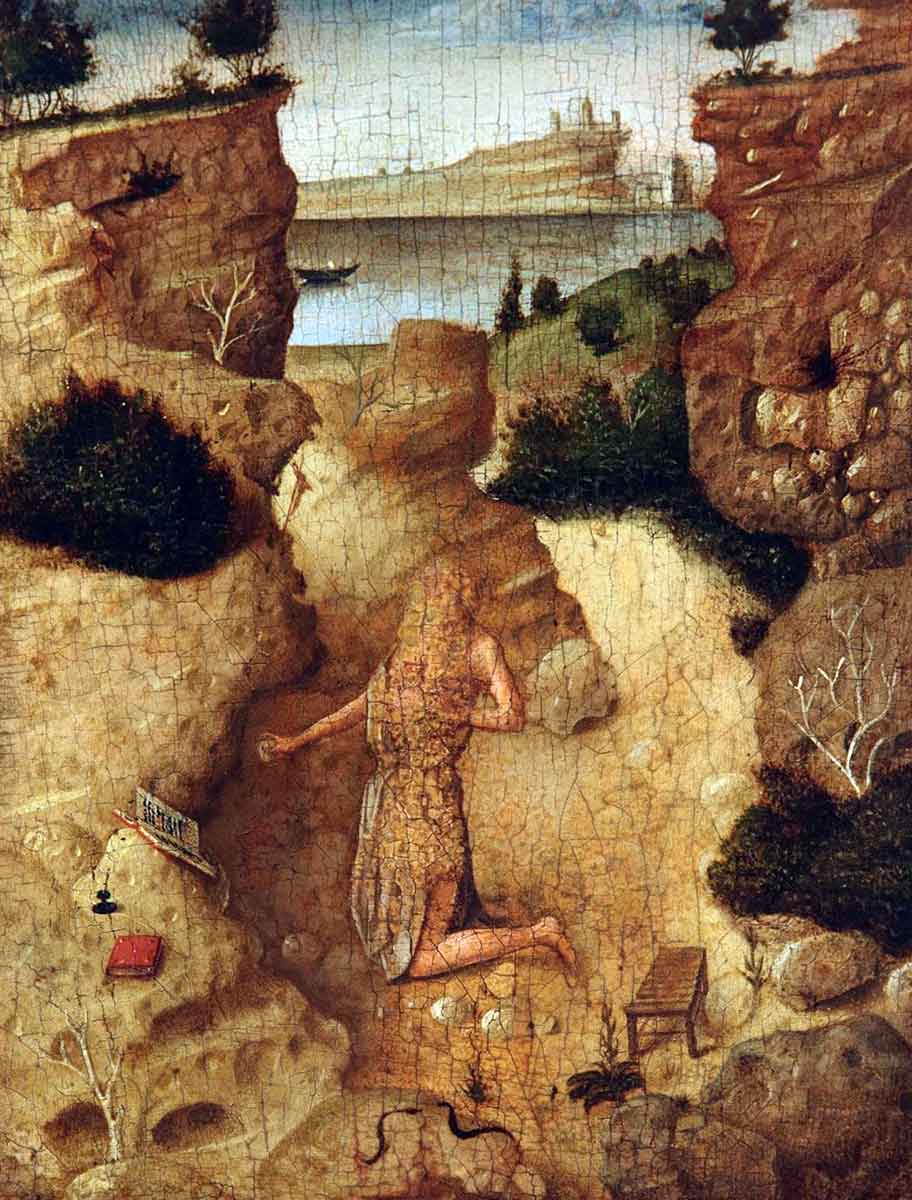
The thing about Antonello’s painting is that we don’t actually know who commissioned it, who carried this small devotional panel, or what the paint worn on those patches, brushed by the lips of the praying owner, looked like. Unlike the Parthenon Marbles, we don’t know where precisely this painting belonged. To say it belongs in Messina could be seen as akin to saying that the Mona Lisa belongs in Florence because its origins lie there. Is that enough? Or should the Italian government consider where it can be most easily accessed by the public, best maintained, or restored? In the days since this question arose, the Italian Ministry of Culture has made a declaration that seems designed to appease all but completely satisfy no one:
“Ecce Homo will have a residence and all of Italy as a domicile. And what can be the residence of Antonello da Messina this year? In the year that celebrates the city as the Italian Capital of Culture, it can only be L’Aquila to host this extraordinary canvas that returns to Italy. After that the Ecce Homo will appear in Messina, in Florence, in Rome, in all the most important Italian museums and in all those places where people need to see beauty and history.”
Antonello da Messina’s painting could bring great benefits to his birthplace (an increase in cultural identity, perhaps additional tourism, and an economic boost), but the government seems not to recognize this. With the Ecce Homo, we might see what Sicilians have long desired: a step towards the government recognizing the island’s enormously important traditions, bringing Sicily back into the dazzling world of Italian cultural heritage.