
For centuries, religious art followed strict rules. Medieval painters created flat, symbolic images in which saints floated on gold backgrounds. Then Renaissance artists shattered these traditions, bringing human emotion, realistic space, and ordinary people into sacred scenes. These revolutionary painters faced criticism from the church for their shocking innovations. Yet their bold choices transformed how Christians visualized faith, making devotion more human, emotional, and accessible to common believers.
1. Proto-Renaissance Artist Giotto di Bondone
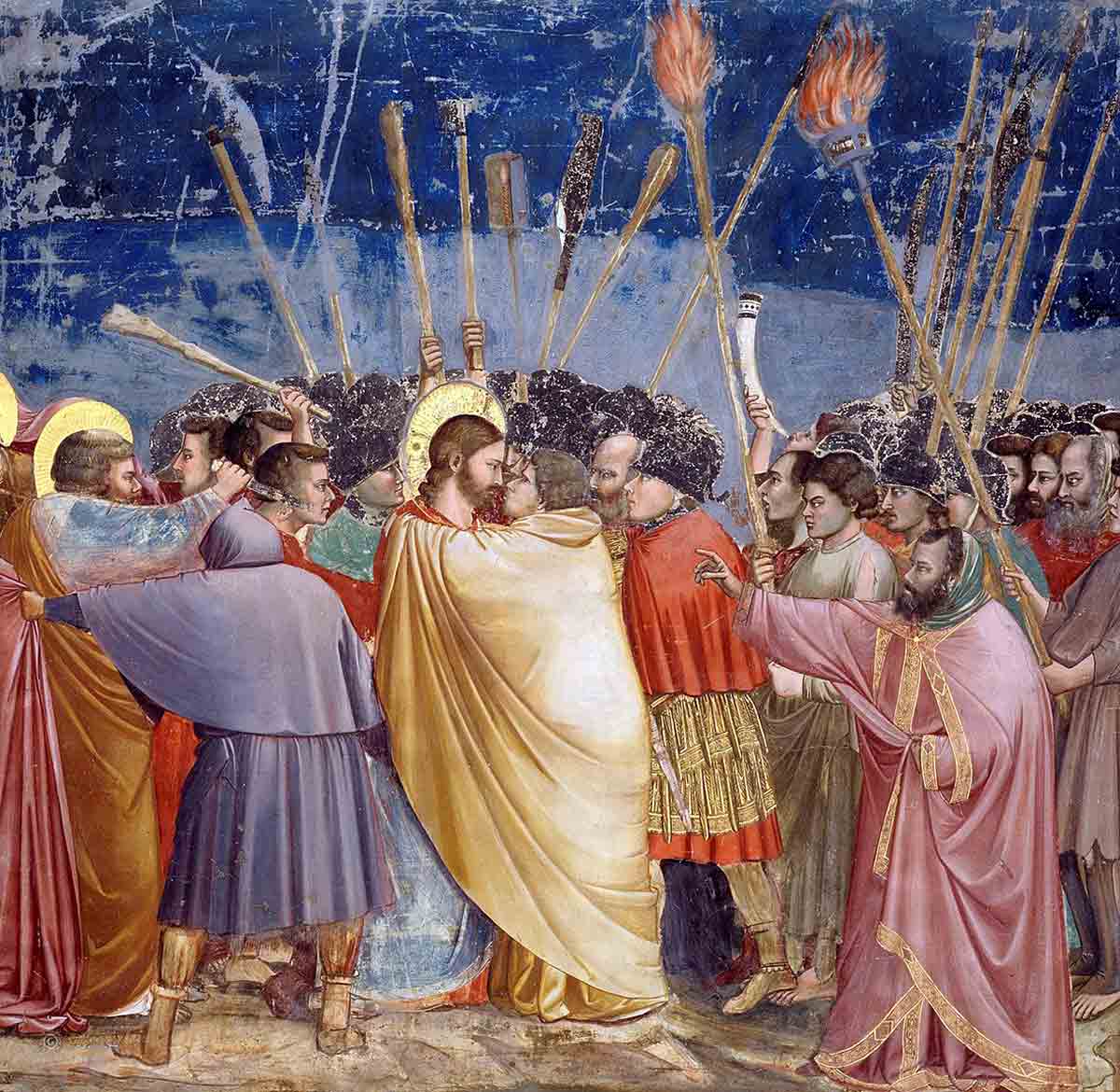
Giotto di Bondone (c. 1267-1337), considered a Proto-Renaissance artist, started a revolution in religious painting by introducing naturalism, moving away from medieval abstraction. Religious figures in paintings before Giotto appeared flat and symbolic, floating in golden backgrounds without substance or feeling. Giotto gave these figures solid bodies, human-like faces, and real emotions. You can see biblical figures crying, hugging, and enduring pain with remarkable realism in his fresco series at the Scrovegni Chapel in Padua.
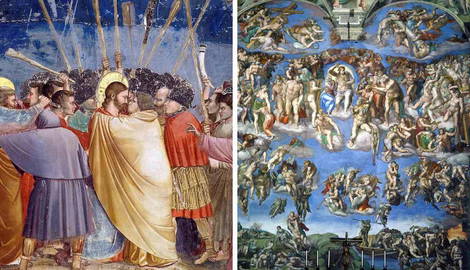
In “The Kiss of Judas,” Giotto shows the moment of betrayal with a deep understanding of human nature that was groundbreaking for its time. Judas wraps his yellow cloak around Christ as their eyes meet in a tense face-off. The people around them react in different ways. Some look confused, others angry, and some scared. This level of detail in emotions stunned people who were used to seeing religious art that looked the same all the time.
Giotto played with light and shadow to give his figures weight and power. His backdrops hinted at real buildings instead of just symbols. These new ideas paved the way for Renaissance art, bringing holy stories down to earth. Big names like Masaccio and Michelangelo later ran with Giotto’s groundbreaking work. By painting Bible characters as everyday folks, Giotto changed religious art from flat symbols into gripping stories that tugged at your heartstrings.
2. Masaccio and the Mathematical Revolution
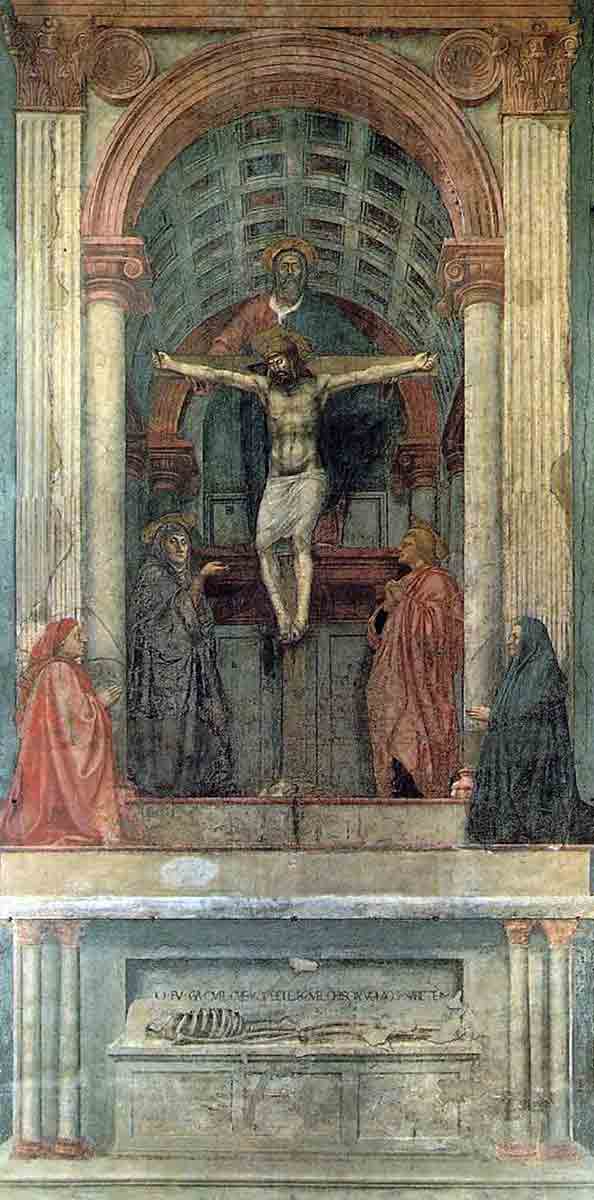
Masaccio (1401-1428) caused a revolution in religious painting by bringing in strict mathematical perspective. His fresco “Holy Trinity” in Florence’s Santa Maria Novella was the first painting to use one-point linear perspective systematically. This technical leap changed how artists showed sacred space, turning biblical scenes into what looked like windows into real architectural settings.
The painting depicts God the Father holding the crucified Christ inside a painted barrel-vaulted chapel. Masaccio worked out every architectural detail to move back towards a single vanishing point at Christ’s feet. The illusion is so real that viewers feel they could step into the painted space. This math-based accuracy gave new weight to religious images; the sacred now seemed rooted in visible reality instead of symbolic abstraction.
Under the sacred figures, Masaccio drew a skeleton in a tomb. The inscription read: “I was once what you are, and what I am you will become.” This reminder of death blends spiritual insight with raw truth. The Italian Renaissance painter didn’t sugarcoat death. Instead, he made viewers face the harsh reality of dying.
Masaccio’s life ended at 27, but his short career changed how we see art. He showed that a math-based perspective could make religious scenes more powerful. By making holy spaces measurable and logical, he helped link medieval faith to Renaissance thinking about humans. Later artists like Leonardo da Vinci and Raphael studied Masaccio’s wall paintings. They saw them as key lessons in painting realistic sacred stories.
3. Michelangelo’s Controversial Nudes
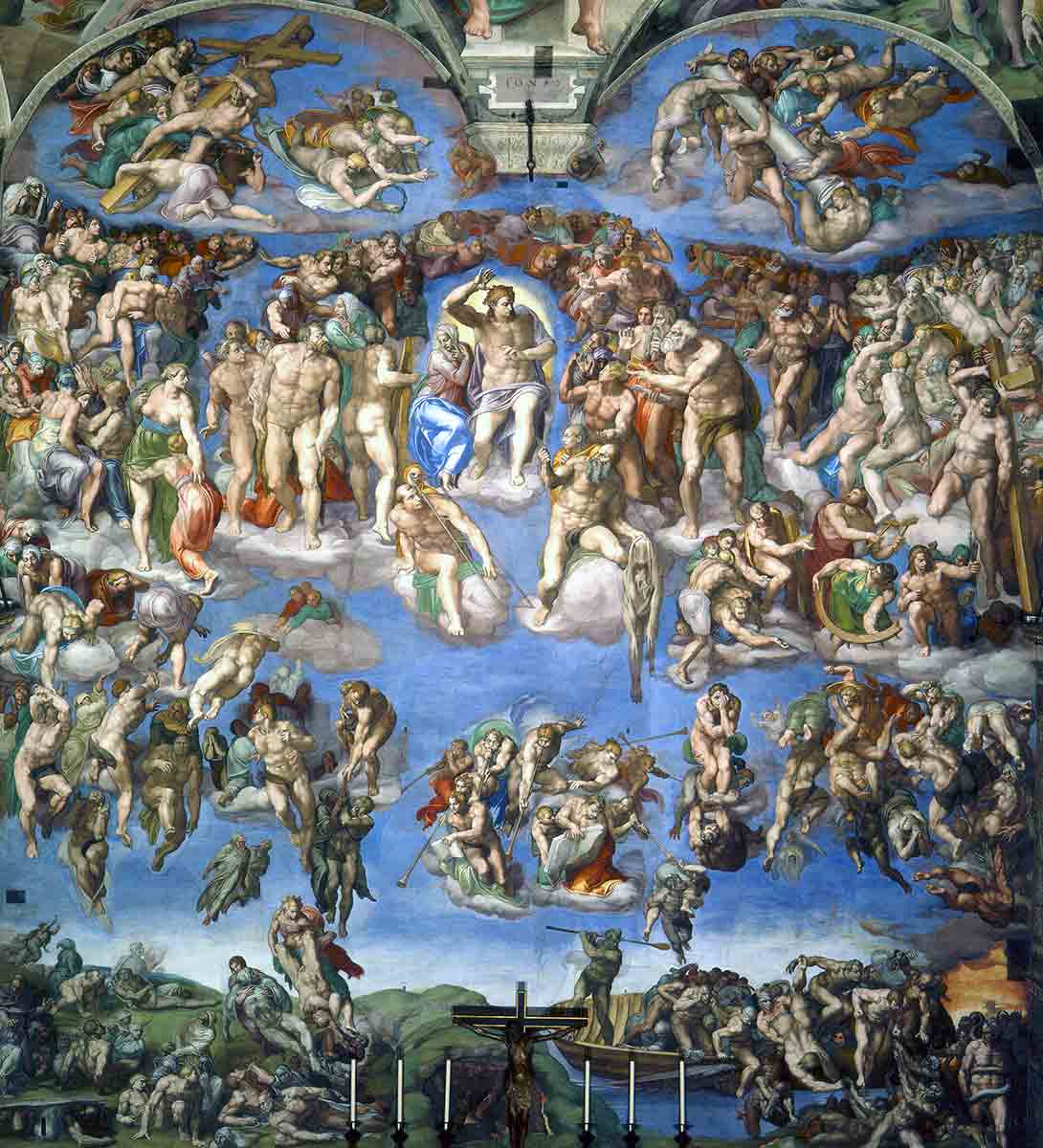
Michelangelo (1475-1564) broke new ground by placing huge nude figures in holy spaces. His “Last Judgment” on the Sistine Chapel’s altar wall displays over 300 unclothed bodies twisting as they rise from the dead. This enormous fresco caused instant debate. Critics thought the widespread nudity was shocking and out of place in a church, especially behind the altar where priests held Mass.
The Council of Trent met to reform Catholic practice after the Protestant Reformation. It pointed out Michelangelo’s nudes as troublesome. Church leaders took issue with the muscular, lively bodies Michelangelo painted rather than the calm, dressed saints. They found fault with his Christ without a beard, his intricate layouts, and his emphasis on human physicality over spiritual peace.
When Michelangelo died in 1564, people hired artist Daniele da Volterra to paint loincloths and drapery over the most shocking figures. This job got him the nickname “Il Braghettone” (the breeches-maker). Still, Michelangelo’s ideas won out in the end. He believed that perfect human bodies could show God’s grace. This belief had an impact on Baroque religious art for many years to come.
Michelangelo thought that souls coming back to life would look perfect. His brawny saints and strong Christ showed this belief. He celebrated the human body instead of hiding it, which challenged how Christians had felt unsure about flesh for hundreds of years. His groundbreaking nudes claimed that physical beauty could show spiritual truth. This was a bold idea that church leaders found hard to accept.
4. Raphael’s Harmonious Revolution
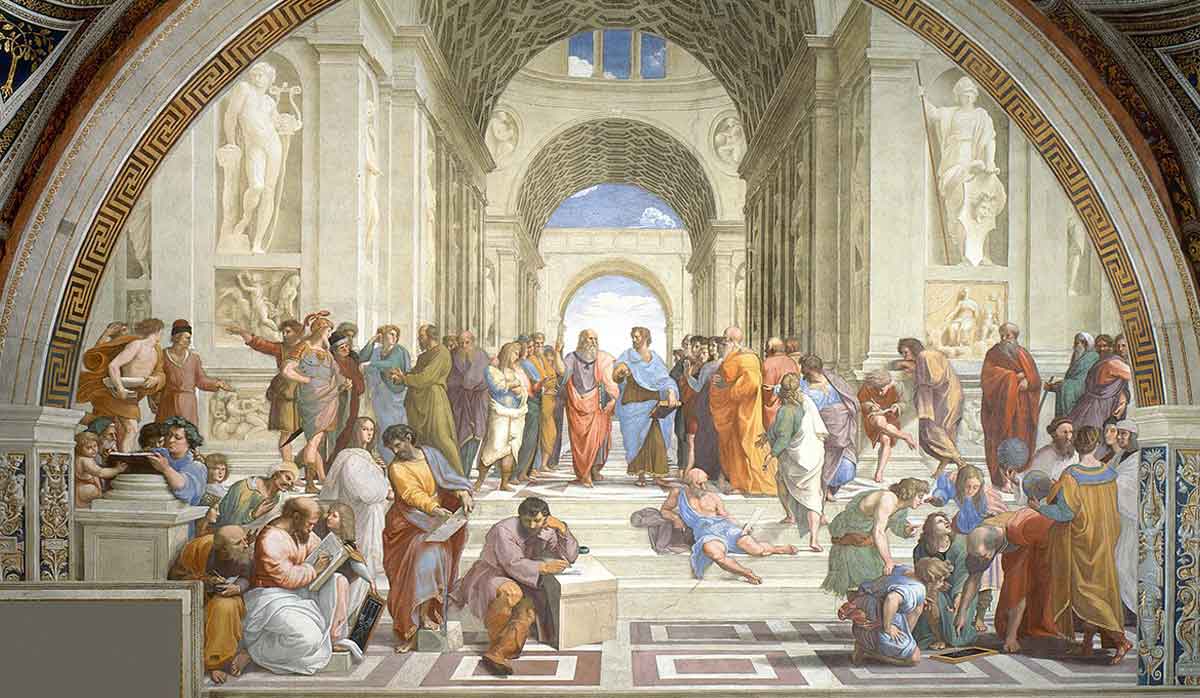
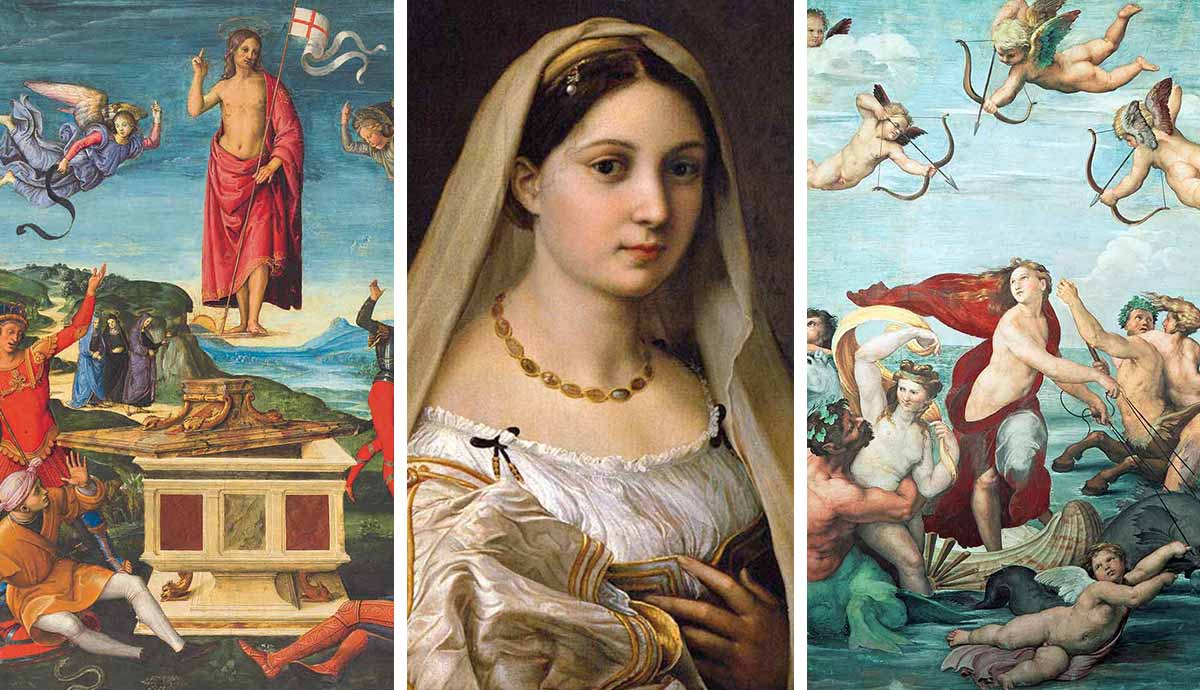
Raphael (1483-1520) had an impact on religious art by mixing sacred and worldly themes in churches. His frescoes in the Vatican’s Stanza della Segnatura broke traditions by putting pagan thinkers next to Christian images. In “The School of Athens,” painted for Pope Julius II between 1509 and 1511, Raphael showed ancient Greek philosophers in an ideal classical temple. This was a daring choice that joined Christian beliefs with pagan wisdom.
The fresco places Plato and Aristotle in the middle, with history’s top thinkers around them. Some church leaders wondered if pagan figures should be in the Pope’s home. But Raphael’s work hinted that classical learning set the stage for Christian truth. His use of flawless perspective and balanced proportions brought structure and logic to holy spaces.
Raphael’s paintings broke away from the strict rules of medieval art. His characters moved and talked with each other. This equal setup showed humanist ideas. The building in the background looked like plans for St. Peter’s Basilica, showing how Renaissance art changed church design. His balanced style had an impact on Catholic art for years to come, proving that belief and logic could work well together.
5. Late Renaissance’s Veronese and the Trial for Indecorous Art
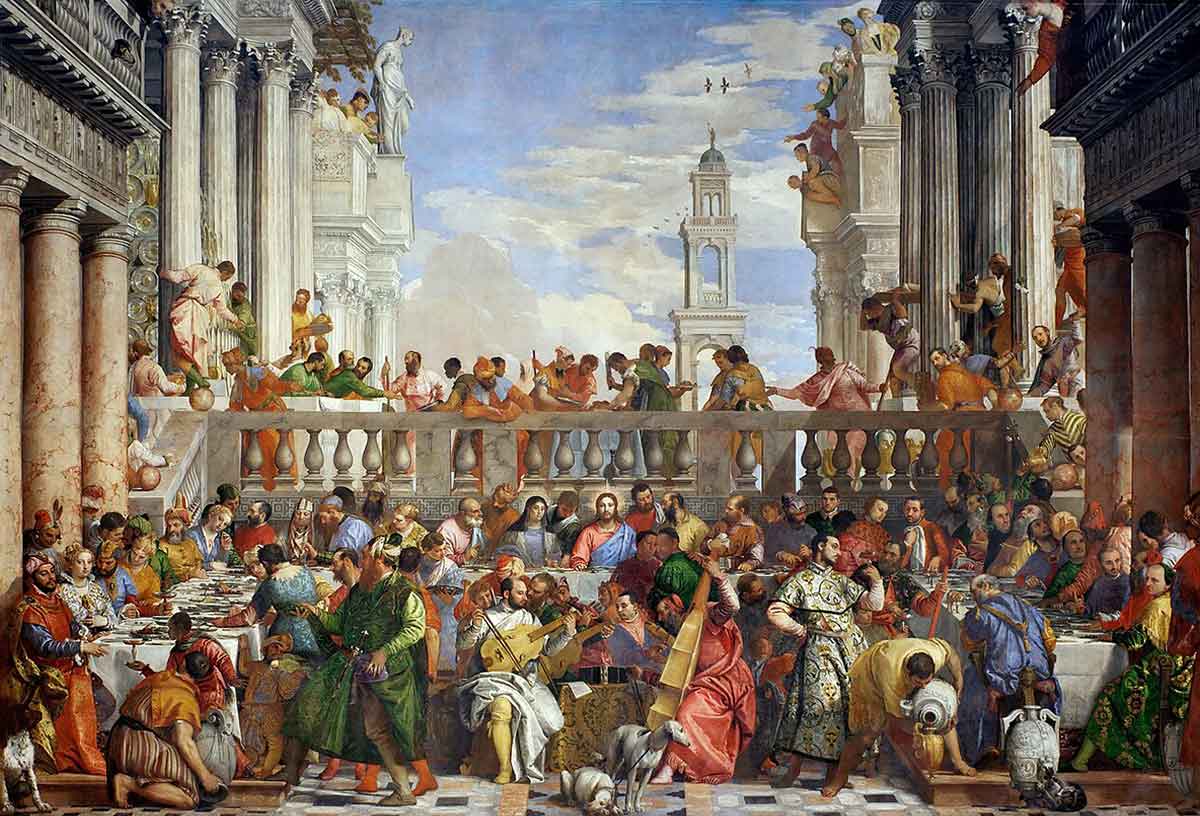
Paolo Veronese (1528-1588) faced a trial by the Inquisition for painting religious subjects. His huge “Last Supper,” painted for a Venetian monastery, featured dwarfs, German soldiers, jesters, dogs, and drunk servants. These were figures church officials deemed unsuitable for Christ’s final meal. The 1573 trial record shows inquisitors asking: “Do you think it is appropriate that the Last Supper of Our Lord includes jesters, drunks, Germans, people of short stature, and the like?”
Veronese stood up to his artistic freedom. He said painters should have the freedom to fill blank areas in their works as they saw fit. He compared what painters do to how poets and crazy people take liberties with their subjects. This defense didn’t work with the Inquisition. Instead of redoing the controversial figures, Veronese just gave the work a new name: “Feast in the House of Levi.” This made it show a different Bible meal where such characters might fit in better.
The renamed artwork displays Veronese’s groundbreaking method in Renaissance religious painting. He placed biblical events in modern-day Venice, depicting holy meals as extravagant feasts in grand buildings. His gatherings feature Venetian aristocrats, Ottoman traders, African helpers, and Swiss guards: the diverse society of Venice’s commercial realm. This worldly authenticity mirrored viewers’ real-life encounters instead of conventional symbolism.
Veronese’s trial stands out as a key moment in the church’s effort to regain control of religious art during the Counter-Reformation. The Council of Trent had ordered that religious art should be easy to understand, proper, and true to church teachings. Veronese’s lively crowds broke these rules. But his choice to go to trial rather than change his work helped establish artists’ freedom to create. This step forward shaped how we think about artistic freedom today.
The Lasting Impact of Renaissance Artists
These five Renaissance artists who revolutionized religious art shared common courage. They risked church censure, rejection of commissions, and even trial to paint sacred subjects with new honesty. Giotto made biblical figures human and emotional. Masaccio grounded divine events in mathematical space. Michelangelo celebrated the sanctified body. Raphael merged sacred and secular knowledge. Veronese defended his right to creative interpretation.
Their innovations transformed Christianity’s visual culture. Before these artists, religious art primarily served as symbolic instruction for illiterate believers. After them, religious painting became an emotionally engaging narrative that invited personal identification. Common people could see themselves in biblical stories. Divine events appeared grounded in observable reality. Sacred scenes provoked emotional rather than just doctrinal responses.
The controversies these artists faced reveal tensions in Renaissance culture between tradition and innovation. Church authorities wanted art that clearly communicated established doctrine. Artists wanted freedom to explore human experience honestly. These conflicts shaped modern ideas about creative liberty and institutional authority. The artists’ willingness to challenge sacred traditions ultimately enriched religious art by making it more emotionally accessible, visually convincing, and humanly relevant to believers seeking an authentic connection with divine narratives.