
From famous queens to philanthropists, the fascinating women who changed art history through their collections all share one distinguishable quality: a keen eye for great, timeless art. Their privileged positions gave them the needed freedom to become tastemakers and trailblazers, but their own stories have often been overlooked. Here are 5 famous women collectors you need to know more about.
1. Marchesa Isabella d’Este
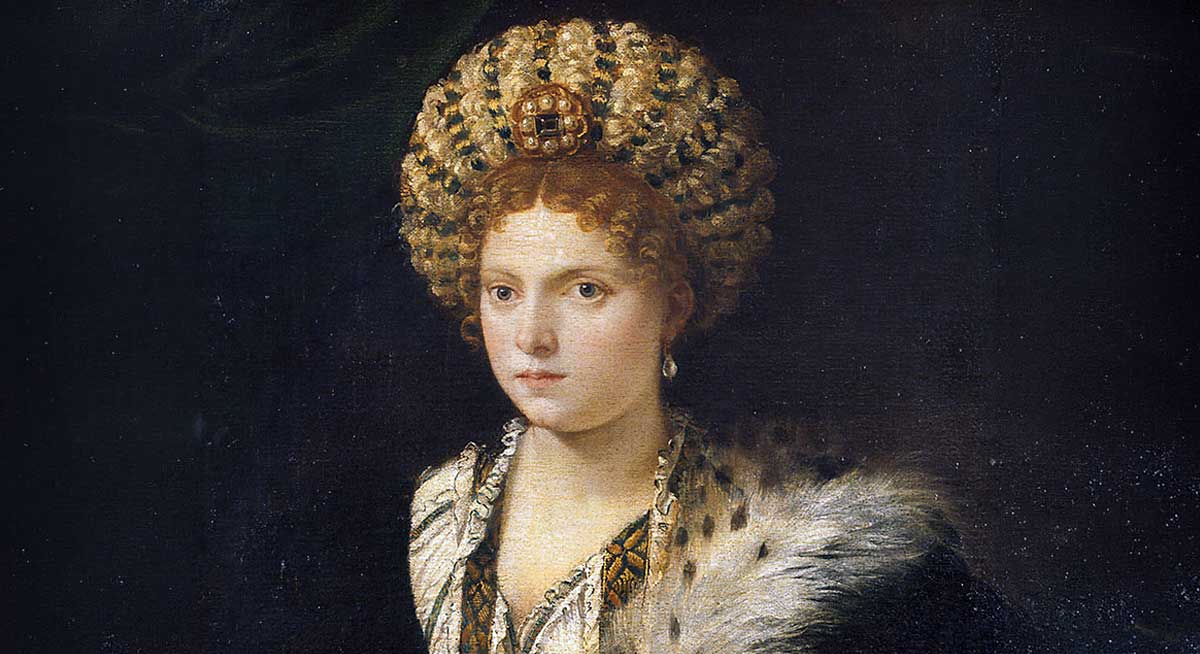
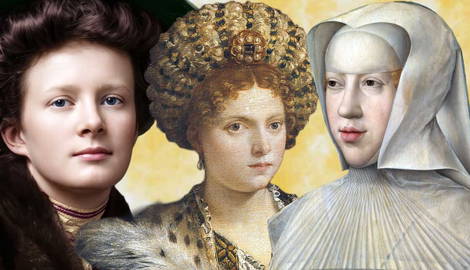
Isabella d’Este (1474-1539) was nicknamed the First Lady of the Renaissance. The Marchesa was an unrivalled figure in the Italian Renaissance, whose keen eye and education made her a patron of the arts and a European fashion trendsetter.
As the daughter of the ducal couple Ercole of Ferrara and Eleanor of Naples, she was destined to uphold the family politics: Isabella was engaged to Francesco II di Gonzaga at the age of only six! In 1490, she became Marchesa of Mantua through her marriage to Francesco. She soon turned Mantua’s Ducal Palace into one of the most sophisticated courts of the time.
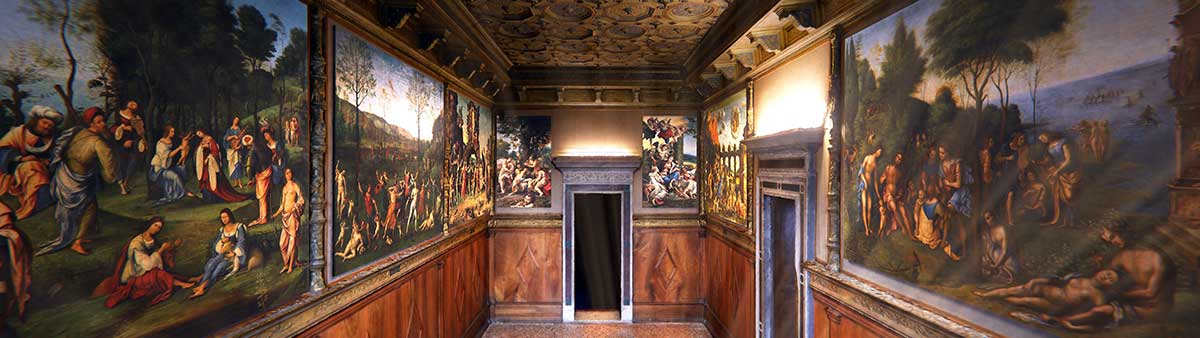
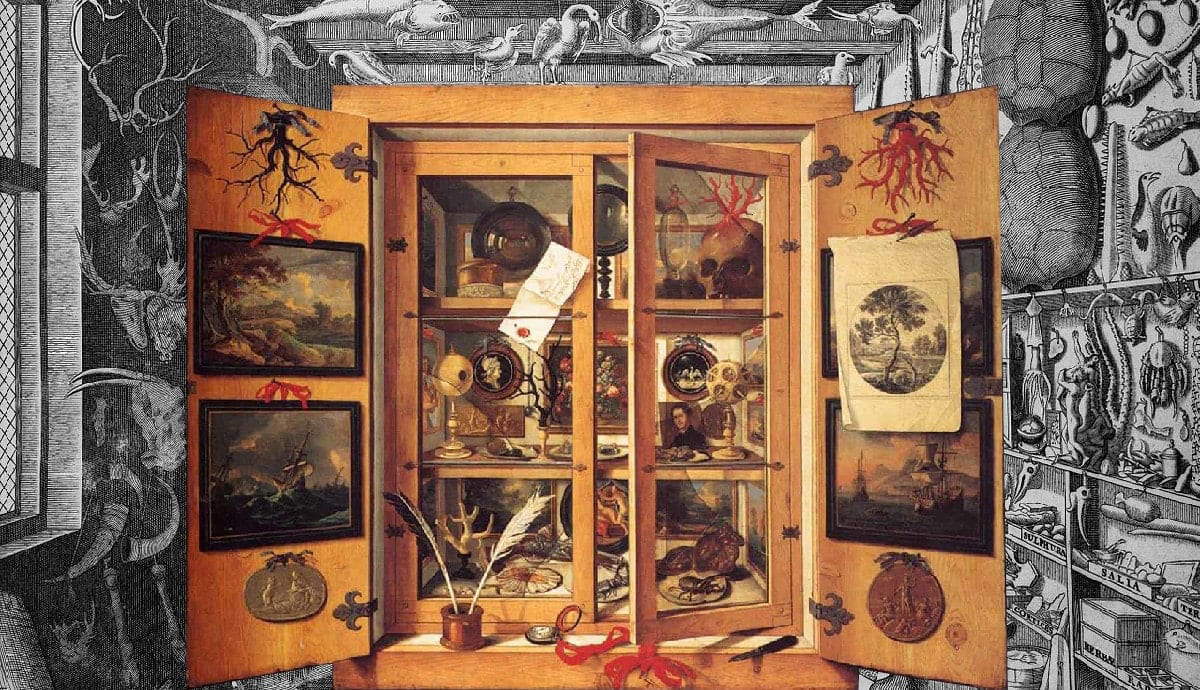
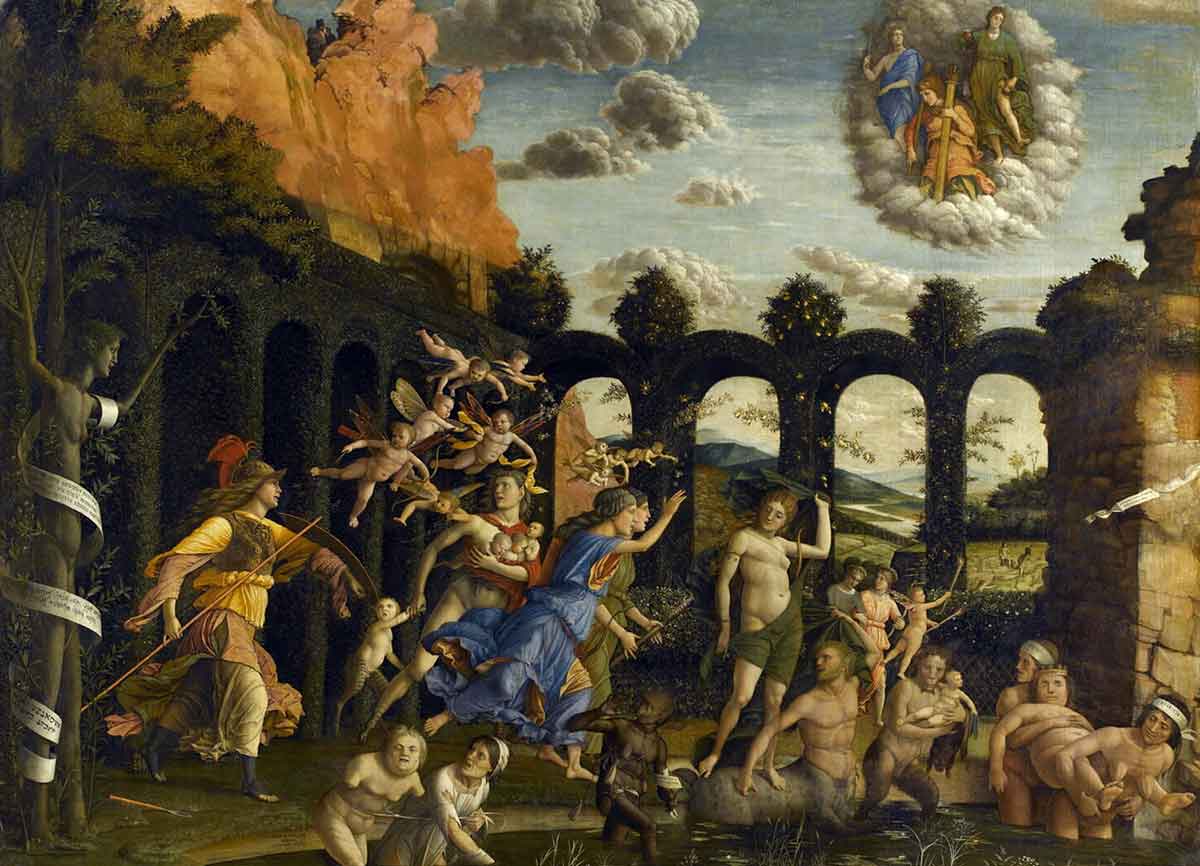
During her reign, she amassed a collection of over 7,000 items, from artworks of contemporary Renaissance masters to books and antiquities. These pieces were all meant to decorate her studiolo, her pre-modern museum. She boasted works by Andrea Mantegna, Perugino, Correggio, and Titian. We know from the thousands of letters Isabella left behind that she had a habit of stalking artists and pursuing the art she wanted through any means necessary.
One infamous example is her exchange with Leonardo da Vinci, from whom she attempted to commission a painting of Christ as a child. Despite having accepted, Da Vinci did not produce the work. The Marchesa then sent several follow-up letters, varying in tone and flattery, but to no avail.
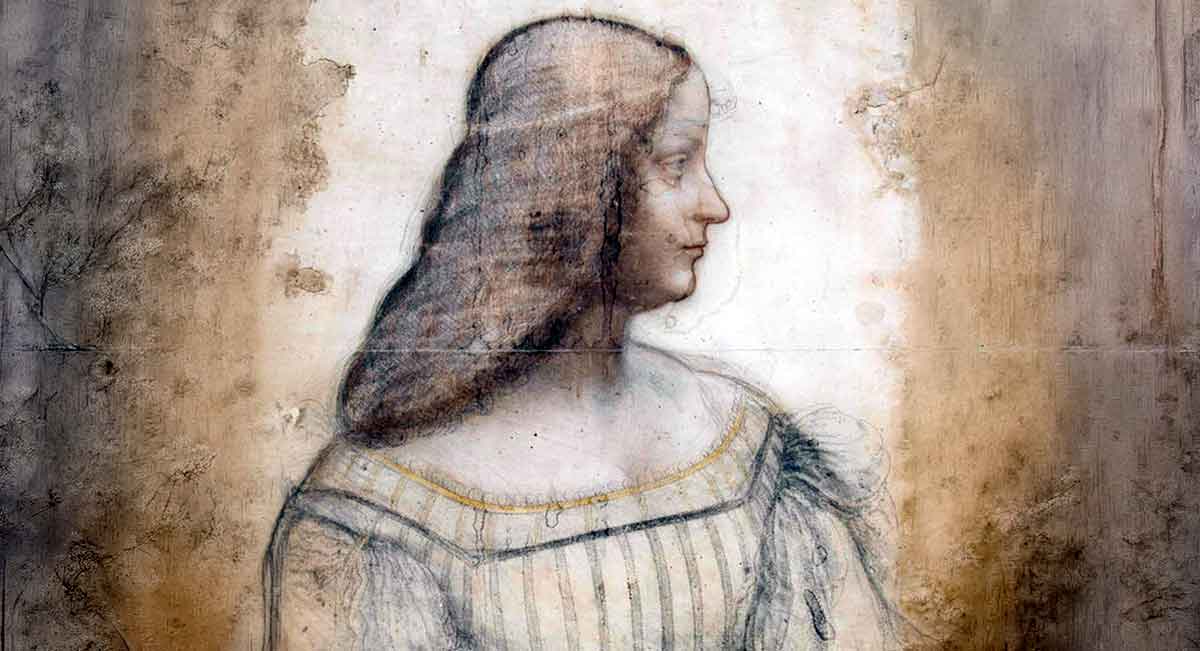
All she could ever obtain from Leonardo was a drawn portrait of her, which never made it into a painting, despite her diplomacy.
2. Margaret of Austria – Archduchess, Diplomat and Curator
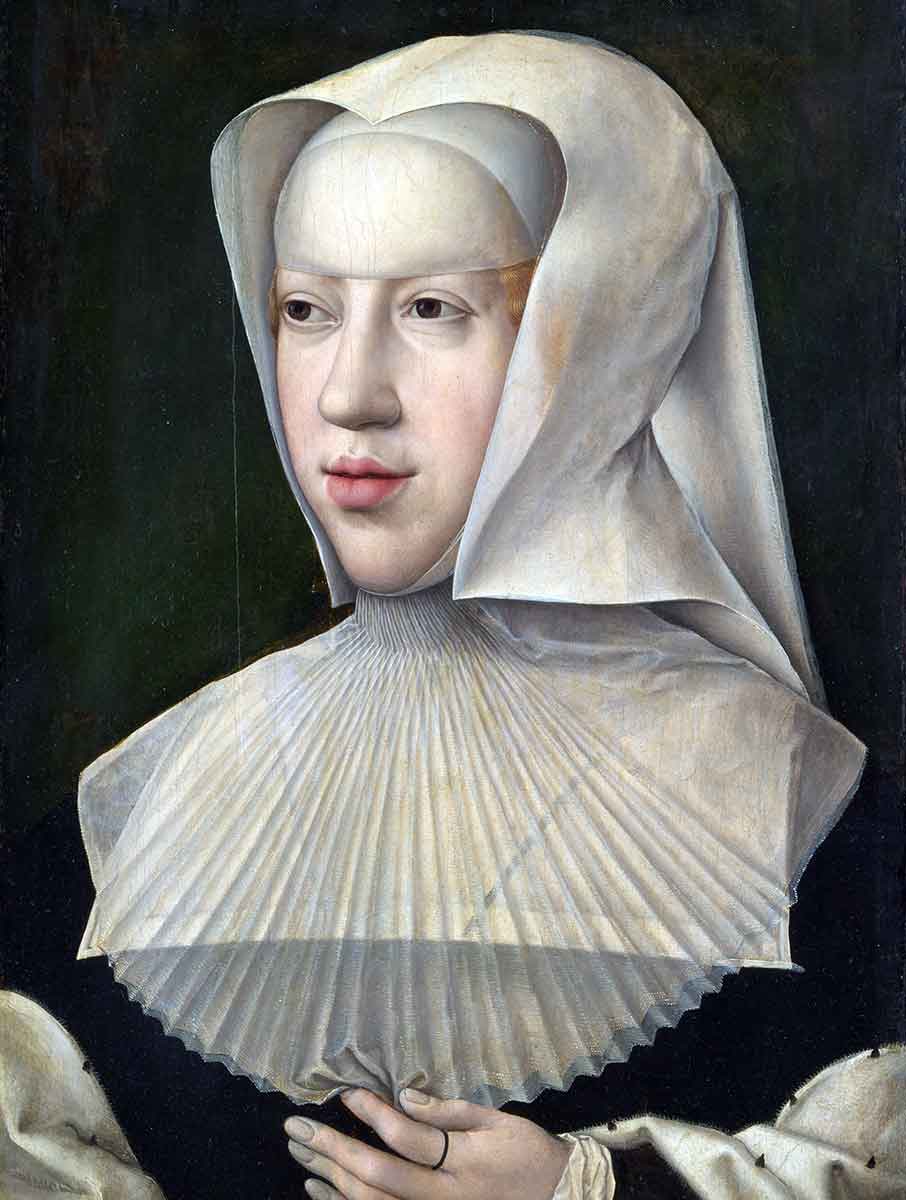
Margaret of Austria (1480-1530) was the daughter of the Holy Roman Emperor Maximilian I (1459-1519) and Mary of Burgundy. Born a Habsburg princess, she was pawned several times in notorious engagements (nicknamed the toddler queen of France, once engaged to the infant king) and widowed twice. She chose not to remarry and instead used her status to build a robust political career, serving as Regent of the Habsburg Netherlands and reigning from her Mechelen court as a talented diplomat and administrator for her nephew, King Charles V (1500-1558).
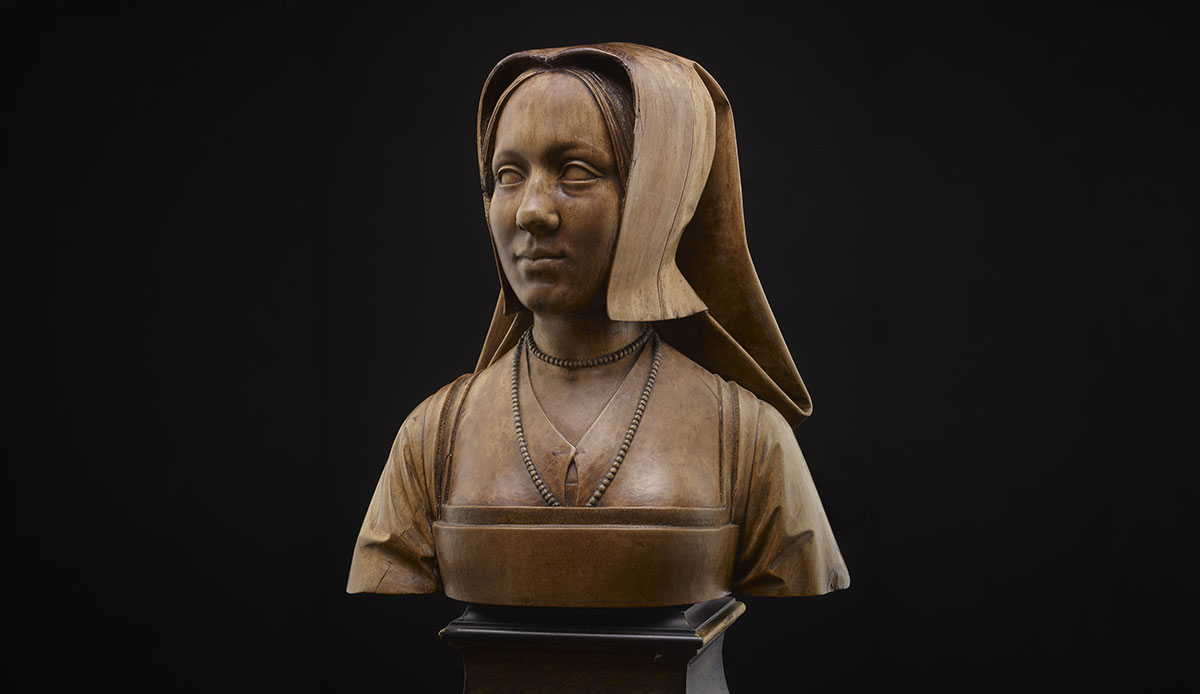
Margaret adorned her Mechelen residence with a sophisticated collection of New World artifacts, manuscripts, paintings, and sculptures. She also owned more than 100 tapestries, which during the late Middle Ages were deemed to be the most valuable and high-priced form of art.
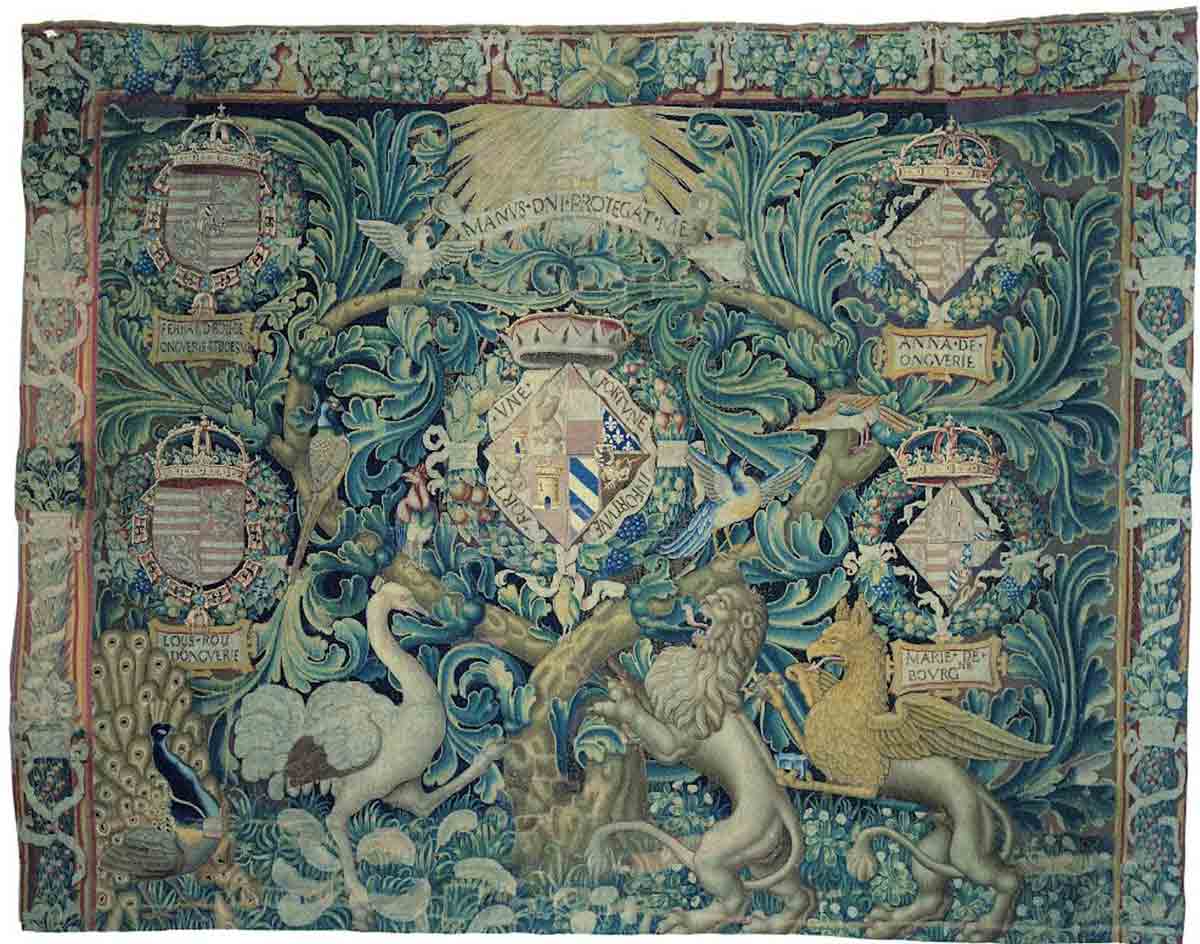
Her inventories carry handwritten notes that comment on the quality of the artworks, proving her close involvement in curating her collection. Through the Habsburg connection, a large part of her inventory ended up in the Prado Museum in Madrid. Margaret of Austria famously owned the Arnolfini Portrait and another painting by Jan van Eyck that is now lost.
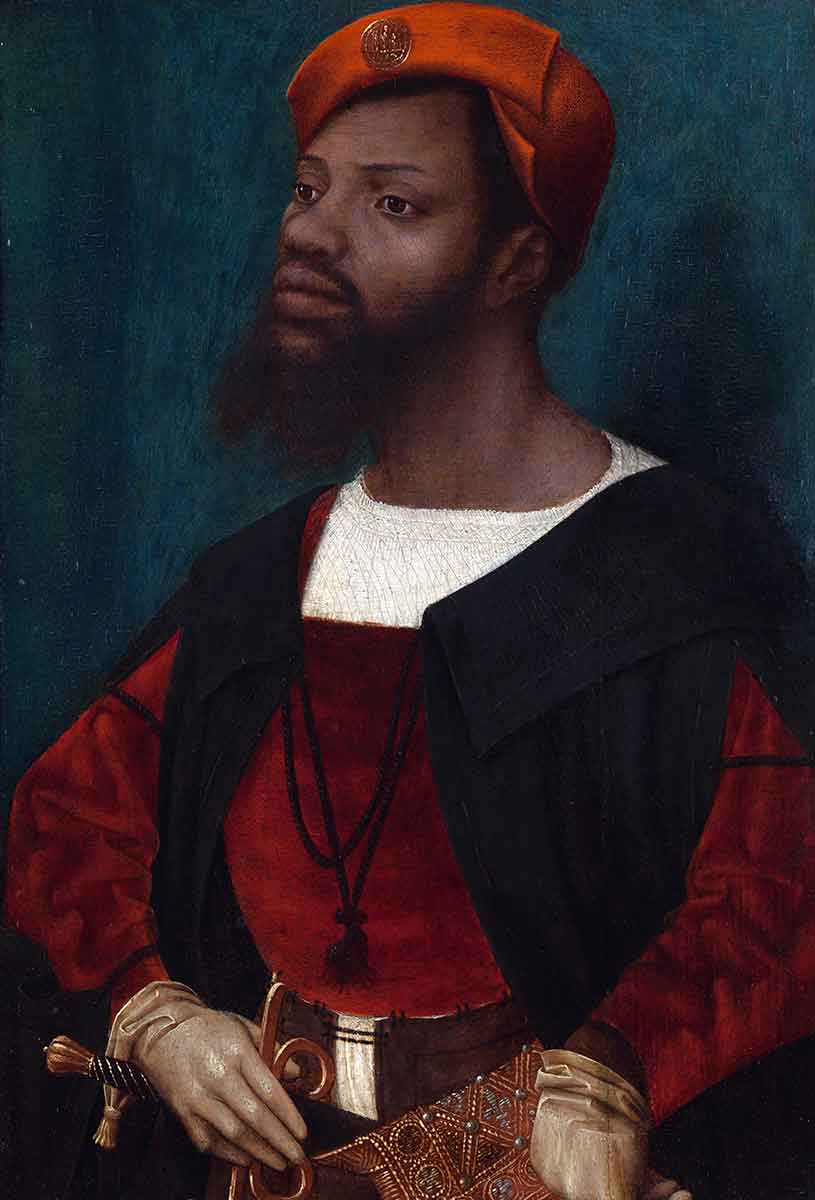
She also possessed the earliest known European portrait of a Black African man, authored by Jan Mostaert. The regentess was equally fond of many prominent Northern Renaissance artists, such as Rogier van der Weyden and Joos van Cleve. Remarkably, Hieronymus Bosch’s Saint Anthony hung in her bedroom.
3. A Glutton for Art – Queen Catherine the Great
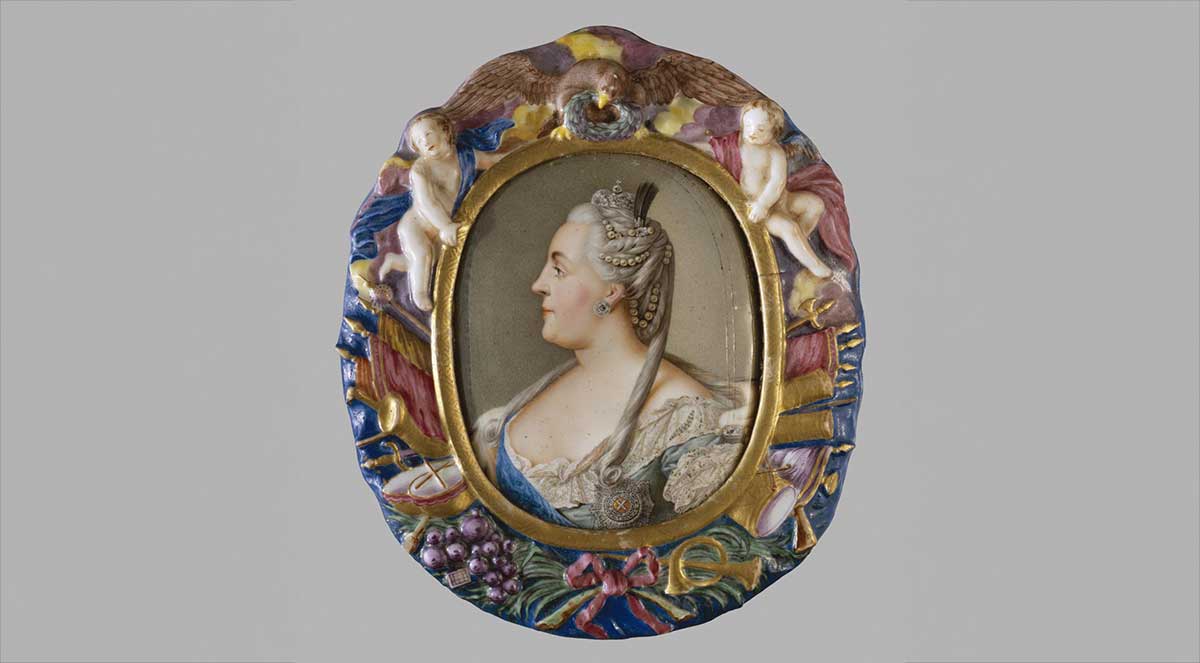
Catherine the Great’s (1729-1796) massive collection, turned later into the Hermitage Museum, was meant to elevate Russia’s status from a peripheral culture to a high-brow European power. The German-born Catherine became the queen of Russia in 1762, after a coup d’etat against her husband, Peter III. Inspired by Enlightenment ideas, she used her power to turn her adopted country into a real political and cultural powerhouse, competing with Paris and Rome.
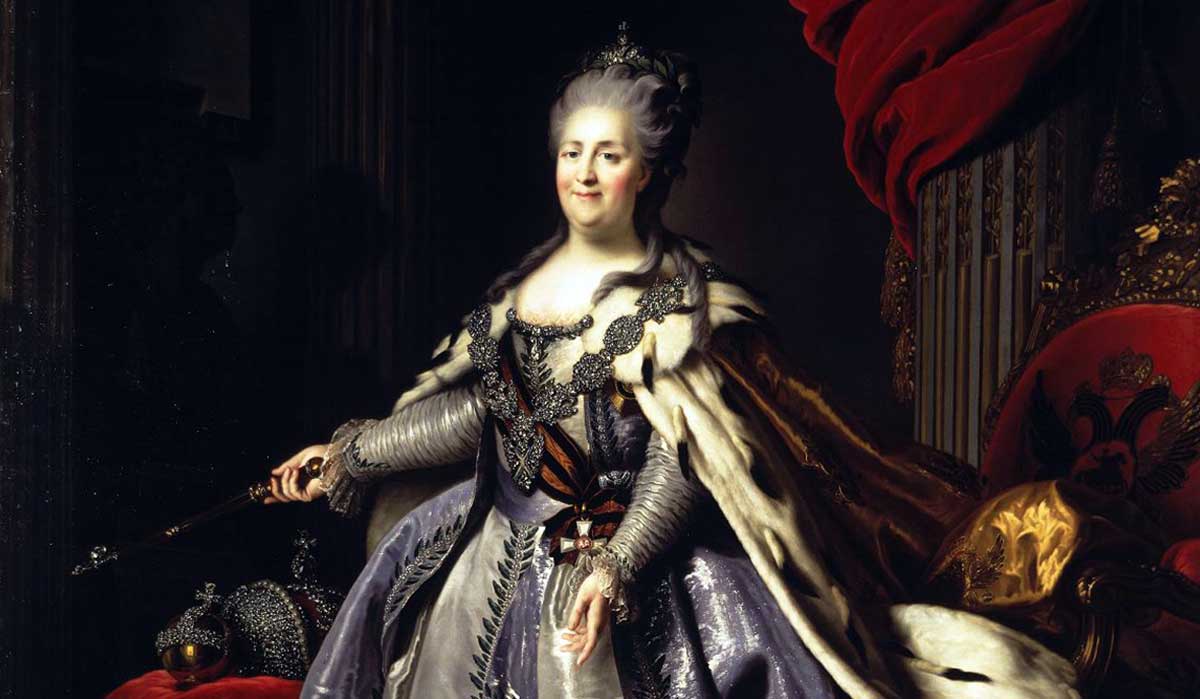
The Small Hermitage, her palace, was brimming with art. Catherine assembled more than 4,000 paintings and 10,000 drawings. Liberal in thought, she preferred classical themes to religious ones. In order to assemble her collection, Catherine employed several agents and art traders. One of the biggest purchases she made was the collection of Sir Robert Walpole, Britain’s first prime minister and an avid fan of Dutch Old Masters by the likes of Rembrandt and Frans Hals.
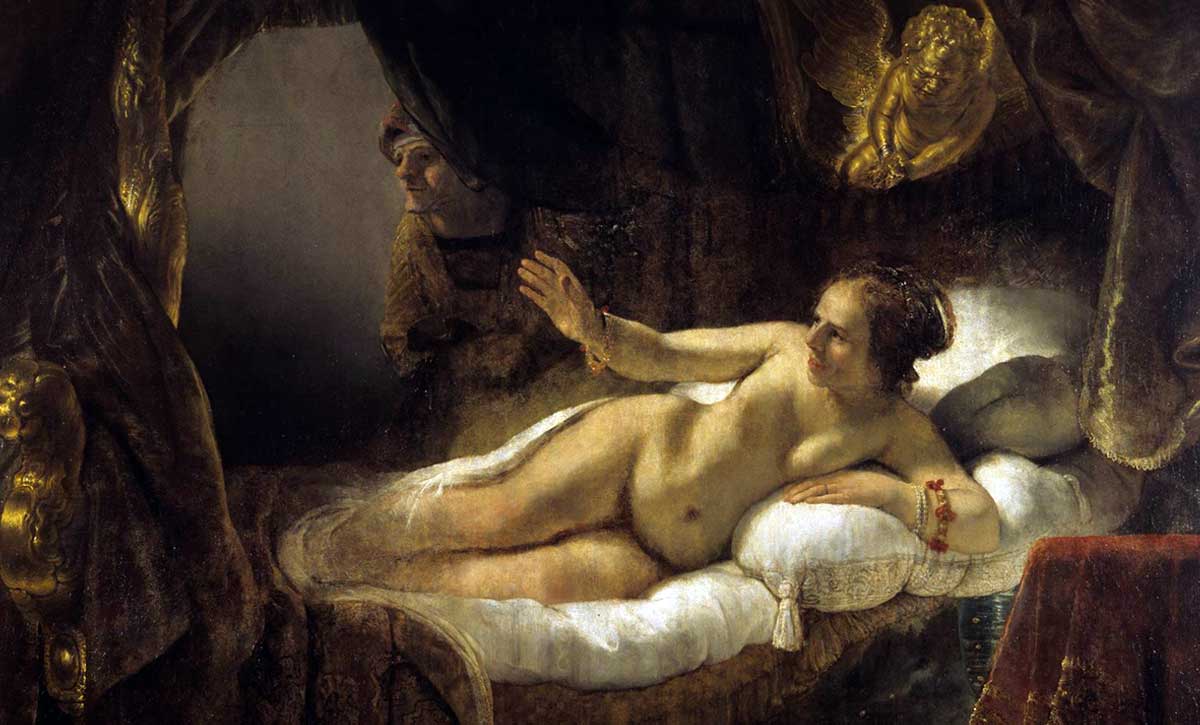
British people deemed the transaction of more than 200 fine paintings a theft and a raid on national treasures. In 1764, she opened the Small Hermitage gallery to the public, celebrating another massive acquisition of Flemish and Dutch paintings. With the help of a Berlin financier, she bought the estate of the bankrupt king Frederick the Great of Prussia (1712-1786).
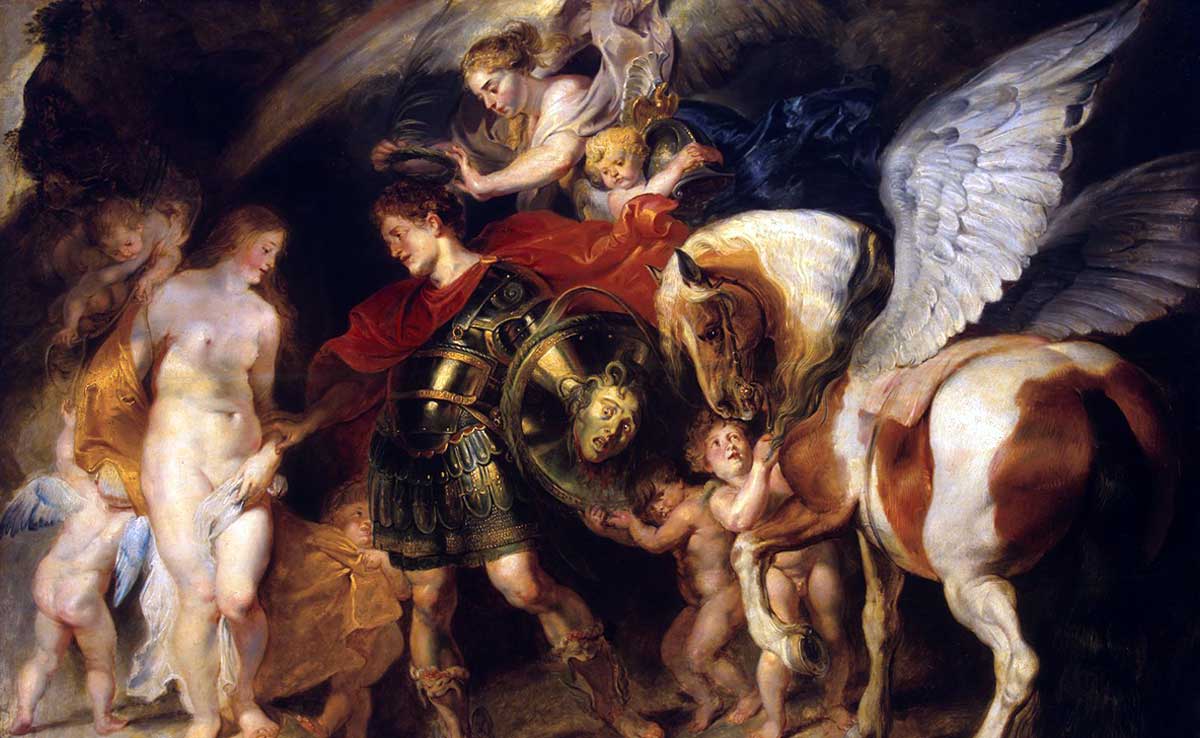
Such was her strategy: searching for prominent collections of financially challenged aristocrats and stacking her inventory in bulk. In Paris, she got her Raphaels and Titians from a banker. In Brussels, she got masterpieces by Rubens and Anthony van Dijk. Catherine was also a patron of living artists. She commissioned artworks from Sir Joshua Reynolds and Élisabeth Vigée-Lebrun. Today, her collection fills the Hermitage Museum in St. Petersburg, the palace of splendor she built to house her vast reservoir of art.
4. Isabella Stewart Gardner — Intercontinental Patron of the Arts
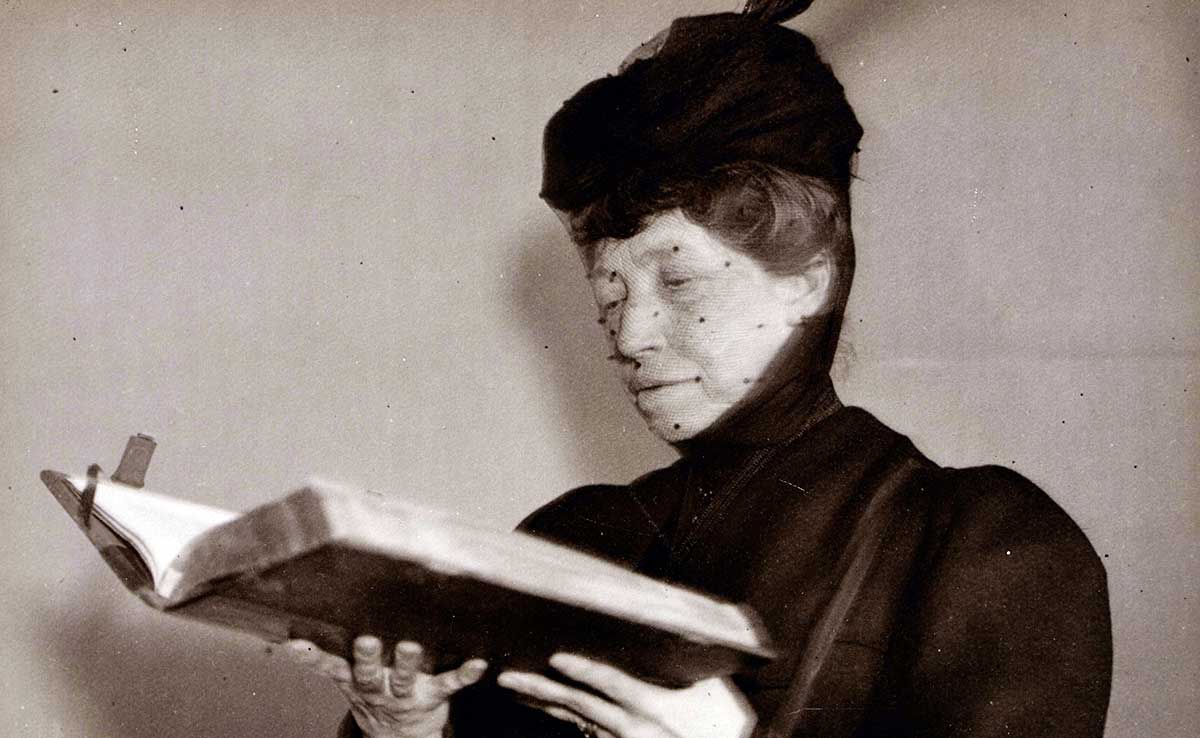
Isabella Stewart (1840-1924) was born into a wealthy family from New York. Her marriage to John Gardner at the age of 20 heralded a life of philanthropy and art patronage, culminating in the founding of the Isabella Stewart Gardner Museum in Boston. After struggles with childbearing, the couple began a long series of travels across Asia, the Middle East, and, above all, Europe. Their most beloved destination was Venice. This was the start of Isabella’s preoccupation with art. Back home, she began taking courses in literature and art history at Harvard and became friends with a fellow student, Bernard Berenson.
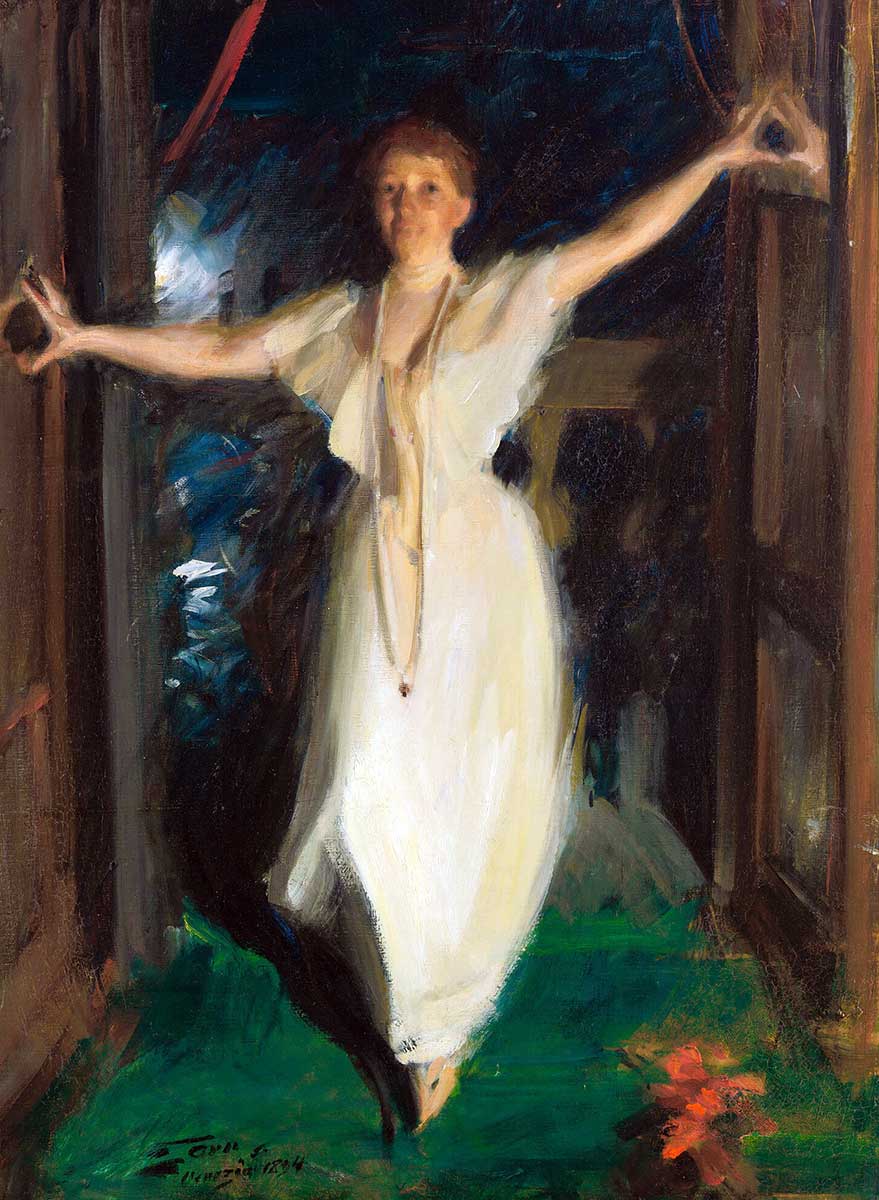
When Isabella and Jack started collecting art in the 1890s, their aspiration was to someday build a museum. This plan was put in action by a tragic turn of events: the premature death of John Gardner in 1898. Construction of the museum began in the year after and was completed in 1901. Isabella finally made the collection public in 1903 under a different name than it has today: Fenway Court.
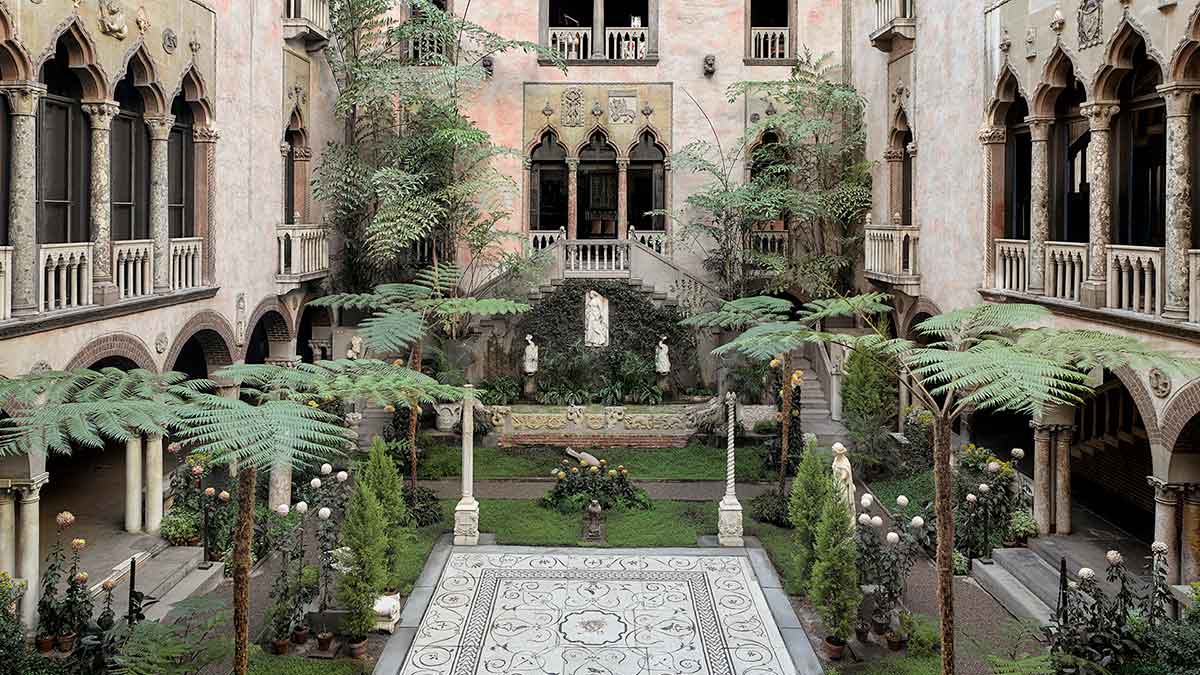
The building was meant to be both a home and a museum, and it was heavily inspired by Venetian Renaissance palazzo architecture with an open-air courtyard. The first three stories hosted the museum, and the fourth floor was the mistress’s residence. Isabella’s patronage and her close-knit collaboration with Berenson had a lasting effect on art history. Their purchases helped place early Renaissance artists such as Fra Angelico and Botticelli in the art canon. A major work in her possession was Titian’s Rape of Europa.
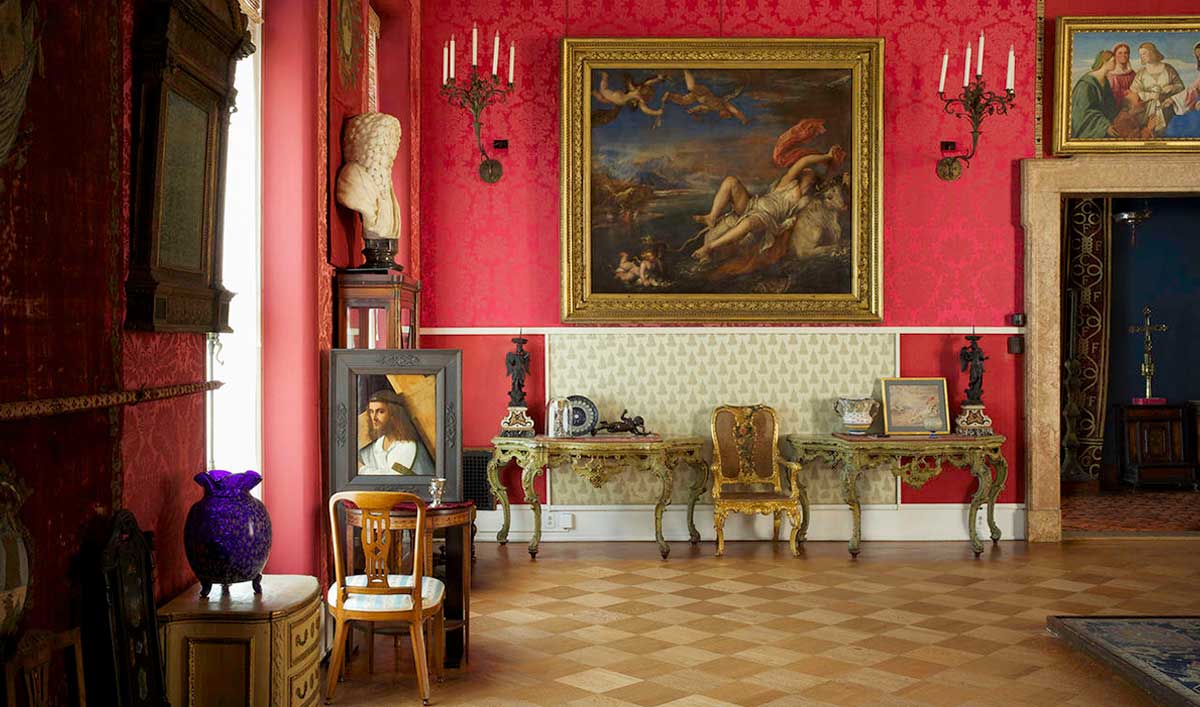
Upon her death in 1924, Isabella stipulated in her will that the permanent display of the museum must remain in place. Until 1990, the fourth floor served as the residence of the museum’s directors. That year, when Anne Hawley took office and decided to break off this tradition, the museum was robbed.
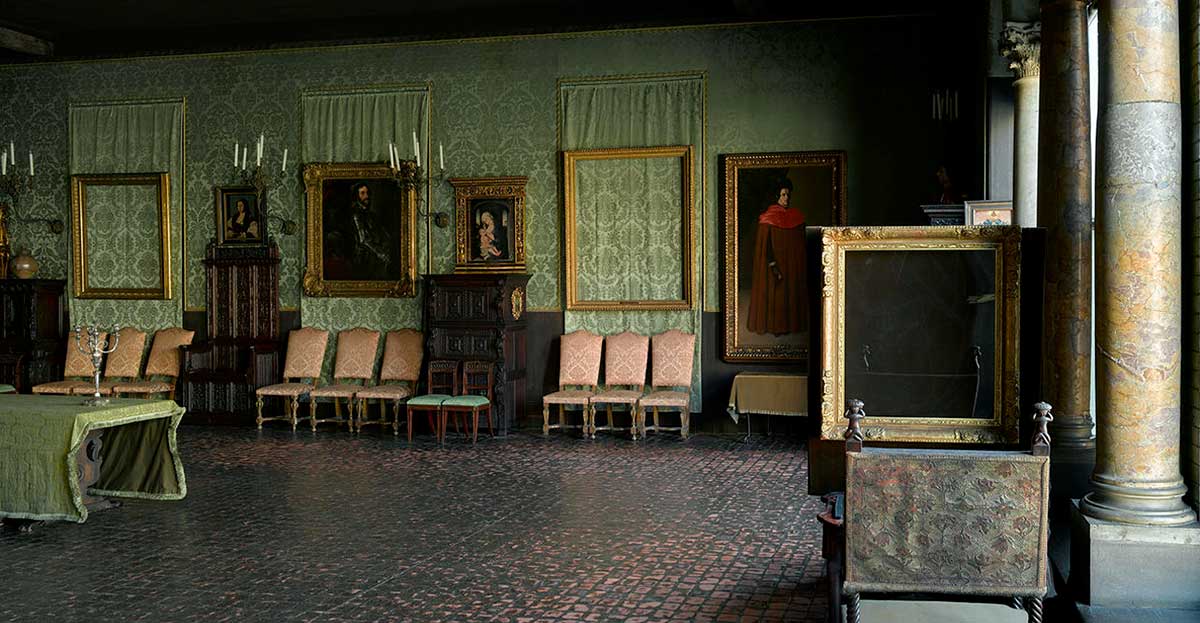
The theft of the 13 artworks, cut from their frames, remains unsolved to this day. To emphasize the loss, the museum has decided to leave the empty frames on the walls.
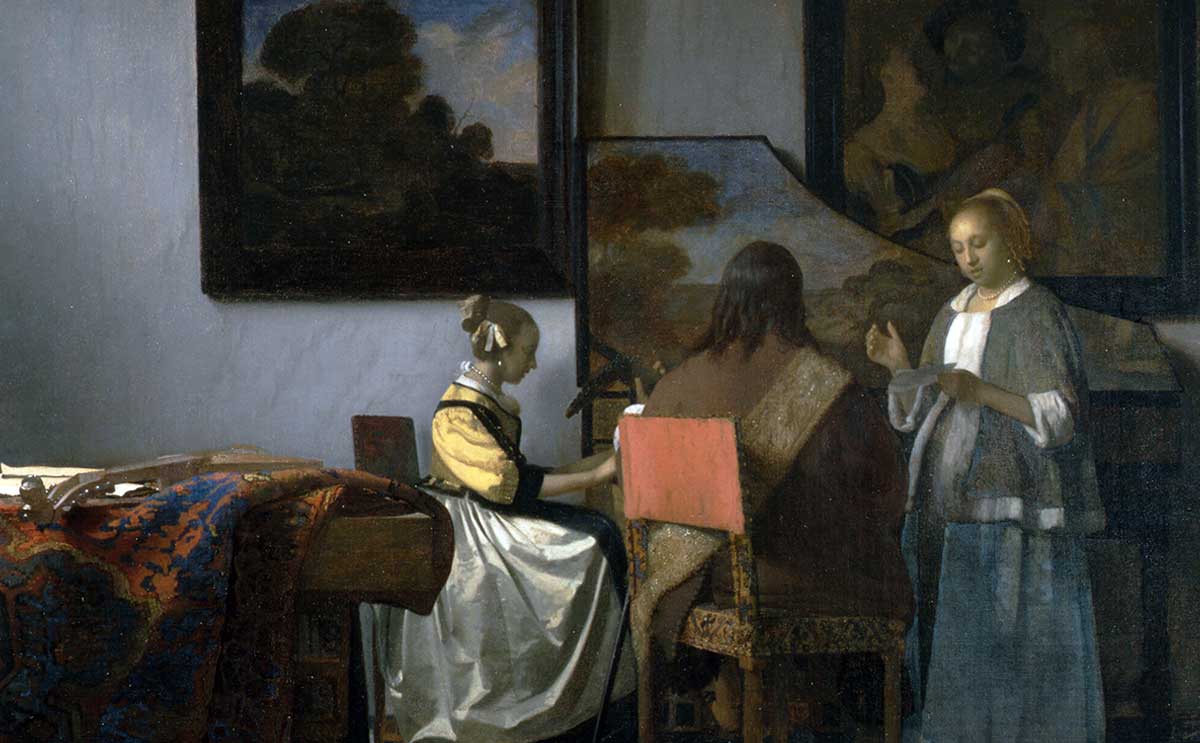
Among the stolen items was Johannes Vermeer’s Concert, one of only 34 paintings attributed to his hand.
5. Helen Clay Frick — A Gilded Age Art Critic
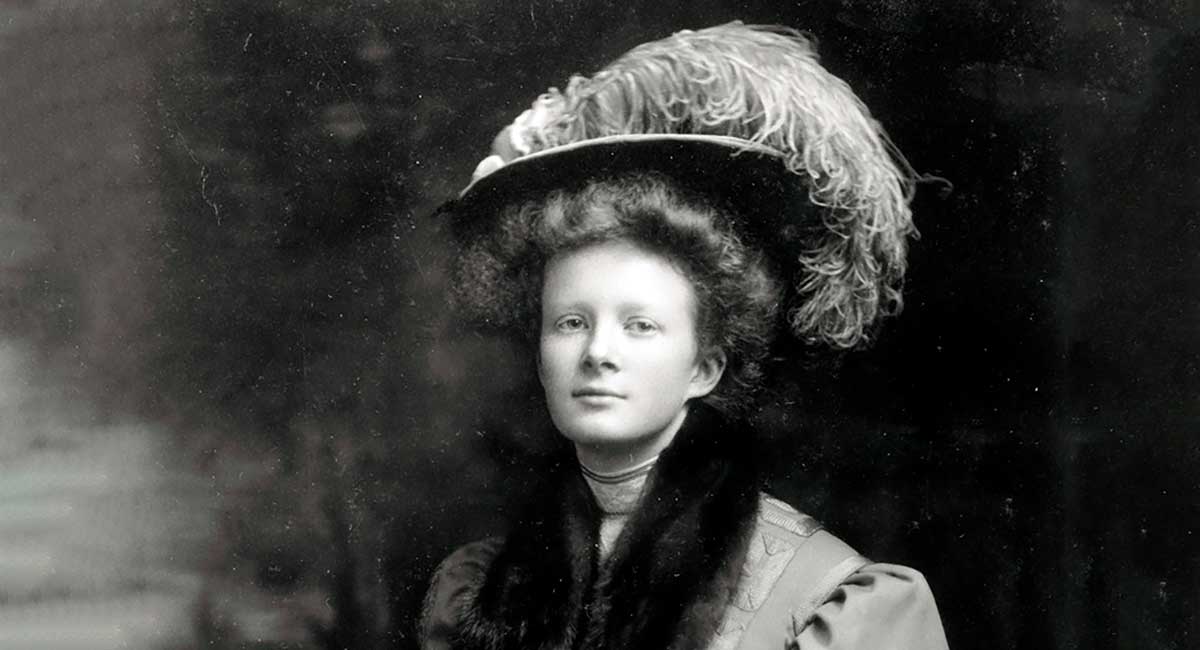
When we think of the Frick Collection, one of New York’s finest museums, we tend to associate its foundation only with Henry Clay Frick (1849–1919), the Pittsburgh magnate who financed the acquisition of most artworks. While her father built the nucleus of the collection, it was Helen Clay Frick (1888–1984) who helped turn it into the public cultural institution we know today. Helen grew up in a turbulent environment shaped by her father’s notorious role in the steel industry, repeated attempts on his life linked to labor unrest, and her mother’s severe depression.
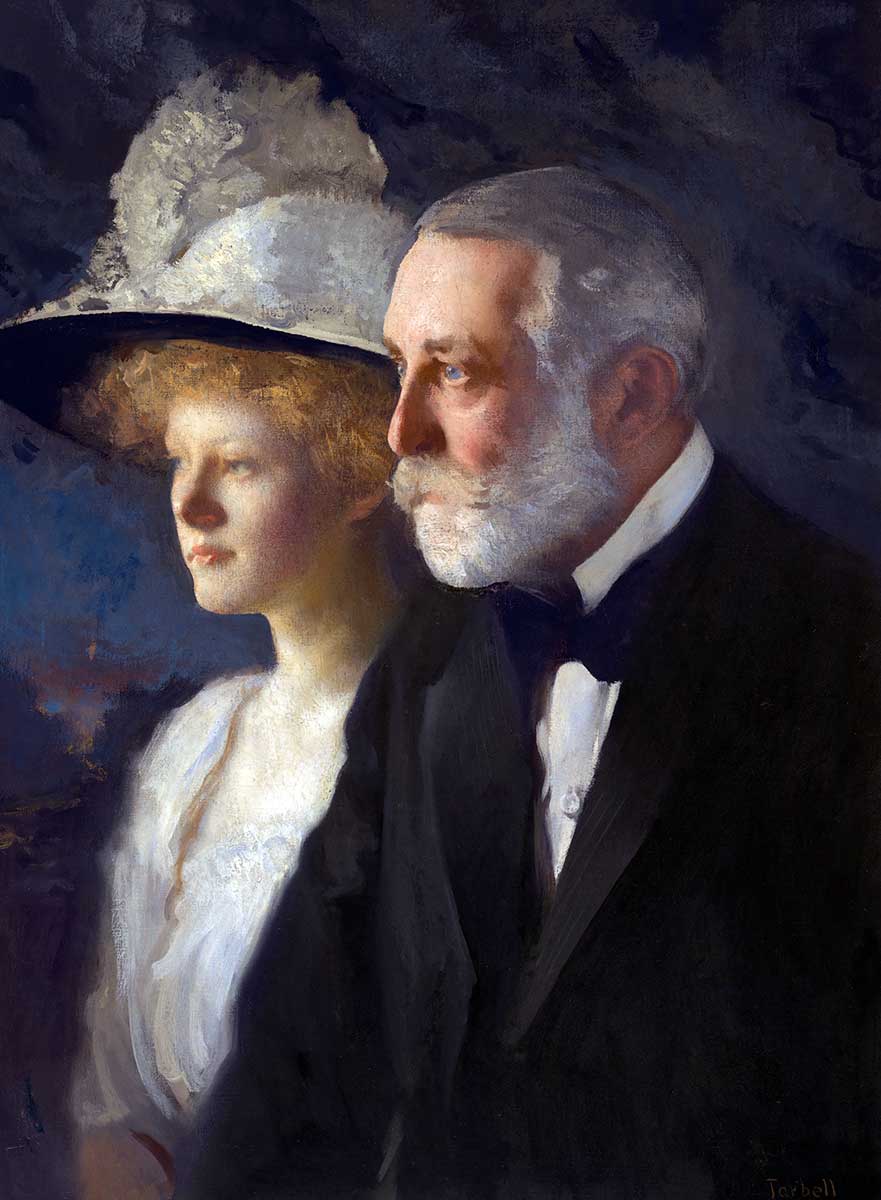
In between tragedies, she built her education and, before the age of 17, had already traveled to Europe nine times. During these trips, she assisted her father in his collecting campaigns, training her art critic eye from a very early age. By 21, she had already created a two-volume catalogue of the family collection. Upon her father’s death, she became one of the trustees of the estate and inherited $38 million, becoming the richest single woman in the United States.
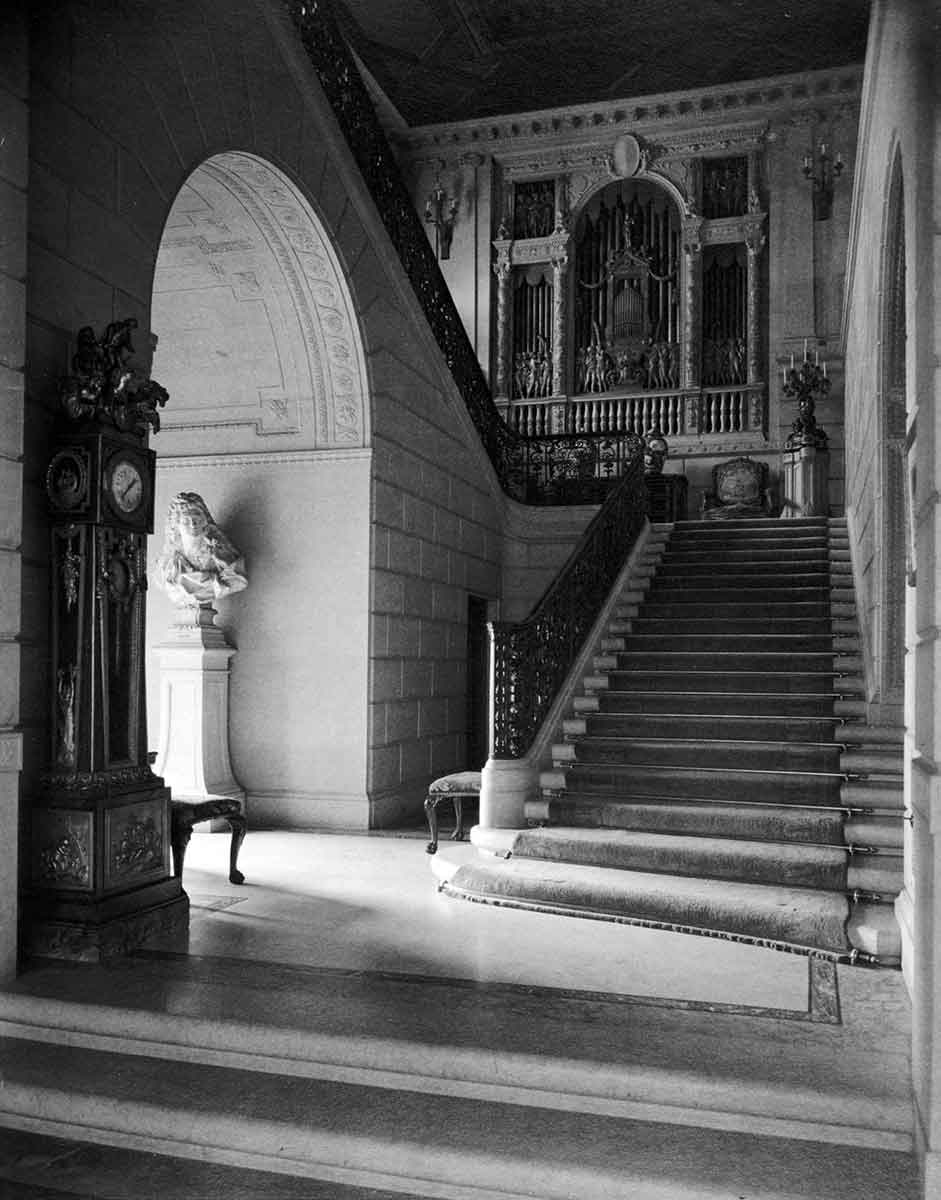
Helen remained unmarried and dedicated her life to the fight for social welfare and animal protection. She also had a deep concern for art and research. In 1920, she was already involved in the administration of the collection, founding the Frick Art Reference Library, meant to support research of the masterpieces the family owned.
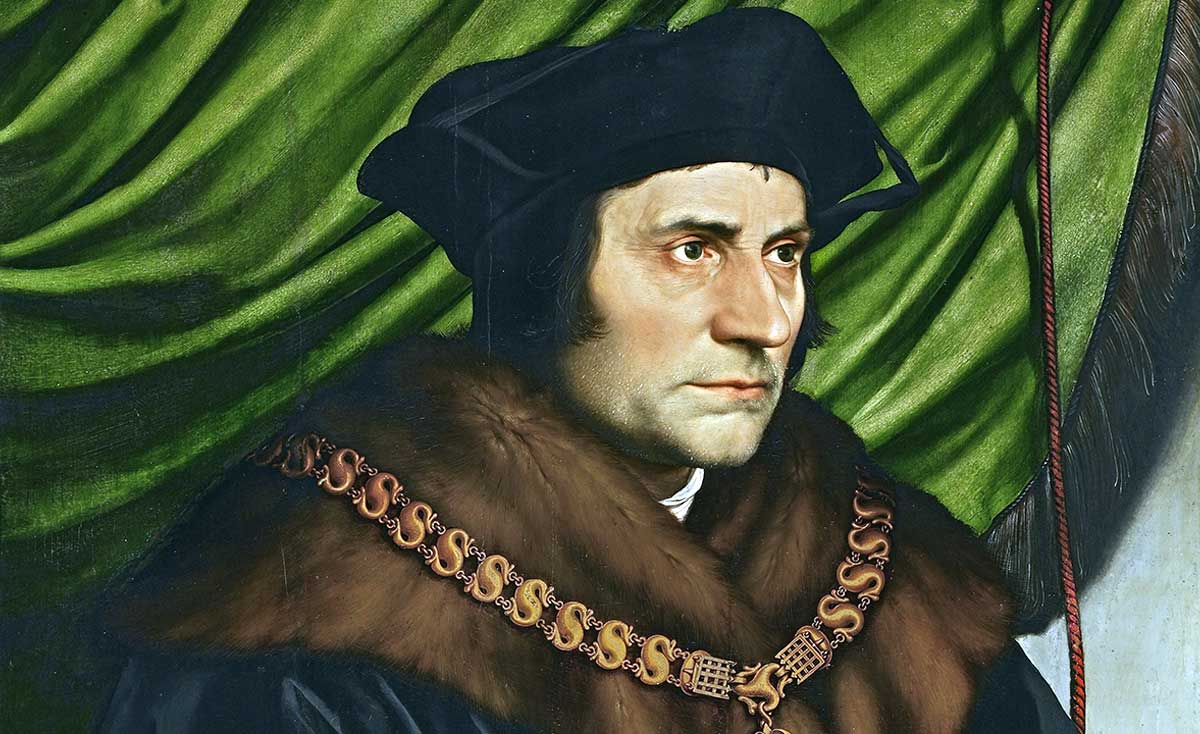
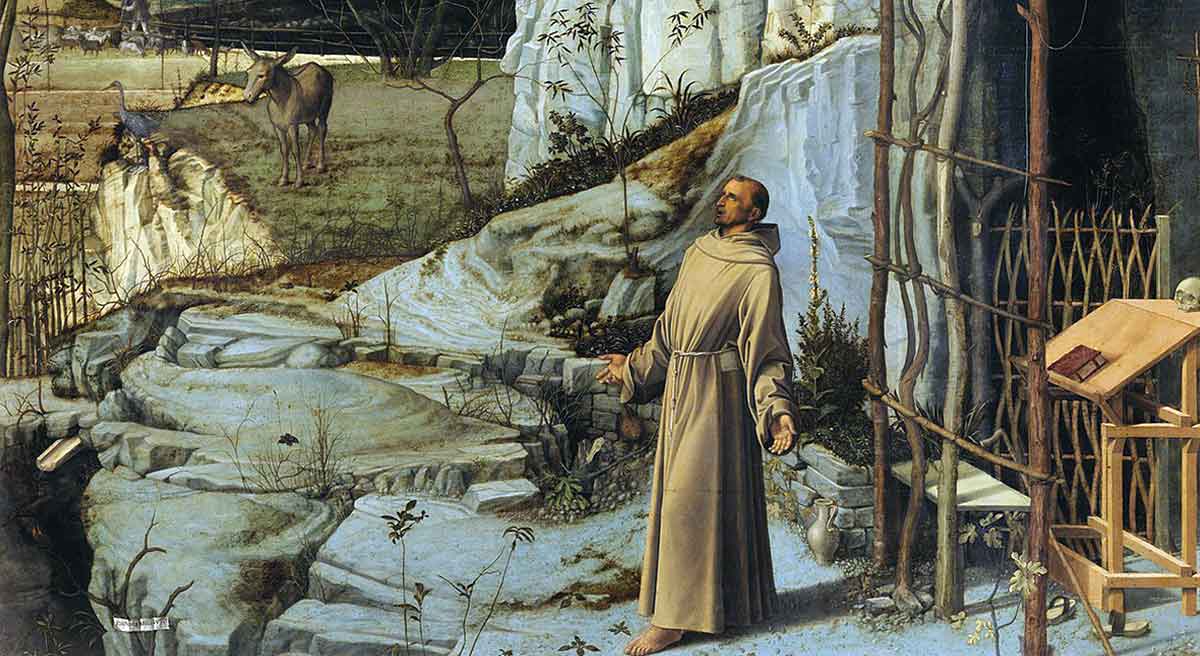
Moreover, she was the main advisor concerning acquisitions of new art, building towards her museum plans. Works by Hans Holbein, Giovanni Bellini, Rembrandt, Goya, Ingres, and Monet were added to the inventory thanks to her keen eye. The museum became public in 1935.
She lived until the age of 96 and was a lifetime director of the Frick Art Reference Library, her most beloved project. Helen was also the force behind the foundation of the Frick Pittsburgh Museum.