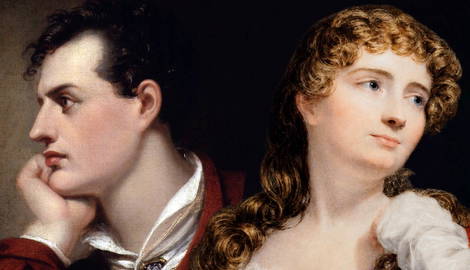

Although they never even formally identified themselves as a group, the Romantic poets in early-19th-century English literature have cast a collective spell over readers for generations. Traditionally comprising six core poets—William Wordsworth, Samuel Taylor Coleridge, William Blake, Lord Byron, Percy Shelley, and John Keats—the Romantics gave us some of the best-loved poetry in English, as well as leading tantalizingly unconventional lives. These men, along with numerous larger-than-life figures with whom they intersected, have long been the targets of thorny mythologies. Time to untangle a few.
1. Lord Byron Was the First Vampire
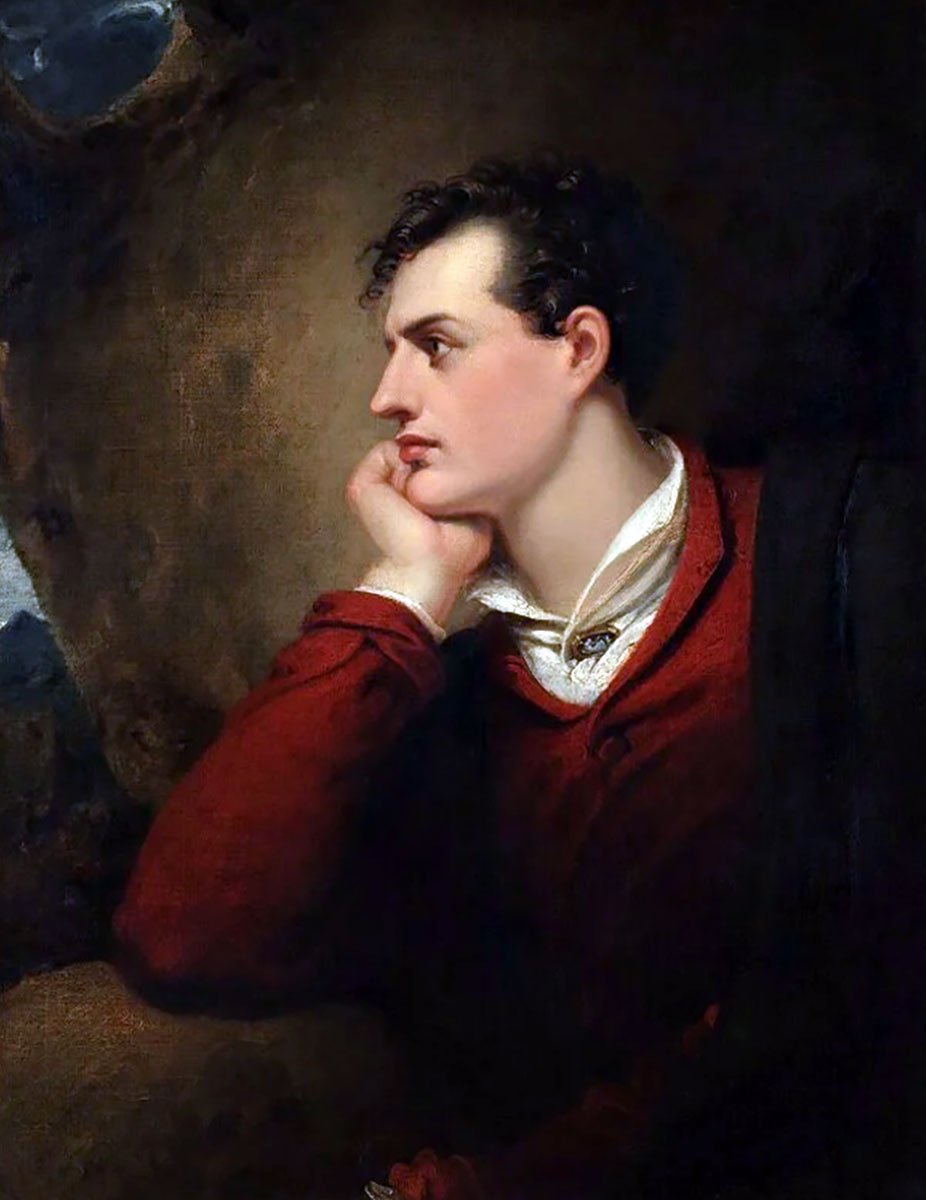
This one is quite obviously a myth. Vampires, in some shape or form, long predate the poet George Gordon, Lord Byron (born in London in 1788) in the folklore of several cultures, including the Slavic, Celtic, Aztec, and West African. Of course, Byron was not the first, nor was he a vampire at all.
Yet an association sprang up between vampires and this famously “mad, bad, and dangerous to know” poet for a few reasons. (The phrase is attributed to his lover Lady Caroline Lamb.) Before his exile from Britain, Byron lived at his ancestral home, Newstead Abbey in Nottinghamshire.
His family background and childhood were the stuff of Gothic fiction: seafaring adventures, madness, affairs, and abuse abounded. By the time he took up residence at the dusty and dilapidated Newstead, aged 20, he was as disillusioned and prone to withdrawal as many a Gothic protagonist.
Multiple primary sources confirm that he drank from a cup made out of a human skull retrieved from the graveyard at Newstead—a rumor he certainly didn’t discourage by writing the poem Lines Inscribed Upon a Cup Formed from a Skull. A strange practice, to be sure, but still not enough to make one a vampire.
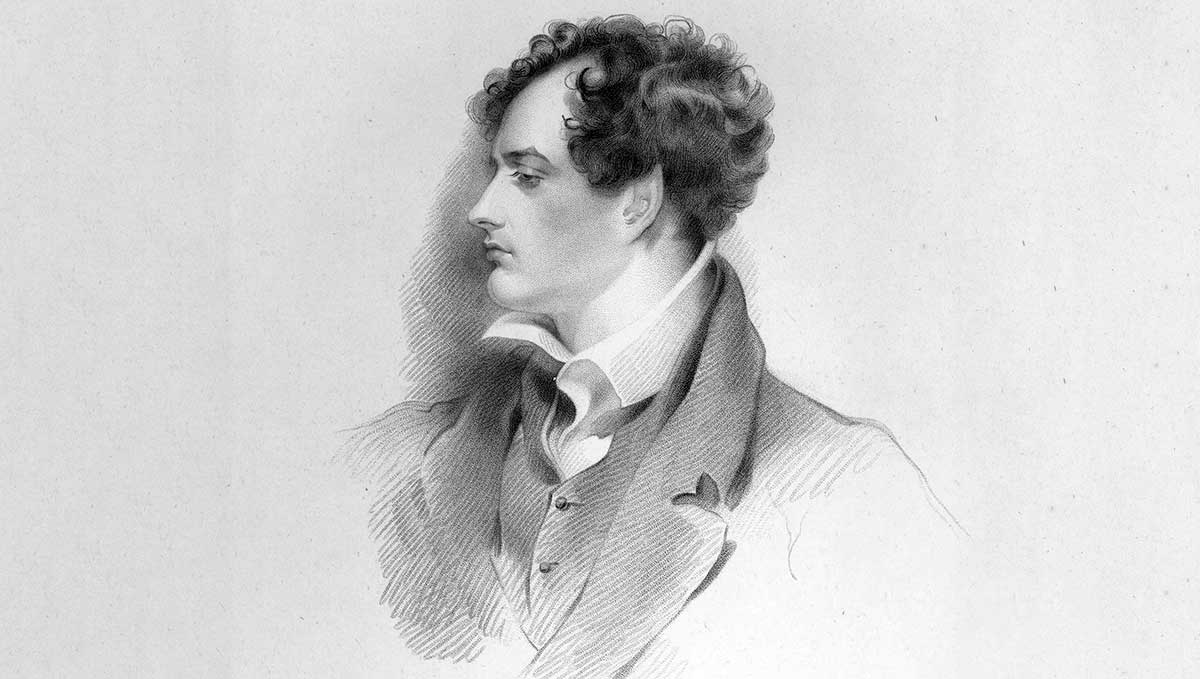
What we can claim is that Byron was the first literary vampire as we know it. During the infamous ghost story contest in Geneva, which led Mary Shelley to write Frankenstein, Byron’s doctor, John Polidori, wrote a story about his patient, which was later published as The Vampyre.
Its central character, the suave, threatening Lord Ruthven, bears more than a passing resemblance to Byron: pale, aristocratic, maintaining an acceptable façade while preying on beautiful high-society women. This image of the vampire has stuck, transforming the creature from its folkloric roots for good.
2. John Keats Was Killed by a Bad Review
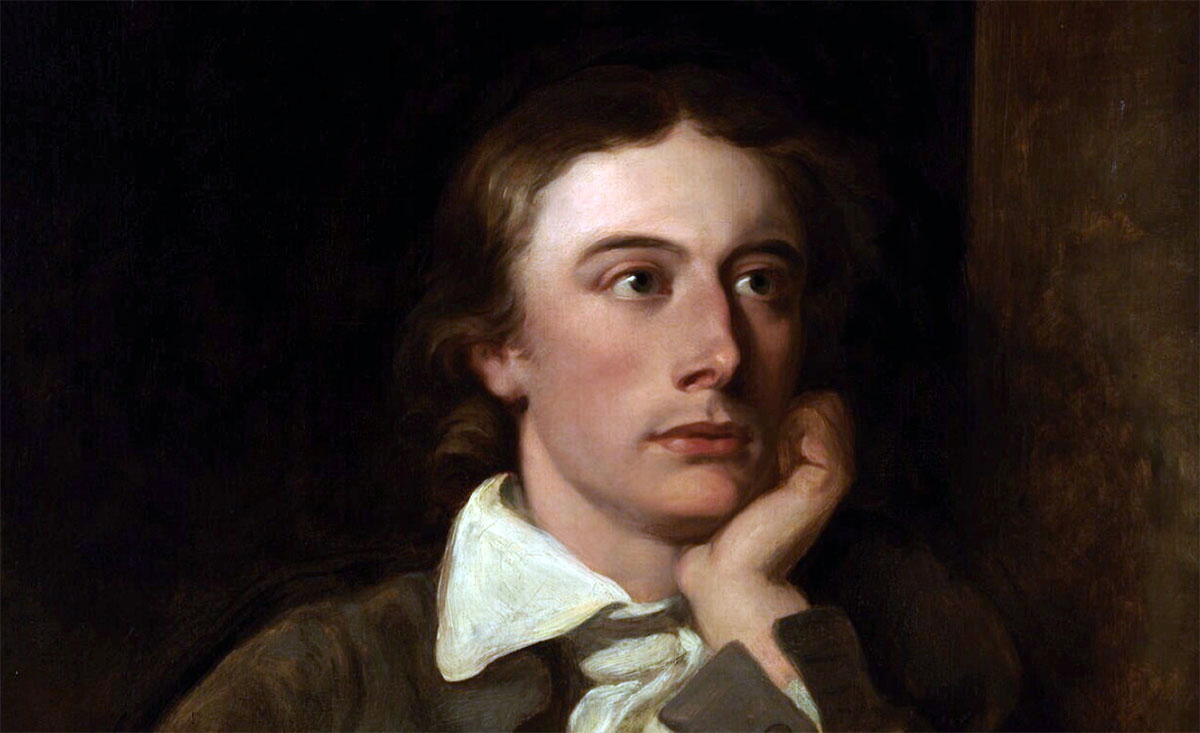
Some of these myths have their roots in scurrilous gossip propagated while the poets were alive. Some sprang up after their deaths, when they were unable to put the record straight, put about by people who never even knew them. In the case of the rumor that Keats died as a result of his poetry being badly reviewed, the rumor mill was set in motion by another Romantic poet: Lord Byron.
It is true that Keats was subject to criticism (from Byron and others) throughout his short poetic career (only five years elapsed between his first published poem, in 1816, and his death in 1821, aged just 25). The more elitist figures in the literary world felt that Keats, orphaned son of a London ostler, lacked the refinement to craft beautiful—or even grammatically correct—poetry. In 1817, Blackwood’s Magazine attacked Keats, along with his politically radical friend Leigh Hunt, as a member of the Cockney School of poetry.
Privately, Byron excoriated Keats’s frequent poetic exploration of dreaming, sleep, and the subconscious, using a vivid masturbatory metaphor: “he is always f—gg—g his imagination.” This might have been particularly galling to Keats had he ever gotten wind of it, since the young poet had modeled himself on Byron, louche unbuttoned shirt and all, early in his career.
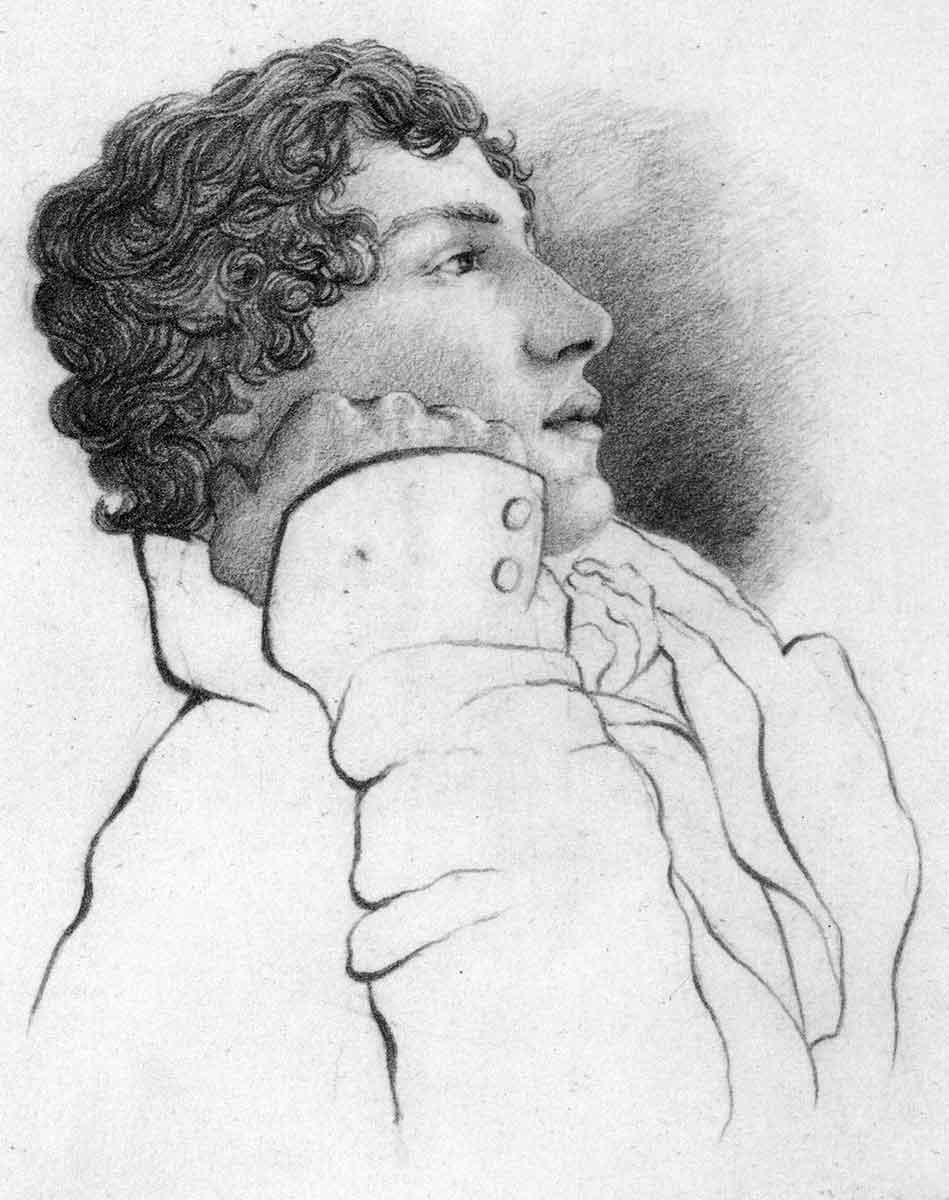
That was 1820. By 1823, when Keats had been dead two years, Byron published the following lines in Canto 11 of his long narrative poem Don Juan:
John Keats, who was killed off by one critique,
Just as he really promised something great […]
Poor fellow! His was an untoward fate:–
‘Tis strange the mind, that very fiery particle,
Should let itself be snuffed out by an Article.
Byron referred to the negative reviews of Endymion (1818), Keats’s first book-length poem, which was labeled “nonsense” and “driveling idiocy” in Tory reviews such as Blackwood’s and The Quarterly Review. Of course, these reviews upset Keats, and (as well as a pragmatic consideration of the difficulties of making money from writing poetry) made him contemplate a return to his former profession in medicine.
Keats’s doctor even advised him to stop writing poetry, such was the mental distress it seemed to be causing him. However, a far more significant factor in his death was tuberculosis, which had killed his mother. Keats nursed his brother Tom when he too succumbed to the disease, and this is likely how he became ill himself. Following the doctor’s orders, he traveled south to take in the Mediterranean air, but died just a few months after arriving in Rome.
Still, even a poet more sympathetic to Keats than Byron fueled the myth. Percy Shelley, who had had a friendly correspondence with Keats and invited him to his house in Pisa when he became seriously ill, wrote the elegy Adonais in 1821. While valiantly and touchingly claiming Keats’s place in the pantheon, Adonais presents Keats as a victim of not tuberculosis, but cruel mortal fame.
3. William Blake Was Tried for Anti-Monarchist Brawling
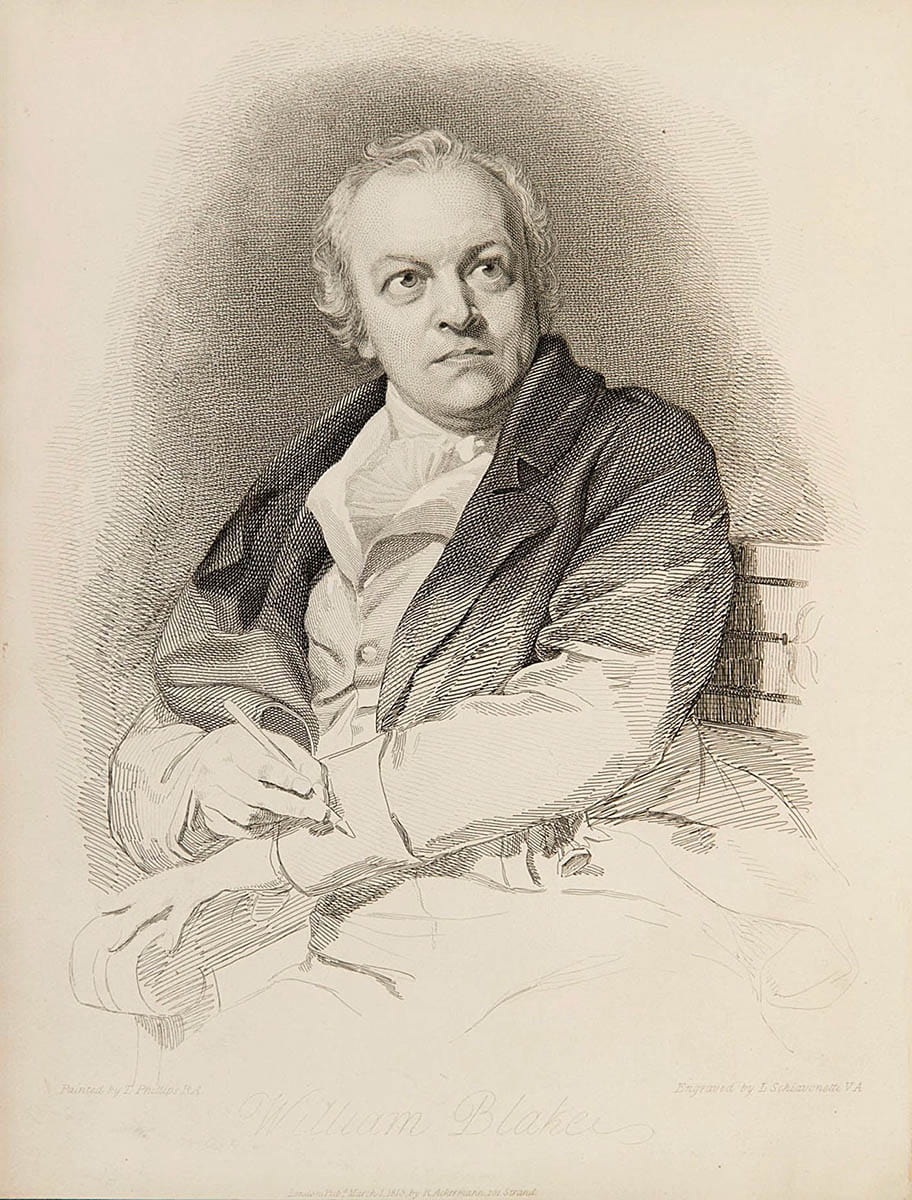
Many Romantic poets remain heroes to anyone interested in radical or progressive political thought: whether Wordsworth for his early support of the French Revolution, Shelley for his endorsement of civil disobedience in The Masque of Anarchy (written in 1819 following the Peterloo Massacre, and containing the line “Ye are many – they are few”), or William Blake for the visionary and anarchist strains in his poetry.
Many will know Blake’s poem London, which decries the deprivation and misery forced on people living side by side with the rich elite; his anti-industrialist invocation of “dark satanic mills” in Jerusalem; or several other poems detailing the hardships of industrial life, especially for children, in the collection Songs of Innocence.
In 1803, an incident occurred that heightened Blake’s reputation as a radical. Blake was at this time living in Sussex with his wife, Catherine. (Their artistically collaborative marriage, along with his writing about true love, which is trammeled by 19th-century marriage conventions, made Blake a champion for advocates of free love from the late 19th century onwards). Finding a British soldier, John Schofield, trespassing, possibly drunkenly, in his garden one day, Blake forcefully ejected him, with a cry—according to Schofield—of “Damn the King. The soldiers are all slaves.”
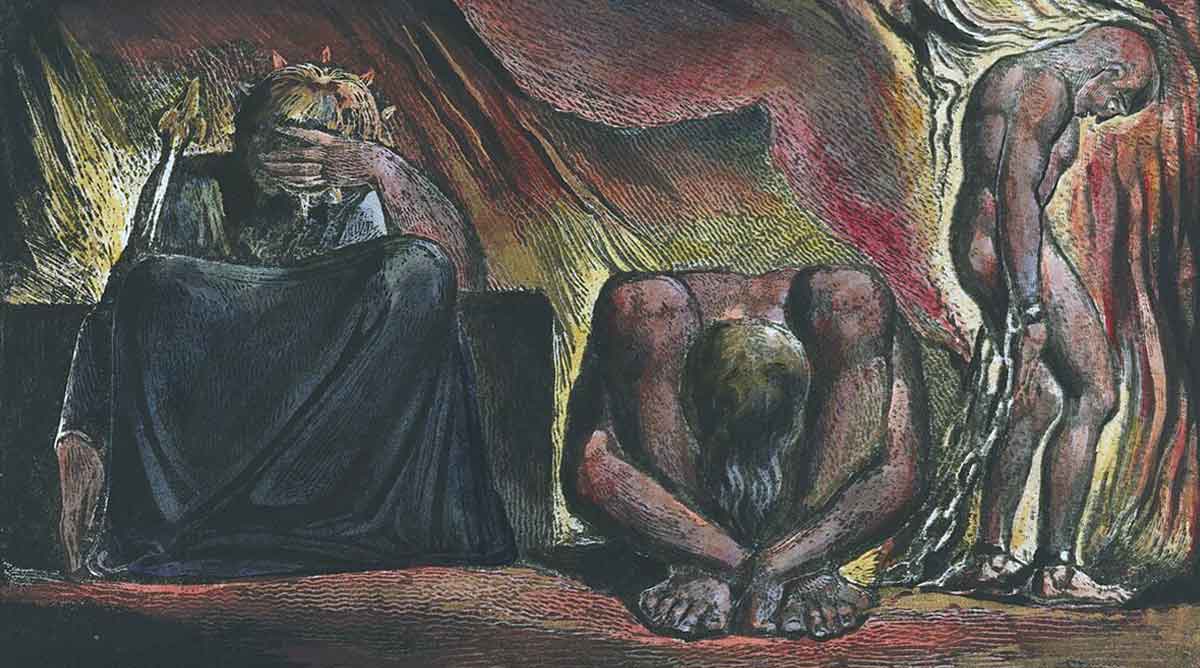
The case went to trial in early 1804, with Blake accused of sedition or inciting revolt. Attacking a soldier and insulting the monarch would have been all the more incendiary at this time, when Britain was at war with France. However, Blake was ultimately acquitted. With no witnesses to the event, it looked as if Schofield might have put words in the poet’s mouth.
Yet the story remains a compelling chapter in Blake’s life because, though spurious, the allegation has a grain of truth: Blake certainly did rail against unjust authority and held strongly pro-abolitionist views. His subsequent poetry touched on wrongful accusers and judges, and one of his drawings for the book-length poem Jerusalem: The Emanation of the Giant Albion (1804-20; Blake and his wife designed and illustrated all of his books themselves) features a character named Skofeld, bent double, in chains.
4. Lord Byron Committed Incest
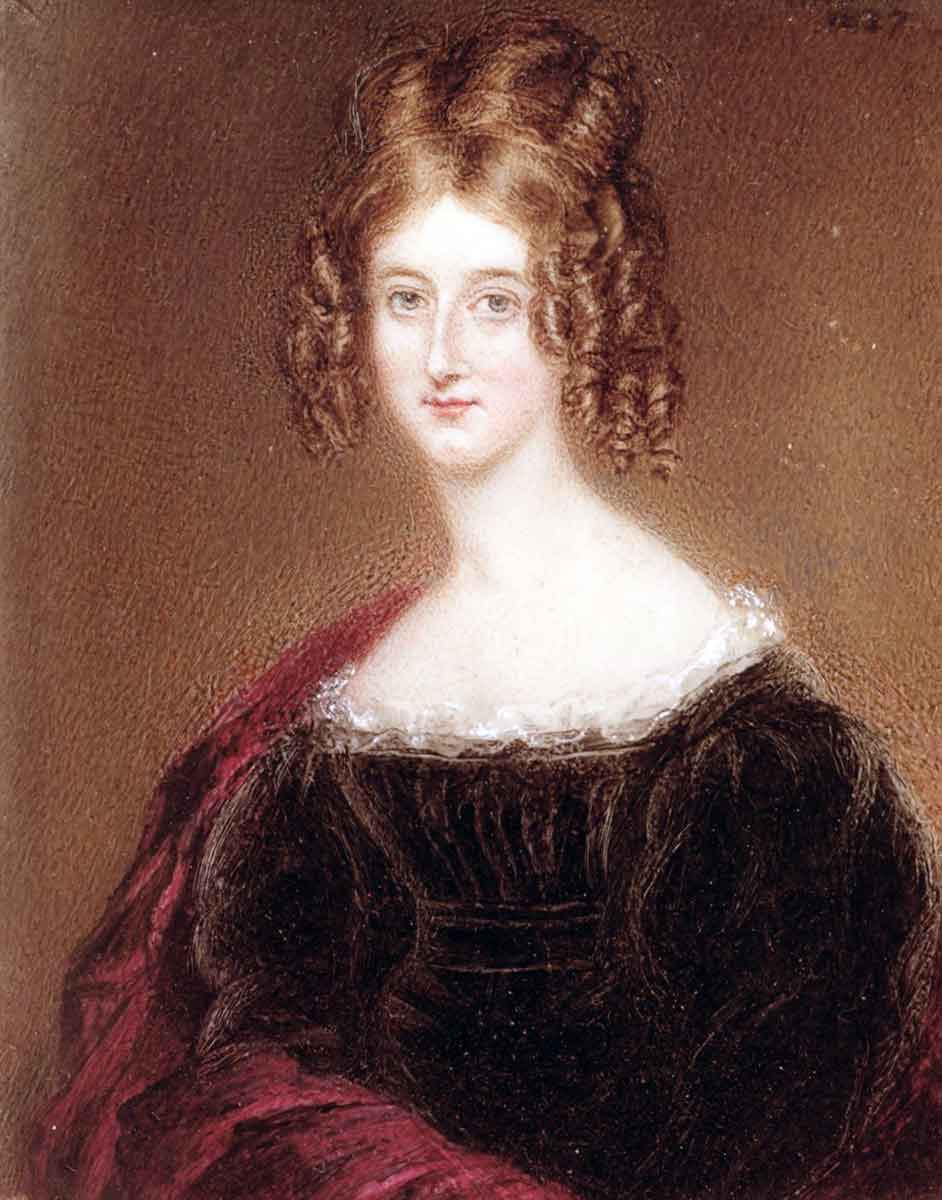
As mentioned above, Byron left Britain in 1816, never to return. It’s fair to say he left under a cloud. Despite being one of the bestselling poets of the period, he was beset with debt. His wife, Annabella, had left him, taking their daughter, Ada (later Lovelace), and accusing him of numerous affairs, marital cruelty, and insanity. Rumors were swirling about an incestuous relationship with his half-sister, Augusta Leigh—his wife even cited this during divorce proceedings.
Many of his wife’s allegations can be proven true. His affair with Lady Caroline Lamb had taken place before his marriage, though after hers. Once married to Caroline’s cousin Annabella, he continued to have affairs with various women, harassed her during her pregnancy, and possibly subjected her to anal sex without her consent (at the time, even consensual anal sex was a crime).
It is worth noting that Byron’s view of love and sexuality was affected by having been sexually abused by women and men, possibly as young as the age of eight. Moreover, Byron had deep romantic and sexual attachments to boys and young men during his education at Harrow and Cambridge. He may have also sought out the Grand Tour, then self-exile in Italy, partly because European mores as regards homosexuality were less restrictive.
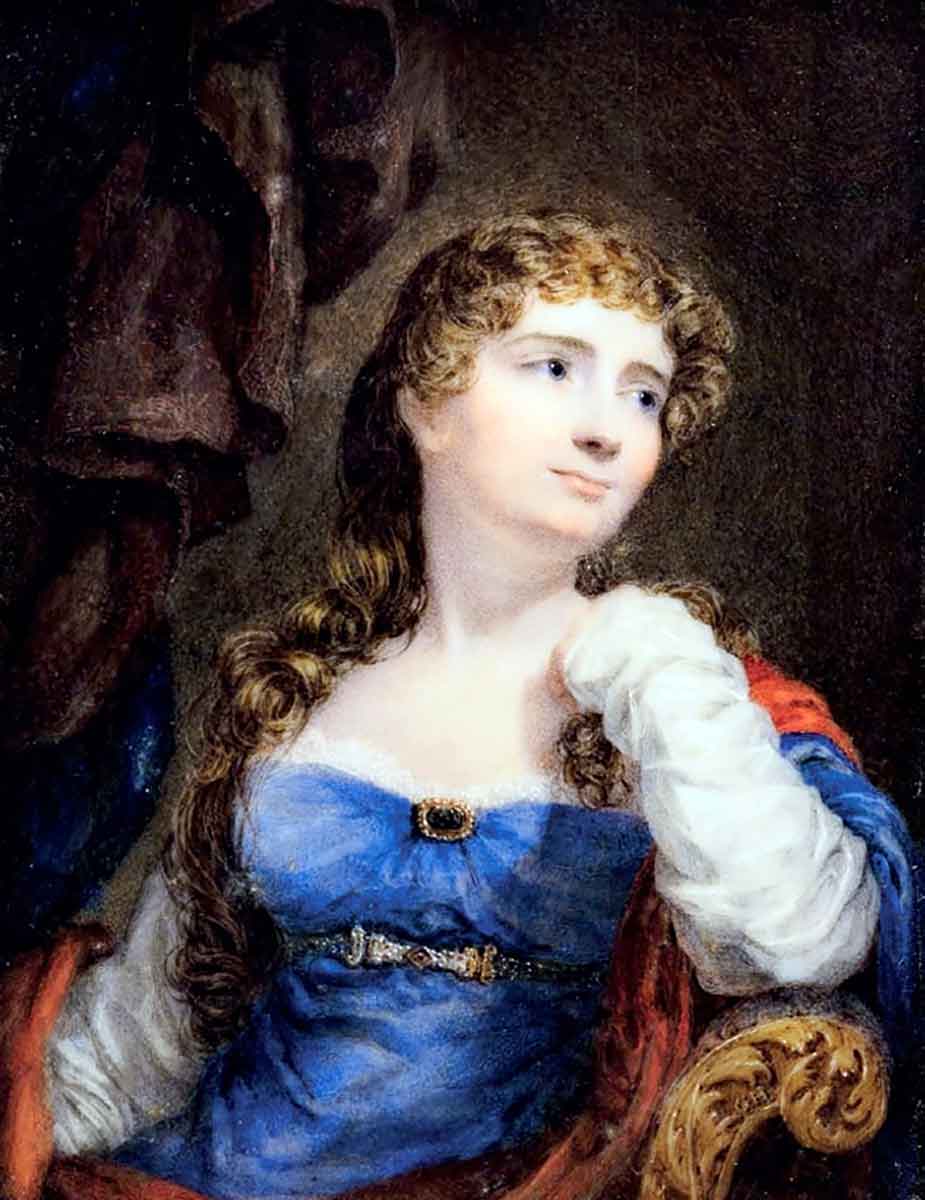
As for Augusta Leigh, we know that they were emotionally close in the couple of years prior to Byron’s marriage to Annabella. Lord Byron would get her invited to social events where the two would withdraw to a quiet corner, heads bowed, absorbed in one another. He also felt she understood him like no one else. It’s possible the relationship went no further. Our source for their having had a physical relationship is Annabella, who sought sufficient grounds to divorce Byron and gain custody of Ada, and whose own source was her cousin Caroline, whose own relationship with Byron had ended badly, to say the least.
Then again, when Augusta gave birth to a daughter in 1814, Byron went immediately to see her and wrote to a friend noting: “it is not an ‘Ape’ and if it is – that must be my fault.” Was Byron referring to the idea that a child born of incest would be deformed? Having grown up with a club foot, he was especially conscious of perceived deformity, and perhaps worried about passing it on to any offspring. Critics remain divided on this myth, some believing Augusta’s daughter to be Byron’s, others arguing that we can only definitively view the relationship as platonic.
5. Mary Shelley Kept the Heart of Her Dead Husband
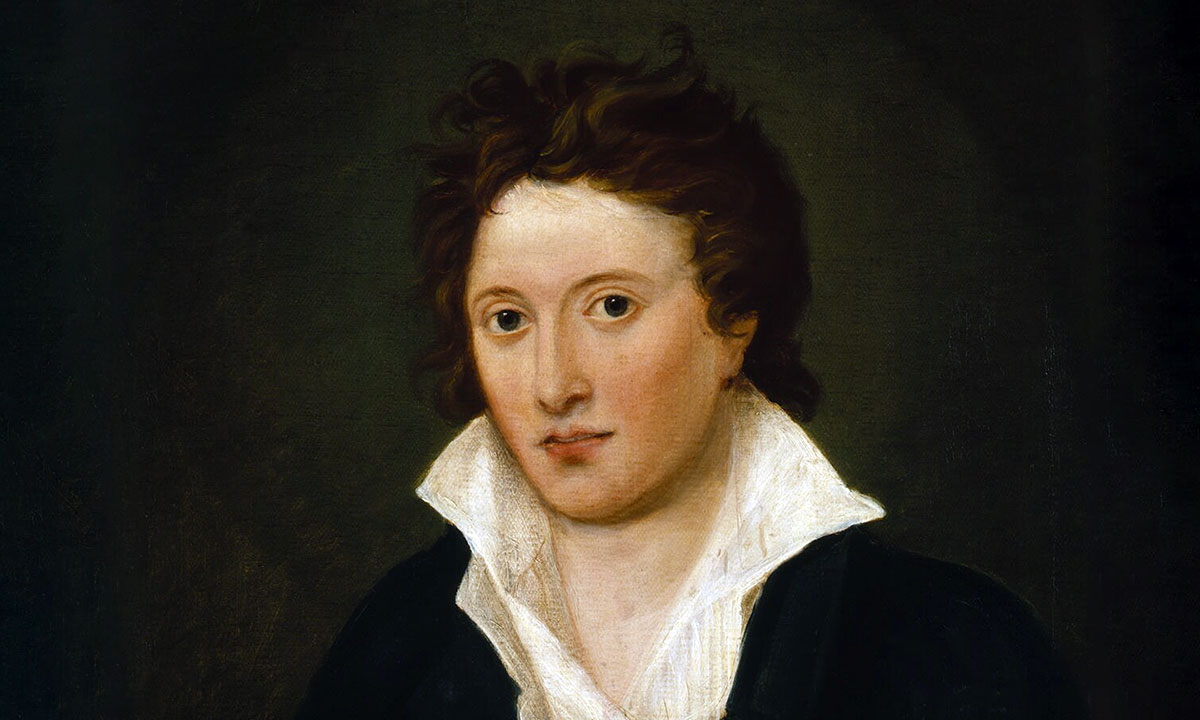
Here we have two myths in one: that Percy Shelley’s heart survived cremation after his drowned body was washed ashore in Italy, and that his widow Mary kept it for the remainder of her life.
Our source for the first is Edward John Trelawny, a somewhat swashbuckling figure who became attached to the Shelleys during their time in Pisa in 1822. (Like Byron, the Shelleys had gone into voluntary exile from Britain to escape debts and family scandal.) Historians have found Trelawny unreliable and prone to exaggeration, but he was undoubtedly close to both the Shelleys and Byron at important periods of their lives.
Some six months after Trelawny met the Shelleys, Percy drowned when his ship, the Don Juan, sank (some say this was because of a storm, while Trelawny puts it down to pirates, something he did know plenty about). When Shelley’s body washed up on the coast near Livorno, Trelawny identified it—allegedly, one identifying factor was a book of Keats’s poetry in his jacket pocket.
Trelawny, Byron, and Leigh Hunt then took care of arrangements for the body’s cremation on the beach at Viareggio (contrary to the painting of the scene by Louis Édouard Fournier, Mary Shelley was not present). Trelawny describes the burning in detail—though the exact details differ across his various accounts—and crucially claims that, after Byron and Hunt had left him alone by the fire, he reached inside and took out Shelley’s heart.
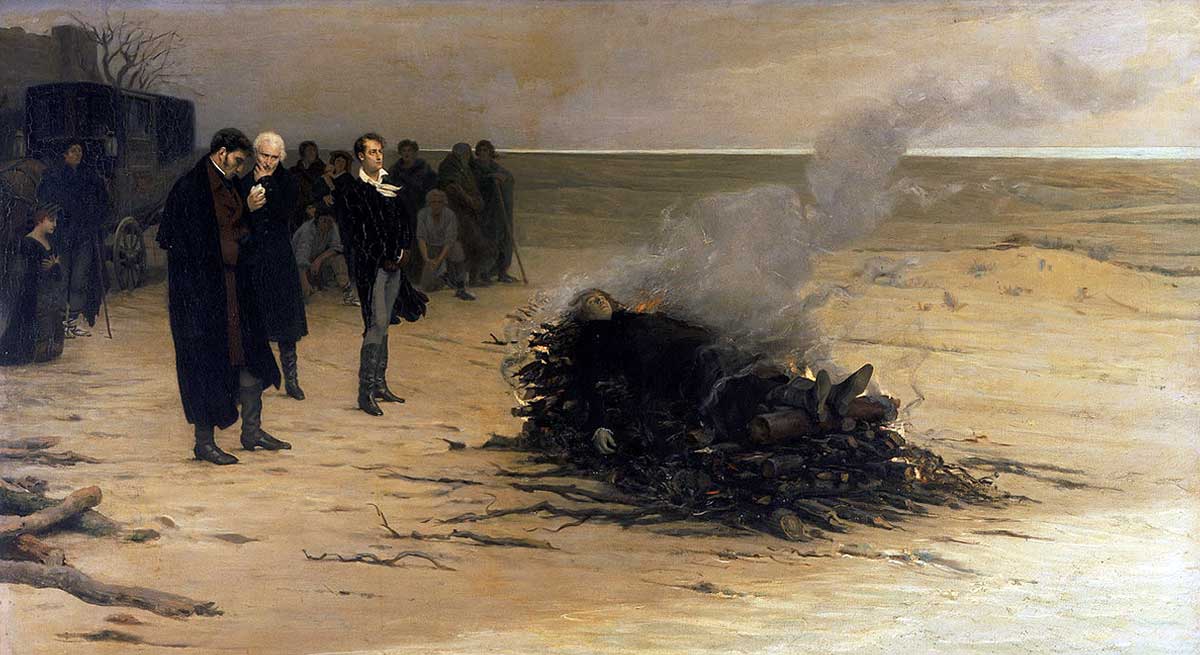
According to Trelawny, the heart “was still perfect” and “would not burn,” even as Shelley’s bones were being reduced to ashes, some three hours into the cremation. Such a miracle was certainly a tantalizing idea for those looking to sanctify the poet after his untimely death.
Some speculate that his heart had calcified as a result of earlier tuberculosis, though scientists have cast doubt on this. Others suggest that it was his liver, fortified by the drowning process. Still others believe that Trelawny lied about how far into the cremation he reached into the flames and took out the heart, to aggrandize the story’s remarkability—perhaps it was earlier, when the heart was indeed intact.
Yet the second part of the myth is more certain. Whatever Trelawny pulled out of the flames, he gave it to Hunt, who had begged to keep it. Thanks to Byron’s intervention, Mary convinced Hunt to surrender this last token of Shelley (not, in this period, an unusual thing for a loved one to keep). Mary wrapped the heart, or whatever it may have been, in pages from Adonais, Shelley’s paean to the late Keats, and kept it in a box on her desk. This was only found after her death in 1851 and was buried along with her at St. Peter’s Church, Bournemouth.