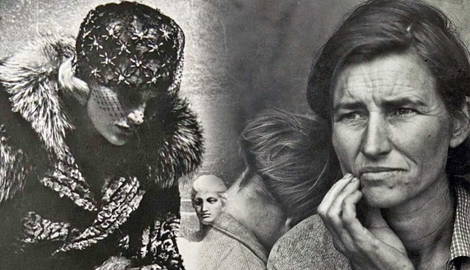

Photography is a relatively new artistic medium compared to others. Nonetheless, it already has a long history full of great names, distinctive styles, and even ethical dilemmas. Photography evolved so fast that we often struggle to truly appreciate the skills of its pioneers, who continue to teach and inspire new creatives. Read on to get familiar with the most influential cameramen and women—from war reporters to fashion photographers.
1. Henri Cartier-Bresson (1908–2004)
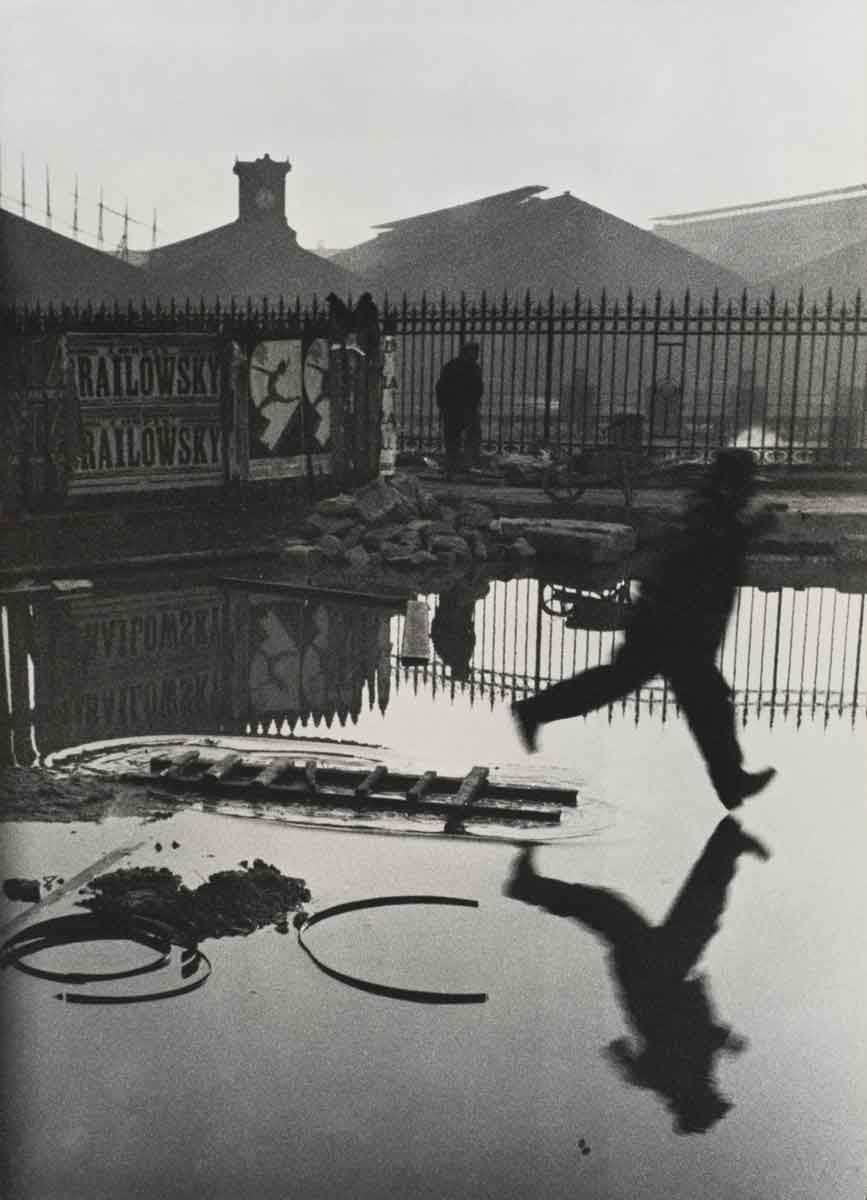
Henri Cartier-Bresson is perhaps the most famous and influential photographer of all time. He laid the foundations for the present-day understanding of photography as both art and a journalistic instrument. Like many of his colleagues and friends, Cartier-Bresson went through all the tragic and significant events of the 20th century with a camera in his hands. He documented Nazi war crimes and studied post-war trauma, recorded the horrors of African colonialism, and even managed to depict life in the post-war Soviet Union, which largely did not allow foreigners. Cartier-Bresson had a strong connection to art and artists, as he created portraits of Henri Matisse, Leonor Fini, Man Ray, and many others.
2. Alfred Stieglitz (1864–1946)
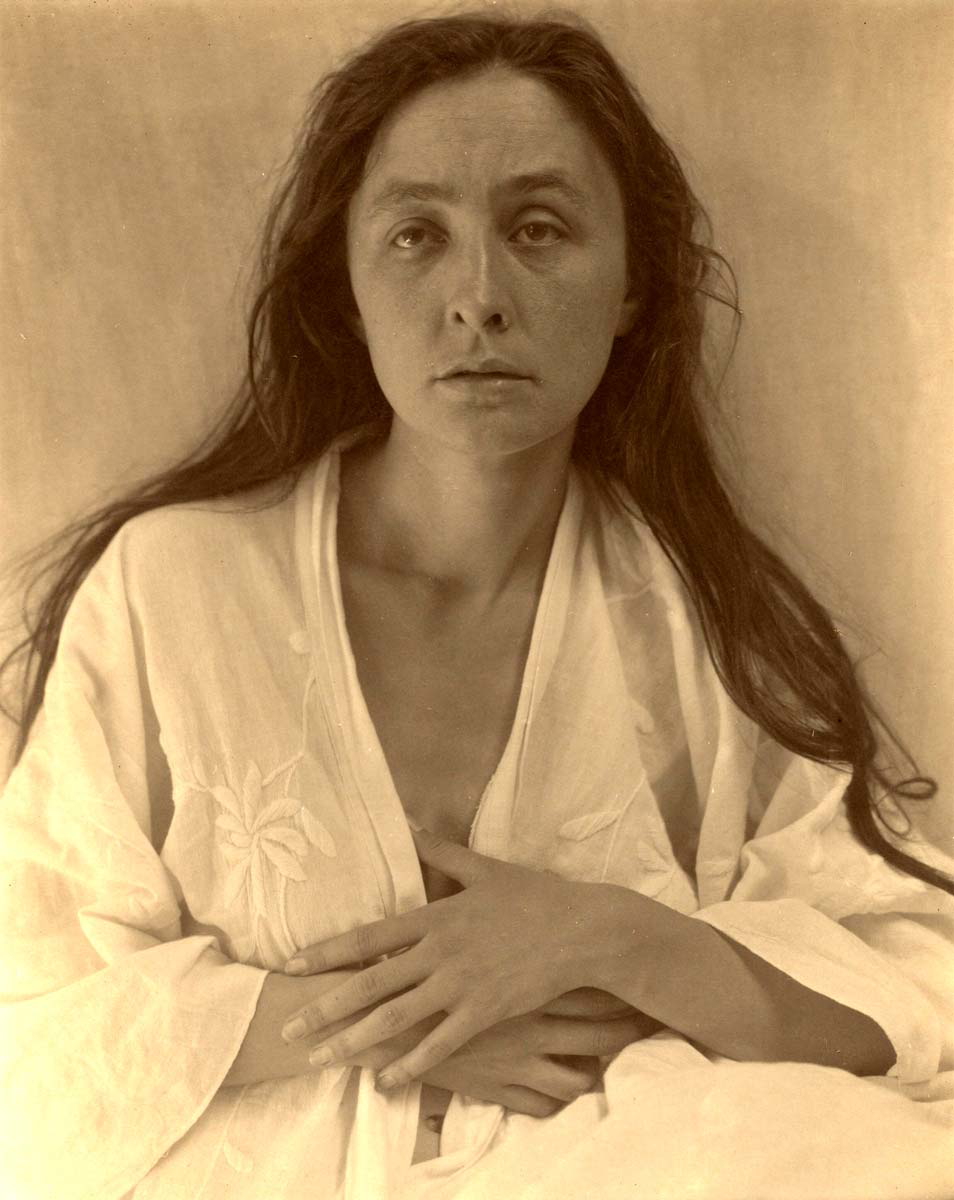
The legendary photographer Alfred Stieglitz was famous not only for his work (which he refused to sell) but also for his promotion of modern art. He ran a gallery that showcased the work of young artists, including his partner Georgia O’Keeffe. Her portraits remained one of his most famous works.
Stieglitz was the photographer behind the iconic image of the artwork that changed the world of art once and for all, Marcel Duchamp’s Fountain. The image made in Stieglitz’s studio became synonymous with the work, with the sharply contrasting light making the usual object more mysterious and complex. To a certain extent, Alfred Stieglitz was Duchamp’s collaborator, especially after the original work was lost.
3. Brassai (1899–1984)
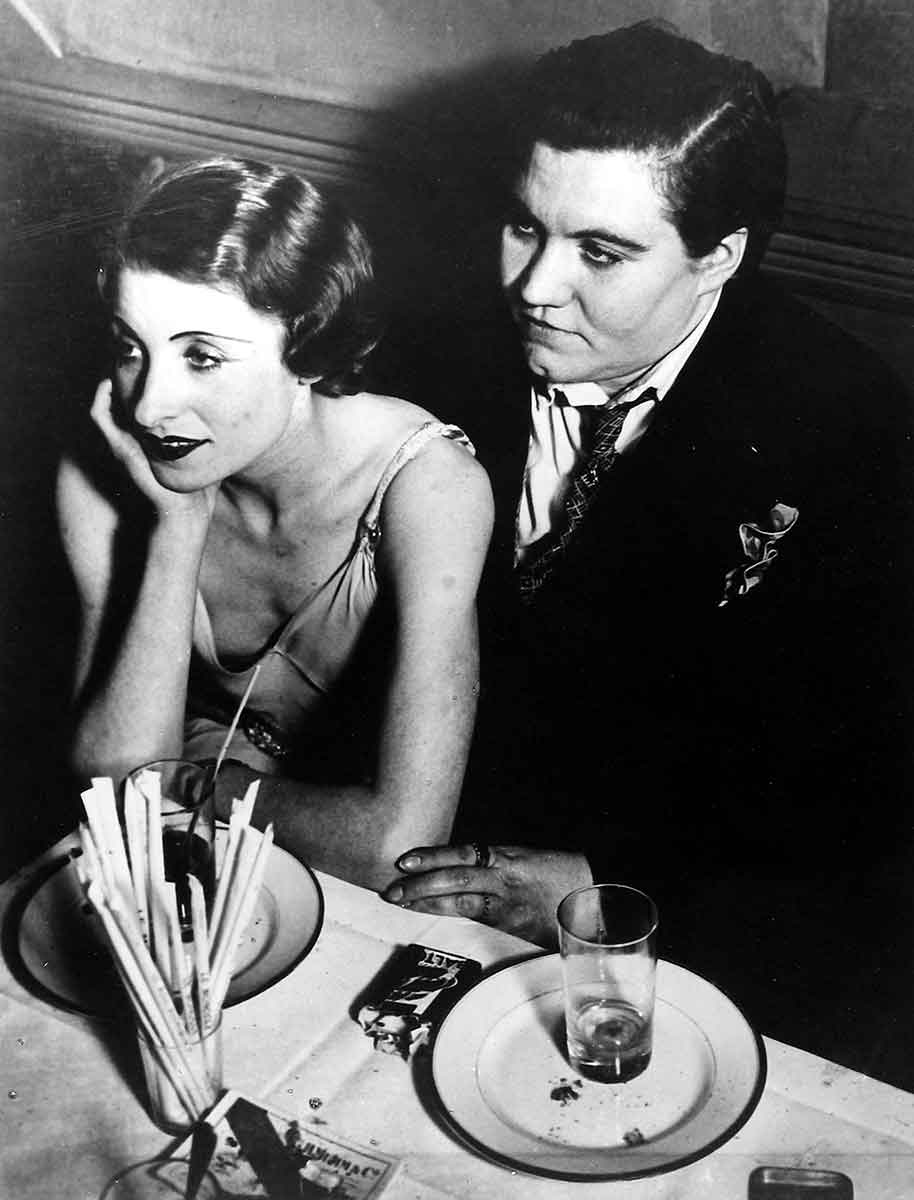
Brassai was born Gyula Halász in the then-Hungarian city of Brasso, which later gave him his pseudonym. After leaving his home country, he worked as a journalist in France and Germany. Settling in Paris, he became enamored with the city’s dark side and its dangerous nightlife. Brassai set up a trend of going outside of the respectable limits to study human life and character. He always created his works at night, so the sharp contrast between light and shadow would make images more dramatic. He visited underground queer clubs, bars frequented by criminals, and brothels.
Brassai was intelligent, charming, and tactful, which made him welcome even in the most dangerous places. Apart from dark Parisian alleys and sketchy bars, he also frequented artists’ studios. One of Brassai’s close friends was Pablo Picasso. In the 1960s, the photographer turned their conversations into a book.
4. Nan Goldin (1953–present)
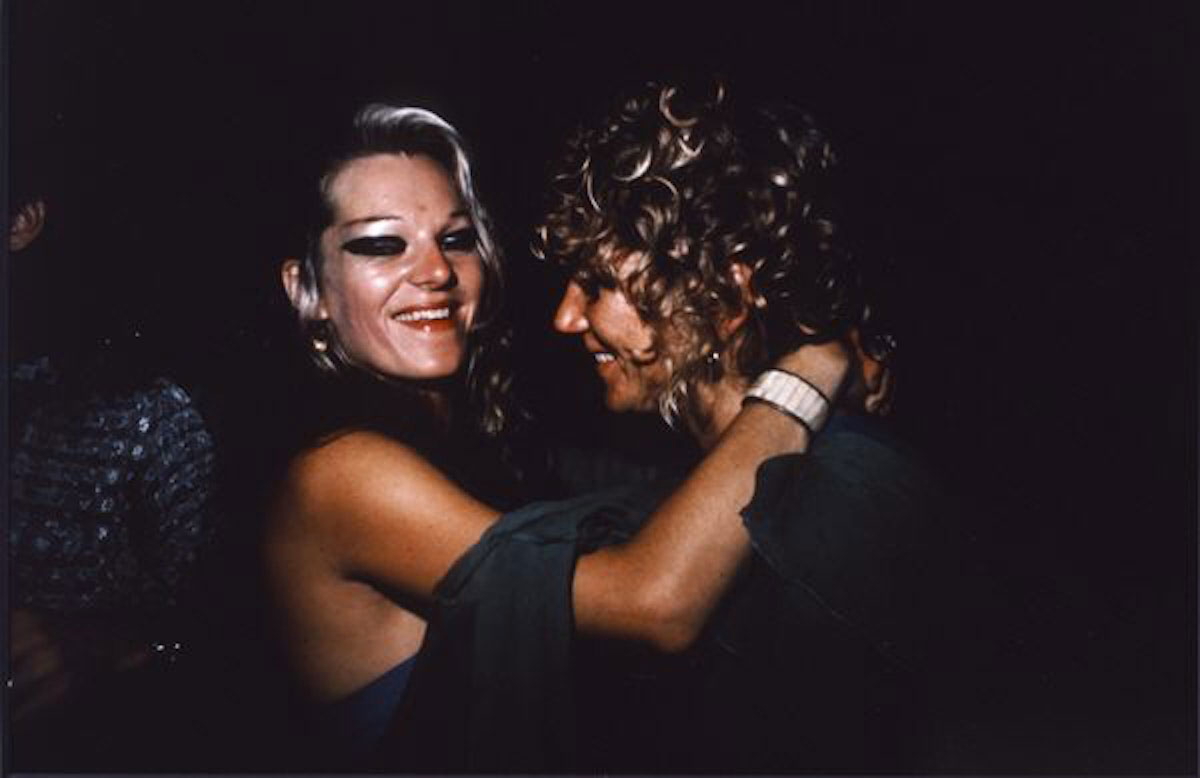
Nan Goldin is an outstanding photographer who built an artistic oeuvre from the realities of her life. After running away from her troubled home in her early teens, she found a community of other creative outcasts: artists, performers, and poets who lived in communes or even on the streets together. Goldin created a painfully sincere autobiographical account of love, friendship, abuse, and dependency. Enclosed within their chosen family, her community suffered losses and breakups, lived through personal and collective traumas, raised children, and buried loved ones. Not all of these scenes, actually almost none of them, were picture-perfect and glossy. Yet, the basis for Goldin’s works was always the love she felt toward these people and a deep sense of belonging.
5. Robert Capa (1913–1954)
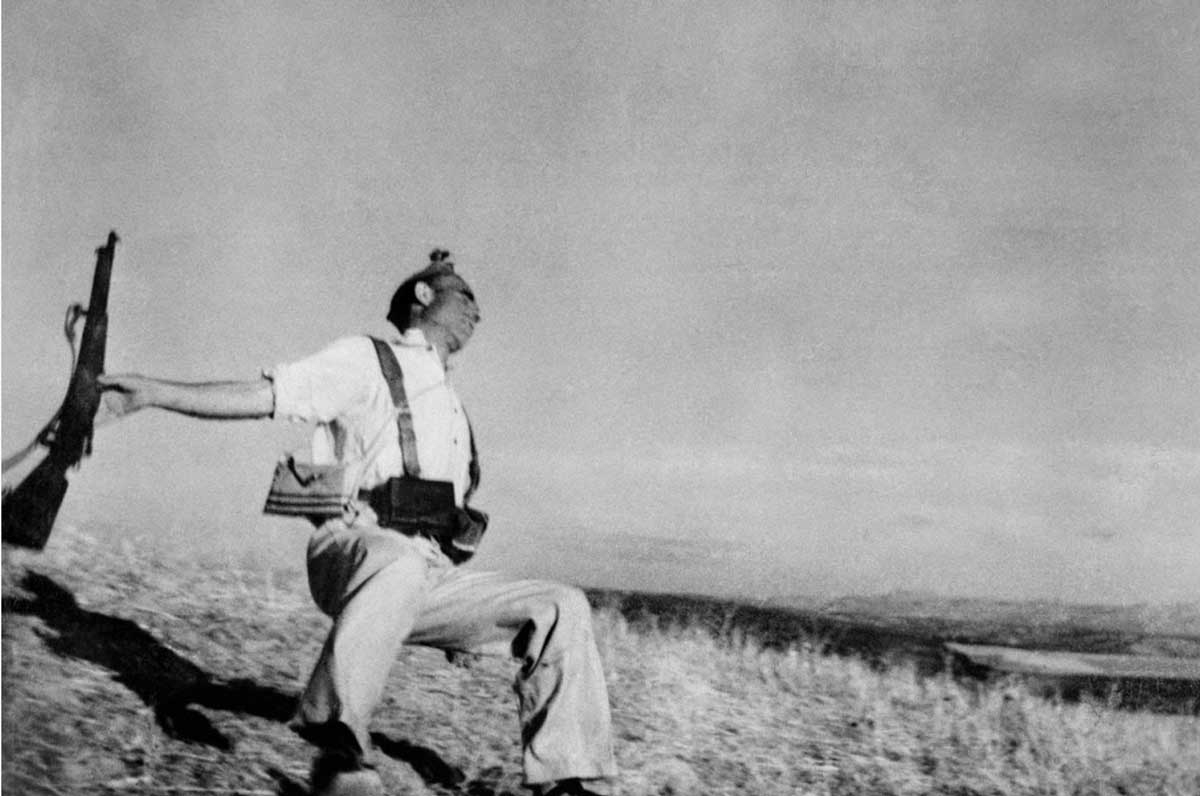
Robert Capa was one of the most important fathers of documentary photography and photojournalism. Born in Hungary, he was forced to flee to avoid political repressions and settled in Paris. His first encounter with photography happened when he found a job as a darkroom assistant. He soon started shooting and became a prominent war correspondent. Together with Henri Cartier-Bresson, Capa founded the photographic cooperative Magnum Photos.
Robert Capa covered many international conflicts and frequently worked in war zones, including the Spanish Civil War and World War II. Capa died on duty while documenting the First Indochina War in Vietnam. Moving through a dangerous area with a group of journalists and a French regiment, he decided to step out of the car to take several images of the road and stepped on a landmine. He was only 40 years old.
6. Man Ray (1890–1976)
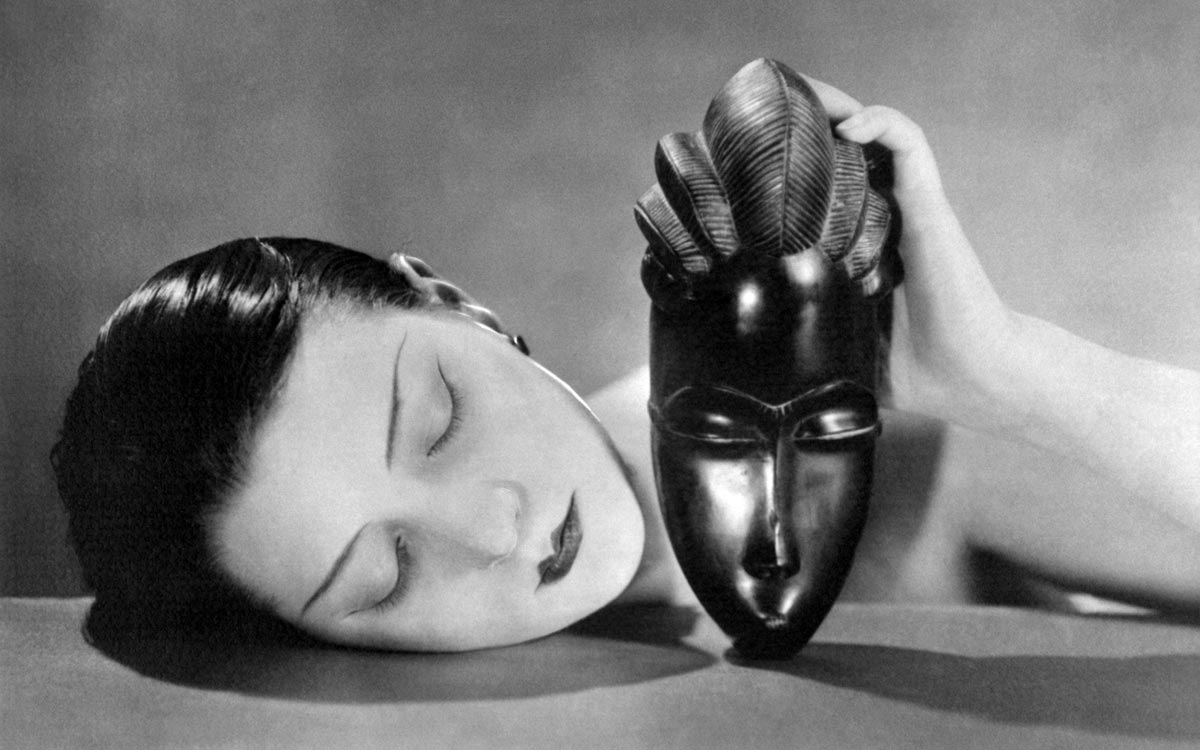
Man Ray, a pioneering artist of Dada and Surrealism, hardly needs an introduction. A son of Russian Jewish immigrants, he rose to fame in his early thirties both in the US and in Europe. Man Ray considered himself primarily a painter, yet his most outstanding work was either entirely photographic or at least featured elements of it. Just like his close friend Marcel Duchamp, Man Ray was open to experimenting, and the two frequently collaborated.
In the 1920s, Man Ray worked with cameraless photographs, which he called rayographs. He placed a variety of objects on photosensitive paper and exposed them to light, creating a printed monochrome image. Man Ray’s most famous photographic works featured his then-partner Kiki de Montparnasse, a famous model, performer and artist. Kiki embodied the creative freedom of Man Ray’s era, and images of her became familiar even to those who did not know her name.
7. Helmut Newton (1920–2004)
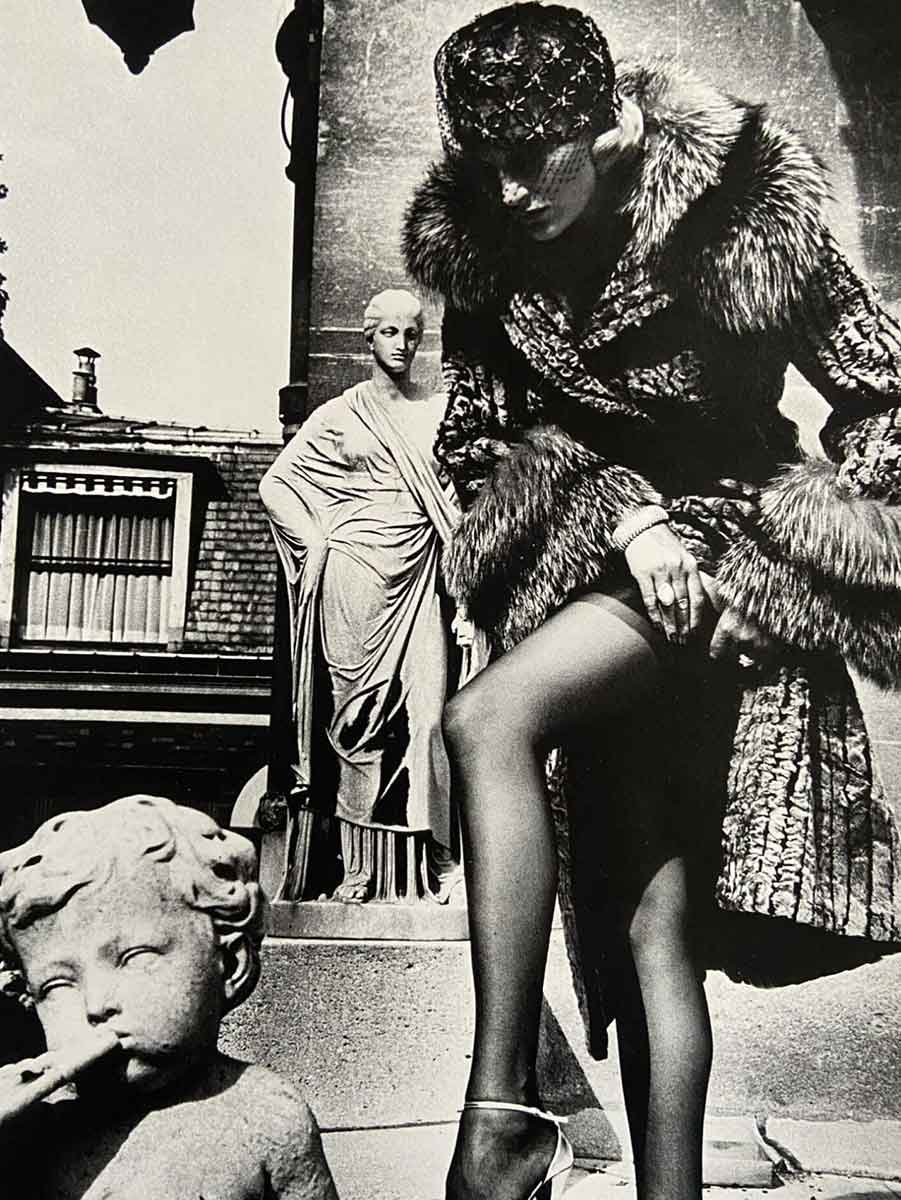
German-Australian Helmut Newton was one of the most famous photographers associated mostly with fashion photography in its most refined sense. As a teenager from a Jewish family, he had to flee Germany in 1938 to avoid being sent to a concentration camp. In the 1940s, as a German citizen, he was interned in Australia. After the war, he opened a fashion photography studio in Melbourne. His rise to fame started in 1955 when the Australian edition of Vogue magazine commissioned a photoshoot from him. Five years later, he moved to Paris with his wife and began to work for the most prominent global fashion magazines.
Helmut Newton’s style of photography presented refined eroticism, sometimes borderline with fetishism. He worked primarily in black and white, with stark contrast and permanent provocation. The sexualization of his feminine characters never stood in the way of their agency and assertiveness.
8. Juergen Teller (1964–present)
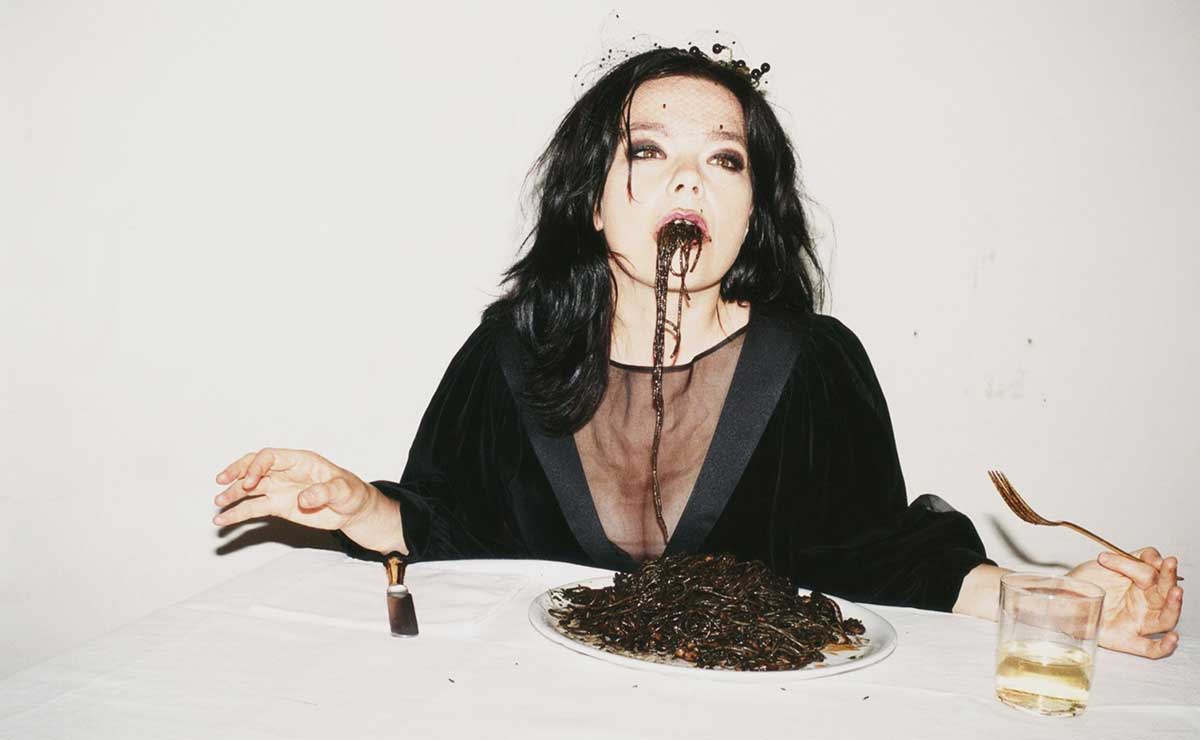
Since the late 1980s, Juergen Teller has worked at the intersection of art and fashion photography. His characters are not only celebrities and models but also members of his family and even Teller himself. For Teller, self-portraits represent a sobering break from refined shots of perfect models and also a way of studying and accepting his own body, which changes with age.
Juergen Teller is known for dismantling glossy standards of beauty. The photographer himself defines his genre as dirty realism with shabby cafes, dusty roads, torn stockings, and chipped nail polish.
9. Dorothea Lange (1895–1965)
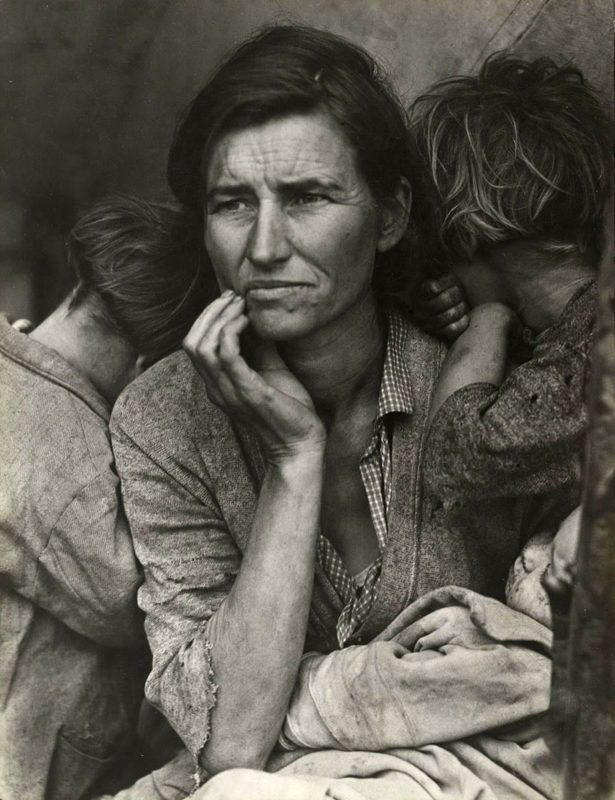
New Jersey-born photographer Dorothea Lange had a long artistic career, yet she became famous after a single shot. During the Great Depression, she traveled through the US and stopped near a pea-pickers’ camp. One of the settlers there was the 32-year-old Florence Owens Thompson, mother of seven. Crushed by poverty in the collapsed economy, she picked beets and peas and worked in bars and hospitals to feed her children, but it was not enough. After the images were published, the camp almost immediately received food and supplies from local authorities.
Other notable works by Dorothea Lange included a series of photographs taken in Japanese internment camps during World War II. Americans of Japanese descent were forcibly moved there after the 1941 Pearl Harbor strike.