
Talented artists’ unique eye for form and color often manifests itself in their personal choices of clothes, interior design, or lifestyle. Still, some artists went further than most, leaving substantial marks on the history of fashion and design through their wardrobe choices and collaborations. Read on to get inspired by famous artists who were also fashion icons, inspiring both designers and fashion lovers.
1. Famous Artist Frida Kahlo: Iconic Fashions, Protest and Disability
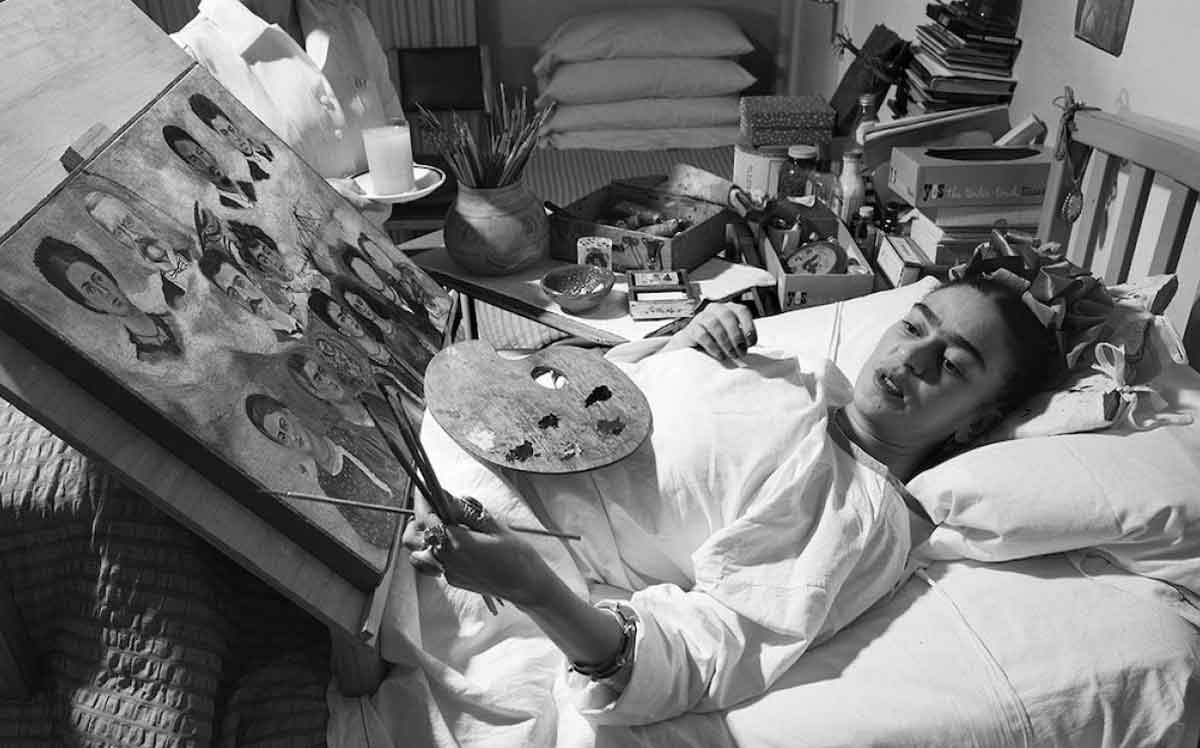
Mexican Surrealist Frida Kahlo is perhaps the most famous artist turned fashion icon. She was known for wearing traditional Mexican dresses from the Tehuana region to both manifest her identity and protest against colonial rules. Protesting Western-centered beauty standards, she refused to remove her facial hair, making it part of her signature look together with braids and flower crowns.
Another factor that contributed to Frida Kahlo’s fashion choices was her disability. As a teenager, she had a bus accident that left her with numerous broken bones and a pierced abdomen. She never fully recovered from the trauma, and suffered from chronic pains and side effects of it. As a child, she also suffered from polio, which left one of her legs slightly shorter than the other. Kahlo wore shoes with differing heel heights to compensate for the difference and cut off the toes of her shoes to make room for her swollen feet.
The voluminous Tehuana dresses also served as coverage for medical corsets and metal braces Kahlo had to wear. Another feature that says a lot about Kahlo’s resilience, as well as her style choices, was her prosthetic leg decorated with red leather and Chinese embroidery, which the artist had to wear after an amputation in 1953.
2. David Hockney
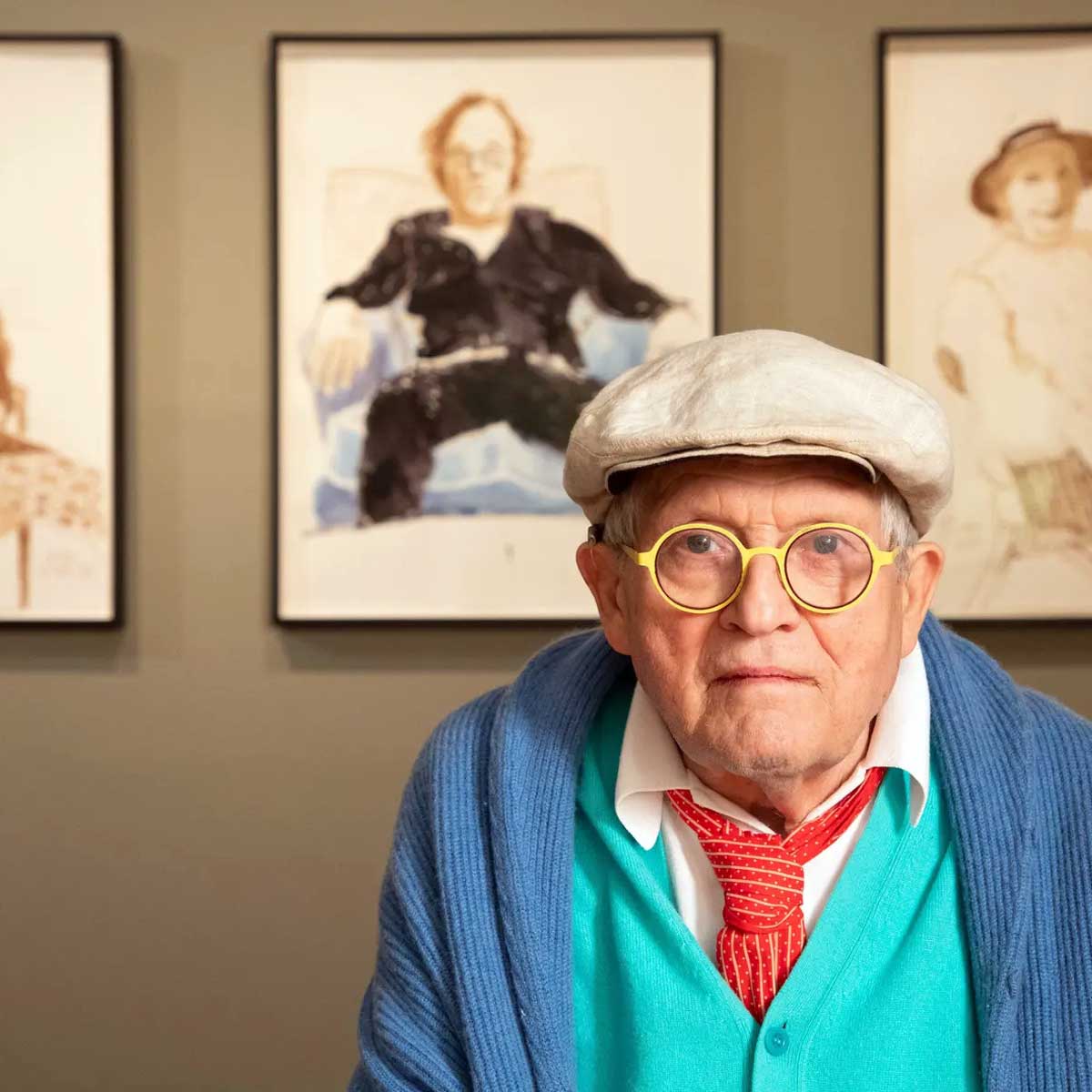
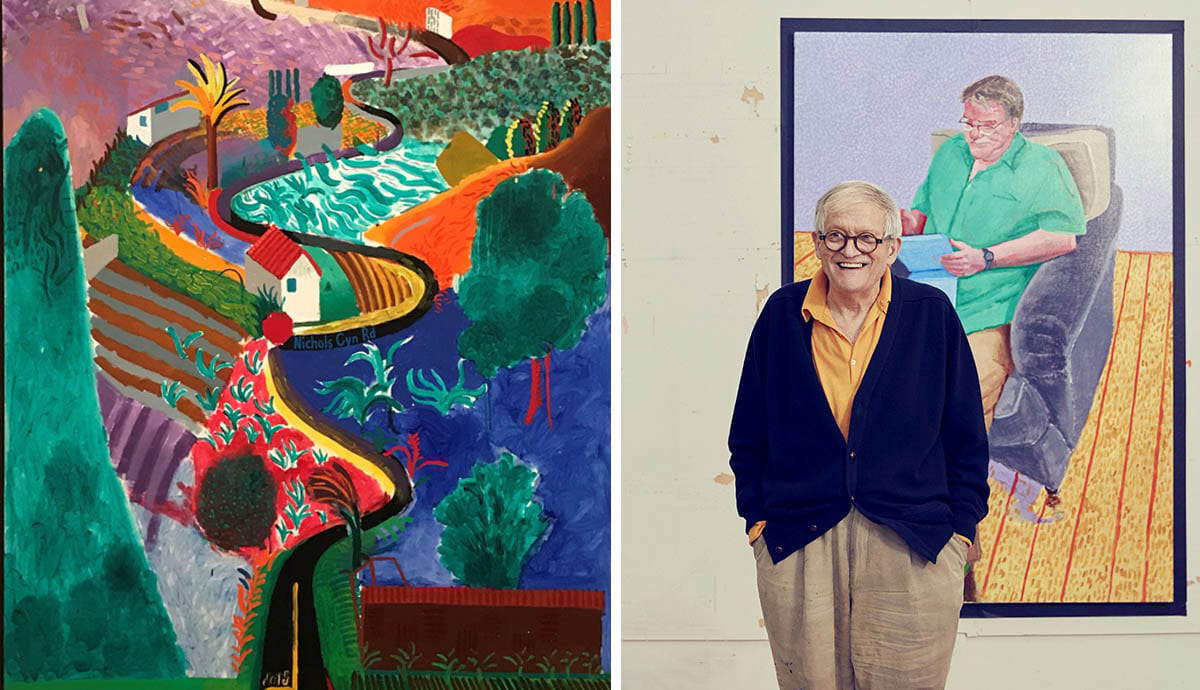
David Hockney has always been an unconventional artist. His fashion choices went hand in hand with his art—bright and a bit chaotic. He always had a certain childlike appeal to his look, with bold colors, carefree combinations, messy hair, and images of pools and dachshunds peeking from the background. Hockney mixed athletic wear with tailored trousers and jackets, wore mismatched colorful socks, oversized glasses, and a mix of all patterns and colors possible way before the emergence of street style blogs. Hockney was never afraid to appear strange or ridiculous, and that confidence helped him to pull off the most bizarre combinations of tones and garments. In the 1960s he dyed his hair bright yellow blonde, making it one of his signature traits.
Today, David Hockney is an 87-year-old patriarch of Pop Art and one of the last creatives of his generation still standing. He continues to work, although preferring an iPad application to a physical brush and canvas. His personal style, however, is as vivid as ever, with reds, greens, yellows, and purples still shining from his signature striped rugby shirts, ties, and cardigans.
3. Jean-Michel Basquiat
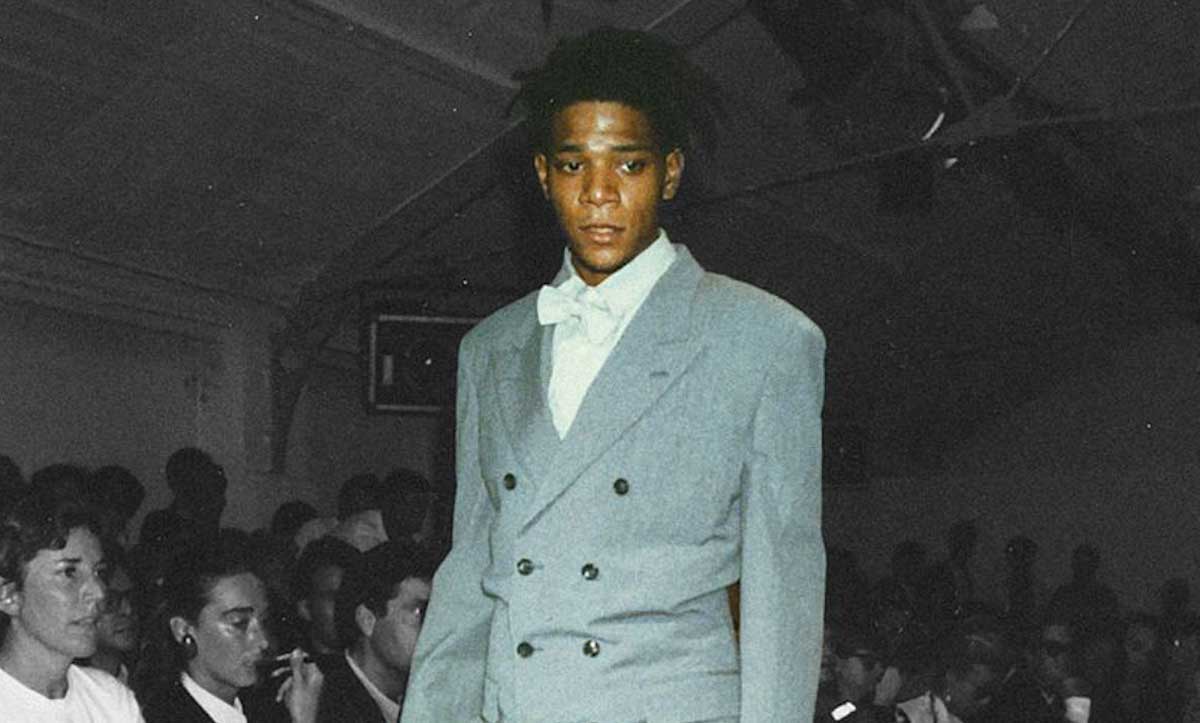
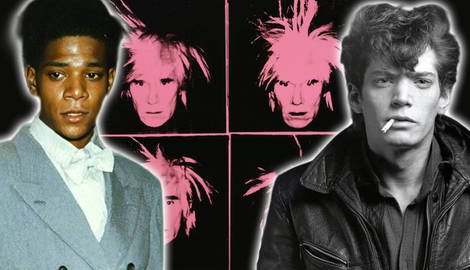
According to friends and family, Neo-Expressionist Jean-Michel Basquiat had an interest in fashion long before the launch of his artistic career. Before becoming famous, he used to sell t-shirts and sweatshirts with his paintings on the streets of Downtown New York. The real transformation of Basquiat into a fashion icon happened in the 1980s when the artist, barely in his twenties, suddenly achieved commercial success. He used to spend insane amounts of money on suits from Giorgio Armani, Christian Dior, and Versace. Nonetheless, he treated them with little respect, like a worker’s overalls.
After returning from nightclubs in his fancy suits, he never changed them in the studio, spilling paint over his trousers and wiping it off with jacket sleeves. After a while, Basquiat became used to the silhouettes of Western designers and turned his attention towards Japanese names that were just conquering the market. He wore clothes by Yohji Yamamoto, Issey Miyake, and, most importantly, Rei Kawakubo of the COMME des GARÇONS brand. In 1986 and 1987, Rei Kawakubo even invited Basquiat to walk on the runway for her New York and Paris shows. Basquiat’s favorite item designed by Kawakubo was a simple oversized black coat that frequently appeared in the artist’s photographs.
4. Georgia O’Keeffe’s Refined Wardrobe
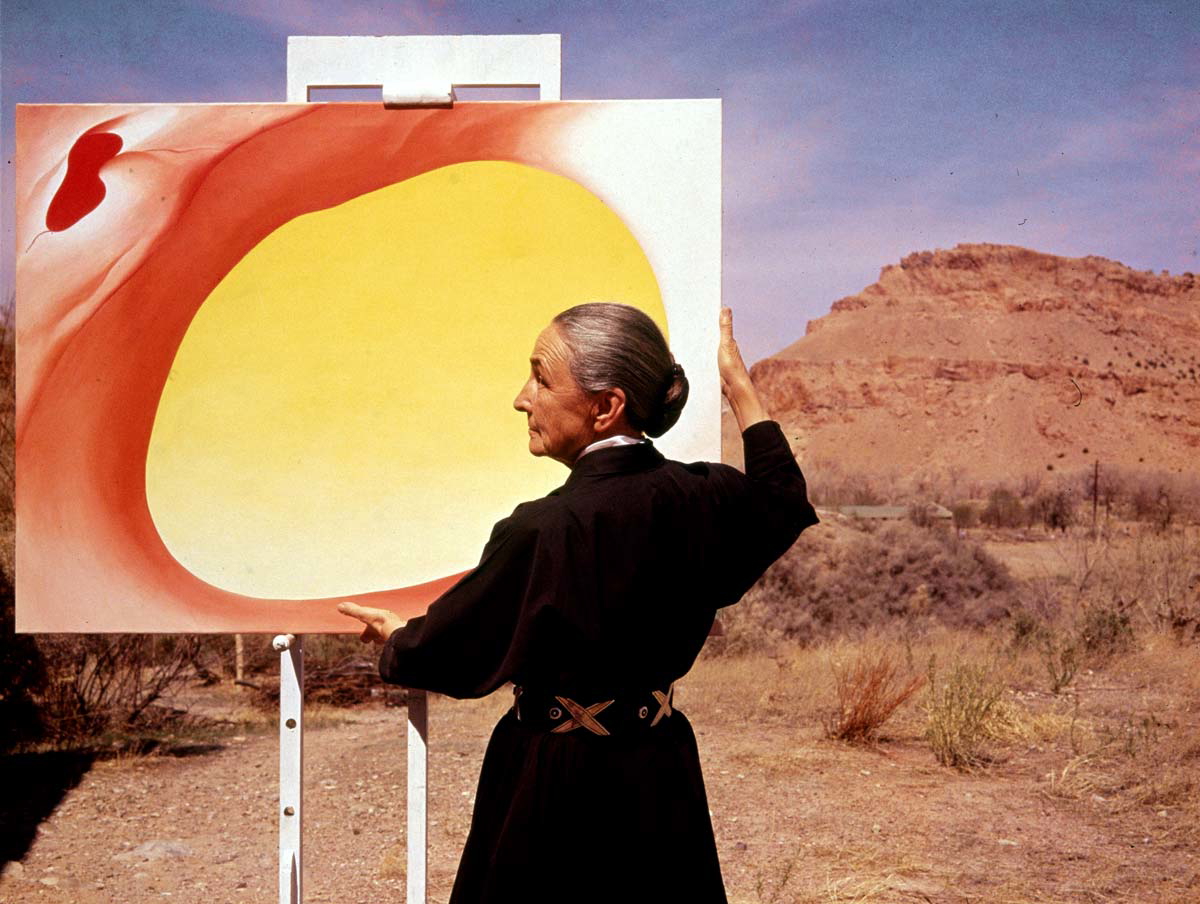
The famous Modernist painter Georgia O’Keeffe was known for her distinctive personal style and curated wardrobe. Her style transformed with her throughout her life. As a student, she wore exclusively black and white and rejected corsets and heels. Her looks made her stand out from the conventional fashions of the time, as she chose unbraided hair, free-flowing tunics, and flat shoes. Often, her outfits with minimalist details and pointed collars were interpreted as masculine by her contemporaries. Indeed, O’Keeffe’s fashion sense and appearance made a tangible impact on breaking the gender boundaries of conventional fashion.
Today, the Georgia O’Keeffe Museum still preserves the artist’s wardrobe. In her mature years, black and white were accompanied by blue and occasional light pink. According to O’Keeffe, limiting the need for color-picking and arranging her wardrobe freed time for painting. The collection included Japanese haori jackets and Peruvian brooches, accompanied by silk blouses and wool skirts. Still, the principal concept that made Georgia O’Keeffe’s personal style stand out was the artist’s personality, which was completely and effortlessly in sync with the tones and silhouettes she wore.
5. Robert Mapplethorpe
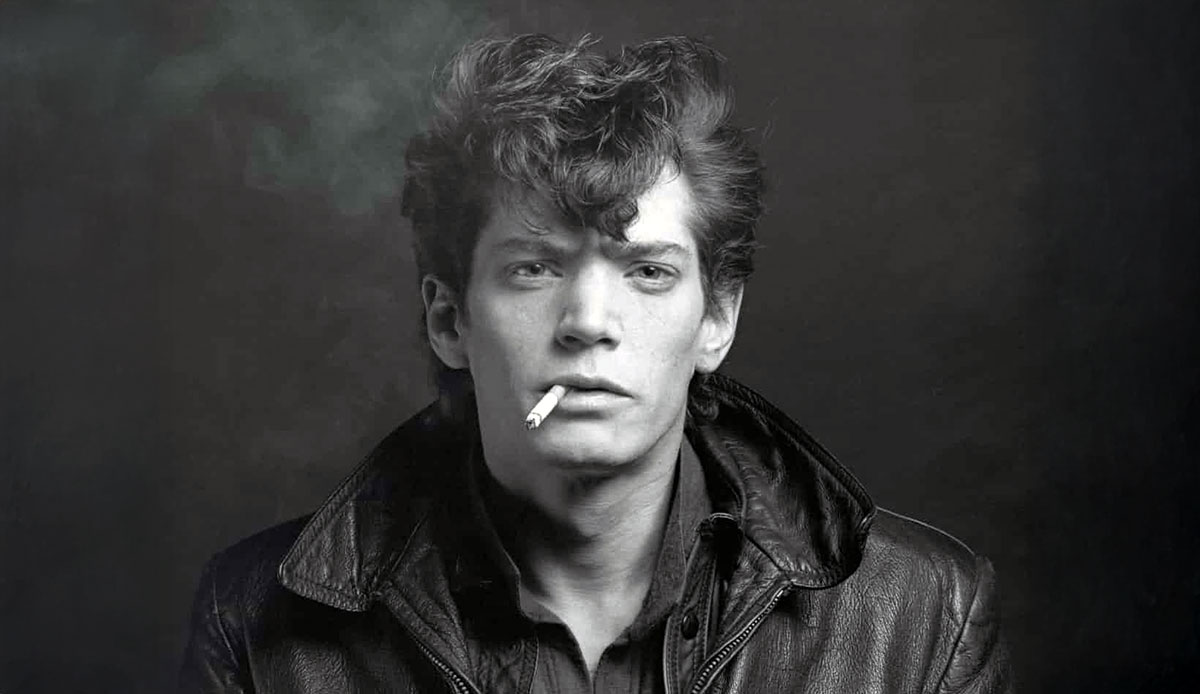
Photographer Robert Mapplethorpe is rarely mentioned in the list of best-dressed artists, but nonetheless, he greatly contributed to the fashion scene of his era and continues to inspire designers decades after his death. Mapplethorpe’s black-and-white self-portraits were filled with refined aestheticism and were inspired by cultural contexts mostly ignored by conventional fashion at the time, such as BDSM clubs and queer communities. In many of his self-portraits, Mapplethorpe blurred the line between femininity and masculinity through makeup and styling.
Mapplethorpe himself adopted a style that included elements of fetishwear—a uniform consisting of an all-leather jacket, trousers, cap, and turtleneck. This look was familiar to those who frequented New York gay clubs but not to those who read fashion magazines. As a photographer, Mapplethorpe was at the center of the fashion scene and inspired designs directly and indirectly. After Mapplethorpe’s untimely death in 1989, designer Carolina Herrera, the photographer’s close friend, created a tribute collection of velvet motorcycle jackets with gold studs, inspired by Mapplethorpe’s style. Belgian designer and incumbent creative director of Prada Raf Simons frequently referenced Mapplethorpe’s photographs in his creations.
6. Pablo Picasso
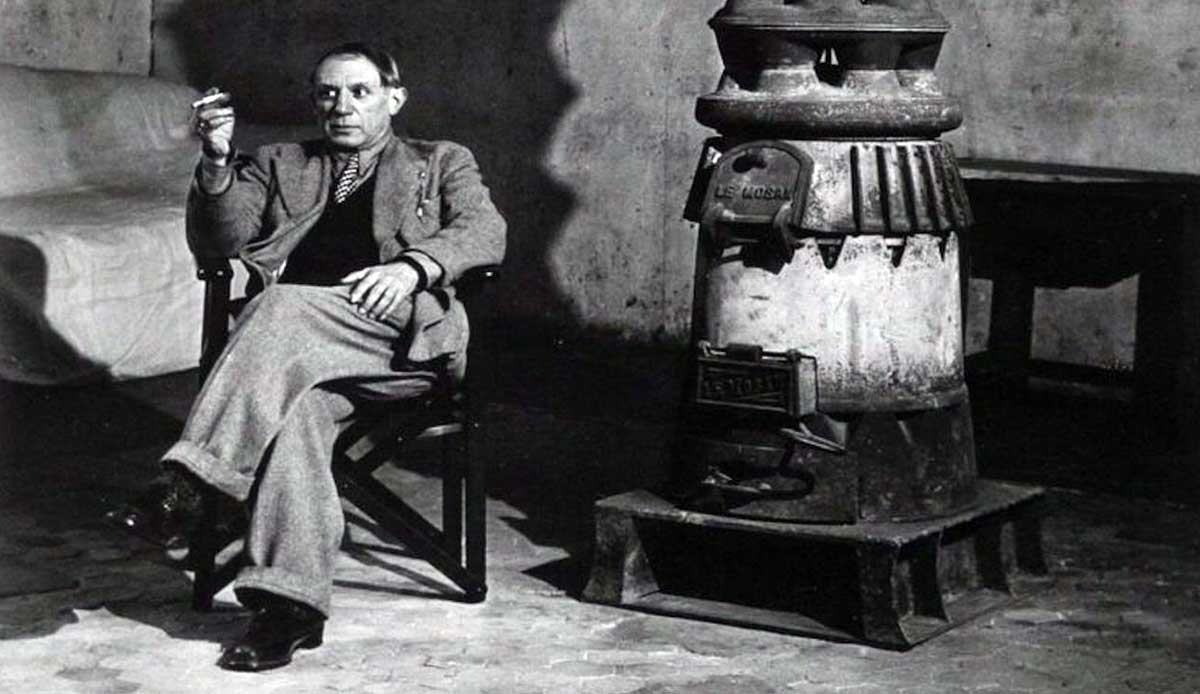
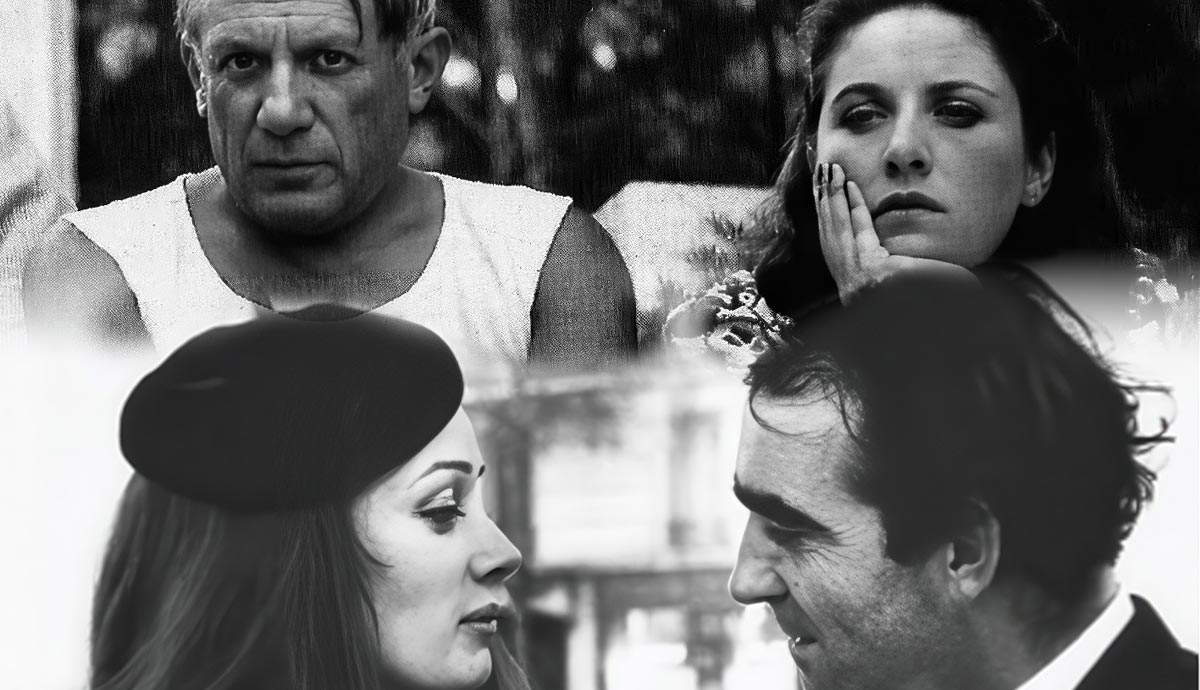
Pablo Picasso did not exactly preoccupy himself with high fashion. Still, his outfit of choice—a striped Breton shirt, a beret, a pair of worn-out trousers—has left an imprint on art history and became part of the myth of a great artistic genius. It is not that Picasso did not care about clothes. On the contrary, he was well aware of what he was wearing and what he could wear. He was a regular client of Savile Row tailors, and personally designed costumes for one of Sergei Diaghilev’s Ballets Russes.
He also had his personal tailor, Italian master Michel Sapone. Sapone worked for Picasso for almost two decades and recounted how precise the artist was about the fit and structure of his garments. He specifically asked for some pieces to be made smaller or larger to subvert the conventional silhouette. Occasionally, he also commissioned clothes with deeper references: one of the pairs of his striped trousers was made from fabric similar to Gustave Courbet’s shirt in his Self-Portrait with a Striped Collar. Generally, Picasso was well aware of the power of image and silhouette in curating his personal myth and establishing his reputation.
7. Famous Artist Andy Warhol: Curated Fashion
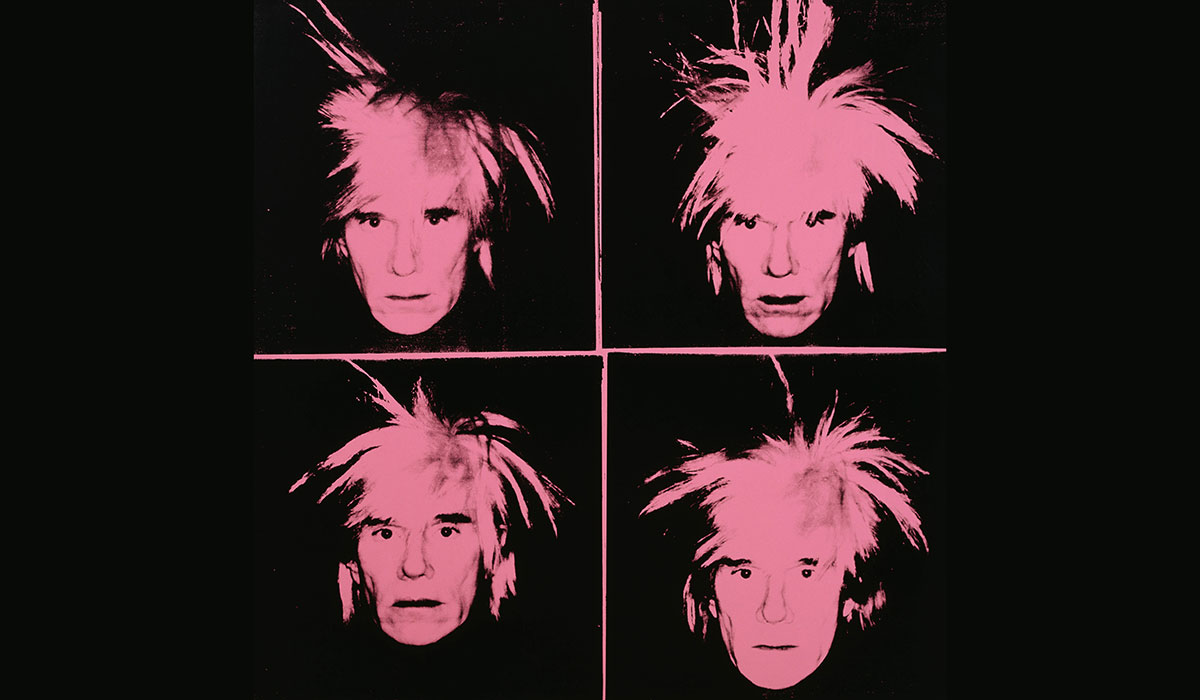
Andy Warhol did not have a flamboyant personal style but rather a uniform that became his trademark. His wardrobe palette was mostly limited to black, navy, and white. Most often, he was seen in dark straight trousers, a dark jacket (leather or tailored), and his signature clear-brimmed glasses, which were occasionally swapped for a dark pair of identically shaped pieces. Another key feature was Warhol’s silver wig that he never took off even in the privacy of his own home. Warhol’s appearance was his brand packaging, consistent with his performed identity as a mastermind of the art world. The famous Warhol wig was born out of necessity, yet became one of the most recognizable aspects of the artist’s appearance and was even turned into his merchandise.
Andy Warhol has always struggled with his appearance, discontent with his face and body. In his late twenties, he underwent plastic surgery to change his nose but was not satisfied with the result. He began losing hair in his early twenties, adding one more insecurities to the list. His early works reflected these concerns, as some of them featured images of hair loss treatments or wig makers’ ads.