
The “Pulp Era” of cheap paperbacks and vivid stories started in the 1920s. Robert E. Howard, one of its greatest writers, wrote his way to fame, creating a collection of hundreds of stories and poems. His stories still influence decades later.
From Texas Oilfields to Weird Tales: Howard’s Early Life
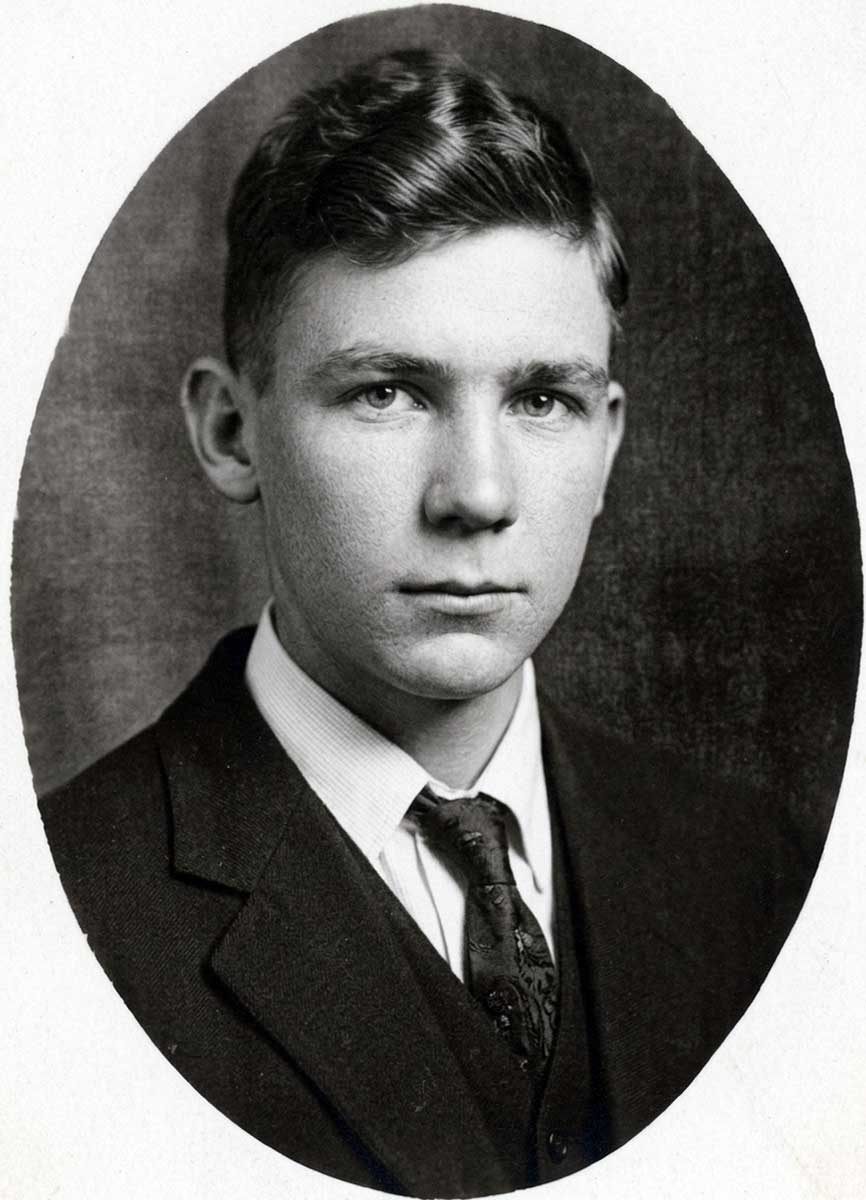
Born on January 22, 1906, in Peaster, Texas, Robert E. Howard was an only child of a country doctor and his wife. The Howard family traveled frequently among the rough Texas oilfields. His parents divorced, and Howard stayed with his mother, Hester. Besides writing, Howard did bodybuilding and boxing, at one point competing at the amateur level.
Hester encouraged Howard’s reading early. He took to writing short stories by 15, sending stories to top pulp magazines like Argosy. After some rejections, Weird Tales published “Spear and Fang” – his first paid story. Howard lived in Cross Town, Texas. Here, he drew and, from his upbringing, inspired his stories and characters.
Forging Conan the Barbarian and the Sword-and-Sorcery Genre
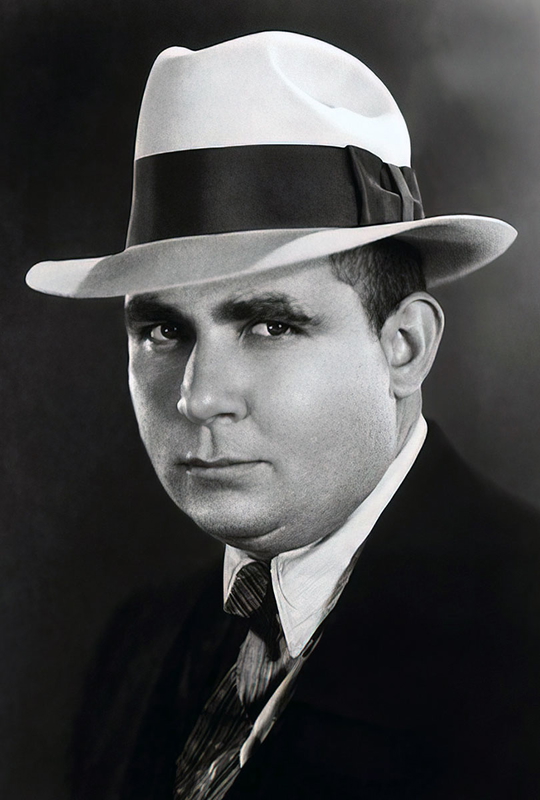
Howard’s writing took off with his first continual paid success at 23. He created memorable characters like Conan the Barbarian. Others included Brak Mak Morn, King Kull, and Solomon Kane, but Conan had the most impact. The Conan stories helped invent the sword-and-sorcery genre. With their tone and the question of who would win the battles between barbarism and civilization, the Conan stories gained a loyal following.
Conan’s world was grim and brutal, but somehow, he survived, battling insidious monsters and villains. The story’s scenes, descriptive language, and graphic imagery created a fast-paced narrative. Combined with prose and poetry, Howard wrote prolifically, becoming one of the most widely read fantasy writers.
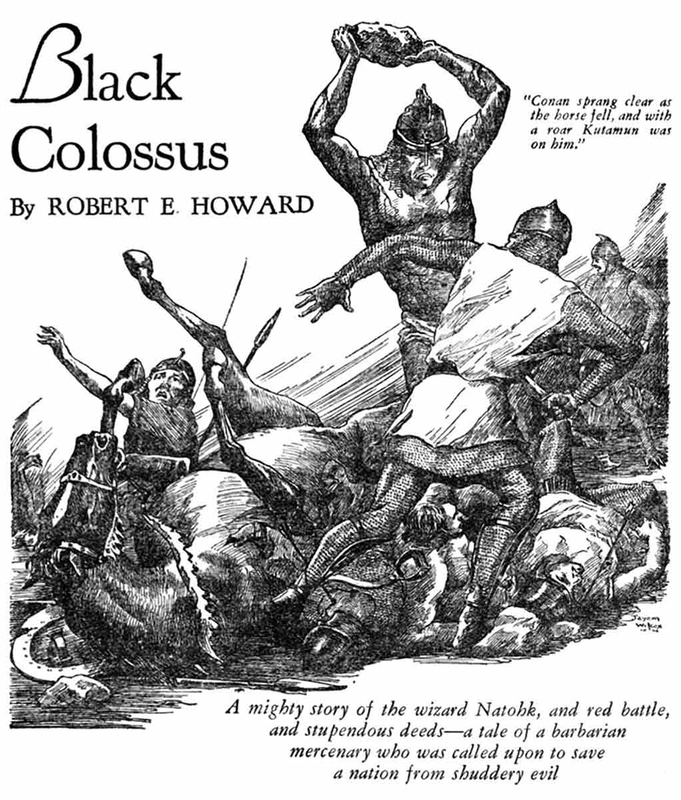
Howard’s world-building made the stories feel authentic. Using prose, he made abundant use of adjectives, adding descriptions to the stories. Howard also wrote gothic, boxing, western, and historical horror stories. Weird Tales became home for the majority of Conan’s adventures.
Beyond establishing sword-and-sorcery, Howard shaped how the genre looked and felt. The image of a sword-swinging barbarian, otherworldly foes, or robe-clad sorcerers became part of the popular image.
Hypermodification and Word Economy: Howard’s Writing Style
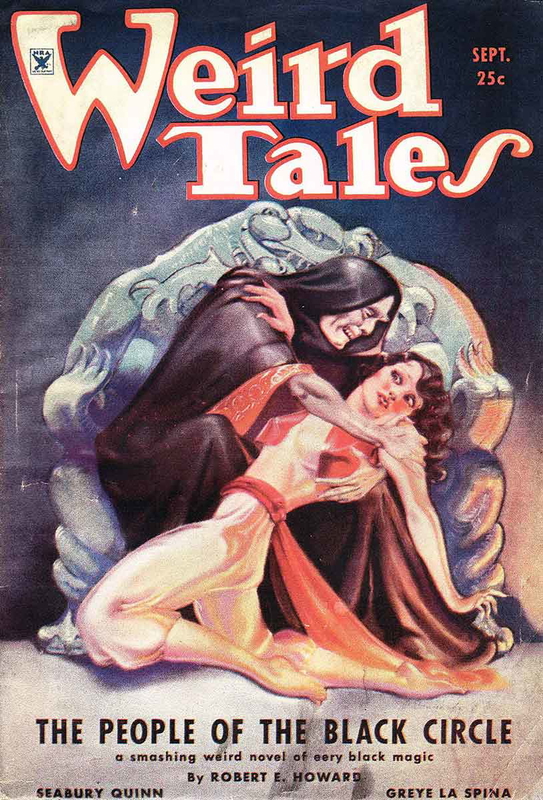
Scholars and readers have noticed several ways in which Howard wrote. This helped establish Howard’s pioneering role and distinctive style during the pulp era. One tool he effectively used was hypermodification, where nouns and verbs have multiple modifiers. In the Conan story “People of the Black Circle,” he wrote, “Outside, the moan of the tortured thousands shuddered up to the stars which crusted the sweating Vendhyan night.” Here, tortured modifies the word thousands, enhancing the story’s description.
Another critical feature of Robert’s writing involved his economy of words. With few words, he established the scene and the characters. In the Conan story “The Frost-Giant’s Daughter,” this part of the paragraph sets the tone: “Both were tall men, built like tigers. Their shields were gone, their corselets battered and dinted. Blood dried on their mail; their swords were stained red.”
Howard also used prose poetry when creating the fantasy genre. These stories are often epic in scale, and poetry fits in. His mother Hester’s influence shows here, instilling Howard’s lifelong love of the written word.
Heroic Action, Frontier Realities, and Strong Female Characters
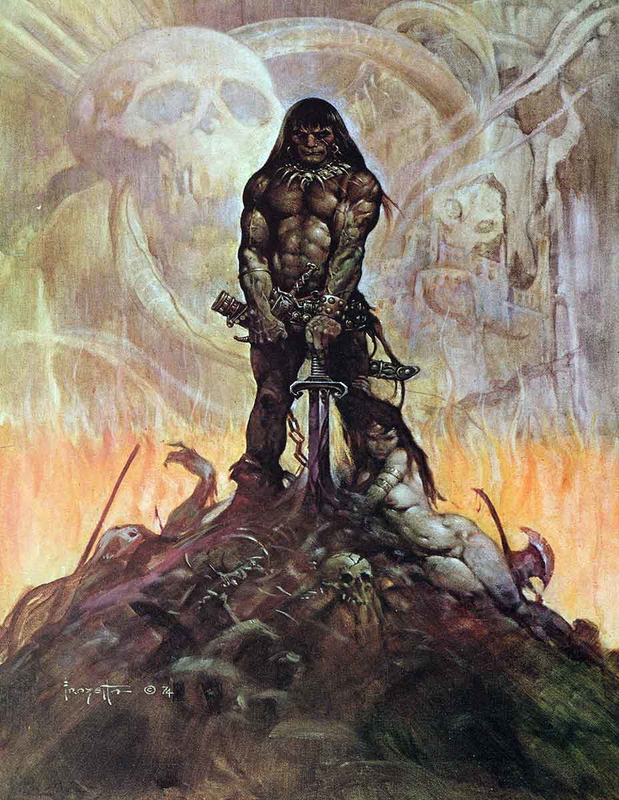
By 1930, Howard had established his reputation as a writer across different genres. In his more than 500 stories and 400 poems, he explored themes, some real and others mystical. Others noted that Howard’s works always involved non-stop action, creating intense battle scenes and adventure.
Howard’s standout theme, easily seen, is that of the heroic character. Whether he wrote about a cowboy, a boxer, or Conan, his characters existed in a harsh world. While not totally original, his writing made them larger than life.
Howard’s work also highlighted female heroes, a rarity in the 20th century. Like their male counterparts, these women possessed the same resolve, drive, and fighting skills. In “Queen of the Black Coast,” Belit’s role matches Conan as an equal, not a damsel in distress.
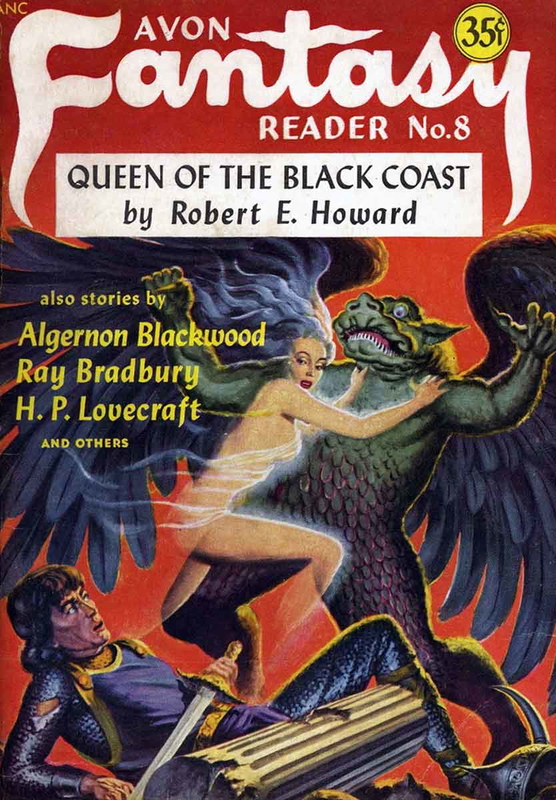
Howard explored hate and violence, too, seeing both as positive themes in his works. Around the time of Howard’s birth, the era of America’s Wild West was ending. Before this, people on the frontier faced grim realities. He grew up during this time. In the story “Tower of the Elephant,” Conan slays a hideous, pitiful creature. This being asks Conan for this so that the Cimmerian can escape the torment of captivity in the tower.
Robert E. Howard’s popularity only grew since his passing. His best works are still in print, as well as in movies and comics.