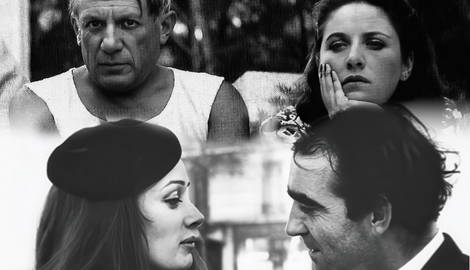

Many famous artists found their soulmates among their colleagues. They exchanged ideas and collaborated, yet sometimes, their impact is not considered equal. Particularly, women artists were often dismissed as muses, while they were, in fact, unique artists in their own right. Read on to learn more about seven artist couples of modern art who left their mark on art history.
1. Artist Couple: Camille Claudel & Auguste Rodin
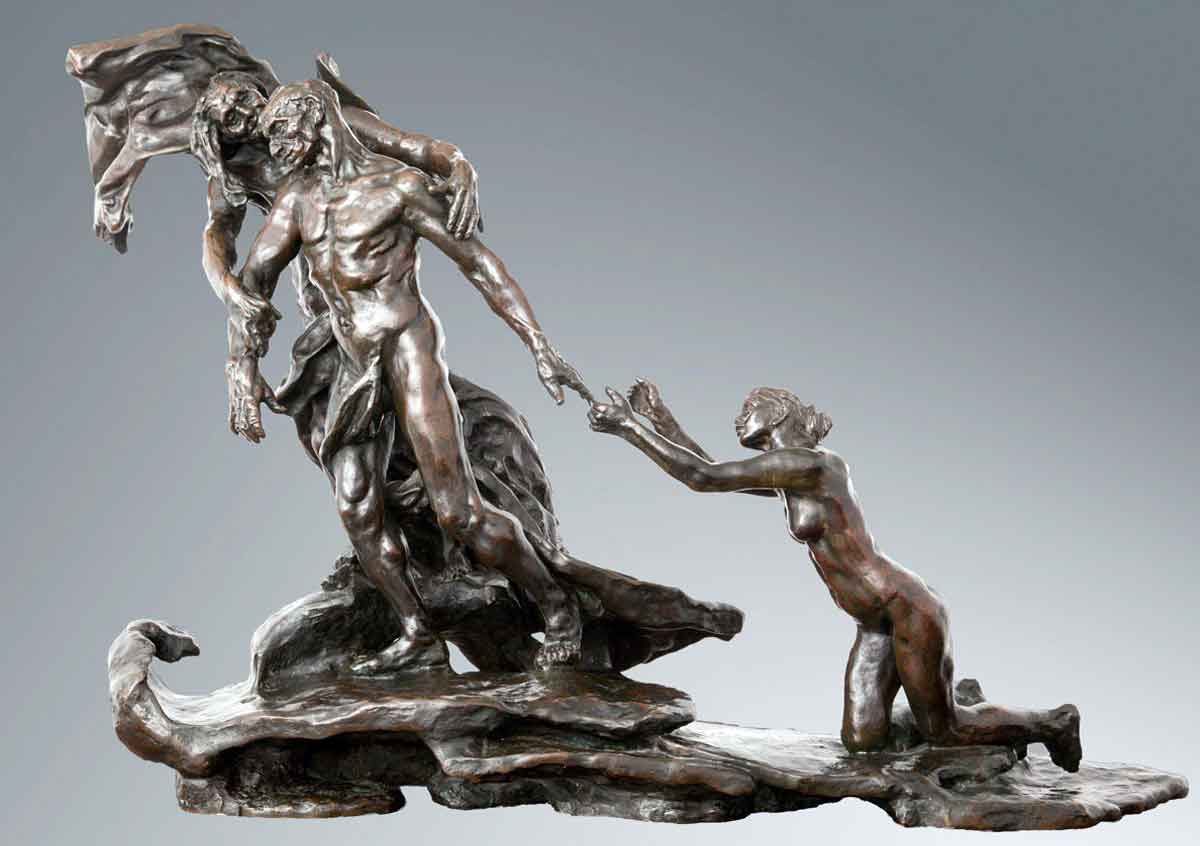
Unfortunately, Camille Claudel’s relationship with Auguste Rodin, in part, robbed her of her own artistic triumph. She entered Rodin’s workshop as his assistant, soon becoming his model, lover, and fellow sculptor. She developed her own style, similar to Rodin’s but also more rooted in fantasy and symbolism. She was praised as one of the few women geniuses of her time, yet the triumph was short-lived.
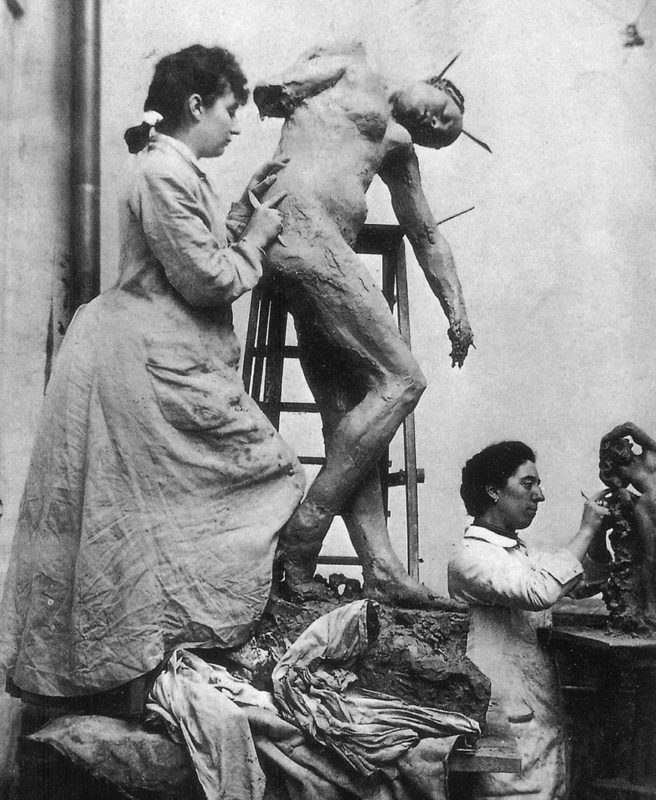
The end of Claudel’s career coincided with the end of her ten-year-long relationship with Rodin. Soon after their breakup, Claudel started to show symptoms of paranoia and extreme anxiety. She believed that Rodin was following her, stealing her ideas, and breaking into her workshop. She destroyed almost all her work and locked herself in her studio, so Claudel’s brother Paul decided to put her into an insane asylum.
Camille Claudel spent thirty years there, completely disconnected from the outside world. After being forcefully committed to these walls, she never made any artworks again and died quietly, without anyone in the vast French art world noticing. The most heartbreaking thing was that she might not have been paranoid at all—several recent studies have shown that Rodin sometimes sold Claudel’s artworks signed with his name.
2. Leonora Carrington & Max Ernst
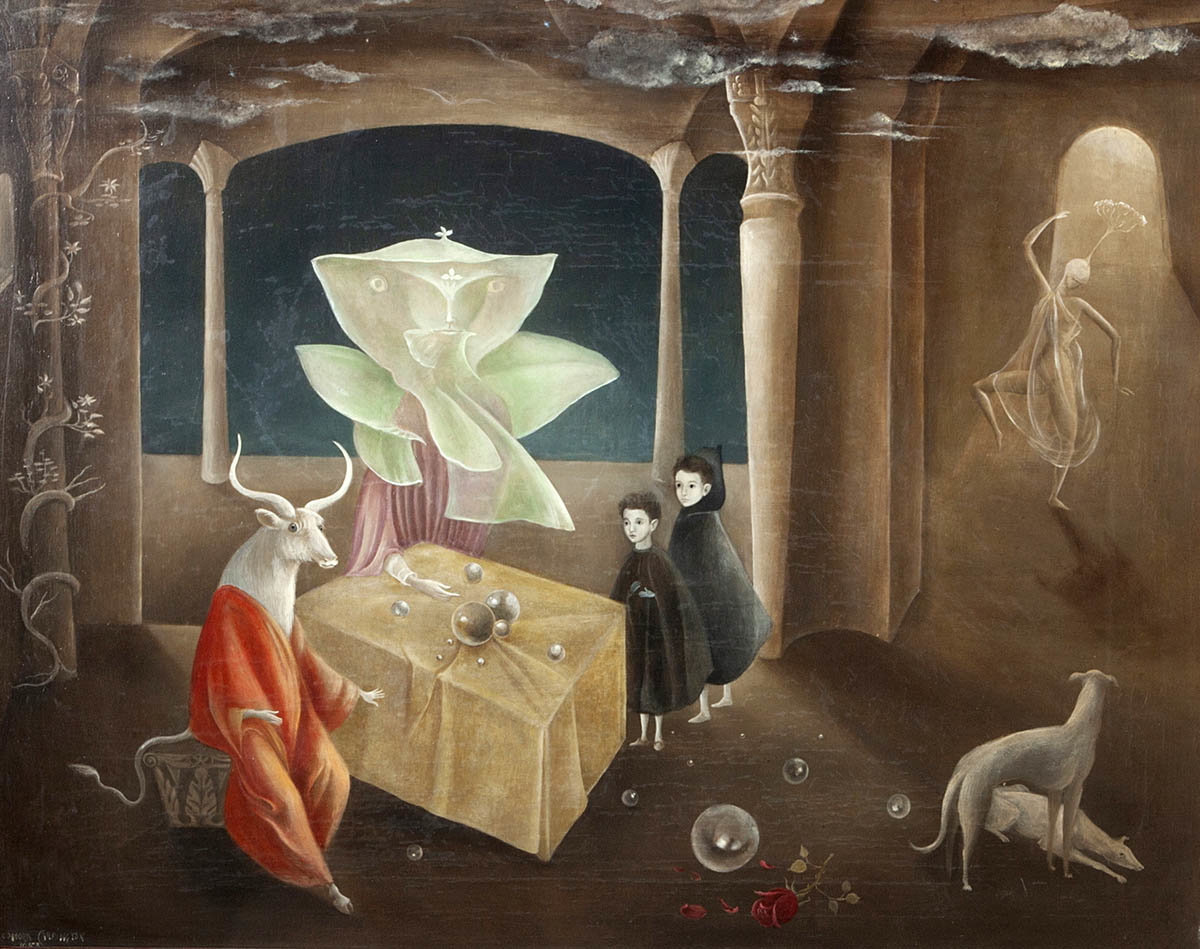
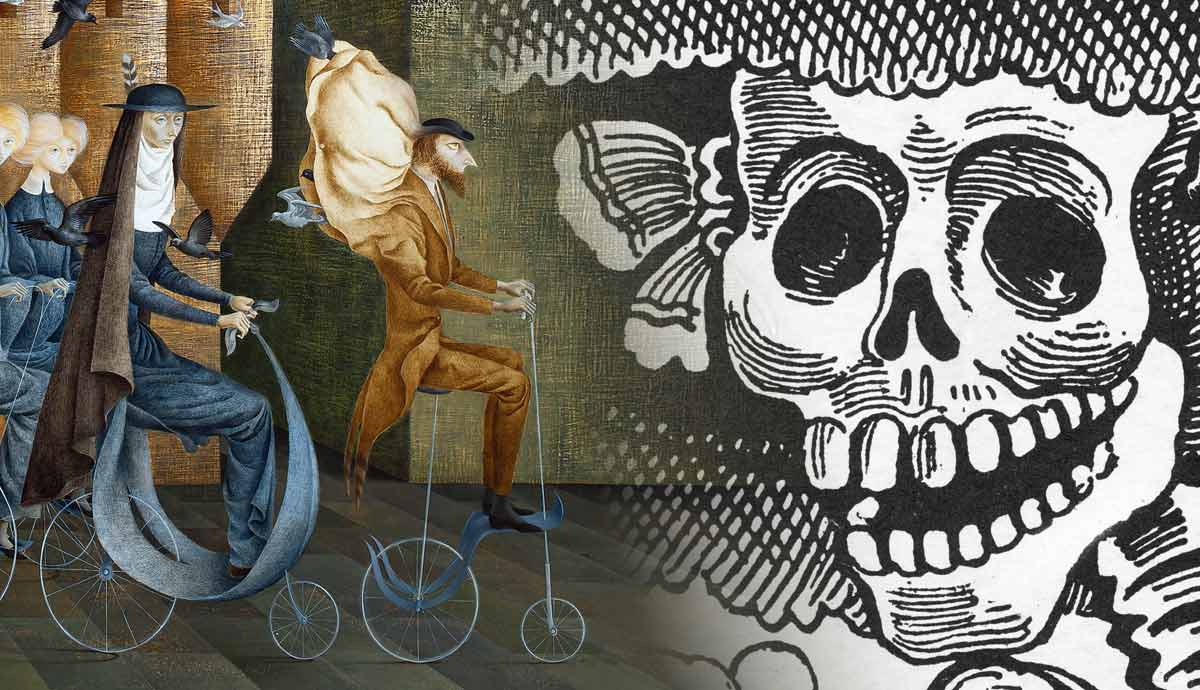
Max Ernst was famous for his list of affairs and marriages with the most important women of the Surrealist movement and the art scene, including Peggy Guggenheim and Dorothea Tanning. He met Leonora Carrington in London when she was only 19 and he was 47. The age gap did not stop the couple, and neither did Carrington’s wealthy upper-class parents, who were shocked by her behavior. Carrington fell in love with Ernst’s art before even meeting the man, and soon the couple moved to Paris. Her family never forgave her for running off with Ernst. For decades, she remained an undesirable member of the family that no one talked about.
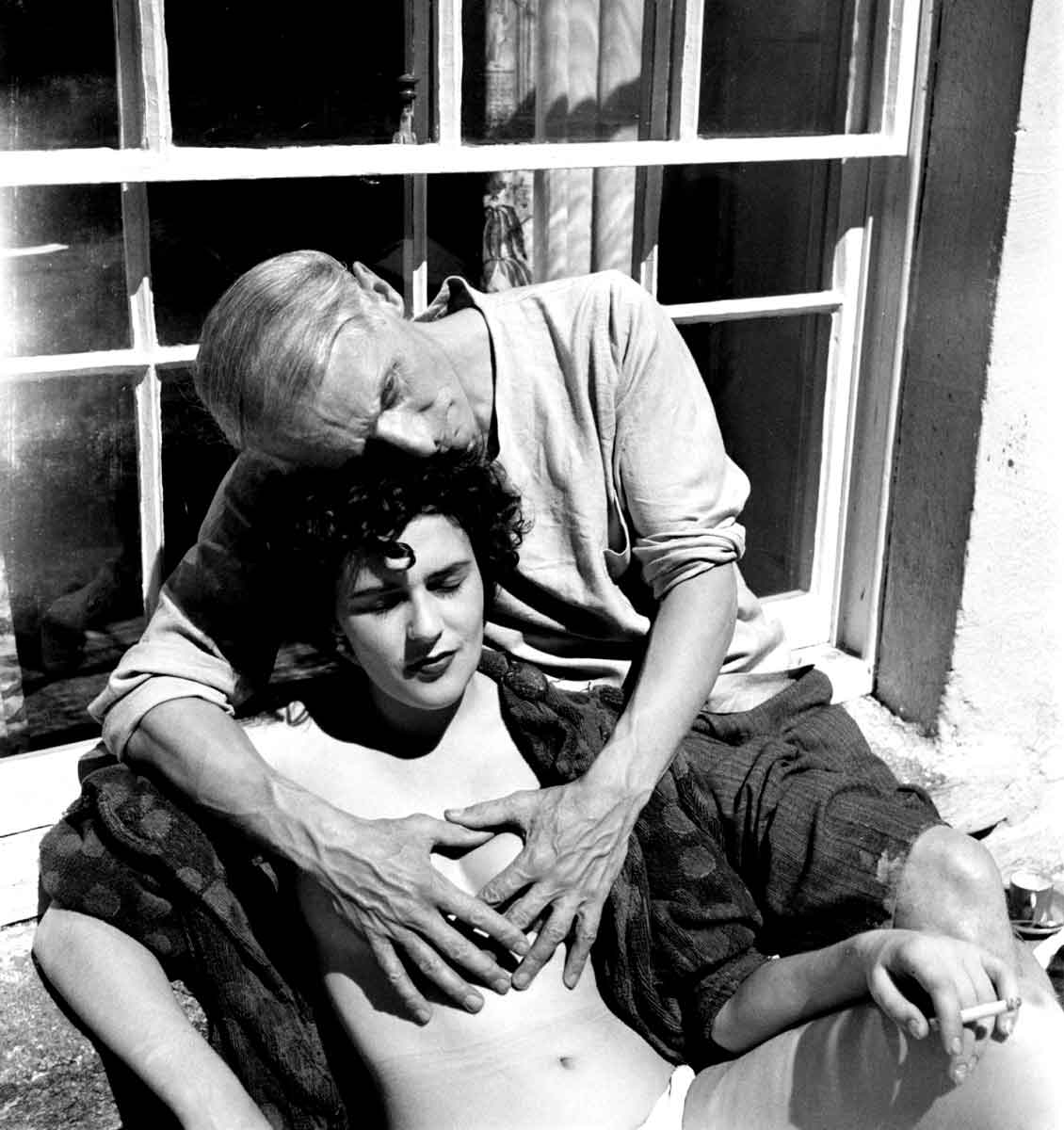
The relationship was artistically prolific but lasted only three years. In 1940, Max Ernst was arrested in France as a German citizen under suspicion of Nazi ties. Soon after his release, the Nazis captured Paris and arrested him again, this time for being an anti-fascist degenerate artist. Distraught, Carrington was soon admitted to a psychiatric hospital and treated with experimental drugs and electroshocks.
Soon, the couple managed to flee Europe separately. Carrington arranged a marriage of convenience with a Mexican diplomat, and Ernst married the heiress Peggy Guggenheim. The couple never met again, but according to Guggenheim, Carrington was the only woman Max Ernst truly loved in his life, and for many years, she remained the principal character of his paintings.
3. Niki de Saint Phalle & Jean Tinguely
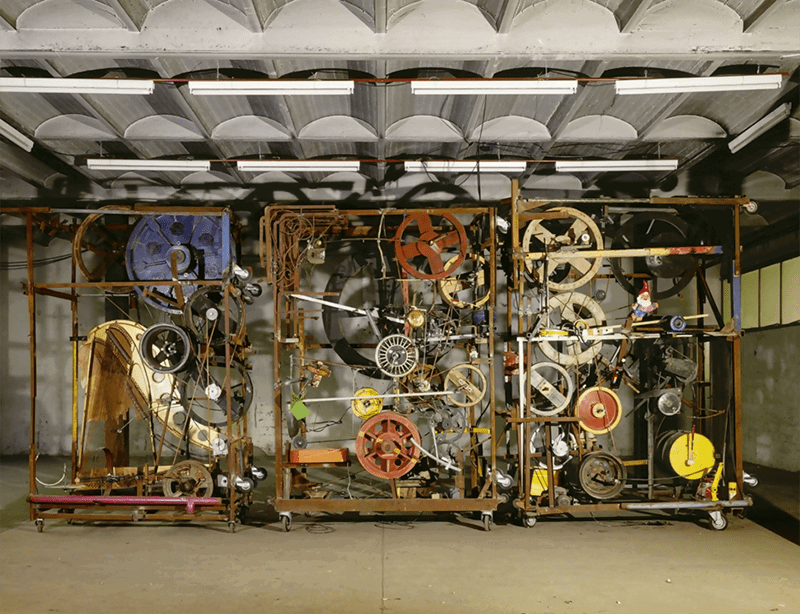
Niki de Saint Phalle was a famous French sculptor who focused on the exploration of femininity, patriarchy, and the opposition to it. One of the most remarkable relationships in her life was with a fellow artist, Jean Tinguely. Tinguely was preoccupied with kinetic sculpture, and both artists shared the same approach to art, which relied on absolute dramatic rebellion against any existing norms.
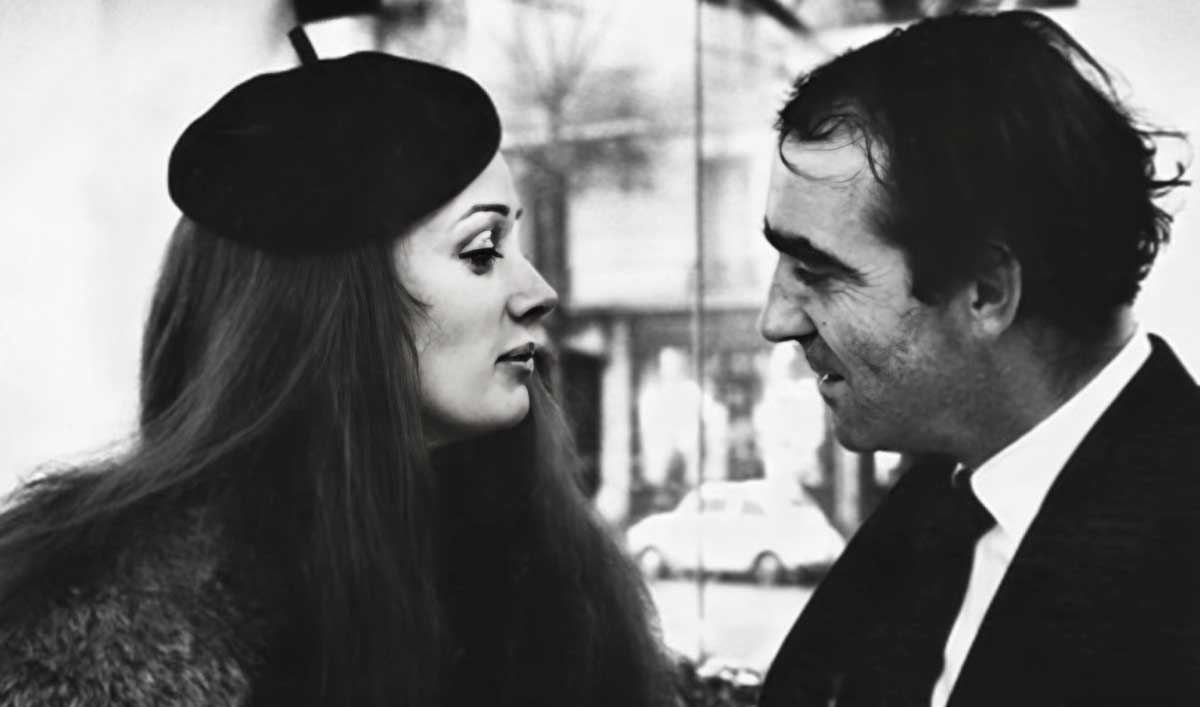
The couple met in 1956 while both were still married to other people. Niki de Saint Phalle had recently moved to Paris and needed help from an established local artist. She had an ambition to move from small-scale projects to something monumental, and Tinguely’s experience with mechanical sculptures was useful. Five years and two divorces later, the couple moved in together. Their relationship lasted for thirteen years and was pivotal for both of their artistic careers. Many of their works were created in close collaboration. Even after the divorce, they maintained contact and continued working together.
4. Lee Krasner & Jackson Pollock
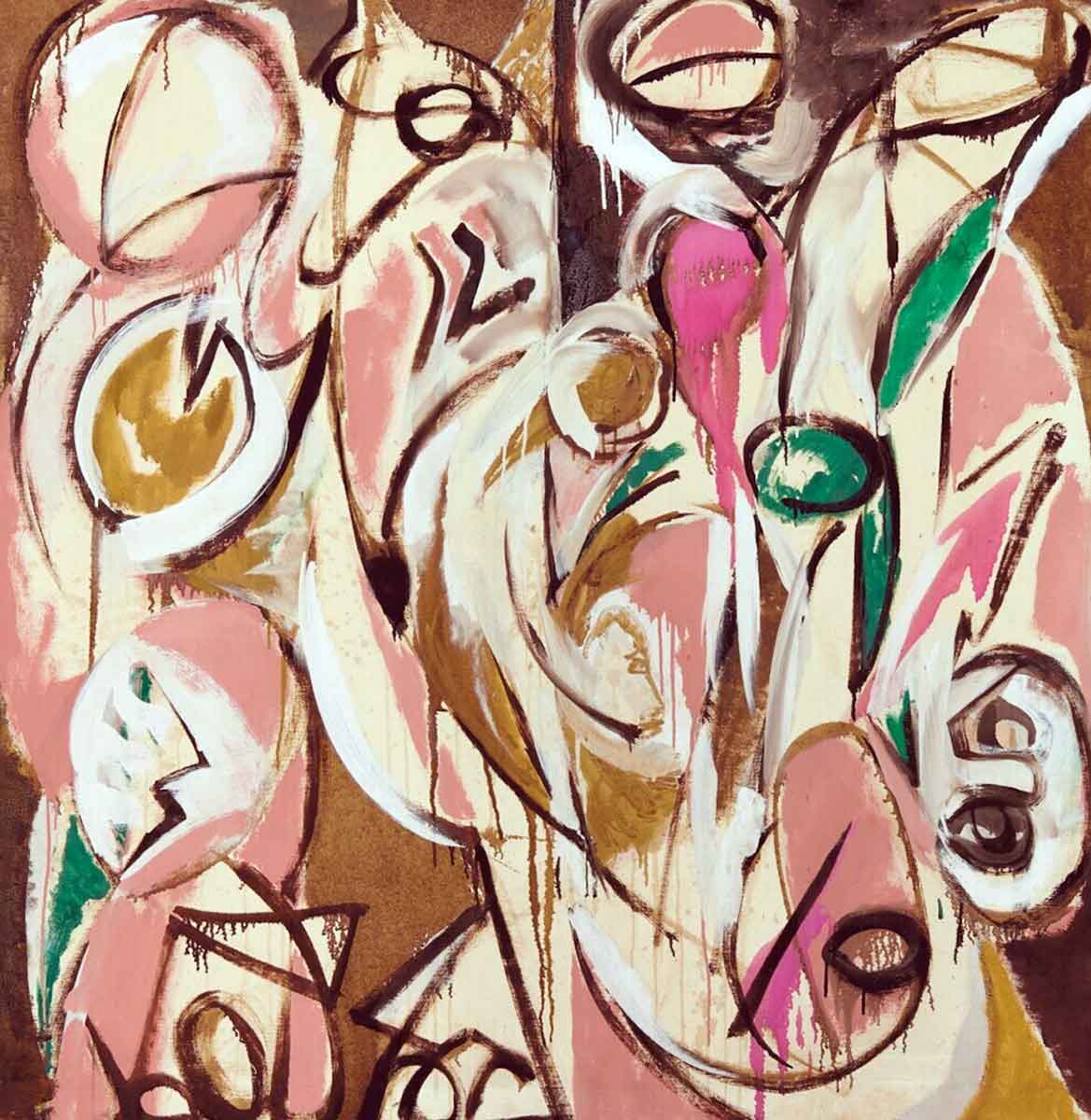
Lee Krasner and Jackson Pollock, one of art history’s most dramatic and famous couples, shared a tragic story. When they met, Krasner was already a talented and respected abstract artist, while Pollock was still relatively unknown. Initially, they didn’t like each other but soon discovered a profound connection through their art. They married in 1942 and maintained a turbulent relationship until Pollock’s death in a car accident in 1956.
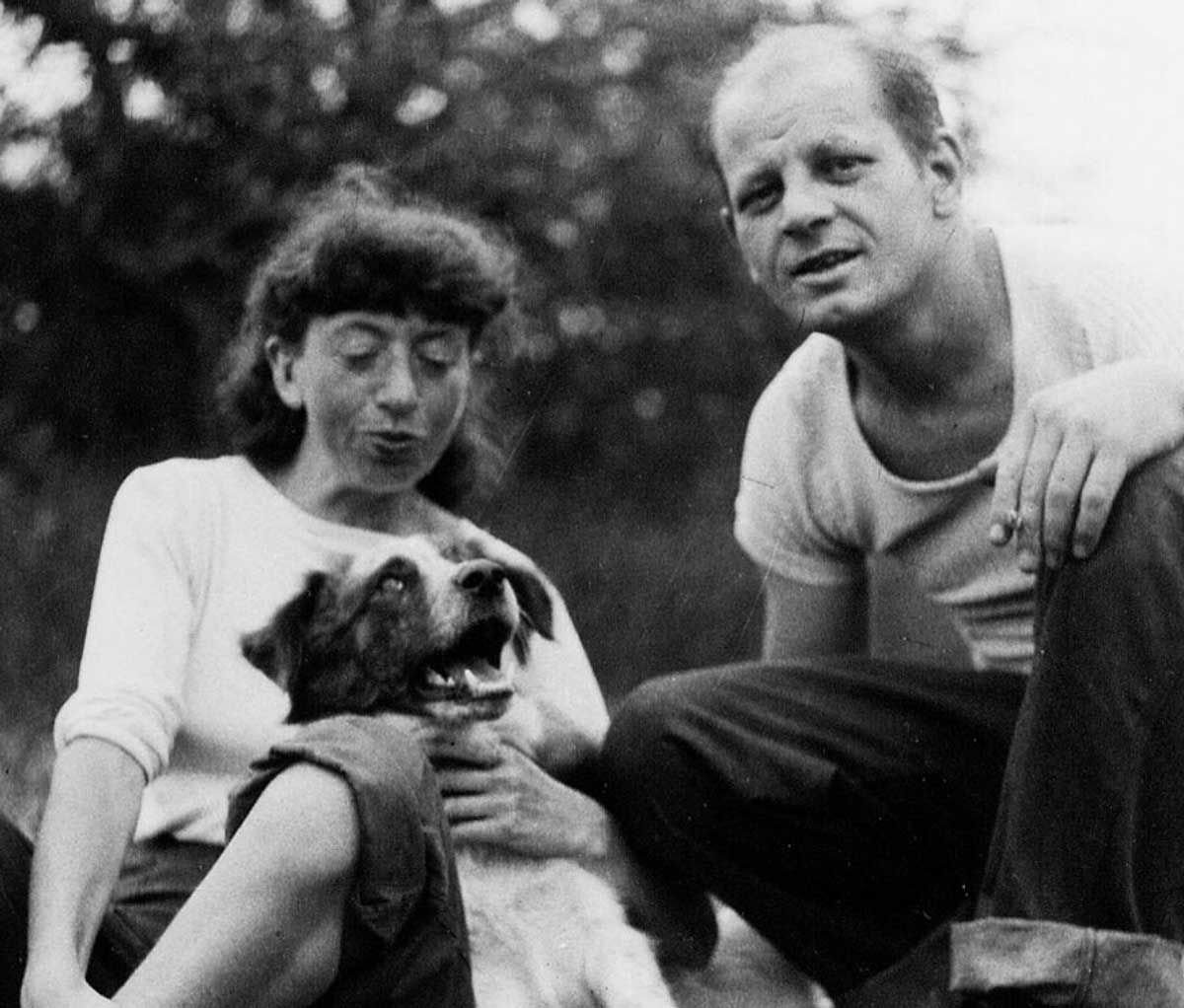
Jackson Pollock, an immensely talented but equally troubled artist, became Krasner’s main artistic project. To maintain his sanity and develop his career, Krasner had to sacrifice her own. She desperately tried to combat his addictions, get used to his infidelity, and get him professional therapy. Years later, she remembered the embarrassing details of their first meeting with Peggy Guggenheim. Krasner managed to arrange a visit from the famous collector to their shared studio, yet Pollock showed up late and so drunk he could barely stand. Only by a miracle did Krasner convince Guggenheim to stay, getting Pollock one of his most important patrons.
5. Robert Rauschenberg & Jasper Johns
Robert Rauschenberg met Jasper Johns in 1953, soon after breaking up with another famous artist, Cy Twombly. Johns was only starting his artistic career, while Rauschenberg was already established in the art world. They had a lot to take from each other: new ideas, important connections, and unbiased opinions. They saw each other as the only artists who were not charmed by Abstract Expressionism, instead searing for their own artistic paths.
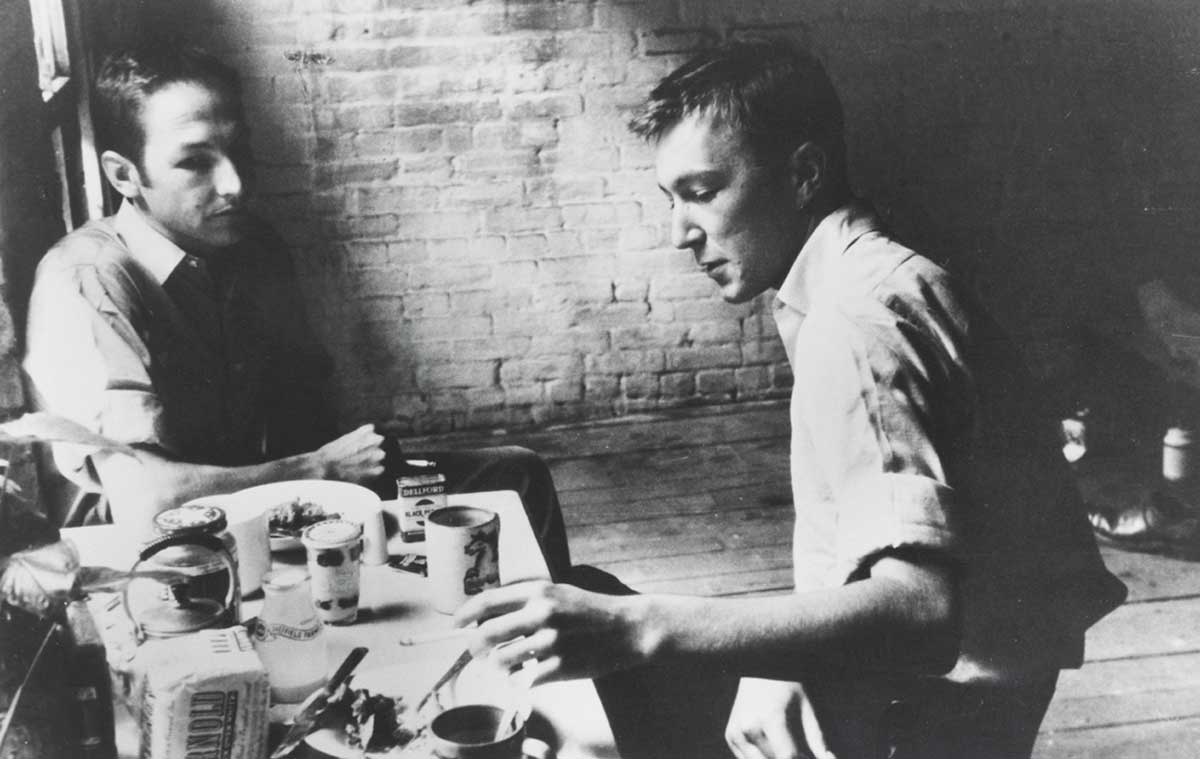
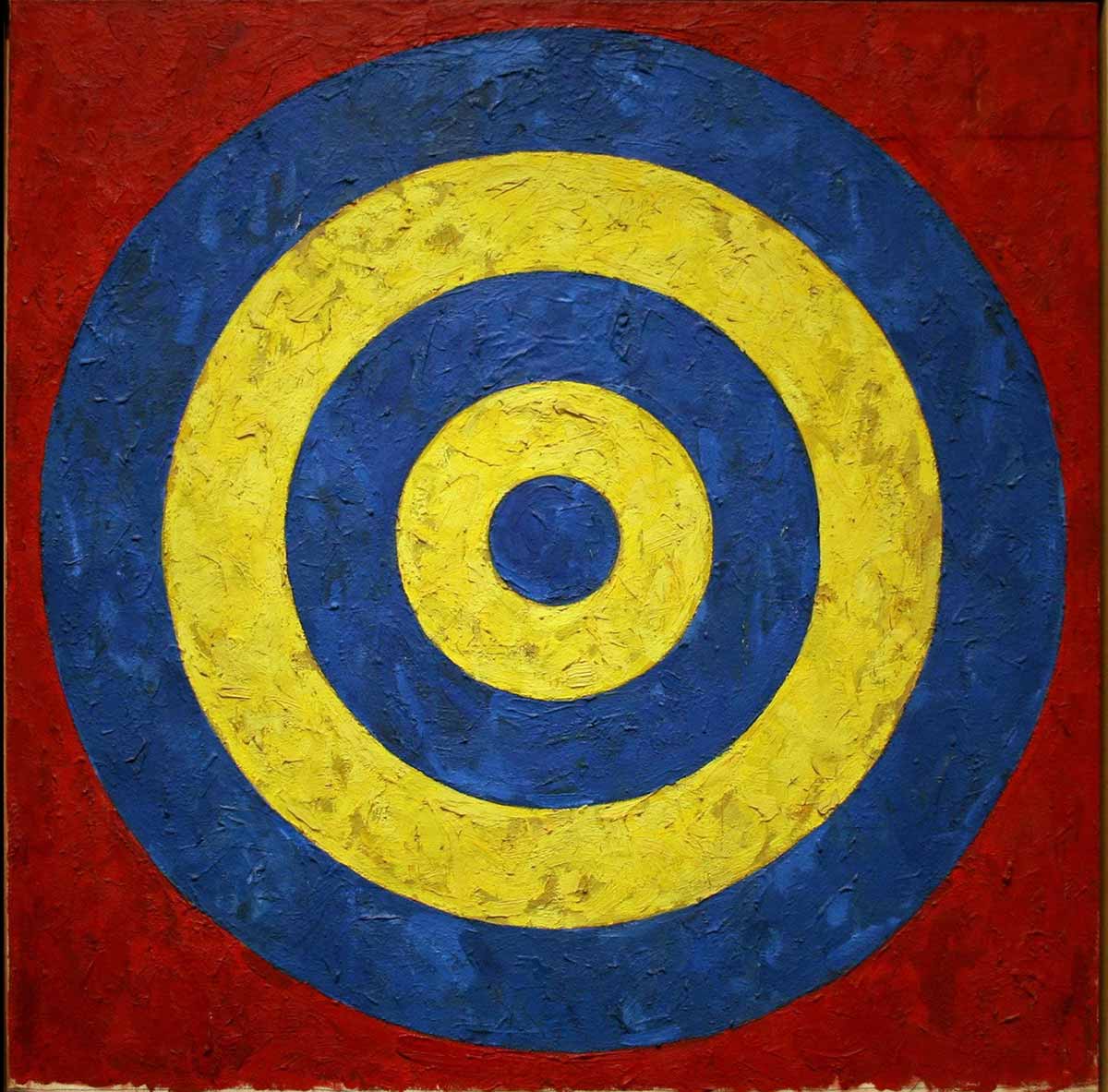
In the case of Rauschenberg and Jones, the mutual artistic inspiration and scrutiny were even more intense than in the majority of other cases on this list. In the 1950s, homosexuality was both criminalized and treated as a mental disorder. For couples who managed to maintain their relationship in such a hostile climate, emotional dependency on each other was even more intense than usual, as they were effectively isolated from the majority of the society around them. At the same time, both had to present their art publicly, leaving it available for speculation and guesses. In that sense, some art historians interpreted Jasper Johns’s Target series as a metaphor for being socially and politically vulnerable.
6. Georgia O’Keeffe & Alfred Stieglitz
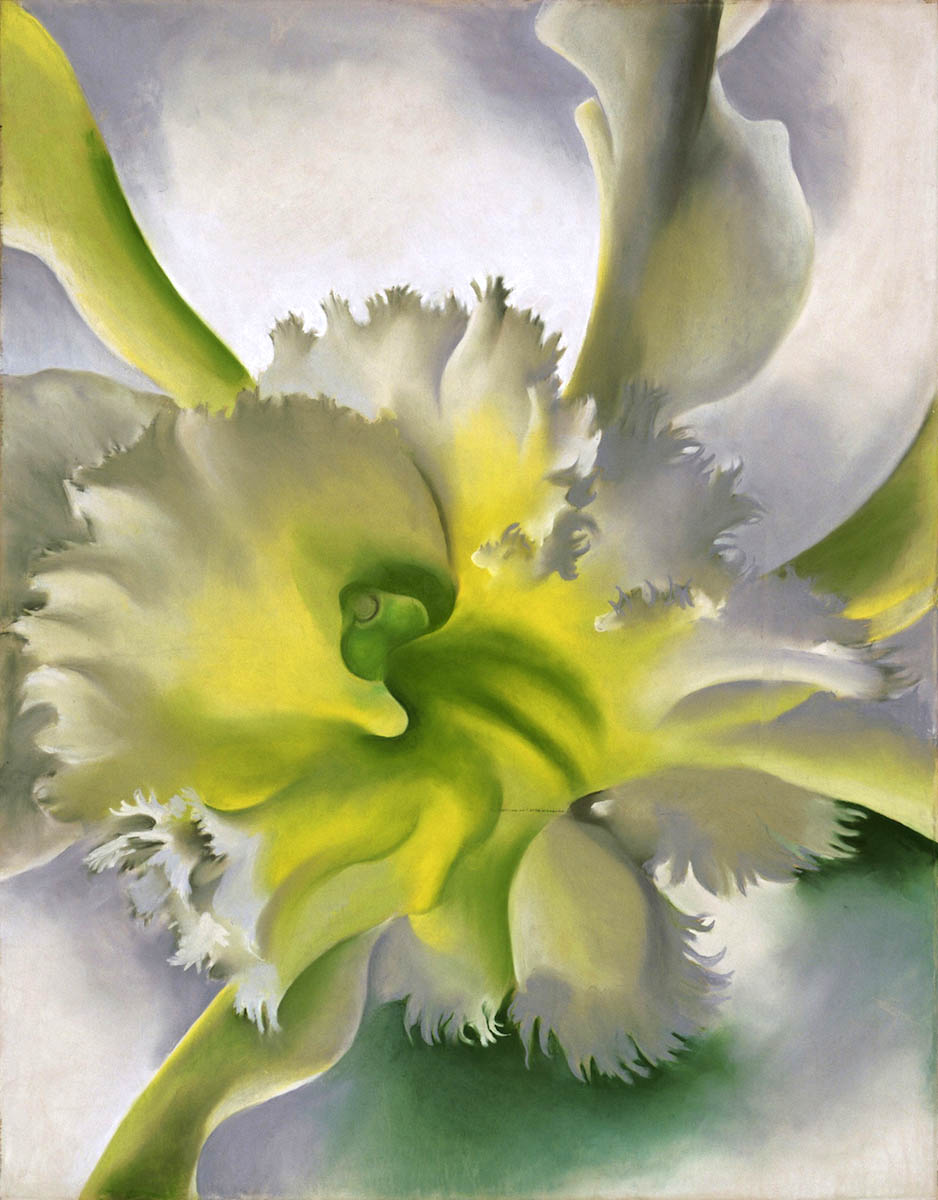
The two famous Americans had an age gap of 23 years and a notable class difference: Georgia O’Keeffe was the daughter of Midwest farmers, while Alfred Stieglitz came from a family of successful New Jersey merchants. One of O’Keeffe’s friends sent Stieglitz several of her charcoal paintings. Stieglitz, who ran an independent art gallery, was so impressed he decided to exhibit them before even meeting the artist.
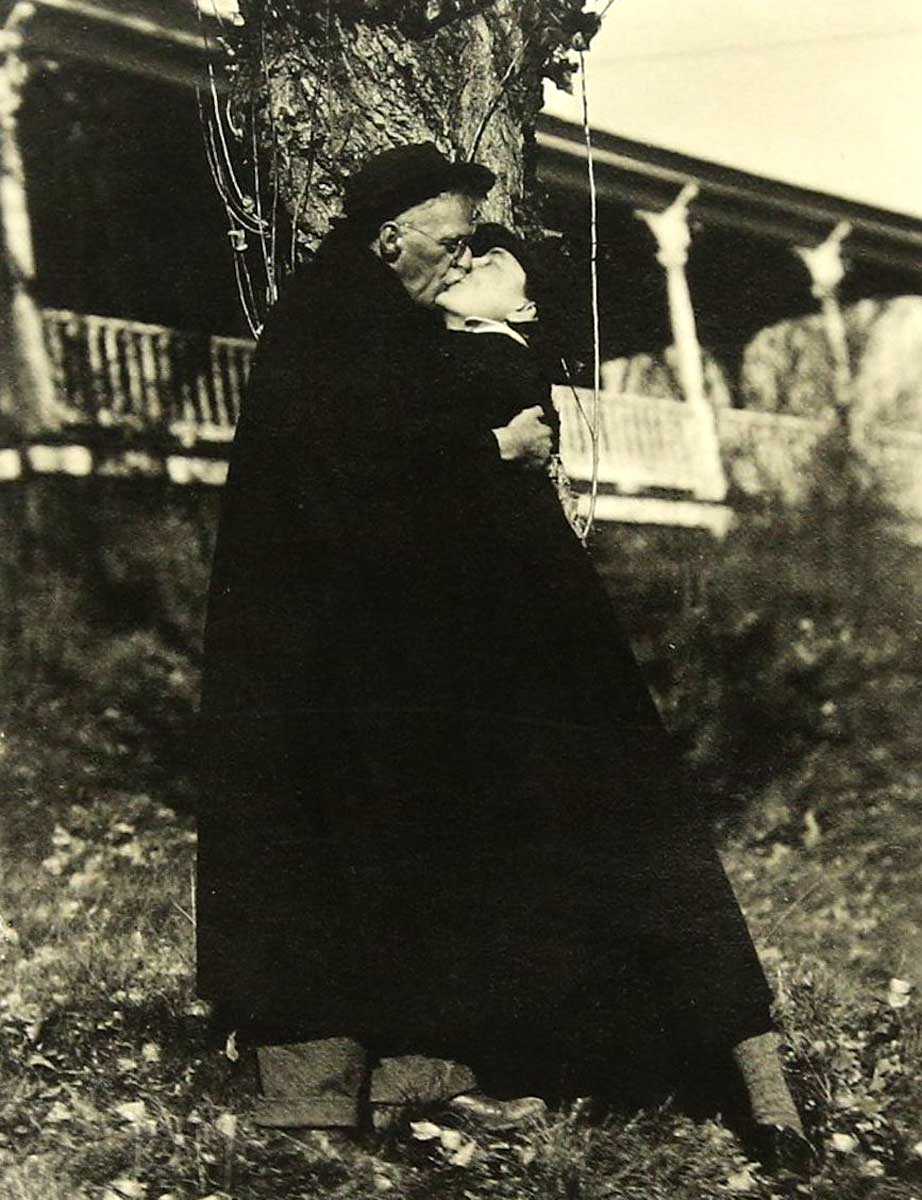
The relationship was passionate and incredibly prolific. O’Keeffe became the main character of many photographs by Stieglitz and gradually developed a more distinctive artistic style. Over the years, the relationship turned sour as Stieglitz kept pushing his partner’s art in directions she disliked. He warned her against watercolor painting, as he believed this medium was too feminine. Moreover, he clearly felt uncomfortable because of O’Keeffe’s rapid rise to fame. In the 1930s, the couple stopped living together but still maintained contact through letters.
7. Artist Couple: Dora Maar & Pablo Picasso
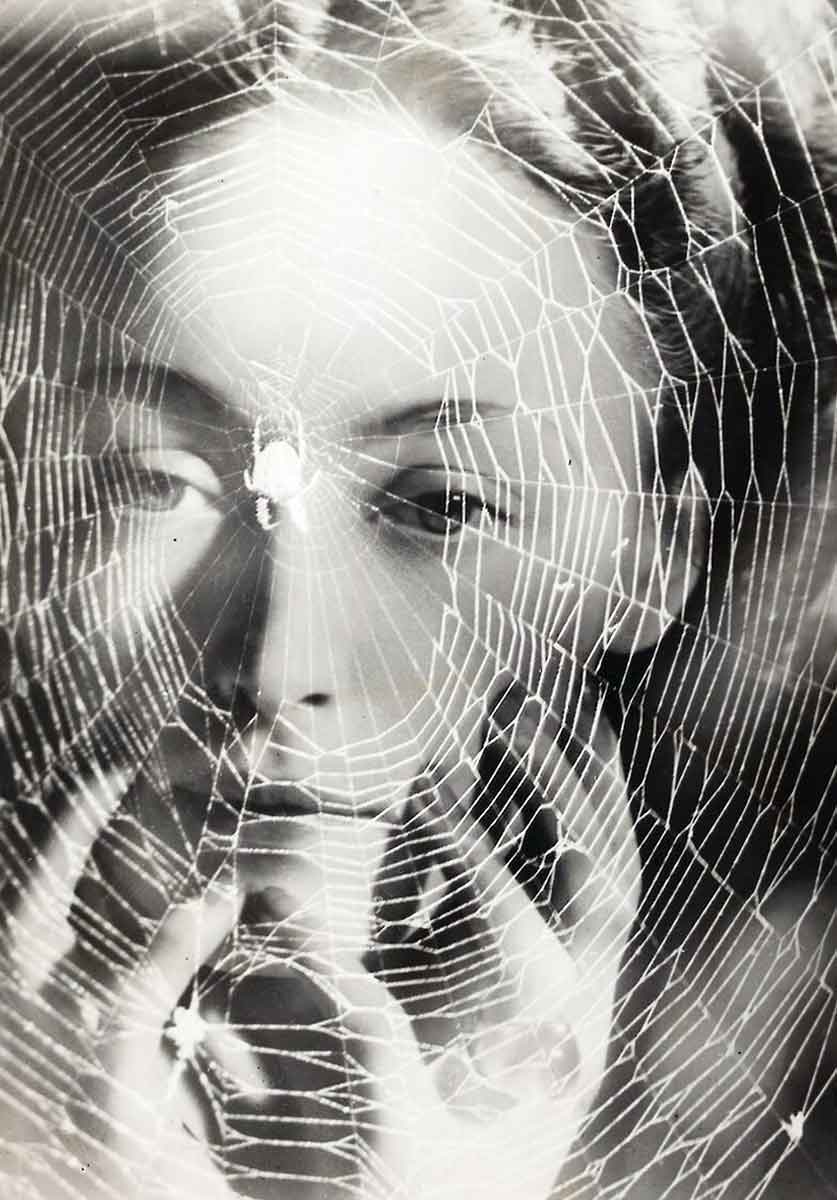
Dora Maar was much, much more than Picasso’s Weeping Woman. Although Maar is mostly discussed as Picasso’s muse and one of his many partners, not only was she a unique artist in her own right, but she also had a much bigger influence on him than it usually seems to be noticed. Being a person deeply involved in politics, she taught him about left-wing ideology. She was a painter, a photographer, and even a successful reporter who went to America to cover the effects of the Great Depression.
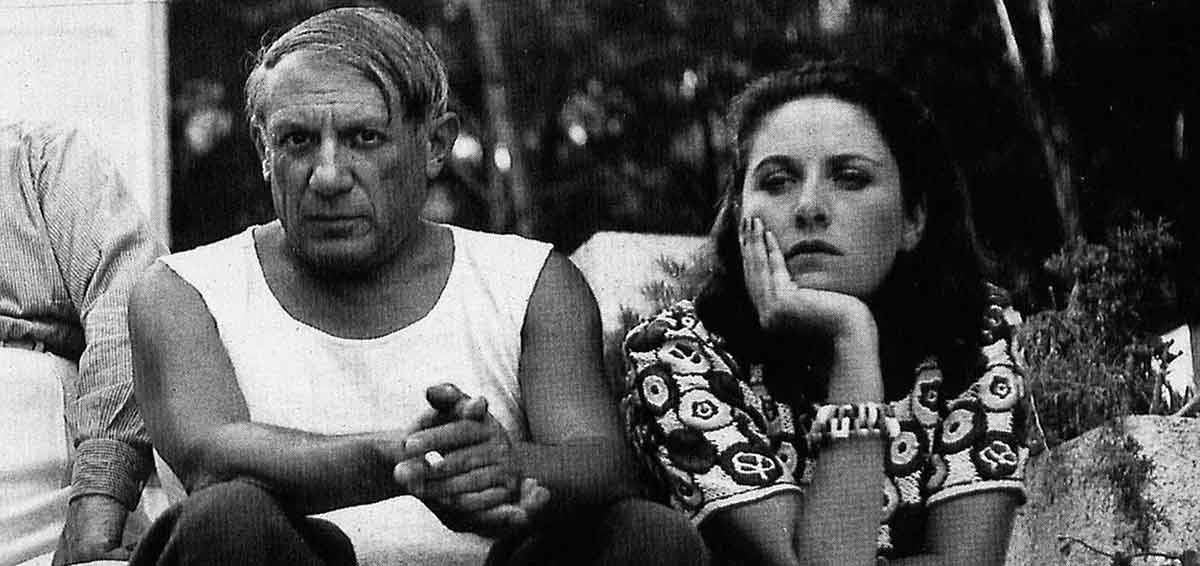
Picasso also learned photography from Maar while still leaving a not-so-slightly condescending comment that “inside of every photographer there is an artist struggling to come out.” Some art historians believe that he forbade Maar from painting, being afraid of competition from her side. The details of their relationship were unpleasant, to say the least. Despite the romantic status of muse and companion, Maar was frequently abused by Picasso, who at the same time had an affair with a seventeen-year-old Marie-Thérèse Walter. Picasso, amused by the jealousy of the two women, once made them fight each other to win his attention.