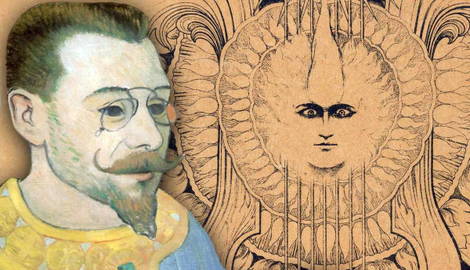

In the late 1800s, as modernity and secularization, urbanization and industrialization, nationalism, imperialism, and orientalism took hold, alternative religious forms revived and adapted. Occult movements and manifestations included theosophy, anthroposophy, Neoplatonism, Rosicrucianism, Swedenborgianism, spiritism, mesmerism, Christian mysticism, and ritual magic related to the Kabbalah, tarot, astrology, and alchemy. Symbolist beliefs are based on the idea that art creation reveals the link between an artist’s subjective state and the hidden totality of nature.
Symbolism: Kicking off With an Iconic Example
“A picture – before being a war horse, a female nude, or some anecdote – is essentially a flat surface covered with colors in a particular order […] every work of art is a transposition, a caricature, the passionate equivalent of a received sensation.”
In Symbolist art, occult beliefs are materialized in hidden or crypto images, as defined by Dario Gamboni. Odilon Redon’s “soupcons d’aspect” are the repressed and disturbing contents beneath a given reality, expressed in various types of “crypto-iconic enunciations.” In the words of Jean-Dider Urbain, “the crypto-image is a sign that oscillates between the desire to be disclosed (to be an image) and the temptation of the void satisfied by utter effacement (being a non-image),” given by the objective and intrinsic attributes of a work of art, aroused by the artist’s specific intentions.
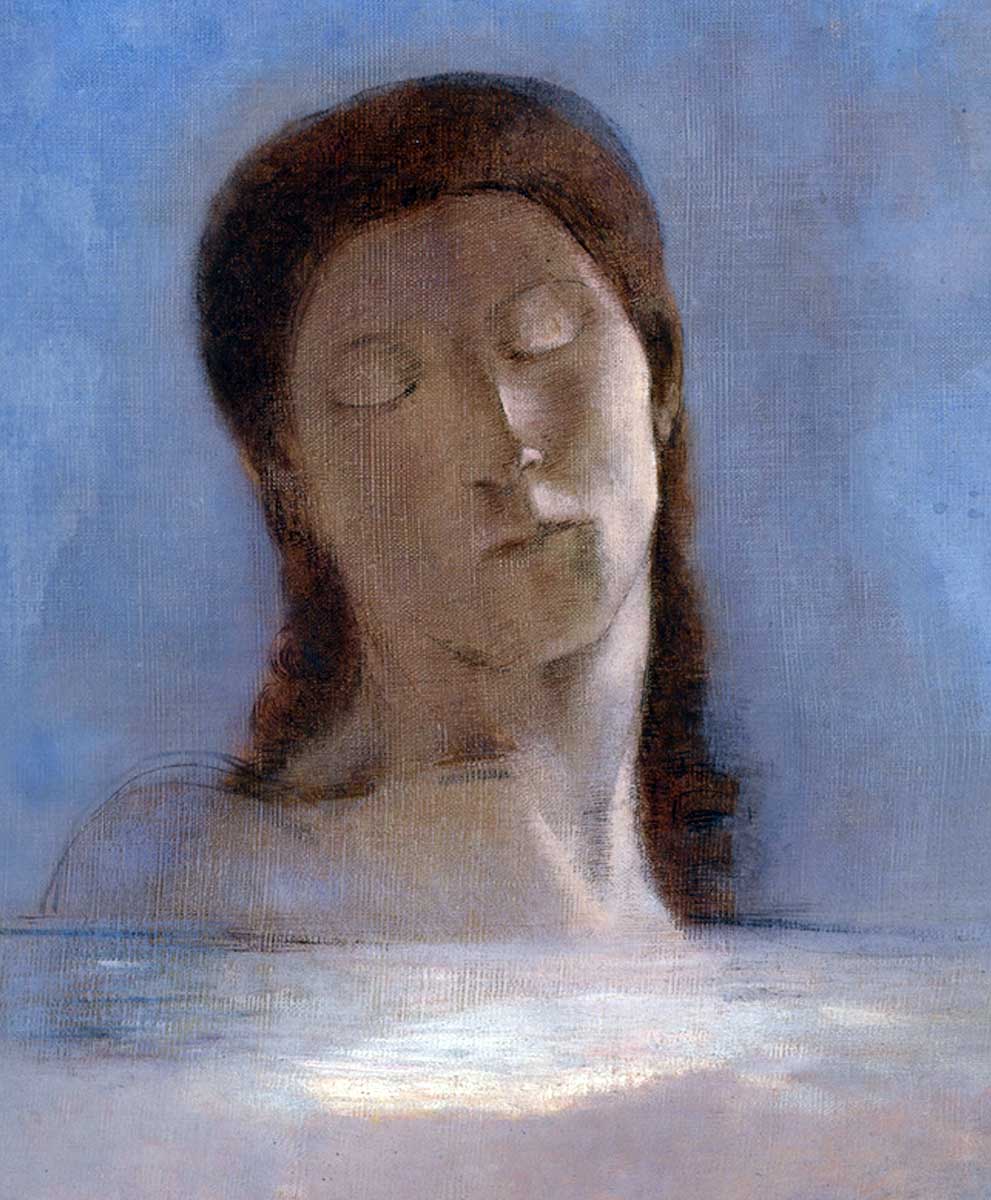
Redon’s Closed Eyes (1890) became an emblem of symbolist aesthetics. The closed eyes of the figure, the calm and dreamy expression, and the reduction of the colors express the symbolist inward research. In Petr Wittlich’s interpretation, the connection between the visible and the invisible is expressed on two levels: through the technique of luminous sfumato, which creates an atmosphere of silence and spatial ambiguity, and through the closed eyes and the water, which suggest another level of existence. Here, Camille Falte, the artist’s wife, is transfigured as a “cosmic sleeper” in the limbo between two dimensions.
Back to the Fin de Siècle: The Occult in Art
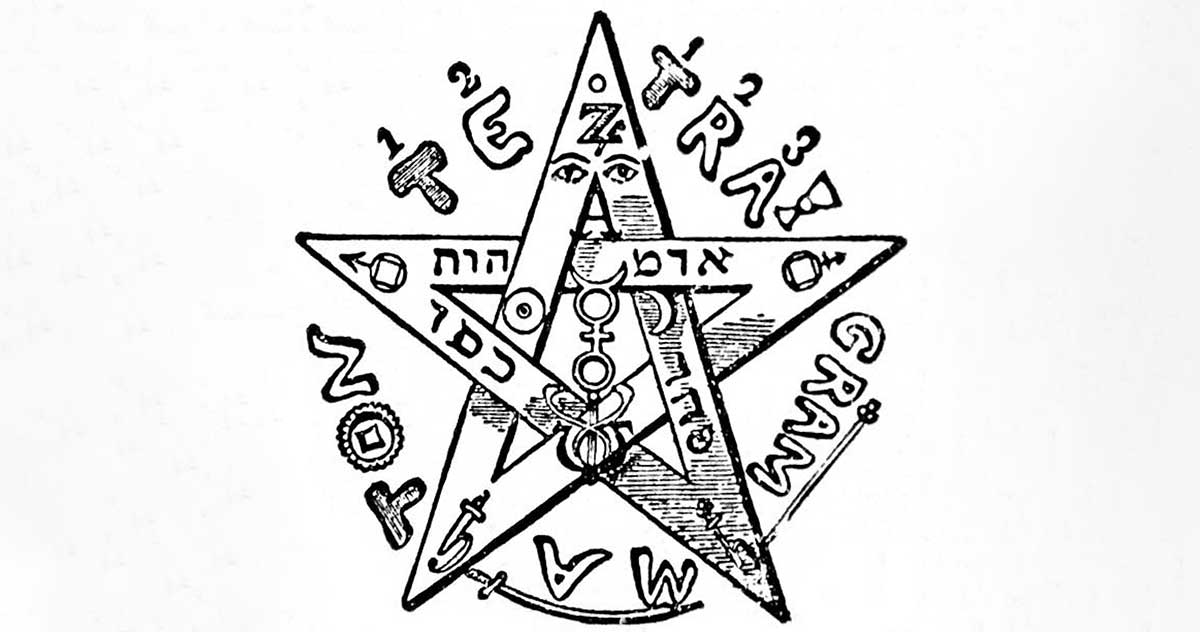
Occultism is the heterodox modality in which Western esotericism has adapted to modernity. It integrates the metaphysical system of esotericism with the 19th-century primacy of science and orientalist interpretations of Buddhism (popularized by A.P. Sinnett, Esoteric Buddhism, 1883). They wanted to create a higher science that could be both spiritual and rational, applying a scientific methodology and relegating itself to the private, intimate spheres and spaces of more personal forms of religion.
As Edward Tiryakian has noted, the role of esoteric culture was central to the shifting cultural paradigms of the fin de siècle, inspired by earlier sources such as the magician Éliphas Lévi (Alphonse Louis Constant), who wrote books on Kabbalah, alchemy, and magic. Therefore, Occult Modernism is the intersection between occultism and modernist expressions, together with science, psychology, religion, and social modernity. They shared the research questions in reading the relationship between religion, science, and art and tools of innovation related to the metaphysical insights and techniques of esotericism, tropes, methods, concepts, frameworks, and markets.
Despite being a pessimistic reaction to positivism, occult movements wanted to gain scientific respectability and be assimilated by the modern world. Tangible evidence was then gathered by means of measurements to justify spiritual sciences comparable to experimental psychology. They replace magic (pseudoscience) with psychology’s study of the unconscious, founded on the idea of “productive error.” Indeed, for Linda Dalrymple Henderson, the interest in mysticism was related to the exploration of the Self and its different levels of consciousness in psychology, and the investigation of the structural harmony of nature beneath superficial appearances in the physical sciences.
Mass society, urban, industrial, scientific, and technological progress, the decline of traditional bourgeois morality, and the disillusionment with organized religion created a sense of anxiety that manifested itself in neurasthenia and hysteria in psychoanalysis.
After 300 years, occult societies experienced a revival across different social classes and nations. This resurgence was evident in the U.S. during the 1840s and 1850s, as well as in Victorian Britain, where the Fox Sisters popularized spirit communication through coded raps in a haunted house (1848). Their influence contributed to the emergence of movements such as Mormonism, Millerism, and eventually Seventh-day Adventism. In Germany, interest in the occult was reignited in 1878 when Karl Friedrich Zöllner’s experiments with the medium Henry Slade in Leipzig sparked debate over transcendental physics. These experiments were later linked to the concept of a fourth spatial dimension, inspired by 19th-century non-Euclidean geometries—a theme referenced in Kandinsky’s 1911 manifesto.
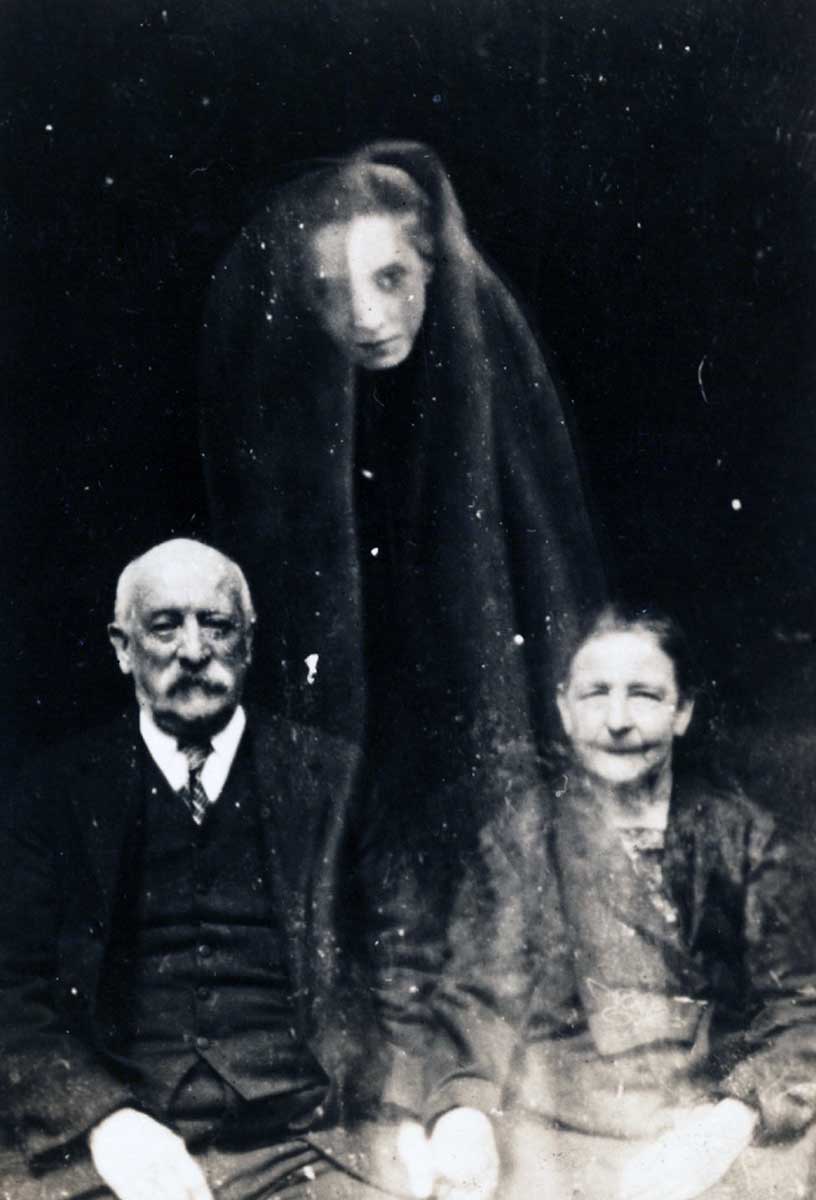
Looking at the mainstream “occulture” of the period, the “haunted” aesthetic—compared by some critics to the paintings of James McNeill Whistler—was not only reflected in spiritualist art and literature but was also shaped by advancements in media and technology. Ghost photography, for example, allowed the spirits of the dead to appear in cartes de visite, showcasing the camera’s technical capabilities in capturing the supernatural.
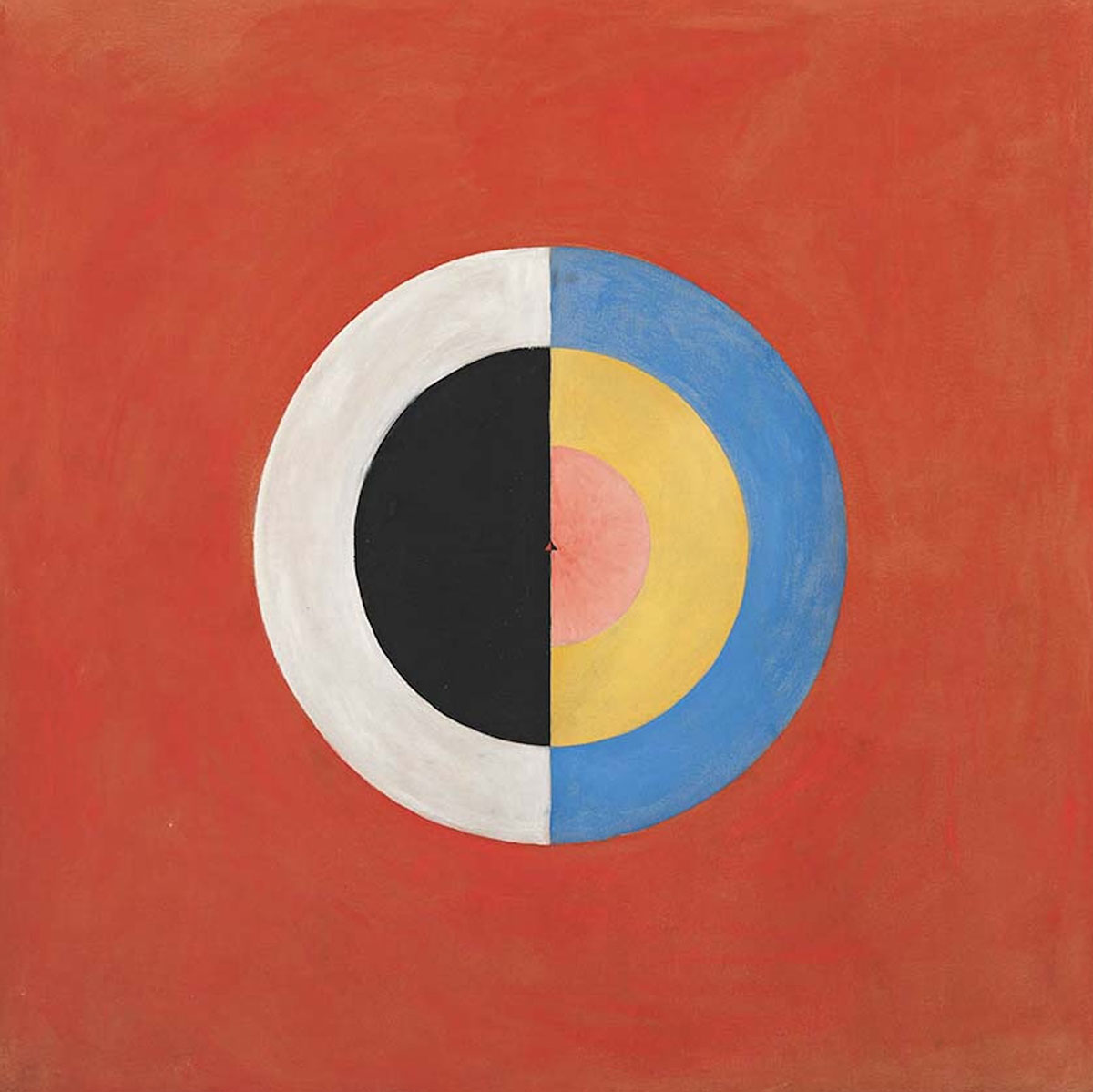
Occult beliefs, forms of mysticism, and neo-traditionalism renovated the process of creation of art, artistic perception, and creative potential, as well as the work’s dissemination and reception. Different aspects of occultism became a means to formulate modern aesthetics, surpassing the naturalistic idea of art as a window to reality. The inward turn was thus reflected in the questioning of the traditional norms, introducing a new visual ambiguity in accidental or potential images.
For Marja Lahelma, the symbolist principles of inwardness, intuition, and dematerialization were rooted in esoteric beliefs and aesthetic theories. These contributed to a paradigm shift toward the intimate, anti-materialistic, and contemplative space of dreams, fantasies, nightmares, visions, hallucinations, ancient myths, and fairy tales. As a way to escape from modernity through the imaginary, symbolist art promoted slow contemplation, building a multilayered time in a moment of universal standardization and distinction between public (short time) and private time (long time).
Spiritual art sought to capture the absolute invisible dimension, expressing hidden truths and adopting the magical connotations of a Freudian fetish—a subjective medium guiding one toward the materialization of an extrasensory objective reality. This form of “regression” justified the “reconceptualization of the mimetic,” connecting it to the magical thinking of the “primitive” as described in contemporary Western anthropology.
The “true” artist thus falls within the Romantic concept of the hypersensitive genius, an exceptional individual who possesses sacred knowledge. According to Marina Aptekman, symbolist poetics focused heavily on the production of new methodologies to alchemically merge life and creativity in the artistic process itself through the use of language, perceived as a tool for creating a personal and authentic world. Primordial and magical words allowed communication with God, mastered by a demiurgic figure or teacher of occult knowledge.
Mediumistic Art: The Spirits at Work
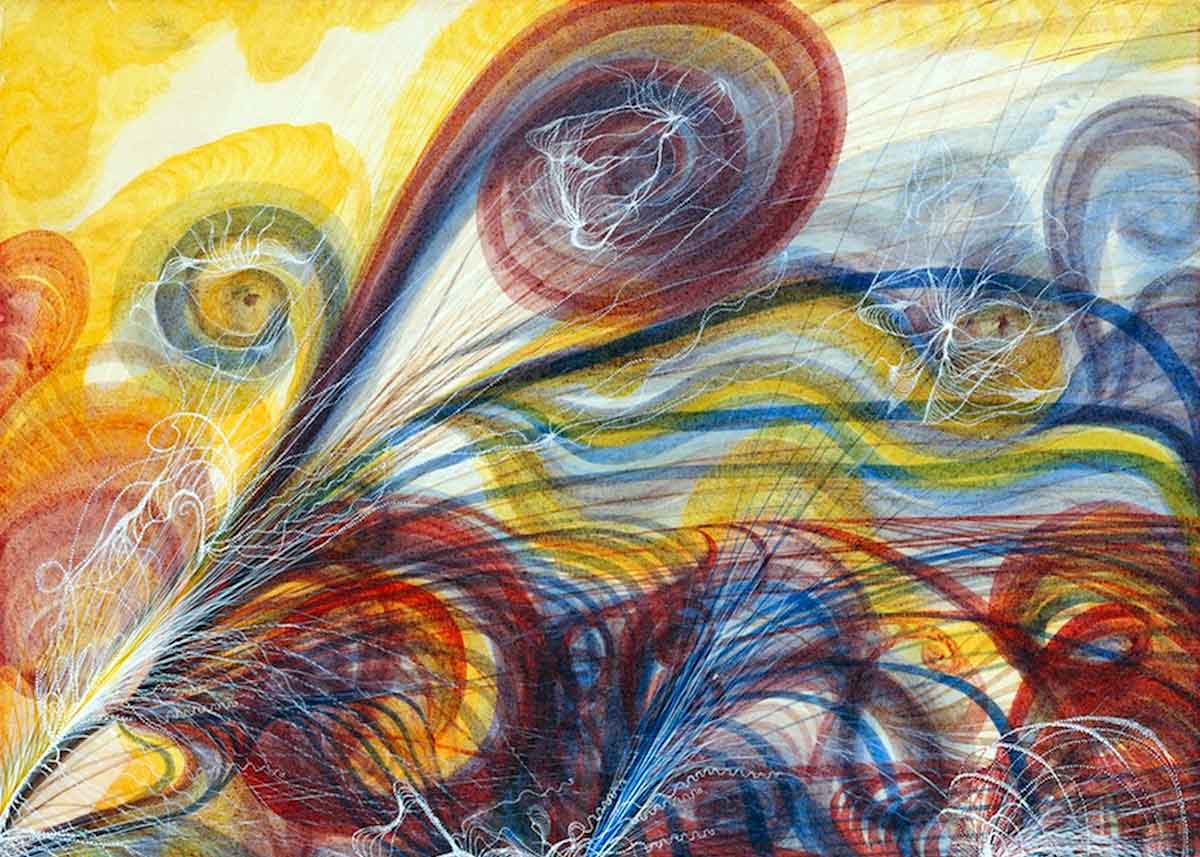
Hypnosis and medium communication offered pragmatic solutions and methodologies to answer unsolved scientific questions. One of the most direct ways to communicate with a higher spiritual reality was through mediums’ séances. This became very popular in the second half of the 19th century.
During spiritualist séances, spirits and ghosts from other dimensions manifested themselves through sounds and movements that were interpreted through and by the medium. In art, these practices were adopted by women artists, who could emancipate themselves from their state of marginalization by becoming exclusive intermediaries of an invisible dimension.
As a result, women painters created early non-figurative works while guided by specific (male) spirits in states of trance—or, in psychological terms, their unconscious. For example, the British medium Georgiana Houghton attributed her watercolors to the influence of Correggio, while the Swedish artist Hilma af Klint channeled “Amaliel” to produce her Paintings for the Temple, infused with theosophical and anthroposophical messages. Similarly, Hélène Smith (Elise-Catherine Müller) claimed inspiration from extraterrestrial beings. By attributing their creative agency to external presences, these artists contributed to the development of automatic painting techniques, rooted in the psychic automatism of the Spiritists and Pierre Janet. This practice was later adopted and secularized by the Surrealist avant-garde.
Art as a Talisman for Initiation & the Nabis
Among the most influential theorists who drew on esoteric ideas were the Symbolist thinker Albert Aurier, the French poet and occultist Edouard Schuré, and Joséphin Paladén. Eliphas Lévi wrote the long poem Les Correspondances (1840), which popularized the Swedenborgian theory of correspondence between the visible and invisible worlds and made Baudelaire and Balzac important intermediaries for the Symbolists. Lévi writes: “the imagination is in effect the soul’s eye; therein forms are oulined and preserved; thereby we behold the reflections of the invsible world; it is the glass of visions and the apparatus of magical life.” In addition, for Baudelaire, correspondences can be either horizontal (synaesthetic) or vertical (transcendental).
Following Albert Aurier’s ideas, only mysticism could save modern society from the utilitarianism brought about by positivist science. Yet mathematics and sciences were sources of inspiration for mysticism because of their exact and rational character. Aurier’s theories on art adapted the literary principles of Symbolism to the visual arts. He saw the artwork as the site of imaginative activity, where the artist and viewer converge, uniting the soul of the artist with that of nature—a meeting point between spirit and matter. Aurier also carried forward Swedenborg’s legacy and shaped Symbolist poetics. In this framework, the three hierarchically arranged worlds—natural, spiritual, and celestial—correspond to one another through the imagination of a visionary in ecstasy. Every object in the natural world, from humans and animals to plants, minerals, and metals, reflects its spiritual counterpart, which in turn embodies a divine archetype. Thus, subjective vision transforms these elements into symbola, celestial signs revealing deeper truths.
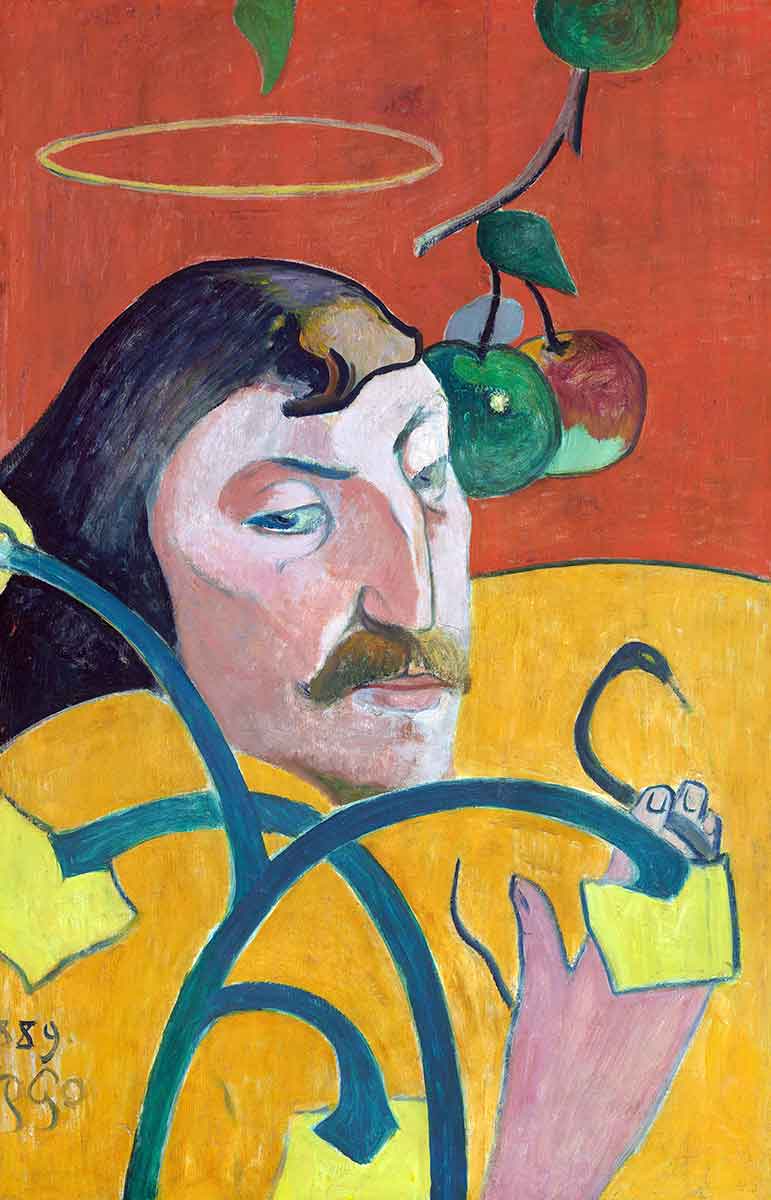
The secret society of the Nabis or “prophets” was founded in 1888 by Paul Sérusier, an active member of the French Theosophical Society. It lasted until the 1910s. An artist was conceived as a clairvoyant priest, initiated prophet, a visionary mediator who could reveal the invisible power behind reality through the production of stylistically personal art, the expression of the artist’s soul. Nabis members were inspired by the synthetism and symbolism of Paul Gauguin’s works, Neo-Catholic mysticism, theosophy, Neoplatonic philosophy, Asian philosophies, religions, and Japanese decorative arts and Ukiyo-e prints.
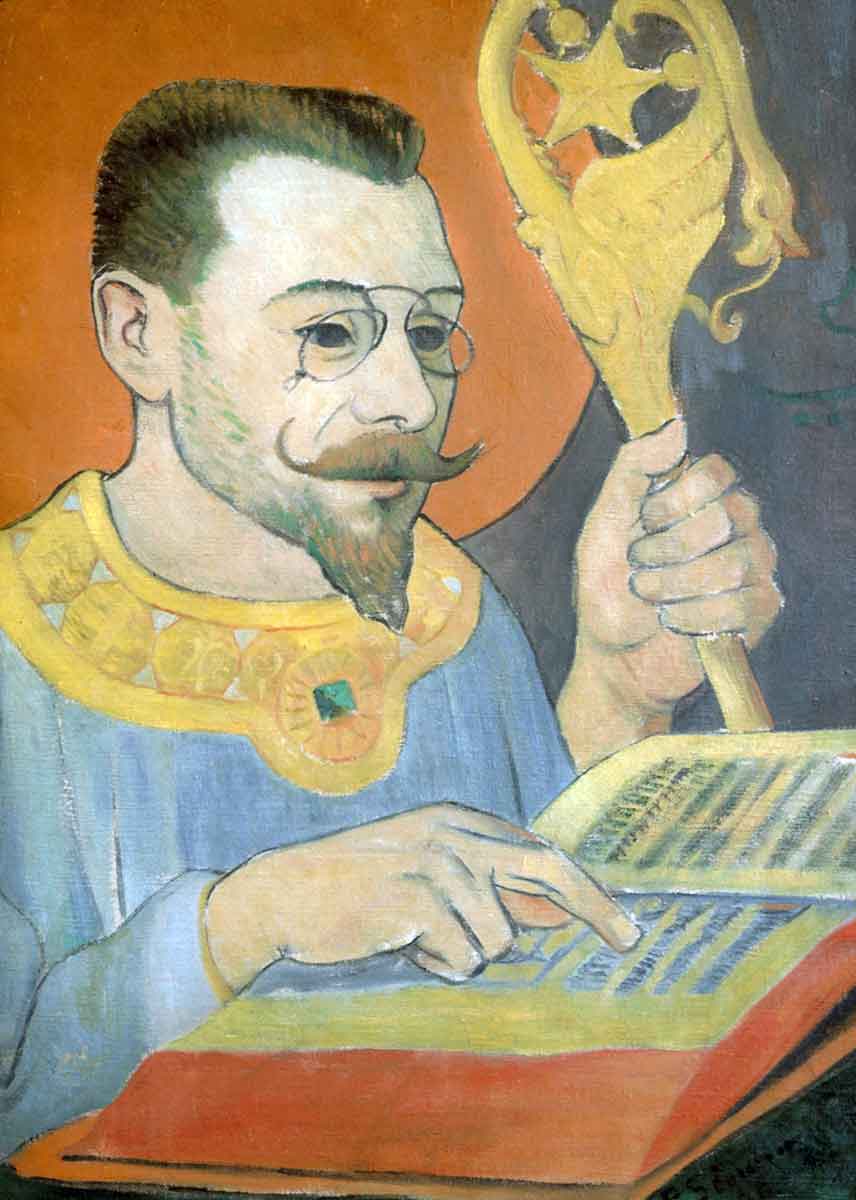
For them, color and form could represent experience. The Brotherhood wanted to discover the pure sources of art, to capture the mystery and mysticism behind ordinary subjects, even in applied arts. The group included Sérusier, Paul Ranson, Maurice Denis, Pierre Bonnard, Edouard Vuillard, Félix Vallotton, Ker-Xavier Roussel, Georges Lacombe, the American Maurice Prendergast, the sculptor Aristide Maillol and the designer of the theosophical magazine Le Lotus Bleu, Claude-Émile Schuffenecker. The Nabi aesthetic was disseminated through the publications of La Revue Blanche, for which Bonnard provided covers and illustrations.
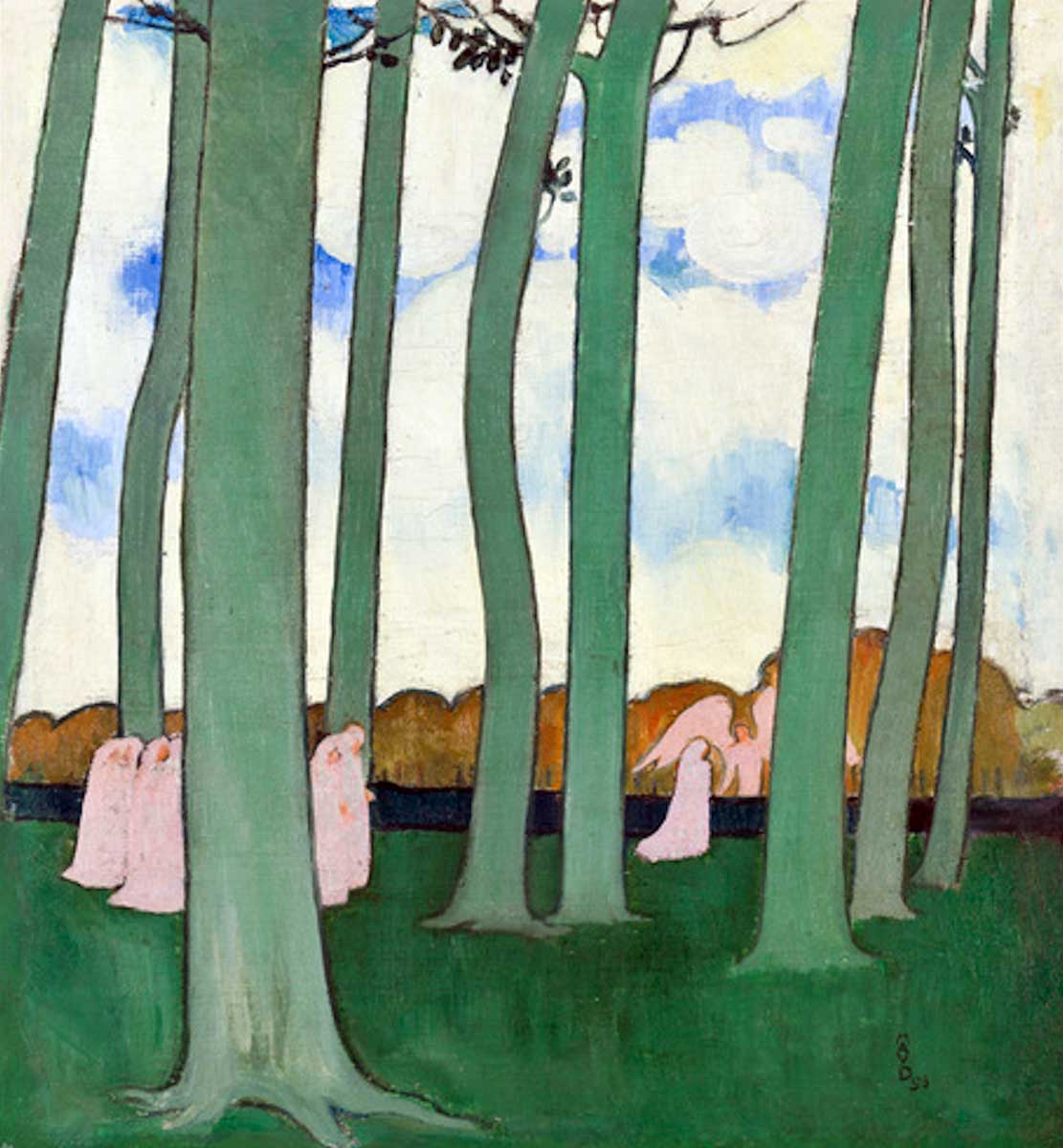
Another important source of inspiration, especially for Bonnard and Vuillard, was the poetry of Stéphane Mallarmé. In relation to it, Denis outlined the ideas of Symbolist Nabi, starting from his reaction to Naturalism, and promoted an abstract tendency to foster a new spirituality, the expression of the subjective feelings of the artist’s soul which give birth to the meaning of art in its forms and colors. He painted biblical subjects as well as decorative murals inspired by Puvis de Chavannes.
In general, the Nabi style is characterized by a decorative effect and the use of economical means to outline ideas derived from Gauguin’s synthetic technique and Art Nouveau. The preference for “decorative” patterns featuring flat cloisonné planes of color remained constant. Subjects ranged from Symbolist themes—mythological and biblical scenes or allegorical figures—to intimate domestic interiors and landscapes evoking the Garden of Eden or an earthly paradise, where art either sanctified nature or infused it with devotional significance.
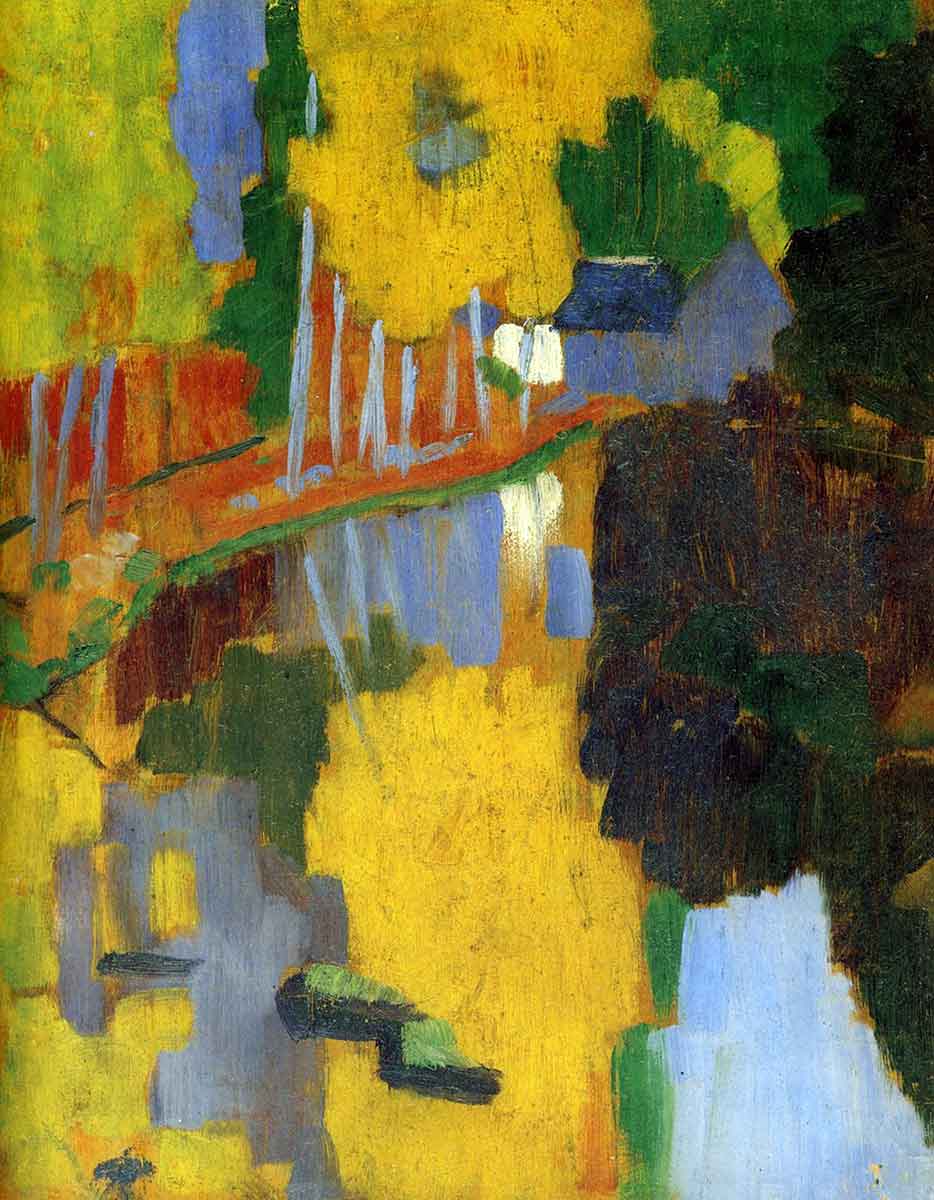
The work of art was conceived as a materialization of the artist’s subjectivity, where materials were alchemically transformed into permanent talismans—mediums in themselves for accessing hidden absolute truths and the essence of things. Sérusier’s Talisman serves as both a relic and a visual manifesto, embodying this vision through its decorative structure, synthetic flatness, and juxtaposed colors.
In their later years, Ranson and Sérusier abandoned Catholicism and embraced theosophy, an interest they shared with another key figure in the dissemination of esoteric ideas: Joséphin Péladan.
Salons de la Rose + Croix
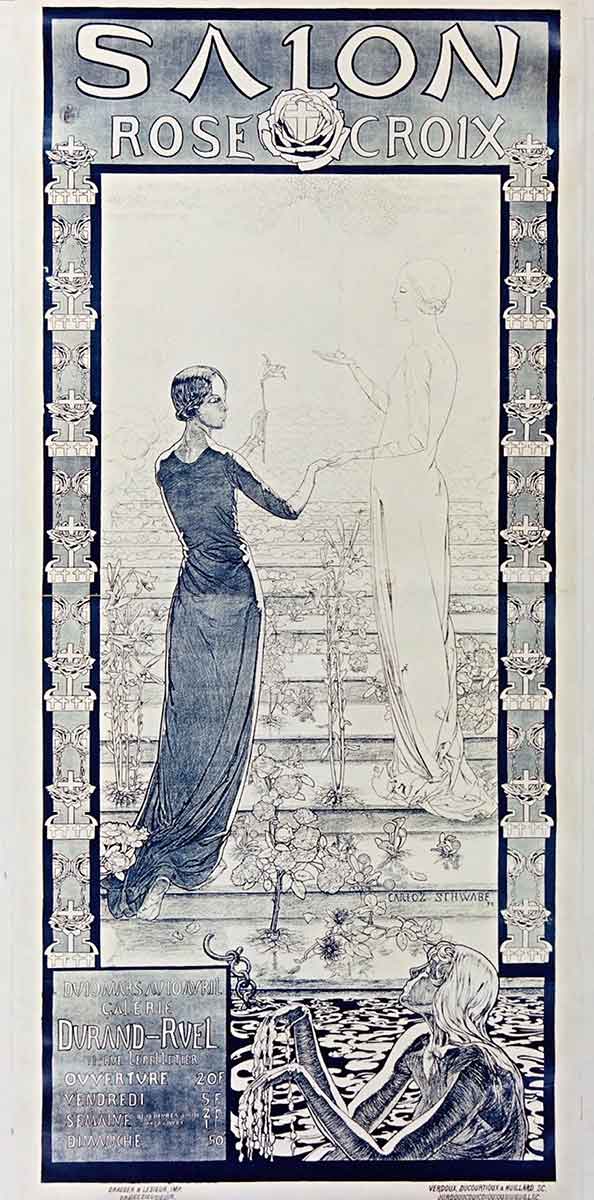
A variety of occult beliefs were promulgated by the French, Belgian, and Swiss members of the Six Salons de la Rose + Croix, organized between 1892 and 1897 by Joséphin Péladan, an influential author and follower of the esoteric-aesthetic idealistic tradition of Rosicrucianism, numerology, and Catholic universalism. His theory was born out of a mixture of Christian currents, Orientalist, and Kabbalist elements, in the context of the French occult revival, which combined it with Symbolist art.
After breaking with the Order of the Rose-Croix in 1888, Péladan founded the Ordre de la Rose-Croix Catholique et Esthétique du Temple et du Graal, dedicated to the principles of idealism, tradition, and hierarchy. As scholar Sasha Chaitow explains, he sought to revive the philosophia perennis of Renaissance philosophers through the ritualization of art, which would serve as the manifestation of the divine in matter. For Péladan, humanity was meant to embody the supreme, abstract, divine idea—making the invisible visible—a task realized by the artist-initiate, whose role was to elevate the souls of the masses to a state of ecstasy.
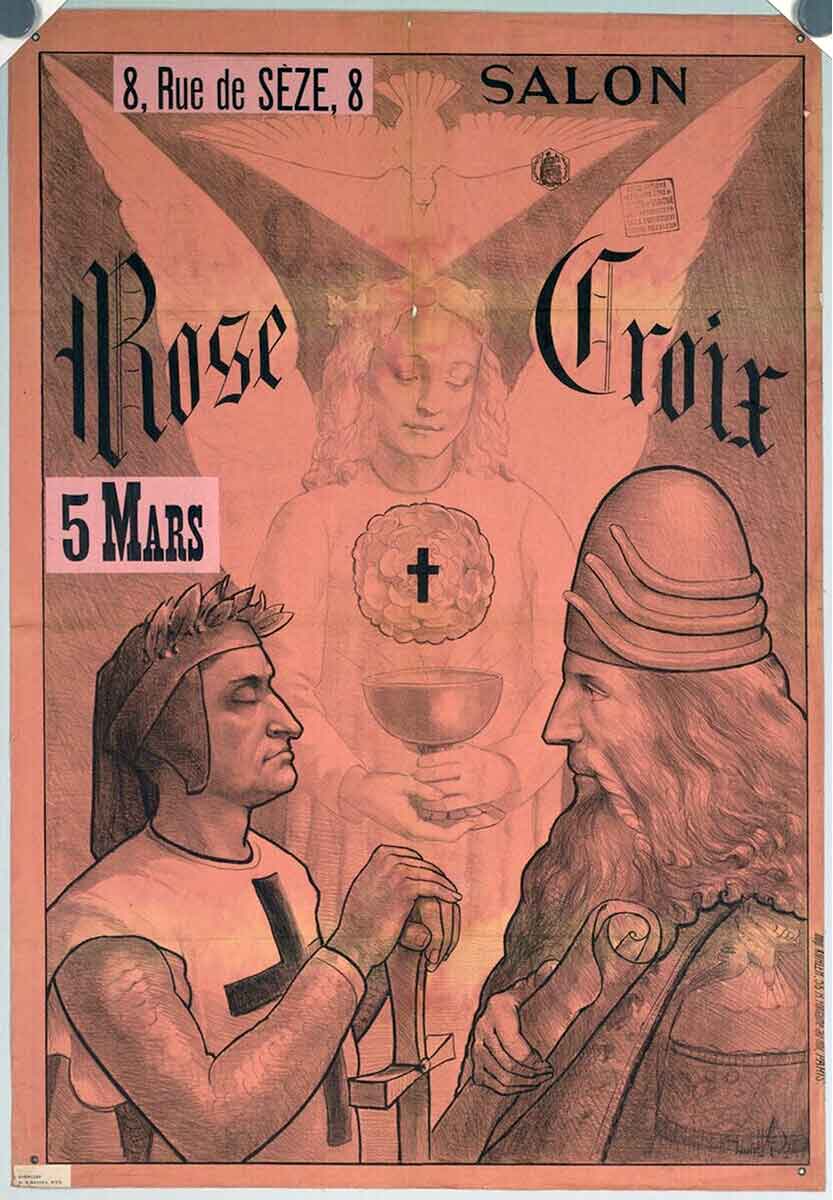
The open call in Le Figaro for the first successful Salon asked for subjects related to the Catholic ideal and mysticism, along with legends, myths, allegories and dreams, paraphrases of poets, and lyricism. On the other hand, Péladan was against practical magic, but he considered the artistic practice as a sacred ritual act. In his order, he considered three ways to reach God: by science through reality, by art through beauty, or by theodicy through thought.
Péladan became acquainted with the theosophical doctrine of Madame Blavatsky and C.W. Leadbeater when he met Jean Delville at the Salon d’Art Idéaliste in Belgium, which aimed to bring about a revolution through the supreme power of beauty, idea, and mystery against the decadent materialism of realism and its scientific disenchantment.
Theosophy and the Path to Abstraction
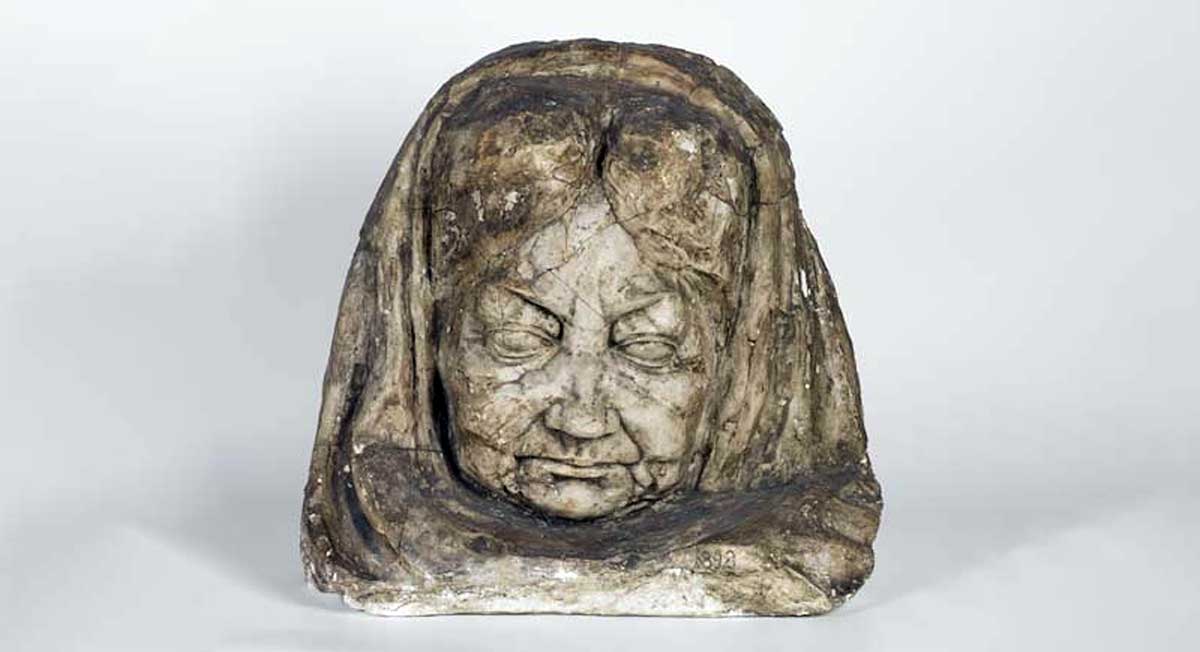
Theosophy was founded in 1875 by the Russian Helena Blavatsky, who outlined its principles in Isis Unveiled (1877) and The Secret Doctrine (1888). Her ideas profoundly influenced abstract artists such as Kandinsky, Kupka, and Mondrian, as well as the composer Scriabin. Among its notable members were Cesare Lombroso, Charles Richet, Pierre and Marie Curie, Camille Flammarion, and Henri Bergson.
Blavatsky created a syncretic doctrine, combining various religious traditions in a common scientific system of beliefs, emphasizing the human dimension of the sacred revealed by prophets. Theosophy, then developing into Rudolf Steiner’s Anthroposophy, became a widespread social phenomenon, intertwining with the debates of the time, such as feminism, anti-militarism, spirituality, and public health issues. This organization promoted the resolution of conflicts through brotherly love in order to achieve ethical unity within the whole of humanity on the basis of eternal truths.
Blavatsky and her successors linked their belief system with spiritualism, magical thinking, and psychical research, aiming to create a synthesis of Divine Knowledge that bridged religion, Neoplatonism, and empirical science (including evolutionism). They employed contemporary scientific methods to uncover the secret mechanisms of nature. Micro-historical events were then connected to eternal patterns through symbols and numerology, as Madame Blavatsky drew inspiration from contemporary scientific research on electricity and the ether, seeking to unite science and religion.
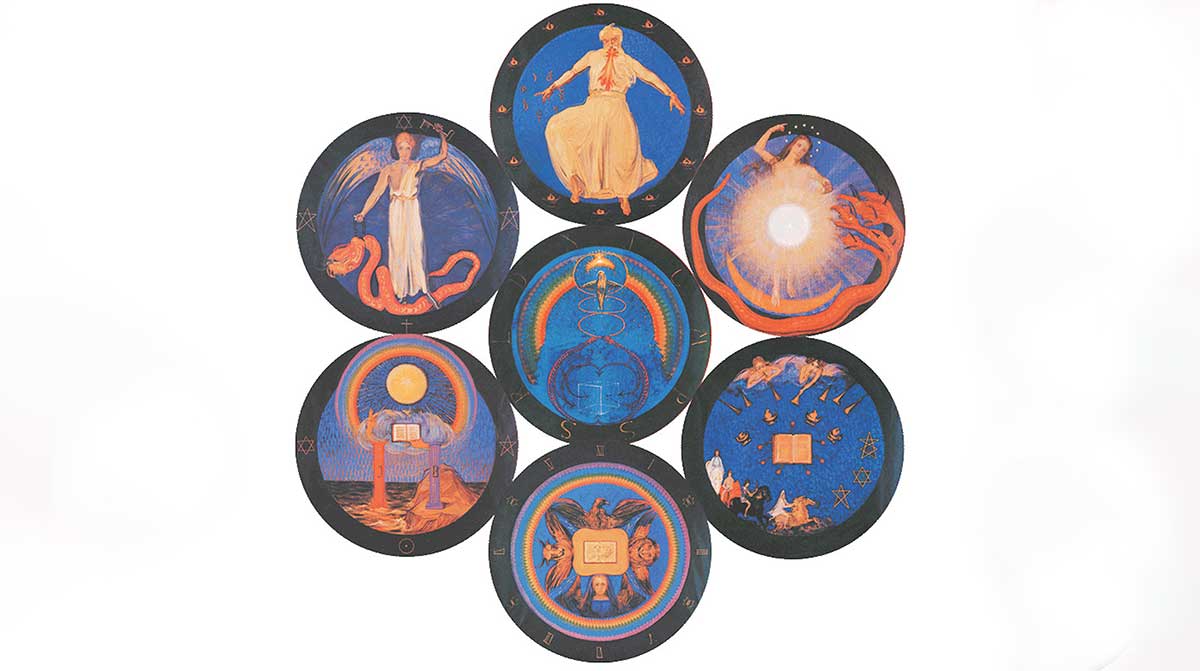
In Tessel Bauduin’s thought, there is no Theosophical art, apart from that traditionally symbolic and clearly figurative to illustrate the Theosophical congresses and theories. However, Theosophical theories characterize the conception of art as a universal vehicle to spiritual consciousness through coherence of content and form. It aims to reveal the cosmic harmony in the balance of absolute truth and beauty, translated into stylistic and technical balances to achieve a purer art with spiritual content.
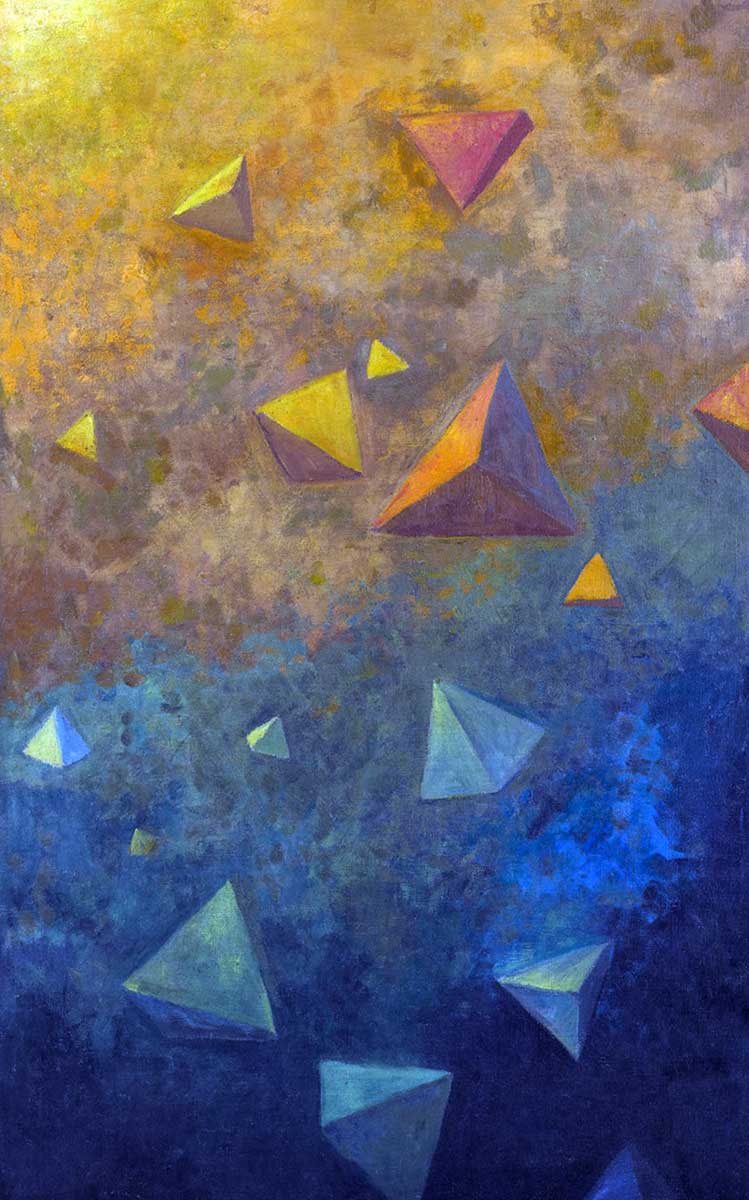
Along with its dualistic conception, theosophy emphasizes the symbolism of numbers, particularly the triadic unity, and the correspondences between the threefold division of spirit, soul, and body. It also highlights sacred geometric forms—such as the cross, circle, square, and triangle—that carry specific meanings, as well as esoteric proportions that preserve or express spiritual content. These ideas were adopted by both Symbolists and early abstract artists.
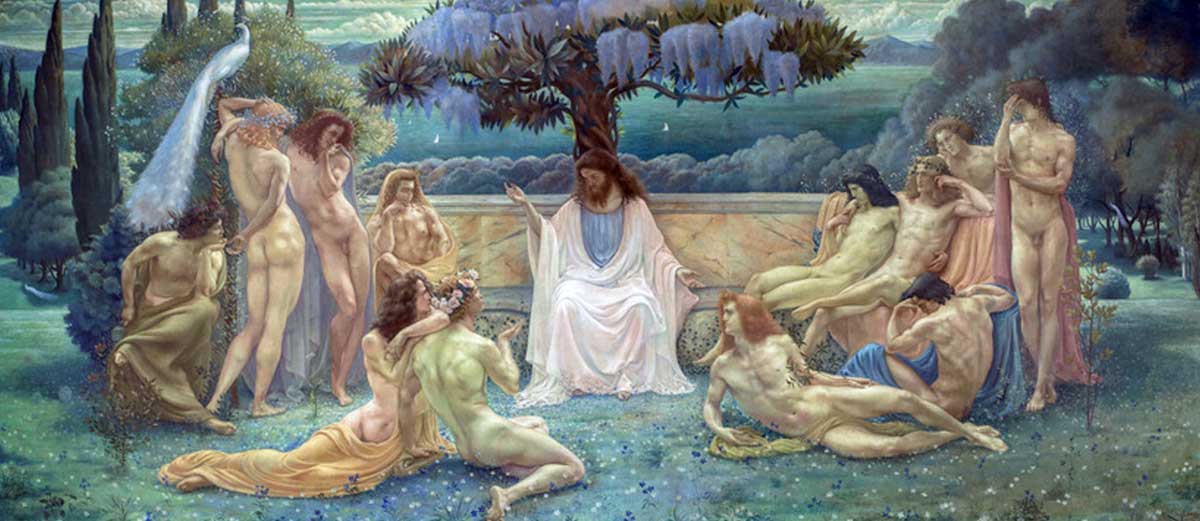
Belgian artists, such as Fernand Khnopff, Jean Delville, and Émile Fabry, were protagonists of the Salons de la Rose + Croix, but they were also particularly involved in the Theosophical Societies created in Europe, the United States, and India. Jean Delville, for example, was the leader of the Belgian Theosophical Society.
As Sébastien Clerbois explains, theosophy was the last esoteric doctrine to inspire Belgian patrons, designers, and artists at the Salon of Ray Nyst. We can observe this fascination in Ferdinand Schirren’s Portrait of Helena Blavatski (1898), in Jean Delville’s Plato’s Academy (1898), and in the magazine La lumière (1899), following the editorial policy of Annie Besant as expressed in the manifesto L’idéal théosophique. In particular, in Deville’s Plato’s Academy, the artist merges the figures of two initiates into the ancient mysteries, Christ and Plato, and structures the composition into three triangles of two groups and a teacher, emphasizing the androgynous appearance of the figure.
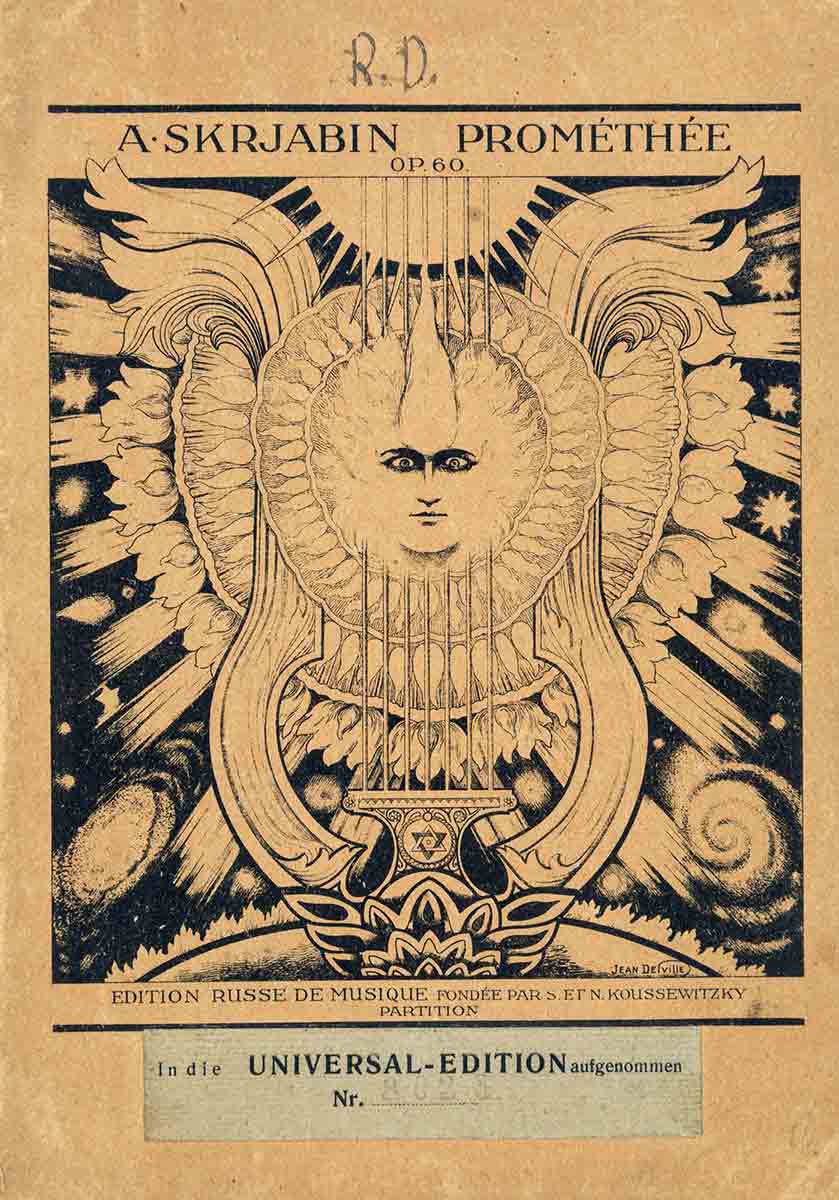
In 1905, Jean Delville founded a group of Theosophical artists in Brussels, initiated by Émile Sigogne in the White Order. The group included Symbolists, the Russian musician Alexander Scriabin (who collaborated with Sigogne to create a new musical language), the Swiss sculptor Auguste de Niederhausern, and avant-garde artists such as the ceramist and Auguste Rodin collaborator Séraphin Soudbinine, as well as the Lithuanian painter Mikolajus Konstantinas Čiurlionis.
As a later source for early avant-garde, Prometheus was primarily the symbol of the White Order. In the fourth volume of Blavatski’s La doctrine secrète (1907), Prometheus was the bearer of the theosophical flame to enlighten suffering humanity. Séraphin Soudbinine created Vers la lumière (1908), while Scriabin composed the symphonic poem Promethée; ou, Le poème du feu (1909), which was published with a cover by Jean Delville. The work explored the figure of Prometheus, associated with the creation of a Gesamtkunstwerk—a total work of art that unites colors, shapes, and sounds. This concept embodied an absolute work of art that synthesized all forms of artistic expression, reflecting the “simultaneity” embraced by avant-garde poets like Guillaume Apollinaire, Blaise Cendrars, and Filippo Tommaso Marinetti.
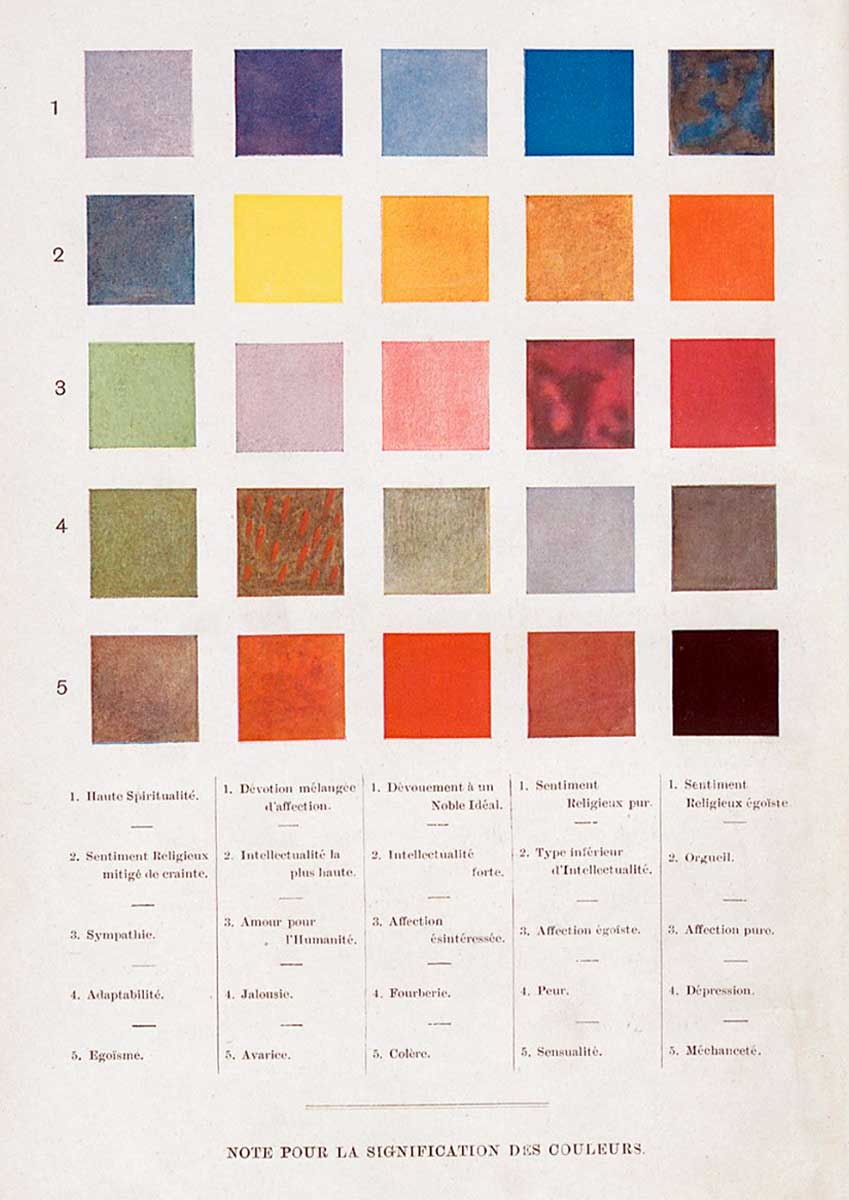
One of the key inspirations for artists was Annie Besant and Charles Webster Leadbeater’s concept of thought-forms (Les formes pensées, 1905). Thinkers like Papus, Lévi, Blavatsky, and even Rimbaud in literature had already referenced the synesthesia between the sound of vowels and colors, a concept that dates back to the Middle Ages and the Renaissance. Visualizing letters in colors was a common practice during Kabbalistic meditation. Color theories also drew from medieval heraldry, alchemy, and the scientific ideas of Goethe and Newton.
As the world process of creation is a linguistic one, the secret mystical essence of letters and sounds became the keystone of the Symbolist occult approach to poetry. Les formes pensées illustrates a system of correspondences between media that resonate with the arcane, creating tables of colors, emotions, and sounds. Theosophy’s thought-forms answered the issue of directly signifying forms, making it possible to combine inner content and outer expression. This was already present in the Nabi artists’ method of using geometric forms in a linguistic sense to reflect a spiritual mood, whereas the notion of the inner eye, connecting seeing and knowing through a spiritual vision, comes from Neoplatonism.
To give line, form, and color a spiritual character, Besant, Leadbeater, and Steiner theorized that the quality of thought could determine color, the nature of thought could determine form, and the definiteness of thought could determine the clarity of outline.
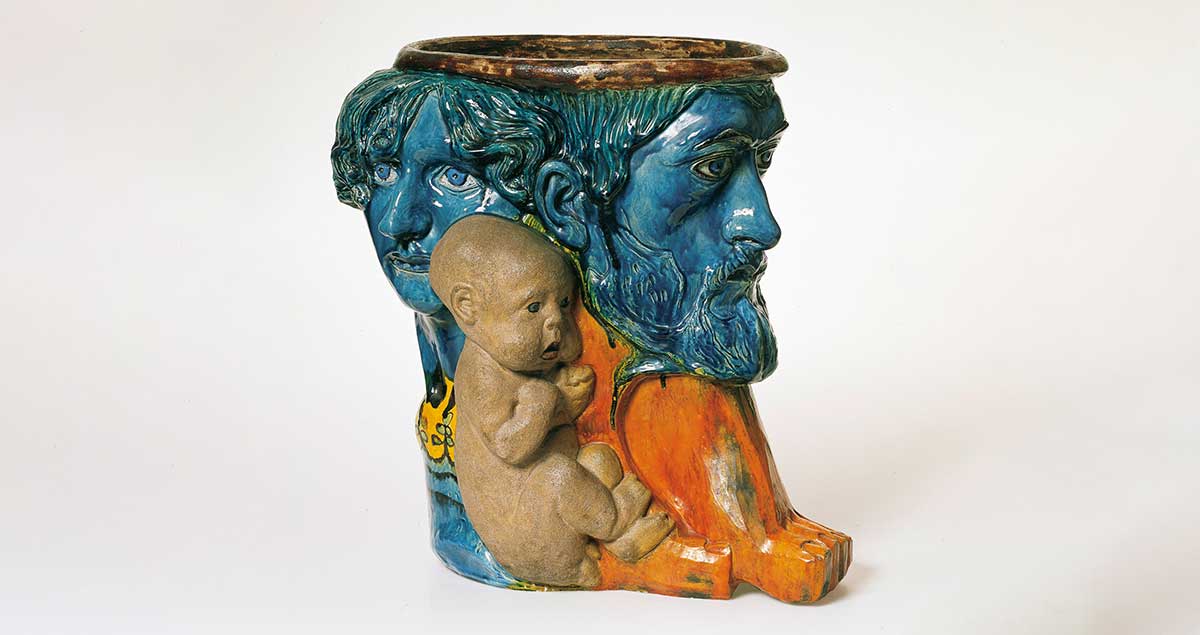
Another iconographic element derived from Péladan, Levis, Papus, and Blavatsky is the dualistic principles or cosmic dynamics and the paradoxical conception of the self given by the interaction between male and female, heaven and earth. Péladan resolves it in the theory of ideal androgyny, stemming from the occult notion of harmonious balance in a whole of masculine and feminine principles.
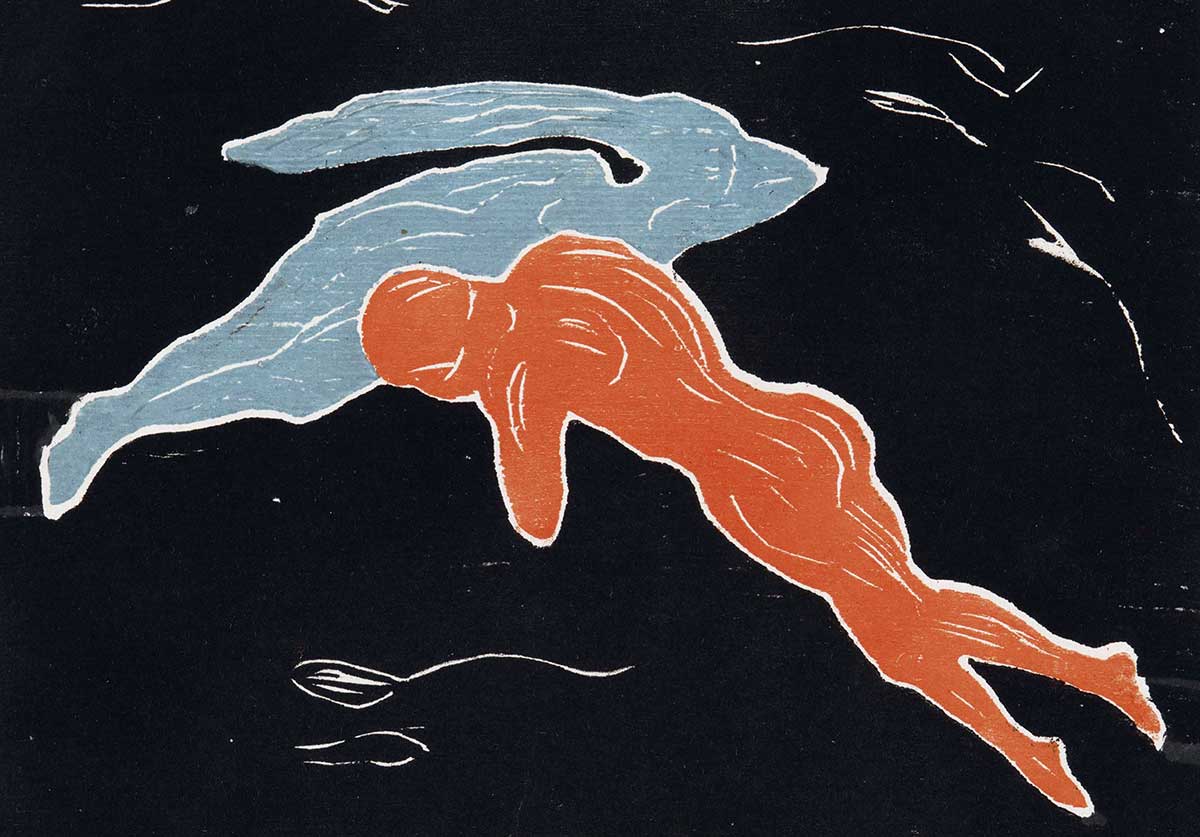
The sacred marriage is conceived as a miniature of the universe in the alchemical treatise The Chymical Wedding of Christian Rosenkreutz (1616), translated into art in works such as Jean Delville’s Love of Souls (1900), Edvard Munch’s Encounter in Space (1898-1899), and Jens Ferdinand Willumsen’s The Family Vase (1891), which was inspired by Gauguin’s ceramics. This principle is also reflected in the spiritualist motif of the Janus-faced doppelgänger, where the unconscious emerges into the conscious. It is further expressed through figurative elements and color symbolism: blue, the lily, and the eye represent femininity, while yellow, the rose, and the hook symbolize masculinity.
Nordic Symbolist Tendencies
Finns and Scandinavians, including playwright, novelist, and painter August Strindberg, participated in Berlin’s cultural circles, gathering at “Zum Schwarzen Ferkel.” Here, mystical philosophies—often linked to medicine and modern psychology, particularly the transmission of thought waves through hypnotism—were spread by Polish scholar Tadeusz Przybyszewski and Carl du Prel. These ideas were read by figures like Freud, Rainer Maria Rilke, Kandinsky, and Schoenberg. The central leitmotif emphasized the unity that binds seemingly heterogeneous phenomena. This unity can be accessed through emotions rooted in intuition, individuality, or the “transcendental subject,” as defined by du Prel, which manifests when the unconscious takes precedence.
We find the same motif elsewhere. Several Finnish artists, including Magnus Enckell, Pekka Halonen, and Beda Stjernaschantz, studied at the Académie Julian in Paris in the 1890s. The spirit of the Nabi group was influential, and Gauguin’s fame, following his return from Tahiti, was furthered by exhibitions at the Durand-Ruel galleries. Along with occult publications and lectures, these influences fueled the Nordic artists’ interests in spiritualism, theosophy, Tolstoyanism, and parapsychology.
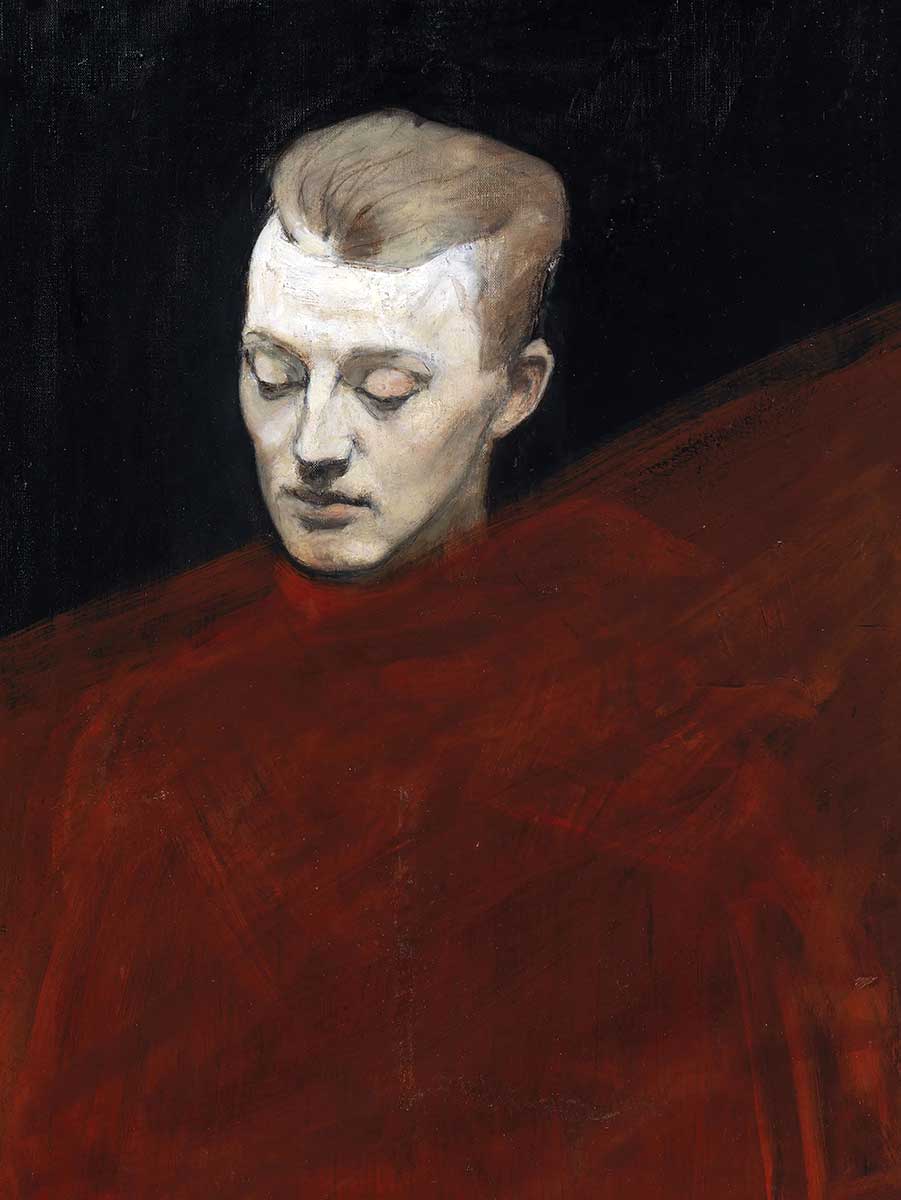
As a neophyte in the process of occult initiation, Enckell absorbed the various artistic, philosophical, religious, and intellectual impulses circulating in Paris at the time and translated them into a personal language. In his Head of Bruno Aspelin, he minimized the composition to create an evocative atmosphere in which a solitary, androgynous head floats between red-black areas that diagonally split the canvas that interiorizes another figurative presence then eliminated. The face has closed eyes and a serene, enlightened expression standing on the border between sensory and transcendental worlds. Finally, the indeterminacy of the structure suggests the ambiguous and unreal setting in the background, where the layers of pentimenti make the viewer aware of the process behind the final work.