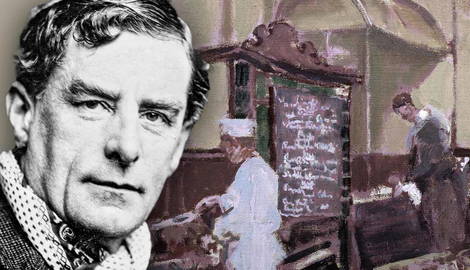

Today, Walter Sickert is a relatively unknown figure from a large swarm of European Impressionism of the later generation. Yet, in his time, he was a respected artist, a student of Degas and Whistler, and a mentor of Winston Churchill himself. In recent decades, researchers suspected that he might be successful in another, more morbid field: some believe he was none other than Jack the Ripper, the notorious serial killer. Read on to learn more about Walter Sickert and his life.
1. Walter Sickert’s Early Childhood Defined His Future
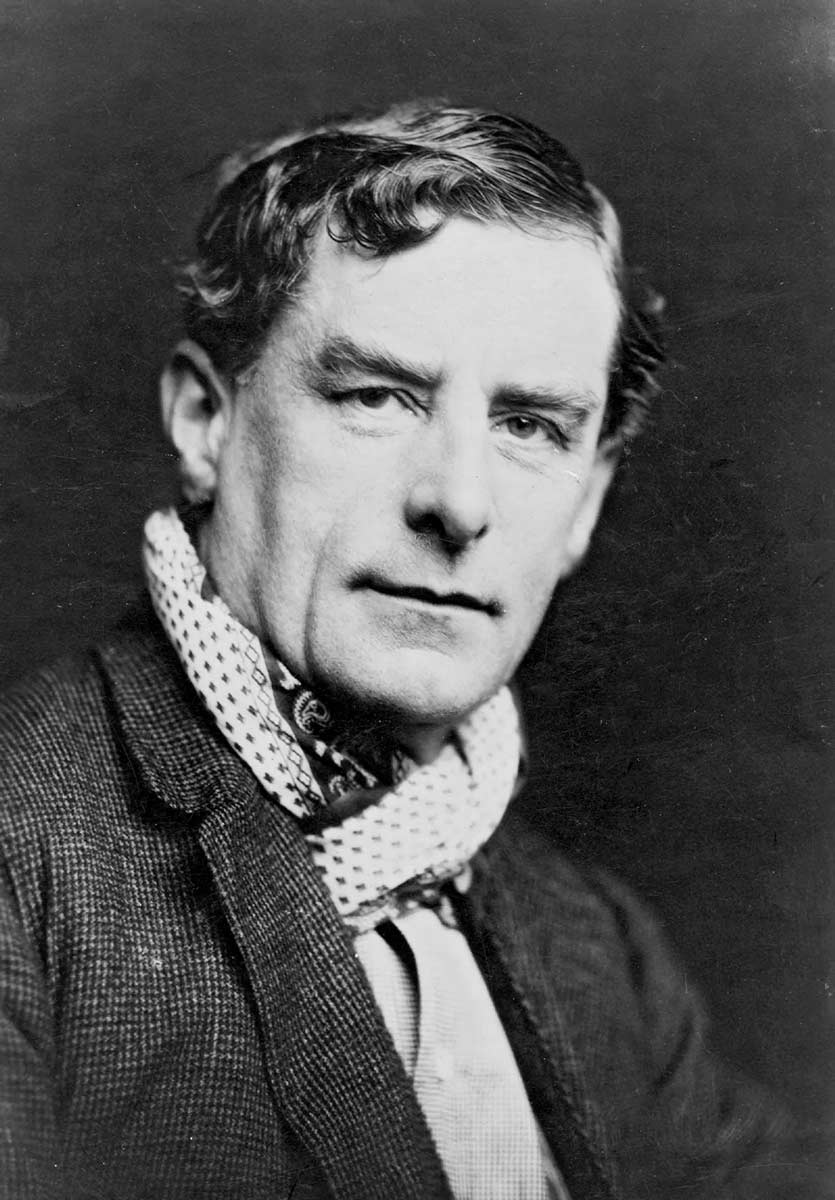
The British Impressionist Walter Sickert was the son of a Danish painter, Oswald Sickert. According to Sickert’s biographers, Oswald was a talented and well-educated artist who nonetheless struggled to truly express himself professionally, mostly working as a draftsman for local newspapers. His mother, an English woman, Eleanor Henry, was an illegitimate daughter of the astronomer Richard Sheepshanks. Both her illegitimate status and her father’s objections made her engagement and subsequent marriage to Sickert a troublesome yet successful quest.
Walter, born in 1860, was an expected and adored child and the oldest of the six Sickert siblings. Born in Munich, Sickert moved with his parents to London at the age of 8, completely changing his way of life, his culture, and even the language he spoke. This transition marked the beginning of a long path of Sickert’s creative self-invention. For years, he was preoccupied with the ideas of transformation and disguise.
2. He Was a Student of Whistler and Degas
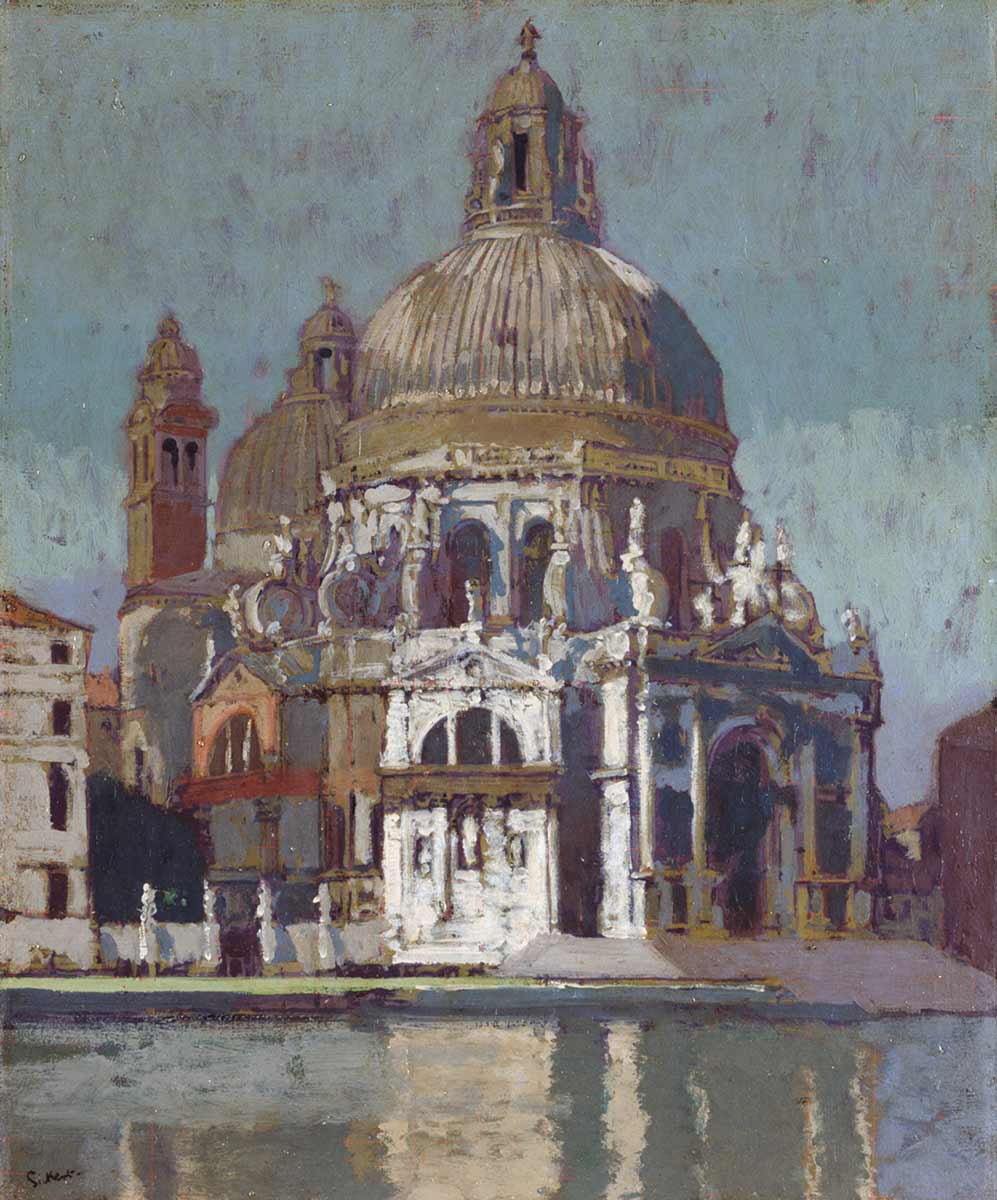
Despite his father and grandfather’s artistic careers, Walter Sickert initially planned to become an actor, perhaps fueled by his interest in disguise and performance. He certainly had an inclination for drama: his younger siblings complained that his good looks and manipulative behavior won the attention of both their parents and house guests, often at the expense of other children. Parents referred to their kids as Walter and the boys, clearly stating the family dynamic.
However, Sickert’s acting career did not last long. He played several well-received roles but was never truly content. Less than three years into acting, he remembered his other passion that ran in the family—painting. Oswald Whistler had taught Walter the basics of his occupation already in early childhood. Still, he was extremely displeased to learn about his son’s artistic inclination—perhaps due to his own unrealized ambitions.
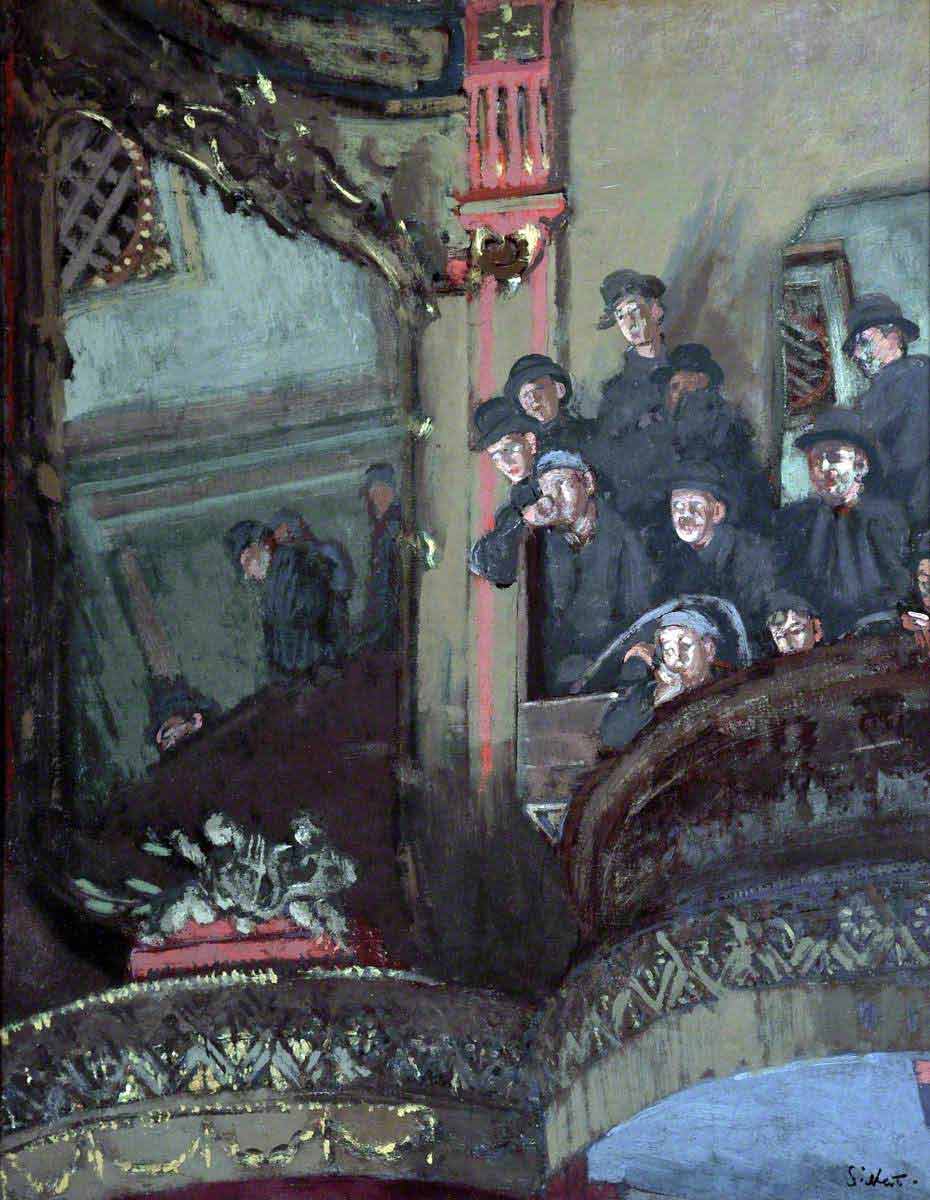
With a talent for being at the right time and the right place and socializing with the right people, Walter Sickert managed to find a job as an assistant to none other than James McNeill Whistler. At the time, Whistler was recovering mentally and financially after a disastrous public trial against the famous conservative art critic James Ruskin. Although Whistler won the case, the court expenses made him bankrupt, forcing him to sell his precious collections of porcelain and Japanese prints. Still, he was impressed by the young artist’s talents and eagerly started to teach him. Sickert, in turn, adored Whistler as a bold individual and an artist unafraid to defy conventions. However, less than two years later, he decided he had already taken everything he could from his teacher, and then an opportunity came along.
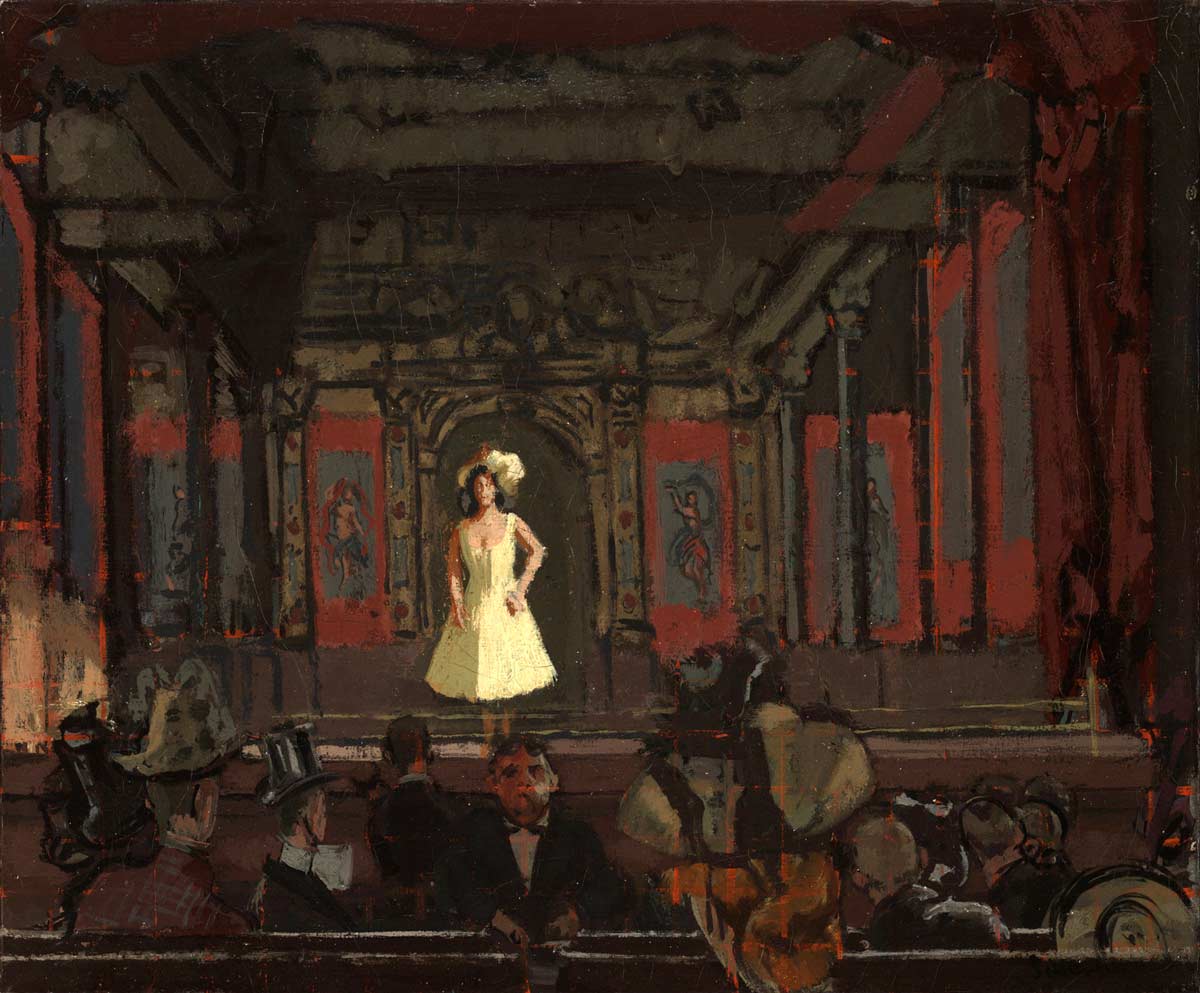
In 1883, Whistler sent Sickert to Paris with a parcel intended for Edgar Degas. Degas’ art had subtle but inherent darkness: the romantic little ballerinas from his paintings were inevitably exploited by rich patrons and had to resort to sex work or theft. Sickert was enthralled with the contrast of beauty and its unpleasant underbelly. After Degas, he started to paint dancers, music halls, and urban scenes instead of Whistler-inspired landscapes.
3. He Found an Avant-Garde Art Group
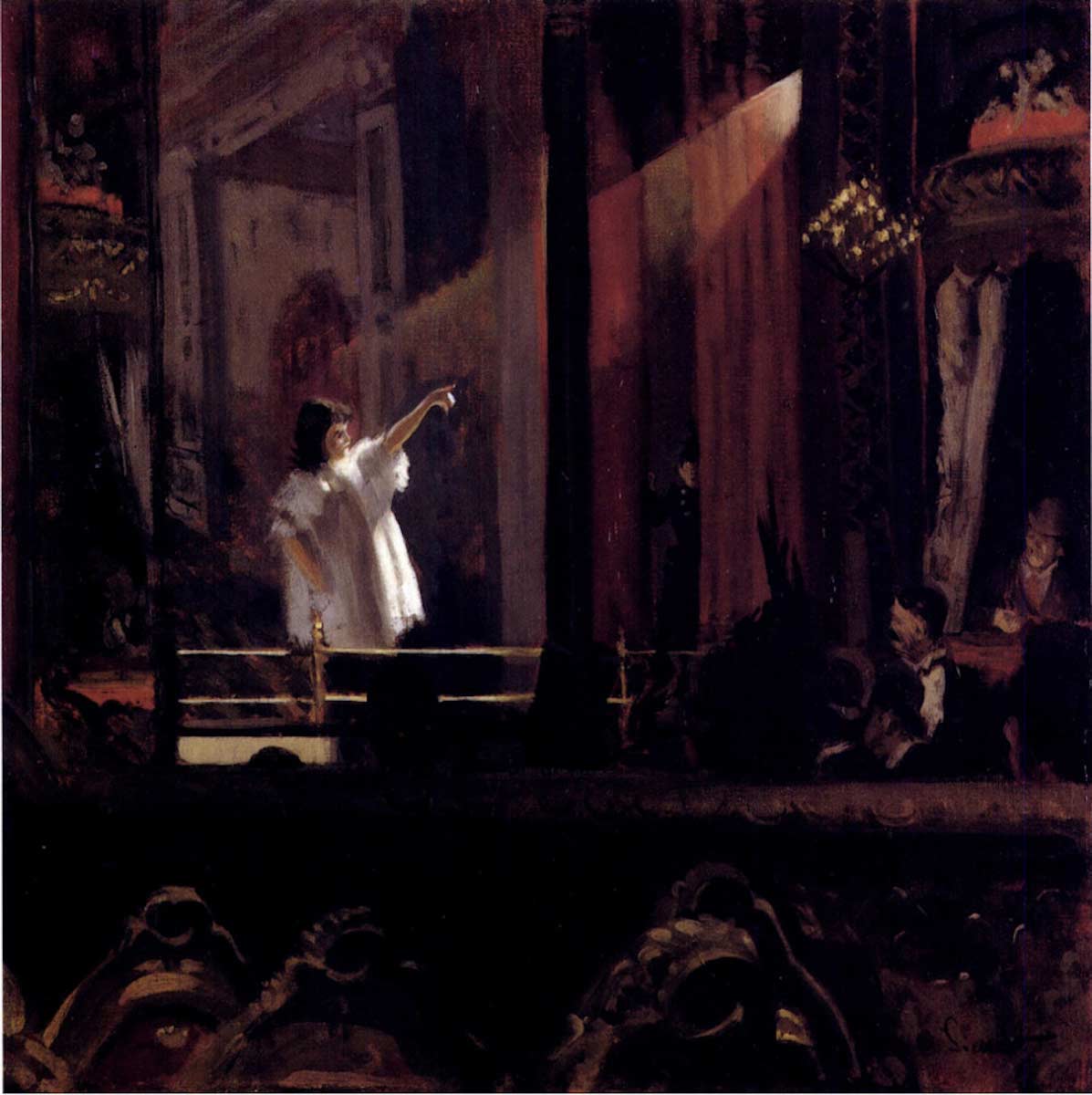
After several years in France, Sickert came back to England. During his travels, he managed to get married (for the first time out of three) and divorce, with his wife initiating the breakup on the grounds of Sickert’s frequent and rampant infidelity. He did not have any children, at least official ones, although there were rumors of swarms of illegitimate kids he ignored. Sickert was always much more interested in his work than in other humans. His art at the time reflected the Impressionist preoccupation with the contrast of private and public spaces, moving between private bedrooms and crowded music halls.
Sickert was a charismatic, although sometimes overwhelming, personality, and he was used to overpowering and organizing groups of people from his childhood. His obvious artistic talent and radical sincerity of his urban scenes attracted a large group of artists who shared the same ideas on art. Some of them, led by Sickert, formed the Camden Town Group that united some of the British Post-Impressionists and those interested in progressive art. Clearly inspired by Degas, Gauguin, and Van Gogh, they nonetheless painted darker and more somber works that sometimes felt claustrophobic.
4. He Probably Had an Issue With Nudity
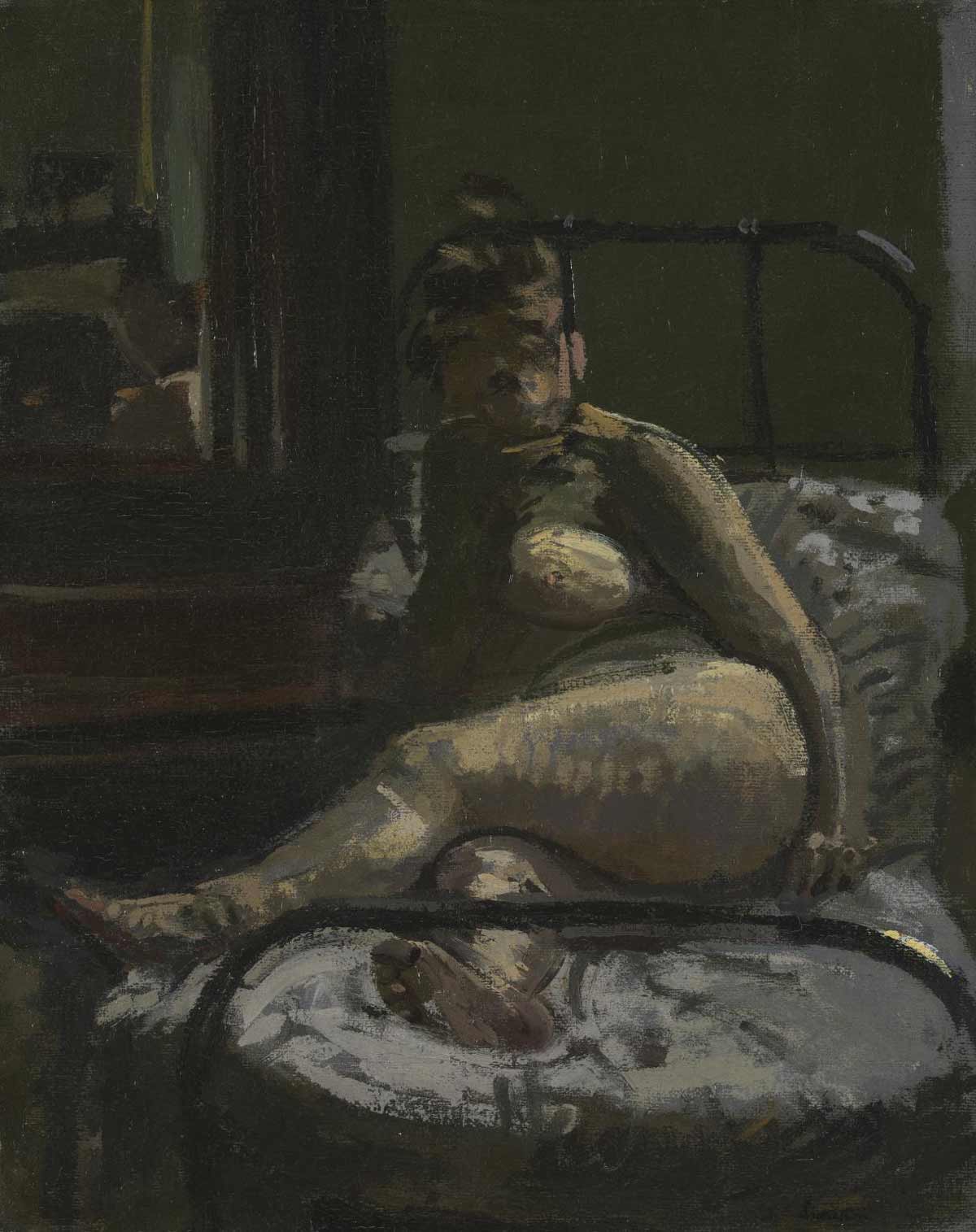
An attentive viewer might notice that some of the decorative and compositional elements in Sickert’s works repeat frequently throughout the years of his practice. One such element is the iron bed frame that moved from studio to studio and from painting to painting. Sickert’s treatment of intimate interior scenes made some researchers suspect that the artist had some deep biases or even traumas that were reflected in his works. In such paintings, he usually painted women nude, but their male counterparts were always fully clothed. This led some to the conclusion that the artist might have had some deep insecurities and even misogynistic tendencies.
According to one of the relatives, before he reached his teens, Sickert had to undergo a series of lower-body surgeries due to a birth defect. In the 1860s, surgery was a risky and excruciatingly painful affair that hardly ever included any anesthesia and did not guarantee any result. This experience must have been extremely traumatizing for the child and might have been the reason for Sickert’s future struggles with body image and sexuality.
5. He Was a Known Shapeshifter
Sickert’s friends regarded this constant teasing as a sort of self-defense that would cover up deep insecurities and a sensitive character. Despite his seeming outgoingness, he avoided human contact and was quite secretive. Apart from his permanent residence, he rented several small rooms around London, motivating it by his need to work in isolation. These rooms’ addresses were unknown even to his wife and the closest of friends. His closest friends, however, did not last long. As noted by his sister, he had a habit of discarding relationships easily and mercilessly, like a child who quickly got bored with a new toy.
Sickert’s entire character was fluid, secretive, and ever-changing. He transformed from a gentleman to a layman, from conservative to progressive, from disciplined worker to bohemian hedonist. None of these masks seemed to be permanent, yet all of them seemed to be utterly sincere the moment Sickert put them on. Even his appearance changed with a rapid succession of different styles of beards, mustaches, and costumes following one another. Some found it an intriguing expression of deep disdain for societal expectations from a creative spirit. However, many of those who met Sickert were not charmed by his antics and secrets but found them rather threatening and suspicious.
6. He Might Have Been a Serial Killer
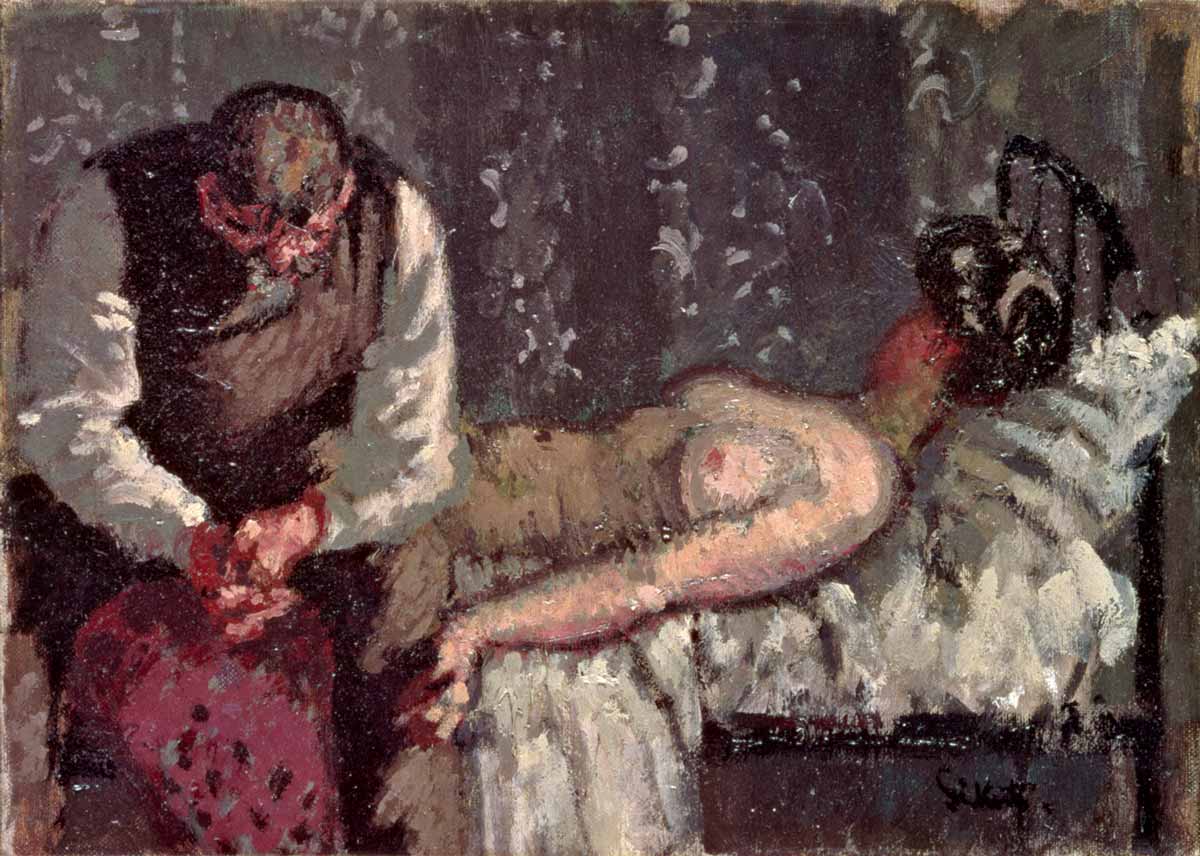
Despite all the secrecy and mysterious flair around the artist, those who meet Sickert for the first time are nonetheless surprised to learn that he was and remains one of the suspects in the most notorious and horrific crime of his era. Some crime and art experts believe that Sickert was the serial killer known as Jack The Ripper. The series of crimes known as The Whitechapel Murders happened in 1888 in an impoverished London neighborhood. Five sex workers were brutally slaughtered with their intestines taken out. The killer supposedly sent letters to the police and newspapers, boasting about his deeds. In 1907, another similar crime occurred, popularly known as the Camden Town murder. Although no direct link to the first series was found, the crowd also credited Jack the Ripper for it.
Walter Sickert was not on the list of the immediate suspects, yet he was always around, showing keen interest in the case. From 1905 to 1908, he painted a series of works with the provocative title Camden Town Murder and another canvas, Jack the Ripper’s Bedroom. This, as well as a list of circumstantial evidence, led some enthusiasts to assume that Sickert might have been the notorious serial killer. However, most researchers believe that the version is too far-fetched.
7. Walter Sickert Gave Painting Lessons to Winston Churchill
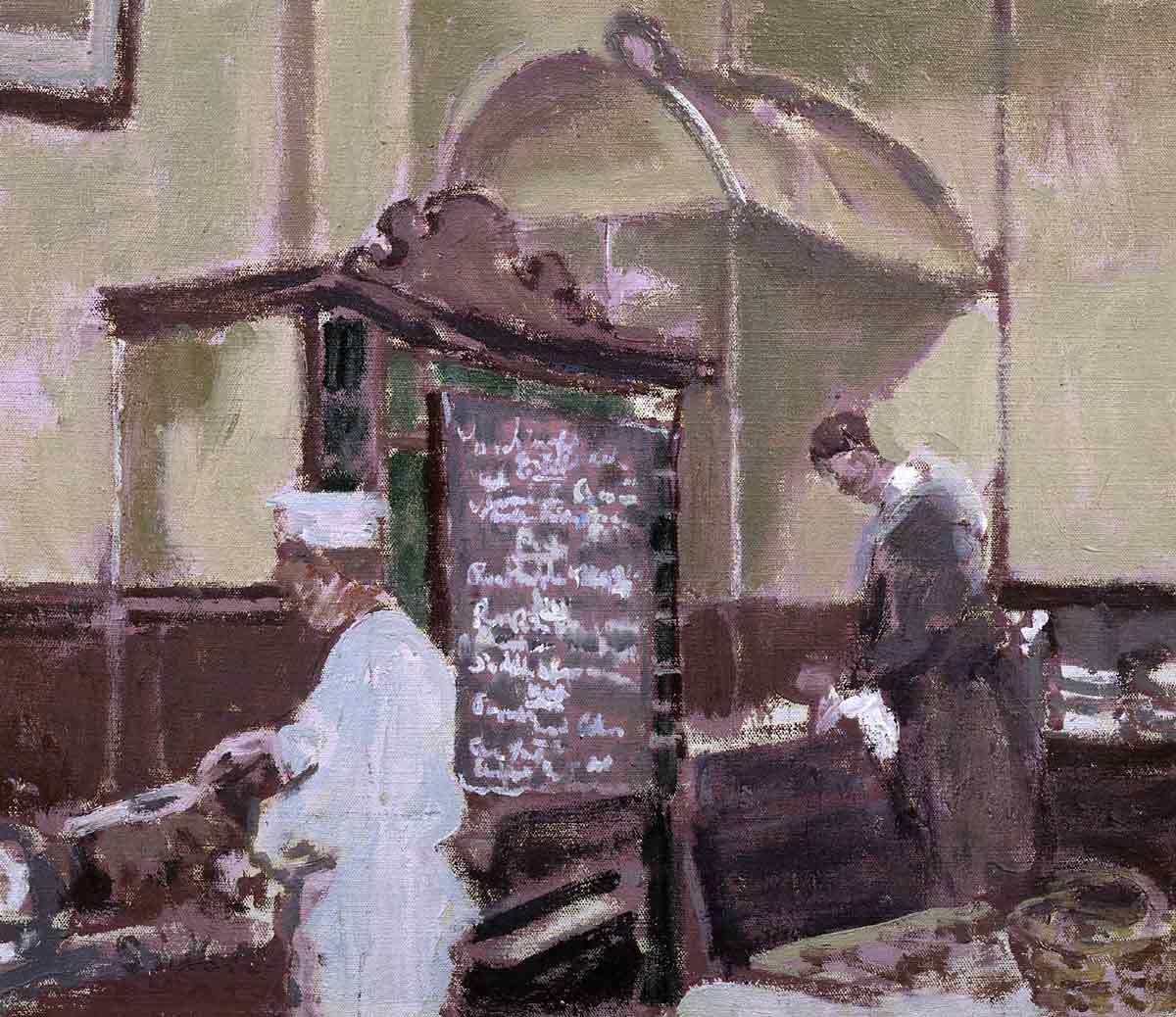
Although relatively unknown now, in his time, Sickert was considered one of the most important and influential painters to ever come from England. He became a successful and revered art professor, his art sold successfully, and young artists imitated him. In his later years, he developed his practice in accordance with modern times and started to use photographs instead of live models for his paintings. Nonetheless, by the 1920s, he was mostly perceived as an aged classic: respected but not expected to produce any innovation. Still, he had still experienced eventful meetings.
In 1927, he painted a portrait of Winston Churchill and befriended him. Churchill sometimes painted as a hobby and later stated that Sickert gave new life to his art practice. Even in his seeming physical and artistic decline, Sickert nonetheless maintained the constant fluidity and uncertainty. After living 67 years under the first name Walter, the artist suddenly legally dropped it in favor of his middle name, becoming Richard Sickert. Until his last days in 1942, he remained an enigma and a shapeshifter, always searching for a new mask.