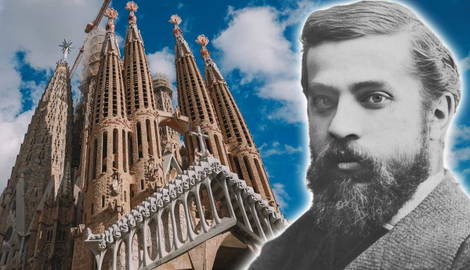

Antoni Gaudí is one of the most famous and influential architects of all time, known for his distinctive style based on organic forms, Art Nouveau, and Gothic Revival. Gaudí was a strange and reclusive man who saved his expression and joy mostly for his art. Read on to learn more about the famous architect behind the Sagrada Familia, Antoni Gaudí.
1. Antoni Gaudí Was Interested in Botany
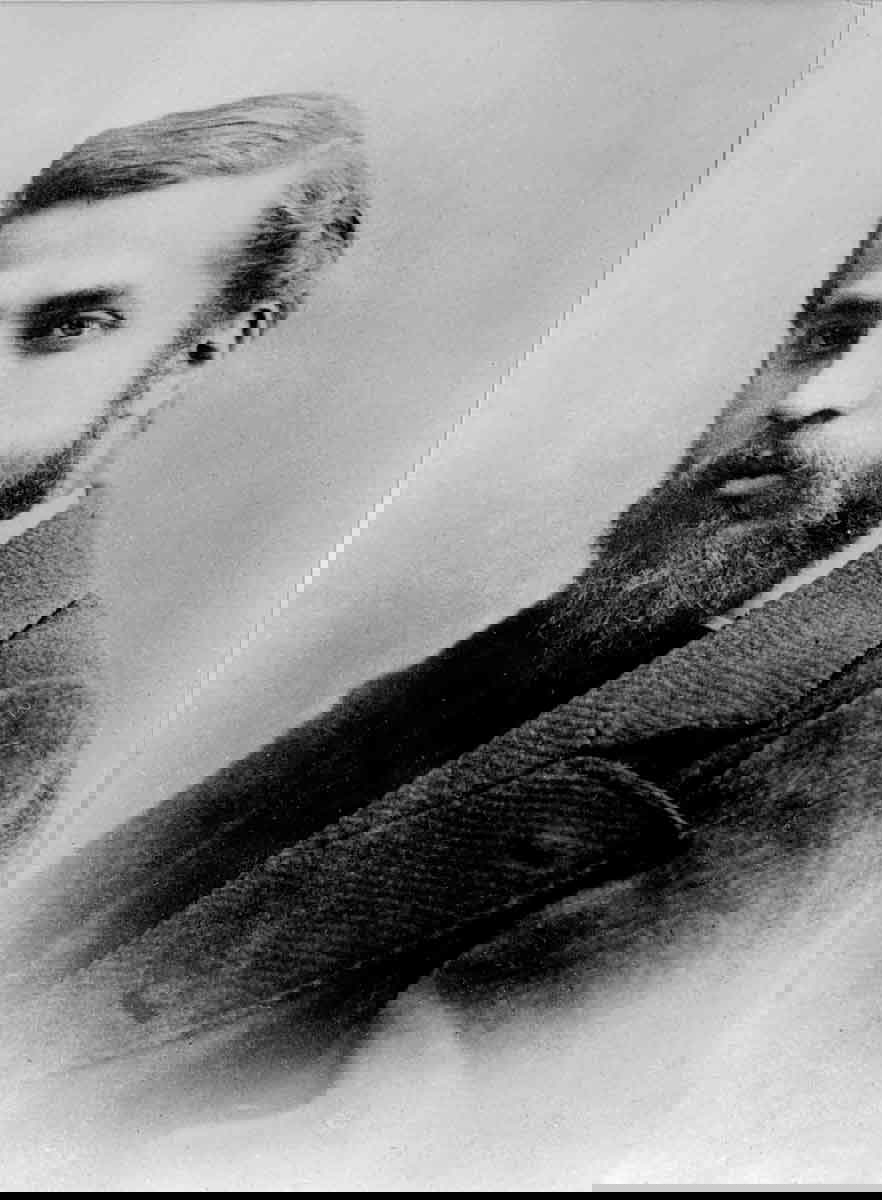
Antoni Gaudí, the most celebrated of Spanish architects, was born in 1852 in Catalonia into a family of a coppersmith. A child with frail health, he was excluded from most active games, and thus spent most of his time reading and studying the nature of his native land. That early interest in nature, combined with meticulous study of botany, laid the foundation for Gaudí’s artistic interests. Graduating from school, he chose the behavior of bees as the topic for his final essay.
During his entire career, Gaudí’s main inspiration was nature and its forms. Natural forms for him were direct expressions of God that he strived to celebrate. In his early career, he was inspired by Gothic Revival architecture and the Oriental influence in his native Spain.
2. He Hated Drawing
Part of Gaudí’s unconventional approach could be explained by his terrible eyesight. One of his eyes was nearsighted while the other was farsighted, which caused a significant distortion of vision and perception. Gaudí refused to wear glasses, arguing that the Ancient Greeks never wore them and managed to produce remarkable works of art and architecture. He was also famously annoyed by angles and square spaces limited by walls, insisting that nature had no such forms in it.
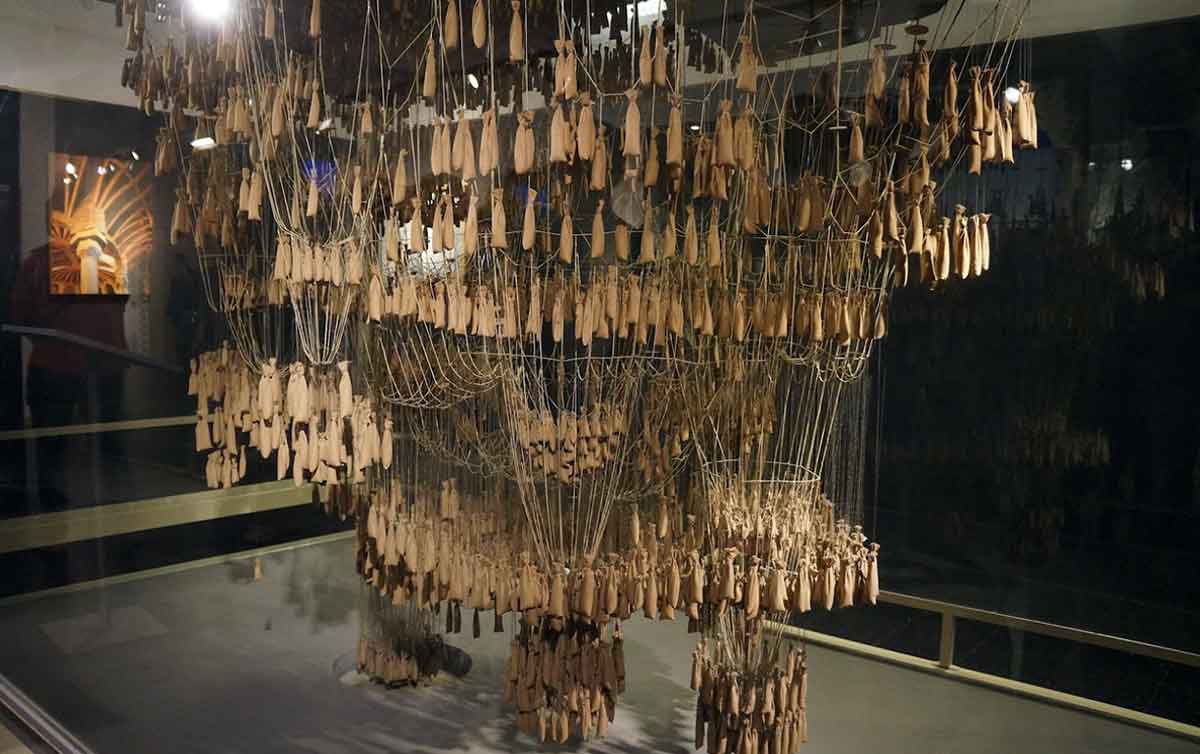
Perhaps due to his poor eyesight, Gaudí disliked drawing and rejected the traditional idea of sketching his architectural creations. Instead, he created three-dimensional models from chains and weighted strings, suspending them over large mirrors. Affected by gravity, the chains created inverted structures that became the basis for Gaudí’s buildings.
3. He Began His Career by Designing Lamp Posts
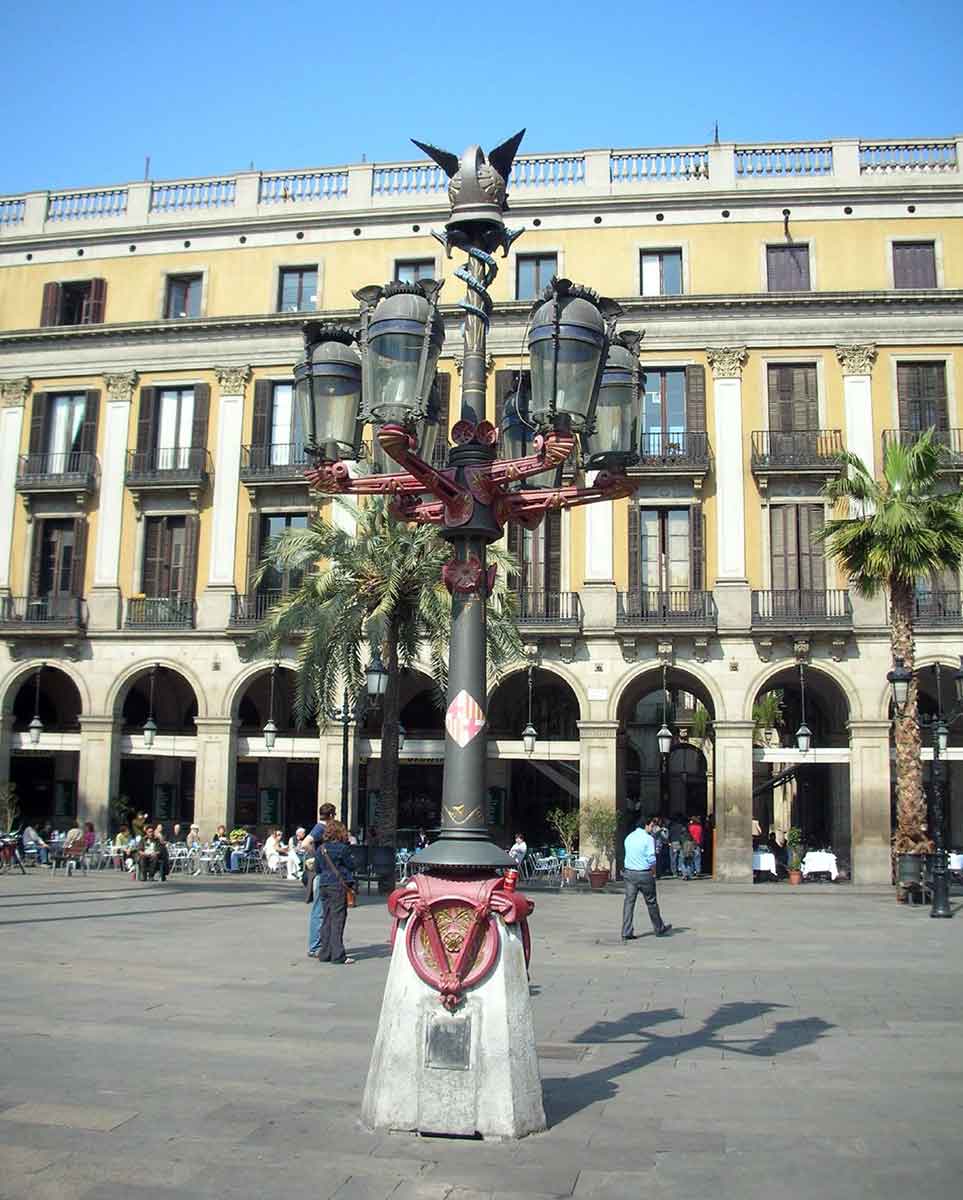
Antoni Gaudí studied architecture at the Barcelona Architecture School but was almost expelled. According to his teachers, he was far from brilliant and occasionally failed courses. At the same time, while appearing to be a failure to his professors, Gaudí managed to work as a draftsman for some of the most respected architects in the city. After graduation, he received a commission from the city to design lamp posts for the Royal Square. However, that was the only project Gaudí ever designed for the municipality and not for private patrons in the city.
Stepping away from direct stylistic influences. Gaudí aimed to create an architectural style that would be distinctively modern while at the same time celebrating Catalan creativity and originality that he believed was innate. Still, the Barcelona authorities did not share his ambitions, and occasionally tried to stop the construction of his works, afraid that their strange proportions and forms would ruin the city’s view.
4. He Had a Difficult Relationship With Religion
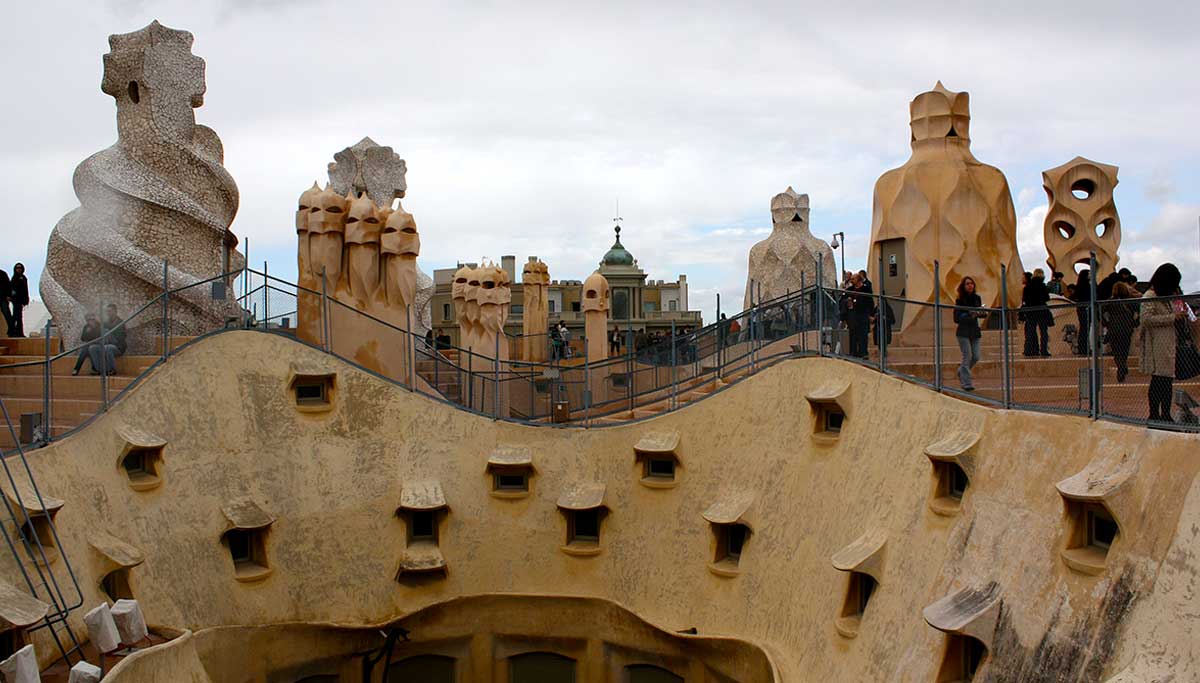
Although well-known for his unfinished church, Sagrada Familia, Gaudí’s relationship with the Church was tense. As a young man, he had an aggressive anti-clericalist stance, like many young Catalan intellectuals at the time. However, he gradually changed his mind as he aged, turning in the completely opposite direction. Most experts on Gaudí connect his regained faith with the architect’s failed attempt at building a family. According to his contemporaries, Gaudí paid almost no attention to women except a teacher, Josefa Moreu, who rejected his advances. After that, he allegedly withdrew into religion. However, some of Gaudí’s relatives insisted that the architect never had any romantic interests at all, and Moreu’s rejection could not possibly be the thing that moved Gaudí to faith. Nonetheless, in the years that followed, he became more and more religious and even began practicing ritual fasting.
5. His Career Happened Because of a Generous Patron
Antoni Gaudí’s unique genius might have gone unrecognized were it not for a singular patron who championed his innovative ideas. During the 1878 Universal Exposition in Paris, a work by Gaudí—an iron and glass display window made for a glove-making company—caught the eye of a famous textile manufacturer, Eusebi Güell. For a while, Güell was the only one who believed in Gaudí’s talent and shared his concept of beauty. He allowed the architect to create with no regard to the budget (which was handy, as Gaudí had a habit of expanding his projects on the go and overspending), following his own creative interest.
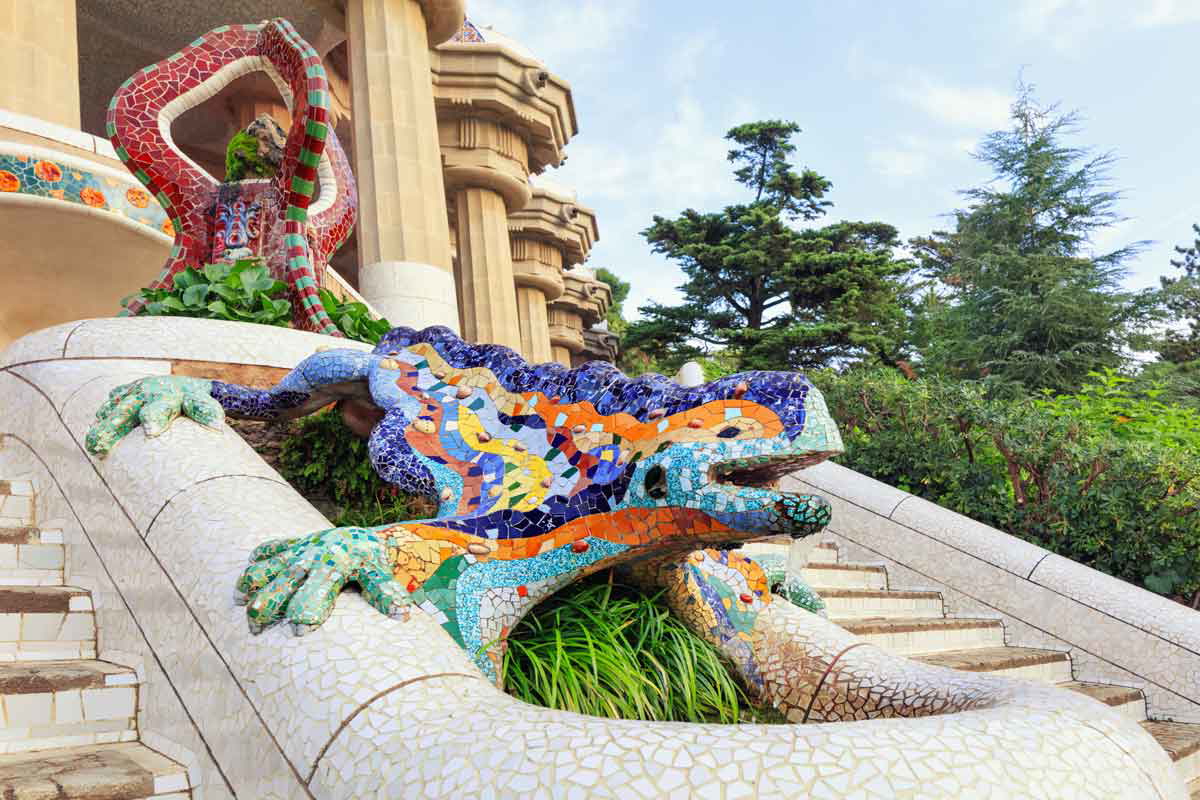
Under Güell’s patronage, Gaudí created his most famous works, including Park Güell, which was initially imagined as a residential complex with homes inspired by Symbolist and Art Nouveau aesthetics. The space between private houses was decorated with mosaic sculptures and benches decorated with broken tiles from a local ceramics factory. However, Gaudí’s vision was not enthusiastically shared by potential buyers. Only two houses were built in the end. Park Güell was converted into a public park that attracts thousands of tourists.
6. He Was a Vegetarian
Since his childhood, Antoni Gaudí had frail health and frequently suffered from various illnesses. In his early years, he was diagnosed with arthritis that only progressed over time. As an adult, he fell under the influence of Sebastian Kneipp, a Catholic priest turned self-taught naturopath. Gaudí adopted a strict vegetarian diet, homeopathy, and water therapy sessions. According to biographers, his lunches consisted either of unsalted raw vegetables seasoned with olive oil or a bowl of lettuce soaked in milk. For a while, he had a habit of carrying a raw egg with him as a snack, but, after several accidents involving suits ruined by liquid eggshell contents, he rejected the idea. Antoni Gaudí’s radical diet did nothing to improve his health; if anything, it only contributed to his malnutrition.
7. Salvador Dali Was a Fan of His Work
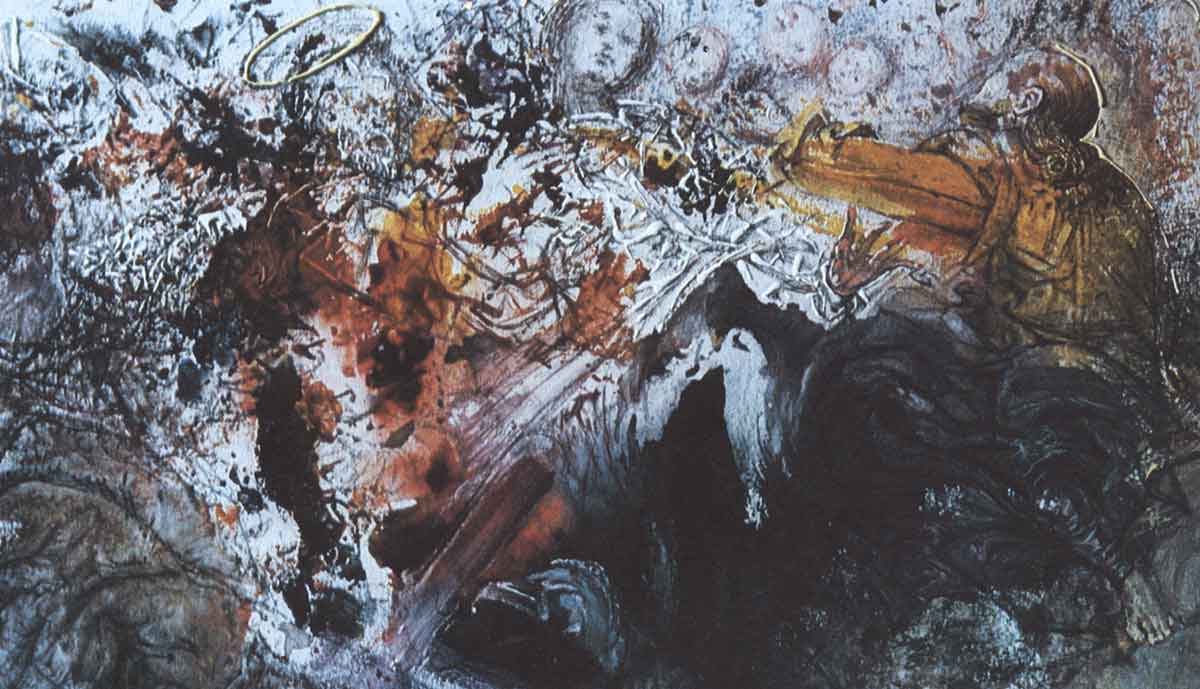
Although Antonio Gaudí’s artistic eccentricities were rarely appreciated by his contemporaries, he had an unexpected fan, perhaps the most unusual creative of his era. Salvador Dali openly admired Gaudí’s work, calling it edible and delirious, in the spirit of his own peculiar style of expression. Some of Dali’s painted works incorporated silhouettes similar to Gaudí’s architectural forms, and were probably inspired by Dali’s impressions of them.
8. His Looks Had Nothing in Common With His Works
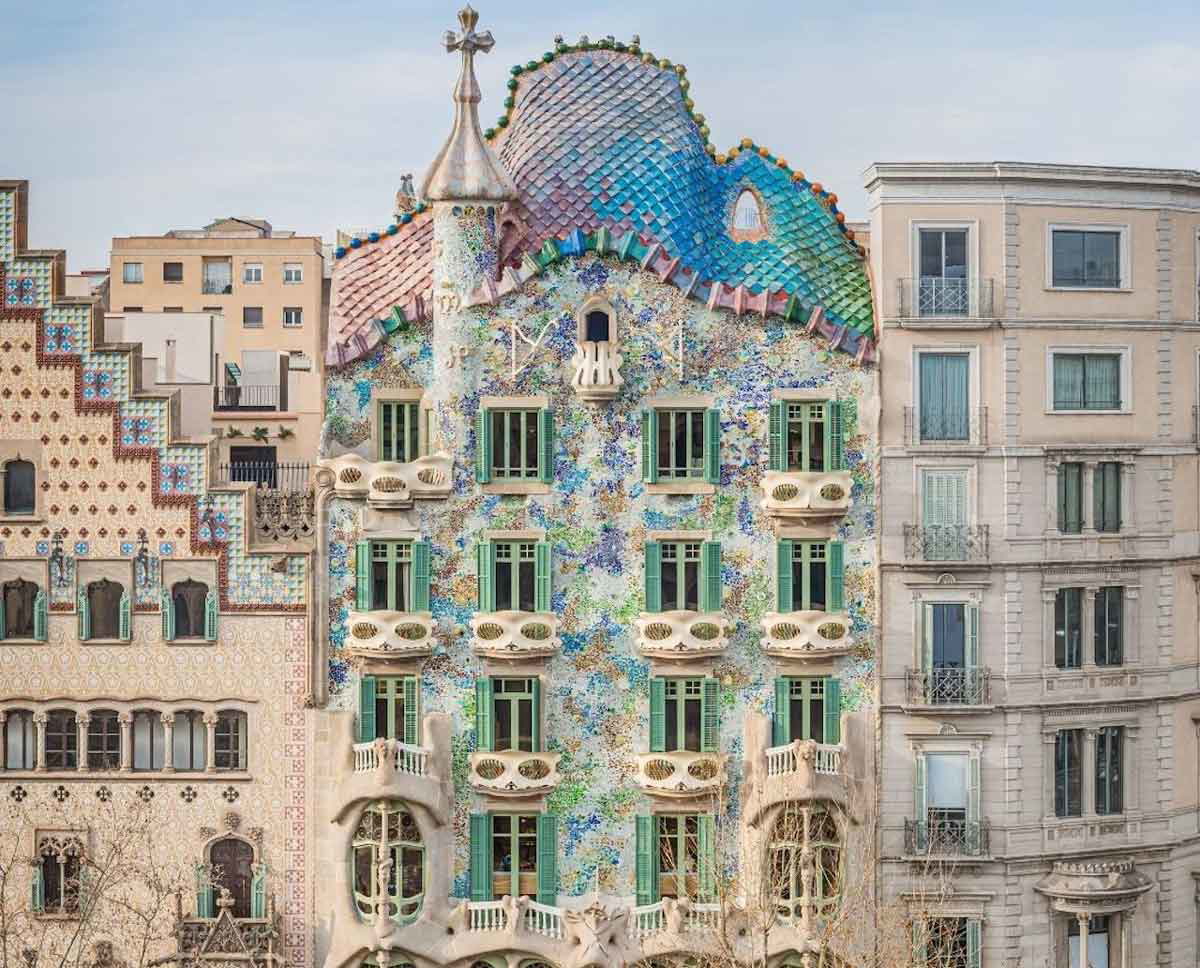
Gaudí’s exquisite and elaborate artistic style remained only in the blueprints and construction sites. In his day-to-day life, he was notoriously messy and dressed in rags. His indifference towards fashion only progressed with age. From a rather good-looking young architect, Gaudí gradually transformed into an aging man whom many mistook for a beggar. His suits were dirty and covered in mold, his shoes falling apart, and even his underwear, according to posthumous medical reports, was held together by safety pins.
Gaudí’s unsophisticated appearance became one of the reasons for his death. In June 1926, a 73-year-old architect was hit by a streetcar on his way to church. For a while, no one paid any attention to an old man lying on the ground, as most believed he was a drunk beggar. When Gaudí was finally transported to a hospital for the impoverished and homeless, it was too late to get help.
9. We Almost Lost His Greatest Masterpiece
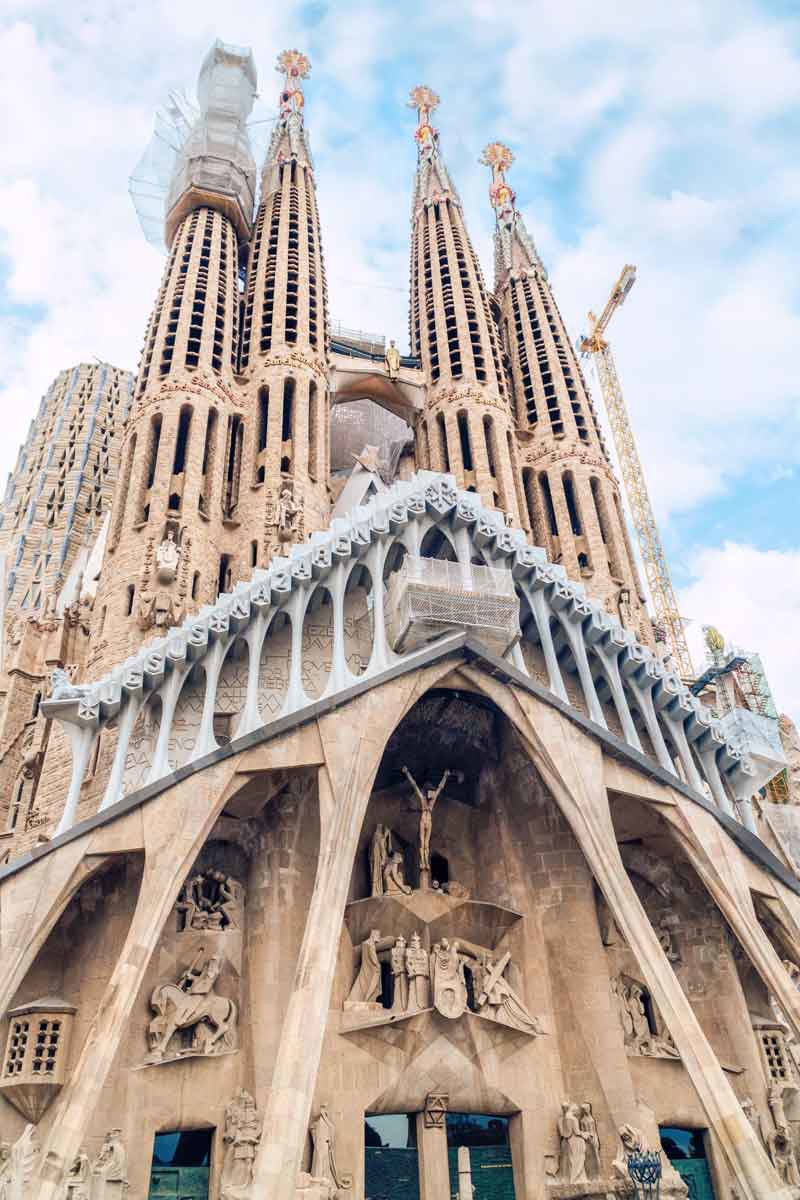
Gaudí’s greatest and most famous unfinished work, the Sagrada Familia, took him 40 years, and is still under construction despite the countless transformations that occurred during and after the architect’s lifetime. In 1882, Gaudí took over the project after another architect was fired, and completely changed the look of the building. Instead of an impressive yet traditional Neo-Gothic church, Gaudí designed an Art-Nouveau-esque organic structure with countless narrow towers reaching towards the sky.
Part of the reason construction is still unfinished—despite a grand opening expected in 2027—is that the Sagrada Família refuses funding from Church authorities and the state, relying instead on visitor tickets and private donors. Still, the famous building was almost lost during the Spanish Civil War, when a part of it was burned down, and many of Gaudí’s original notes and designs were destroyed. Although some were afraid to lose the remarkable building, Pablo Picasso and George Orwell, both Barcelona residents at the time, did not share the sentiment. The former famously regretted that no one “blew it up when they had a chance.”
10. Antoni Gaudí Could Become a Saint
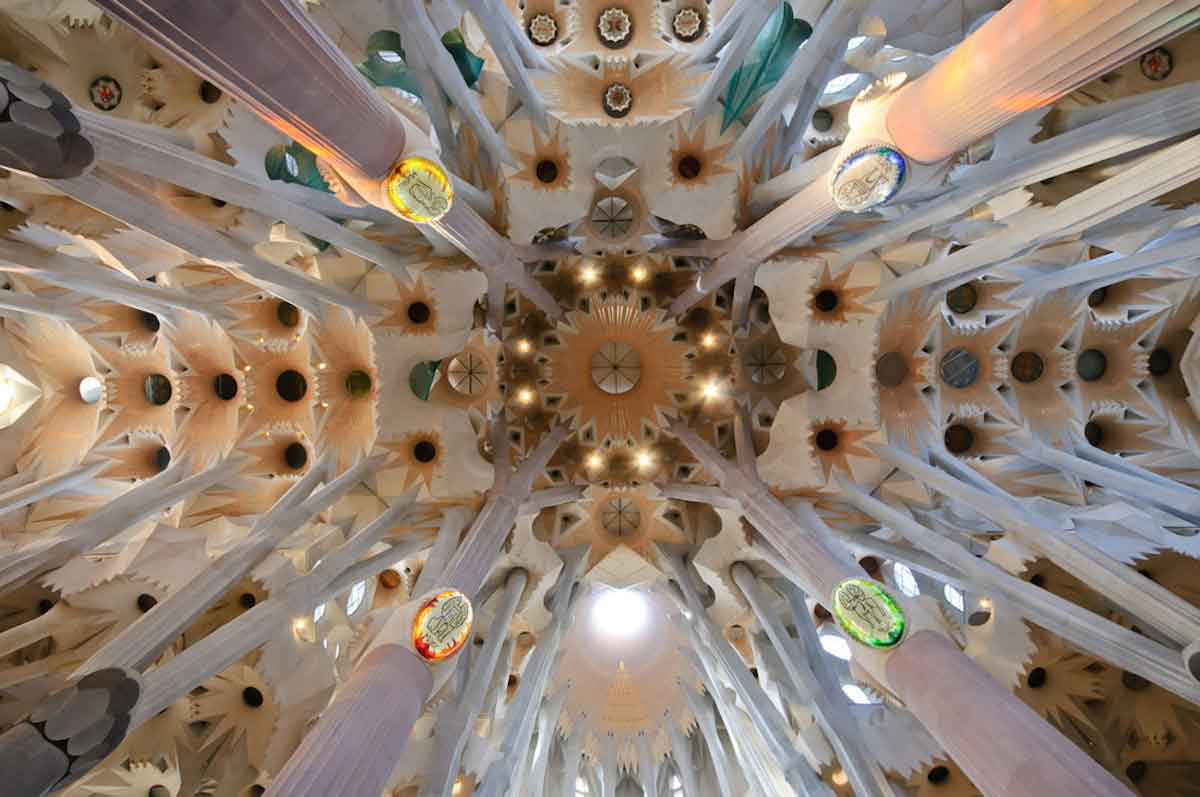
After Gaudí’s death, he was interred in the same unfinished Sagrada Familia church where he spent the last forty years of his working life. When asked why the project was taking so long, he famously answered that his client was not in a hurry, referring to God. For his fervor, he was called the “God’s Architect.” Just a few days before his death in April 2025, Pope Francis announced the architect as venerable, officially recognizing his contribution to the Church. That status is widely considered the first step towards sainthood, a triumph of many of the architect’s religious fans.