It’s likely that at one time or another, everyone has seen the image of a woman flexing her biceps as she stares at the viewer, her hair wrapped in a polka dot bandana. This image became an icon and an inspiration to several million women during the Second World War, spurring them along to help the cause in any way they could. Women entered the workplace in droves and served their country in a capacity never before seen. This is the story of how Rosie the Riveter inspired this drive.
The Original Rosie the Riveter
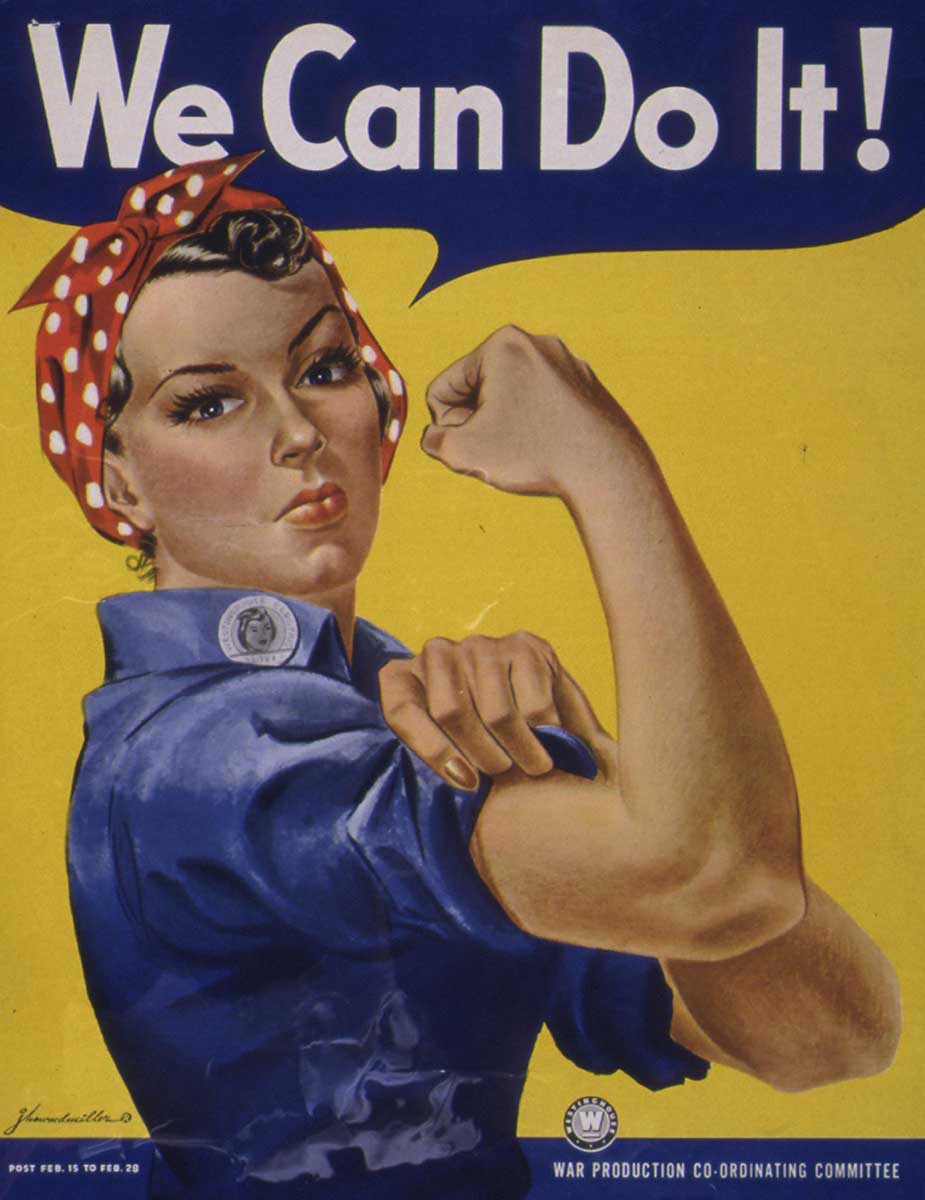
In 1942, manufacturing company Westinghouse Power hired artist J. Howard Miller to run a campaign to encourage its workers of both genders. His most famous poster, depicting a woman in blue coveralls and a red polka dot bandana under the exclamation “We Can Do It!”, was posted at Westinghouse for around two weeks and then filed away for decades.
In truth, the image that most people associate with Rosie the Riveter was not meant for this purpose at all. It wasn’t a recruitment campaign for female wartime workers but simply a bit of encouragement for the women already working for Westinghouse.
In the 1980s, Miller’s poster was co-opted by the feminist movement and henceforth represented a “Rosie the Riveter” style aesthetic. “We Can Do It!” shows a tough and independent woman worker and perfectly represents the movement. However, before the 1980s, Rosie the Riveter represented a different movement, one that would kickstart the role of women in the workplace.
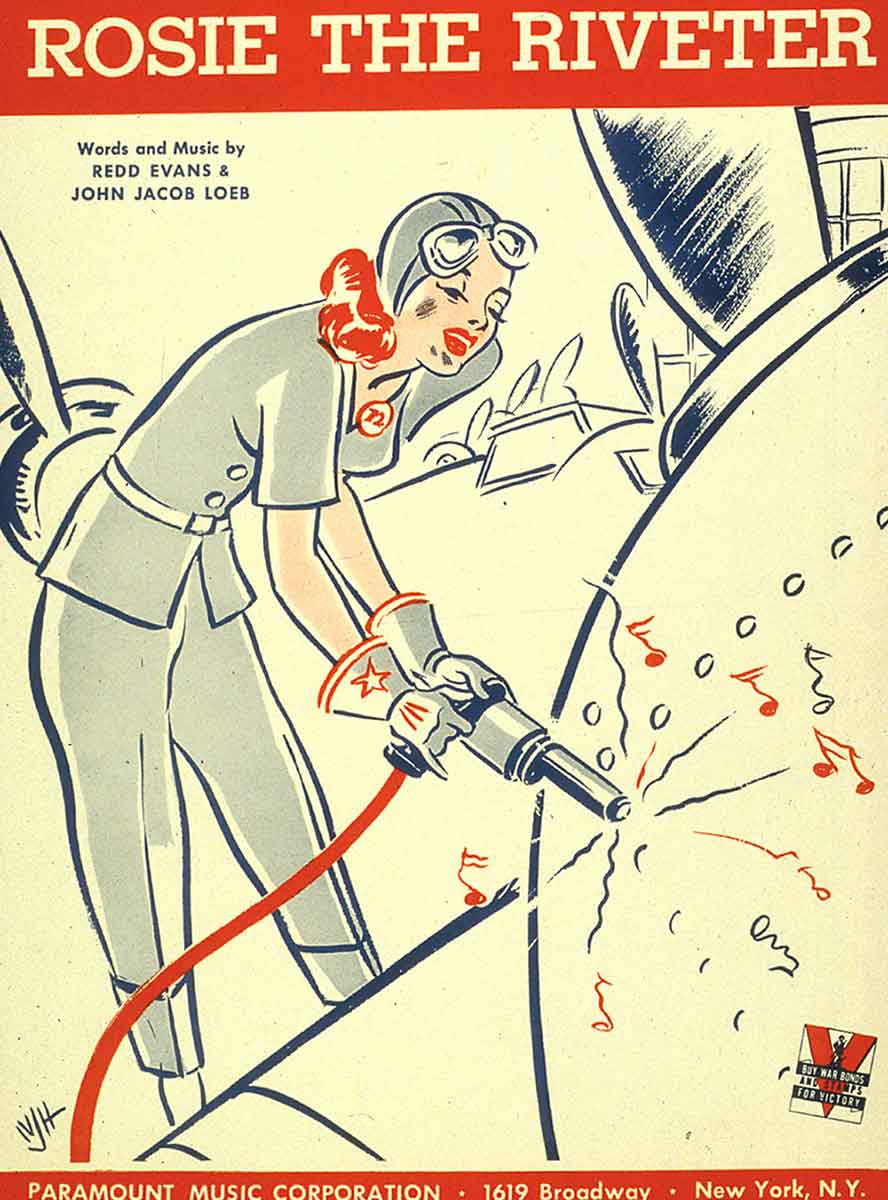
Where, then, did the original Rosie the Riveter come from, if not from the iconic Westinghouse poster? The answer is in a song written by Redd Evans and John Jacob Loeb and made popular by Big Band leader Kay Kyser.
The recording of the song “Rosie the Riveter” by Kyser and his band became a national hit. The song tells the story of a hard-knock assembly line worker named Rosie, who earned a Production E award for her efforts during the Second World War. The US Navy awarded Production E awards to companies and workers for their efforts in manufacturing wartime supplies, vehicles, and weapons.
Norman Rockwell’s Rosie
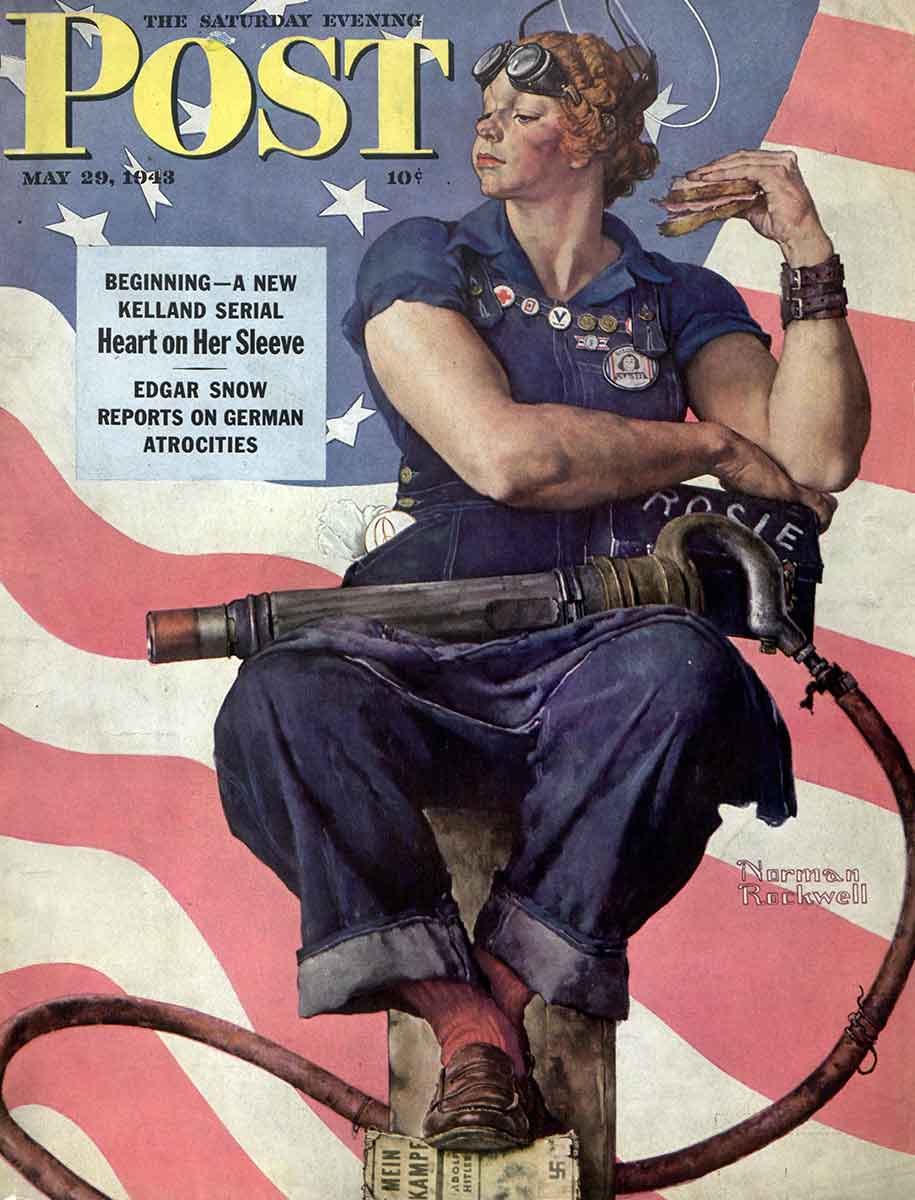
Inspired by the song, America’s most popular pop artist of the time, Norman Rockwell, produced a painting that would run in the Memorial Day edition of the Saturday Evening Post on May 29, 1943.
Rockwell’s painting, bearing the same name as the song, became an overnight icon. The painting features a woman with red hair and denim coveralls. She holds a ham sandwich in her left hand while her riveting gun lies in her lap, along with her lunchbox, which reads, “Rosie.”
The painting has a myriad of detailed features. Rosie’s coveralls are pinned with several wartime pins and badges, including a white “V” for victory, a Blue Star Mothers pin, a Production E award, and civilian service awards. She sits with her foot resting on a worn-out edition of Adolf Hitler’s Mein Kampf. Rockwell posed his Rosie in the style of Michelangelo’s 1509 work of the Prophet Isaiah from the Sistine Chapel.
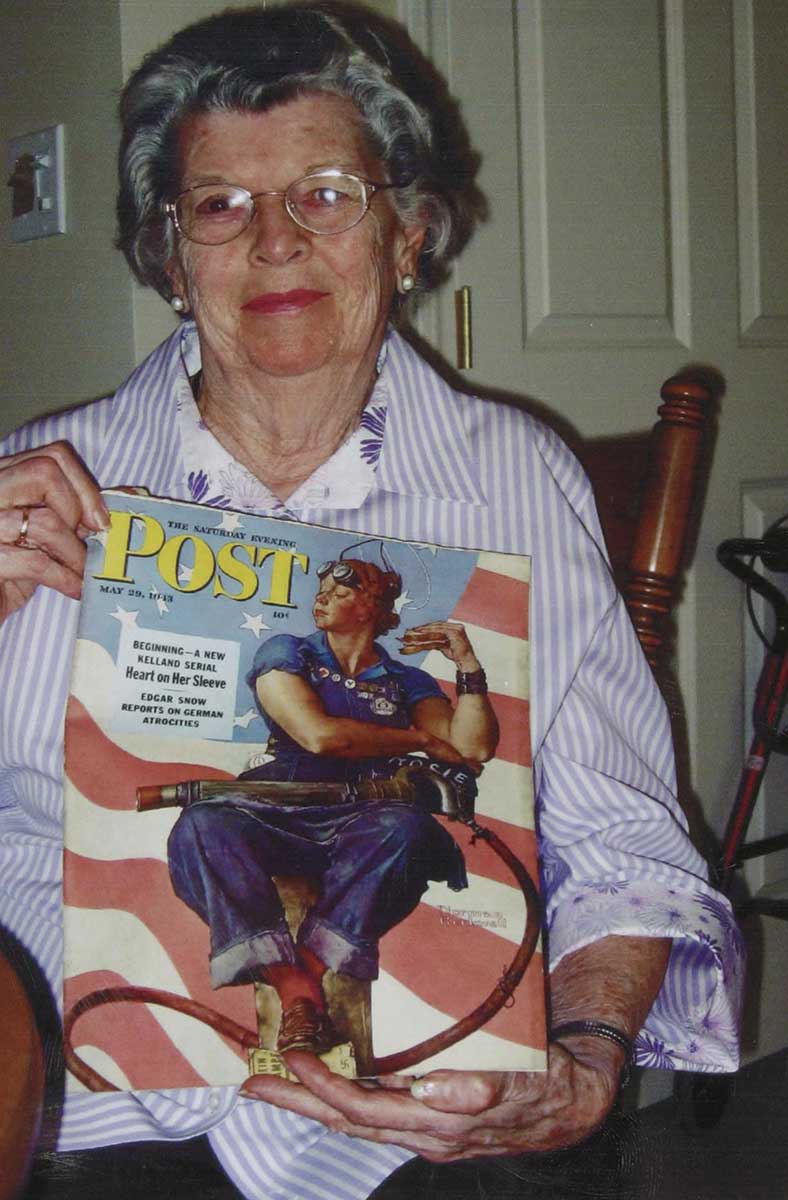
Rockwell’s Rosie was inspired by 19-year-old telephone operator Mary Louise Doyle, later Keefe. Doyle was paid $10 for her modeling but never expected her image to endure for so long. Keefe and her husband were invited to Sotheby’s in 2002 when the original painting sold for $5 million. Keefe’s visage now hangs in Crystal Bridges Museum of American Art in Bentonville, Arkansas.
Like the song, Rockwell’s Rosie had an enduring impact on the war effort. Over six million women would be inspired by the likes of painting and music. They would work in industries that women had never been allowed in before, beginning an era of independent women in the workplace, doing their part on the homefront.
They came in droves, working in almost all jobs, even labor-intensive ones, like manufacturing military planes. While the men were being drafted to the frontlines, they were backed by millions of Rosies, spurring the US war effort in their way.
Women’s Roles on the Homefront
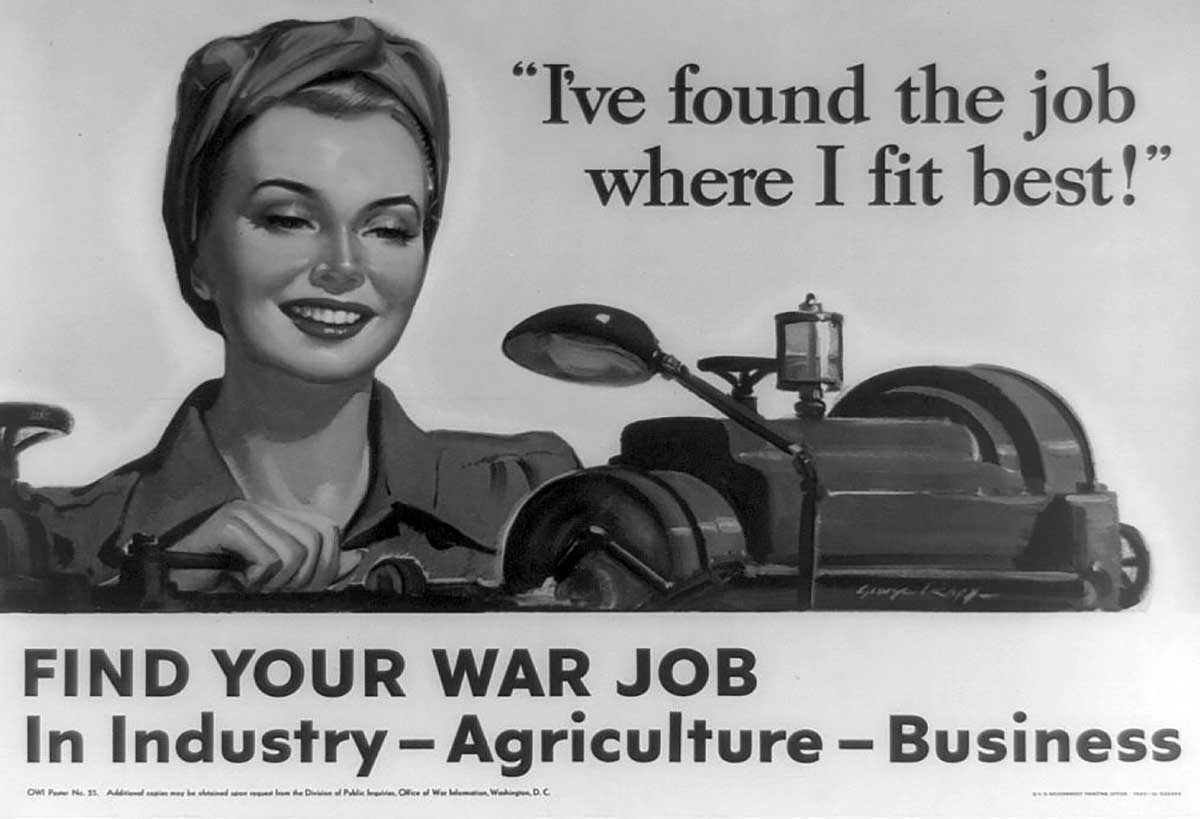
The industry most affected by the influx of female workers during World War II was aviation. In 1943, around 310,000 women worked in the aviation industry, representing 65% of the total workers in that field.
Because World War II was a total war, men were conscripted and away, but wartime supplies were still needed. Women stepped into traditionally male roles, working in heavy labor, construction, manufacturing, and steel and lumber mills.
Another industry that heavily recruited women during wartime was the munitions industry. Women were producing all kinds of goods that were then shipped to the military on the frontlines. Ammunition, planes, helicopters, tanks, and more were all being built and sent to the European and Pacific theaters.
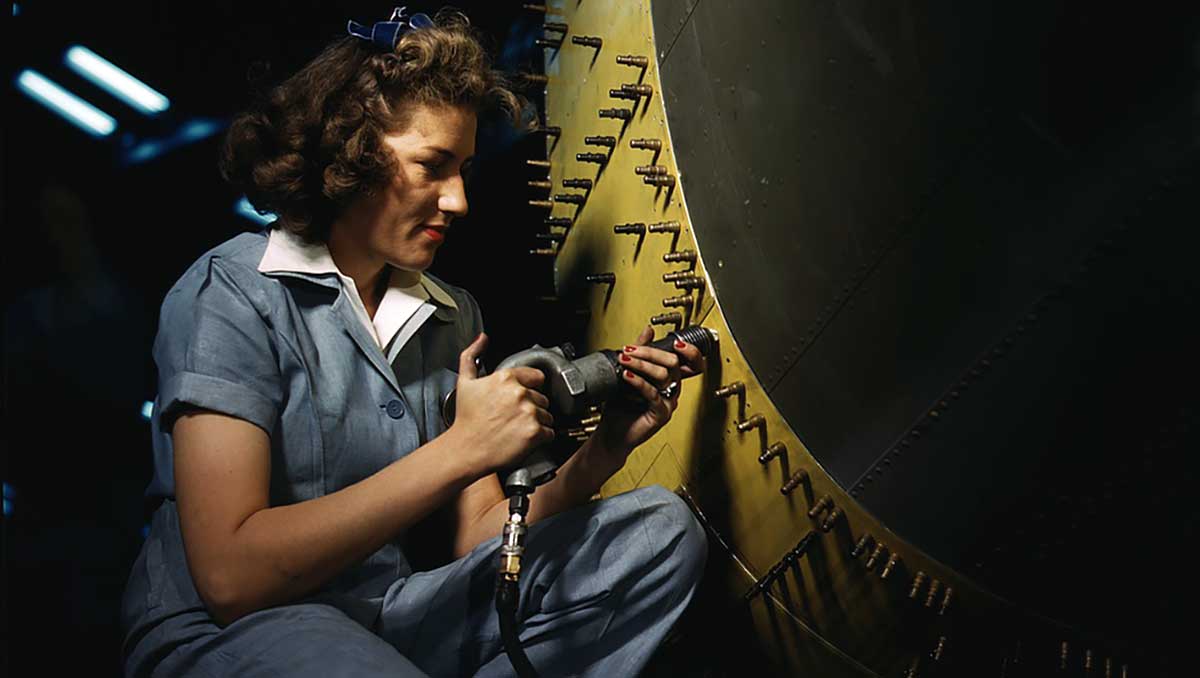
This boom in female manufacturers is why the popular image of Rosie the Riveter portrays its subject as a riveter in the first place. Rosie represented the hundreds of thousands of women who were now building heavy machinery, roles that before and after the war were traditionally male-centric.
One woman, Vi Kirstine Vrooman, wrote a book entitled A Mouthful of Rivets about her experience working during World War II. Vrooman worked on an assembly line that manufactured B-17 bombers. She wrote of the experience, “The biggest thrill—I can’t tell you—was when the B-17s rolled off the assembly line. You can’t believe the feeling we had. We did it!”
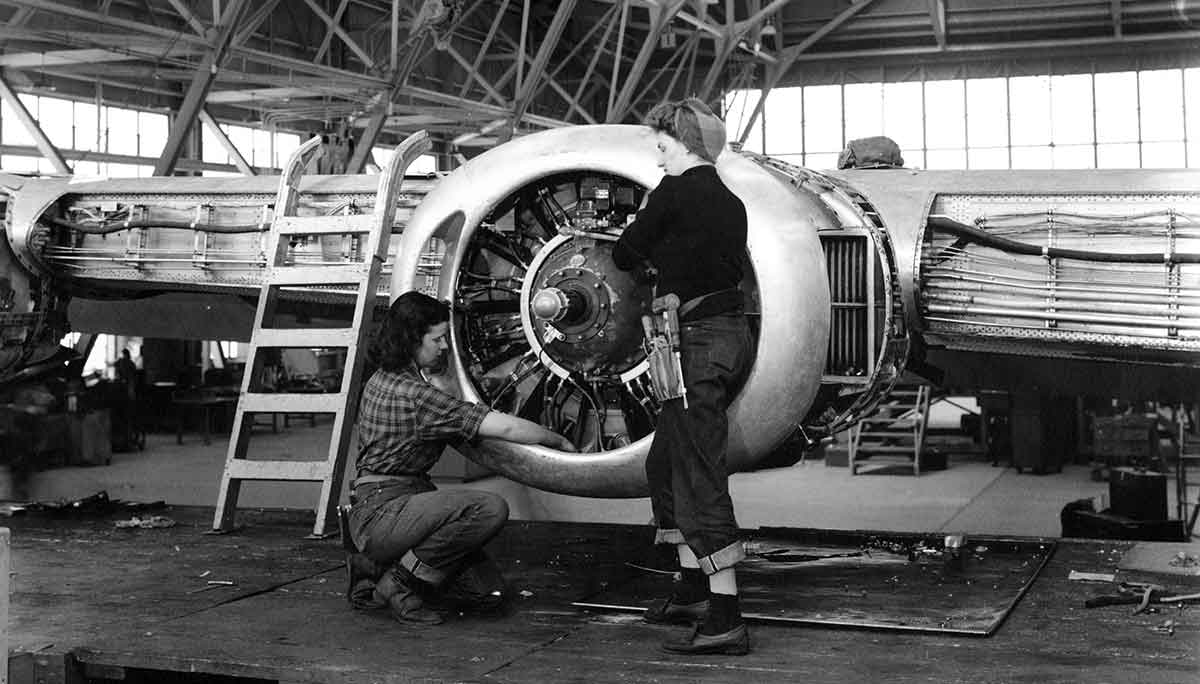
However, many women had to juggle all aspects of their lives at the same time while picking up jobs. Many were mothers and pooled together with other working mothers who would provide childcare and ensure that tasks like cleaning and cooking were still completed. Many women even lived with other working mothers, taking alternating shifts so that someone would always be watching the children while the other was at work.
Women felt a taste of independence that was never before seen, especially for those women in the middle and upper-middle classes. Jobs provided independent security and accomplishment, financially and personally. The growing favor for independence and being an active part of the workforce soon became a problem for the US government, especially when men began returning from war.
In 1944, it was becoming clear that the Allies were winning, and men began to be shipped back home from the frontlines. The US government then had to abruptly switch tactics and urge women to “return to normalcy.” Many women were forced to return to clerical and administrative jobs, which meant a pay cut. The percentage of women in the workforce dropped from 36% to 28% in 1947.
However, the Rosie the Riveter advertising campaign was still one of the most successful government propaganda campaigns in US history. It gave women a taste of freedom from traditional gender roles, which would do much to further the fight for gender equality in the coming years.
Women in the Military
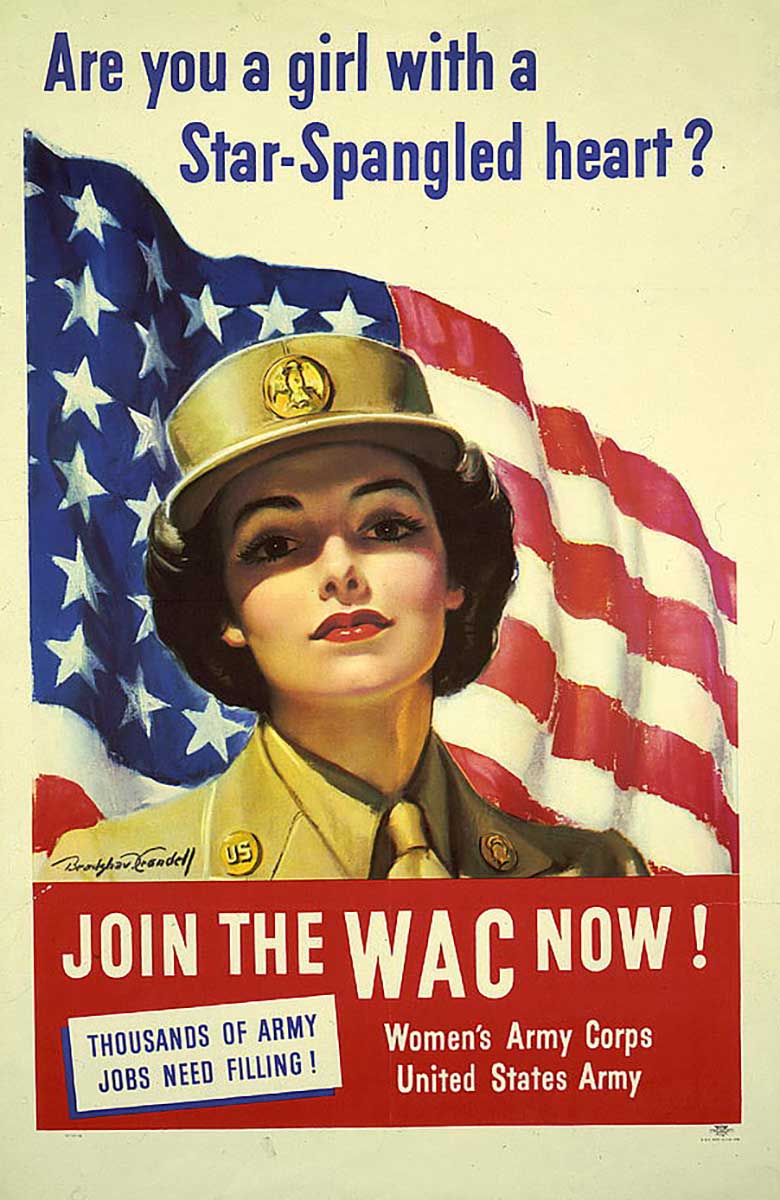
Though women were needed to fill roles on the homefront during the Second World War, they also actively volunteered for military service. Around 350,000 women volunteered for service in non-combat roles. The idea of using women in the military was encouraged by then-First Lady Eleanor Roosevelt and was, in turn, supported by General George C. Marshall, who took inspiration from the British army’s utilization of women in the armed services.
In May 1942, the Women’s Auxiliary Army Corps was created and was later given full military status, then called the Women’s Army Corps (WAC). The women who served were often called WACs and served in a variety of non-combat roles both in the United States and in every theater of war. In 1945, there were more than 6,000 female officers in the US Army who led more than 100,000 WACs.
Other branches of the military also accepted female members during World War II. In the Navy, Women Accepted for Volunteer Emergency Service or WAVES held the same status as Naval reservists, along with the Marines and the Coast Guard. However, these women provided war aid from the United States.
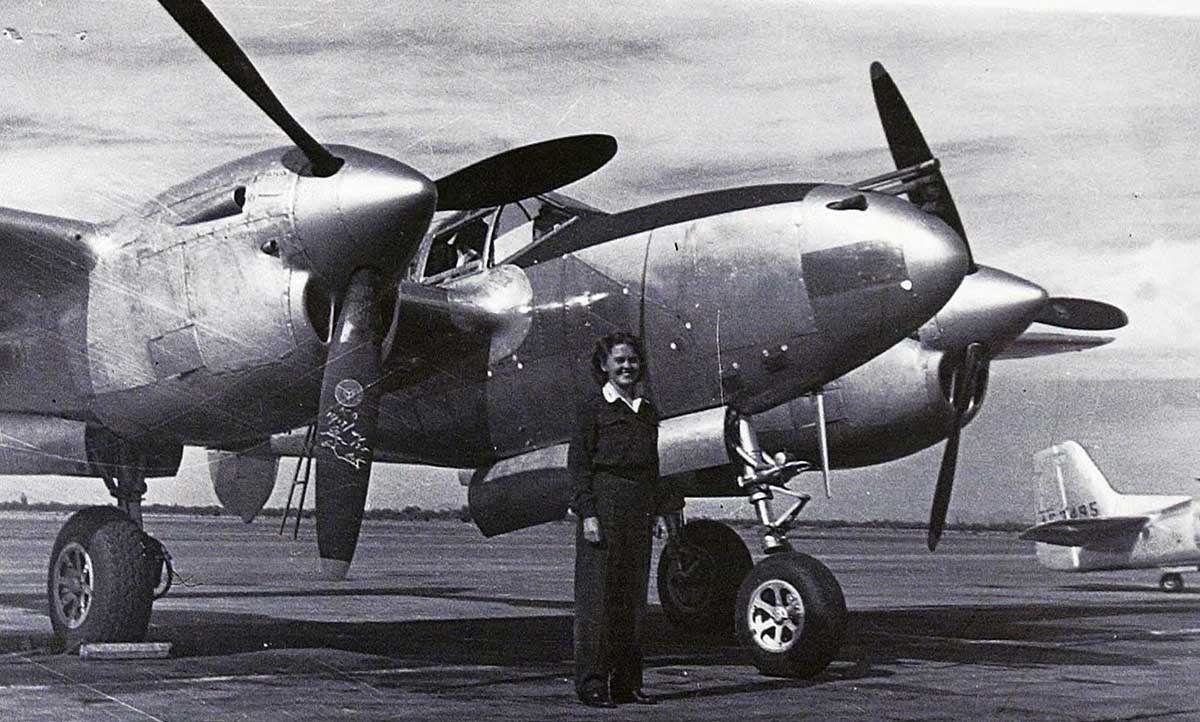
Another branch of the military, the Air Force, also allowed female volunteers during the Second World War. Women Airforce Service Pilots (WASPs) were women with previously held pilots’ licenses who ferried fighter planes from factories in the United States to domestic and international bases. This freed up thousands of male pilots for service in the war.
The over 1,000 WASPs accrued more than 60 million miles during World War II, but those who were killed while serving were not given full military honors or benefits. Thirty-eight WASPs died during the war, but it wasn’t until 1977 that their division was given full military status, and those who had fallen during service were given the honors that they deserved.
The Lasting Impact of Rosie the Riveter
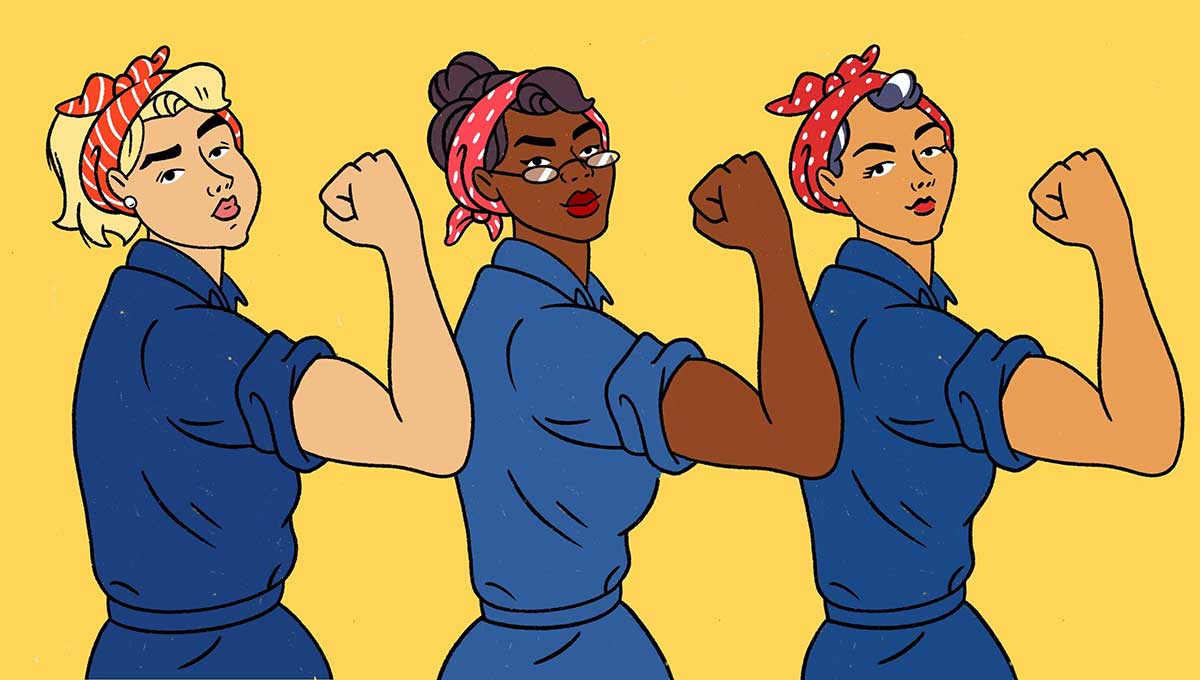
Rosie the Riveter inspired hundreds of thousands of women during World War II. Norman Rockwell’s iconic painting, along with the Westinghouse “We Can Do It!” posters, became symbols of women’s rights well into the modern day.
During the Second Wave of feminism in the 1970s, women fought for their rights to be treated equally in the workplace, among many other things. The ideas of this new wave of feminism began among those inspired by Rosie the Riveter. Experiencing the independence and freedom that came with breaking traditional gender roles gave rise to a generation of women focused on their rights and goals.
Through campaigns like that of Rosie the Riveter, women showed that they could handle work just as well as men, and only with mounting pressure from the government at the end of the war did women reluctantly give up their roles. However, the workforce was forever changed and inspired women for generations to do the work they loved for personal and financial independence.
Rosie the Riveter may not have been a strictly real person, but she encouraged American women to break the traditional mold, something that we can be grateful has only progressed throughout the years.