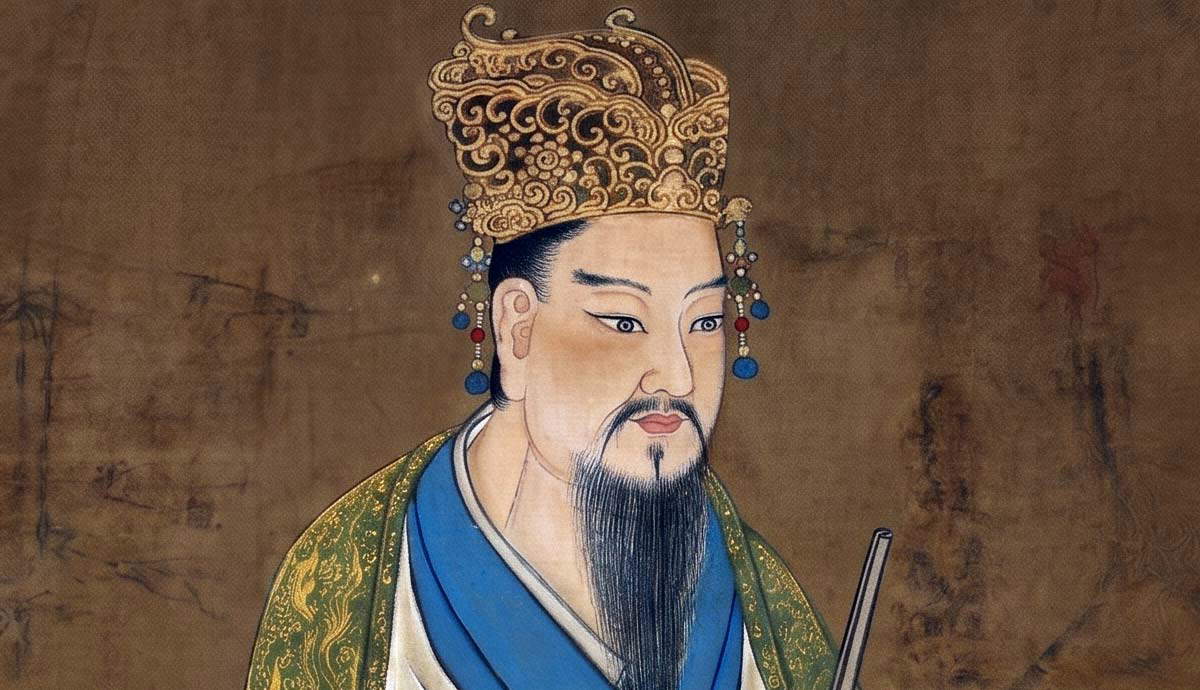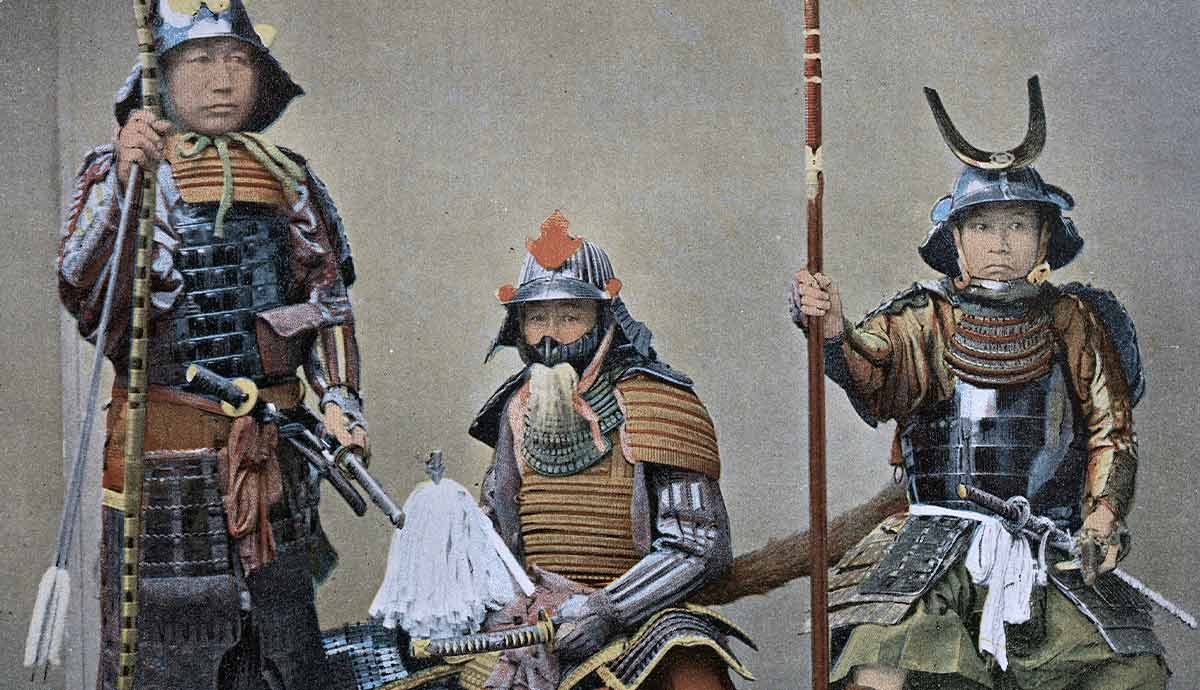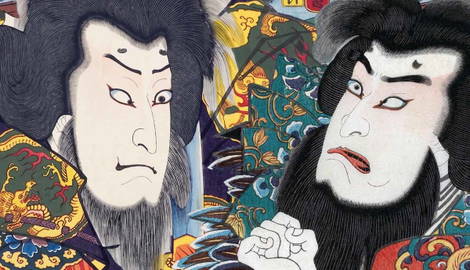

In the 10th century, Taira no Masakado emerged as one of the most powerful military leaders in eastern Japan and mounted a challenge to Kyoto’s imperial court. Centuries later, he became something very different: a revered yet feared deity whose spirit still remains closely connected to Tokyo. Masakado is also frequently recognized as Japan’s first samurai commander. While the warrior class that later dominated Japanese history did not yet exist in the form we are familiar with today, he embodied many of the qualities that would come to define it.
An Early Pioneer of the Warrior Age
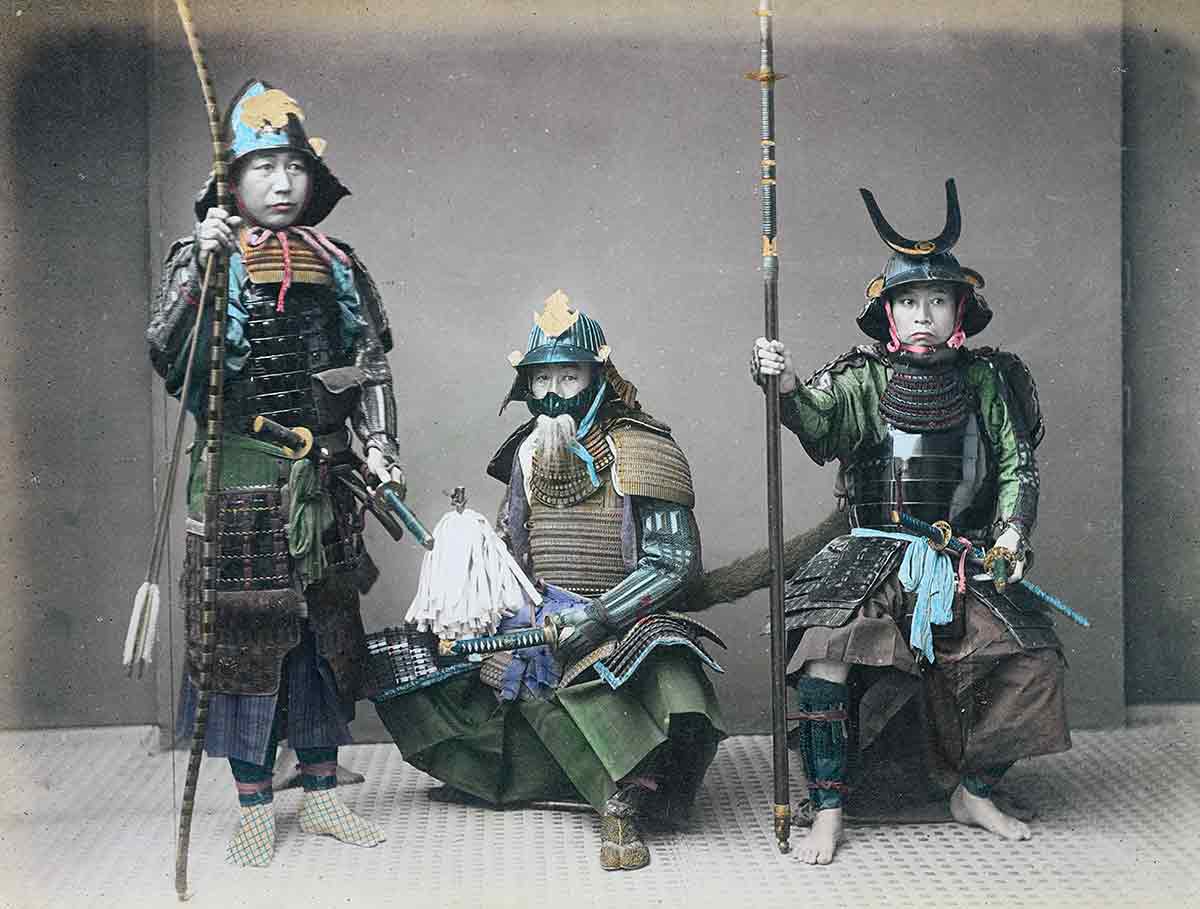
Taira no Masakado is not considered one of the first samurai commanders (Turnbull, 2005, p. 4) just because of his military achievements but rather because he positioned himself as an alternative political power that rejected the authority of Japan’s emperor. Japan has always had warriors, but the meaning of term “samurai” depends on the time and place in the country’s history. In the context of the times of Taira no Masakado, it is best understood as an emerging social class advocating for a more military-style government, one not based on divine authority.
During the early Heian Period (794–1185), political power rested in the hands of aristocratic families and court officials of Kyoto. Outside the capital, however, local magnates increasingly relied on armed followers to protect their lands, enforce authority, and resolve disputes.
“During the 8th and 9th centuries officials living in the provinces began consolidating their power. Though living away from the central government meant that they had no choice but to forego the luxuries and lifestyles enjoyed by their counterparts in the capital, they found that their autonomy – often, ironically, supported by the central government’s myopic laissez-faire attitude – was an admirable compensation. They were laying the groundwork for future provincial warrior families with great power.” (Bryant, 2004, p. 13).
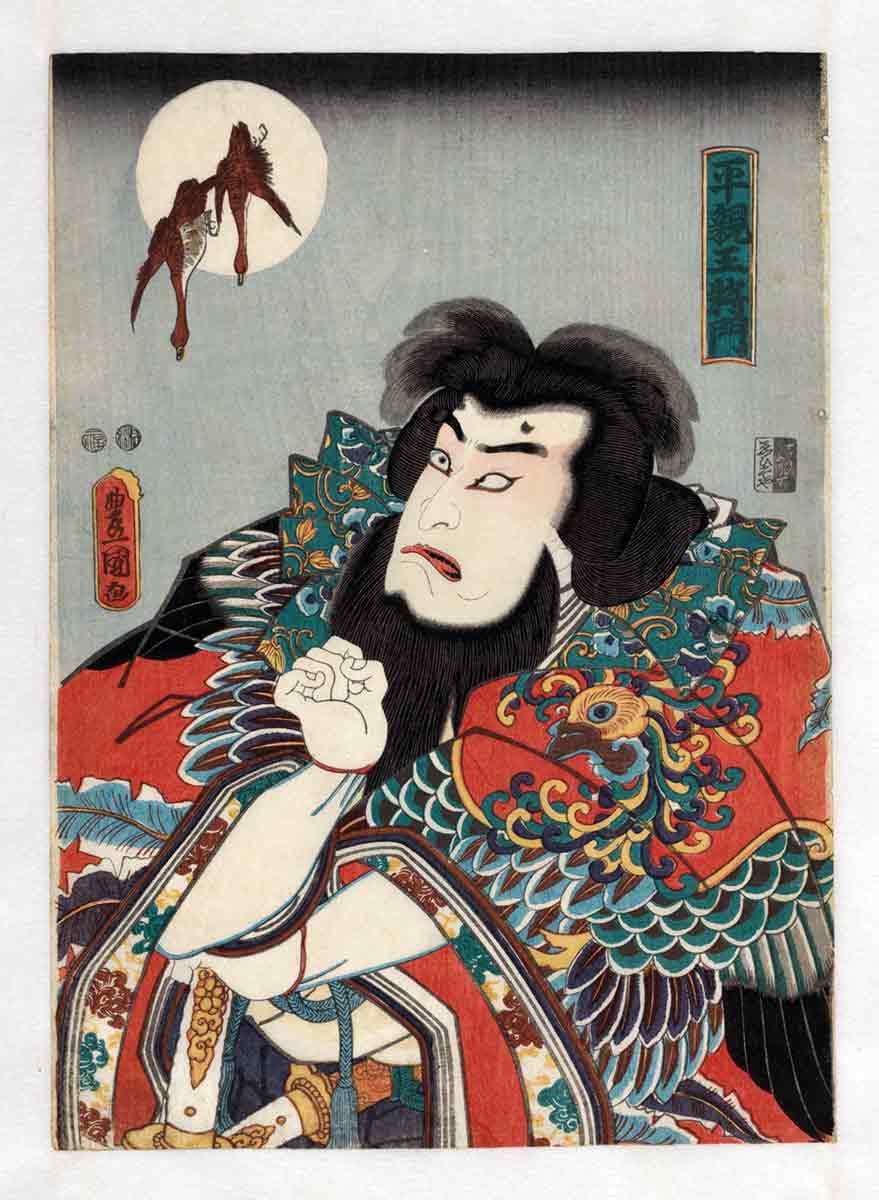
Masakado emerged directly from this environment. Born in Shimosa Province (around modern-day Chiba and Ibaraki prefectures), he was a descendant of Emperor Kanmu, boasting strong ties to both the court and Japan’s eastern provinces bursting with potential, fertile lands, and riches. As a young man, Masakado traveled to Kyoto and entered the service of the influential statesman Fujiwara no Tadahira. Despite years in the capital, he failed to secure the kind of government career that he had aspired to. “Masakado was refused the office of kebiishi, a position not unlike commander of the national police force, whose writs had the same influence as Imperial decree” (Bryant, 2008, p. 6).
After returning home to Shimosa, Masakado started to increasingly rely on his military prowess rather than court patronage as a source of authority. Earlier aristocrats derived power primarily from rank and official appointments from Kyoto, but distance limited the imperial court’s ability to intervene quickly in regional disputes. Men such as Taira no Masakado filled that gap by acting as soldiers, administrators, diplomats, and protectors within their local communities. That is what first separated warriors from samurai.
From Regional Feuds to Open Rebellion
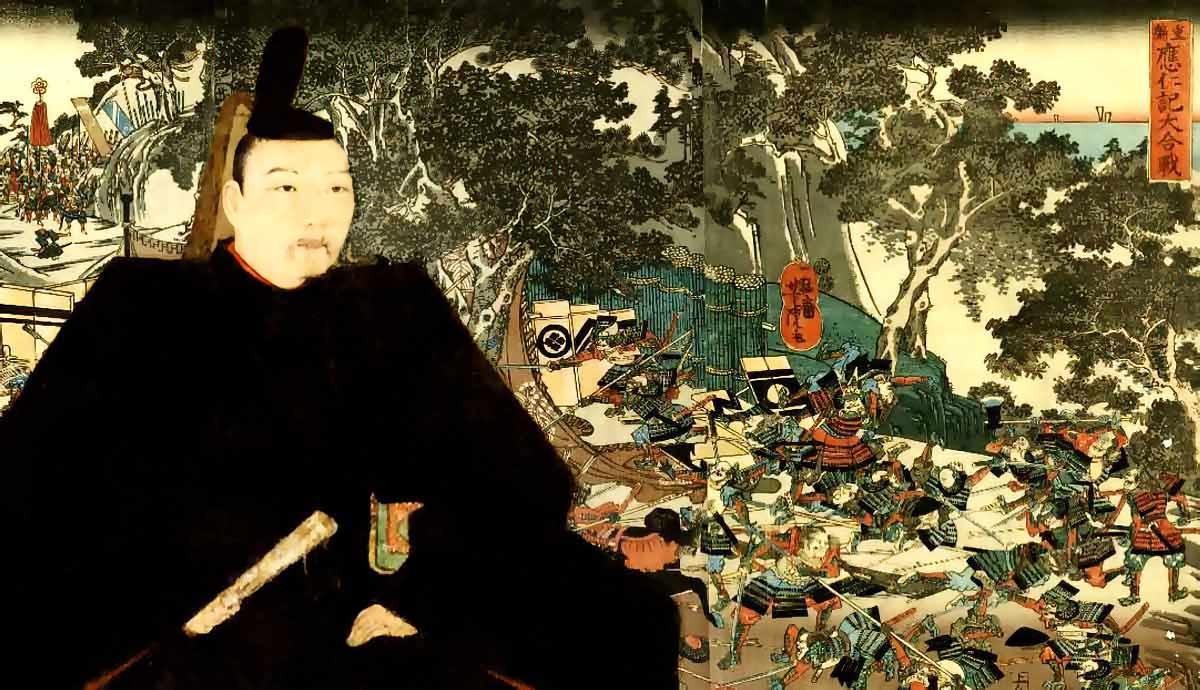
Masakado’s rebellion against Kyoto did not emerge as part of some grand design. Instead, it was the inevitable aftermath of a series of escalating confrontations among powerful families and appointed administrators in a place far away from the eyes of the emperor. During the 930s, Masakado’s clashes with relatives and rivals developed into increasingly larger, armed conflicts that reshaped the balance of power across the region.
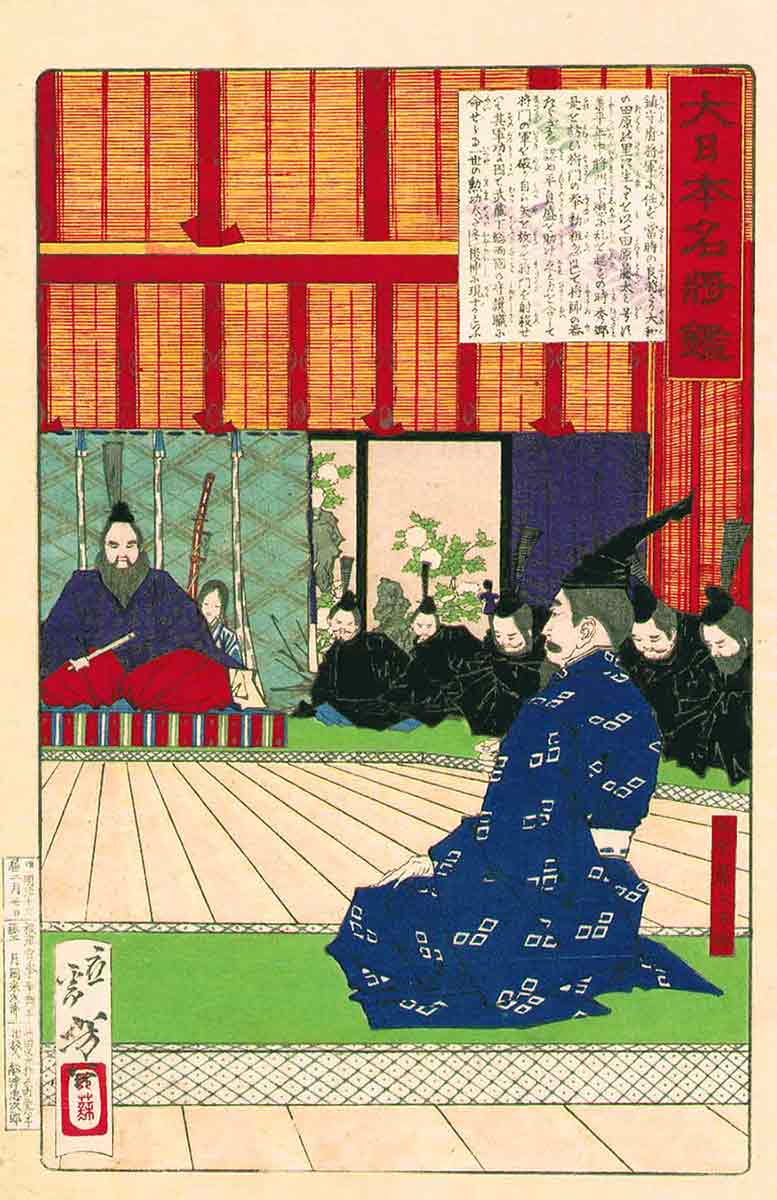
Every time Masakado was attacked, often by a numerically superior force, he repulsed his enemies and responded aggressively with a campaign of bloody retaliation, destroying not only rival armies but also the homes and estates of their patrons. Time and time again, Masakado demonstrated impressive military ability and a total lack of mercy for those who stood against him. Tales of his achievements eventually reached the imperial court and he was summoned to Kyoto to justify his actions. By claiming self-defense, he ultimately received an imperial pardon and returned east with renewed confidence from having survived both military and legal challenges to his power.
Yet new enemies kept appearing. As other magnates, his relatives, and political opponents continued to fight Masakado, the warring noble became convinced that Kyoto authorities either could not or would not intervene in far-off provinces. He increasingly started to believe that it was military strength that mattered most rather than some distant imperial bureaucracy.
By the late 930s, as further disputes, attacks, and legal challenges kept vexing him, Masakado opted to ignore official summons and launched campaigns of conquest across neighboring provinces after being convinced that nobody was going to stop him. Officially he justified these actions as lawful responses to aggression, but the court saw it differently. What had begun as local warfare now appeared to be a direct challenge to the authority of the emperor himself.
The New Emperor’s Brief Reign
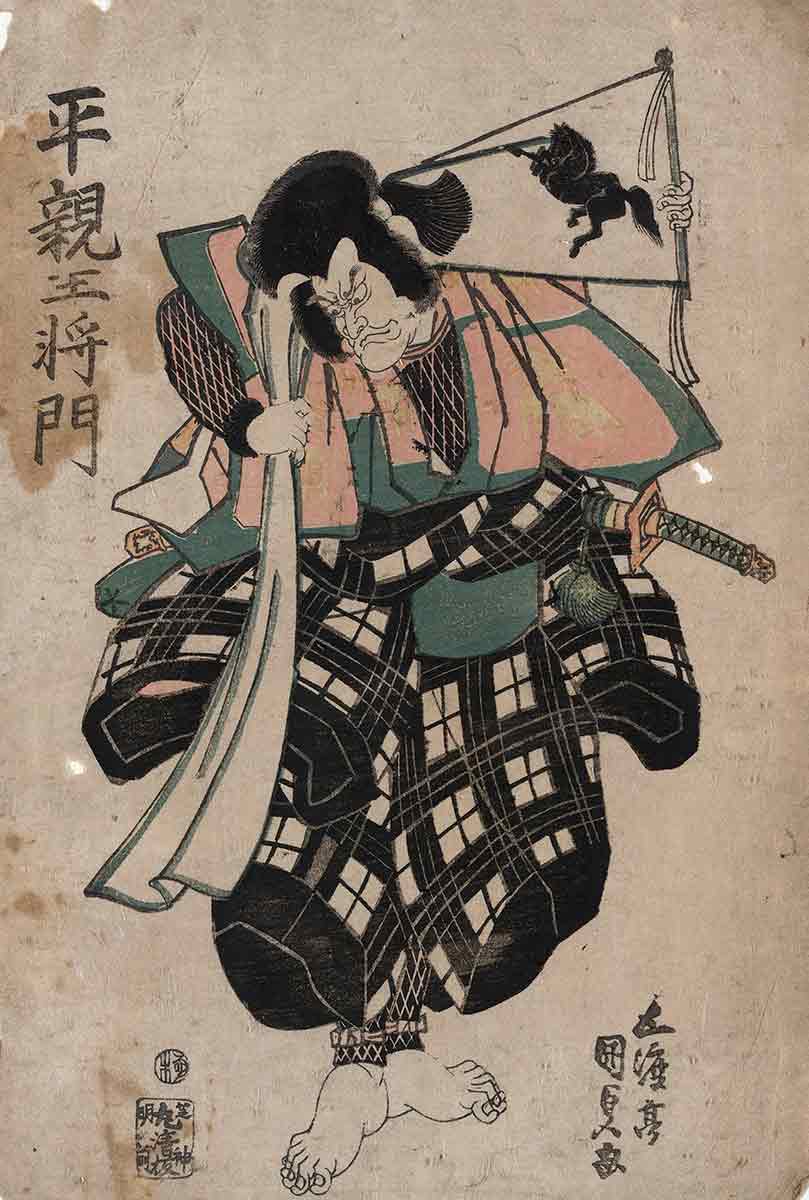
Masakado achieved his biggest success during the winter of 939. After years of expanding his conflicts beyond personal feuds and moving against provincial governments, he seized vast lands across eastern Japan, bringing them under his rule. For a brief period, he controlled eight of Japan’s 66 provinces, about 12% of all of Heian-period Japan.
Many local residents and landowners were not opposed to this change, as they viewed the existing political system as distant and ineffective and welcomed Masakado as a protector and new kind of leader. As his influence expanded, reports circulated that he adopted the title of Shinno or “New Emperor.” Whether this represented a genuine attempt to establish an independent eastern court or a symbolic assertion of authority remains a topic of some debate. What is important is that it was a massive sociopolitical shift in Japan’s organized government that did not rely on descent from the Sun goddess for legitimacy.
Kyoto quickly declared Masakado a traitor and authorized military action against him, promising huge bounties to mobilize regional warriors to support the imperial cause.
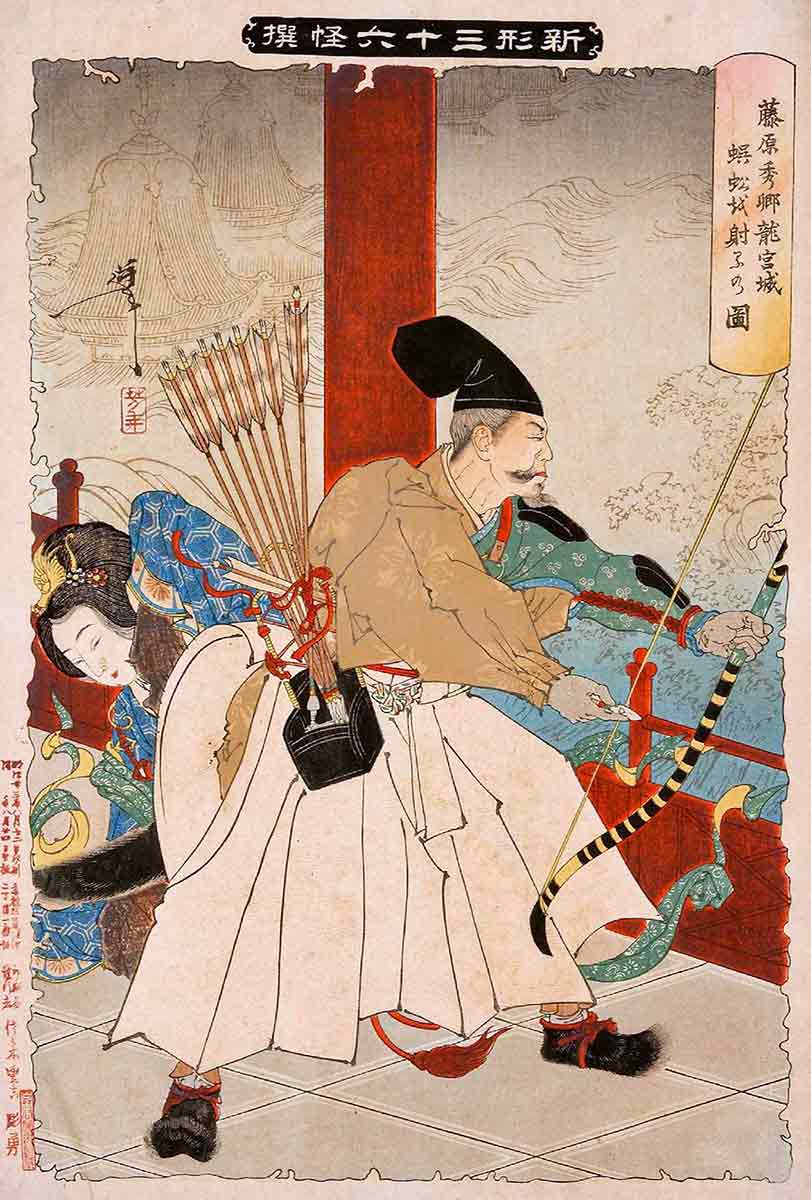
The money encouraged some of Masakado’s men to desert him, while others answered Kyoto’s call because of their support for the old order. The anti-Masakado coalition centered on Taira no Sadamori (Masakado’s cousin) and Fujiwara no Hidesato, both experienced military leaders. The decisive campaign against the New Emperor unfolded in 940. Despite earlier victories, Masakado found himself facing overwhelming forces led by skilled and shrewd tacticians. Accounts of his final battles describe confusion, surprise attacks, and exploiting every unfavorable condition to reduce Masakado’s chances of success.
In the end, Taira no Masakado was killed, reportedly struck during combat before being beheaded. His severed head was transported to Kyoto and publicly displayed as a warning to others. Yet defeat was just the end of the second act in the story of Taira no Masakado. The rebel who failed to establish a lasting political dynasty soon became immortalized in folklore and religion.
Deifying the Ghost Who Would Not Rest
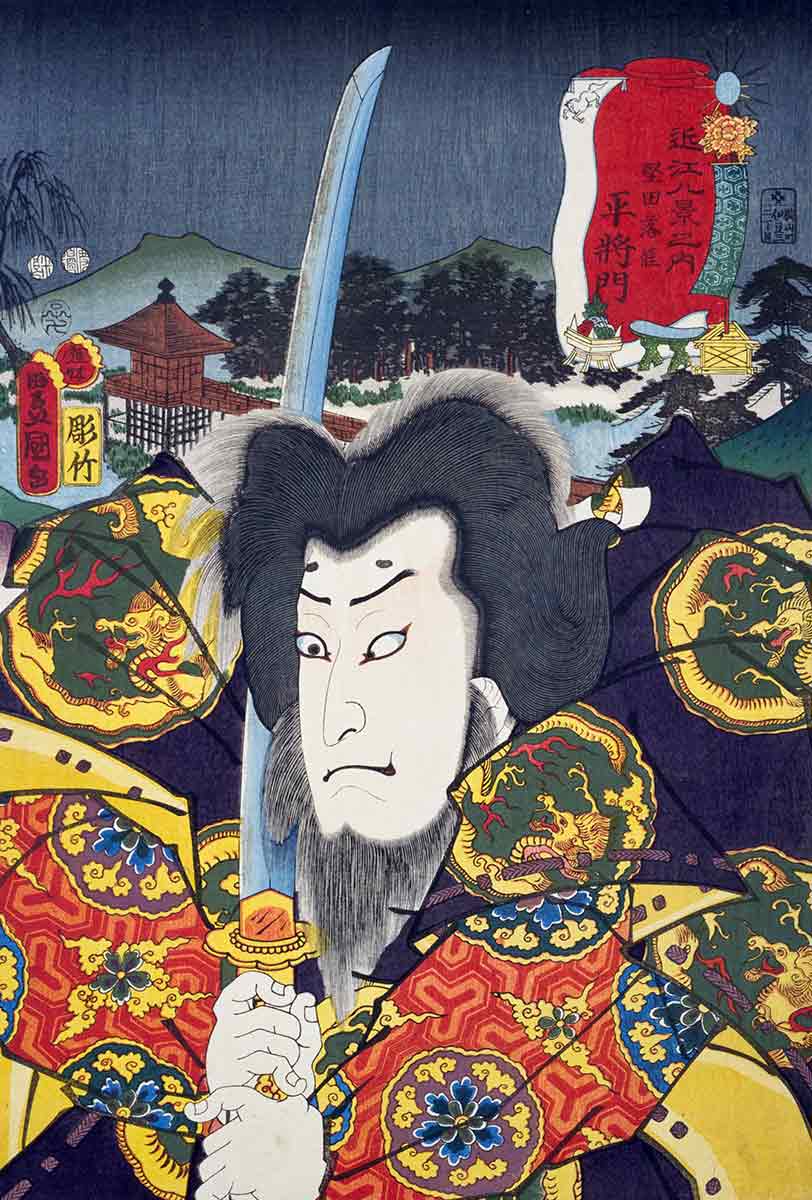
In the years after his death, Taira no Masakado was transformed from failed rebel to a revered supernatural figure. Rather than viewing him solely as a rebel defeated by the state, many commoners celebrated him as a warrior who had resisted distant, uncaring authority, defended local interests, and suffered betrayal, the last of which apparently made him very angry.
According to popular tales, Masakado’s severed head refused to decay while on display in Kyoto. Then it reportedly started to speak and shout, demanding reunification with its body so it could return to battle. Others describe seeing strange lights and ghostly apparitions surrounding the remains.
The most famous legend states that the head eventually rose into the air and flew eastward. After traveling across the country, it crashed down near the site that would later become Edo (modern-day Tokyo). Local residents buried it in a memorial mound that, according to legend, became the focal point of supernatural and paranormal activity. As centuries passed, people increasingly associated natural disasters, epidemics, and other unexplained misfortunes in the capital with Masakado’s angry spirit.
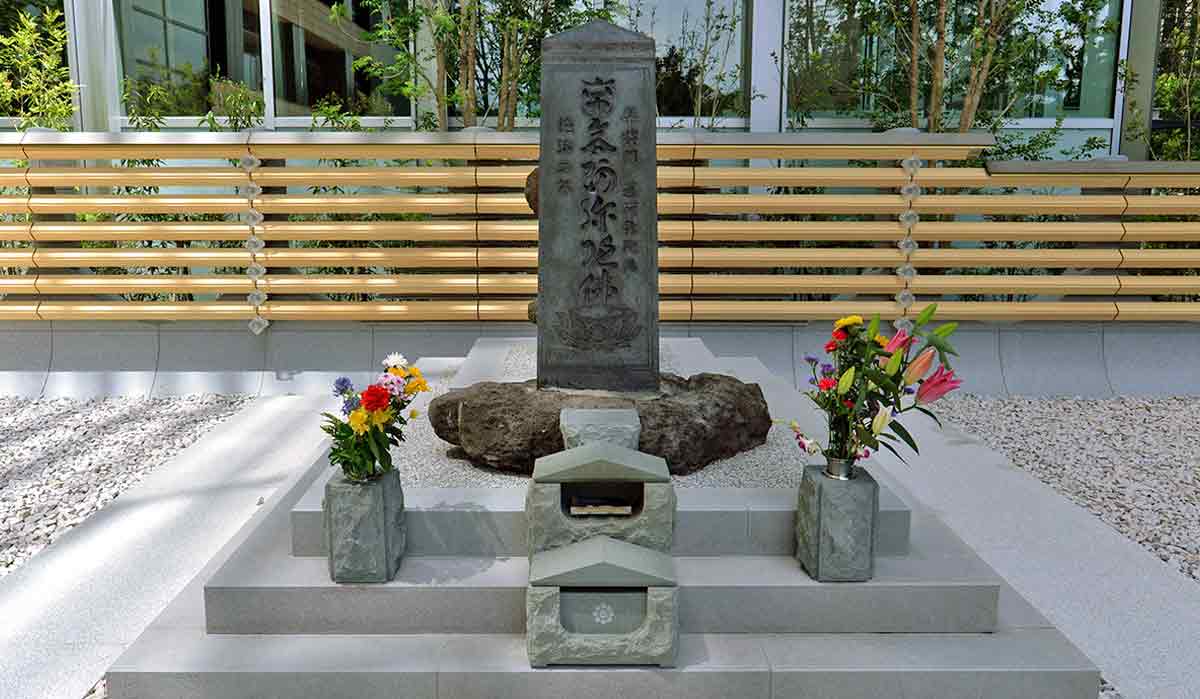
Religious institutions eventually responded by incorporating Masakado into formal Shinto worship. Shrines honored him, rituals sought his divine protection, and communities treated him as a powerful supernatural presence that could be harnessed for good with enough praise and devotion. But if he was disturbed, nothing but misfortune would come from it, or so many people believed (Turnbull, 2000, p. 297).
Several famous incidents reinforced that reputation. Attempts to alter or build upon locations associated with his burial mound (located just a short walk from the Tokyo Imperial Palace) allegedly coincided with illness, deaths, accidents, and other unexpected phenomena. Whether coincidental or not, these stories strengthened public belief in the power that Taira no Masakado wielded from beyond the grave.
By the modern era, Taira no Masakado had undergone a complete transformation. The rebel condemned by the imperial government became a protective deity revered by worshippers, businesses, and local organizations. His head mound continues to attract visitors, while his legends remain deeply embedded in Tokyo’s cultural identity. Few historical figures have experienced such a dramatic journey from political enemy to guardian deity.
Sources:
- Bryant, A.J. (2004). Early Samurai AD 200–1500. Osprey Publishing.
- Bryant, A.J. (2008). The Samurai. Osprey Publishing.
- Turnbull, S. (2000). The Samurai Sourcebook. Cassell & Co.
- Turnbull, S. (2005). Samurai Commanders (1) 940–1576. Osprey Publishing.