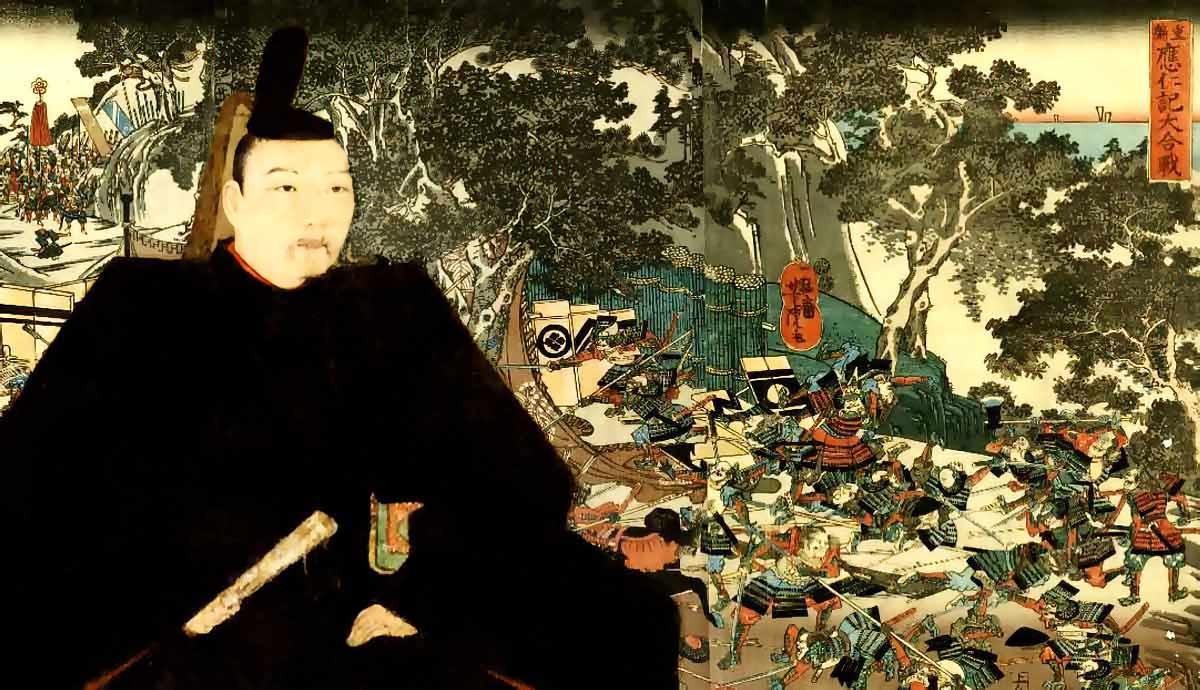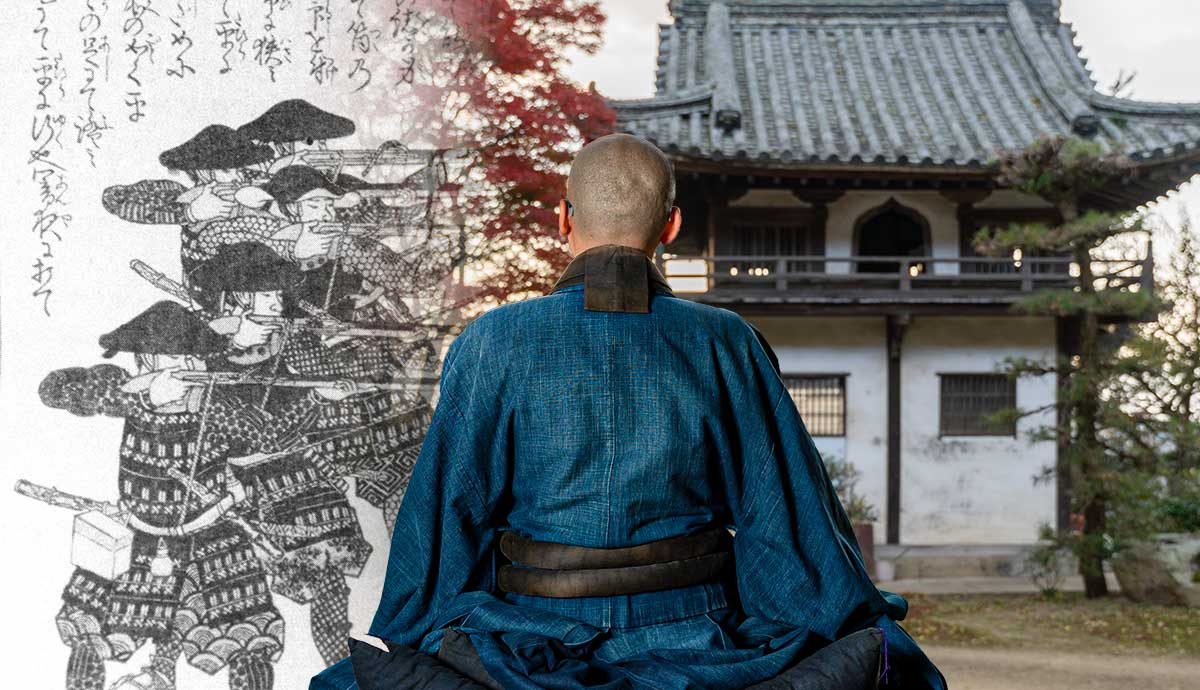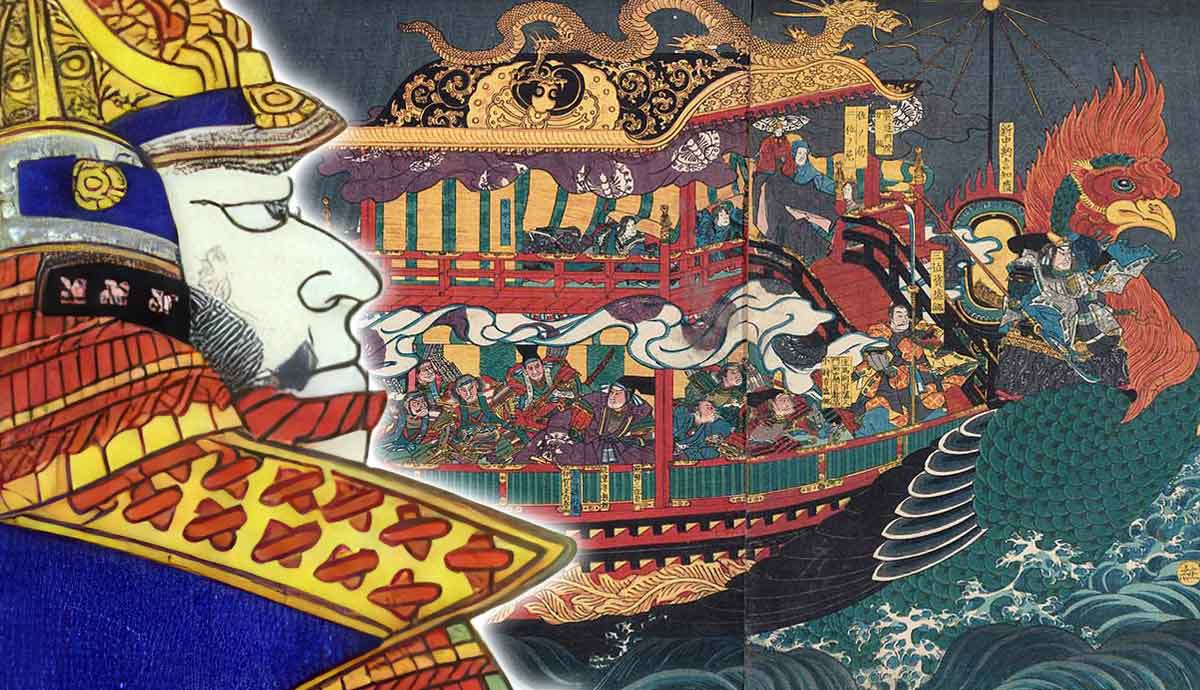

The reign of Emperor Go-Daigo (1288-1339, r. 1318–1339) was a turning point in Japanese history. His attempt to break the diarchy of the Kyoto court and the samurai shogunate (the Kamakura bakufu) disrupted a delicate balance of power, the aftershocks of which Japan would feel until the 19th century. Although initially successful, his reform program failed to secure lasting support from key figures, resulting in the emergence of a new warrior regime that was not interested in sharing power. But there is more to the story of Go-Daigo than his ultimate failure.
A Reformist Emperor in a Fractured Country
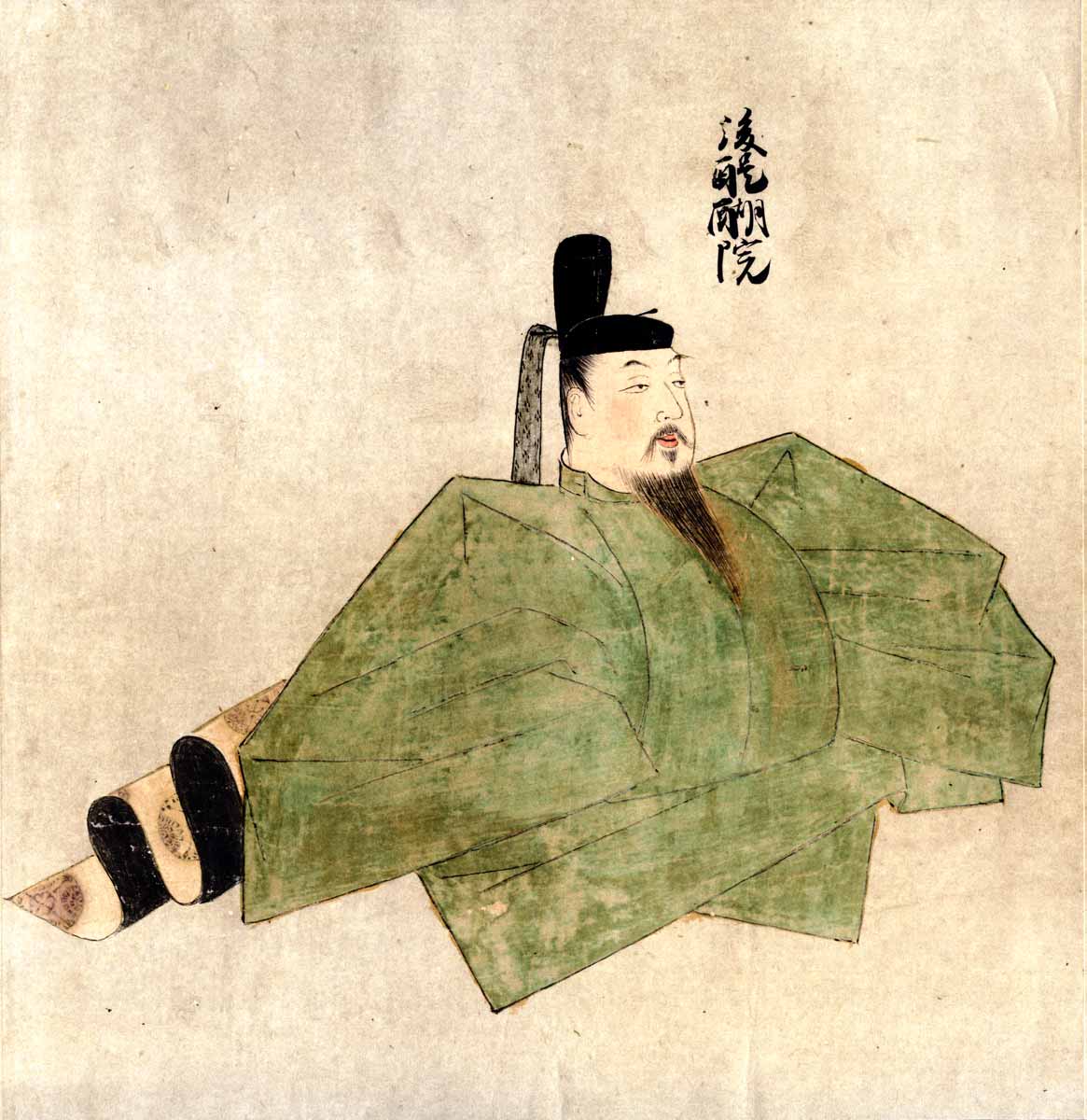
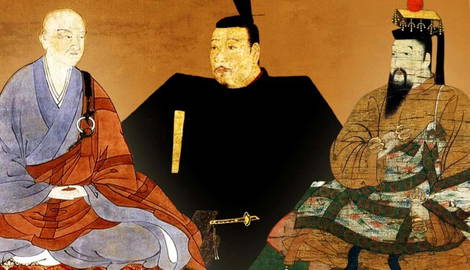
Emperor Go-Daigo ascended to the throne in 1318 with the full intent of exercising direct control of the country. He rejected the long-established practice of the emperor sharing power with the shogun, who came to prominence in the aftermath of the Genpei War in 1185. Go-Daigo operated within a split political system dominated by the Kamakura shogunate, although most real decision-making rested with the Hojo clan regents, supposedly servants of the shogun but in truth the actual rulers of Japan.
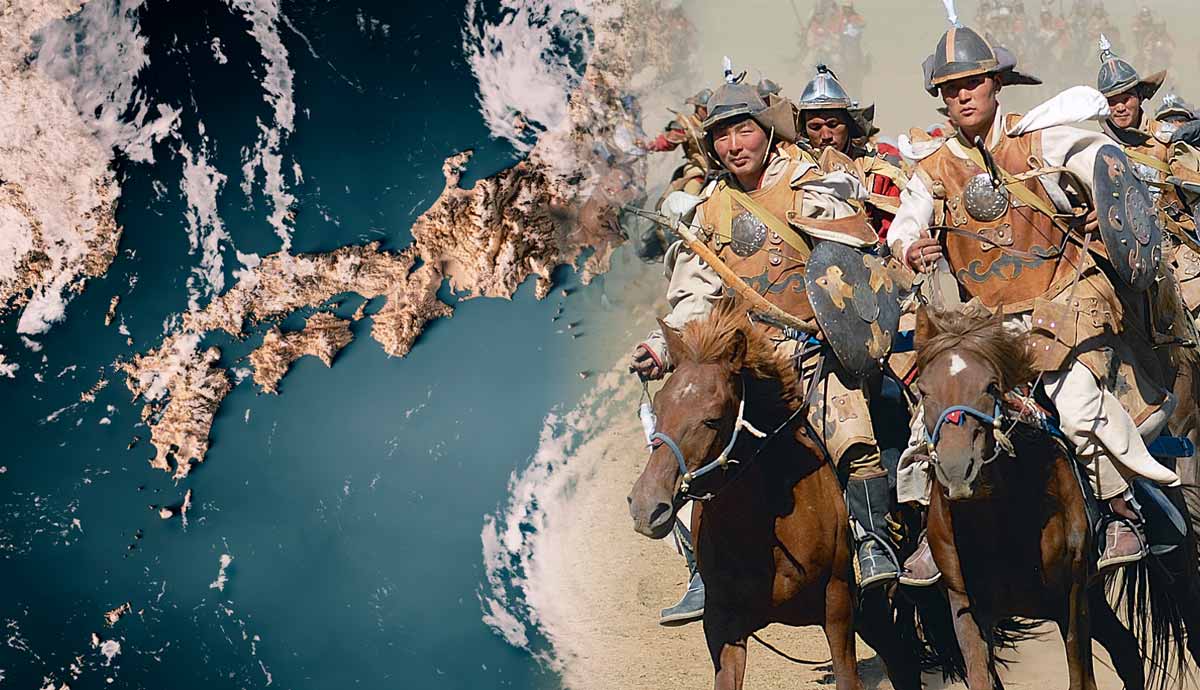
However, by the early 14th century, the bakufu’s authority started to show signs of strain. Internal administrative burdens and the complex financial as well as political consequences of the Mongol invasions of 1274 and 1281 had weakened the effectiveness of the country’s warrior power base. With the Kyoto court also appearing weak and unthreatening due to disputes about succession, Go-Daigo deemed it the perfect time to re-assert the primacy of the Chrysanthemum Throne.
His reasoning was sound and he also crucially cultivated secret support beyond the court by appealing to religious institutions and disaffected provincial warriors. The Japanologist Conrad Totman wrote that “Go-Daigo was one of the most able, dedicated, and ruthless politicians in Japanese history” (Totman, p. 163). Sadly, what was by all accounts the correct strategy to challenge existing power structures, exposed Go-Daigo’s critical weakness: an over-reliance on unstable alliances in a political landscape where might continued to make right.
From Secret Plots to Open Rebellion
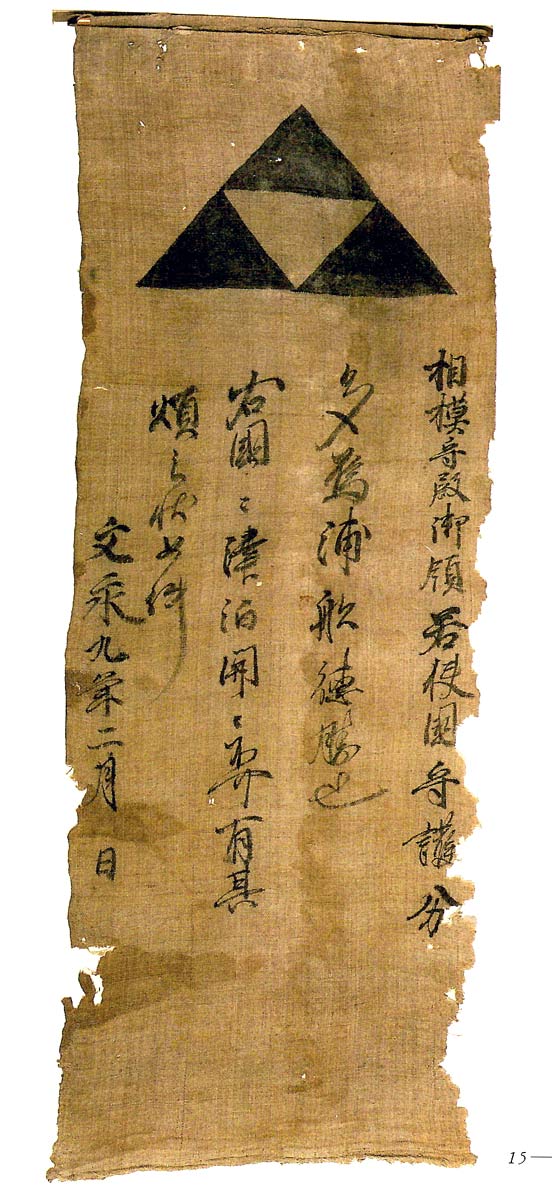
Emperor Go-Daigo moved from political positioning to direct opposition during a series of conspiracies aimed at overthrowing the Kamakura bakufu. The first major attempt, the Shochu Incident of 1324, involved coordination between court nobles and selected warriors willing to lend swords to Go-Daigo’s cause.
The plan, however, was exposed by bakufu officers in Kyoto before it could be executed. While the military government punished some participants (including the emperor’s key allies), Go-Daigo himself was unaffected. The emperor still held some sway and served as an important symbol of legitimacy to the shogun, whose office was the source of the Hojo regents’ power.
Despite this initial failure, Go-Daigo did not abandon his objective. A second effort in 1331, known as the Genko Incident or War, escalated beyond plans into insurgency. “The political cohesion of dyarchy, which weakened sharply from the 1260s onward, was lost during the 1330s and disorder came to prevail” (Totman, p. 161).
Strategic plans had been made, key alliances forged, logistics secured. Go-Daigo’s vassals and powerful samurai with grudges against the Hojo family were waiting for orders to strike. It should have worked, if Go-Daigo had not been betrayed by a trusted advisor. As bakufu forces moved on Kyoto, the monarch fled with imperial regalia, attempting to find refuge and rally loyalists and regional allies.
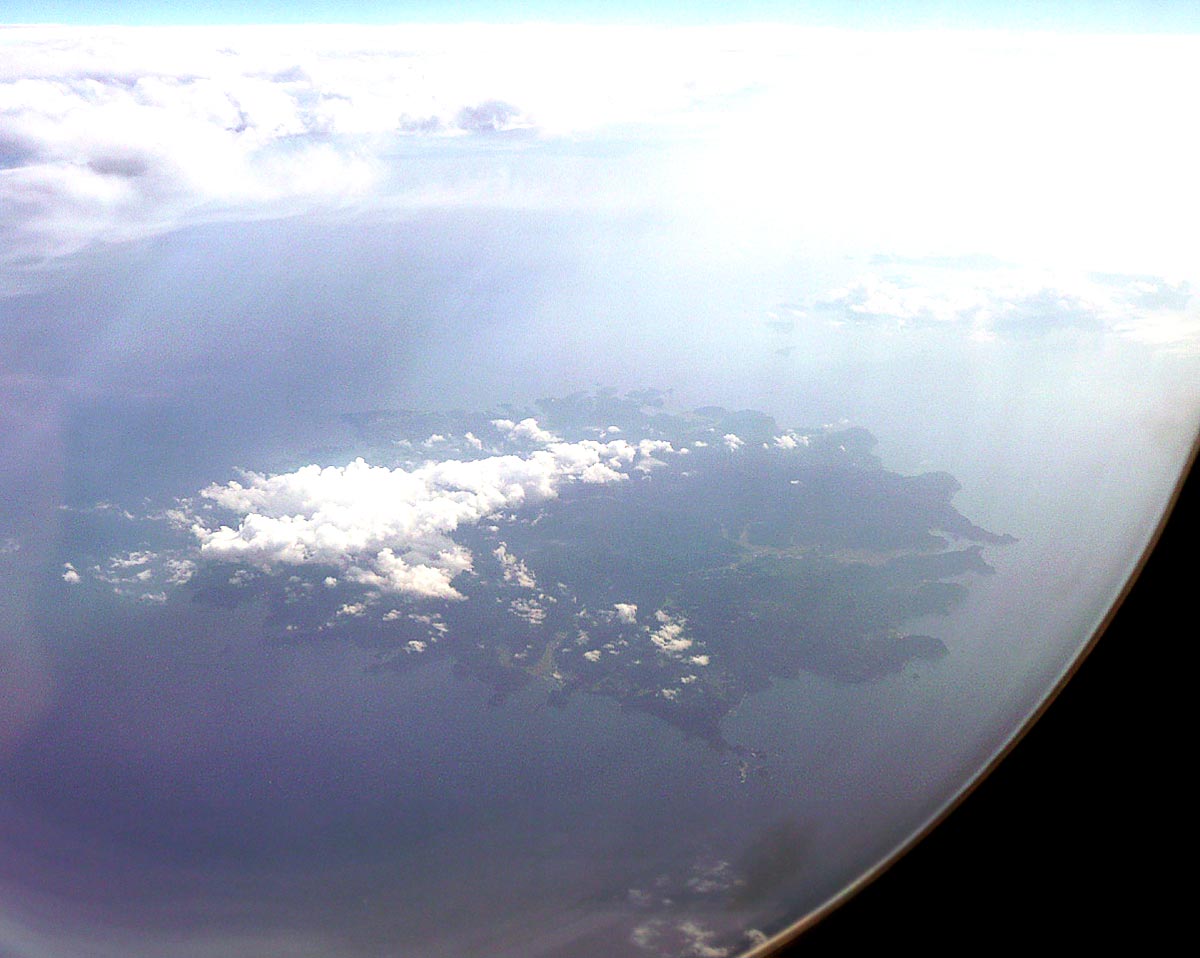
The bakufu moved much faster than Go-Daigo anticipated, and the rebel emperor was quickly captured. He could not be executed. He was, after all, the descendant of the Sun goddess Amaterasu herself. Keeping with the established practices toward defiant rulers, he was formally deposed and exiled to the Oki Islands in 1332, far from Japan’s centers of power.
But exile could not stop what was already in motion. Go-Daigo’s supporters, including his son and provincial samurai, continued to organize a resistance movement throughout Japan while influential religious institutions supported them financially. These developments slowly transformed what began as court-centered conspiracies into a countrywide anti-bakufu coalition that would soon gain an unexpected ally.
Fall of the Hojo, Rise of the Ashikaga
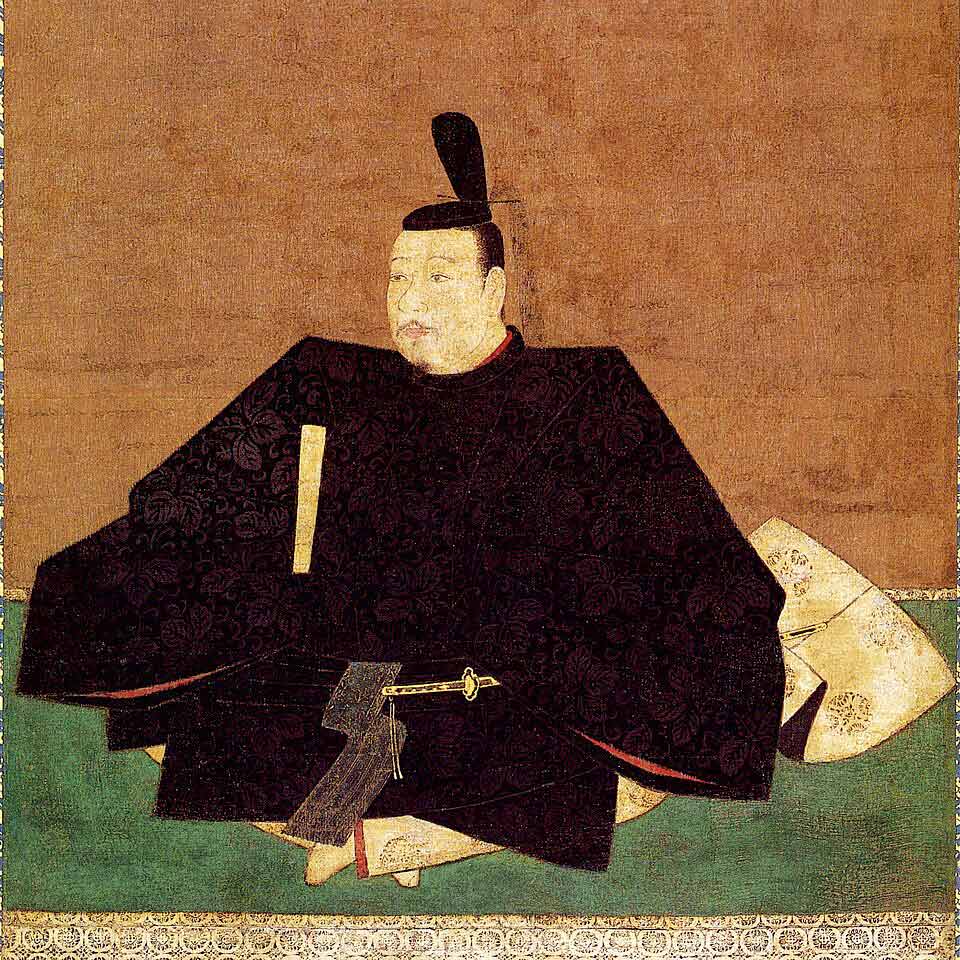
After escaping from his exile on the Oki Islands in 1333, Emperor Go-Daigo reentered the political arena at the head of anti-bakufu forces. A critical moment in the campaign was the defection of Ashikaga Takauji, a high-ranking general whom the bakufu sent to fight Go-Daigo’s forces. Instead of fulfilling his mission, Takauji turned against the Hojo regency in 1333, seized Kyoto, and eliminated the bakufu’s influence in the capital. This act signaled a broader collapse of centralized warrior authority and encouraged further defections among elites.
Simultaneously with Takauji’s desertion, forces under one Nitta Yoshisada advanced on Kamakura, the political center of the Hojo regime. In May 1333, the city’s defenses were breached, leading to the sacking and near-total destruction of the samurai capital. Seeing no other path towards an honorable death, nearly all members of the Hojo clan locked themselves in their family temple of Tosho-ji and committed mass ritual suicide. As many as 870 Hojo died on May 22, 1333, effectively ending the Kamakura bakufu after nearly a century and a half in power.
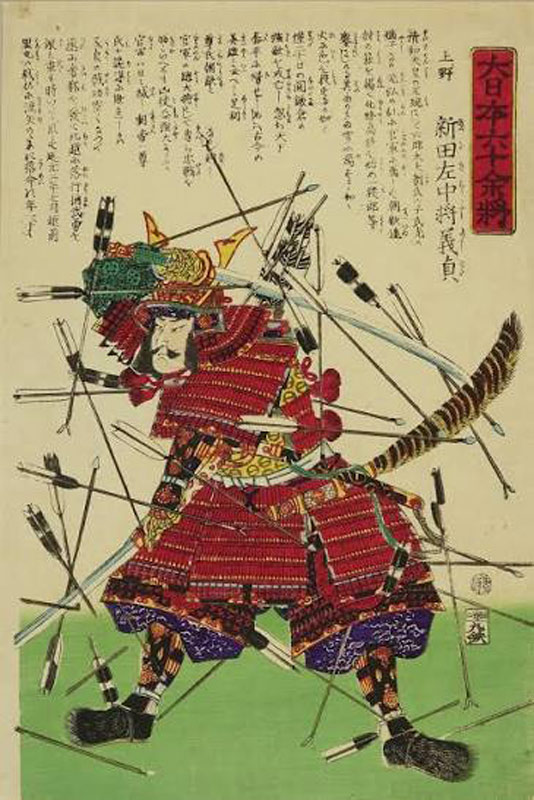
Following these victories, Go-Daigo returned to his capital Kyoto and proclaimed the restoration of imperial government. However, the coalition that achieved this outcome was inherently unstable and full of powerful warriors who acted out of calculated self-interest rather than some ideological loyalty to the emperor. They were not interested in returning to the days from before the Genpei War.
As the historian Stephen Turnbull observed, “Go-Daigo regained his throne, a more absolute monarch than any of his line for centuries. But if he thought that the clock could be turned back four hundred years, and the samurai, whose swords had secured his thrones, would revert to being the military police and pirate quellers of an idle Court, he was much mistaken” (Turnbull, p. 93).
While the bakufu collapsed, authority did not automatically consolidate under the emperor. Instead, it shifted toward competing military figures whose interests would soon collide with those of the Kyoto court.
The Kenmu Restoration: Reforms Stuck in the Past
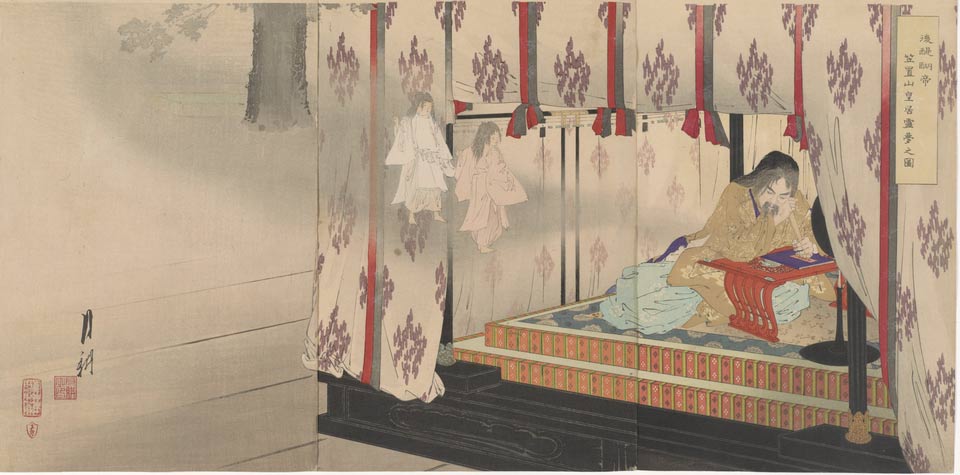
The Kenmu Restoration (1333–1336) was Emperor Go-Daigo’s attempt to reestablish direct imperial rule in Japan. Upon returning to Kyoto in 1333, Go-Daigo initiated a series of administrative reforms intended to centralize authority within the court. This included restructuring land administration, seizing control over key governmental appointments, and attempting to restore legal frameworks from before the bakufu’s rule.
A central issue was the distribution of rewards following the defeat of the Hojo. This is where Go-Daigo committed an uncharacteristic blunder, prioritizing court nobles and loyalist supporters when allocating lands and titles while overlooking powerful samurai who had contributed the most to his victory. “Go-Daigo, while grateful to the military men who had returned him to power, underestimated their ambitions and their hunger for reward.” (Bryant, p. 23) This engendered dissatisfaction among influential samurai, who expected substantial compensation and recognition of their regional authority.
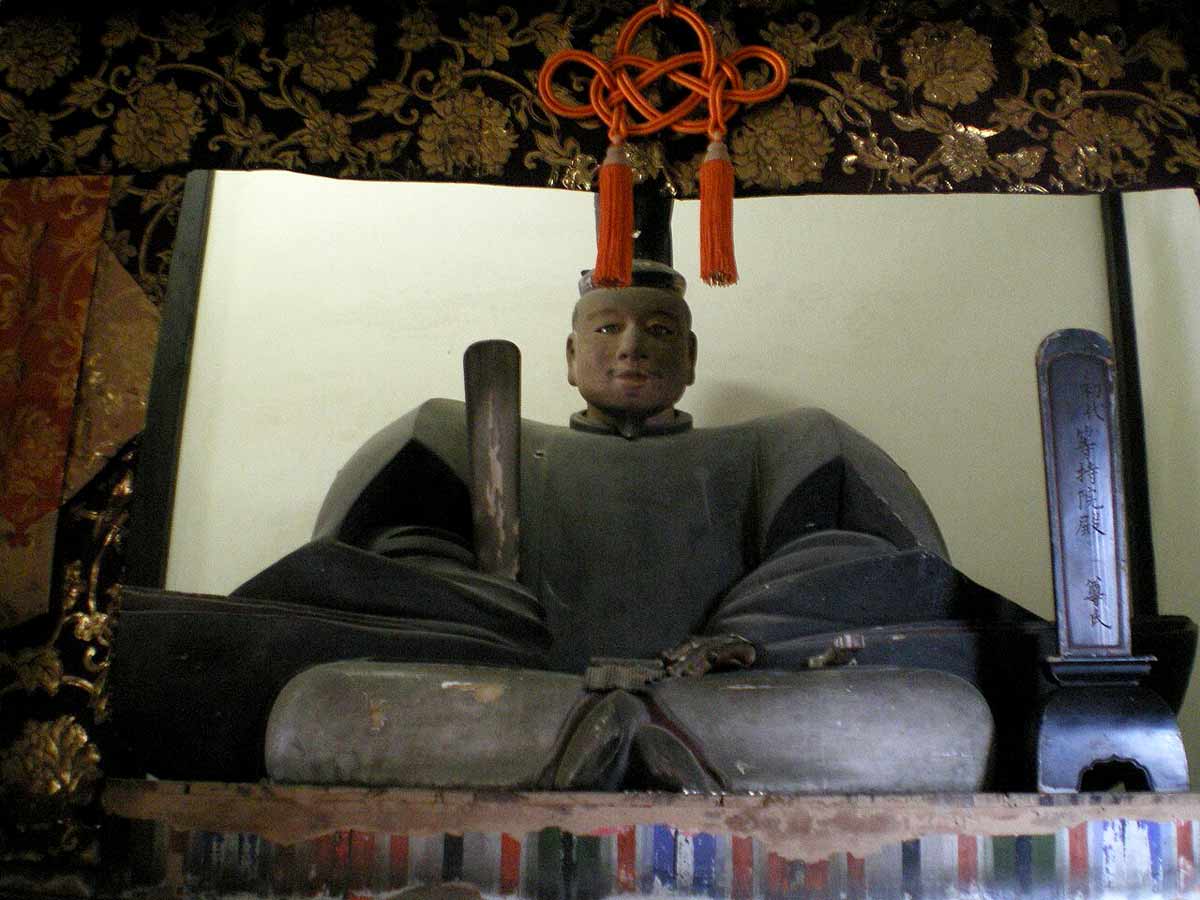
Tensions intensified as local military figures began exercising increased autonomy over their fiefs, going directly against Go-Daigo’s centralizing efforts. Conflict became unavoidable when Ashikaga Takauji, who felt he had not been rewarded properly (Bryant, p. 23), broke with the Kyoto court, establishing his own power base and slowly positioning himself as the new military ruler of Japan. By 1336, his forces advanced on Kyoto, defeating imperial loyalists and forcing Go-Daigo to once again flee with the imperial regalia. The Kenmu Restoration barely lasted three years.
The failure of the Kenmu Restoration can be attributed to a refusal to recognize the changed political landscape of 14th-century Japan because of hubris or an ideological, destructive devotion to the ways of Japan from before the Genpei War. Simply put, Go-Daigo’s reforms did not accommodate the entrenched influence of the warrior class, thus allowing military leaders to reassert the samurai’s dominance and essentially restore bakufu rule under a new noble family.
Era of the Two Emperors: The Nanboku-cho Period
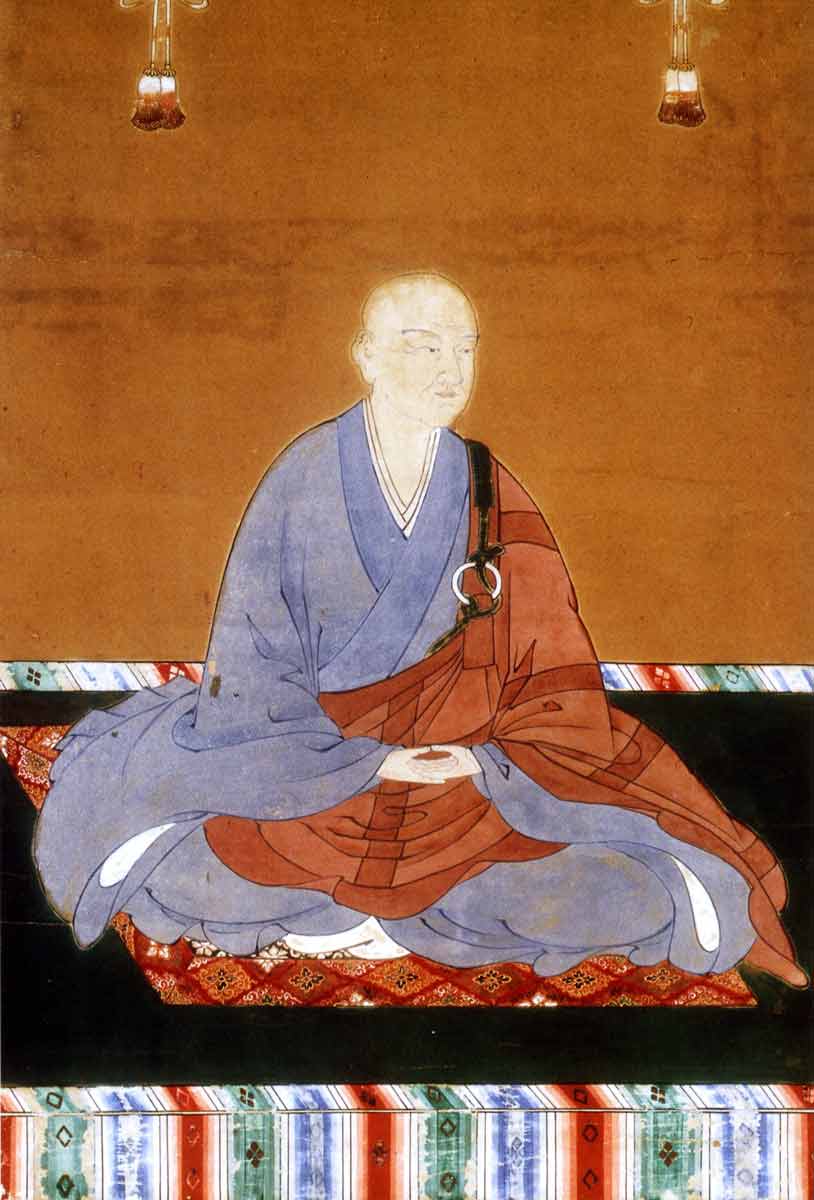
The end of the Kenmu Restoration was also the beginning of the Nanboku-cho (Northern and Southern Courts) Period (1336–1392). After seizing Kyoto, Ashikaga Takauji established the Ashikaga shogunate and elevated a rival emperor, Komyo, to the throne.
Komyo’s elder brother Kogon had briefly been installed as emperor by the Kamakura bakufu during Go-Daigo’s first exile, and his support from Takauji made him a more serious adversary, firmly establishing what came to be known as the Northern Court. In response, Go-Daigo, who fled to Yoshino with the symbols of imperial rule, established the Southern Court, maintaining that he alone retained imperial authority in Japan.
“Japan had to deal with the odd problem of having two Emperors, the legitimate line in Yoshino known as the Southern Court, and the Ashikaga nominee in Kyoto known as the Northern Court” (Turnbull, p. 97). This division produced a prolonged period of conflict and confusion when both courts issued decrees, granted titles, and sought recognition from regional leaders.
Go-Daigo died in 1339, but the Southern Court continued under his descendants. By the late 14th century, the balance shifted decisively toward the Northern Court. In 1392, a formal settlement brought about a reunification of the courts under Ashikaga authority. The North had won.
The division of the Nanboku-cho Period weakened the prestige and authority of the throne while reinforcing a system of military rulers and reducing Japanese emperors to figureheads for close to 500 years.
The Long Shadow of Go-Daigo
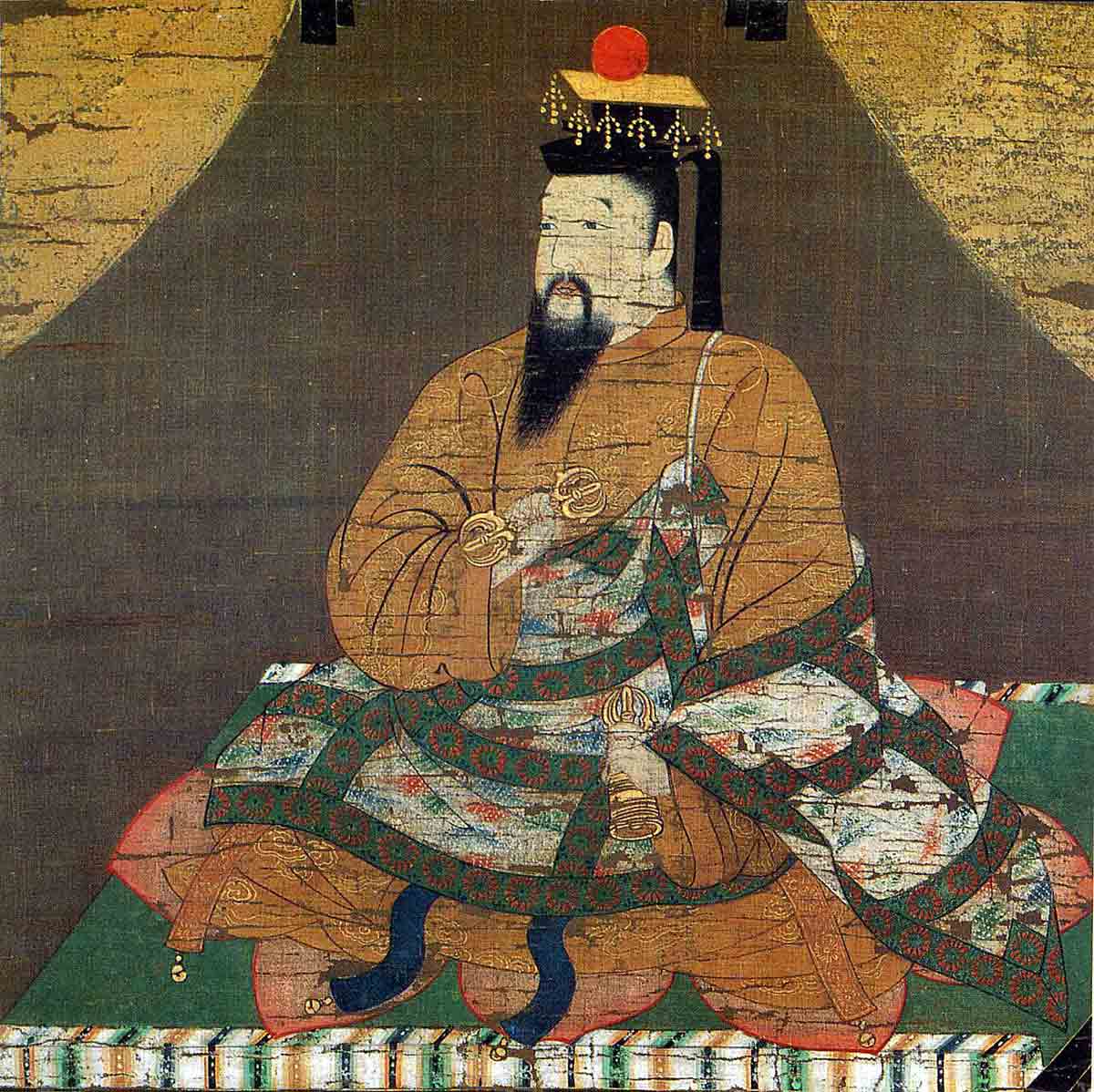
Go-Daigo’s efforts to restore imperial rule ultimately only accelerated its decline. His reliance on military support and later alienation of samurai allies exposed the limits of ruling through symbols and ceremony. The establishment of the Ashikaga shogunate cemented bakufu rule in Japan, one where the shoguns no longer gave even an inch to the Kyoto court. The diarchy, as unbalanced and imperfect as it had been, was dead. The emperor lived but no longer ruled with any real authority.
The consequences were felt for centuries as political power remained in the hands of the samurai all the way until the Warring States period, finally culminating in the establishment of the Tokugawa shogunate, which ruled over Japan unchallenged for over 250 years. The Japanese emperor only regained real power after the Tokugawa shogunate fell during the Meiji Restoration of 1868.
Sources
- Bryant, A.J. (1991). Early Samurai AD 200 – 1500. Osprey Publishing.
- Totman, C. (2016). A History of Japan, Second Edition. Blackwell Publishing.
- Turnbull, S. (1996). The Samurai, A Military History. Japan Library.