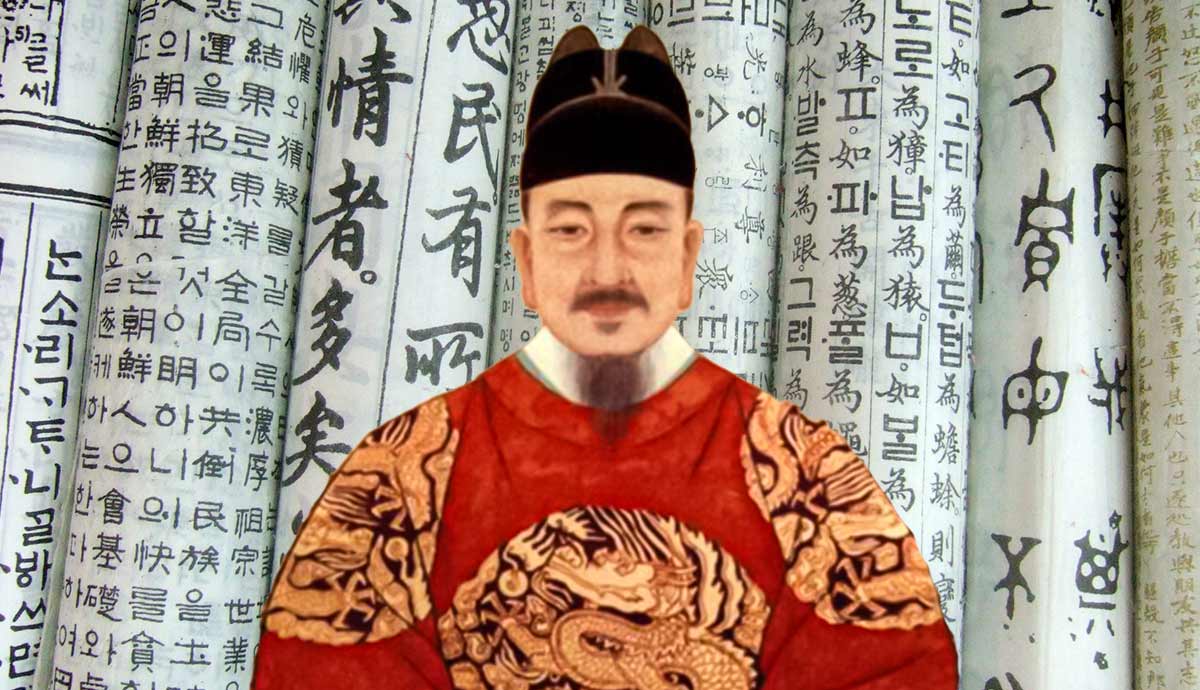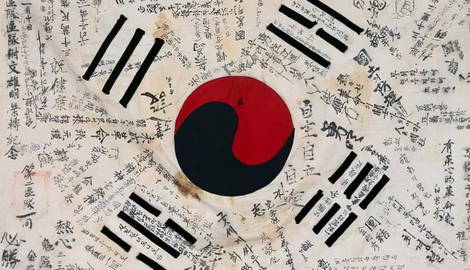

Korea’s adoption of the Hangul alphabet only occurred in 1894. Yet, Hangul’s letters were created by order of King Sejong of the Joseon Dynasty in 1443. The King felt Korea needed a simpler writing system and an easier alphabet for everyday use. With this goal in mind, King Sejong wanted to spread literacy and erase barriers. Unfortunately for the King, Hangul didn’t come into mainstream use until the 16th century. Yet King Sejong set the stage.
Korea Before Hangul and the Dominance of Hanja
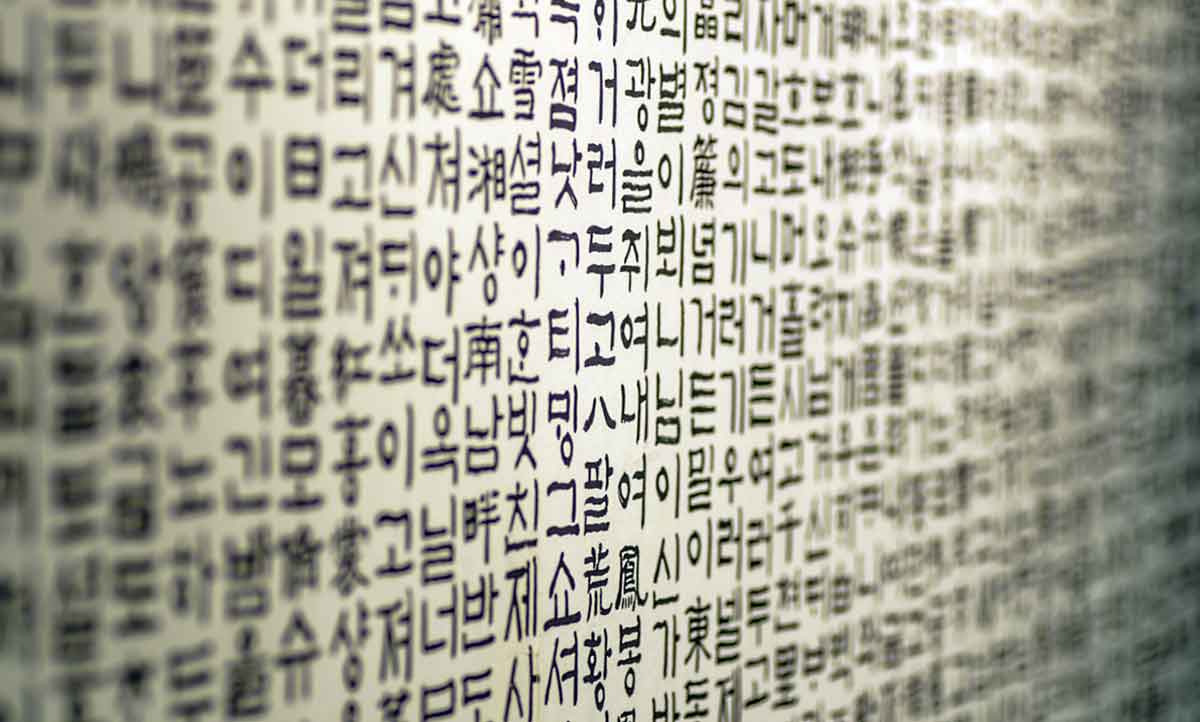
Like many countries near Imperial China, Korea’s writing system used Chinese characters. These characters are called Hanja in Korean. First introduced during the Three Kingdoms period (1st century BC), Hanja became the mainstay writing system for Korea until Hangul’s adoption. Using Hanja exposed Korean nobles and scholars to all aspects of Chinese culture, allowing them to meld this knowledge into Korean culture. Due to its complexity, few outside the upper classes learned Hanja.
How King Sejong Designed a Simple Alphabet for Everyone
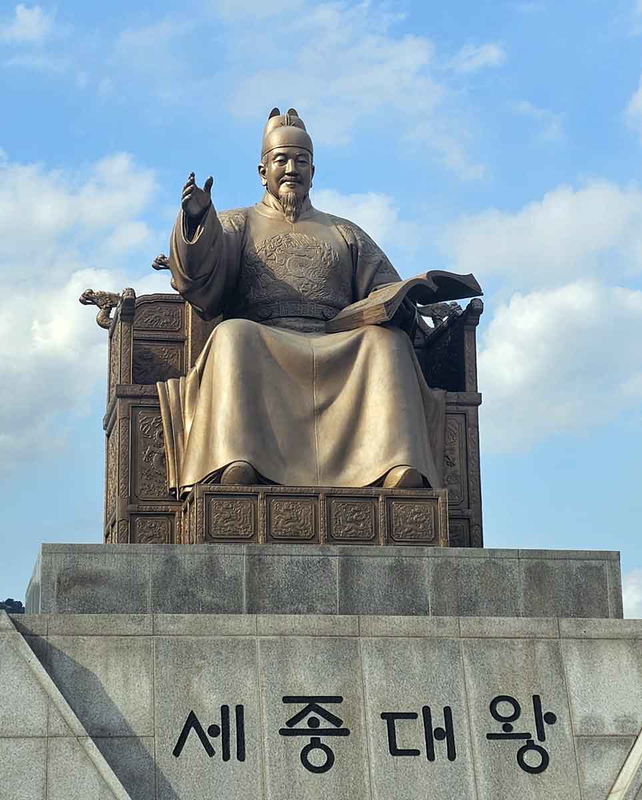
King Sejong ordered Hangul to be uncomplicated by royal order so everyday Koreans could use it. To that effect, Hangul consists of 24 characters: 10 vowels and 14 consonants. From these, 27 complex characters can be formed from the primary characters, allowing greater flexibility when forming words. Another factor that spurred Hangul’s adoption came from its more straightforward pronunciation. Each character possesses its sound, which doesn’t change if combined with other characters. English, however, is the opposite. Letters can be mixed and make different sounds, like “the.”
Key Differences Between Complex Hanja and Simplified Hangul
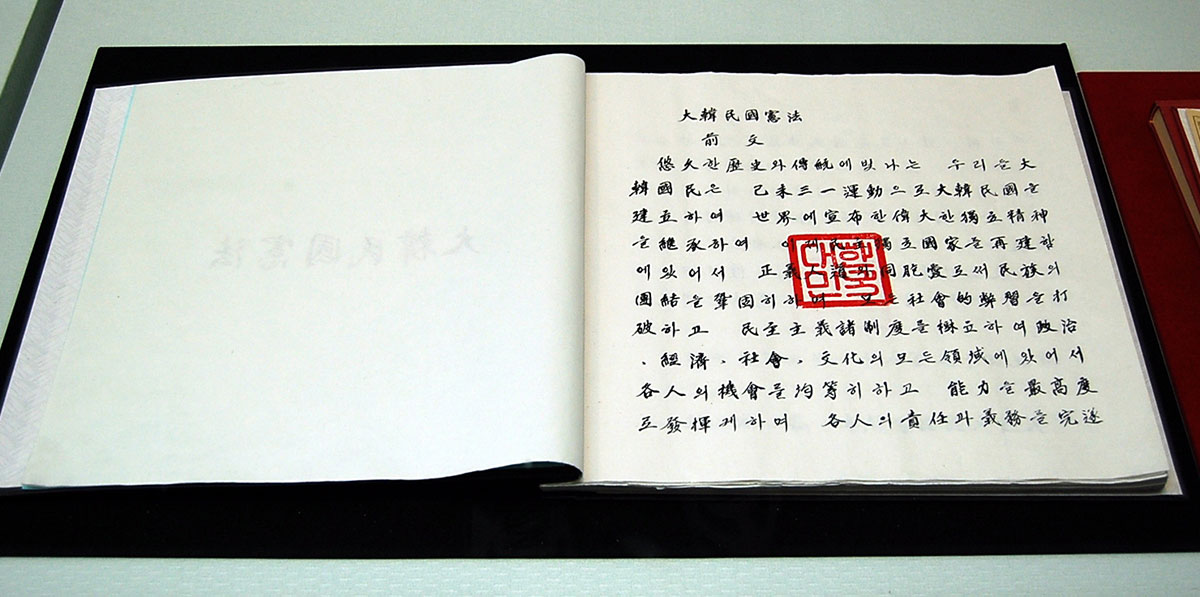
Hangul’s simplicity marked a vital difference from Hanja’s complexity. The common folk could learn quickly with familiar sounds and fewer characters. Hanja consisted of Chinese characters that represented words and had given meanings. It required learners to memorize thousands of characters, which was difficult during a period when free time was a luxury.
Why Korean Elite Scholars Resisted the New Script
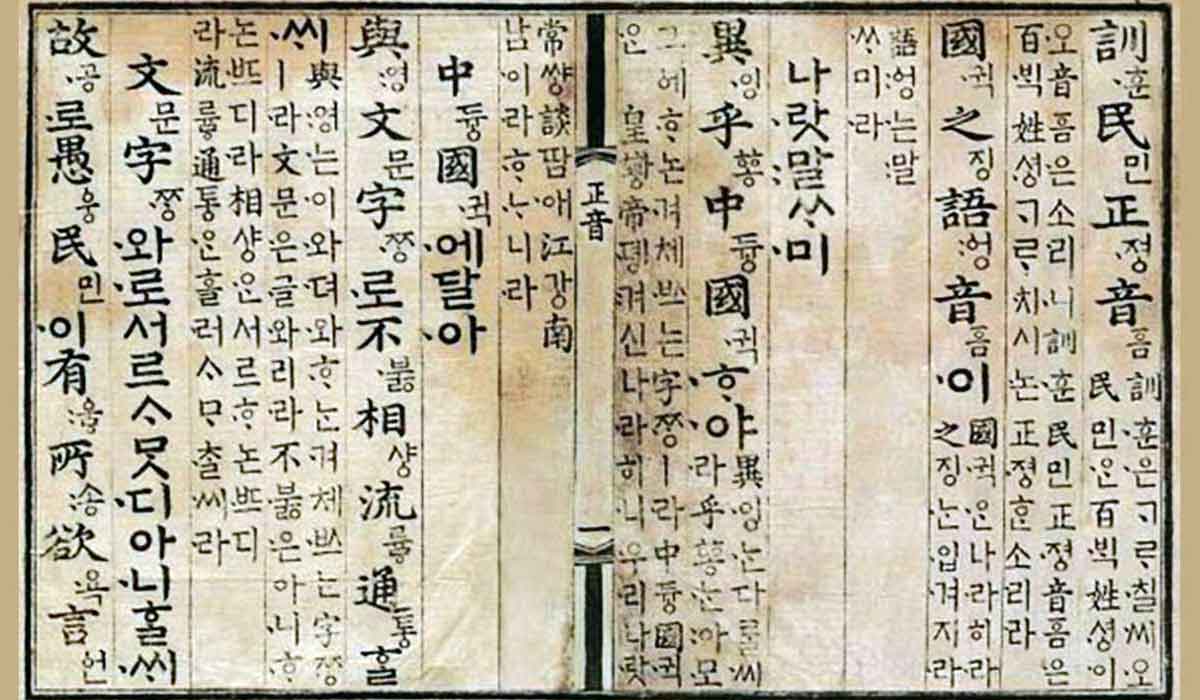
Despite King Sejong’s decree and the new alphabet’s simplicity, this upstart faced significant resistance. Hangul’s principal opponents came from Korea’s scholars and nobles. Learning the Chinese characters took years, and they represented their scholarly and esteemed positions. To them, abandoning Hanja meant giving up a connection to Chinese culture. To these conservatives, learning Hangul yanked the rug out from beneath them, nullifying their education. Their neighbor’s influence received enormous respect from these people. They called Hangul “Eonmun,” which means vernacular script in Korean.
Due to the upper class’s efforts and resistance, Hangul’s acceptance was slow. To speed up its acceptance, the King’s scholars published the “Hunminjeongeum,” a document to explain Hangul, but to no avail.
The Rise of Hangul and Its Official 1894 Adoption
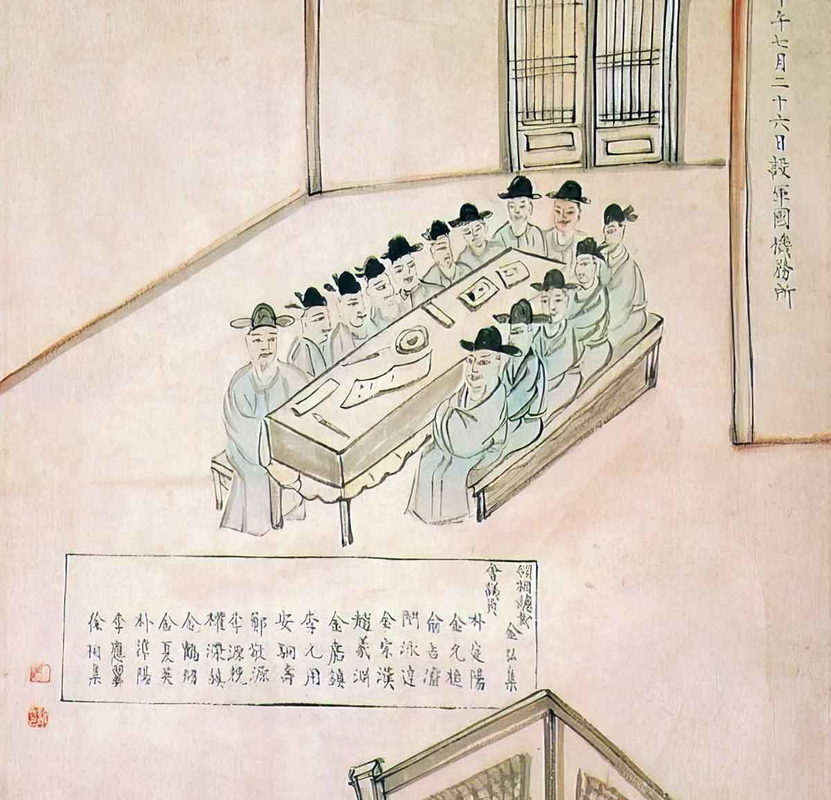
Unfortunately, due to the conservative elite’s reluctance, Hangul didn’t become popular until the late 1600s. The “vernacular” Korean slowly got used among commoners due to its simplicity. Folk tales, popular stories, and songs appeared in Hangul, broadening the appeal. Hangul’s full impact revealed itself in the 19th century. As foreign interference from the West or Japan increased, Hangul became the tool for the Gabo Reforms. Starting in 1894, this movement called for abolishing noble classes and adopted Hangul as their official language. Korea officially adopted Hangul in 1894.
How Hangul Survived Japanese Colonial Suppression
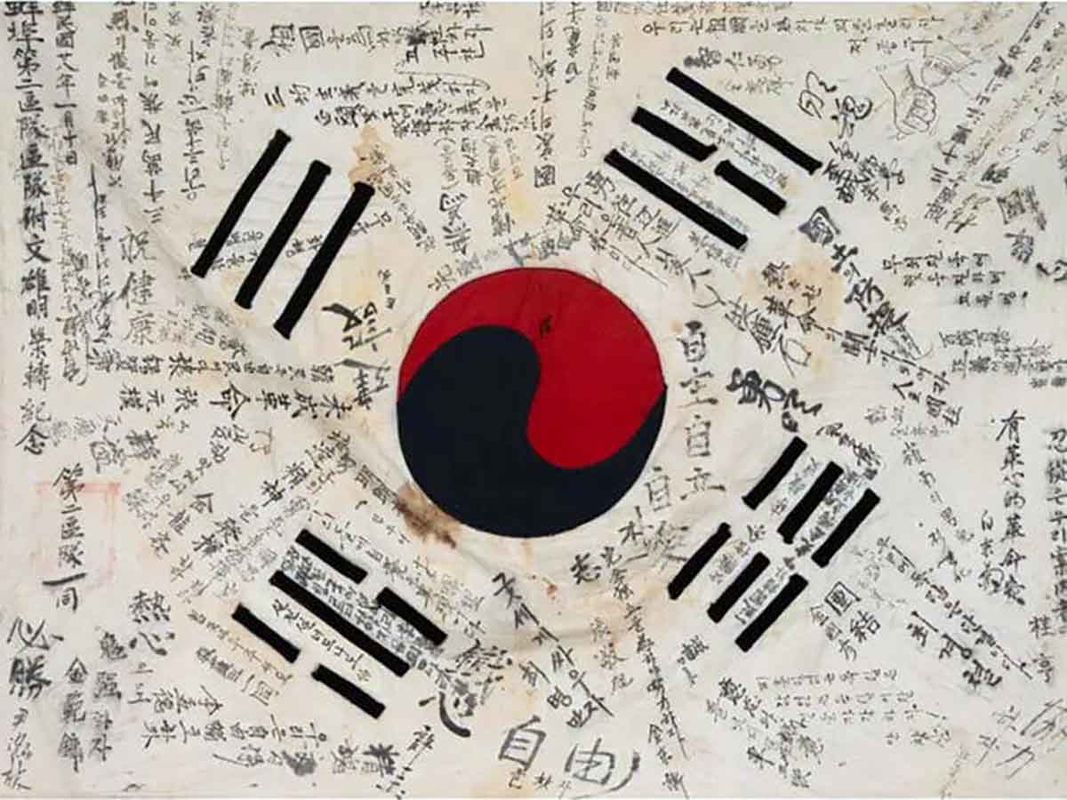
The Japanese annexed Korea officially in 1910, several years after the de facto coup of the Korean peninsula. To quicken assimilation, the Japanese government suppressed Korean culture, including Hangul. Japanese became the official language of public schools and administration. In school, Korean and Hangul became secondary languages. This limited Korean children’s access to Hangul. All media, such as books and newspapers, received heavy censorship. Public signs appeared in Japanese, pushing Hangul to the periphery. Nothing really changed until Japan’s defeat in 1945 and its departure from Korea. Despite Japanese efforts, Hangul’s use never disappeared. Officially, in 1945, both North and South Korea adopted Hangul as their official alphabet after liberation.
How Hangul Evolved Differently in North and South Korea
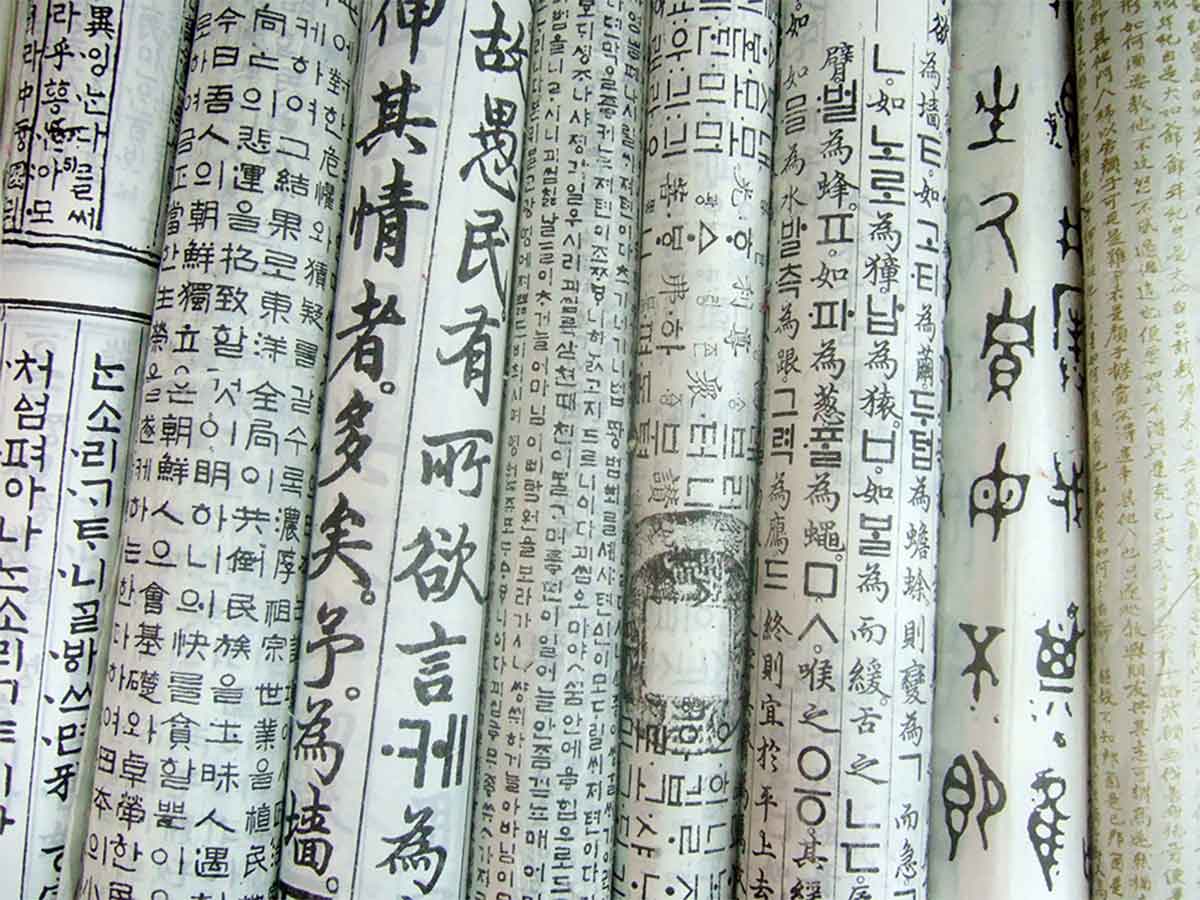
Post-World War II Korea, and then the 1950-1953 Korean War, affected how Hangul looks, is written, and sounds in both Koreas. Differing political and cultural systems, starting in the 1950s, shaped those changes. The most apparent difference is in how Hangul is written.
In North Korea, Hangul vowels and consonants are separated. South Korea writes Hangul in syllabic blocks. In North Korea, the government tried to “purify” the language, eliminating many foreign words. South Korea sought to incorporate more because of its more open society and international dealings. Hangul is a unique writing system that was deliberately created to help Korean society. Many languages grow or form naturally, with quirks of those original languages.