
The High Medieval Era was a period of ruthless political intrigue and operation. It was also a time of nation-building and the development of new social realities. Those who succeeded in the political game of the time often left an indelible mark on history. Here we go through ten of the most notable, most capable, and, arguably, most influential political leaders of the High Medieval Era.
1. Enrico Dandolo
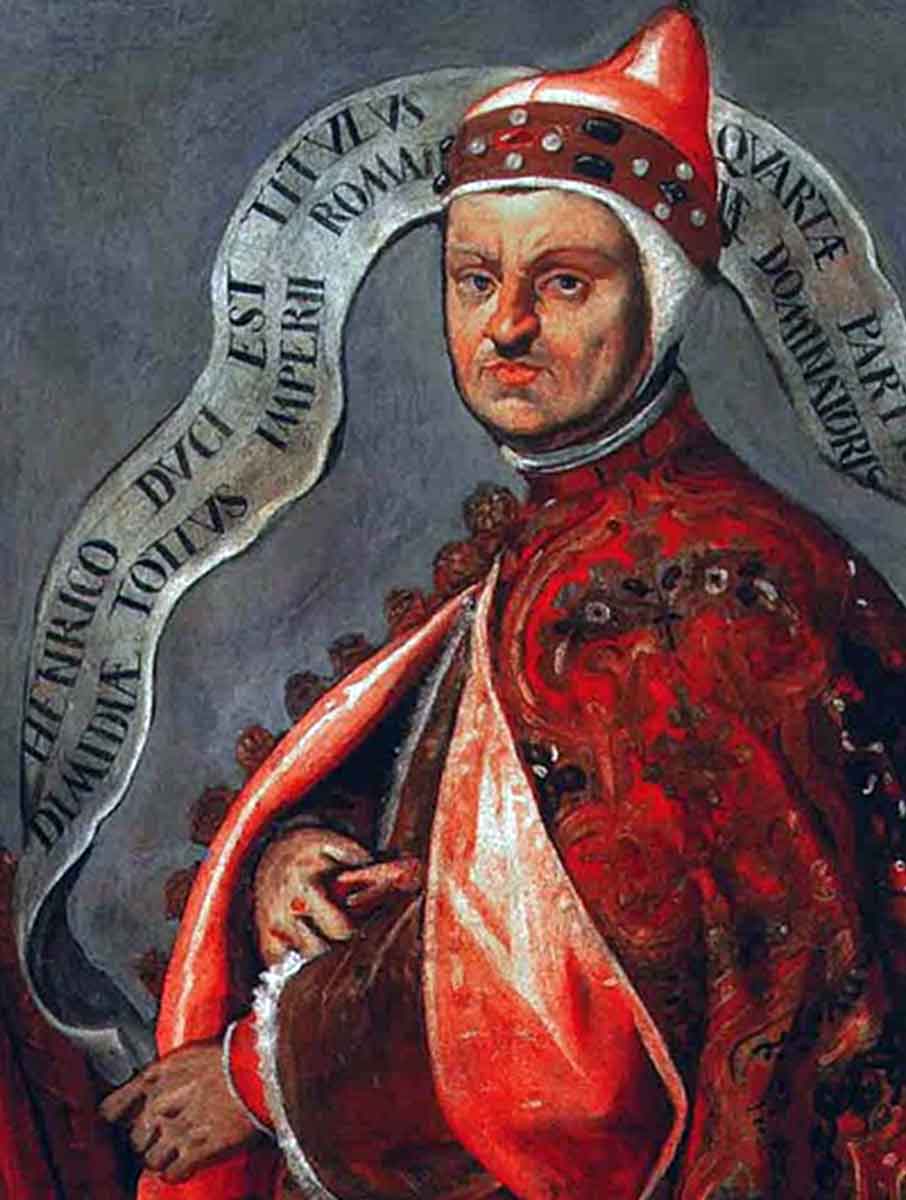
In 1107, few would have believed that in less than a century, Venice would secure the downfall of its mighty rival Constantinople. Fewer still would have believed that the agent responsible was a child born that very year.
Enrico Dandolo (1107–1205) only entered politics in his late 60s but soon became a highly renowned ducal legate and ambassador. For much of the late 12th century, he skillfully lobbied for Venetian interests on several key diplomatic missions.
His profile grew until in 1192, though 85 and blind, Dandolo was elected Doge of Venice. He enacted vital legal and economic reform, while further strengthening Venice’s overseas territories, creating the framework for her future maritime empire.
Then in 1202, the organizers of the Fourth Crusade requested financial and military aid from Venice to retake the Holy Land.
Dandolo publicly and enthusiastically agreed, even taking the cross himself. In private, he was determined to earn a return on Venice’s investment. Thus, when a pretender to the Byzantine throne promised rich rewards for Crusader aid in recapturing Constantinople, Dandolo ensured the request was accepted. And when the Crusaders sacked Constantinople after said reward was unforthcoming, Dandolo masterminded the return of much plunder to Venice and organized the dismemberment of the old Byzantine Empire. Only a year later, he died in Constantinople, the city whose glory he helped extinguish.
Enrico Dandolo is often portrayed as a devious villain, but he was arguably only doing right by his city. Thanks to his reforms and ruthlessly brilliant opportunism, Venice would dominate the Mediterranean for centuries.
2. Abd al-Mu’min
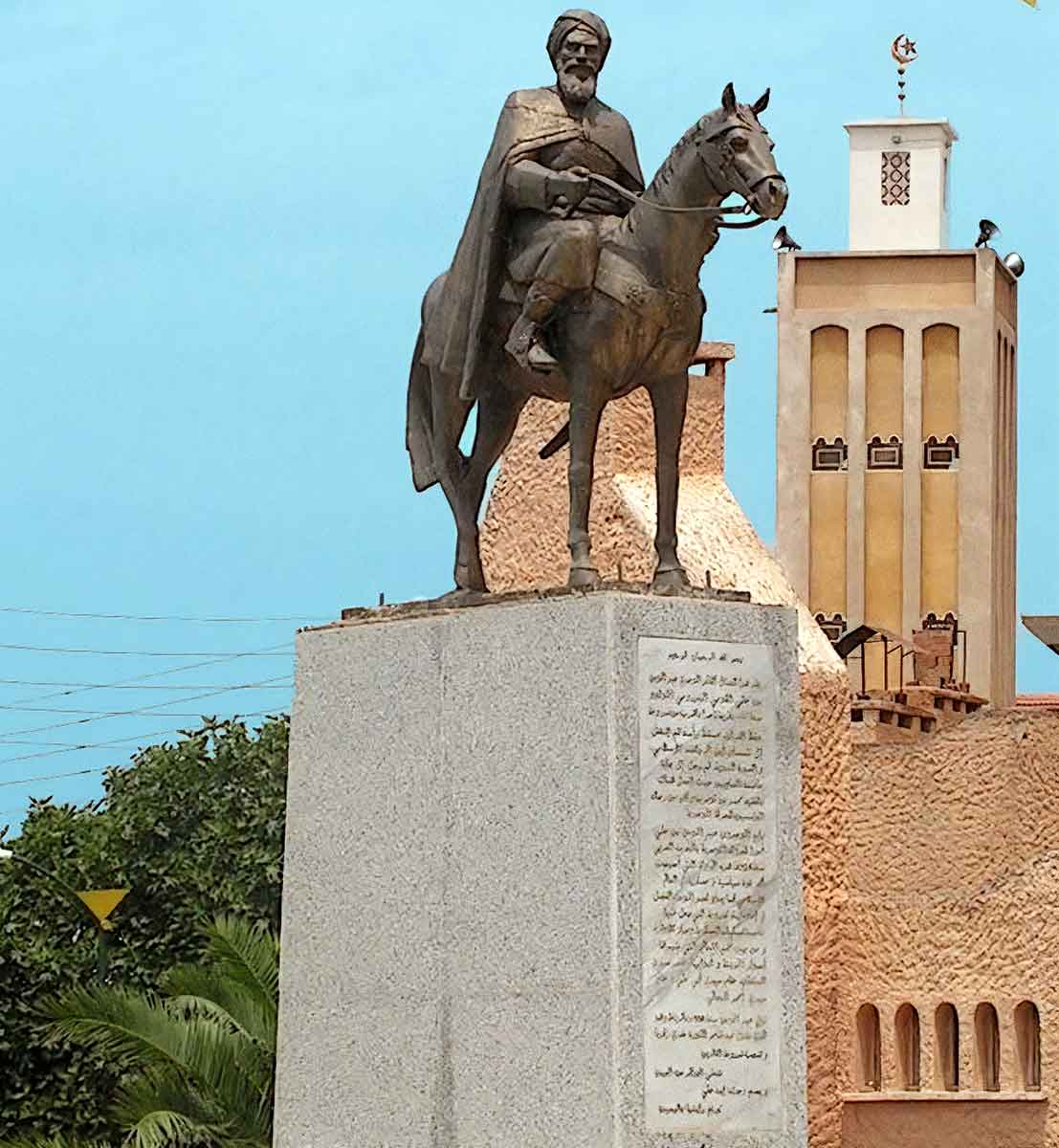
Abd al-Mu’min (1094-1163) went from a potter’s son to a religious scholar and revolutionary who founded the Almohad Caliphate in the 12th-century Maghreb. How he became one of the most powerful rulers of the Islamic World is a testament to his political brilliance.
Born near Tlemcen in modern-day Algeria, al-Mu’min, so legend says, showed great intelligence despite his humble origins, which led him to go off and study Islamic law and theology. During his studies, he joined the following of the scholar and activist Ibn Tumart, founder of the Almohad movement, who sought to build a new state in his homeland near Marrakesh. Despite being an outsider, Al-Mu’min swiftly became one of Tumart’s most senior lieutenants.
In 1130, Tumart died while fighting the Almoravid rulers of Marrakesh; however, al-Mu’min came into his own. He hid Tumart’s death for an astonishing three years as he gathered support among the Berber tribes of Tumart’s kin until he had enough support to become caliph of the new Almohad Caliphate. Almost immediately, he went on the offensive, overthrowing the Almoravids and conquering much of the Maghreb. He even became overlord of many of the remaining Al-Andalus Islamic states of Southern Spain, though he could not reverse the ongoing Christian Reconquista.
More than just a conqueror, al-Mu’min was also a state builder. Taking inspiration from the governments of Al-Andalus, Al-Mu’min successfully blended the ancient Berber and Bedouin clan confederations with a more centralized form of government and administration. This bureaucracy, known as the Makhzan, is still referenced in many of the governments of North Africa to this day.
3. Kublai Khan
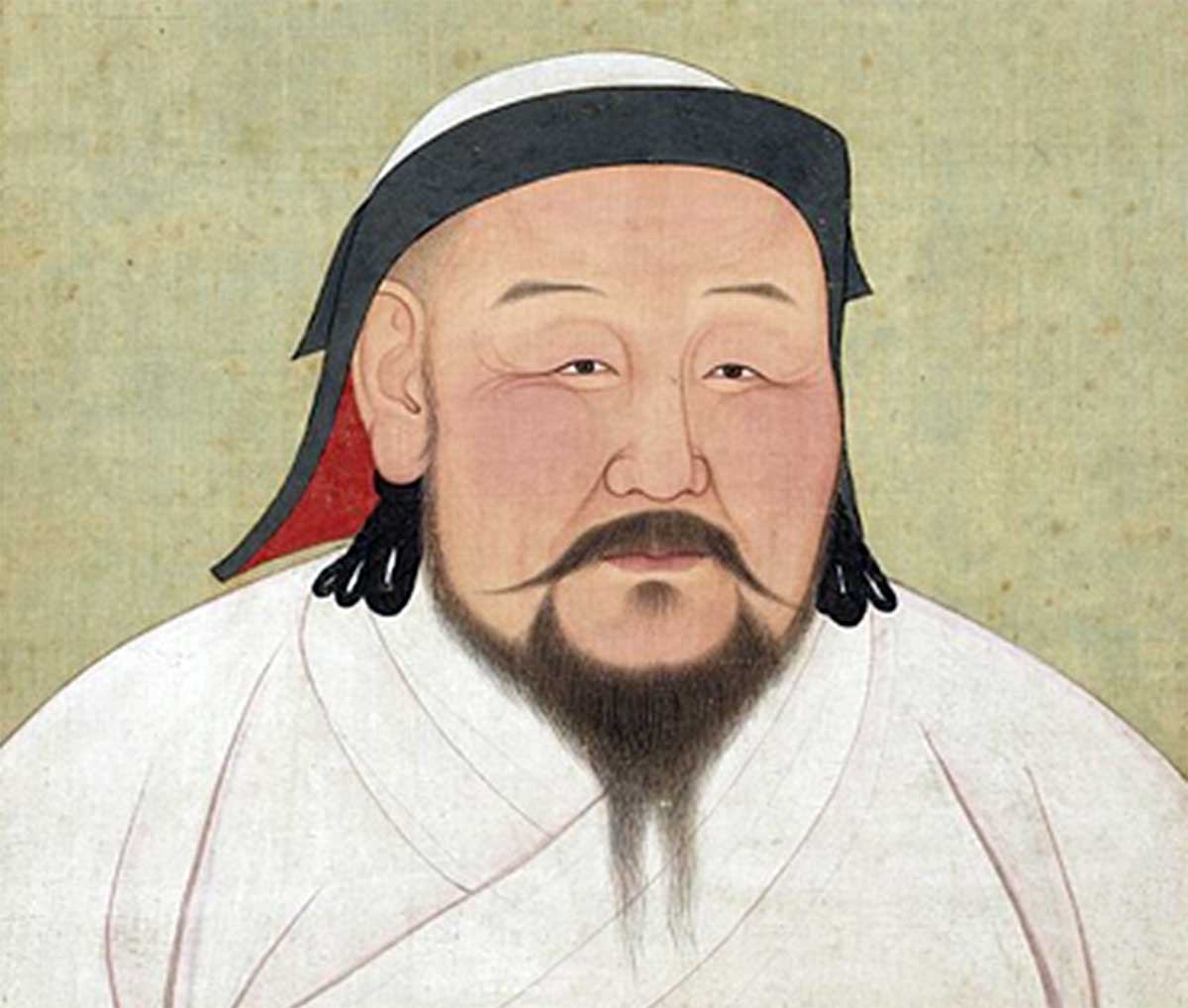
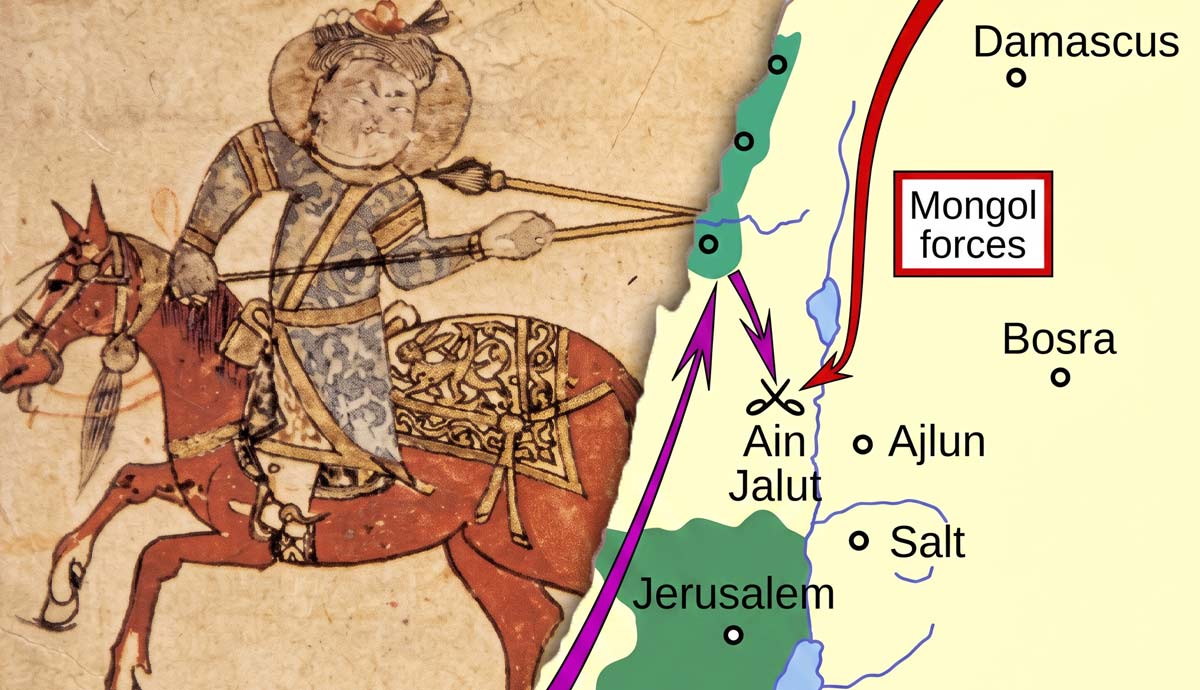
Kublai Khan (1215-1294) is best known from the tales of Marco Polo and from Samuel Taylor Coleridge’s fanciful poem Kubla Khan. However, the real Kublai was a fascinating ruler and political reformer.
Kublai’s political career began with the governorship of Mongol-controlled northern China under his brother Möngke Khan. Upon Möngke’s death in 1260, Kublai politically outmaneuvered other contenders to take the title of Great Khan before setting out to complete the conquest of China.
China, riven between rival dynasties then devastated by the Mongols, was in poor shape, but Kublai would more than earn himself the Mandate of Heaven. Even before the final subjugation of the last independent Chinese state, Kublai had begun seriously revitalizing the country.
He enacted major political, social, cultural, and economic reforms and opened the empire to external trade. In a canny move, he adapted many of his new reforms from ancient Chinese social and governmental structures to develop an all-new, but familiar, civil infrastructure. Even more cannily, Kublai focused many of his reforms on benefiting the poor and lowest ranks of the populace, which gave his new regime significant popular support.
In revitalizing China, Kublai also symbolically transformed himself from Mongol Khan to Chinese Emperor. He was no longer a foreign conqueror but a divinely ordained founder of the Yuan Dynasty. His focus on China unintentionally weakened his control over the disparate branches of the Mongol Empire, many of which became functionally independent.
Still, Kublai’s success in unifying and reviving China was a truly remarkable feat of civil and social state building.
4. Eleanor of Aquitaine
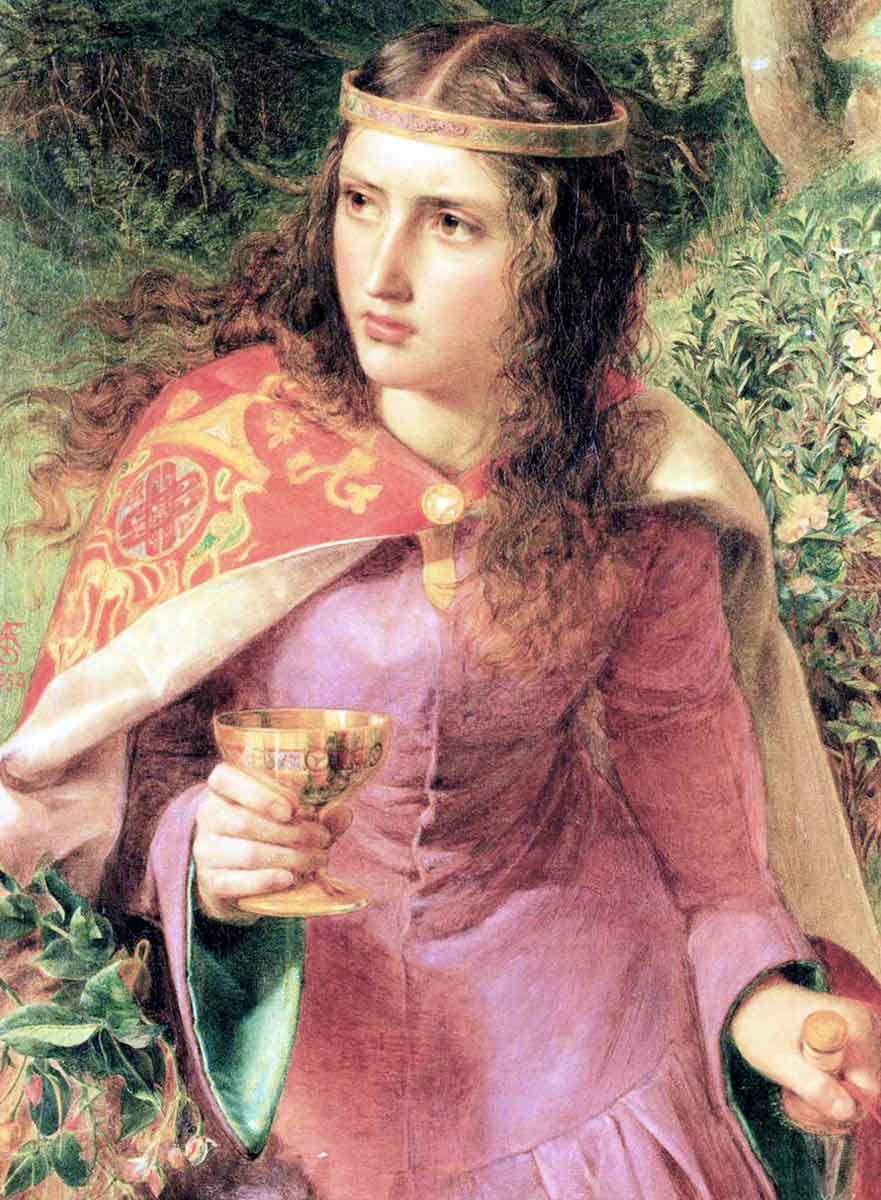
Behind some of England’s most notorious kings stood Eleanor of Aquitaine (1124-1204), acclaimed matriarch of the Plantagenet Dynasty and one of Medieval Europe’s most influential royal women.
Eleanor inherited the mighty duchy of Aquitaine at just 13, the same year she married the future Louis VII. For 15 years, however, Eleanor not only survived but thrived as both courtly queen and powerful regional duchess in the dangerous world of French feudal politics. Her marriage eventually failed, but she left the union with her duchy and independence intact in 1152. That same year, Eleanor found another match, nine years her junior, the future Henry II of England. This union was a great success, creating one of Europe’s most powerful states and making Eleanor one of its most celebrated queens.
Famous for her glamour and patronage of culture, poetry, and romance, Eleanor also proved a fantastic political operator and advisor for her new husband. Eleanor made for a graceful foil to her somewhat bombastic husband and was lauded for her domestic and foreign diplomacy and charm.
The marriage was far from perfect, though, and for a time Henry kept her under house arrest. In 1189, when Henry died, the 67-year-old Eleanor stepped up her political game further.
Eleanor was an invaluable advisor and occasional regent of England while King Richard campaigned in France and then partook in the Third Crusade. Most famously, she helped raise Richard’s kidnap ransom from his subjects without bankrupting England or letting it fall into anarchy.
Eleanor’s last major political act was helping secure the crown for her son John over his rival claimant Arthur of Brittany after Richard died suddenly in 1199. She herself died in 1204, and perhaps John may have fared better as king had his mother lived a little longer to advise him on good kingship.
5. Innocent III
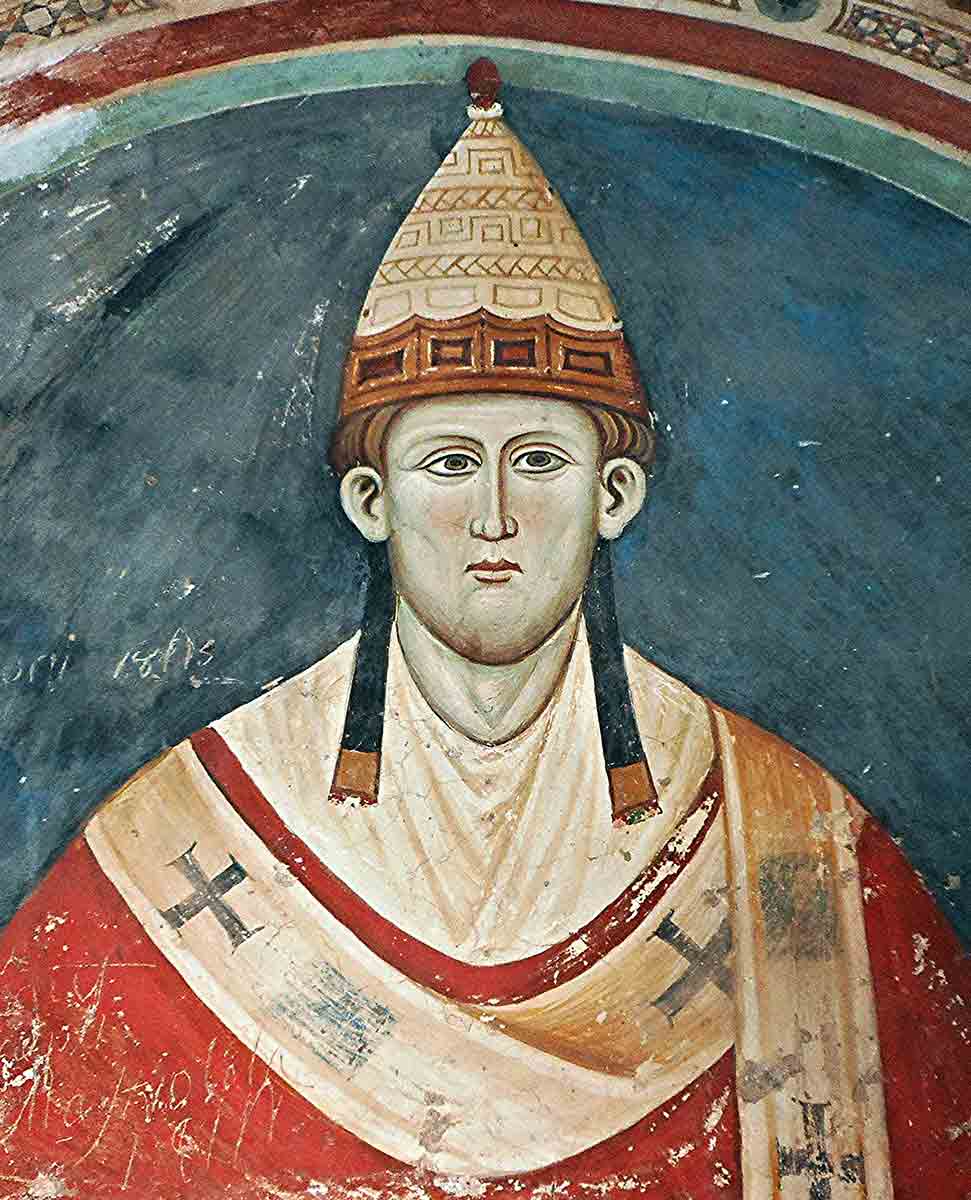
To some, Innocent III’s (1160/61-1216) papal title is darkly ironic. However, there is no doubt that he was also one of the most powerful and politically capable popes of all time.
Born Lotario de’ Conti in Anagni, Italy, Innocent became an ecclesiastical and legal scholar before rising to the papacy aged just 37. Rhetorically and intellectually gifted, and also utterly ruthless, Innocent invested all his energies into strengthening the Church within and without. Within, he oversaw important theological and doctrinal developments, as well as improving ecclesiastical administration and reforming Canon law through processes such as the Fourth Lateran Council. Without, he firmly ensured the independence of the Papacy from outside rule and brought ecclesiastical matters across Europe into Papal hands, emphasizing separation of the Church from the secular states of Europe. Not that Innocent himself refrained from secular politics.
Innocent was a major figure in the politics of the Holy Roman Empire and regularly exerted his authority over Europe. Kings from Scandinavia to Spain were subject to his correction and control. Most famously, he excommunicated John of England until the latter acknowledged Innocent as his suzerain. Innocent believed that all the secular rulers of Christendom were, to some degree at least, vassals of the Papacy, and he showed no hesitation in exercising his overlordship.
However, the Fourth Crusade for the holy land and the Albigensian Crusade against the Cathar heretics of southern France brutally revealed the limits of his ecclesiastical power. Despite supporting both campaigns, Innocent had no means of oversight over either operation as both spiraled brutally out of hand. Though Innocent did denounce the atrocities and excommunicate many of the ringleaders, it did little to staunch the bloodshed.
6. Saladin
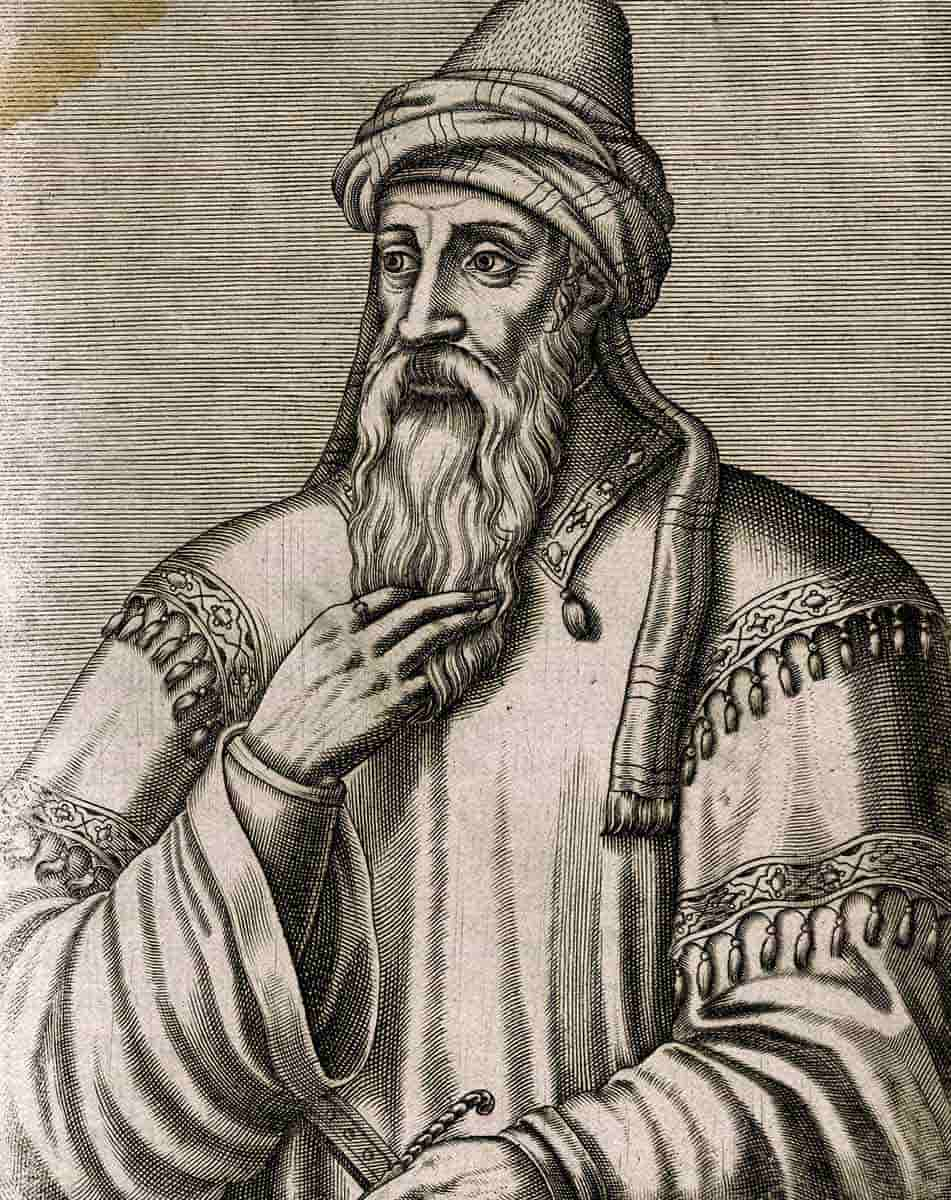
Salah ad-Din Yusuf ibn Ayyub (1137–1193), better known as Saladin, rose from Kurdish mercenary to Sultan of Egypt thanks to his political brilliance. This brilliance also saw him reconquer the Holy Land while being acclaimed and celebrated by both Christians and Muslims alike.
By 1169, the Sunni Saladin successfully maneuvered himself into the position of Vizier of Egypt under the Shi’a Fatimid Dynasty. He then swiftly overthrew the Fatimids before breaking away from his nominal overlords, the Zengids of Mesopotamia. Egypt thrived under Saladin’s governance, but his greatest achievements came when he took on the Crusader states of the Holy Land.
The Crusaders and Egypt had been going through repeated cycles of conflict and peace for years. Fascinatingly, Saladin earned a reputation with the Crusaders as a chivalrous and honest opponent while also securing the public image among his fellow Muslims as a religious champion. In 1187, Saladin recaptured Jerusalem, famously sparing its Christian population, but soon after, Saladin’s most famous rival, Richard the Lionheart, arrived in the Holy Land.
Richard was the better military tactician, but despite inheriting his mother’s charm, he lacked her and Saladin’s finer political instincts. Where Saladin understood Jerusalem meant everything politically, Richard considered it strategically nothing. Consequently, Richard passed up on a golden opportunity to retake the city, causing his army’s morale to collapse and forcing him to the negotiating table.
Saladin offered generous terms, including the right for pilgrims to enter Jerusalem. Such concessions, he knew, were a trifling price for what he had gained.
7. Matilda of Tuscany
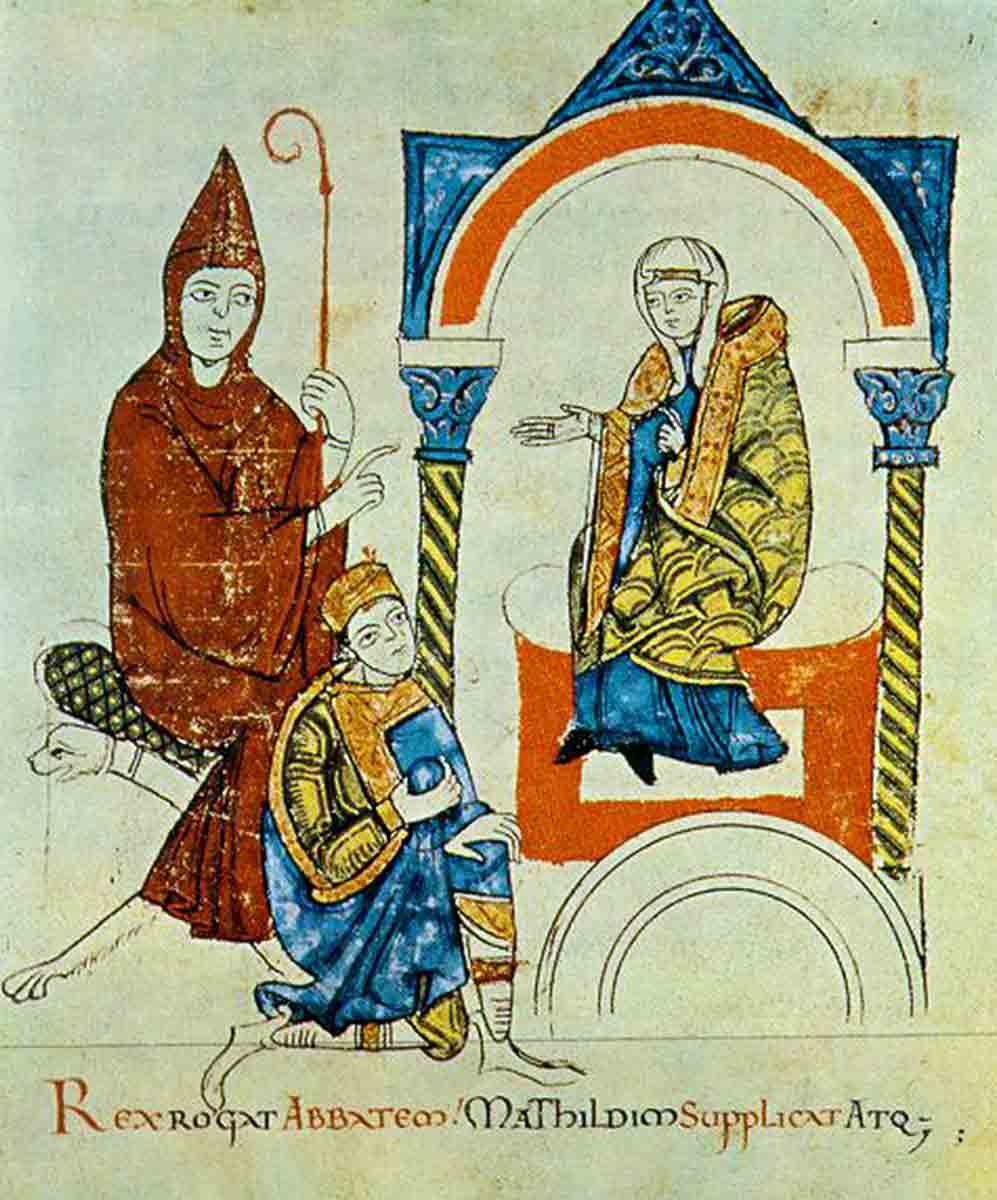
In the 11th century, the pope and the nobles and emperor of the later-known Holy Roman Empire played politically high-stakes games for prestige and influence. Nobody, though, played as determined a game as Matilda of the House Canossa (1045/46-1115).
Matilda was never meant to rule, but when her father, the Duke of Tuscany, and older brother died suddenly in the 1050s, she was left the sole Canossa heir. Fortunately, Matilda proved eminently capable co-ruling with her mother Beatrice, then ruling on her own following Beatrice’s death.
Though Salic Law prevented her from becoming a duke, her adoring subjects feted her as the Gran Contessa of Tuscany, which flourished under her rule. However, it was in imperial and ecclesiastical politics where Matilda truly made her mark.
In the 1070s, Matilda became a staunch ally of Pope Gregory VII against her distant cousin Emperor Henry IV in a dispute over imperial authority over the church and later the wider nobility. Matilda threw all her resources and political brilliance behind Gregory during what was later known as the Investiture Controversy. The apogee of the papal cause came when Henry was forced into a humiliating act of contrition outside Canossa Castle in 1077. Though momentum would swing back and forth, by the end of the century a chastened Henry would concede numerous liberties to the Church and his subjects.
Thanks to Matilda, the polities of the empire enjoyed a degree of liberty unmatched across Europe. It would require an emperor of true political brilliance, someone savvy enough not to overturn most of Matilda’s hard-won liberties, to restore any sense of imperial prestige.
8. Frederick I Barbarossa
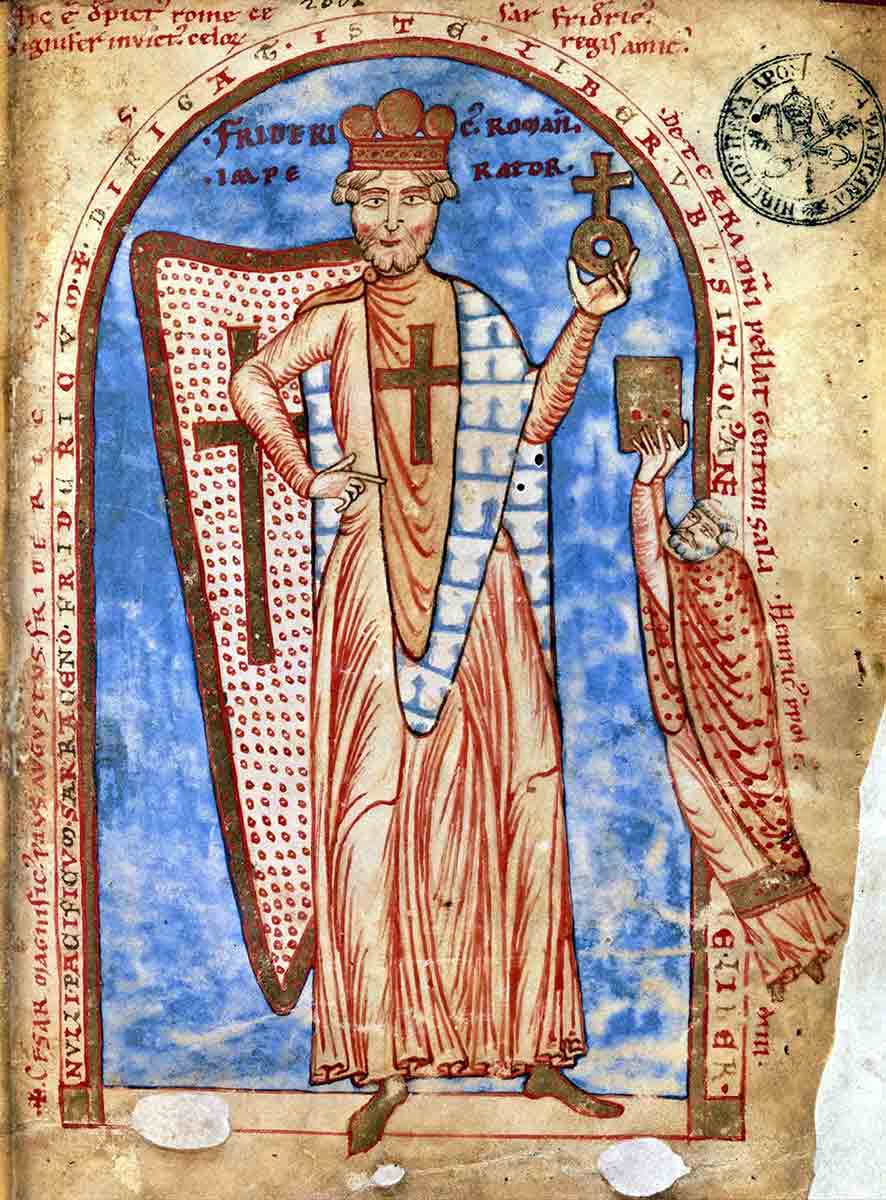
According to legend, Frederick Barbarossa lies sleeping, waiting for the day to rise again and save his country from its direst peril. The tale is fanciful, but considering the Holy Roman Empire went from total disarray when he was crowned to a reformed juggernaut by his death, it is somewhat understandable.
When Frederick was elected to the throne in 1152, imperial authority had only declined following the investiture controversy. Frederick, though, wasted no time in the daunting task of restoring the empire. He built himself a strong power base from which to re-exert imperial authority but was canny enough not to try and curb the liberties won by Matilda and the papal supporters. Frederick dealt with the powerful personalities of Germany’s great dukes and princes, and the Italian city states were brought into line through diplomacy, charm and, when needed, force. Frederick even obtained papal recognition as Holy Roman Emperor in 1155, though controversies between popes and antipopes would continue throughout his reign.
Though Frederick never fully ended rebellious flare-ups or encroachments by the pope or other ambitious factions, he was nevertheless able to make the imperial title worthy of recognition again. His energy and drive to expand and consolidate imperial control never deserted him in his nearly 35-year reign. He also found the time to oversee an economic flourishing throughout the empire and made enormous legal reforms by resurrecting the ancient Corpus Juris Civilis, or Code of Justinian, across the empire.
9. Louis IX
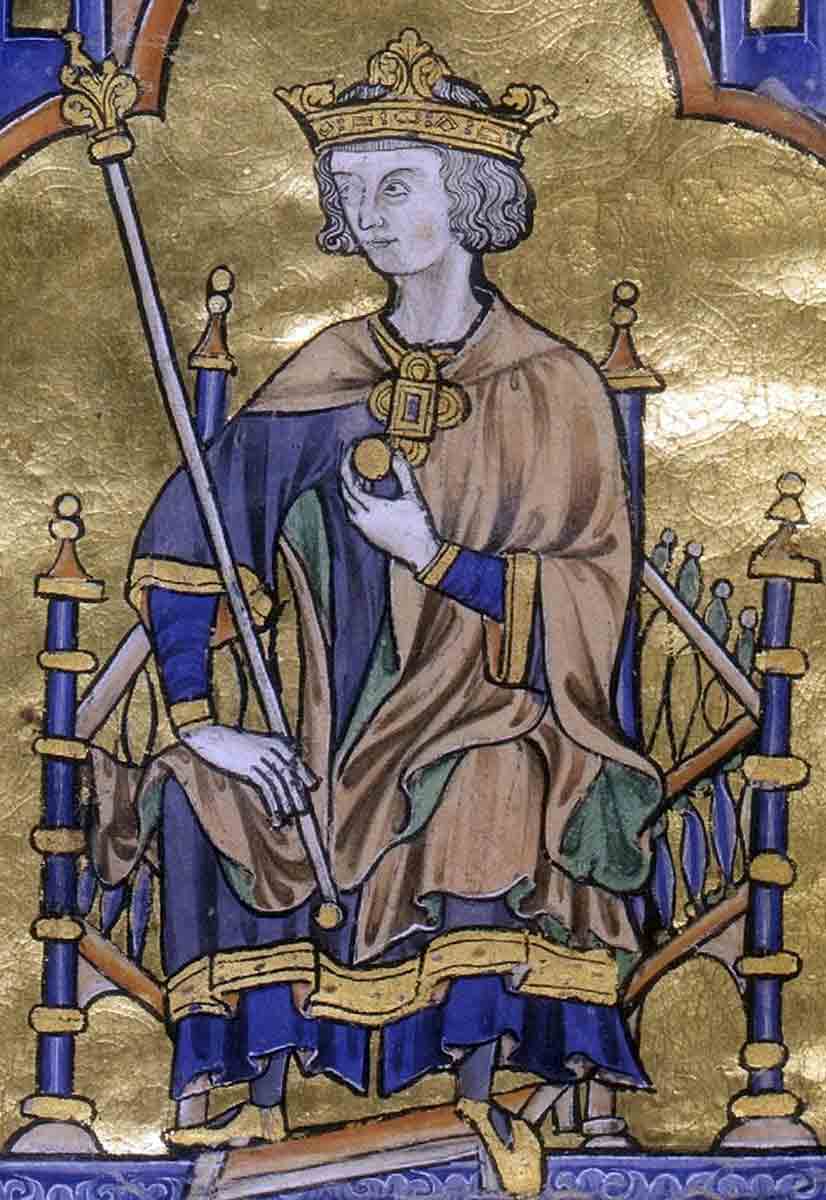
Philip II Augustus was one of Medieval France’s greatest kings. He expanded the territorial control and authority of the French crown and humiliated their English Angevin rivals. However, Philip merely laid the foundations of what was to come for the glory of France. Glory that would be realized by Philip’s grandson, Saint Louis IX.
Though mostly known for his piety and abortive Crusading, Louis’ 44-year reign was in fact a French golden age of peace, prosperity, justice, and good governance. Louis energetically reformed France’s administration and centralized royal control over matters like coinage and administration. These reforms brought greater power and authority into Louis’ hands but also rooted out corruption and ended year-long abuses of privileges by regional officials.
Most significant of Louis’ reforms were those related to justice and the rule of law. He abolished archaic forms of trial and punishment in favor of a more modernized and centralized justice system. For example, Louis encouraged his noble vassals to resolve disputes through royal arbitration rather than through private conflicts as they had done previously. Thus, Louis strengthened royal authority and stabilized his kingdom from conflict while also weakening the independence of the nobility, all while appearing as a paragon of justice. In fact, Louis’ reputation for justice was so famous that he was often petitioned by foreign heads of state for arbitration, allowing him levels of intervention in foreign affairs.
To be clear, Louis’ dedication to justice and reforms of governance was genuine rather than being done for any ulterior motive. Though his reforms benefited the crown, his intention was to benefit his nation first.
10. Genghis Khan
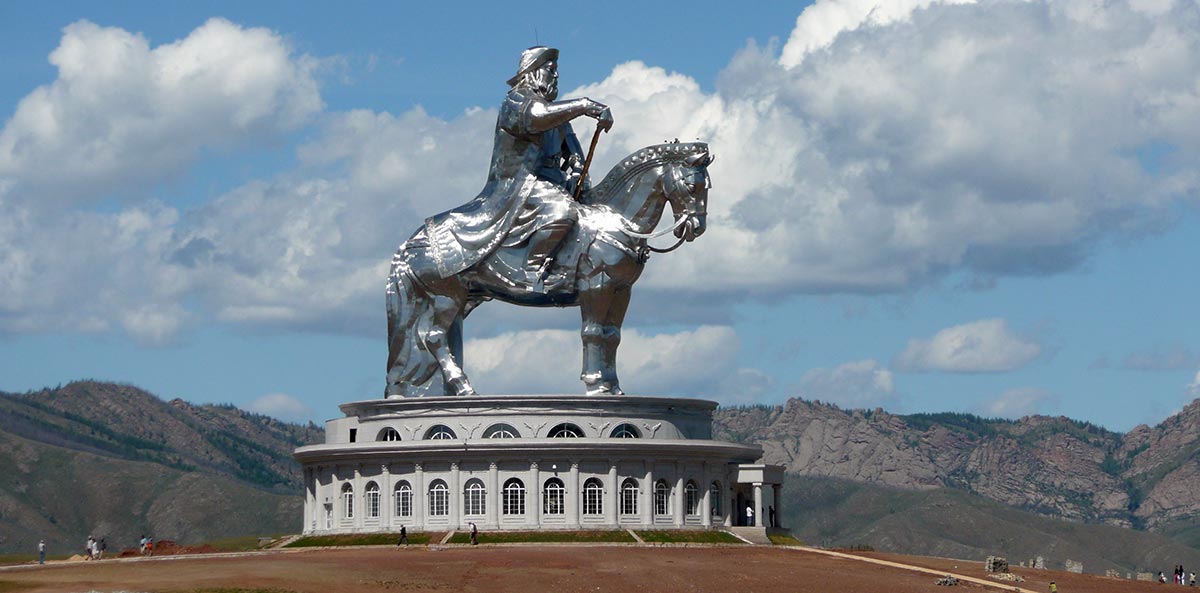
Genghis Khan is known globally as a ruthless world conqueror, but what is less well-known is his extraordinary talent for, and success in, political operations and innovations.
His rise to power required considerable charisma and political brilliance. Genghis cannily promoted followers on merit rather than heritage and grew his power base through clever political moves including marriages, adoptions and judicious force when necessary. Upon becoming ruler of the steppe, Genghis would also found an entirely new state. He swept away the old clans and social order and created an entirely new administrative and social system which ensured stability, prosperity and the foundations for world conquest.
As he moved against the settled people of Central Asia and China, though, he also had the foresight to adopt their methods of social administration and government. He created the first written Mongolian script, made education a priority, and provided his empire with secure bureaucracy and record-keeping.
Plunder was carefully managed, and much of his new state’s wealth was reinvested to benefit his subjects. He instituted systematic social support for the widows and orphans of fallen soldiers through imperial decree and plunder distribution. Through these innovations, Genghis transformed the Mongol nomads into empire builders.
Mongolians were not the only beneficiaries of his political vision, however. Though resistance was met with brutality, Genghis did not exploit or mistreat the non-Mongols he conquered. Justice, prosperity, and tolerance of faith and culture were allowed for all. Throughout the borders of his vast empire, the Pax Mongolica ensured trade boomed, and social and economic harmony reigned supreme.