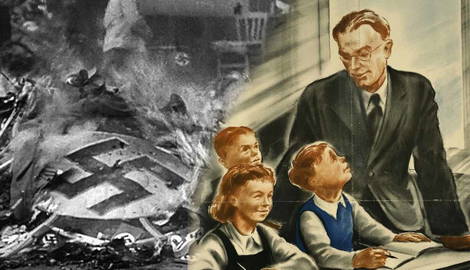

Denazification (German: Entnazifizierung) was adopted in 1945 as part of the Potsdam Agreement between the Allied powers. To prevent the resurgence of the expansionist German state that was fueled by Nazi ideology, denazification was regarded as an effective approach to eradicate Nazi ideology from German and Austrian society, culture, the press, economy, judicial system, and politics following World War II. Essential components of denazification were the removal of members of the Nazi Party and the SS from positions of authority, the dissolution of Nazi-affiliated organizations, and the trial of prominent Nazis during the 1946 Nuremberg Trials.
Germany’s Defeat in World War II & Consequences
The Allied powers defeated Nazi Germany in World War II. Germany declared capitulation on May 7, 1945, by signing an unconditional “Act of Military Surrender.” It came into effect on May 8, 1945, known as Victory in Europe (VE) Day. World War II was officially over.
The Big Three—Great Britain under the leadership of Prime Minister Winston Churchill, the United States led by President Franklin D. Roosevelt, and the Soviet Union under the leadership of Joseph Stalin—formed a Grand Alliance.
The alliance aimed to discuss the post-World War II world order, and the issue of what would become of Germany after its defeat played an important part during the negotiations.
Having witnessed Germany’s role in World War I and II, the Big Three resolved to partition Germany into occupation zones during the Tehran Conference in 1943. During the Yalta Conference in 1945, the leaders determined the sections in which Germany would be divided, and distributed each section to each Allied power.
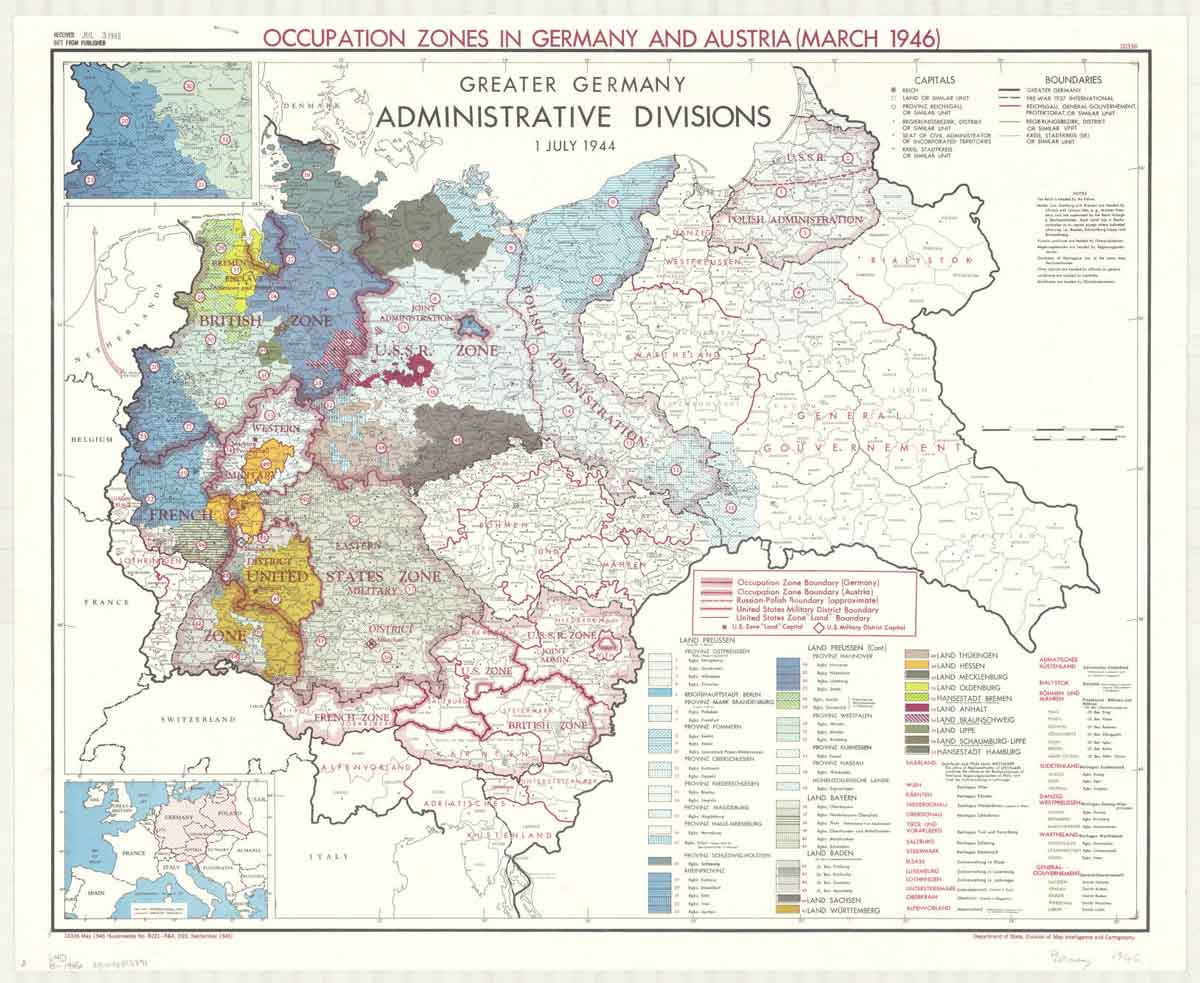
Defeated Germany and its capital city, Berlin, were divided into four occupation zones. In Germany, the United States occupied the South, the British the West and North, France the South-West, and the Soviets Eastern Germany. Berlin, even though it technically fell into the Soviet occupation zone, was also split, with the Soviets acquiring the eastern part of the city.
Additionally, at Yalta, the Big Three agreed that Germany would be responsible for paying reparations following its capitulation.
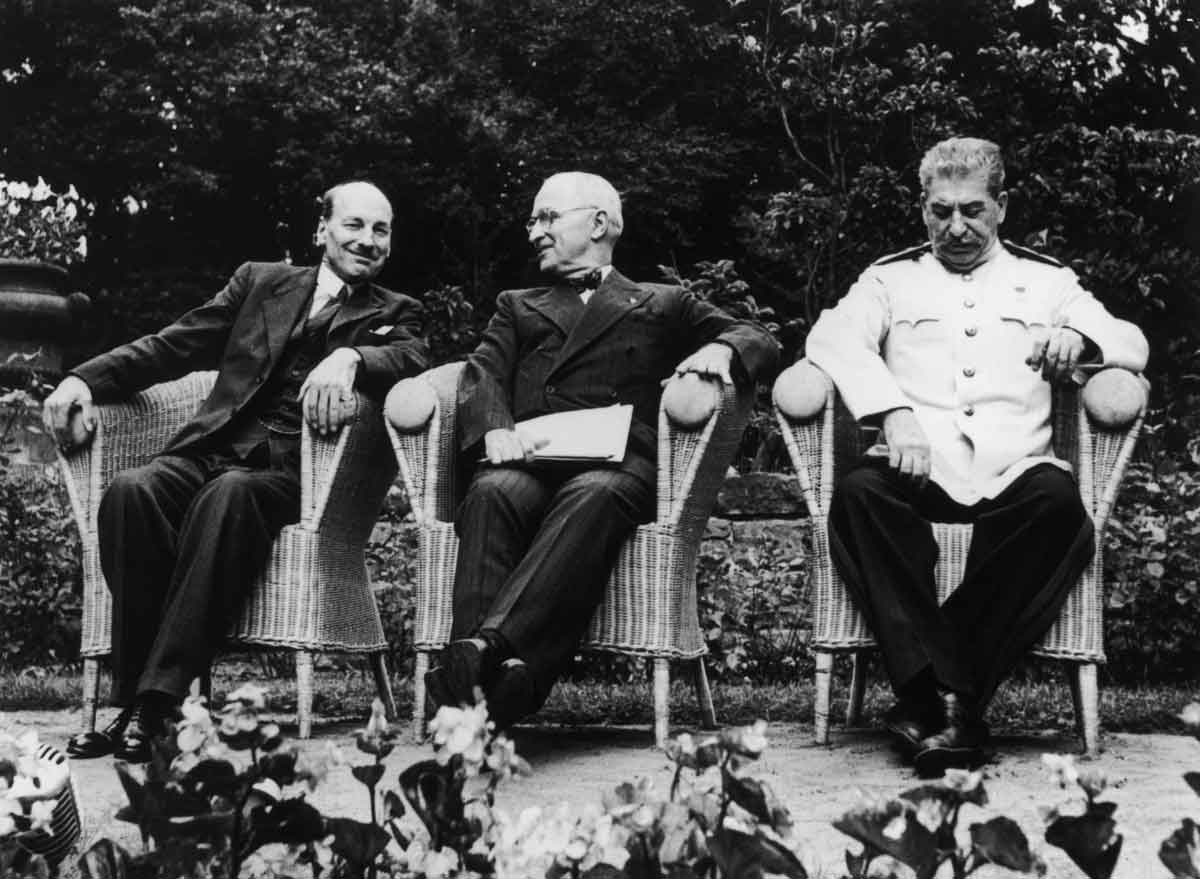
The Potsdam Conference, held in July and August 1945, officially ratified the above-mentioned post-World War II arrangements.
By 1948, within the context of the emerging Cold War rivalry and tense American-Soviet relations, Germany was ultimately divided into East and West portions. West Germany, also widely known as the Federal Republic of Germany (FRG), was established in May 1949 and emerged from the Western powers’ occupation zones.
In October 1949, East Germany, or the German Democratic Republic (GDR), emerged from the Soviet occupation zone.
The Federal Republic of Germany was allied with the United States, France, and Great Britain and, over time, embraced capitalism and a market economy. East Germany was under the control of the Soviet Union and subject to communist rule.
The Concept of Denazification
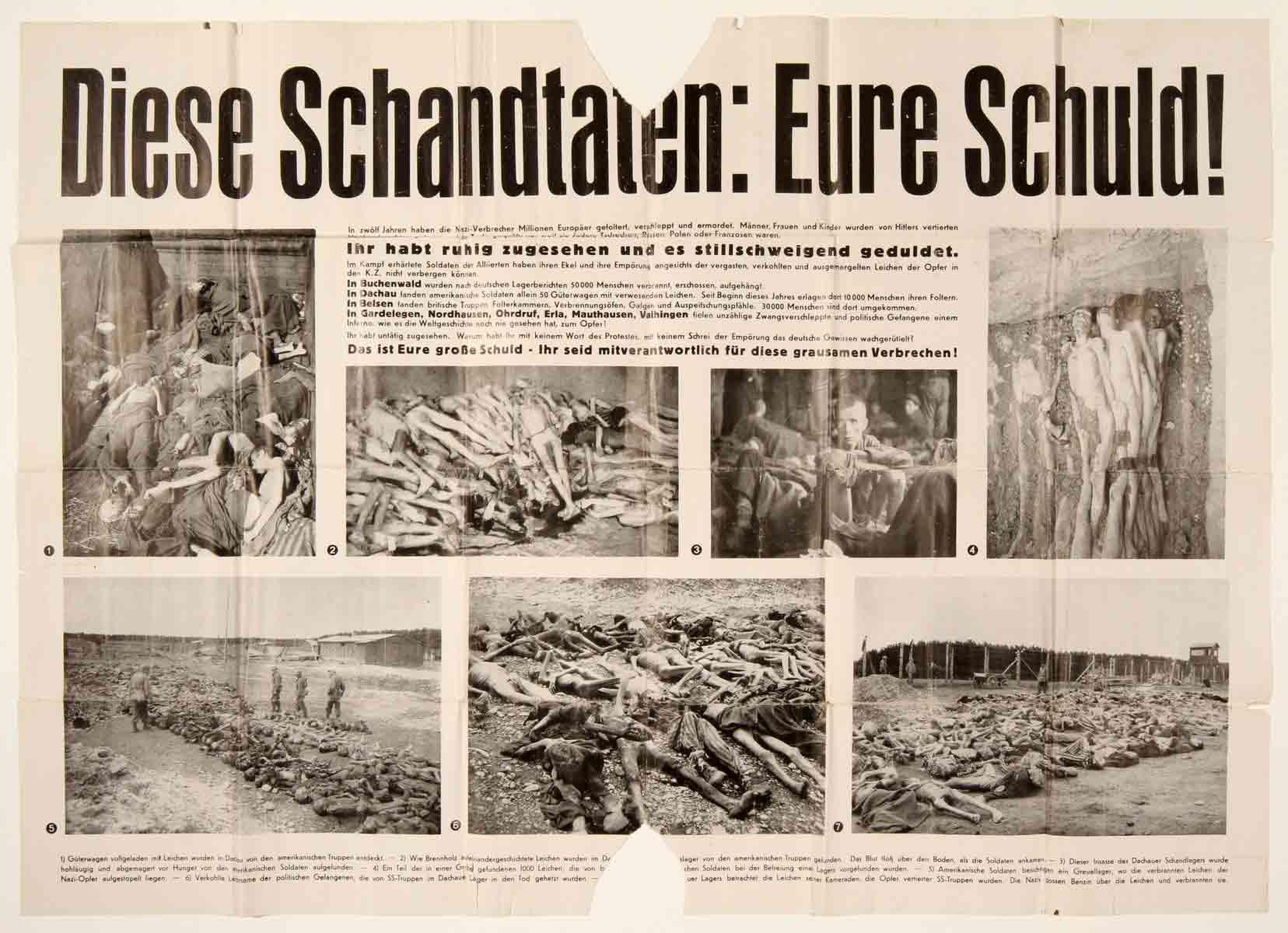
Leaders at Yalta also concluded that the removal of Nazism from the collective memory of German society was necessary to prevent the rebirth of Nazi nationalism and extremism in the future. Instead, Germany should reinstate democratic ideals and values. The only way to ensure the peaceful existence of the German state on the European continent would be to eradicate Nazism from German society and replace it with Western ideals. These measures were known as “democratic re-education” by the Allied powers.
The declaration signed during the Potsdam Conference on August 2, 1945, confirmed the affirmation. It read:
“All members of the Nazi party who have been more than nominal participants… are to be removed from public or semi-public office and from positions of responsibility in important private undertakings.”
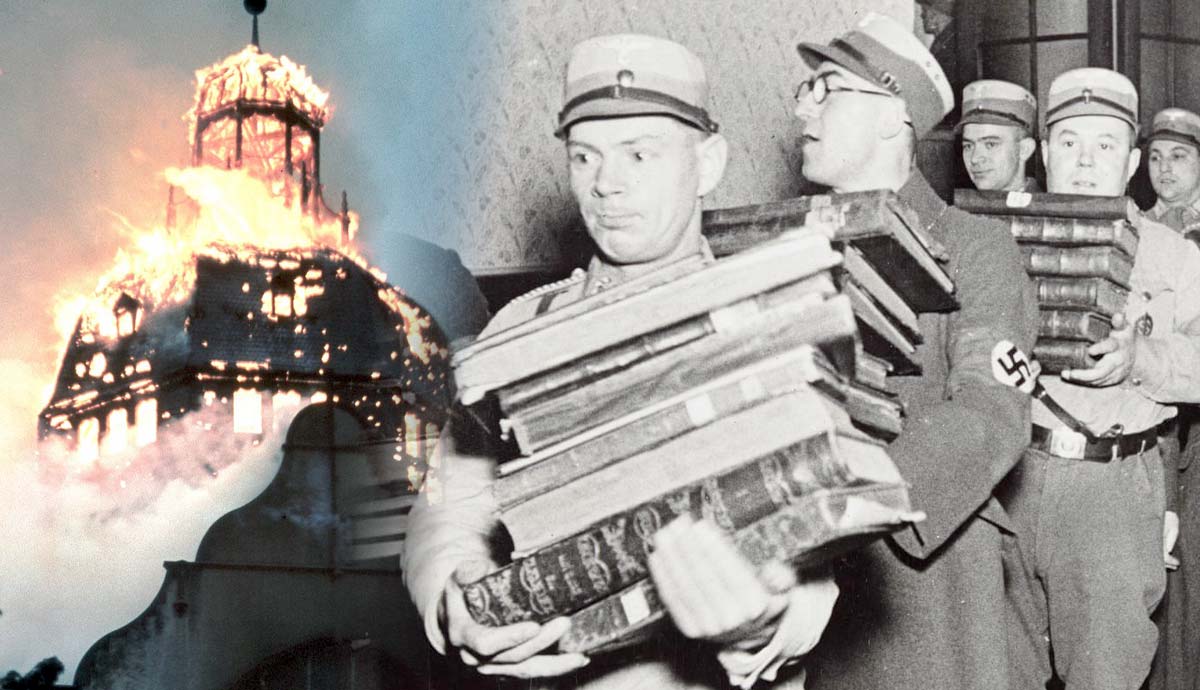
Denazification meant removing Nazi symbols, street signs, literature, and propaganda. While these steps seemed manageable, removing imprints of Nazi ideology from some 8.5 million members of the Nazi Party (NSDAP) and the many more millions out of a population of 70 million, many of whom had been members of one or another Nazi organization, was a complex and challenging part of the denazification process.
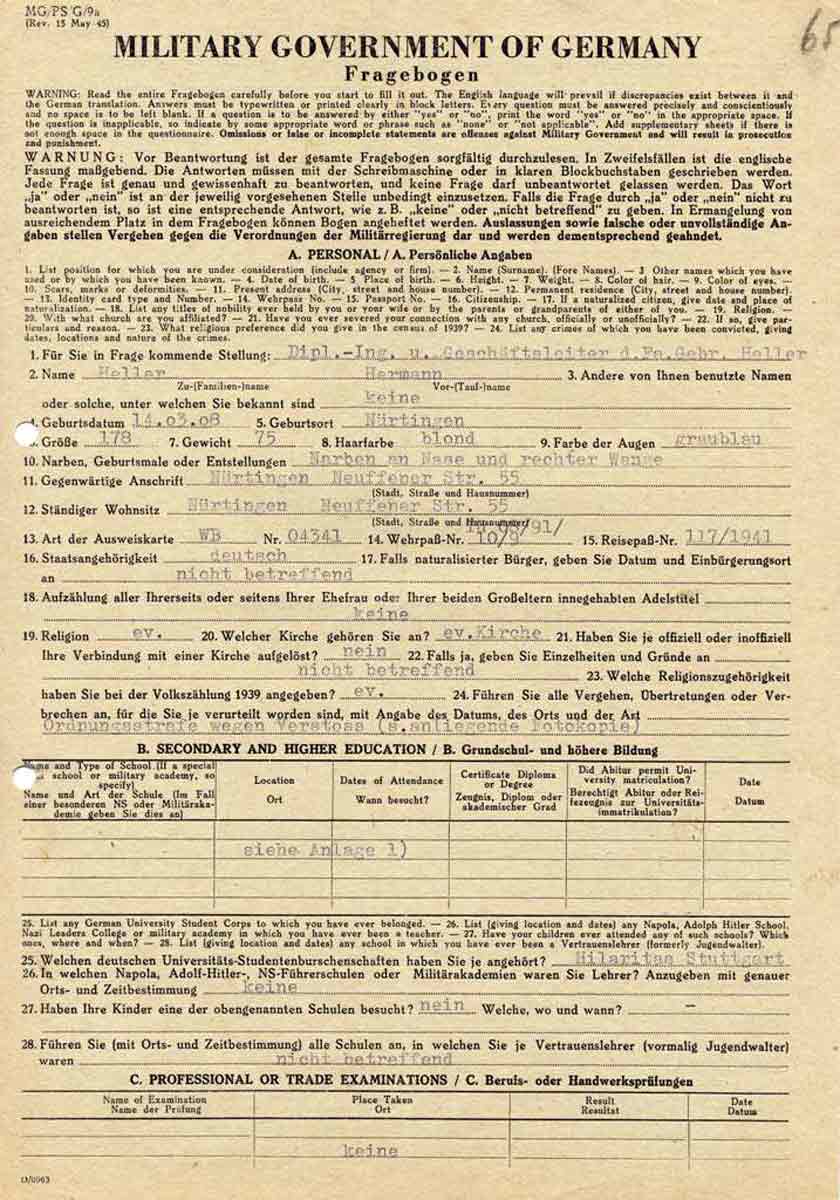
The process of denazification was sophisticated and comprised the following steps:
- Introducing propaganda and educational initiatives to change the public’s perceptions of democracy and human rights in post-World War II Germany
- Eliminating Nazi party members and supporters from high-ranking and law-ranking government positions, including administrative, judicial, and educational ones
- To guarantee that it was free of Nazi influence, the German legal system underwent extensive purges and reforms of legal structures and practices
- Trials for crimes against humanity and war crimes were part of the denazification of the legal system, one of the most well-known trials being the Nuremberg Trials of 1945-1946
The Nuremberg Trials were a series of criminal justice proceedings held by the Allies against the surviving high-ranking officials of the defeated Nazi German state for planning and carrying out war and subsequent atrocities in World War II. The tribunal also acknowledged the NSDAP’s defense forces, including the SS, Security Service (SD), Gestapo, as well as the Nazi Party itself, as illegal organizations. The international significance of the Nuremberg Trials is that it exposed international society to the atrocities of German Nazism.
The Berlin Conference, held on July 5, 1945, established the Allied Control Council. Foreign Ministers from the US, UK, USSR, and France attended the conference. The Control Council was tasked with coordinating the administration of Germany’s occupation zones.
Questionnaires & Five Categories of Culpability
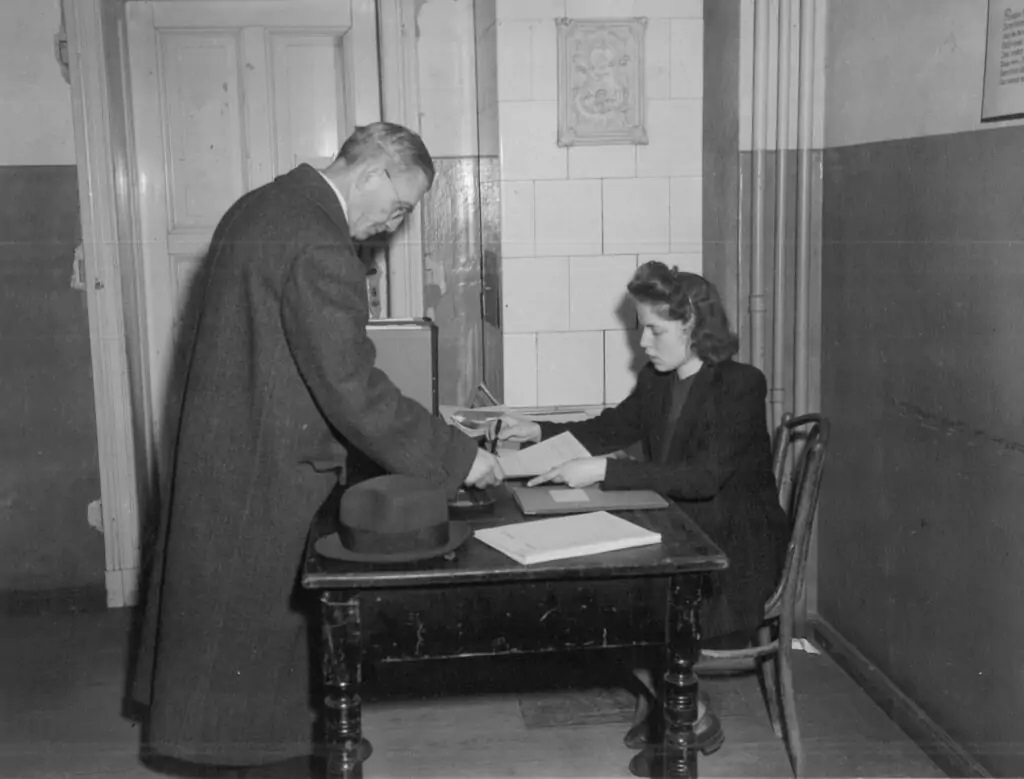
In January 1946, the Allied Control Council issued Directive No. 24. The directive set out guidelines for a coordinated approach to denazification in four occupation zones of Germany. Special commissions, committees, and tribunals (German: Spruchkammer) were established in each zone.
By March 1946, the Allied powers had differentiated five categories of culpability:
- Nazis classified as the Major Offenders would be subjects of the immediate arrest and sentenced to death, imprisoned, or assigned hard labor
- Classification under Activists, Beneficiaries, and Militarists implied a sentence in prison for up to ten years
- Lesser offenders would be under probation for up to three years
- Followers of the Nazi regime would be restricted in their employment, travel, and political freedoms
- Some individuals suspected of affiliation with the Nazi regime or Nazi sympathizers were exonerated and did not receive any sanctions or imprisonment
Apart from the designated classifications of culpability, the United States, France, Great Britain, and the Soviet Union collaboratively implemented a political screening questionnaire system in 1946.
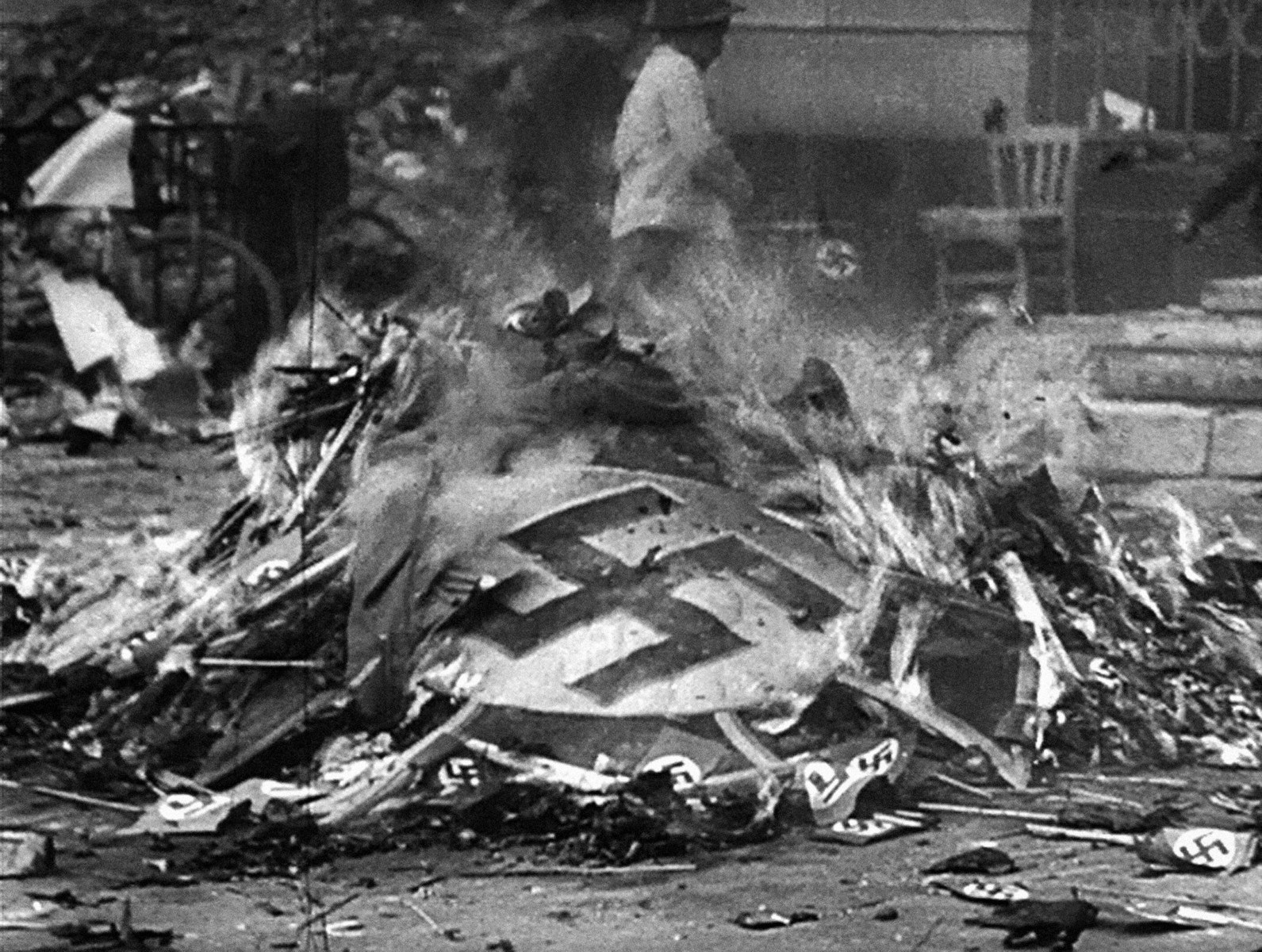
This system was commonly referred to as the Fragebögen in post-war Germany. Inspired by the so-called Scheda Personale, a questionnaire the United States had used in Benito Mussolini’s Italy in 1943 to identify fascists within the Italian military system. The approach aimed to help the parties identify Nazis in post-war Germany.
The Allied-created questionnaire included a wide range of questions, from asking to provide personal information (date of birth, address, telephone number, etc.) to questions regarding the political, military, and financial history (“Have you ever been a member of the NSDAP?” “Have you rendered military service since 1919?” “Sources and amount of your annual income since 1 January 1933,” etc.). Respondents could attach resumes and references from neighbors, co-workers, and family members.
This standardized questionnaire was distributed to German citizens who were willing to work or continue working in the public or semi-public sectors. Completing the form was voluntary. If anyone were not willing to complete the denazification form and avoid potential punishment, they would not be able to hold most of the high-paying jobs.

If the questionnaire was incomplete or the information false, the person would be subjected to a judgment by a military tribunal. The sanctions that might be applied included fines, forced retirement, or confinement to a labor camp.
Hence, denazification was meant to be achieved not through forced reorientation but through a self-administered, semi-voluntary political screening.
However, since the ruling was based on statements from neighbors, friends, or family members, the questionnaire results were challenging to perceive as objective. This contributed to the fact that the overwhelming majority of cases were classified in the fourth category, “followers.” Only 1.4 percent of the people undergoing denazification ended up classified as “major offenders” or “offenders.”
Reportedly, about 20,000,000 civilians and former Nazi soldiers completed the questionnaire, making it the largest international survey in history.
While the questionnaires were aimed at the German and Austrian societies at large, almost simultaneously to end World War II, active Nazi military personnel, political personnel, and civil servants were removed from their positions and “automatically arrested.” During 1945-1950, more than 400,000 people underwent “automatic arrest.”
Denazification in Different Occupation Zones of Germany
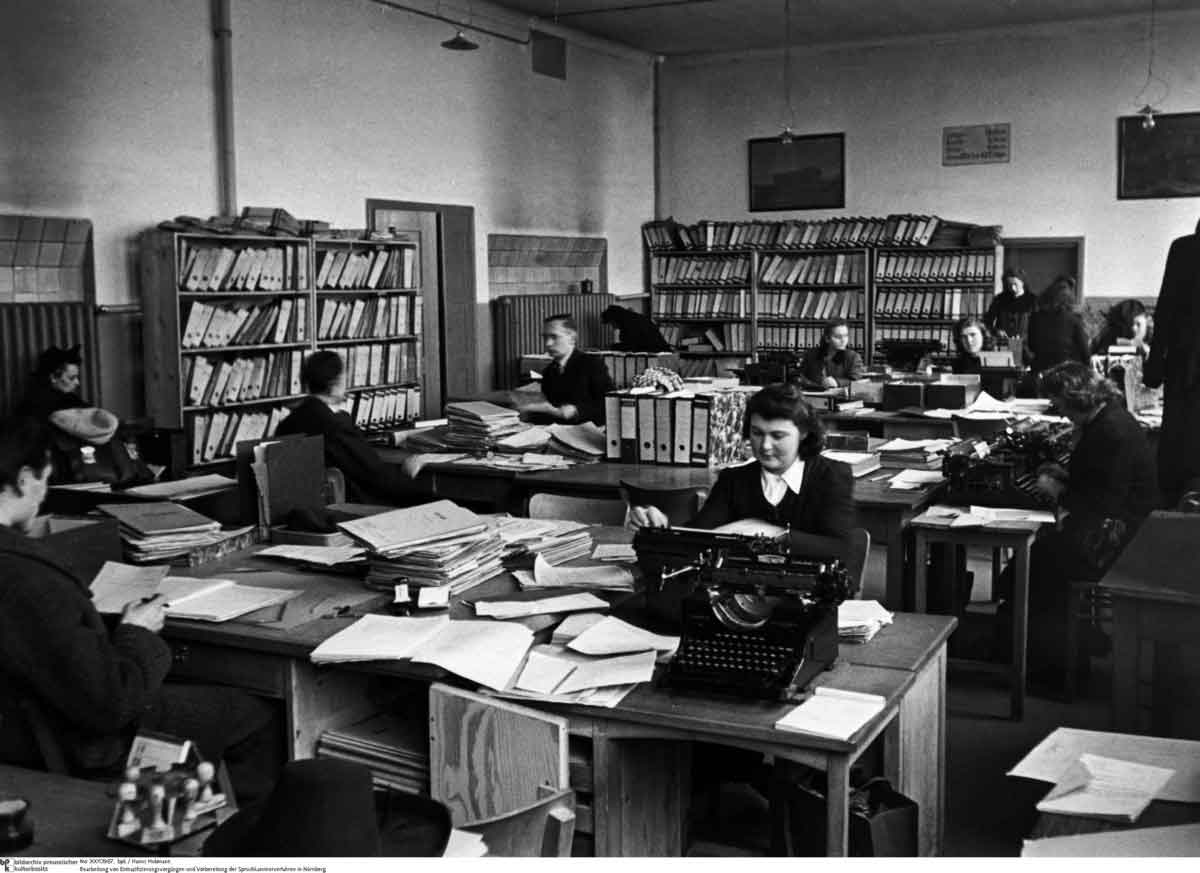
Despite the declared unified and coordinated approach to denazification in Germany, the Allies’ policies varied in the four German occupation zones. Often, denazification was utilized by the Allies to advance their own national interests.
- In Soviet Union-controlled East Germany, denazification was used to strengthen communism in the region. The central government used this policy to assign East German parliament seats to communists loyal to Soviet rule.
- France in West Germany had managed to successfully utilize denazification to acquire control over German industry and resources. Denazification in the French zone focused on cleansing the civil service, government organizations, and industry. France needed to restructure and reform businesses that had been influenced by Nazi ideology in order to more effectively oversee the region’s economic resources and prevent the rise of Nazi influence.
- The United States’s controlled zone underwent the most strict and thorough denazification, especially in the government and the public sector. The United States made sure to purge from governmental positions anyone affiliated with the Nazi regime, which led to a shortage of government workers. This was done to form a functioning democracy.
- Great Britain, like France, chose a more pragmatic course of denazification. It focused on cleansing the German administrative organizations but tried to maintain their efficiency. It was far less extensive and comprehensive in clearing out the ranks compared to American policy, as the key aim was to reshape and improve the destroyed German economy. Less brutality was achieved through extensive, bureaucratic, and often contradictory guidelines, which resulted in long delays in executing penalties.
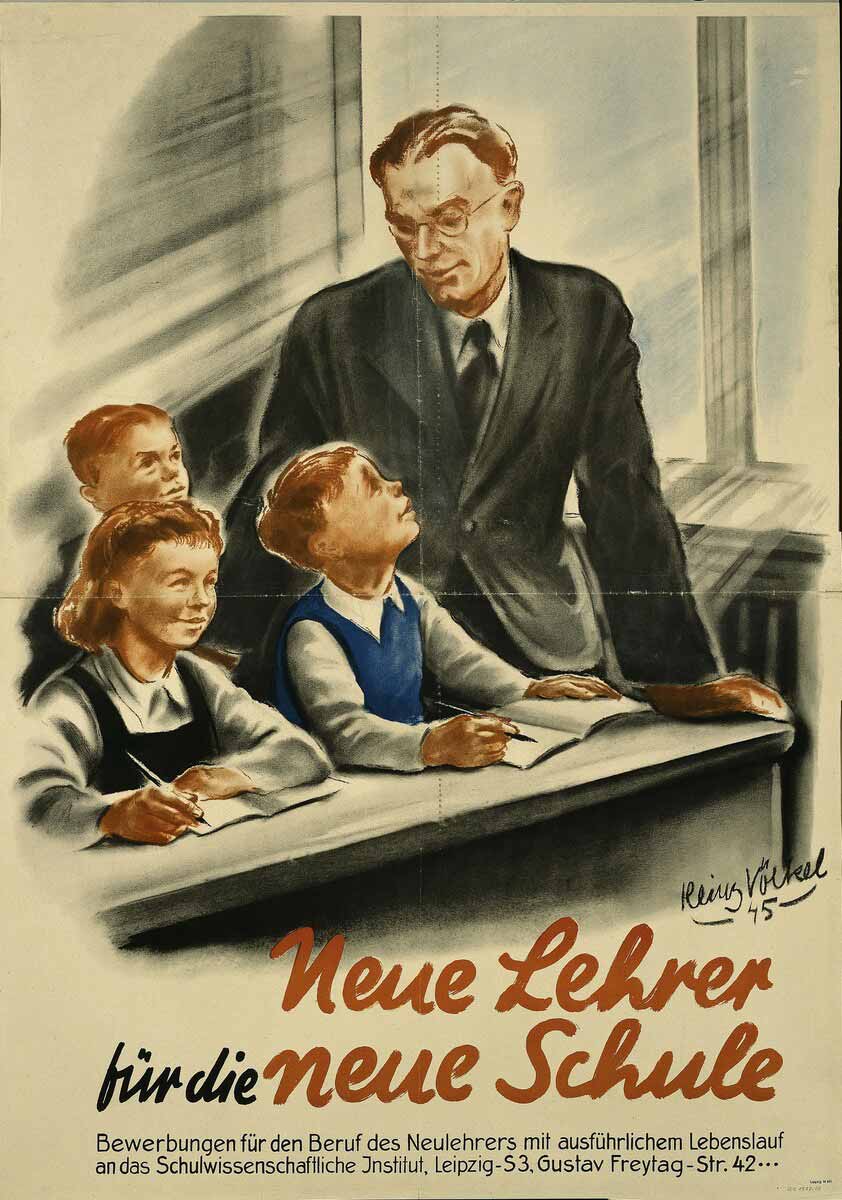
In August 1946, the United States and France issued a youth amnesty for people born after January 1, 1919. The amnesty freed young people, such as former members of the Hitler Youth, from denazification penalties.
The End of Denazification
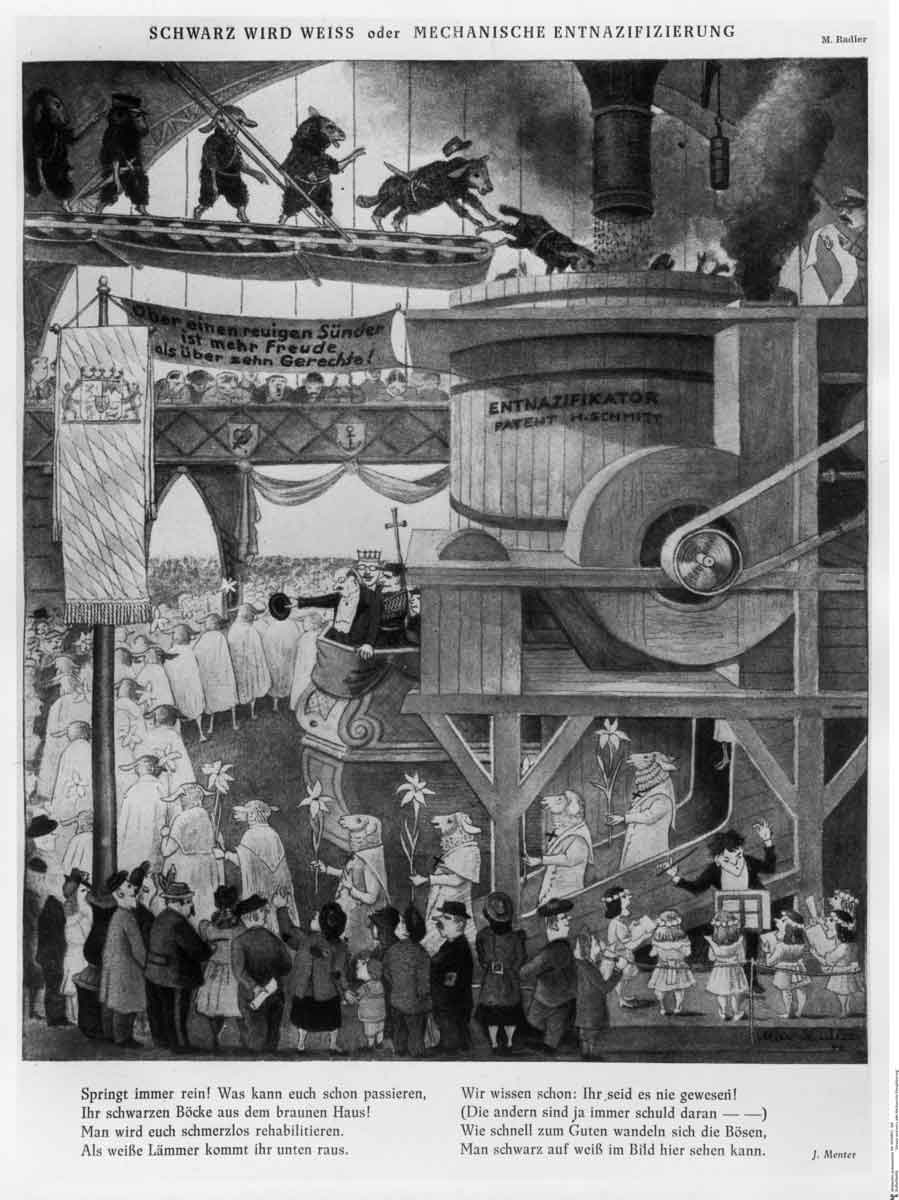
Denazification of Germany proved to be a complex and challenging process, especially with the emerging East-West polarization and the Cold War. The start of the Cold War loosened Western powers’ interest in denazification, and they gradually let up its implementation.
The growing antagonism with the Soviet Union overshadowed the threat from Nazis, and Western states, especially the United States and Great Britain, saw West Germany as a geopolitically valuable asset to counter the spread of communism.
Konrad Adenauer became the first German chancellor of the newly formed republic in 1949. The new chancellor was more in favor of the integration strategy and fiercely opposed to denazification policies. In his perspective, the socio-political unification of the entire society would enable Germany to flourish peacefully. The policy of denazification was ultimately abolished in 1951.