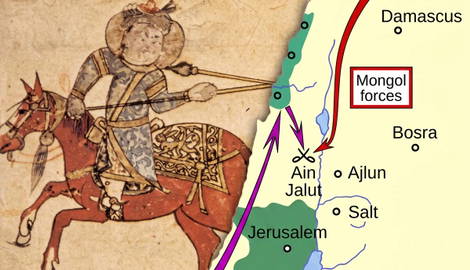

On September 3, 1260, the army of the Egyptian Mamluk Sultanate met a Mongol army bent on conquering all of the Middle East. Both sides expected no mercy, but neither could know how the resulting battle of Ain Jalut would shape history. In the Jezreel Valley, a legendary clash shaped the future of empires and continents.
The Slave Origins of Qutuz and Baybars
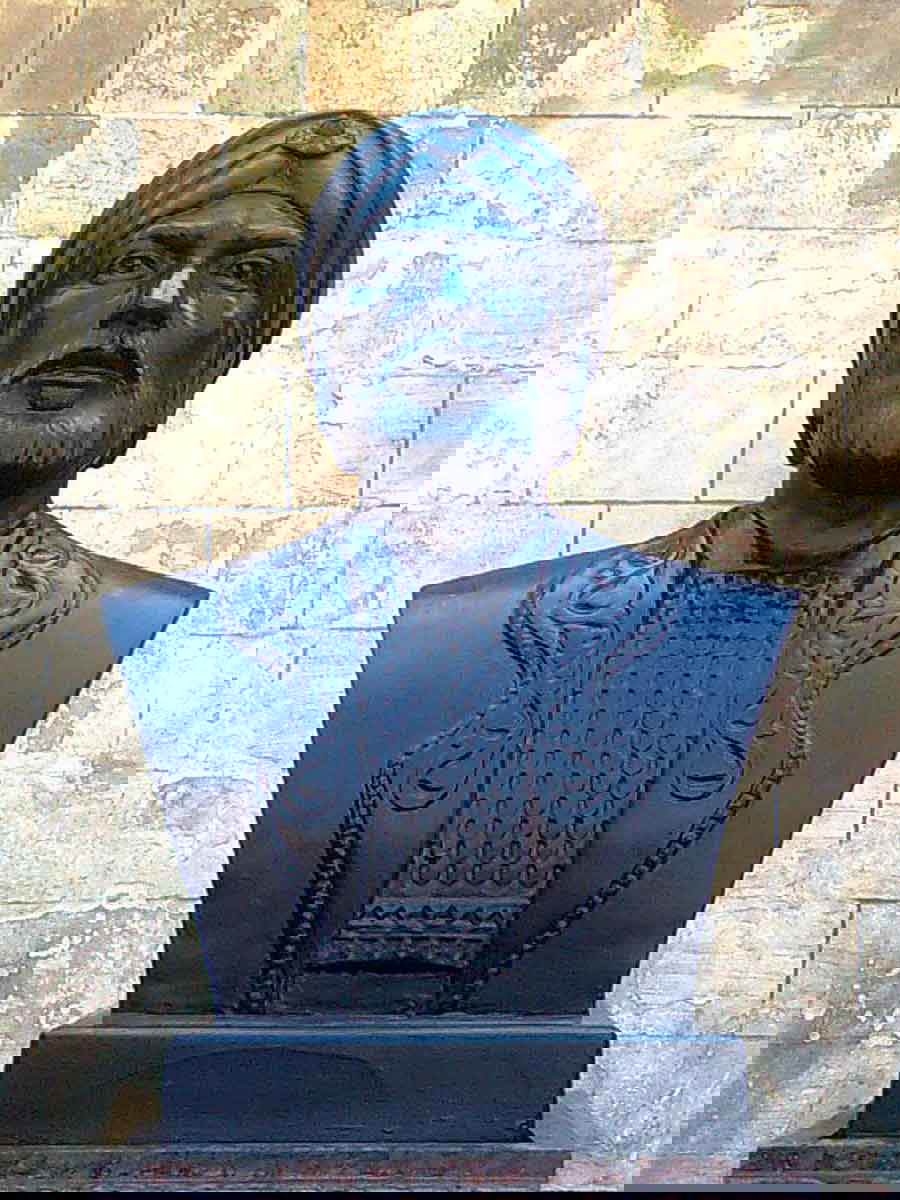
Egyptian Sultan Sayf ad-Din Qutuz knew intimately what the arrival of Mongol envoys in Cairo in the summer of 1260 foretold. Qutuz was born in the Central Asian Khwarazm Empire, whose Shah made the deadly mistake of executing Genghis Khan’s envoys, leading to utterly destructive retribution. The Khwarazm empire was annihilated, and the child Qutuz was sold to the Mamluks, the famous slave soldiers of Egypt and Syria.
The Mamluks were the elite soldiers of Sultans and Emirs, supposedly loyal solely to their masters. In practice, the Mamluks had grown in power and influence until, in 1250, Mamluk commander Izz al-Din Aybek seized the Sultanate of Egypt for himself. Qutuz, who seemingly excelled in his training, became one of Aybek’s most senior lieutenants.
Nor was Qutuz the only Mamluk with first-hand knowledge of the Mongols. Many of the Mamluks had come to Egypt’s slave markets as victims of the Mongol conquests, including a Kipchak from the Russian steppe named Baybars al-Bunduqdari.
Baybars had fled Egypt when Aybek slaughtered his commander and much of his regiment during his coup, pledging himself and surviving comrades to An-Nasir Yusuf, Ayyubid Emir of Aleppo and Damascus. During the mid-1250s, Baybars and Yusuf repeatedly clashed with Aybek and, after Aybek died in 1257, his 11-year-old son, Ali, and Ali’s regent (and power behind the throne), Qutuz.
Then, in 1259, a Mongol army stormed into Syria, besieging Aleppo. The Mongols had loomed over the entire region for decades. However, in 1253, as Yusuf, Baybars, and Qutuz undoubtedly knew, a massive Mongol army had stormed into the Middle East, led by Hülegü, brother of the new Great Khan Möngke. By 1258, Hülegü had destroyed the Nizari Ismaili state, better known as the Assassins, and the Abbasid Caliphate.
Why Hülegü’s Mongols Appeared Unstoppable
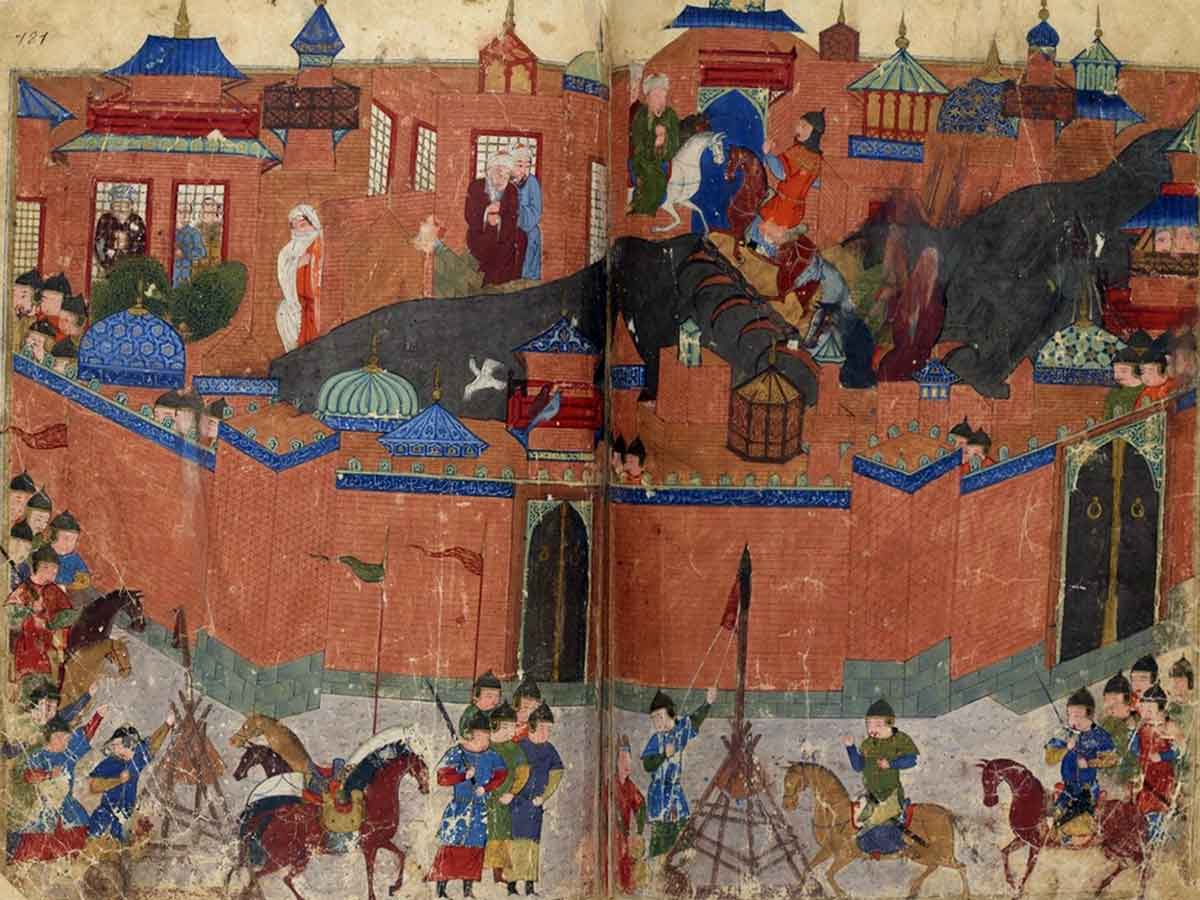
As Baghdad, the Caliphate’s capital and heart of the Islamic World, lay in ruins, the Mongols turned west to Syria, Mesopotamia, and Egypt. They appeared unstoppable, but appearances can be deceiving.
The previous Mongol Great Khan had brought the empire almost to civil war before his death. Möngke’s ascension and restoration of order took three years of intrigue, a dynastic coup and a purge of the Mongol nobility. The empire survived but remained fragile, so Möngke did what all new Khans did to boost their prestige and strengthen imperial authority: he organized new conquests and military successes. He would campaign in China, while Möngke’s brother Hülegü marched to Northwest Iran to deal with the Assassins.
Hülegü, however, had another objective: reasserting Mongol authority over their subjects and vassals in the Middle East. So, in 1253, while his top general and friend Kitbuqa attacked the Assassins, Hülegü requested men and material aid from all those who had previously acknowledged Mongol suzerainty.
This simultaneously reinforced his army and the empire’s authority and turned any dissenters into justified military targets. Some, including Georgia and Cilician Armenia, complied. Others, like the Abbasid Caliphate, did not.
Whether the dissenters were unable to comply or simply rejected the demand for greater submission, they were all fair game. In Mongol eyes, at least. Hülegü’s army, allegedly the largest Mongol force ever, operated on multiple fronts while rotating garrisons and besieging troops, and organizing recuperation periods after each campaign season, ensuring unending military momentum.
Shifting Alliances Leading up to the Battle
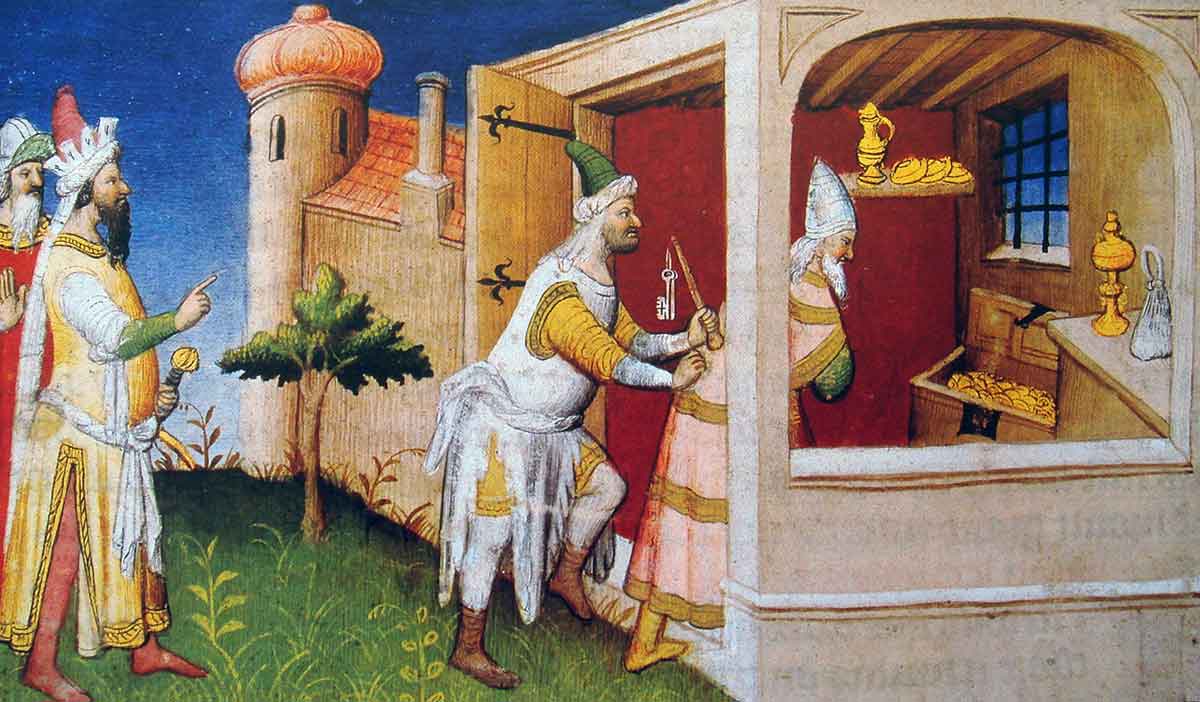
In mid-1259, the Mongol war machine moved against its recalcitrant vassals further west, including none other than Sultan Yusuf in Syria. Yusuf had acknowledged Mongol suzerainty in 1244 but foolishly refused Hülegü’s call for aid. Hence, Hülegü had marched on Aleppo, demanding Yusuf explain himself personally. Yusuf fled to Damascus and from there proposed to Hülegü a joint invasion of Egypt before begging his erstwhile targets for aid when Hülegü refused.
Qutuz successfully convinced his fellow Mamluks that the Mongols would target Egypt after Syria and that only he could handle the threat. Once he became sultan, Qutuz quickly prepared for war, but he did not come to Yusuf’s aid. Nor, as it happened, would Yusuf’s subordinates.
Baybars, disgusted with Yusuf’s failures, abandoned Syria and pledged himself and his forces to Qutuz against the Mongols. Baybars’s old foe gratefully welcomed him, and his old master abandoned hope. Yusuf fled Damascus but fell into Mongol hands in March 1260.
Astonishingly, Hülegü spared Yusuf and pledged to make him viceroy of all Syria, though there would be no doubt who was truly in charge this time. While Qutuz had made his power play and Yusuf’s domain crumbled, the Mongols had fully subjugated everywhere as far south as Gaza.
Egypt now stood alone, the last free nation and last line of defense of a free Islam. At least so Qutuz proclaimed to those of his emirs advising capitulation.
Was There a Religious Element to the Conflict?
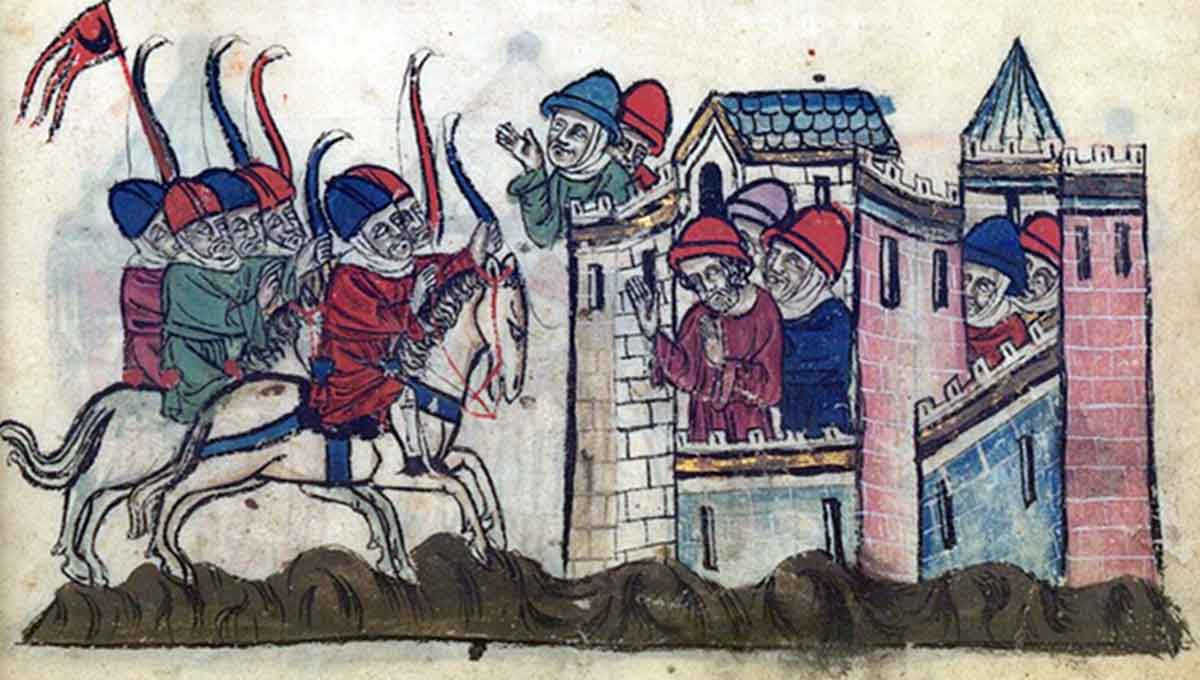
Hülegü seems to have been notably pro-Christian during his advances in the Near East. Much of his inner circle, including his wife, mother, and Kitbuqa, were Nestorian Christians. They had successfully lobbied him to spare Christian populations of cities otherwise put to the sword. Christian vassal kings, such as King Hetum of Armenia and Prince Bohemond of the Crusader State of Antioch, were also cherished in the Mongol camp. Many even saw territory they had lost to Muslim neighbors returned, while some converted or derelict Christian sites in cities like Damascus were also restored.
To be clear, Hülegü was not actively pursuing a pro-Christian, anti-Islam campaign. Christians who defied the Mongols were also brutally dealt with. Baron Julian of the Crusader city of Sidon, for example, unwisely raided Mongol territory and killed Kitbuqa’s nephew. Sidon was promptly sacked, and its people massacred in response. Meanwhile, loyal Muslim vassals received rewards, and loyal Islamic advisors were highly regarded by Hülegü. Moreover, Hülegü’s attempts at allying with Christian Europe came to nothing.
Even so, the benefits Christians received from the Mongols helped Qutuz make his case. Moreover, if Egypt fell, there was also no major power left between the Mongols and the Holy Cities of Mecca and Medina. So, in Summer 1260, with religious fervor invigorating even his most hesitant vassals for war, Qutuz responded in the most inflammatory way possible, publicly executing the Mongol envoys.
Did the Death of Möngke Change the Outcome?
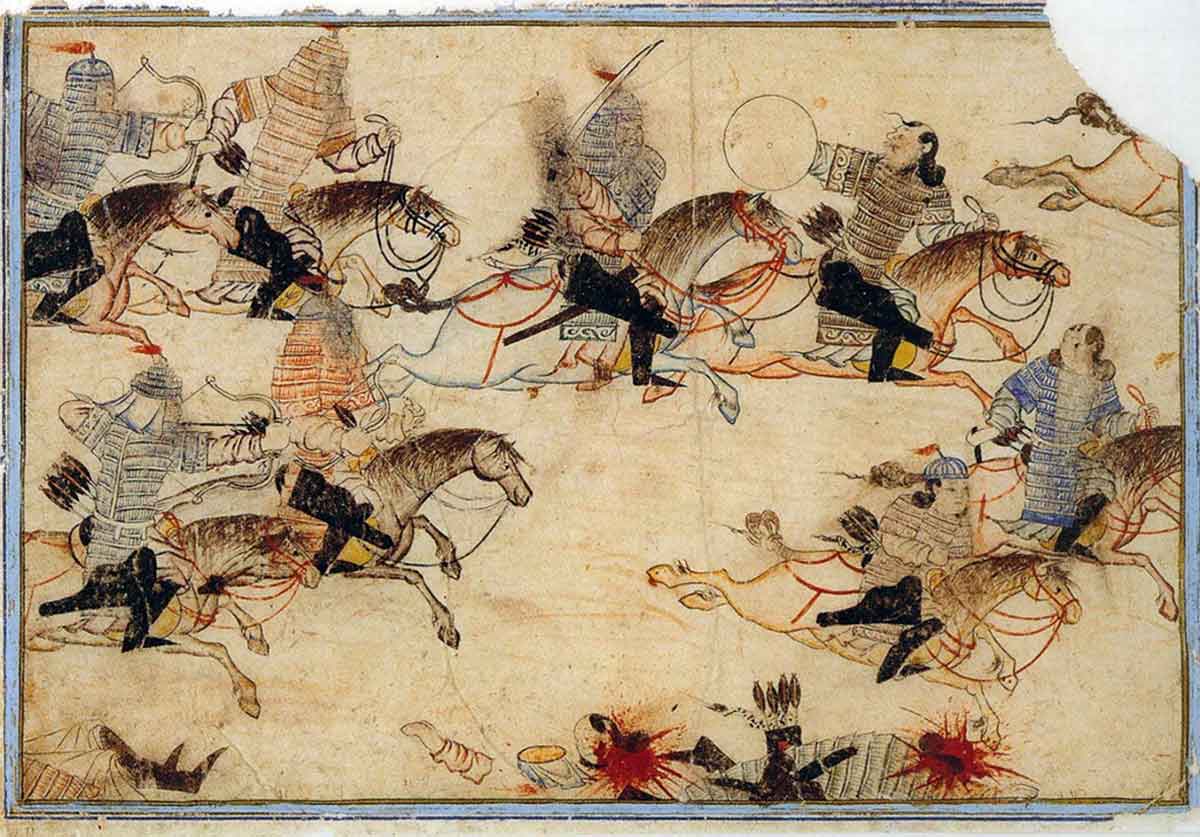
Executing Mongol envoys had always spelled doom previously, but recent events gave method to Qutuz’s madness. Some weeks previously, Möngke had suddenly died. The ensuing election of a new Great Khan and dynastic disputes turning into outright civil wars had drawn Hülegü’s attention and most of his army away from Egypt. Qutuz’s timing, whether down to luck or good intelligence, was excellent.
Hülegü had left the Mongol commander Kitbuqa to deal with Qutuz and manage their conquests and had allegedly been reassured by Yusuf that Egypt was militarily weak. Kitbuqa was left with barely a single Tumen, a division of 10,000 Mongols, and a few thousand auxiliaries. He could likely field just around 12,000 men at short notice. Which is all he would get.
Qutuz had gathered a powerful force with his elite Mamluks at the core, supplemented by refugee Syrian forces and lighter Berber and Turcoman troops. Perhaps Yusuf was unaware that Qutuz had built up his forces or deliberately provided bad intelligence. Either way, Qutuz had the advantage in men and momentum and was determined not to let Kitbuqa, whom he called a “raging lion and fire-breathing dragon,” retake the initiative.
In summer 1260, he left Cairo with at least 20,000 men. In another moment of foresight, Qutuz gave command of his vanguard to Baybars, who proved an utterly ferocious and brilliant forward operator. He routed the unprepared Mongol garrison at Gaza and advanced rapidly towards Syria, paving the way for Qutuz and the main army.
Marching to Ain Jalut
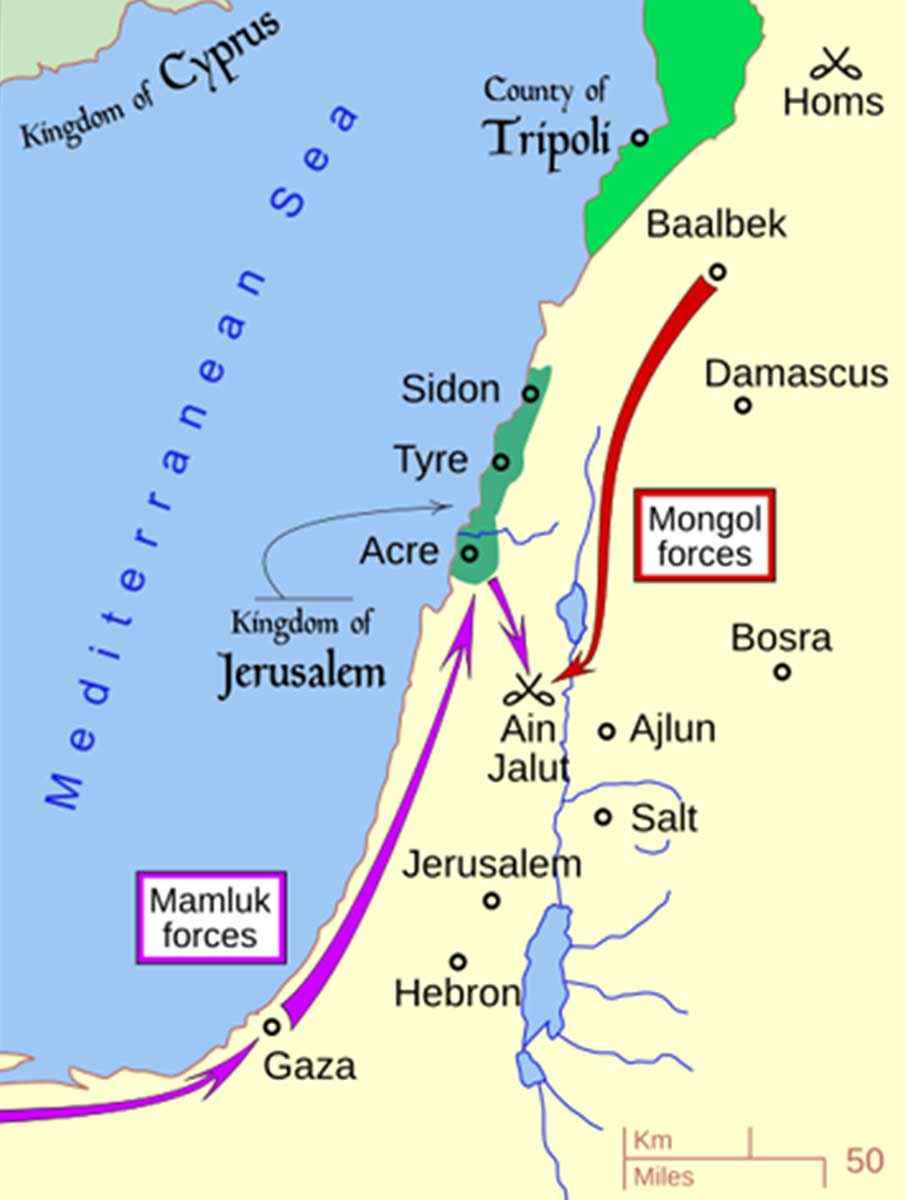
Kitbuqa scrambled to respond. Initially planning to reinforce Gaza, he would now have to meet the Mamluks in open battle. He and Qutuz maneuvered for engagement without ceding any advantage. In another moment of fortune, the Mamluks were allowed safe passage through the Crusader state of Acre, which seemingly considered the Mongols a greater threat than their old Islamic foes.
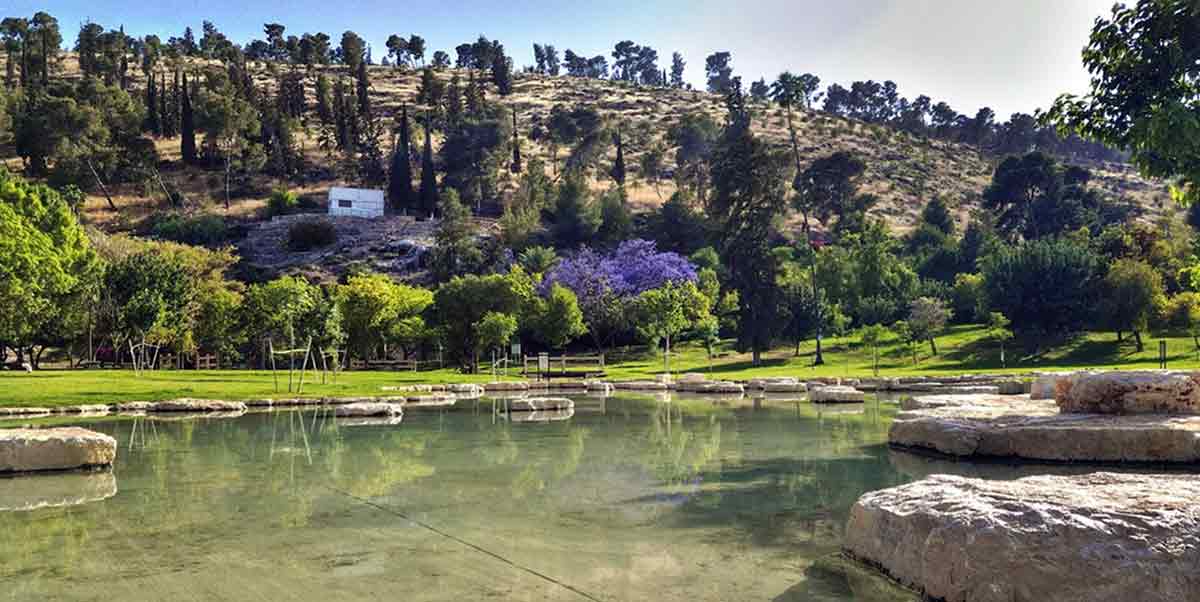
By the end of August, Kitbuqa, knowing the Mamluks were nearby, took up a strong defensive position in the Jezreel valley. On September 3, Baybars and the Mamluk vanguard discovered the Mongols waiting for them at the spring of Ain Jalut near Mount Gilboa.
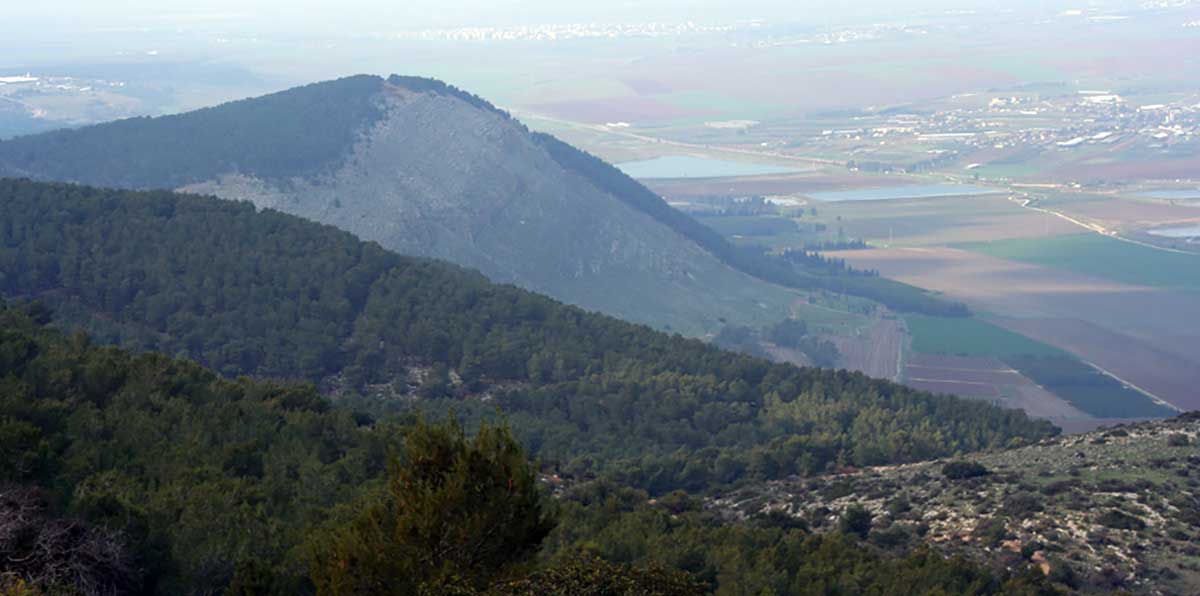
The Mamluk army was fresh, well-supplied, religiously motivated, and eager to take revenge on the Mongols who had sullied Syria and enslaved many of the Mamluks. By contrast, though Kitbuqa had picked an excellent position, the Mongols were on the defensive and outnumbered. Years of campaigning had honed their fighting skills but also sapped their strength.
Their loyal Georgian and Armenian auxiliaries were greatly reduced in number, while other regional auxiliaries were less reliable. At least two vassal Syrian emirs, for example, either failed to answer Kitbuqa’s summons or defected shortly before or during the battle. Nevertheless, Kitbuqa’s army was still a powerful force, and he was an experienced and very capable commander.
As famous a battle as Ain Jalut is, though, its sequence of events is intriguingly mysterious. Contemporary sources conflict over numerous details, usually only agreeing on the outcome. Meanwhile, new discoveries and analyses of the battle continue to this day.
How the Battle Was Won
The popular narrative goes that Baybars used a false retreat to bait the Mongols into an ambush set by Qutuz with the main force. However, Kitbuqa would not likely have fallen for a tactic that was a staple of the Mongol military handbook. Nor does the terrain in the area necessarily favor such an ambush.
Likewise, claims that the Mamluks were better trained than the Mongols or that the local geography left the Mongol army unable to supply their horses have come under scrutiny. The Mamluks may have had heavier armor, but both armies relied largely on cavalry and horse archers. Furthermore, the Mongols were lifelong warriors, and no evidence suggests they were undersupplied at Ain Jalut.
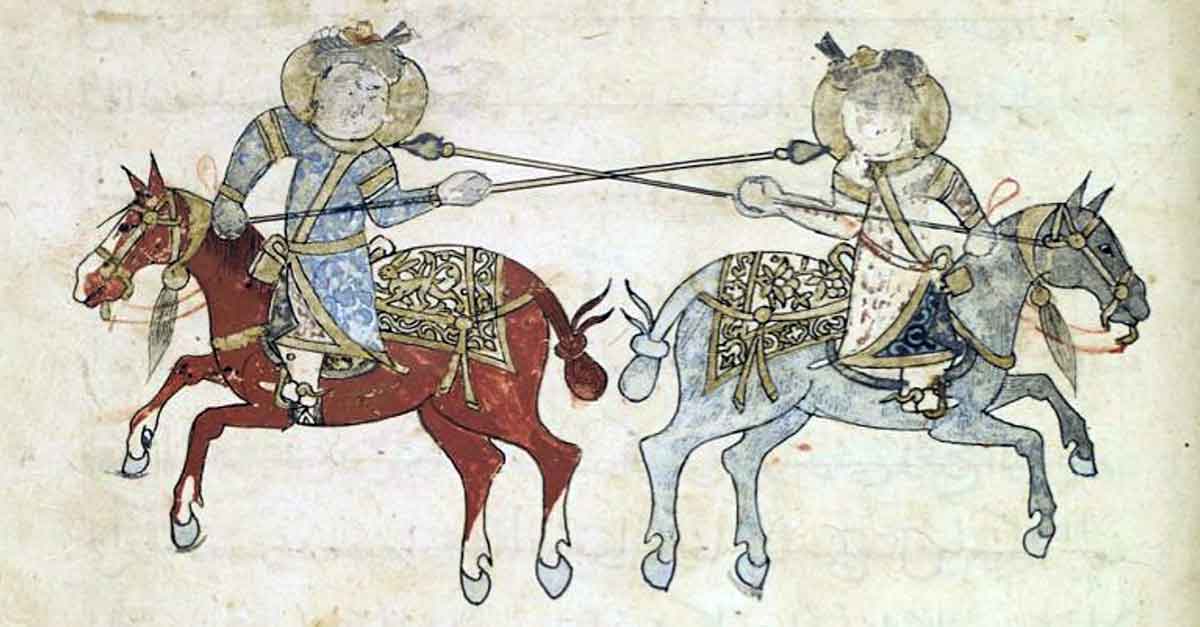
The battle likely played out as follows: Baybars began skirmishing with the Mongols but pulled back before being overwhelmed, directing Qutuz to the Mongol position. As the full Mamluk force arrived and began deploying, though, Kitbuqa launched a sudden charge which caught them off guard.
The Mongols partially enveloped the Mamluks, possibly breaking their left wing. However, Baybars and Qutuz rallied their troops before Qutuz led a crucial counter charge, allegedly giving the “wa Islamah,” or “Oh, my Islam!”
The fighting bogged down into a close-quarters melee, where the heavier armored Mamluks had a slight edge. Eventually, either the Mamluk left wing regrouped and counterattacked the exposed Mongols, or their superior numbers allowed them to slowly encircle the Mongols in return. This is likely the inspiration for the feigned retreat, not a preplanned ambush but a fortunate recovery from near disaster.
Now outflanked, the Mongols may have also seen one of their wings routed (or, at this point, the disloyal Syrian emir may have defected). The Mongols successfully staged a breakout through the Mamluks, though, and may have looked to rally their own counterattack, had they not suffered one major casualty.
Somewhere in the melee, Kitbuqa was either completely cut off or, believing the situation was hopeless, charged alone into the Mamluks, preferring death over defeat. In either case, Kitbuqa died fighting; stories suggesting he was captured appear to be apocryphal.
How the Battle of Ain Jalut Stopped the Mongol Expansion
The surviving Mongols died where they stood or scattered, hunted by the pursuing Baybars. The victorious Mamluks would go on to retake all of Syria up to the Tigris River and destroy a reinforcing army sent too late by Hülegü.
Still preoccupied with the ascension of a new Khan, Hülegü could only execute the hapless Yusuf for his poor intelligence in response. Ironically, Qutuz would suffer a similar fate, being assassinated in late October 1260 while returning to Cairo. Baybars, mastermind of this ruthless plot, then seized power in Egypt. Qutuz had orchestrated victory at Ain Jalut, but Baybars secured its future, or, more accurately, helped the Mongols secure it for him.
Upon becoming Sultan, Baybars allied with Berke, Hülegü’s cousin and ruler of the part Mongolian territories of the Golden Horde in Russia and Central Asia. Political, dynastic and religious tensions (Berke was a recent Islamic convert) between the cousins had only been kept in check by Möngke’s authority.
After Möngke died, Berke, funded and encouraged by his new Egyptian ally, prepared for a war that not even the newly elected Great Khan, Khubilai, could prevent. In 1262, Berke invaded Hülegü’s Middle Eastern territories, now known as the Ilkhanate, halting Hülegü’s plans to avenge Ain Jalut and forever fracturing Mongol imperial unity.
Thereafter, neither Hülegü nor his descendants would ever sustain a successful incursion into Syria or the Levant, though not for lack of trying. Repeated forays by the Ilkhans were made, with mixed results. Sustained peace only came after the Ilkhans converted to Islam in the early 14th century.
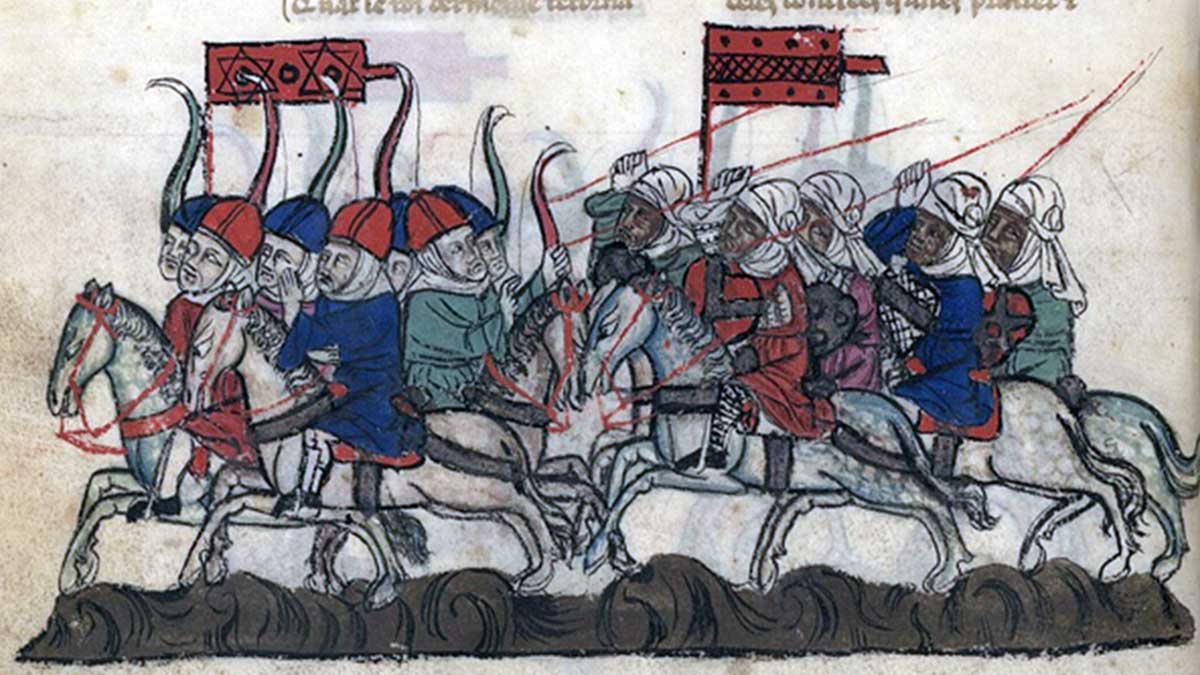
Ain Jalut was not the first loss suffered by the Mongols, but it was one of the earliest major halts to their expansion that they did not subsequently reverse. In many ways, Ain Jalut was more of a psychological blow than a major strategic loss compared to other battles like Baybars’ great victory at Elbistan in 1277. However, Ain Jalut’s ramifications were still hugely significant.
Had the Mamluks lost, or their victory not been total enough, the Mongol impetus may have continued. Though Hülegü’s withdrawal had reduced Mongol momentum and numbers, there was nothing left between Kitbuqa and conquering Egypt should he have won at Ain Jalut. Or if Kitbuqa had survived, he might well have been able to lead a successful counterattack either on the day or sometime later.
The death of Möngke and subsequent civil wars were ultimately the main drivers for the Mongol Empire’s eventual fracture and decline. However, Ain Jalut halted further regional conquests or military momentum. Without delving too much into alternative history, victory at Ain Jalut would have boosted Hülegü and the empire’s drive at its most precarious point. Hülegü’s conflict with Berke, for example, may have gone very differently with Hülegü’s forces and the riches of Syria and Egypt on his side.
As it is, while Ain Jalut did not end Mongol rule or attempts at further conquest, it disrupted their momentum and dimmed their aura of invincibility just enough to tip the balance against them. Qutuz’s depiction of the battle as the final fight in a religious war may have been partially hyperbolic, but his all-or-nothing drive proved unerringly prescient on both sides.