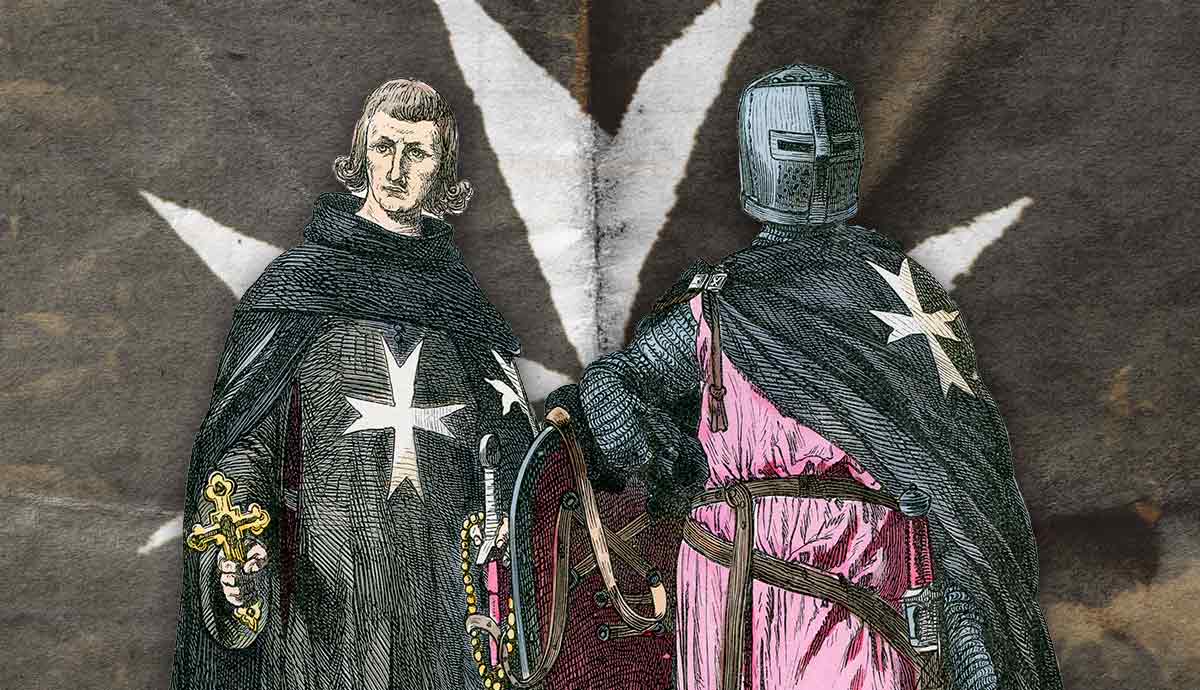

In May 1565, the horizon off Malta darkened with the sails of an enormous Ottoman armada. Thousands of soldiers had come to crush the Knights Hospitaller and seize one of the Mediterranean’s most strategically important islands. Standing against them was Jean de Valette, the 70-year-old Grand Master of the Order of St John. But de Valette did not stand alone. Alongside his Knights were soldiers, sailors, and thousands of Maltese defenders. Their survival would depend on sacrifice, endurance, and their refusal to surrender.
The Imbalance of Power in the Mediterranean
By the time the Ottoman fleet appeared off Malta on May 18, 1565, Jean de Valette had spent much of his life fighting.
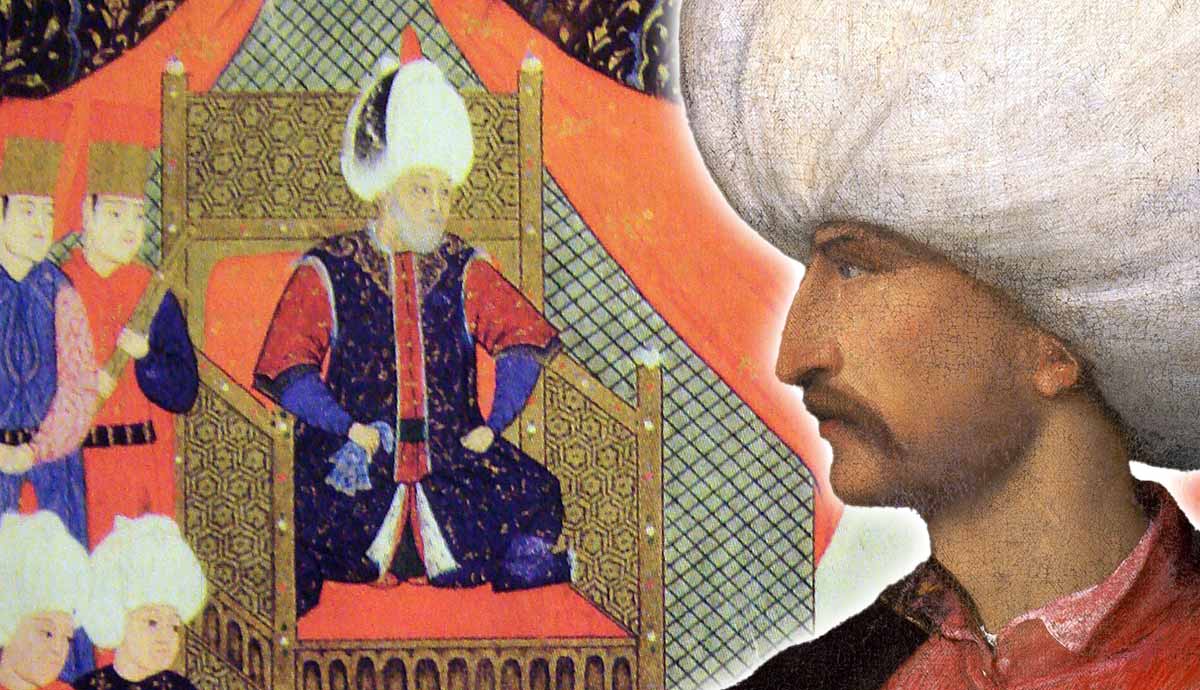
Born around 1494 in southern France, he joined the Knights Hospitaller while still a young man and experienced the Order’s long struggle against Ottoman power firsthand. He fought during the Siege of Rhodes in 1522, when Suleiman the Magnificent forced the Knights from their island stronghold. He was later captured by Ottoman corsairs and spent time as a galley slave before eventually returning to the Order.
De Valette therefore understood the enemy approaching Malta better than most European commanders.
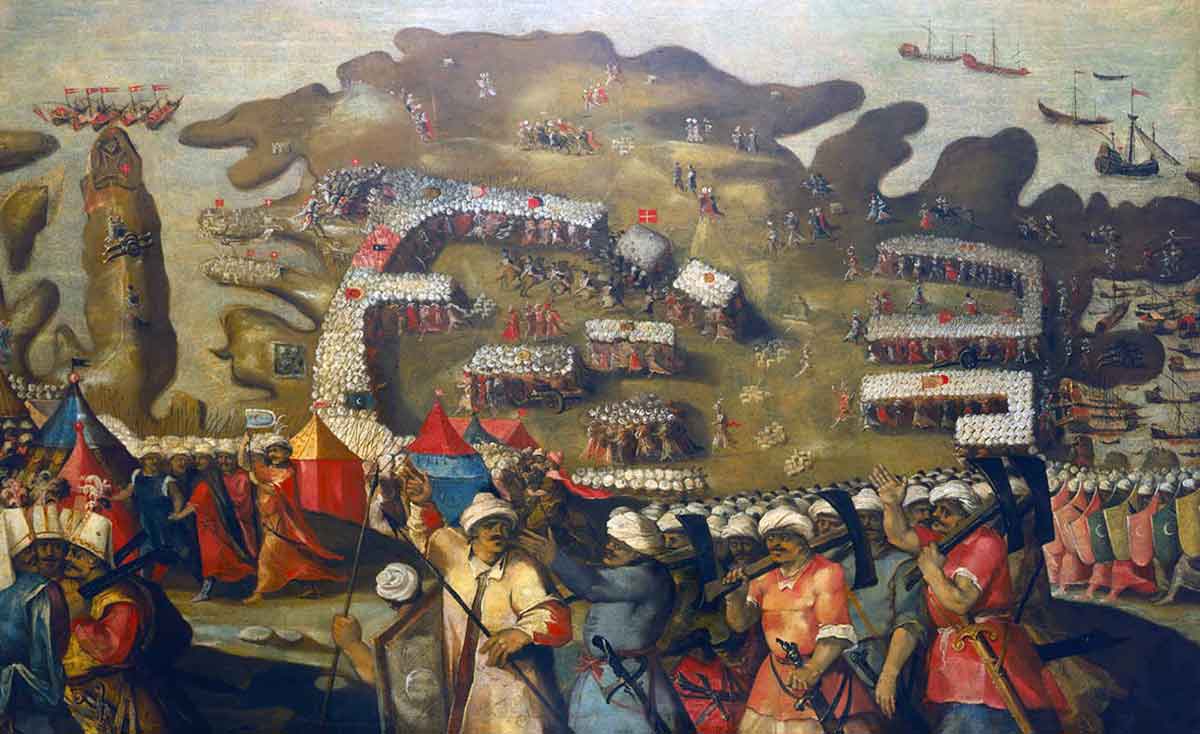
The odds were daunting. Contemporary manpower estimates differ, but the defenders probably numbered only several thousand men against an Ottoman army several times their size. The Knights themselves accounted for only a fraction of the island’s fighting strength. Several hundred Hospitallers fought alongside European professional soldiers and thousands of Maltese militiamen.
The Great Siege was never simply a battle between the Knights and the Ottomans. Malta’s inhabitants were essential to the island’s defense.
The Ottoman objective extended beyond destroying the Order. Malta occupied a strategic position between Sicily and North Africa. Removing the Knights would eliminate a persistent enemy of Ottoman shipping while strengthening Ottoman influence in the central Mediterranean.
De Valette prepared accordingly. Supplies were gathered, fortifications strengthened, and the defenders concentrated around the Grand Harbor. Birgu and Senglea became the heart of the defense, protected by Fort St Angelo and Fort St Michael.
Yet across the water stood a smaller fort whose fate would shape the entire siege.
Why Fort Saint Elmo Became a Strategic Sacrifice
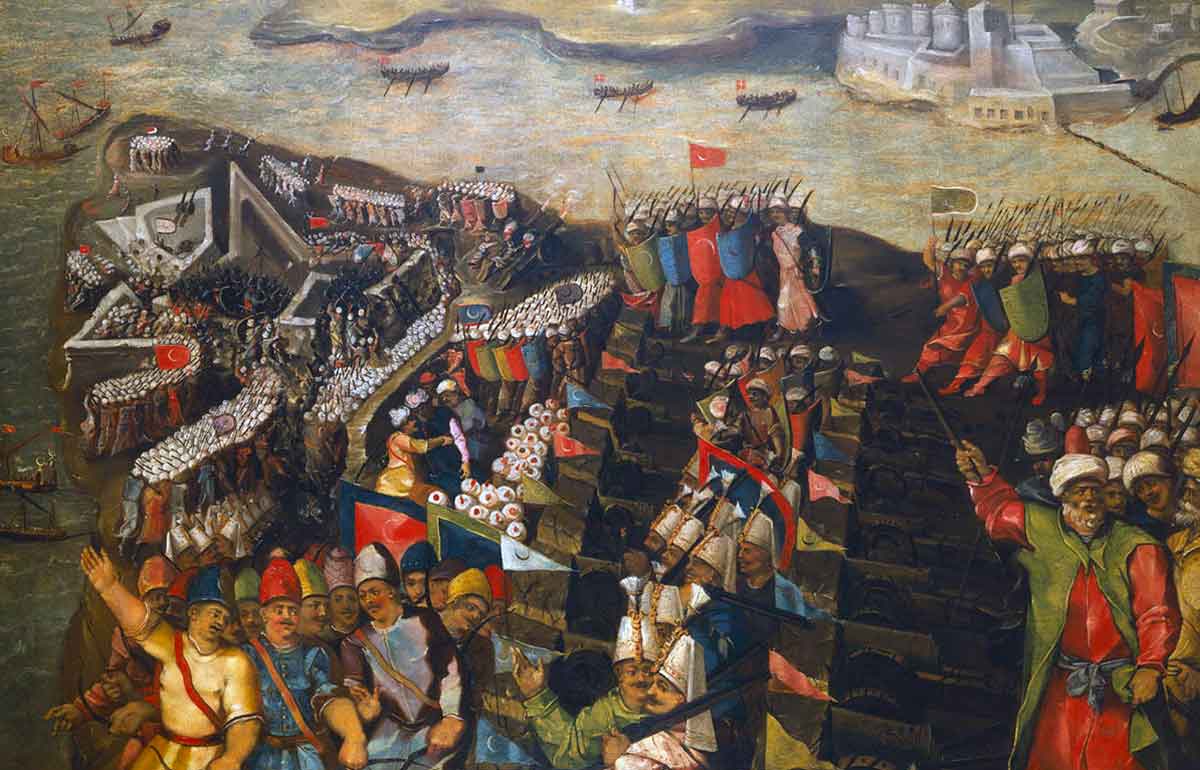
Fort Saint Elmo stood at the tip of the Sciberras Peninsula, between the Grand Harbor and Marsamxett Harbor. Whoever controlled it could influence access to both harbors.
For the Ottoman commanders, Saint Elmo therefore seemed an obvious first target. They expected the small fort to fall quickly and use it as a springboard for further operations.
Instead, it resisted for about a month.
Ottoman cannon relentlessly pounded Saint Elmo, smashing its walls and turning its defenses into rubble. Assault followed assault. At night, men and supplies crossed the harbor from the main Christian positions to reinforce the exhausted garrison.
De Valette faced a terrible calculation. Every soldier sent into Saint Elmo was desperately needed elsewhere. As the fort deteriorated, its defenders understood that remaining there increasingly meant death.
Yet abandoning it would allow the Ottoman army to turn its full strength against Birgu and Senglea.
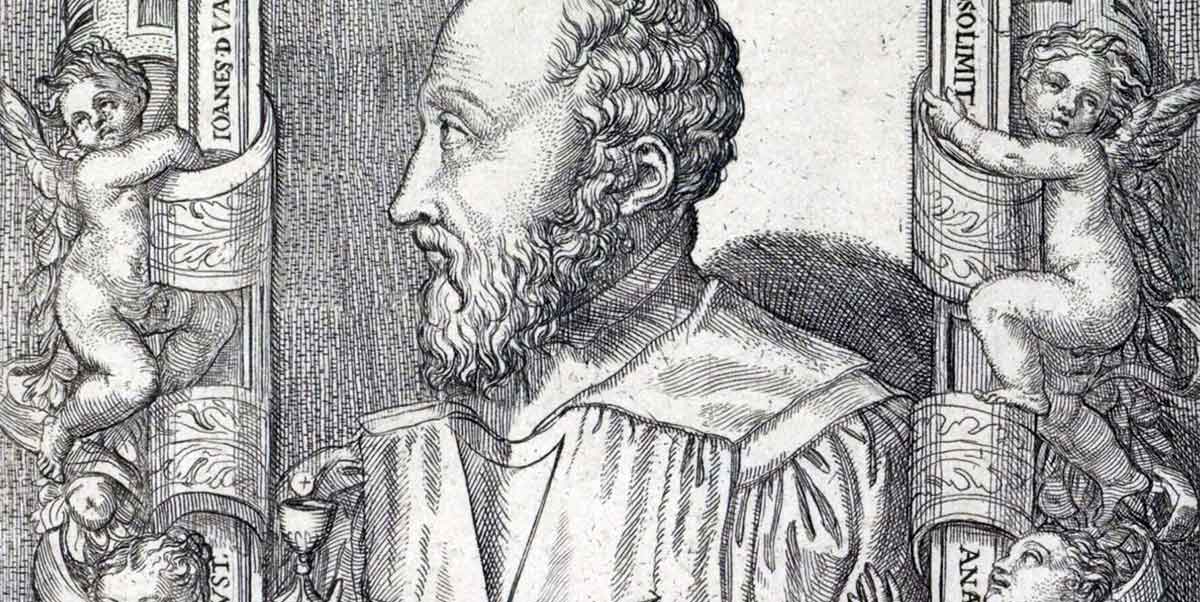
De Valette kept Saint Elmo fighting.
Its defenders included knights, professional soldiers, Maltese fighters, and others drawn into an increasingly savage struggle. The Ottoman army suffered heavily for every section of ruined fortification it captured.
On June 23, Saint Elmo finally fell. Most of its remaining defenders were killed.
The fall was a tactical Ottoman victory, but the month-long struggle had badly disrupted their timetable. Instead of collapsing within days, the fort had consumed weeks of campaigning and inflicted severe casualties.
Most importantly, Saint Elmo had bought de Valette time.
Across the Grand Harbor, the defenders of Birgu and Senglea had used those precious weeks to prepare for the assault they knew was coming.
The siege was only beginning.
Holding the Line at Birgu and Senglea
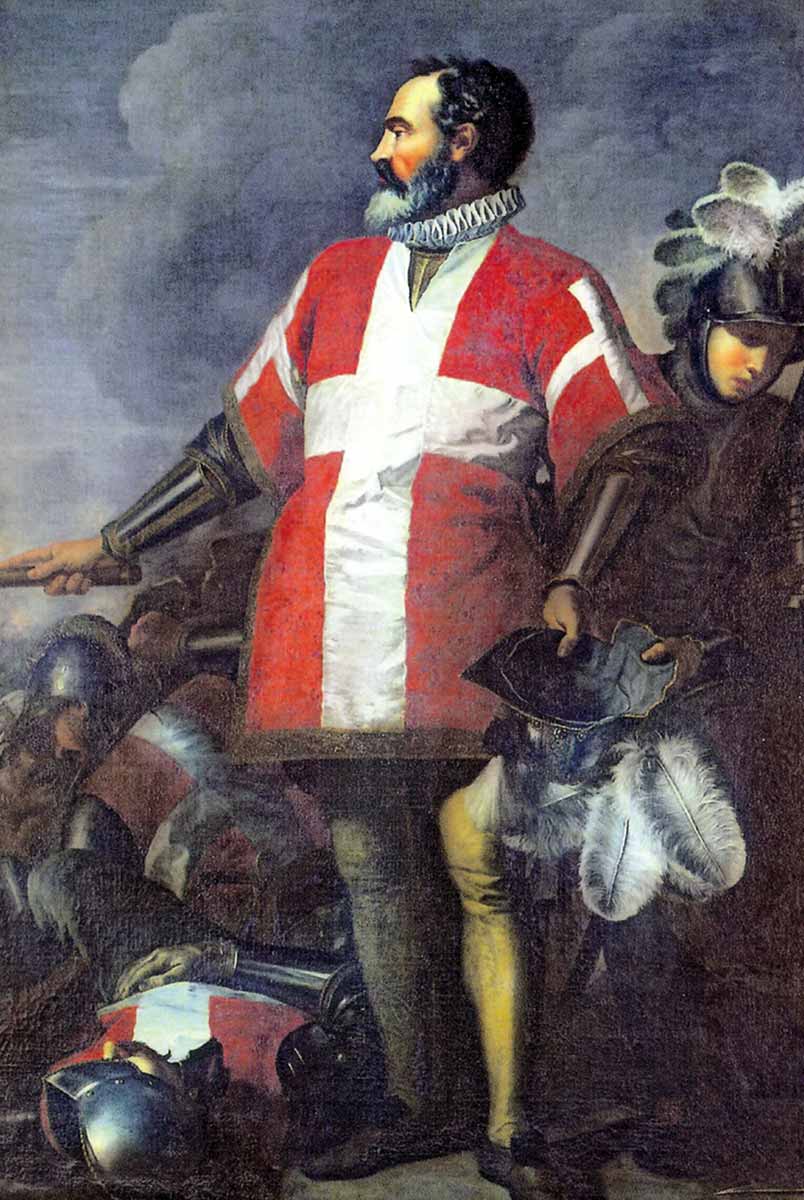
With Saint Elmo destroyed, the struggle became even more desperate as Ottoman attention shifted toward the main defensive positions.
Birgu and Senglea formed densely defended peninsulas jutting into the Grand Harbor. Behind their fortifications were crowded soldiers, civilians, wounded men, and families whose survival depended upon holding the walls.
The Ottomans repeatedly bombarded and assaulted the defenses during July and August. Fighting sometimes descended into brutal hand-to-hand combat at damaged walls and breaches.
De Valette did not command from a distant headquarters. Despite his age, the Grand Master remained close to the fighting. During one Ottoman assault in August, attackers penetrated part of Birgu’s defenses. De Valette reportedly rushed toward the threatened position and joined his men rather than withdrawing to safety.
The defenders had endured weeks of artillery fire, casualties, hunger, exhaustion, and the knowledge that defeat could mean death or enslavement. De Valette’s willingness to expose himself to the same danger helped make him more than an administrator issuing commands. He became the living symbol of the island’s resistance.
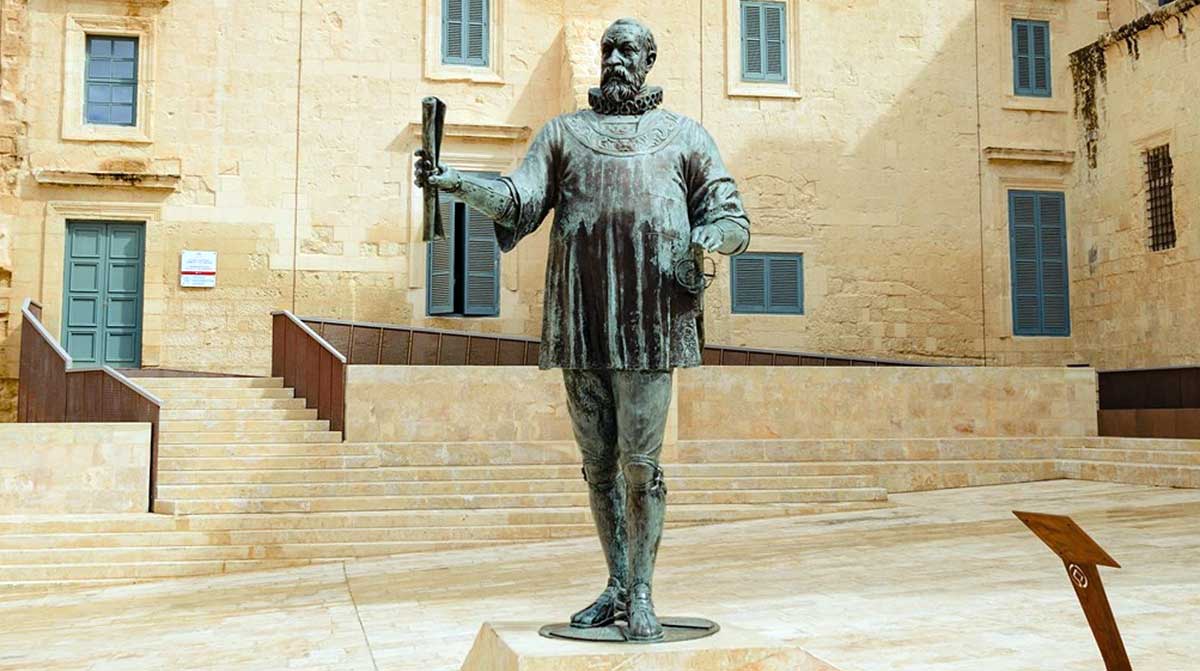
Yet focusing exclusively on de Valette risks overlooking the people who made his resistance possible. Maltese soldiers fought alongside the Knights throughout the siege. Local knowledge also proved invaluable, while civilians helped with the immense task of maintaining a fortified community under near-constant attack. The wounded required treatment, damaged defenses needed repair, and ammunition and supplies had to reach the walls, and fires and destruction had to be dealt with.
Even the Città Vecchia of Malta, Mdina, contributed to the resistance. Its cavalry harassed Ottoman forces and threatened their communications, forcing the besiegers to remain alert beyond the main battlefield.
The defenders also improvised. When Ottoman forces attempted to overcome the fortifications through siege engines, mining, amphibious attacks, and repeated mass assaults, the garrison answered with countermines, artillery, incendiary weapons, and close-quarter fighting.
The result was attrition on a terrible scale. Each Ottoman attack might destroy another piece of the defenses, but each failed to deliver the decisive breakthrough. The defenders were being reduced, but so were their attackers.
As summer drew toward its end, the time that Valette had purchased at Saint Elmo was becoming Malta’s greatest weapon.
How a Relentless Stand Forced an Imperial Retreat
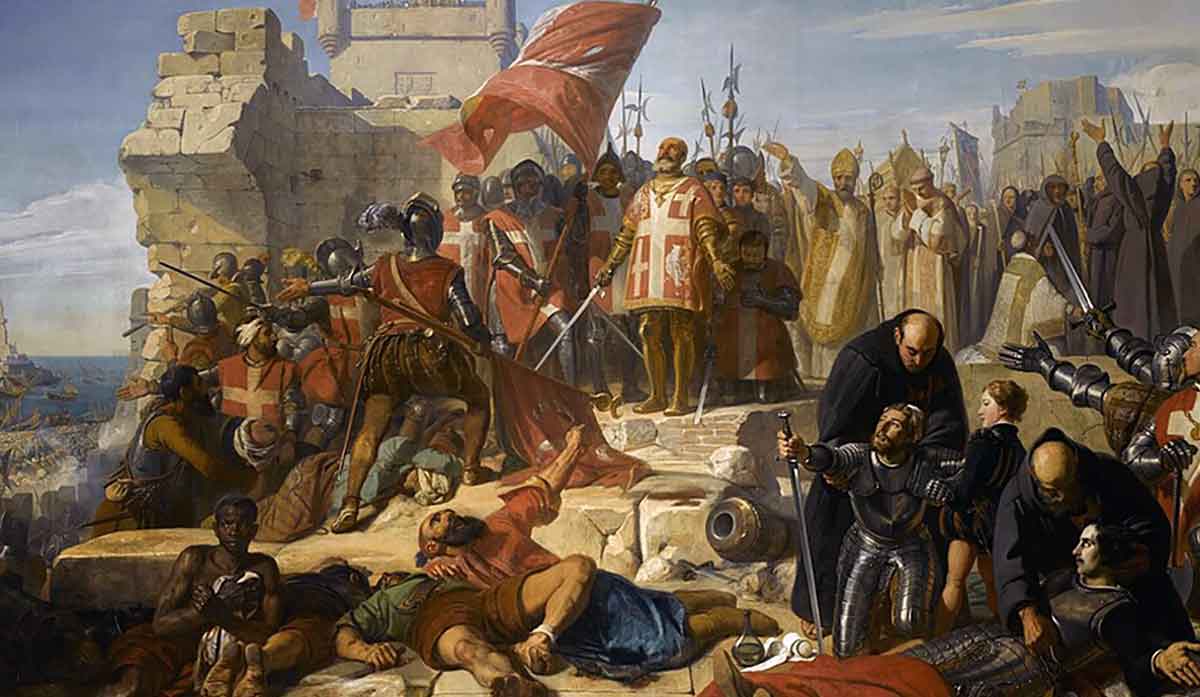
By late August, the siege had become a contest of endurance. The Ottoman army had spent months campaigning through the Maltese summer. Disease spread through the camp, casualties mounted, and the determination that had accompanied the fleet in May was being steadily eroded.
The defenders were also approaching their limits. Their fortifications were shattered, many of their comrades were dead or wounded, and there was no guarantee that the relief they had been awaiting from Sicily would arrive in time.
De Valette nevertheless refused to concede. That refusal became divisive when the promised relief force finally landed in Malta in September. The new troops were not an enormous army, but after months of attrition their arrival had an effect far greater than the numbers suggested.
For the exhausted defenders, they represented salvation. For the Ottoman commanders, they threatened to transform an already costly siege into an even more dangerous campaign. The Ottoman army began withdrawing. On September 8, the siege effectively ended. Malta had survived.
Christian Europe immediately celebrated the victory. For the Knights of St John, it transformed what could have been the destruction of their Order into their most famous military triumph. The Ottoman Empire’s expansion, led by Suleiman the Magnificent, was halted.
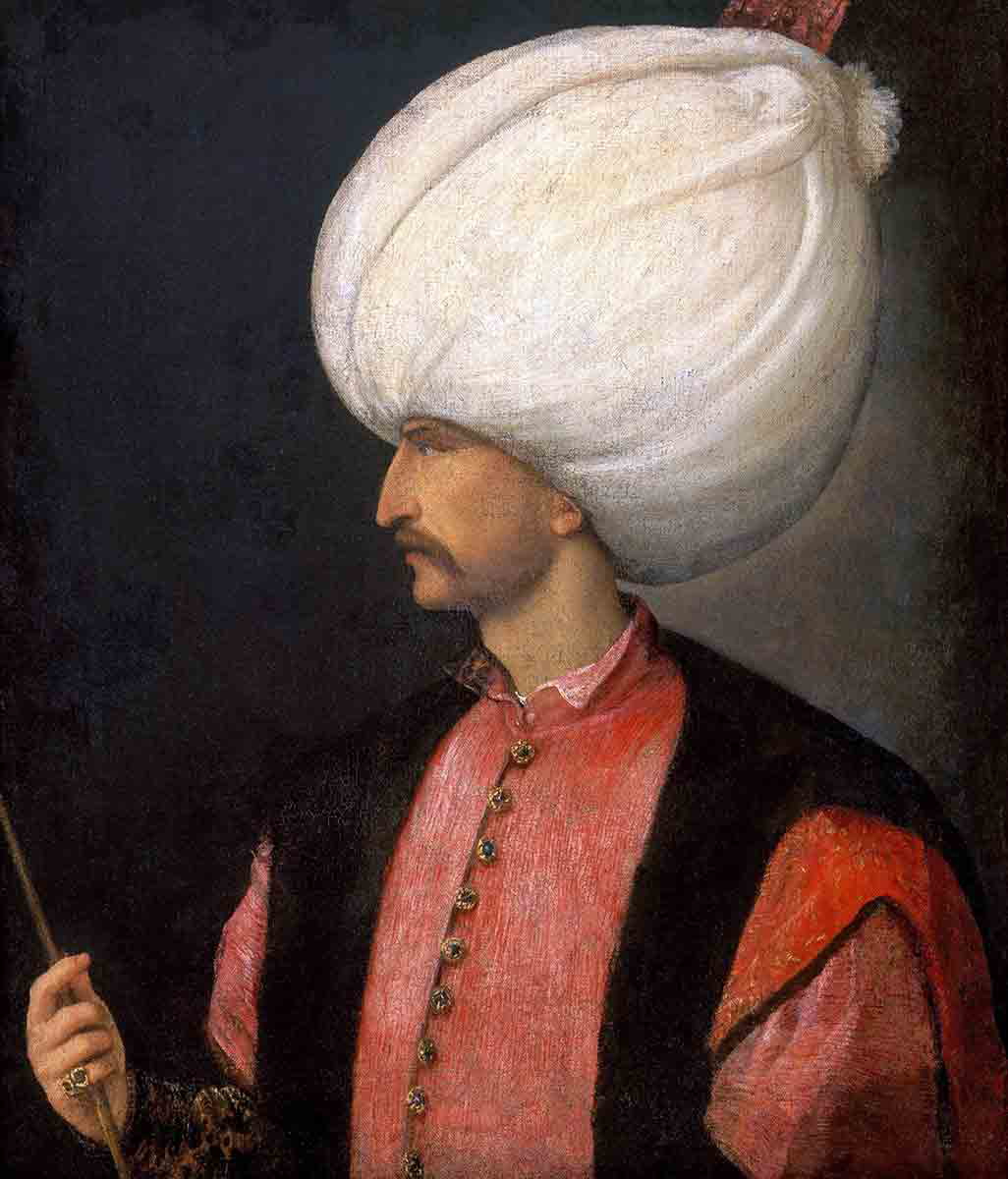
For Malta, the consequences were equally profound. De Valette emerged as the defending figure of the victory, but his achievement had depended upon a coalition of knights, professional soldiers, Maltese militia, sailors, laborers, and civilians.
The Great Siege demonstrated that fortifications alone could not save an island. Their effectiveness depended upon people willing to defend them after walls had collapsed and hope appeared increasingly irrational.
The siege also reshaped Malta itself. In 1566, construction began on a new fortified city on the Sciberras Peninsula—the same ground the Ottomans had occupied during the siege. It was named Valletta in honor of the Grand Master.
Jean de Valette died in 1568, only three years after the victory and before his new city was completed. Yet his reputation had already been secured. His achievement was not that he devised a single brilliant maneuver that destroyed the Ottoman army. His success came from something less dramatic but perhaps more difficult: keeping an exhausted garrison fighting long enough for the enemy’s advantages to disappear.
At St Elmo, he sacrificed time and men to delay the Ottoman advance. At Birgu and Senglea, he shared the dangers faced by his soldiers. And throughout the siege, he maintained a resistance that depended as much upon the determination of Malta’s inhabitants as upon the military traditions of the Knights of St John.
The Great Siege therefore belongs neither to de Valette alone nor exclusively to the Knights. It was the stand of an entire garrison, and Jean de Valette was the man who refused to allow it to break.