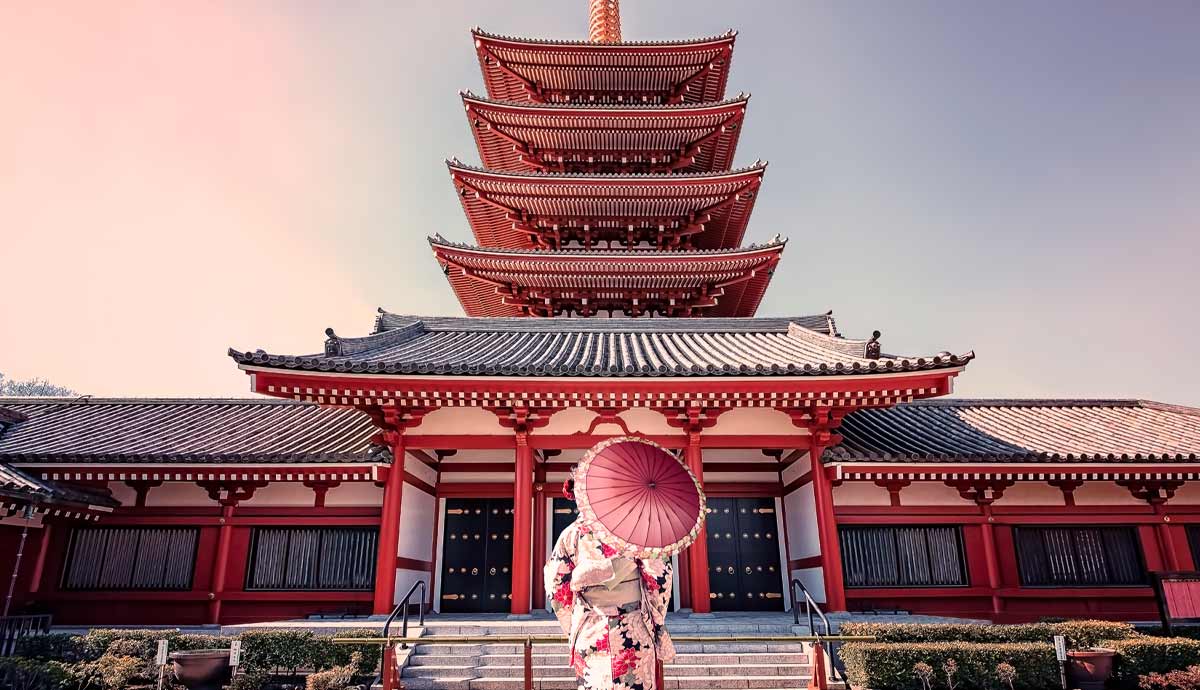

For more than two centuries, Japan remained largely isolated from the outside world under its national seclusion policy known as sakoku (1639–1853). This era came to an abrupt end in 1854, when Western pressure forced the country to open its ports and accept unequal trade treaties, setting the stage for the transformative Meiji Restoration. As Japan transitioned from feudal society to a modern nation-state, sweeping reforms reshaped society and altered the fate of its Buddhist heritage.
The Separation of Shintō and Buddhism in 1868
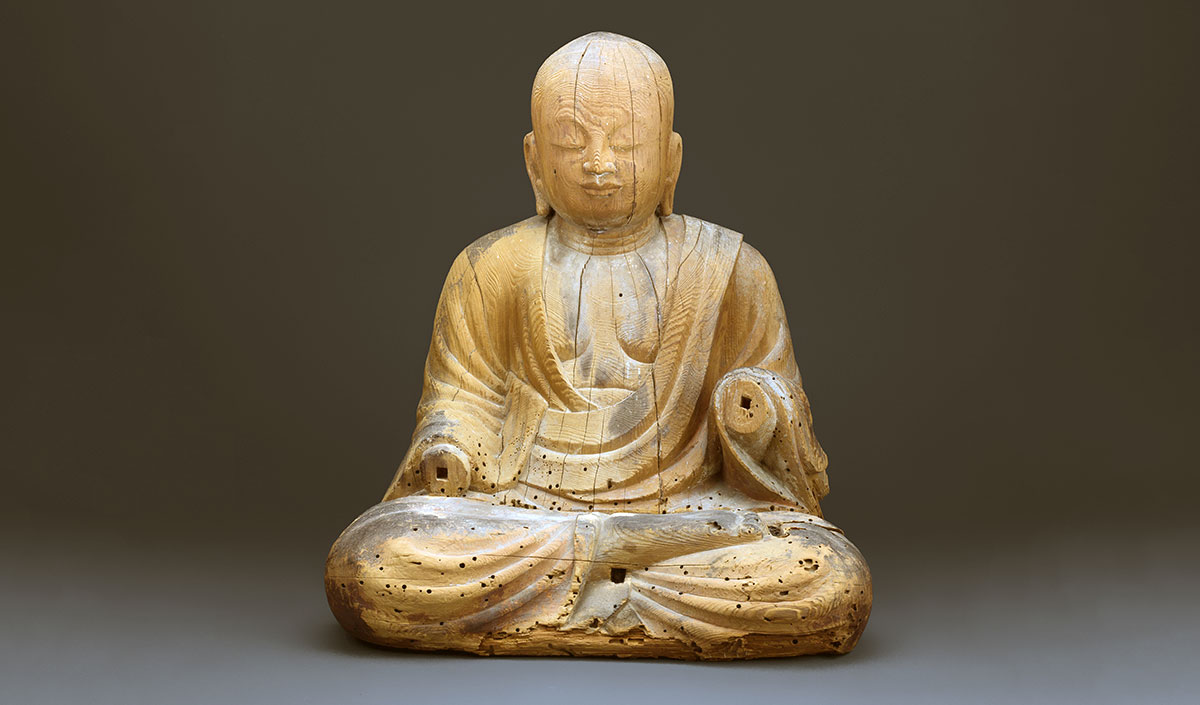
In 1868, the new Meiji government set out to redefine the nation’s political and cultural identity. At the heart of this transformation was the 1868 Edict on the Separation of Shintō and Buddhism (Shinbutsu Bunrei), which dismantled a syncretic religion that had shaped Japanese spiritual life for more than a millennium. By establishing Shintō as the ideological and ritual foundation of the modern state, the new regime fundamentally altered the place of Buddhism in Japan.
Shintō, Japan’s native belief system, centers on the worship of kami—deities or spirits associated with nature, ancestors, and sacred places. After Buddhism reached the archipelago via China and Korea in the sixth century, the two faiths gradually fused into a uniquely Japanese religious tradition. Shrines and temples often shared the same sites, while Buddhist priests performed rituals connected with Shintō beliefs. Under the doctrine of honji suijaku, many kami came to be understood as manifestations of Buddhist deities, giving rise to shared iconographic forms.
This centuries-old coexistence came under attack with the Meiji Restoration. Determined to forge a powerful and modern nation-state, the new government elevated Shintō as the embodiment of Japanese identity. Meanwhile, Buddhism became associated with the old political order and was increasingly portrayed as an imported foreign religion.
The Anti-Buddhist Movement in Meiji Japan
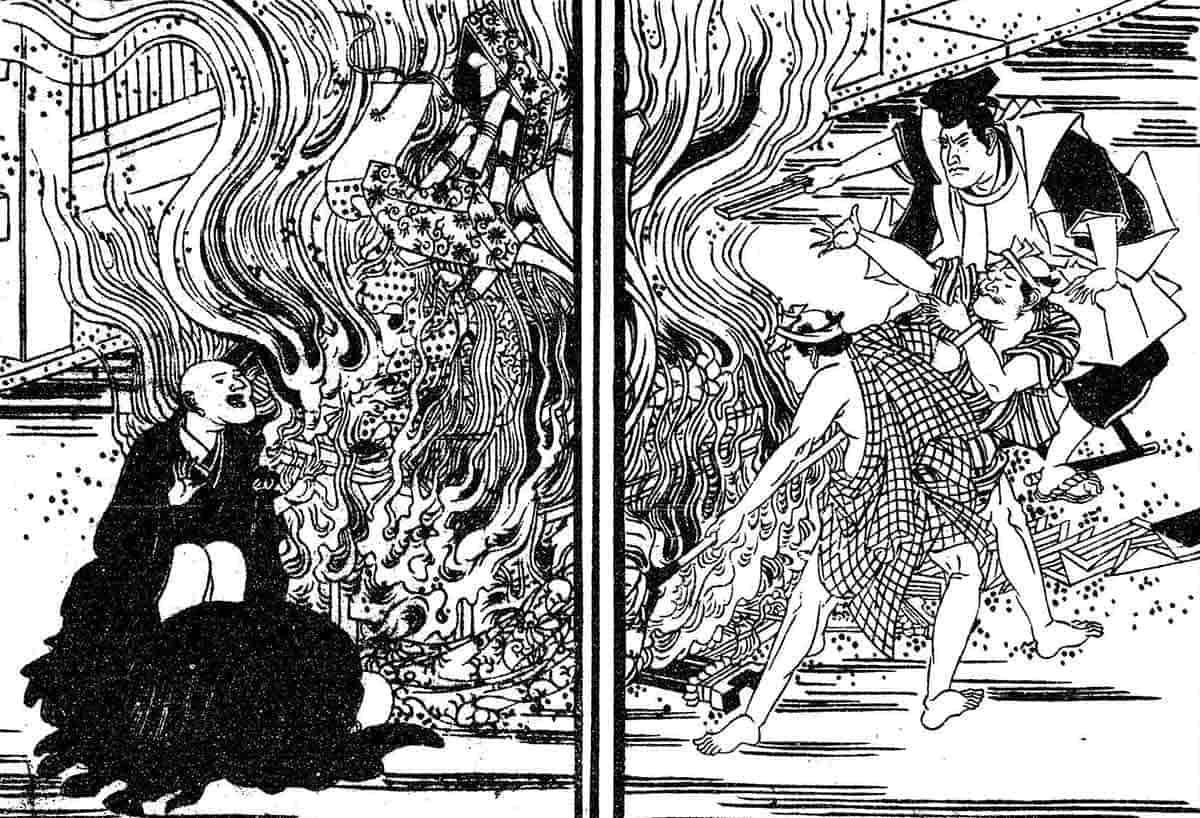
In theory, the new regulations provided for the administrative separation of Buddhism and Shintō rather than the destruction of either faith. In practice, some priests and local authorities interpreted them as a call for the complete eradication of Buddhism and consequently launched an extreme anti-Buddhist campaign, known in Japanese as haibutsu kishaku (“abolish Buddhism, destroy Śākyamuni”). The result was a period of religious turmoil.
The consequences were profound, but their intensity varied enormously from region to region. Across Japan, temples and shrines were abandoned and fell into disrepair. Waves of anti-Buddhist violence swept the country; in extreme cases, religious sites went up in flames, monks were defrocked, and sacred images, scriptures, and ritual objects were destroyed or dispersed. In some areas, bronze statues were melted down and treated as scrap metal, while elsewhere, stone Buddhas were smashed and repurposed as construction materials for new schools.
The Dispersal of Sacred Treasures Around the World
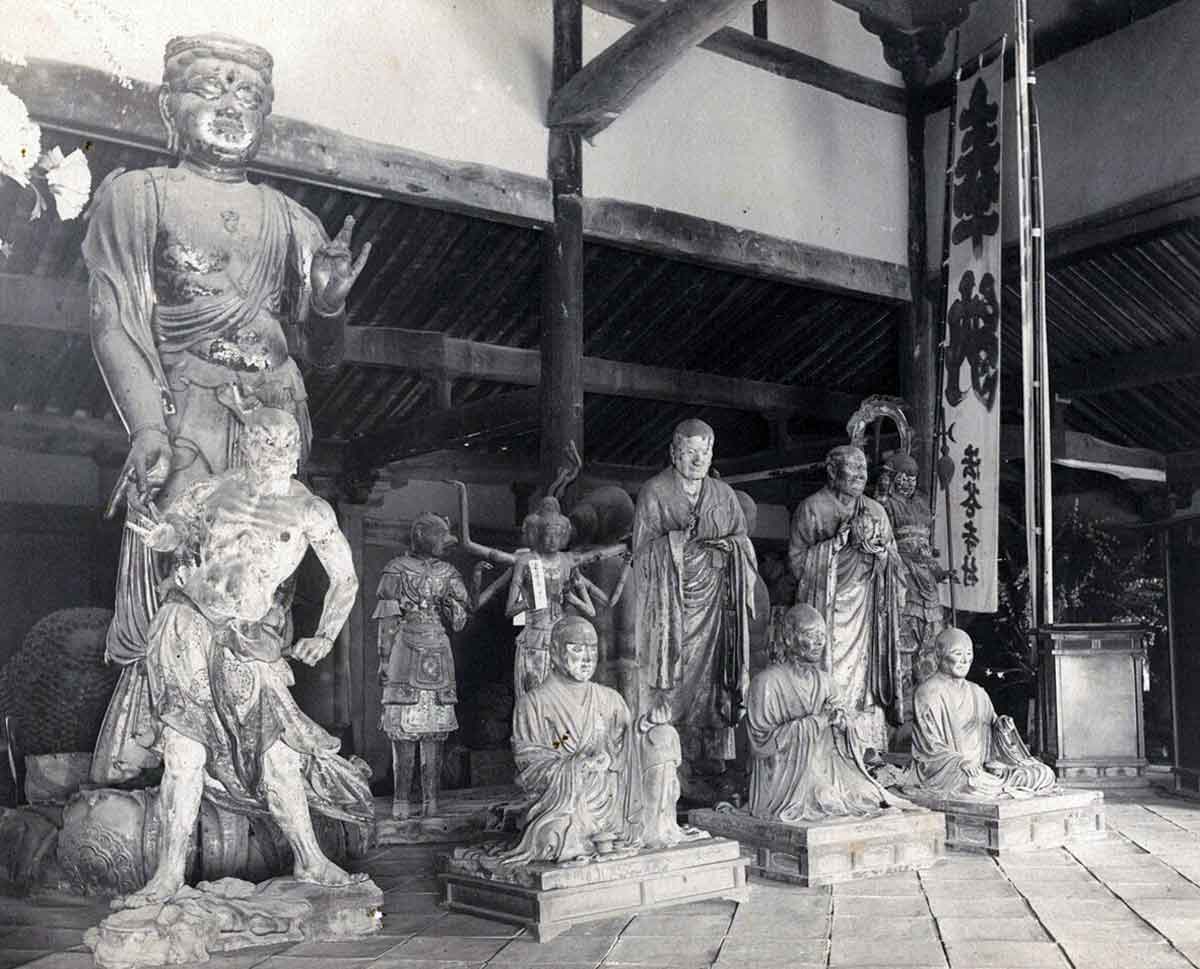
Since Buddhism had lost official patronage, temples facing financial hardship were forced to sell their possessions. The great Kōfuku-ji temple in Nara, once one of Japan’s most powerful Buddhist institutions, was disestablished; its lands were confiscated, buildings demolished, and sacred objects left neglected and broken.
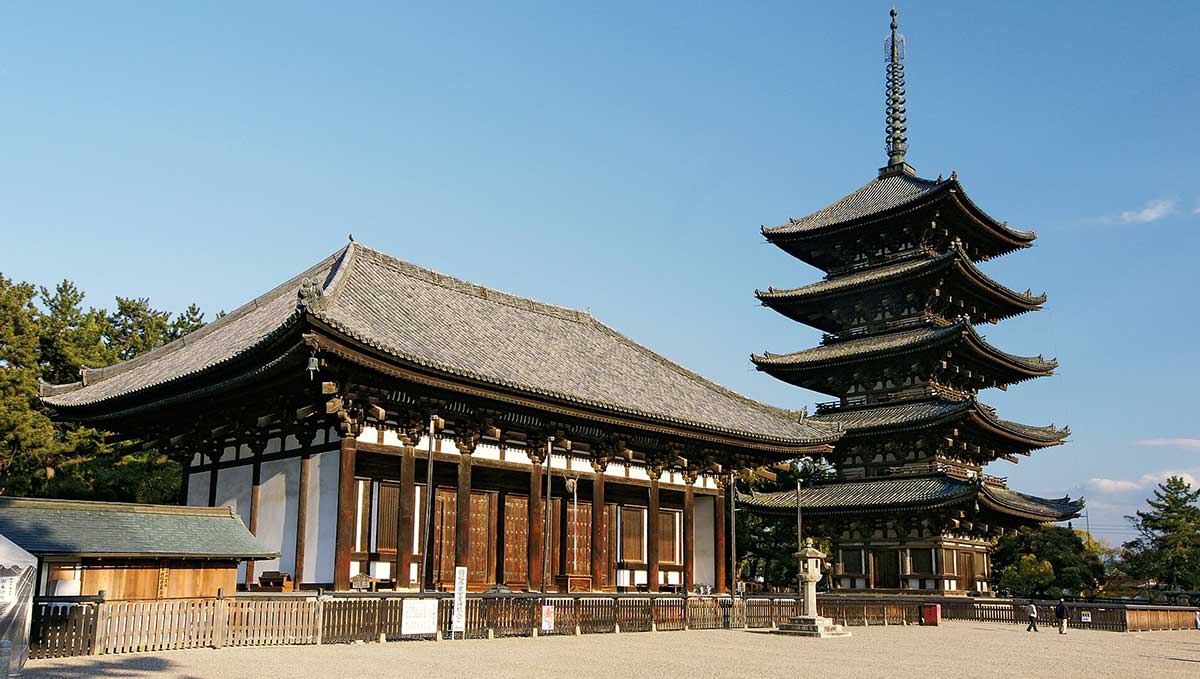
In 1870, many of Kōfuku-ji’s statues and scriptures were put up for public sale. Contemporary accounts record that its five-story pagoda was purchased for 250 yen by a dealer who planned to burn it down and retrieve its metal fittings. It survived only because of concerns about the danger that such a fire would pose to the surrounding area. A structure that is now one of Nara’s most recognizable landmarks could, for one brief moment, be treated as little more than a source of salvage.
The transformation did not end there. Thousands of Buddhist objects flooded the antiques market. Some were rescued by monks and local residents. Others found their way into the collections of museums in Tokyo, Kyoto, and Nara. Many more, however, passed into the hands of Western art dealers and private collectors, who arrived in Japan at precisely the moment when centuries-old religious artifacts were becoming available on an unprecedented scale, and often at prices far below their true value.
This created a striking disparity in perception. A Buddhist statue that had lost its ritual function could be worthless to a community seeking to distance itself from the past and dismantle an unwanted temple. To a foreign collector, however, the same statue could be regarded as an exceptional work of Japanese art. As these objects circulated through Japan and eventually crossed into Europe and North America, they became part of a growing market, laying the foundations of some of the earliest Western collections of Japanese Buddhist art.
From Devotional Image to Museum Masterpiece
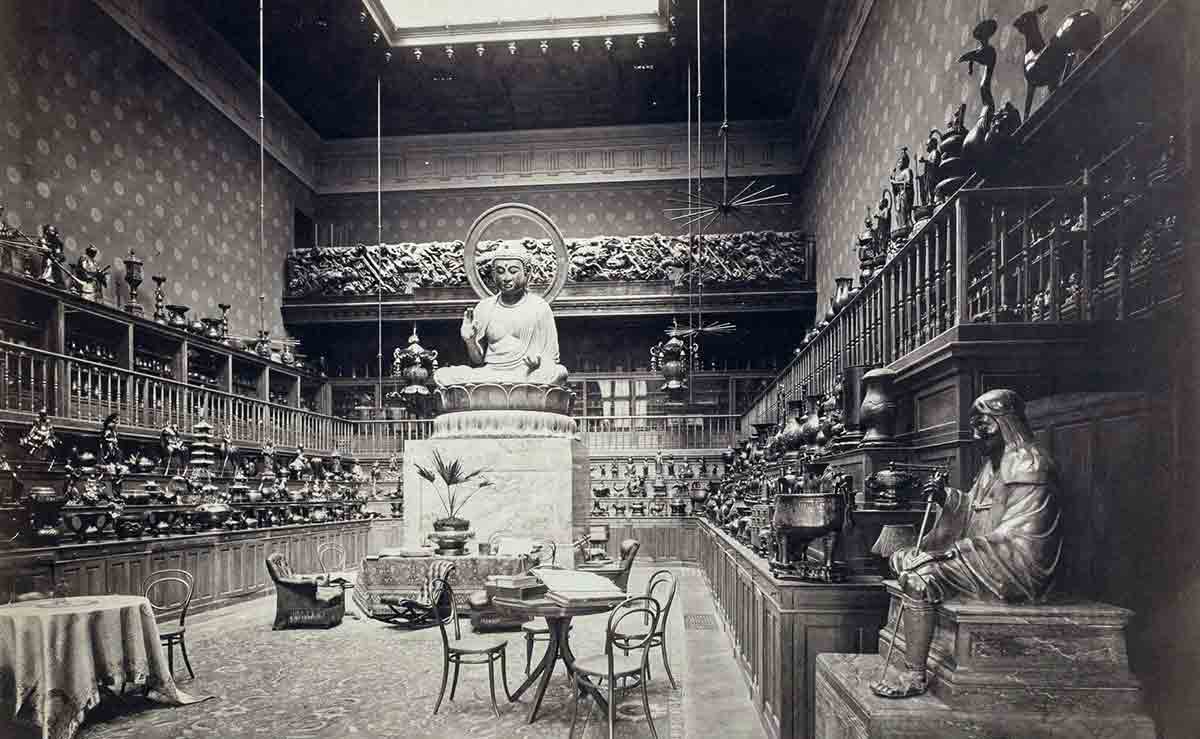
One remarkable example is the Amida Buddha housed at the Musée Cernuschi in Paris. This monumental bronze sculpture survived the fire that destroyed the Banryū-ji Temple (Meguro district, Tokyo), where it was originally enshrined and was subsequently left exposed to the natural elements.
In 1871, the French-Italian banker, politician, and collector Henri Cernuschi (1821–1896) acquired the abandoned Buddha for 500 gold ryō during his journey through Asia. The statue was disassembled and transported to Paris, where it soon became the centerpiece of the grand hall in Cernuschi’s newly built mansion. Following his death, the residence and its extraordinary collection were bequeathed to the city of Paris, forming the foundation of the Musée Cernuschi. For more than a century, the sculpture has greeted visitors in the museum’s main gallery.
This story also illustrates a profound change in how Buddhist objects were understood. Once infused with spirituality and embedded in religious practice, the Amida Buddha crossed the sea and became part of the opulent decoration in a private interior as well as the main attraction of a museum. It lost its sacred identity and was classified in the West as a piece of art.
From Destruction to Preservation
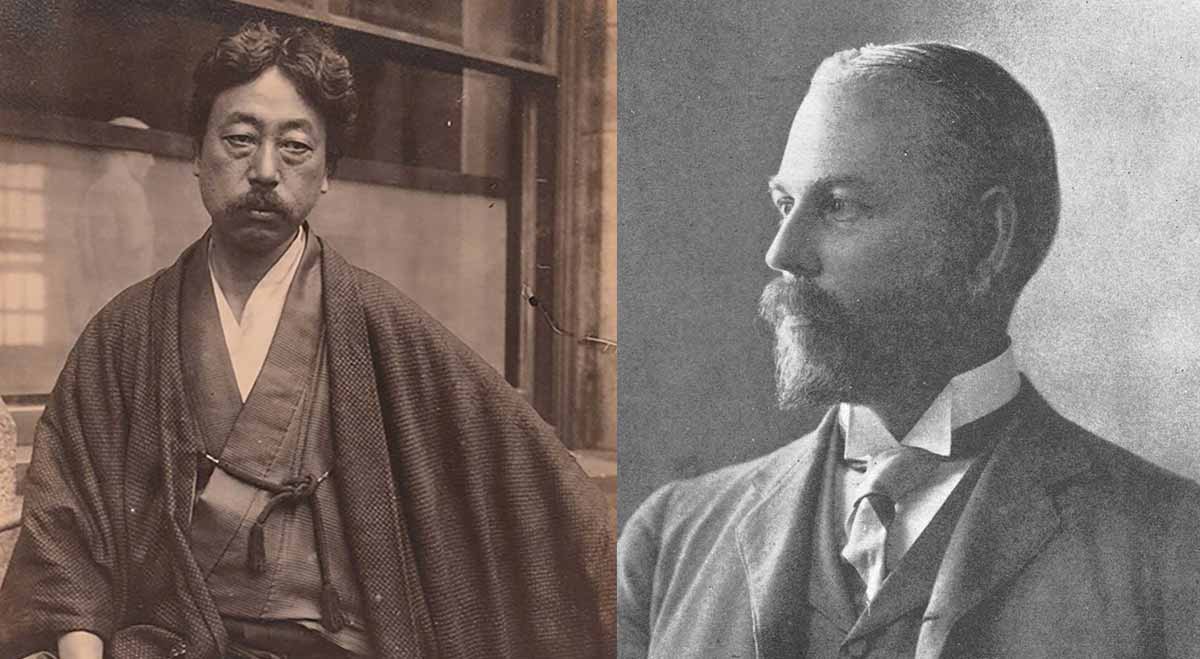
The collapse of Japan’s Buddhist heritage also prompted a growing movement to preserve what remained. Among its most influential advocates was the American art historian Ernest Fenollosa (1853–1908), who witnessed firsthand the neglect, destruction, and commercialization of temples during the second half of the 19th century. He worked alongside Okakura Kakuzō (1863–1913), a scholar and pioneering figure in modern Japanese art history, to promote the idea that Buddhist objects should be understood as works of national and artistic significance.
From a contemporary perspective, however, Fenollosa’s position appears rather complicated: as a collector, he participated in the very market created by the dispersal of Buddhist art, even as he increasingly championed these objects as cultural treasures worthy of preservation and display.
Nevertheless, Fenollosa and Okakura’s efforts contributed to a fundamental shift in Japanese attitudes toward Japan’s historic and religious legacy. The government gradually introduced measures and laws to protect important temples, sculptures, paintings, and other related objects. In this sense, the destruction of the haibutsu kishaku period helped expose the vulnerability of Japan’s cultural heritage and inspire the modern system to preserve it.
A New Era of Preservation for Japanese Sacred Art
The turning point came with the 1897 Law for the Preservation of Ancient Temples and Shrines (Koshaji Hozon Hō), which provided a legal framework for protecting historic religious sites and their treasures. The government established strict rules for restoring old temples, banned the export or alteration of designated cultural properties, and introduced official systems for identifying, registering, and safeguarding important Buddhist heritage.
The journey of Japan’s Buddhist artifacts from sacred objects to unwanted remnants of an old order, to commodities on an international market, and finally to protected cultural heritage, reveals the contradictions of the process of modernization. The Meiji Restoration transformed Japan into a modern nation-state, but at the cost of scattering pieces of its sacred heritage across the globe, a cultural loss whose consequences are still felt today.
Accordingly, some of the finest examples of Japanese Buddhist art are found not only in their native country, but in museums and collections across Europe and North America. Their presence abroad is a reminder of a turbulent moment when objects once rooted in Japan’s temples acquired entirely new lives far from home.