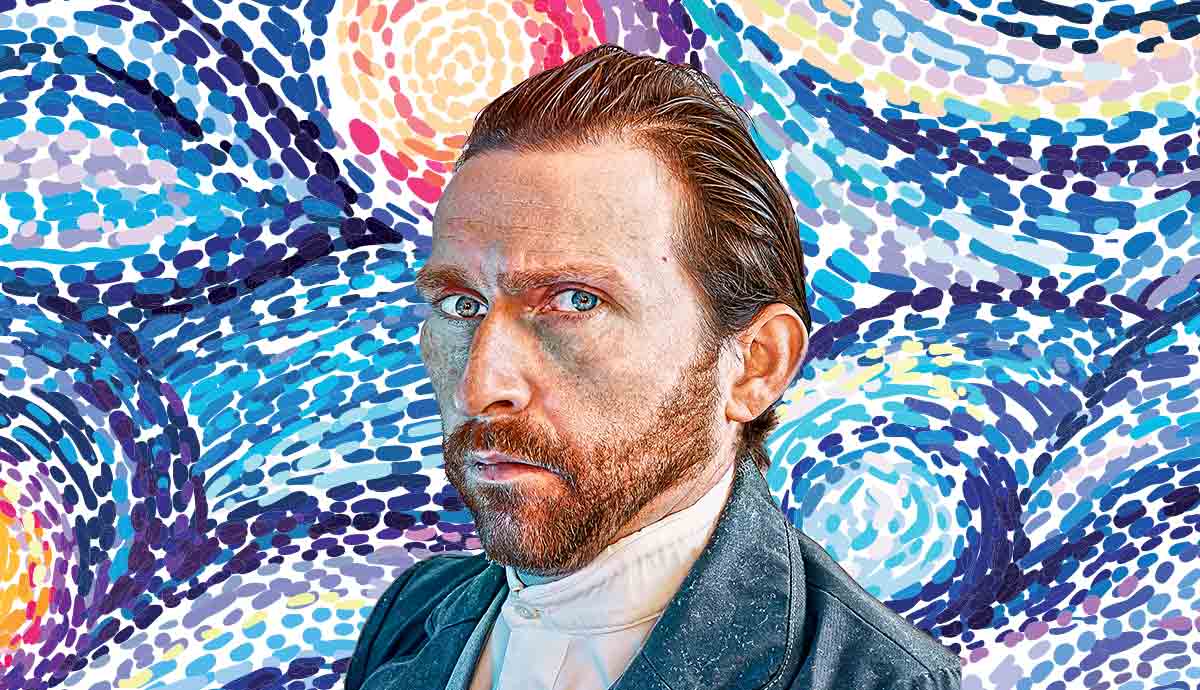
Van Gogh has one of the most distinct painting styles in European art. While it may seem like a product of his individual artistic genius, this style was not developed in isolation. The Dutch artist looked up to many artists, with four masters in particular having a huge impact on him. The influence of four artists led to pivotal developments in Van Gogh’s work. These four masters were Rembrandt van Rijn, Jean-François Millet, Eugène Delacroix, and Adolphe Monticelli, each influencing a different aspect of Van Gogh’s art.
Van Gogh’s Love of Rembrandt
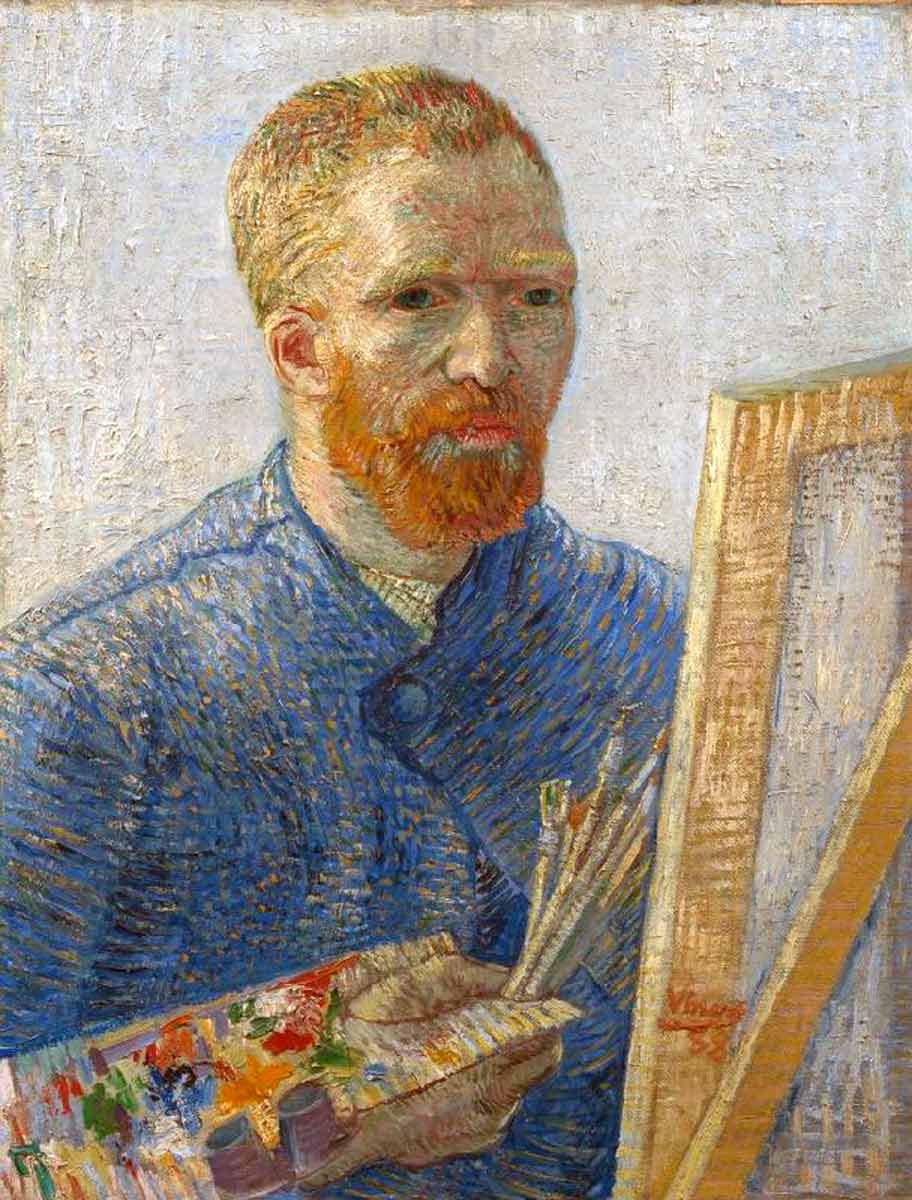
Vincent van Gogh and Rembrandt van Rijn are two of the biggest names in Dutch art history. It is then interesting to note the connection between the two, as Rembrandt was one of the earliest sources of influence on Van Gogh’s art. The Dutch Old Master was active two centuries before Van Gogh was born and was therefore already a well-established name during the 19th century. While living in the Netherlands, Van Gogh had some ideas about the developments in modern art in Paris, but had not yet been exposed to any of the new styles or techniques that his peers were working towards. As a result, his knowledge of painting was limited to the Dutch realist tradition, which in itself was heterogeneous.
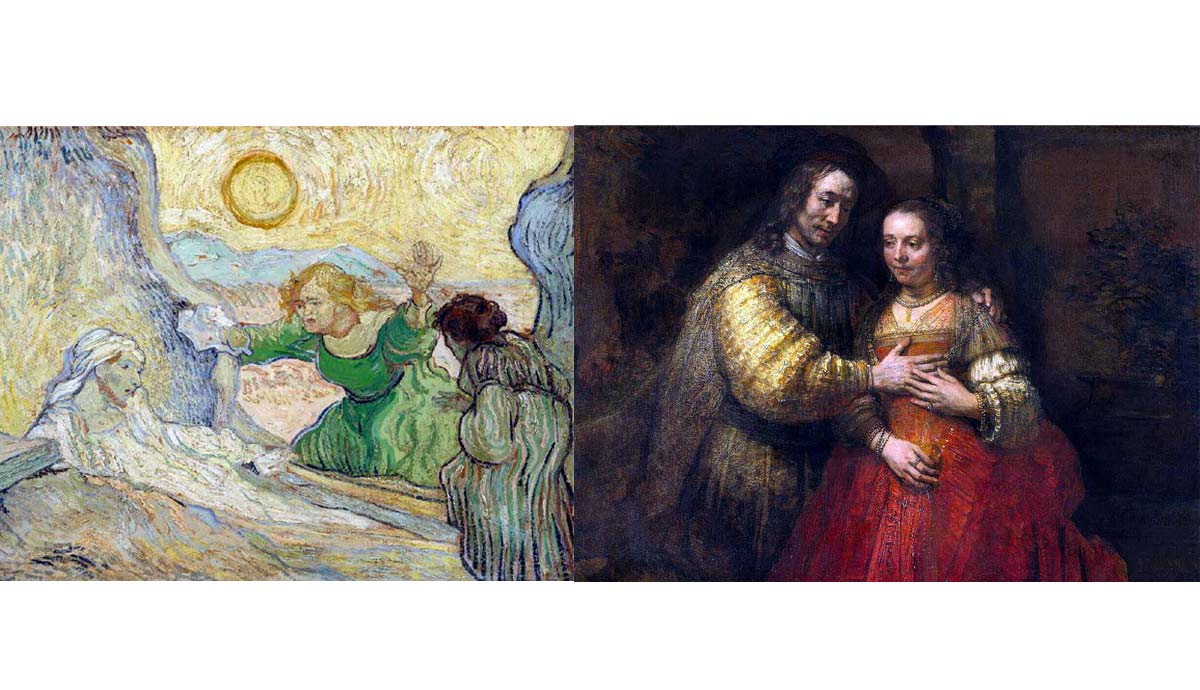
In 1885, Van Gogh visited the Rijksmuseum in Amsterdam and saw Rembrandt’s painting The Jewish Bride. This allowed him to study the manner of the Old Master closely. An important thing that he learned from this close examination was that Rembrandt, along with other artists such as Frans Hals, painted quickly without revisiting the canvas too much. He noted that the canvases had minimal retouching and were essentially an arrangement of colors placed beside each other. Their technical perfection lay in the cohesive composition this arrangement produced when viewed from a distance.
Understanding this technique was significant for Van Gogh, and it stayed with him throughout his career as an artist. He started practicing it soon after his museum visit, producing the painting Still Life with Bible in one sitting. Once Van Gogh was exposed to the wonders of Impressionism and modern art in Paris in 1886, he quickly evolved his own palette and style to keep up with his peers and meet the demands of the art market. But Rembrandt’s influence stayed with him even after this transformation from the dark realist manner to the bright modern style, as most of the works that he made during his later years, particularly between 1888 and 1890, were made in one sitting.
The artist also found a way to combine the two by painting his own rendition of old works, such as The Raising of Lazarus, after Rembrandt. Both works depict stark stylistic differences as Van Gogh completely changed the color palette to incorporate bright yellows, greens, and blues in his rendition.
Millet and the Origin of a Peasant Painter
The French artist Jean-François Millet had a notable influence on Van Gogh during his early years as an artist. Millet was a member of the Barbizon school in France and focused most of his oeuvre on paintings of peasants in rural France. A particularly famous painting of his is The Gleaners from 1857. It was Millet’s authentic depictions of peasants that inspired Van Gogh to become a peasant painter. The artist lived in his family home in Nuenen between 1884 and 1885, surrounded by nature and laborers from the countryside.
Even before this, Van Gogh had spent a lot of his early life in rural Brabant, which made him develop a deep appreciation for nature. In Nuenen, Van Gogh became serious about following in the footsteps of Millet and capturing the character of peasant life. In April 1885, he wrote in a letter, “After all, I desire nothing other than to live deep in the country and to paint peasant life.” Van Gogh made a large number of paintings and drawings featuring peasants engrossed in labor, either digging the ground, picking up potatoes, or sowing the field. In addition to this, he also made 50 portraits of peasants as studies that eventually culminated in his first major painting titled The Potato Eaters in 1885.
Millet’s influence on Van Gogh’s interpretation of peasants was always evident as both artists focused on the mundane reality of peasant life. The latter described his views on painting this subject in a letter: “For my part, I’m convinced that in the long run it produces better results to paint them in their coarseness than to introduce conventional sweetness.”
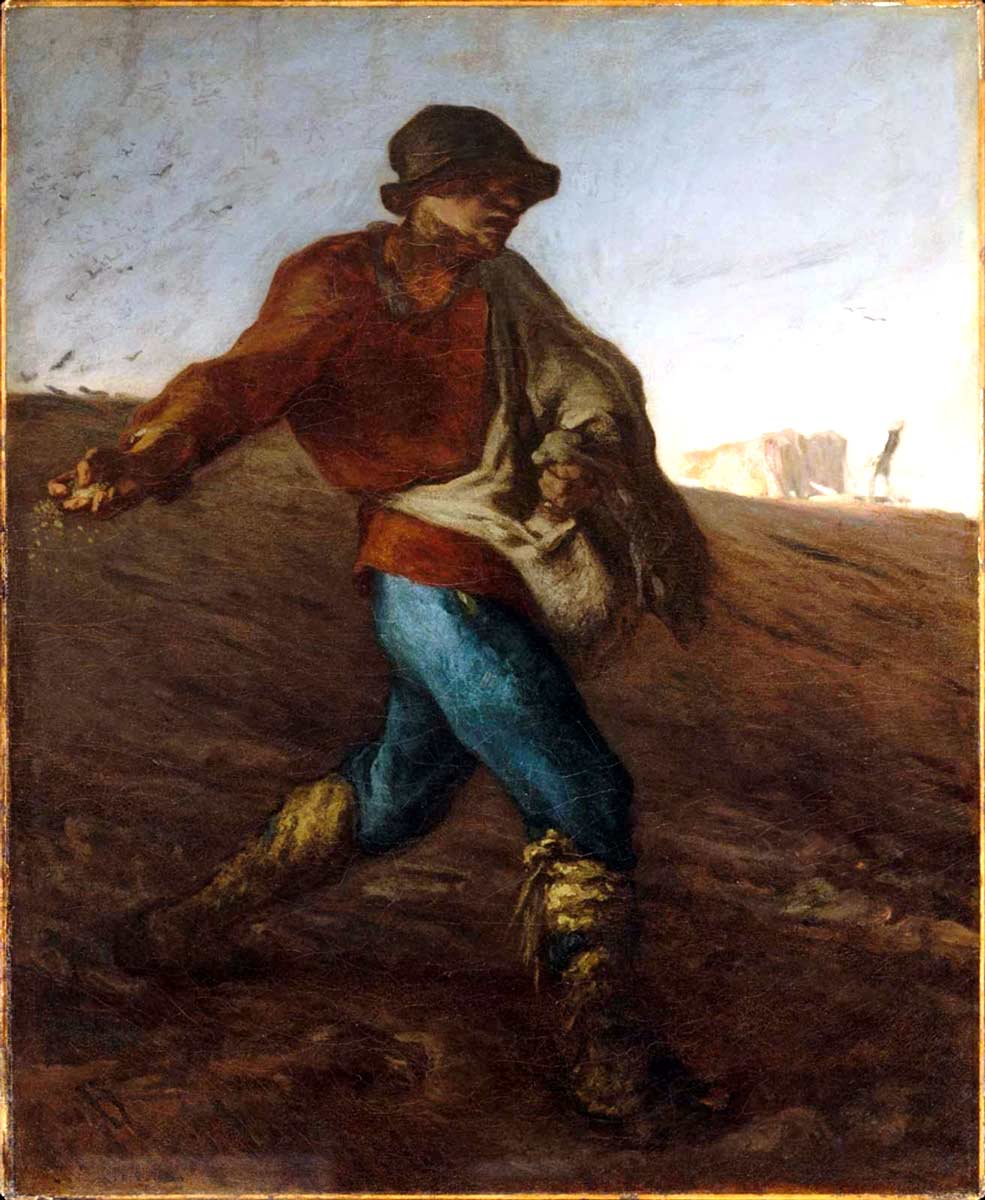
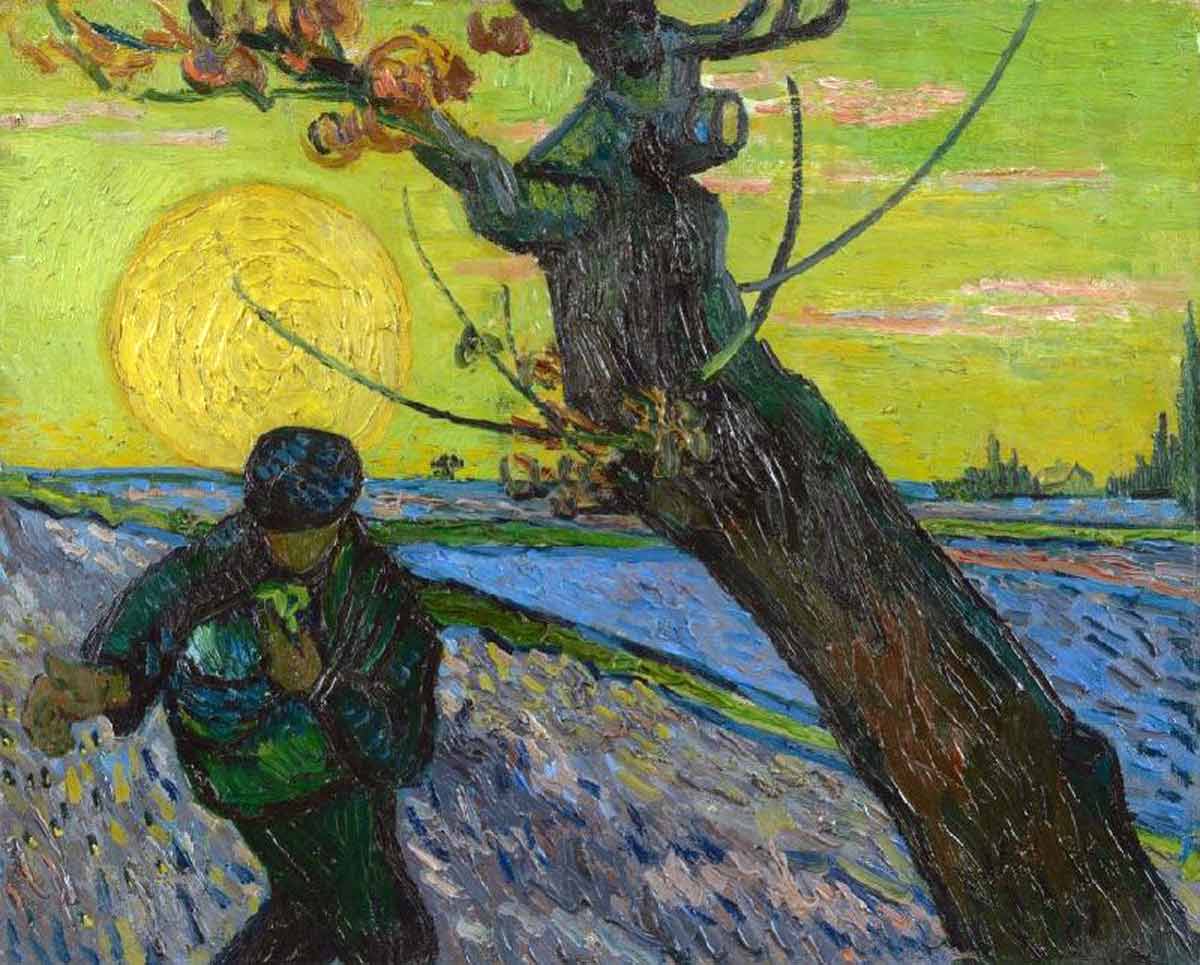
Van Gogh also created several copies after Millet’s paintings throughout his life, such as The Evening (after Millet) and The Sheepshearer (after Millet), both made in 1889. But the most notable work by Millet that inspired Van Gogh was The Sower, made in 1850. Van Gogh was fascinated by this subject and Millet’s rendition of it, and made several sketches after this work. He was keen to paint a work featuring this subject, which resulted in two paintings, The Sower and The Sower with Setting Sun, both made in 1888.
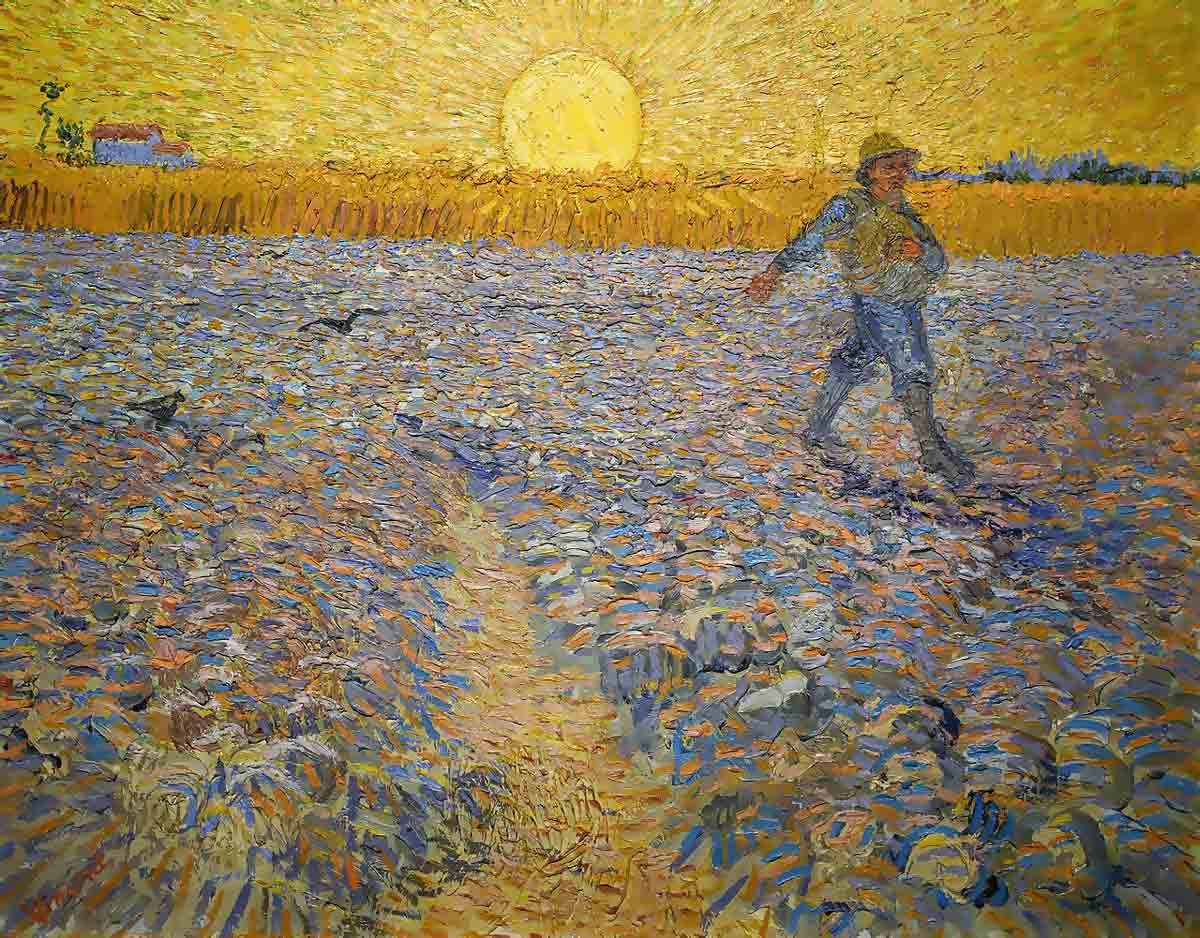
Both of Van Gogh’s paintings depict stylistic differences but center on the subject of the sower who is in the midst of his work in the field, as well as the sun that holds a prominent presence behind the peasant. Van Gogh’s rendition of The Sower is stylistically different from Millet’s as the former uses brighter colors and conspicuous brushstrokes. This was due to the artist’s two-year stay in Paris, which allowed him to learn about and experiment with color and form in order to reimagine Millet’s depiction of the sower in a modern style, while maintaining the essence of the subject as a peasant who is sowing his field with an extended arm.
The Colors of Eugène Delacroix
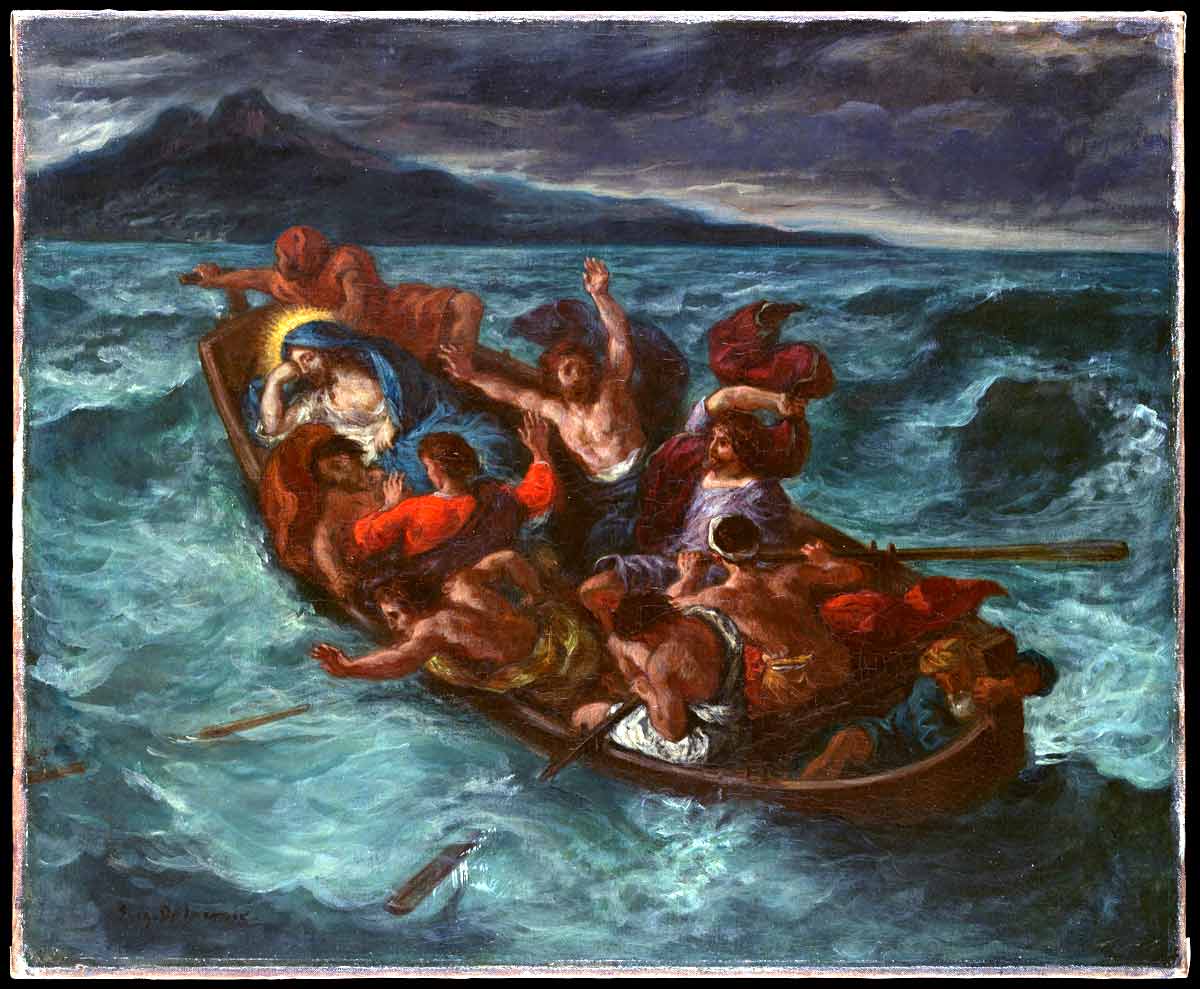
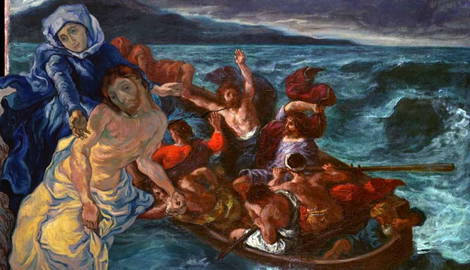
A major shift occurred in Van Gogh’s art after 1886. During this year, he went to live with his brother in Paris and discovered the colorful palette of the Impressionists. Van Gogh had read about color theory before he arrived in Paris from the books of Charles Blanc, but only started experimenting with it in 1886. A major influence that pushed the artist to implement it in his own work came from the French artist Eugène Delacroix. Van Gogh saw Delacroix’s Christ Asleep During the Tempest in 1886 and was struck by how reds and greens were placed next to each other in the composition and the vivid effect this resulted in.
Another work by Delacroix that he saw was the ceiling painting of Apollo slaying Python in the Louvre, where the French artist put orange and green as well as yellow and purple together. While reading about color theory interested Van Gogh, it was only after he witnessed its successful employment in the works of Delacroix that he was inspired to experiment with it in his own work.
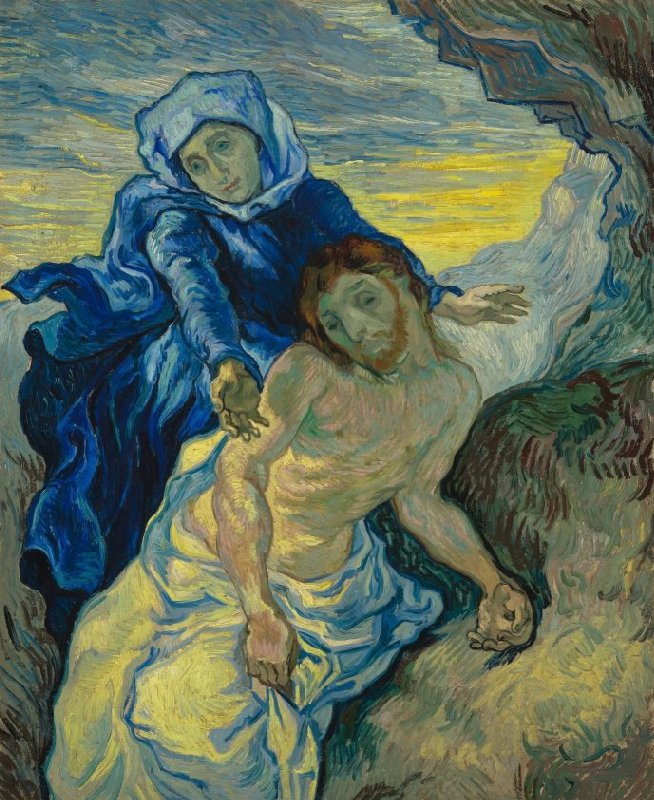
Delacroix’s use of color illustrated a modern approach, and Van Gogh was eager to try it himself. However, lacking the money to hire professional models, he settled on a different subject that allowed him to work with a variety of colors: flower still lifes. While not ideal, this genre was economical and also allowed him to experiment with a variety of different colors. The artist made thirty-five such paintings during the summer of 1886 in order to grasp the correct placement of complementary colors.
This exercise was incredibly important for the development of his style, as it was the beginning of his journey as a colorist. He remained preoccupied with color throughout the rest of his life and planned his paintings based on the color effects they would produce. The influence of Delacroix also stayed with him long after he left Paris, as he painted copies after the French artist’s work, such as Pietà (after Delacroix) in 1889 and The Good Samaritan (after Delacroix) in 1890.
Adolphe Monticelli and Van Gogh’s Use of Impasto
The most distinct stylistic feature in Van Gogh’s art is his use of the impasto technique, which refers to applying a large amount of paint thickly on the canvas. While it may seem that the artist had always adopted the impasto technique in his paintings, the reality is a bit different. Van Gogh’s intentional use of impasto only began after 1886 during his stay in Paris. This was a period of learning and experimentation. His two-year stay in Paris culminated in a completely transformed artistic style.
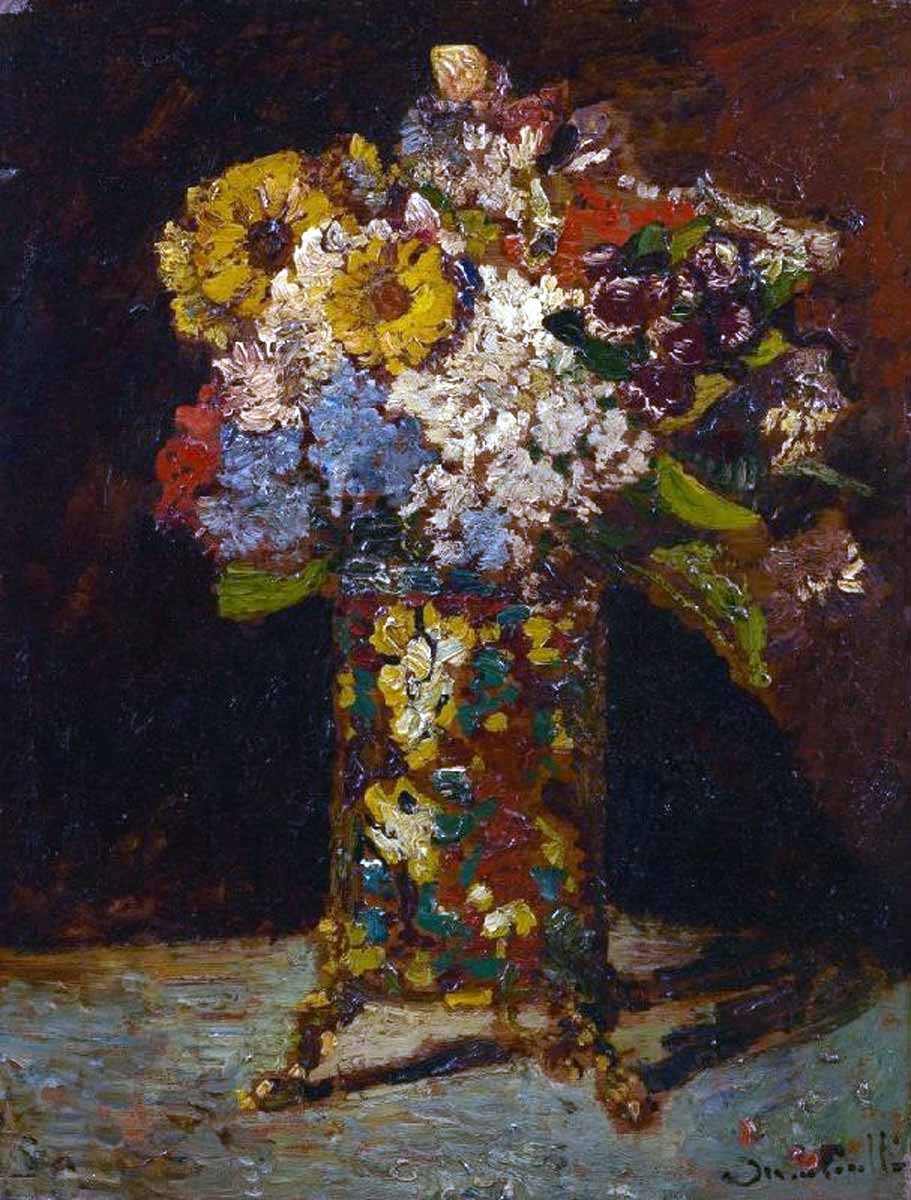
While working on flower still life paintings to practice color theory, Van Gogh became particularly fascinated by the works of the same genre by the French artist Adolphe Monticelli. Monticelli’s canvases were composed of a thick layer of oil paint applied with a free brush, producing an impasto effect. Van Gogh admired the spontaneous character of Monticelli’s canvases that went against the carefully calculated method of Dutch realist tradition. An example is Monticelli’s Vase of Flowers, painted in 1875, where the oil paint is distinctly visible due to the sheer amount applied to the surface. Van Gogh took inspiration from this visual effect and started incorporating impasto with freely applied brushstrokes in his works in Paris, never to look back.
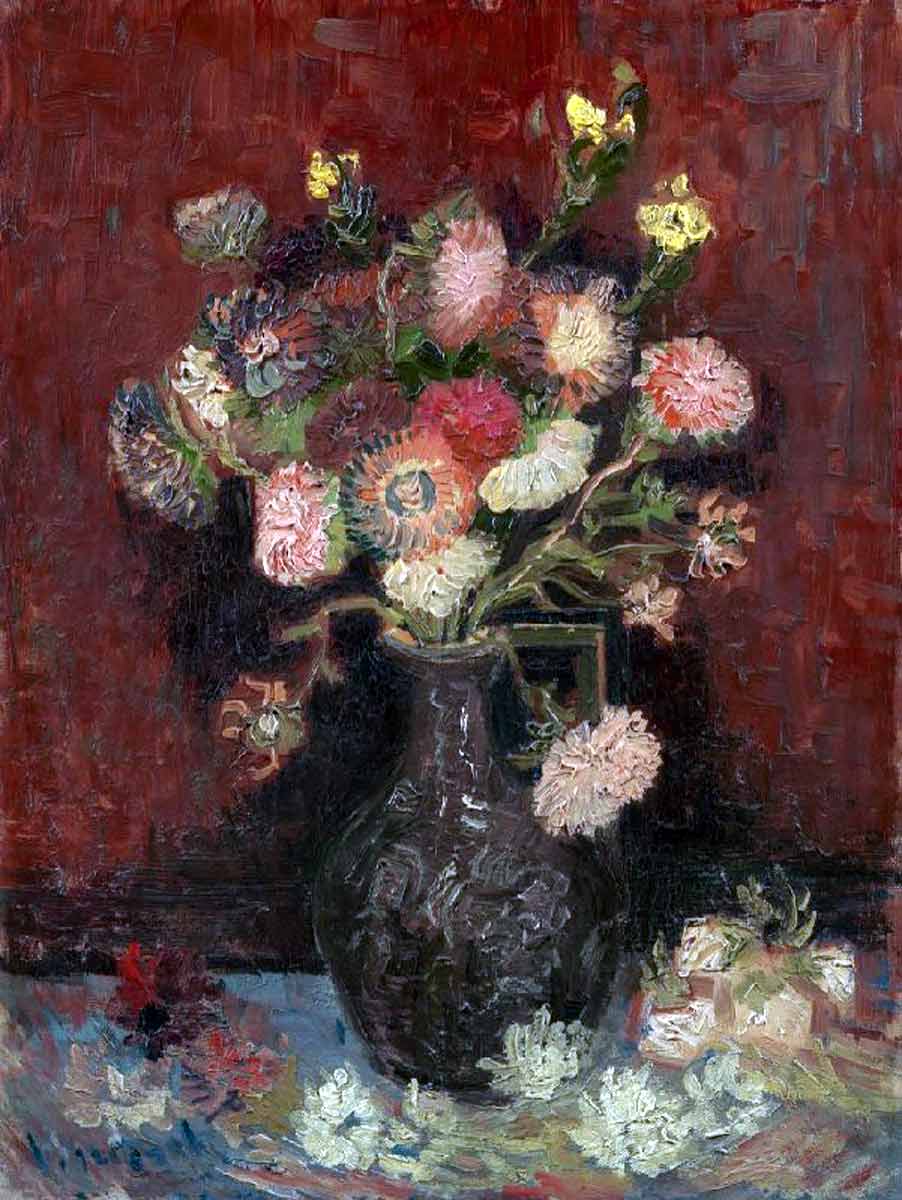
The flower still lifes from 1886 show the beginnings of impasto in Van Gogh’s oeuvre. We can see this in Vase with Chinese Asters and Gladioli and Glass with Yellow Roses. In 1887, the artist began working alongside Emile Bernard, who was developing the cloisonnist style that featured large sections of color and bold outlines on a flat composition. Together, these elements created a decorative effect similar to stained glass and Japanese woodblock prints, both of which were sources of inspiration for Bernard. Van Gogh implemented these stylistic features in several paintings from his mature years, including the Sunflowers and The Bedroom from 1888-89. But even while working with flatness on the picture plane, he continued the use of impasto, as is visible on these canvases.
Painting with impasto was one of the major reasons Van Gogh ran out of paint quickly and had to ask Theo to send more supplies. However, it was a worthwhile exercise as the impasto, along with his spontaneous brushstrokes, gave Van Gogh’s canvases the sense of aliveness and passion unique to him.
Apart from these four master artists, the Dutch Post-Impressionist was also deeply influenced by Japanese prints, Neo-Impressionism, as well as the works of his peers Emile Bernard and Paul Gauguin. Ironically, a few of these artists have gained recognition today specifically as sources of inspiration for Van Gogh. In addition to all these influences, it was ultimately Van Gogh’s dedication to learning about color and technique that resulted in a highly distinct oeuvre that showcases his stylistic individuality.