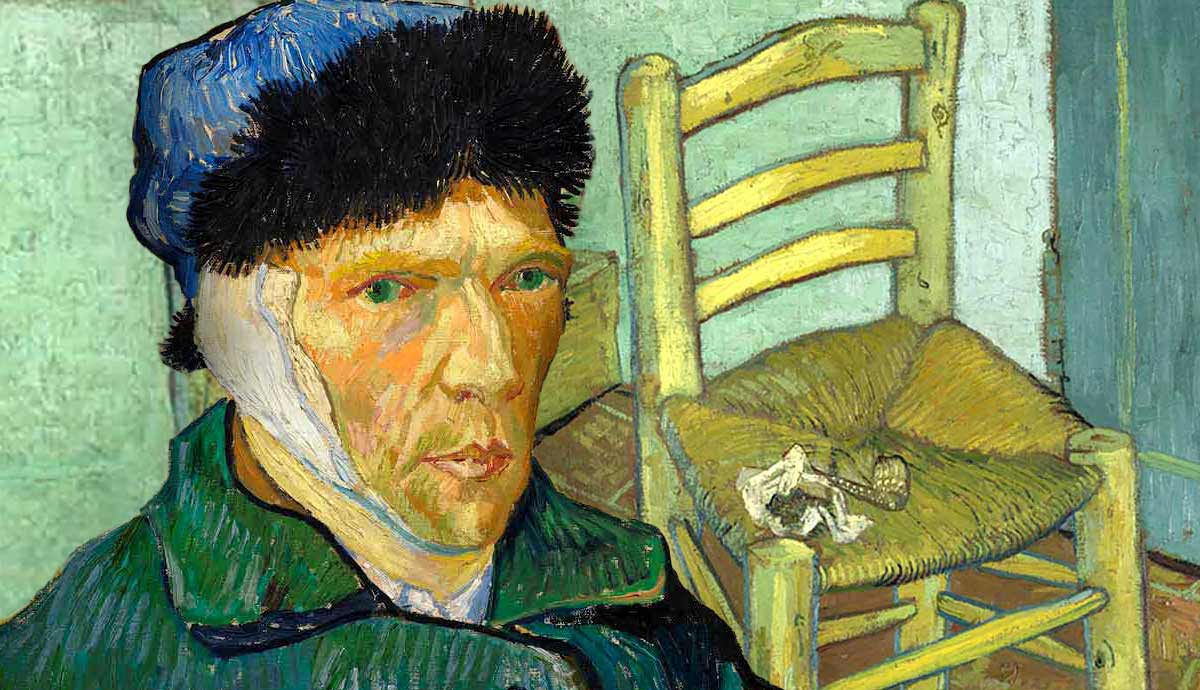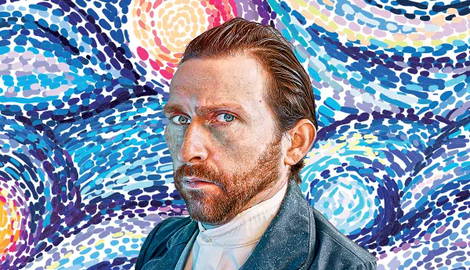

Be it an art historian, an avid museum-goer, or someone without any interest in art, the name of Vincent van Gogh will still ring familiar to them. The Dutch artist who lived in the second half of the 19th century (1853-1890) has become an icon of modern art around the world. This is mainly due to his unique style with bold, thick brushstrokes and vibrant and expressive colors, but there is so much more to his life story.
Vincent van Gogh: His Life and Support System
Van Gogh has become a prime example of the idea of the tortured artist today due to his lack of success during his lifetime and his tragic early death. But his artistic career was far from unproductive. In the last ten years of his life, he managed to produce over 2,100 artworks, including 860 oil paintings. His style is extremely recognizable to many and was a result of constant experimentation and arduous practice. The fact that Van Gogh was painting in a dynamic cultural environment that pushed the boundaries of visual art certainly encouraged him.
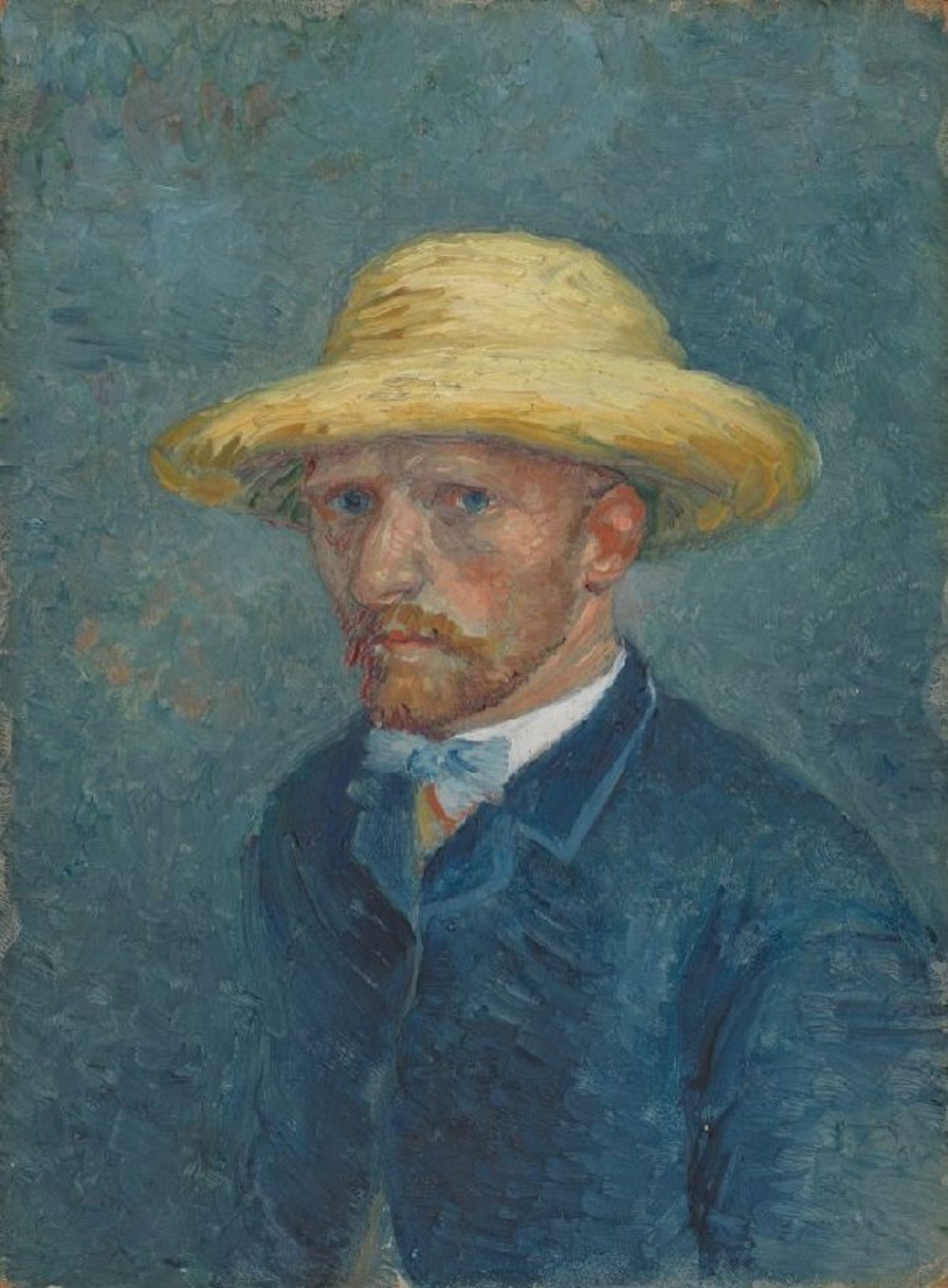
But the artist’s story is incomplete without mentioning his younger brother Theo, who supported him financially and emotionally throughout his life. Theo was an art dealer in Paris in the late 1800s, and when Van Gogh took off to Provence to paint its bright and beautiful countryside in 1888, the brothers created a reciprocal system to support the artist’s work. Theo would send Vincent approximately 150 francs every month along with some art supplies from Paris, while Vincent would send a parcel of his finished paintings back to Theo to sell in Paris. The brothers communicated regularly, and today we have a large collection of their letters to understand the close bond between them.
Despite his productive career, Van Gogh did not gain popularity or even appreciation for his work during his lifetime. He died in 1890 after selling only one painting throughout his life. This makes one wonder, what changed after his death? How did Van Gogh end up as one of the most famous European artists in the world in the last century?
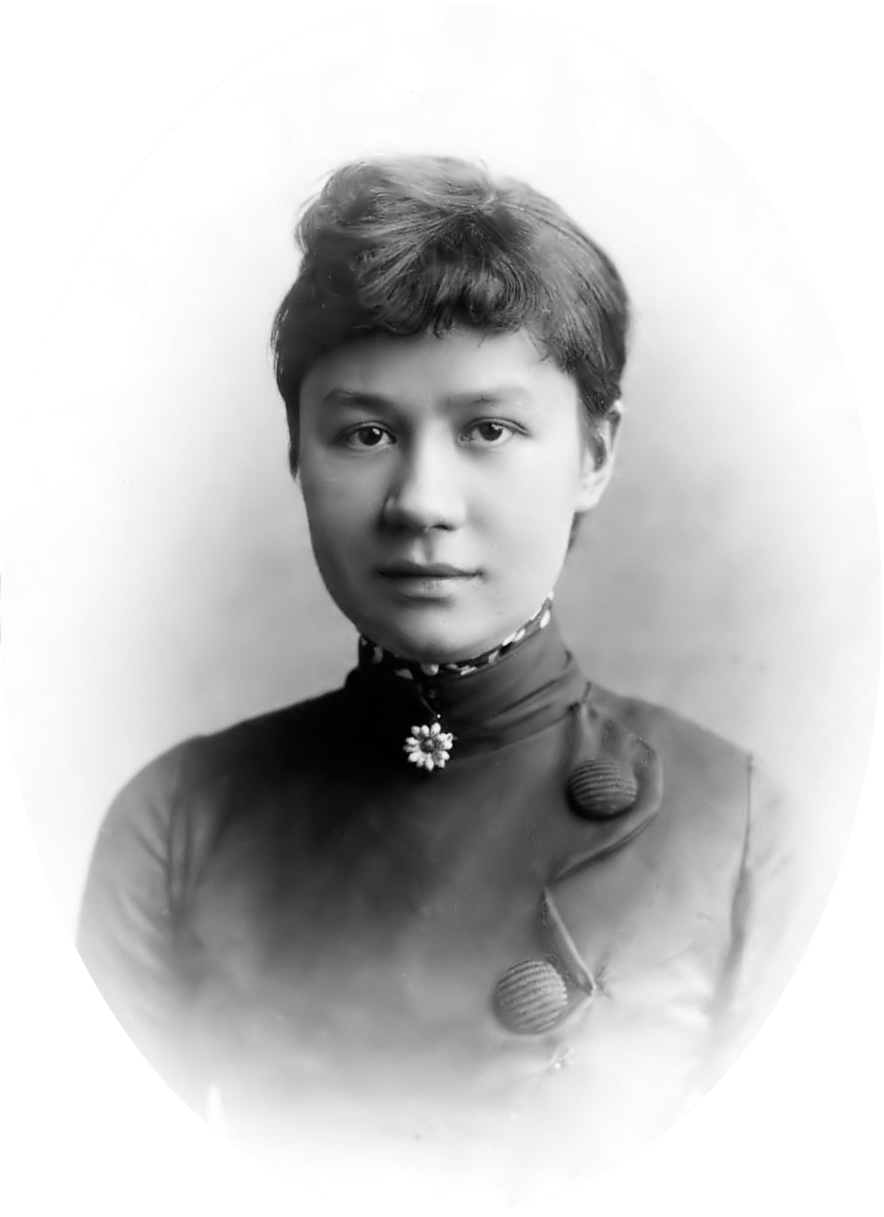
This part of history remains a mystery to many. While the story of these two brothers goes side by side, there was another person who was part of this relationship but is often overlooked. Her name was Johanna van Gogh-Bonger, and she married Theo in 1889, a year before Vincent’s death. She was deeply familiar with all of Vincent’s works, and the walls of their Paris apartment were covered in radiant canvases. After the artist died in 1890, his brother followed six months later, and the responsibility and ownership of all the artwork fell upon Johanna. She made it her mission to make Vincent van Gogh’s name known throughout the world. Her efforts are rarely credited when we speak of Van Gogh.
The Groningen Exhibition: A Turning Point for Johanna
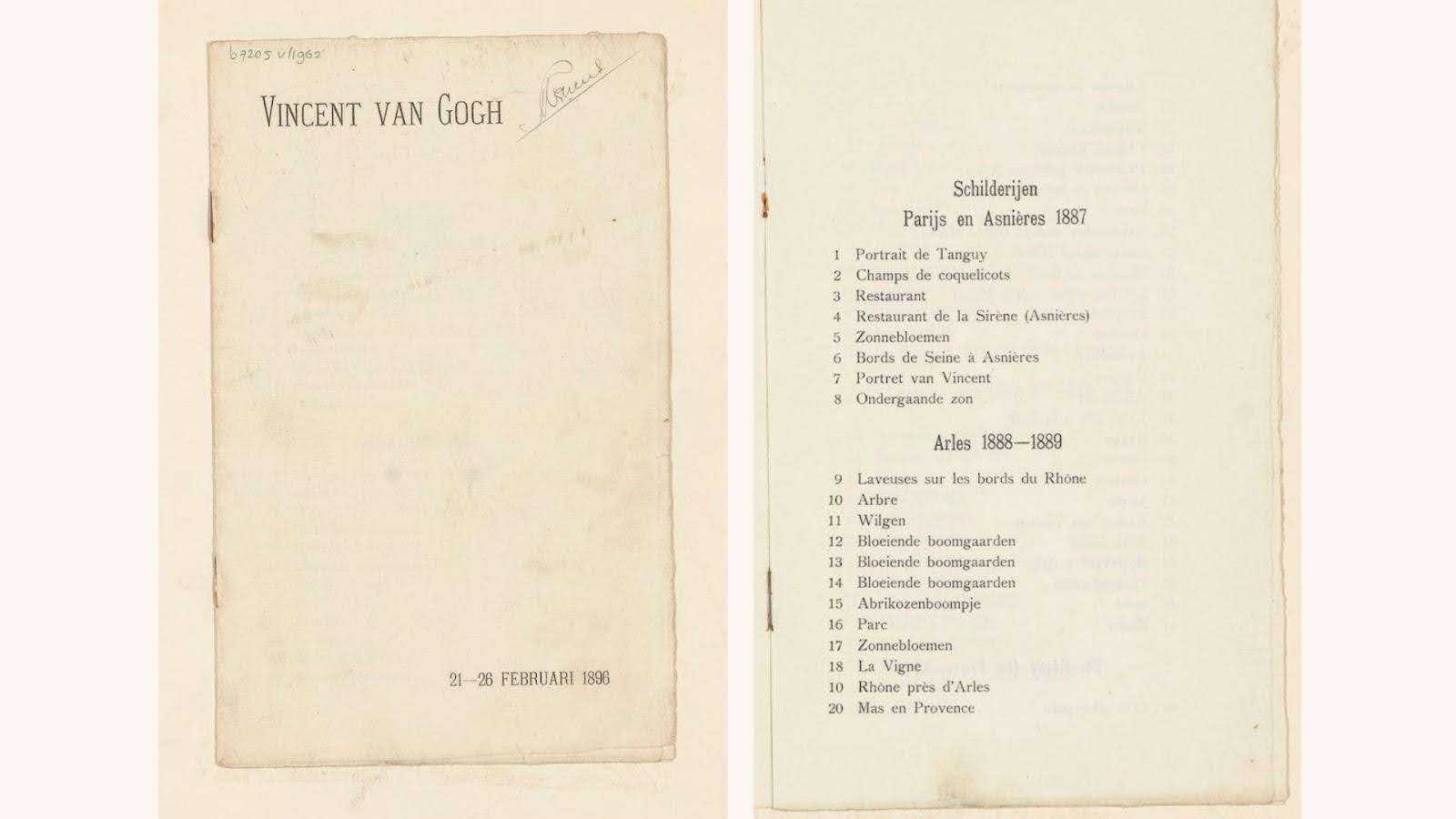
In 1896-97, a series of eight exhibitions dedicated to modern art was organized in the Groninger Museum in the Northern Dutch city of Groningen. The idea for these exhibitions was pushed by a younger audience, specifically six students from the University of Groningen who were interested in viewing avant-garde works due to the rising popularity of new styles. This group of students included Johan Huizinga, who later became a famous historian. They presented their bold suggestion to the museum’s director, who agreed and entrusted the students with organizing the exhibitions. They took up the challenge and created eight groundbreaking shows between 1896 and 1897, one of which was dedicated to Vincent van Gogh. These exhibitions brought modern art to Groningen and were a fresh change for its citizens, who had so far only viewed old objects in the Groninger Museum.
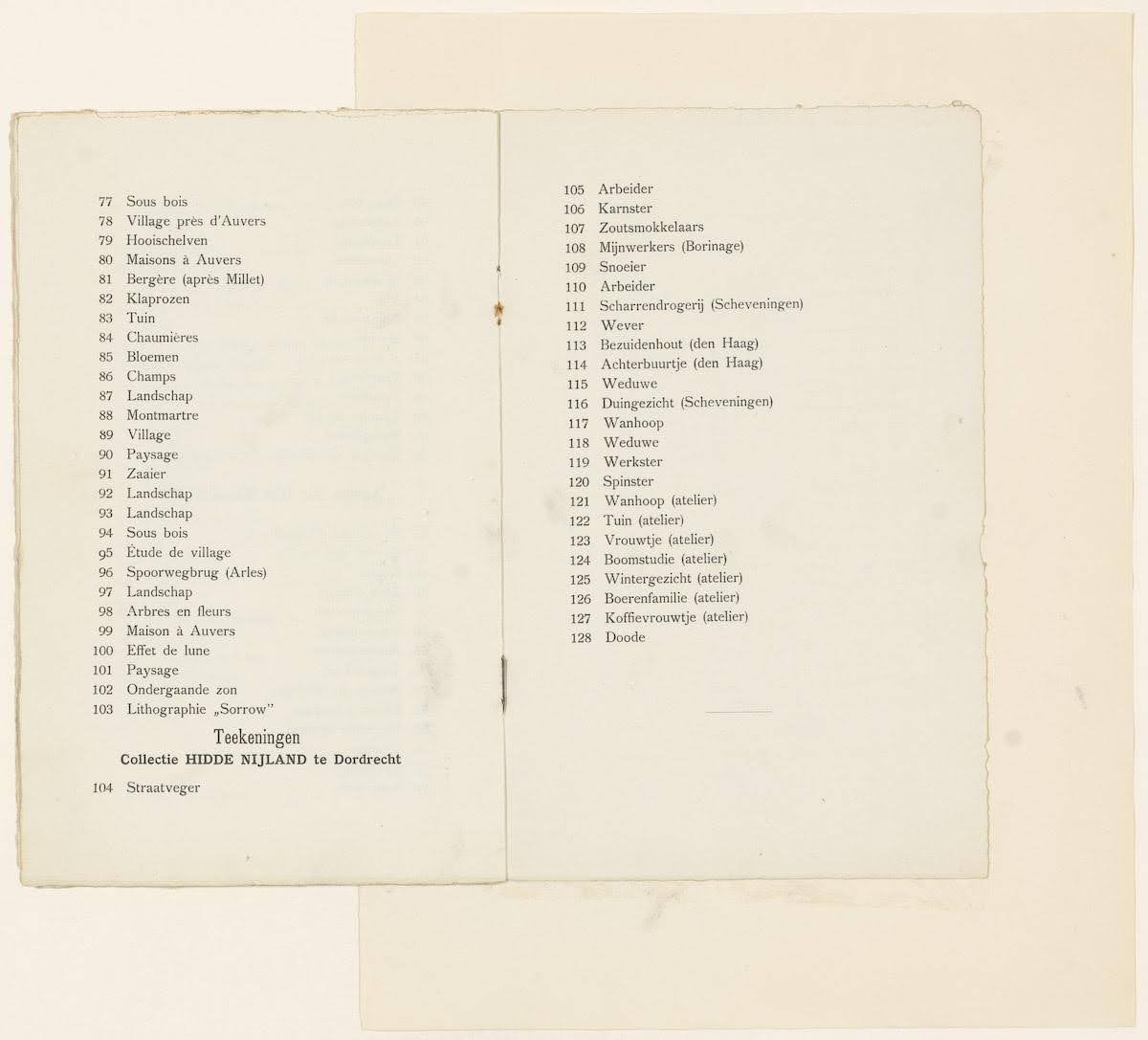
The Van Gogh exhibition was on display for six days, from February 21-26, 1896, and displayed 128 artworks by the artist. Out of these, 108 works were paintings, and the rest were drawings. This exhibition managed to gather 1,600 visitors in a short period of six days, which was a striking turnout during that time in Groningen. August Vermeylen, the founder of the magazine Van Nu en Straks, said that the students had “let the residents of the cold north get warm for once and given them a firm shove.” Vermeylen even delivered a lecture in Groningen about Van Gogh that attracted 200 attendees.
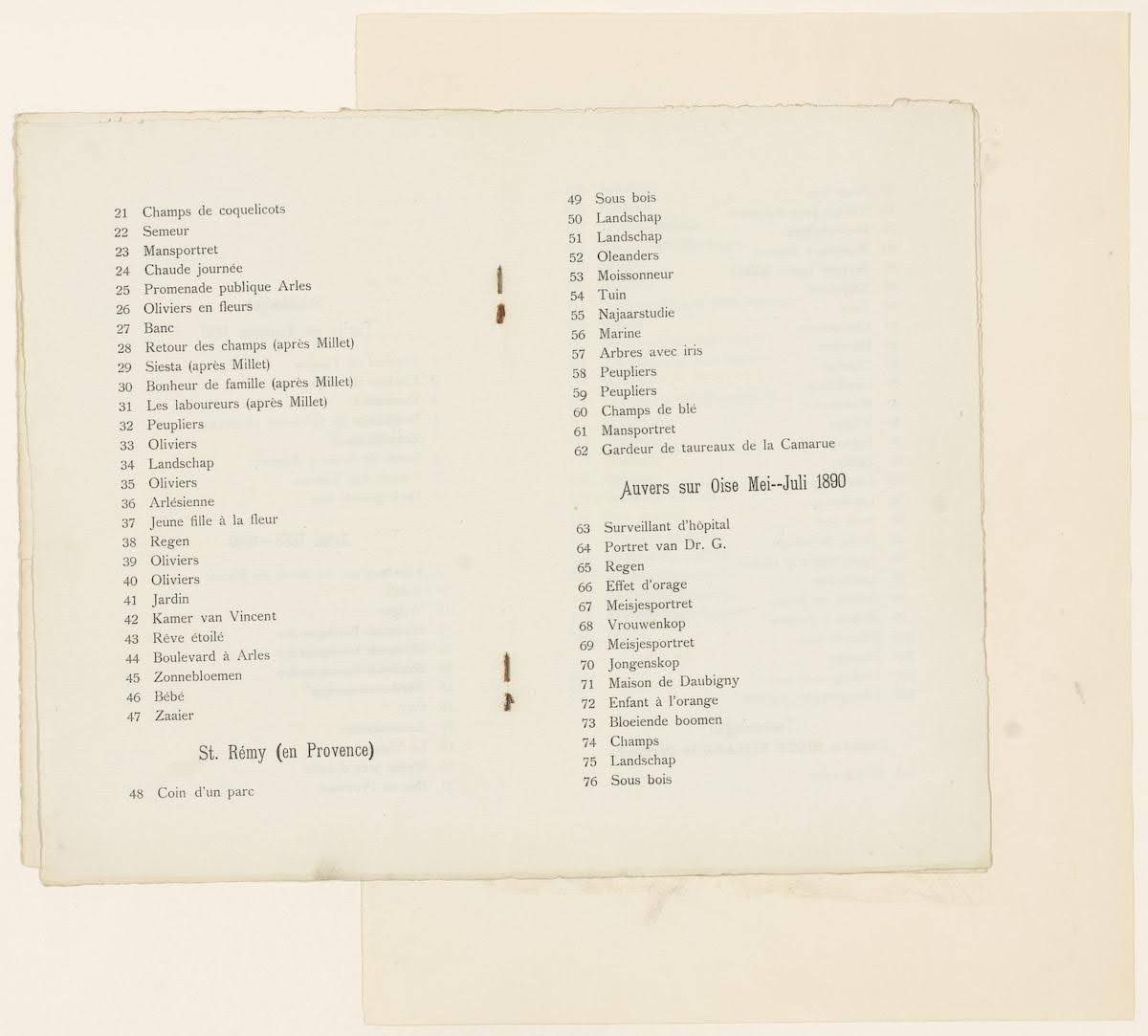
This exhibition was not only a turning point for the city of Groningen, but also for Johanna. The loaning of Van Gogh’s works was only made possible through her cooperation. Johan Huizinga’s brother Jakob Huizinga made the request for these loans, and Johanna was involved in selecting the works that were to be displayed at the exhibition. It is difficult to make a clear judgment about each painting and drawing by its name from the catalog since they are labeled with generic terms such as Zonnenbloemen (Sunflowers), Landschap (Landscape), and Oliviers (Olive trees). Van Gogh made many versions of these subjects, and only a few made it inside the museum walls. Apart from the artworks, the students also chose to display articles published about Van Gogh in the literary and artistic magazines Les Hommes d’Aujourd’hui, Mercure de France, and Van Nu en Straks, including an article by the Symbolist critic Albert Aurier.
Naturally, after the first successful exhibition, Van Gogh was the talk of the town, and his work was viewed by people who would not have even known his name before the exhibition. This event became a wake-up call for Johanna, who saw the potential in her brother-in-law’s work produced after years of toiling. She had spent her entire marriage with Theo watching him try to sell Vincent’s works unsuccessfully, as their apartment in Paris filled up with a fresh parcel of paintings every month. After the deaths of Vincent and Theo in 1890 and 1891, respectively, Johanna moved to a small town named Bussum near Amsterdam with her baby and was left with all of Van Gogh’s paintings flooding her attic.
The Efforts of Johanna van Gogh-Bonger
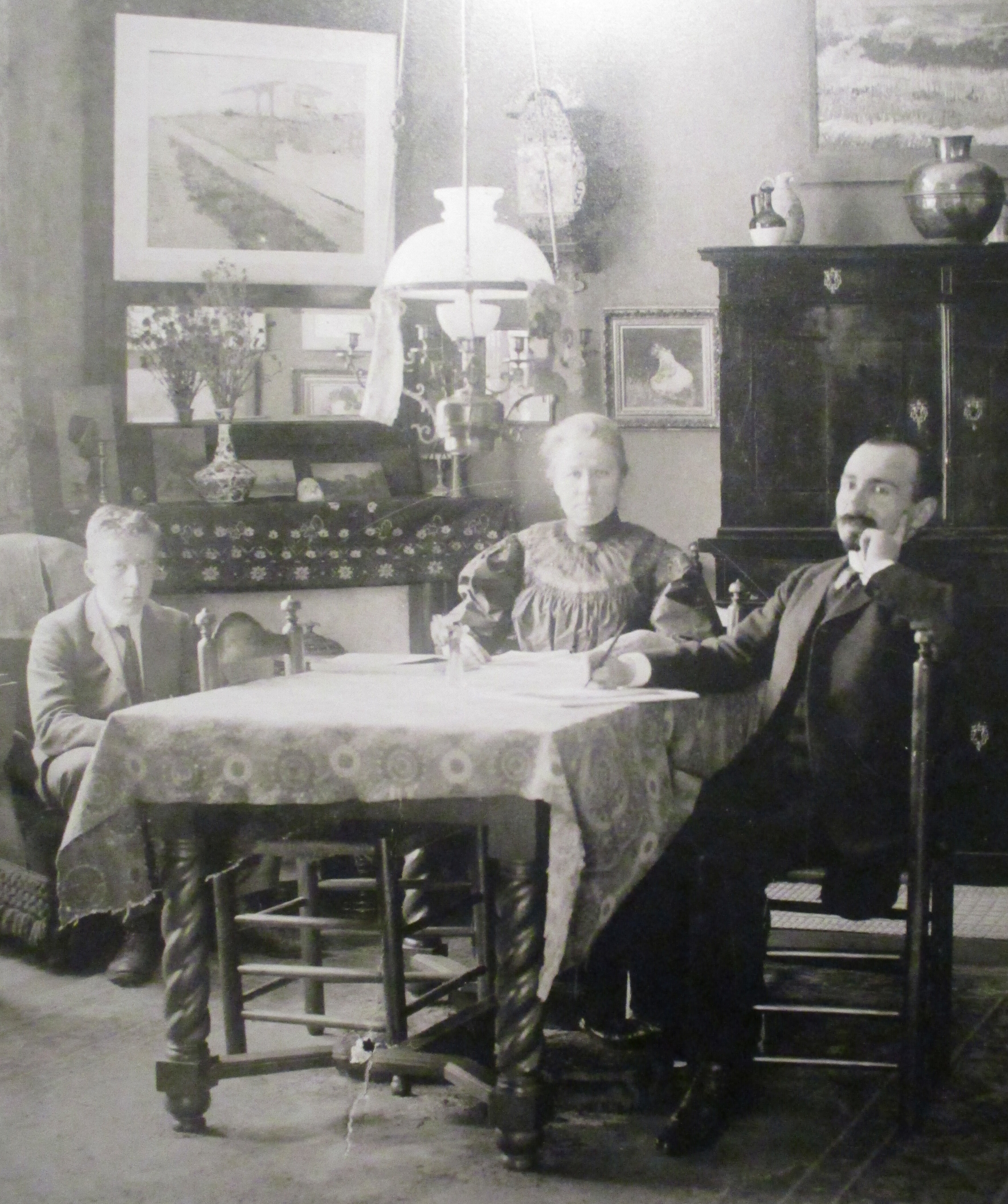
When she took up the ambitious task of stepping into Theo’s shoes and fulfilling his legacy, there was one problem—Johanna had no knowledge or background in art dealing. She used to be an English teacher in Amsterdam, and while she was married to an important art dealer in Paris, she had never participated in the industry herself. To add to her responsibilities, she had a son with Theo, whom they had decided to name Vincent. But Johanna did not let this stop her—she was confident in the talent of Van Gogh and the potential his work showed. Most of all, she wanted to finish what Theo had started, which also brought her comfort after his death within only two years of their marriage.
Johanna was organized and strategic and sold many of Van Gogh’s works at decent prices—a process that had already started before the Groningen exhibition. She approached the task of promoting the artist with a business mindset and kept proper lists of titles and prices, as well as records of the sales. Her ultimate goal was not limited to fetching good money for the art, but also to spread his works across the country and make Van Gogh a household name. Her efforts attracted exhibition makers who were eager to display the artist’s works and requested her to loan them.
There were shows in Zwolle, Rotterdam, and Utrecht in 1900-01, one in Leiden in 1904, and another show in Groningen with Kunstlievend Genootschap Pictura in De Harmonie in 1904. Johanna managed to create a demand for Vincent’s works even outside the country, and they were displayed in a Berlin exhibition in 1901-02, as well as in a show of the Vienna Secessionists in 1903. Throughout this period, Johanna was consistent about gathering reviews of the exhibitions to learn about the public view of Van Gogh’s works.
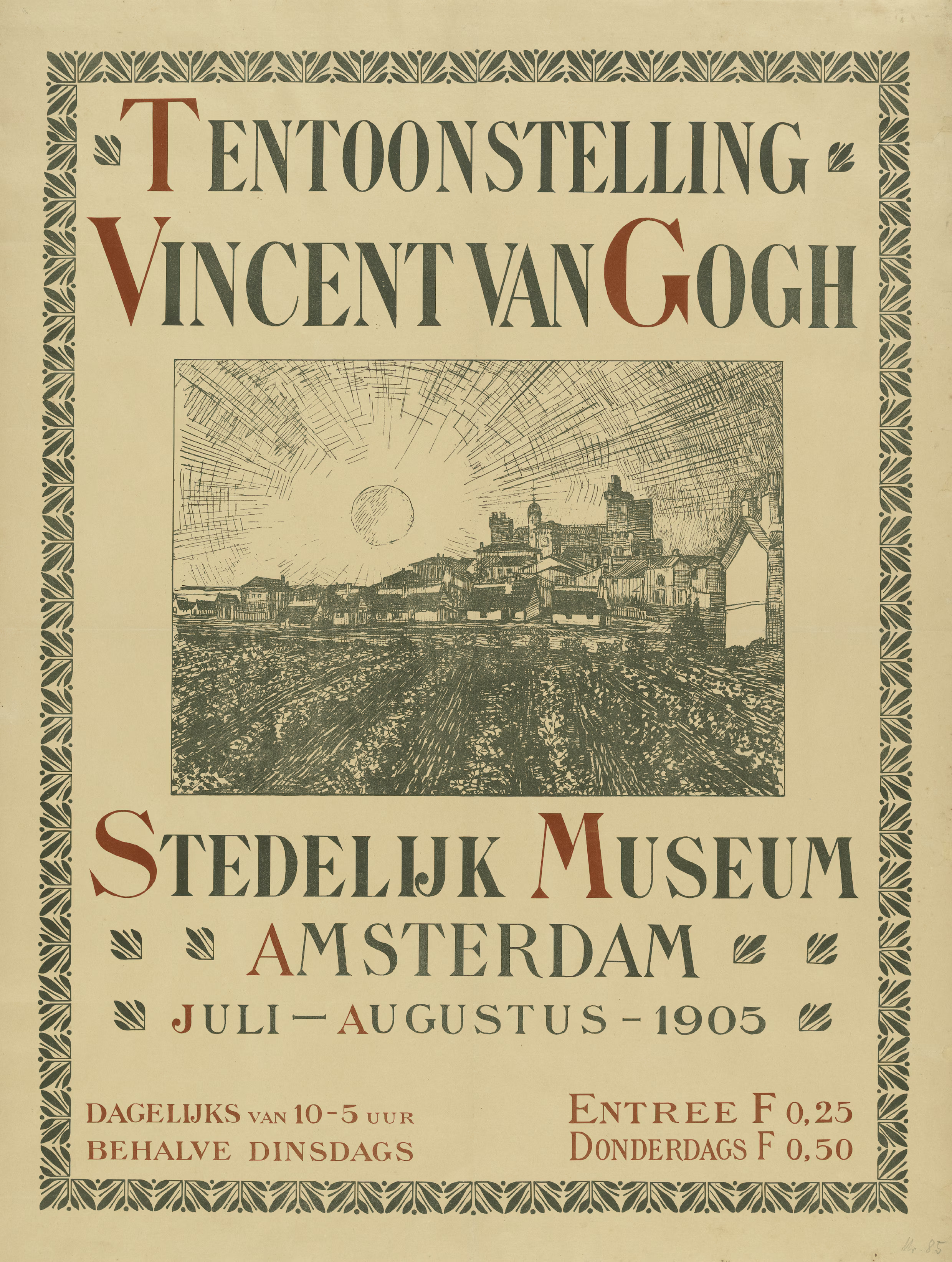
In 1903, the Museum Boymans-van Beuningen in Rotterdam bought Van Gogh’s Poplars near Nuenen from 1885. This was the first time ever that a Van Gogh painting became a part of a public museum collection. These events helped circulate Van Gogh’s artworks through a wider network, and the artist’s name gained viewership. All this led to the exhibition in the Stedelijk Museum in Amsterdam in 1905 that ran for seven weeks and displayed more than 480 works. This exhibition encouraged future sales of artworks and was crucial in generating great interest in the artist. The events that followed are no brief story, but each small success contributed to Johanna’s (and Theo’s and Vincent’s) goals.
Publication of Van Gogh’s Letters and Parting With the Sunflowers
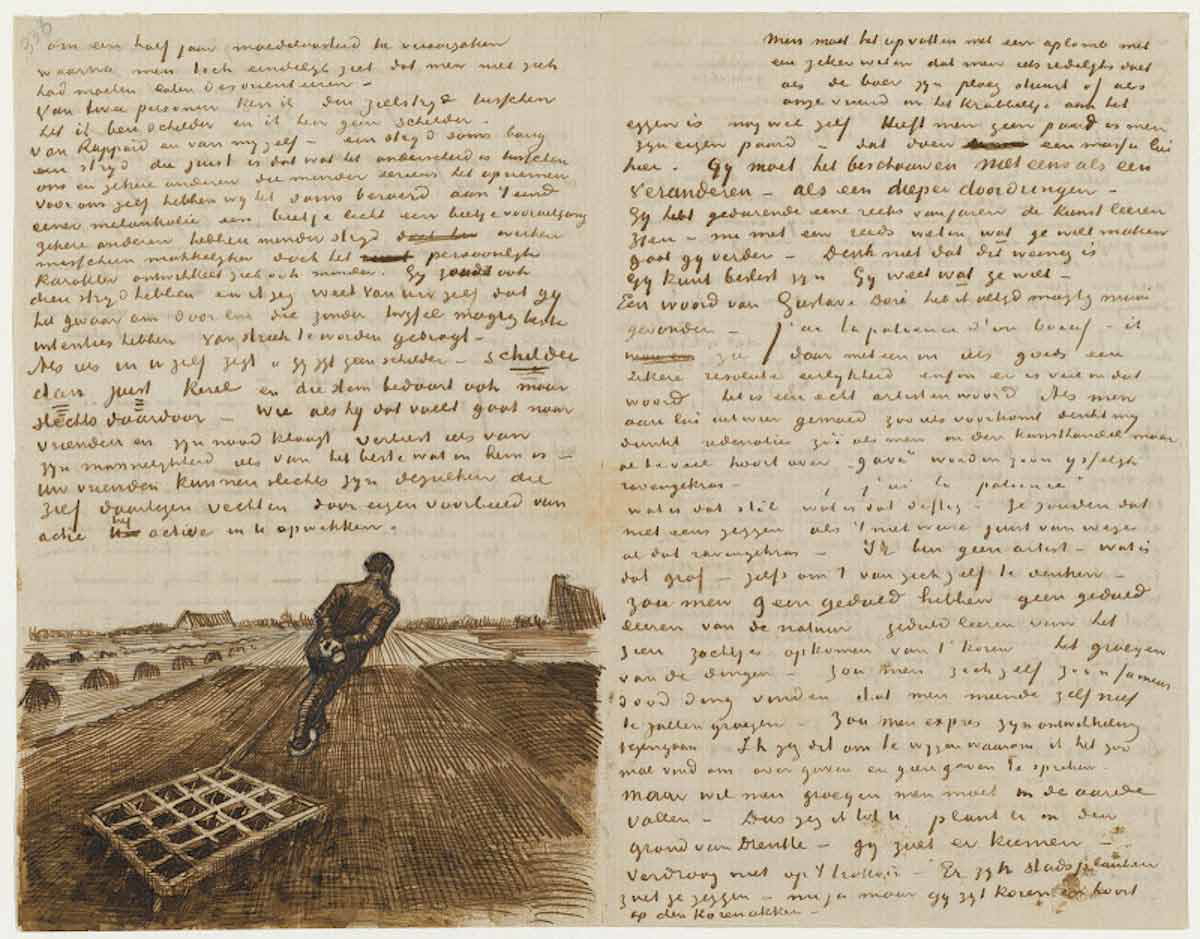
In addition to all of Van Gogh’s artworks, Johanna also inherited all the letters exchanged between the brothers. Luckily, all of Vincent’s letters were stored carefully by Theo, which made it possible for her to gain a deeper understanding of the artist’s persona. Vincent was an expressive writer—his way of painting was reflected in his personal correspondence. He gave elaborate descriptions of his cherished paintings and laid out his future plans and creative experiments in great detail in the letters. Reading them led to an important realization for Johanna—if she wanted people to truly appreciate Vincent, they needed to understand the artist along with the art. She worked tirelessly to organize the letters and wanted to have Dutch, German, and French versions published as early as the 1890s. But the task took longer than expected. While certain excerpts from Van Gogh’s letters were already published in magazines of contemporary art in the 1890s and early 1900s, the first compiled Dutch version of the letters was only published in 1914, edited by Johanna. It was called Brieven aan zijn broeder (Letters to his Brother) and consisted of three volumes of Vincent’s letters to Theo.
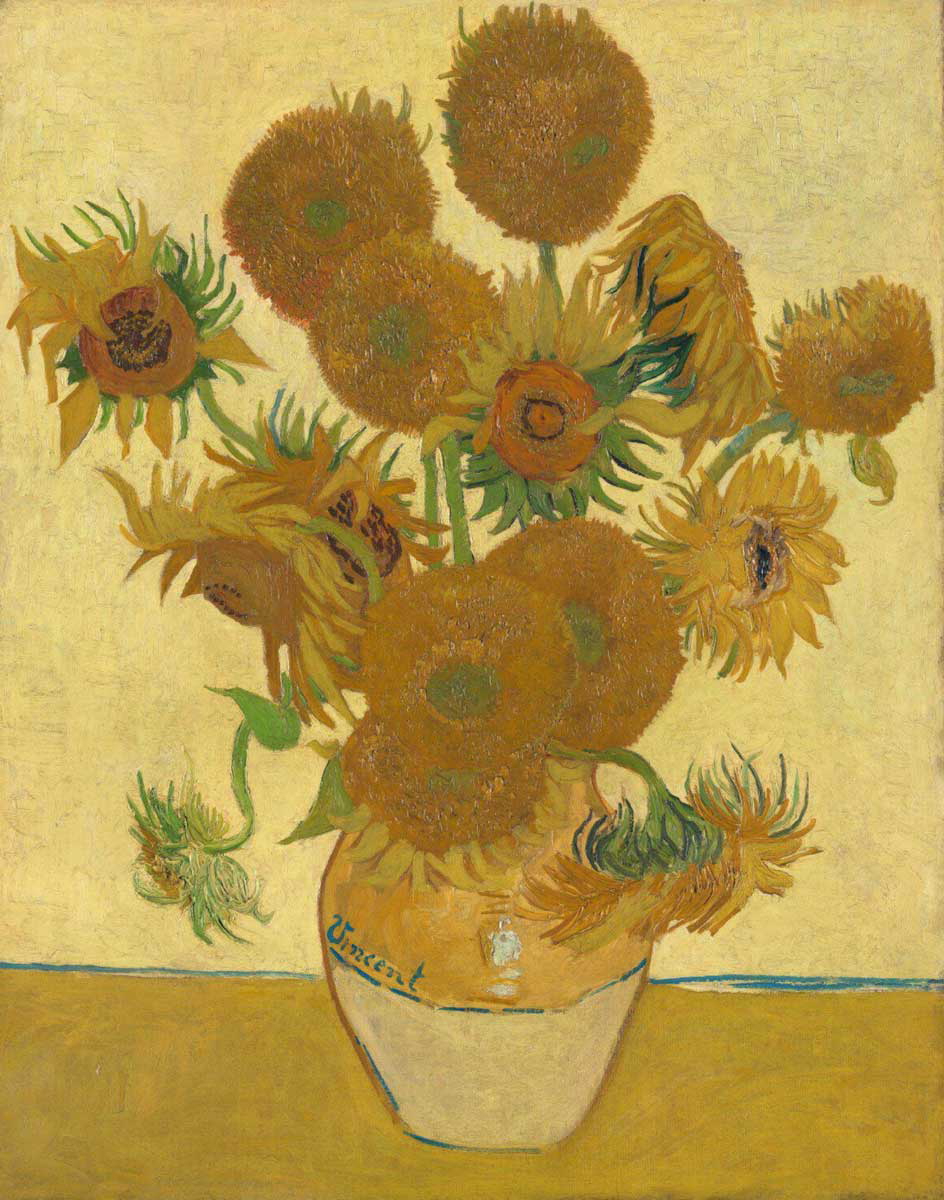
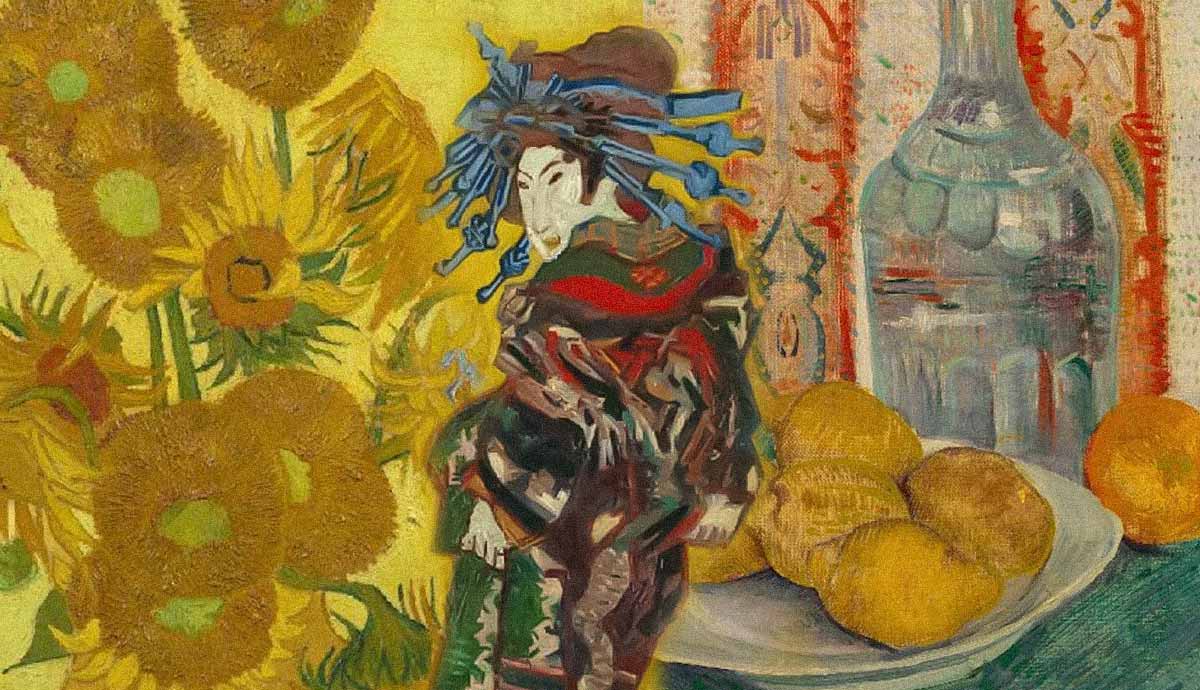
While the Dutch publication was a major success, her next step was to reach an international audience with Van Gogh’s art, for which she needed to get the letters published in English. Johanna made many attempts to get Van Gogh’s letters published in London and New York, but it was evident that a big step needed to be taken to appease publishers. Despite great reluctance, she made a bold decision—to sell Vincent’s Sunflowers made in 1888 to the National Gallery in London. The series of paintings titled Sunflowers was Van Gogh’s most cherished work. The choice to sell them was highly criticized by the Van Gogh family since they wished to retain private ownership of the work. However, Johanna believed that establishing this painting’s position in the collection of one of the most prominent galleries in London would pique the interest of publishers and reap great benefits in the long term. And so it did.
A contract for the English translation of the letters was sent by Constable & Company in London in 1925, and the letters were published in London by Constable and in the United States by Houghton Mifflin in 1927. Sadly, Johanna passed away in 1925, one month before the contract arrived, and did not live long enough to witness the results of her efforts. After her death, the collection of letters, artworks, and other documents was inherited by her son, Vincent. He established the Vincent van Gogh Foundation in 1960, which owned all the remaining artworks and letters, and the collection came under state ownership in 1962, which led to the founding of the Van Gogh Museum in Amsterdam in 1973.