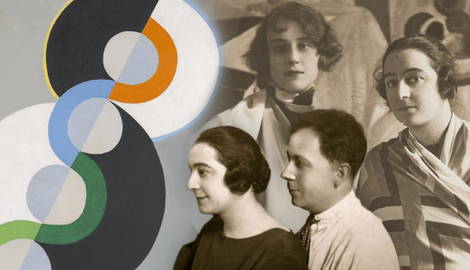

Sonia and Robert Delaunay were a happy exception to the immense number of artistic couples broken by abuse and toxicity. They spent three decades together, inventing their own abstract art movement and collaborating on various projects. Robert was immersed in painting, while Sonia, more practical and versatile, worked with applied arts and design. Read on to learn more about their relationship and the art they created together.
Robert & Sonia Delaunay’s Paths to Art
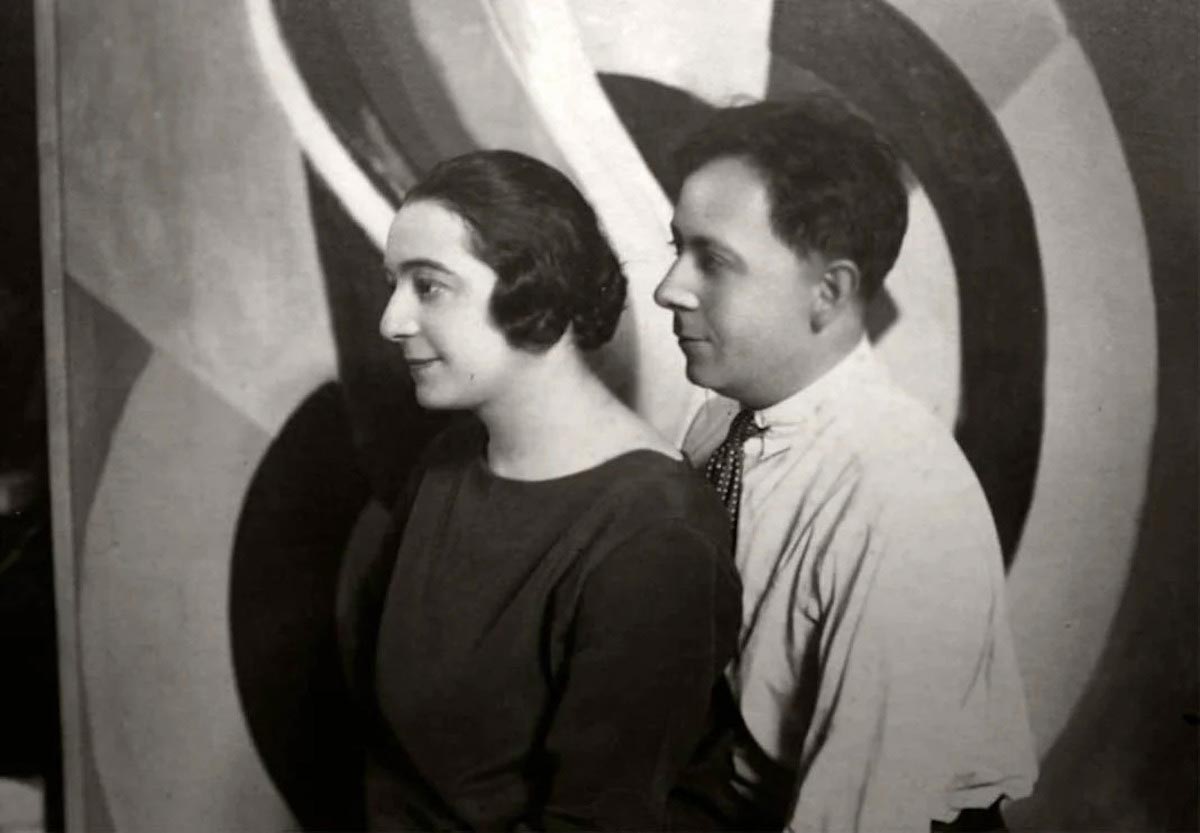
Quite commonly, women artists who decide to marry or otherwise link their life to the one of a famous male creator end up almost forgotten, dismissed, or receive a questionable honor to be called a great artist’s muse. Sonia Delaunay is a happy exception to this rule: her artistic input was and remains valued despite the stylistic overlaps with the work of her second husband, Cubist Robert Delaunay.
Sonia Delaunay was born Sarah Stern in Odesa, Ukraine, but moved to Saint Petersburg when she was only five. In her notes, Delaunay praised her father, whom she lost while still a teenager, and expressed contempt for her mother, who, according to the artist, constantly complained and pitied herself, making the family life miserable for everyone.
She spent her childhood with her uncle’s family and his close circle of lawyers, philosophers, and historians. Later, she would even take his last name as a token of gratitude, introducing herself as Sonia Terk. Her chosen family traveled a lot and educated her well, exposing the girl to the most prominent works of art, music, and literature. Recognizing her talent and interest in art, the Terk family arranged for her to study in Germany. However, after two years, she got bored there and decided to move to Paris, which was then the center of artistic life. Some historians think that the decisive moment came when she read a book about Edouard Manet and the circle of painters around him.
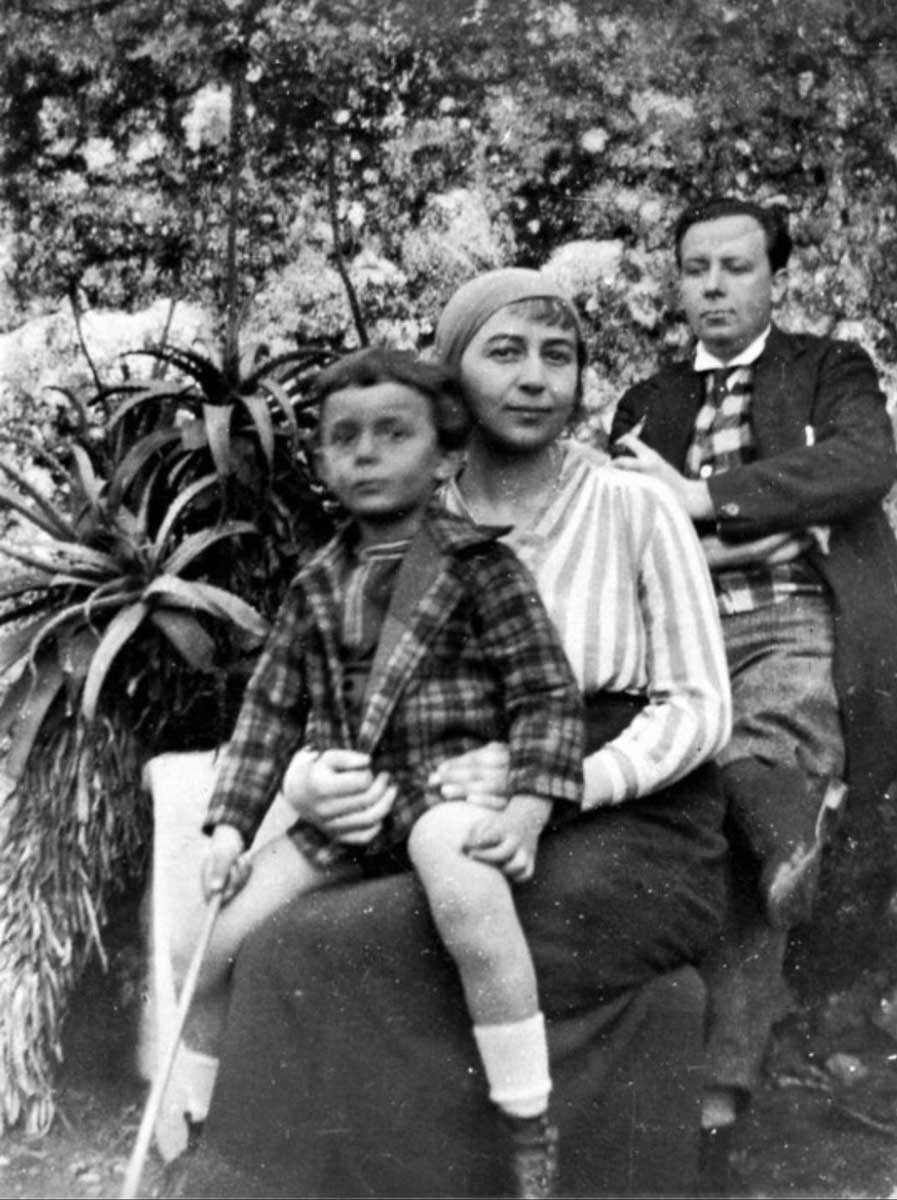
Art academies in Paris proved to be equally outdated and boring as in Germany, but the city had to offer much more. For instance, its numerous galleries, museums, and bustling cultural life that united expats with locals. To sever the ties with her family and to facilitate her stay in Paris, she married a gay gallery owner, Wilhelm Uhde, in 1908. Uhde was a good friend of hers and was happy to arrange a marriage of convenience since his own influential conservative family had begun to ask uncomfortable questions about his sexuality. The marriage did not last long—only a year later, she would divorce Uhde in order to marry her true love.
In her early Parisian years, Sonia focused on Fauvism, inspired by the works of Henri Matisse, and desperately wanted to find the next step after it. Color was and remained her main preoccupation, inspired partially by her theoretical studies and partially by Ukrainian folk art she had seen in her childhood. Through her then-husband Uhde and his art collection, she studied the works of other Fauvists as well—namely, the famous Henri Rousseau, a customs officer turned self-taught painter. There were others who expressed great interest in Rousseau’s works, including a middle-aged divorced countess and her 23-year-old son, Robert Delaunay.
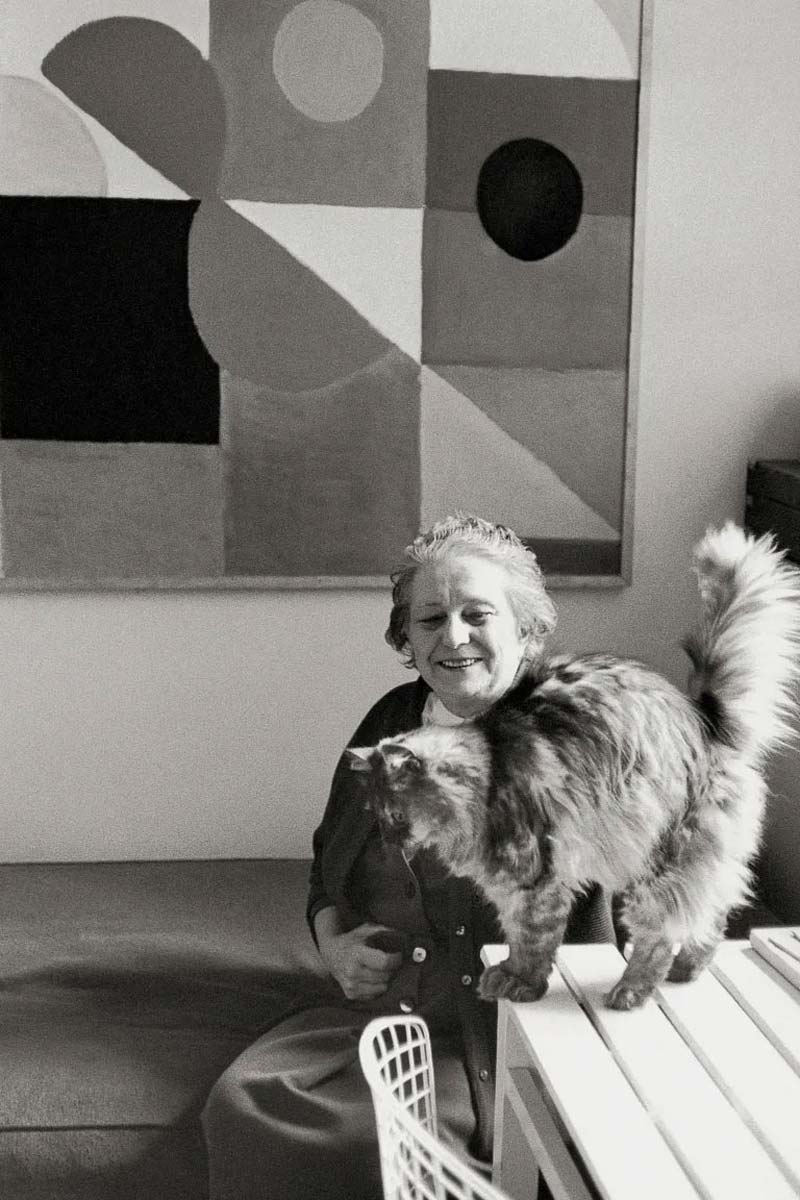
Delaunay had a similar privileged upbringing and fragmented education. As a child, he was expelled from schools for showing interest in nothing but natural history and drawing. As a student, he apprenticed at a stage design studio, and there developed a penchant for large-scale, almost monumental, bold, and expressive work. He was one of the Cubists experimenting with monochrome canvases until he met Sonia, who brought color to his work. Impressed by the brightness of each other’s minds and their similarities, soon they moved in together. They would spend three decades together, collaborating and teaching each other. The authorship of some of their works is nominal since their mutual influence was omnipresent.
1. Orphism: The Family Art Movement
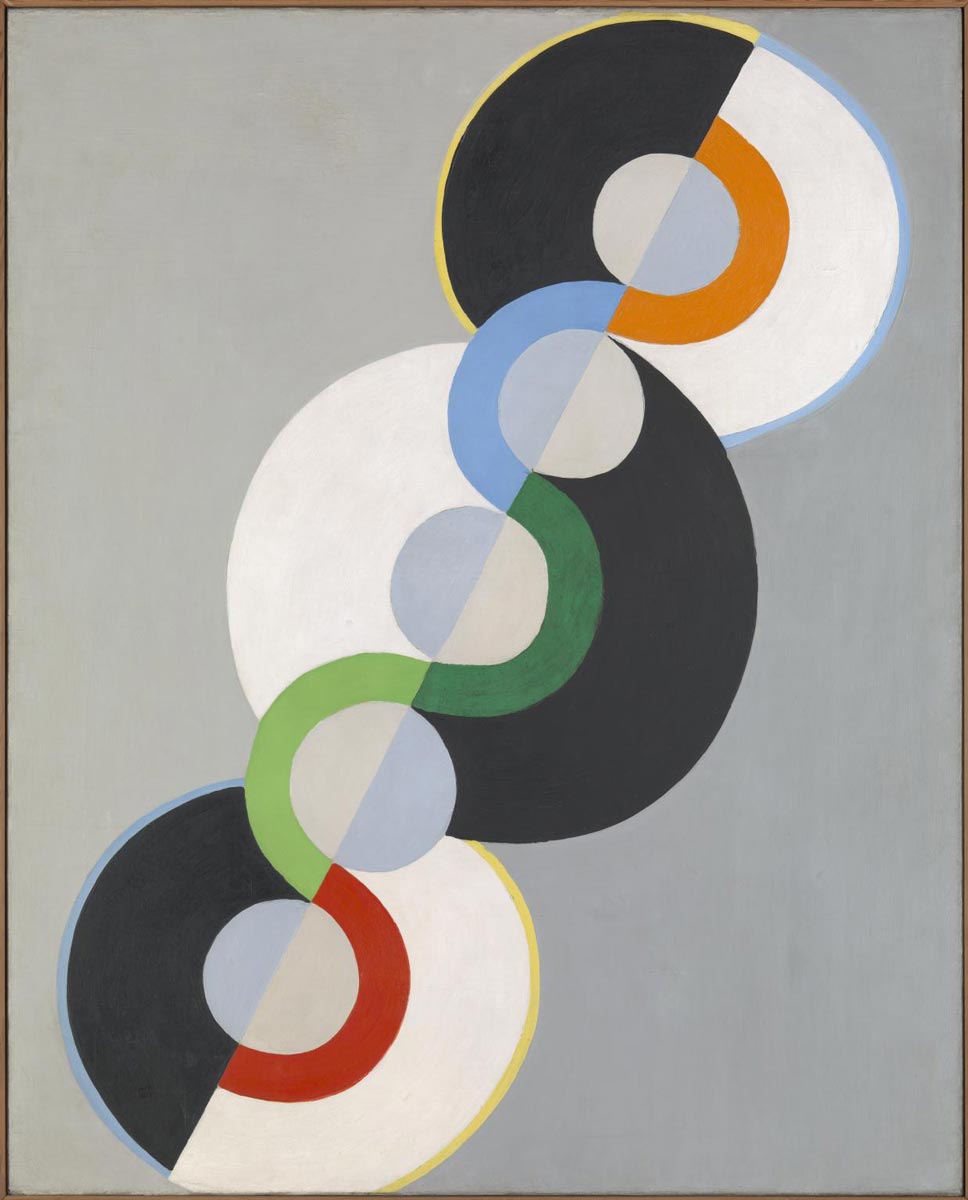
Perhaps the main collective achievement of the Delaunay family was the development of their own art movement. Both artists were looking for the ultimate formula for an impressive, functional, and dynamic work of art, and found it in the intersection of Fauvism and Cubism. In Sonia’s diaries, she names the two driving forces for any artwork—light and movement of color. The final result was a completely abstract style based on circular forms and bold colors. The color choice was determined by the writings of a French chemist Michele Eugene Chevreul.
Chevreul developed the idea that the human eye perceived colors separately, later transforming them into mixed tones. Chevreul proposed to artists and craftsmen a set of seven colors that would combine most harmoniously. This idea was adopted by Pointillists like Paul Signac, who would paint with small brushstrokes of primary color to create mosaic-like compositions. The Delaunays, however, had no intention to work on a small scale. Instead, Robert and Sonia used the same collection of tones for large planes of pure color.
The name Orphism was invented by the famous art critic and poet Guillaume Apollinaire at the opening of Robert Delaunay’s exhibition in 1912. Apollinaire compared avant-garde artists to the legendary Greek poet Orpheus, who, according to legends, could move rocks and make flowers grow with his music. Delaunay’s art, for him, had similar inspiring poetic qualities. Robert, however, was not too enthusiastic about the romantic name, preferring to call his works simultaneous art, implying the equal presence of strong colors and lines at once.
2. Sonia Delaunay’s Fashion Career
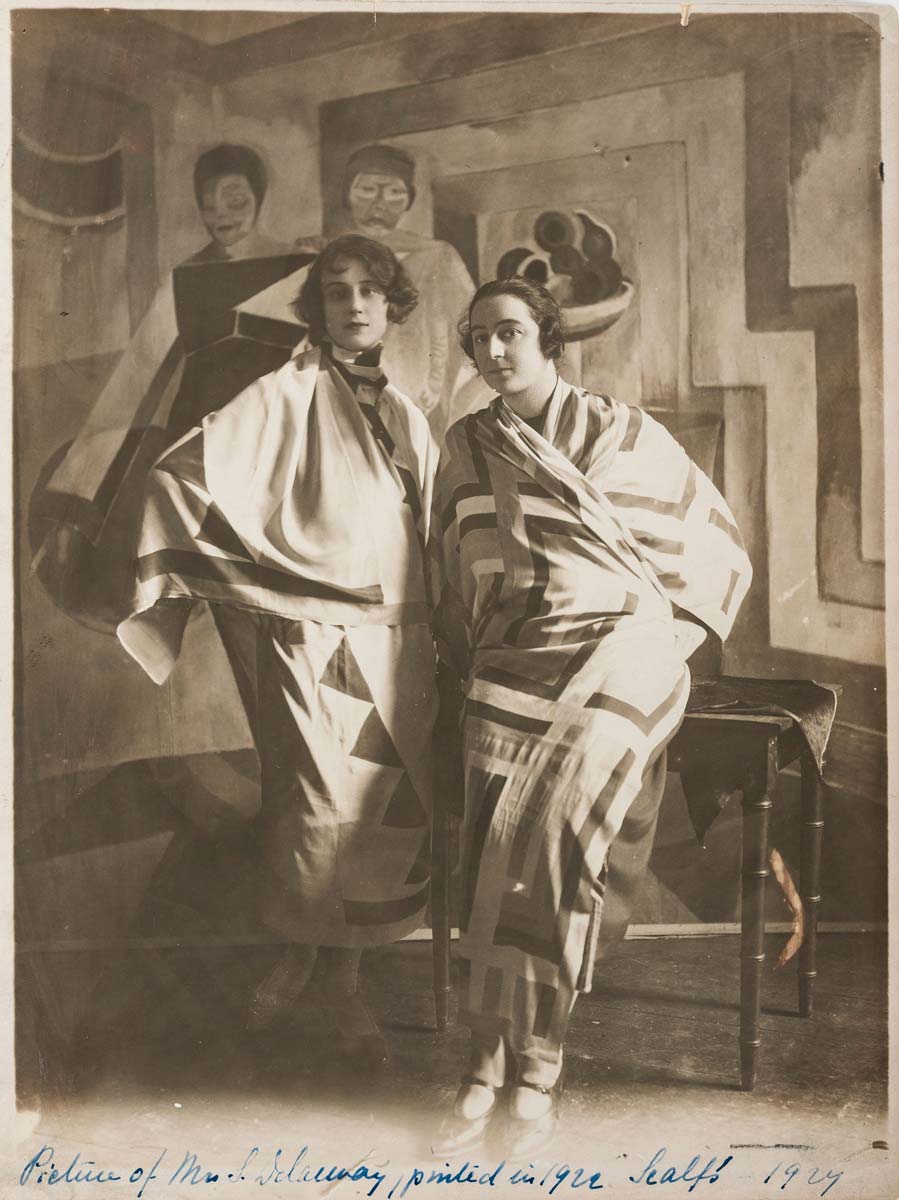
In fact, the word simultaneous in Robert’s diary notes often referred to Sonia, who had a talent for being everywhere at once, managing several complex processes. During the three decades of life together, Sonia had always been the practical one, with her mind open towards putting her and her husband’s impressive theoretical ideas into practice. She was also the one who maintained the couple’s material and financial well-being, somehow managing not to compromise her artistic ambition. While Robert was preoccupied with painting, she managed to translate their shared artistic principles into the domain of applied arts and product design.
It all started after the birth of their son Charles when Sonia sewed him a patchwork blanket from pieces of multi-colored paintings. It struck her how similar the final result was to her and Robert’s painted work. Soon, she started working with textile design and supplying clothing companies with prints and patterns. The couple spent World War I in neutral Spain, where Sonia opened her own dress-making business under the name Casa Sonia. The company gradually expanded, and apart from dresses and accessories, Sonia Delaunay started to offer her clients objects for interior design and even custom-painted cars. Robert actively helped her with the brand and took part in designing costumes for Sergei Diaghilev’s ballet Cleopatra.
3. Paris World Fair 1937
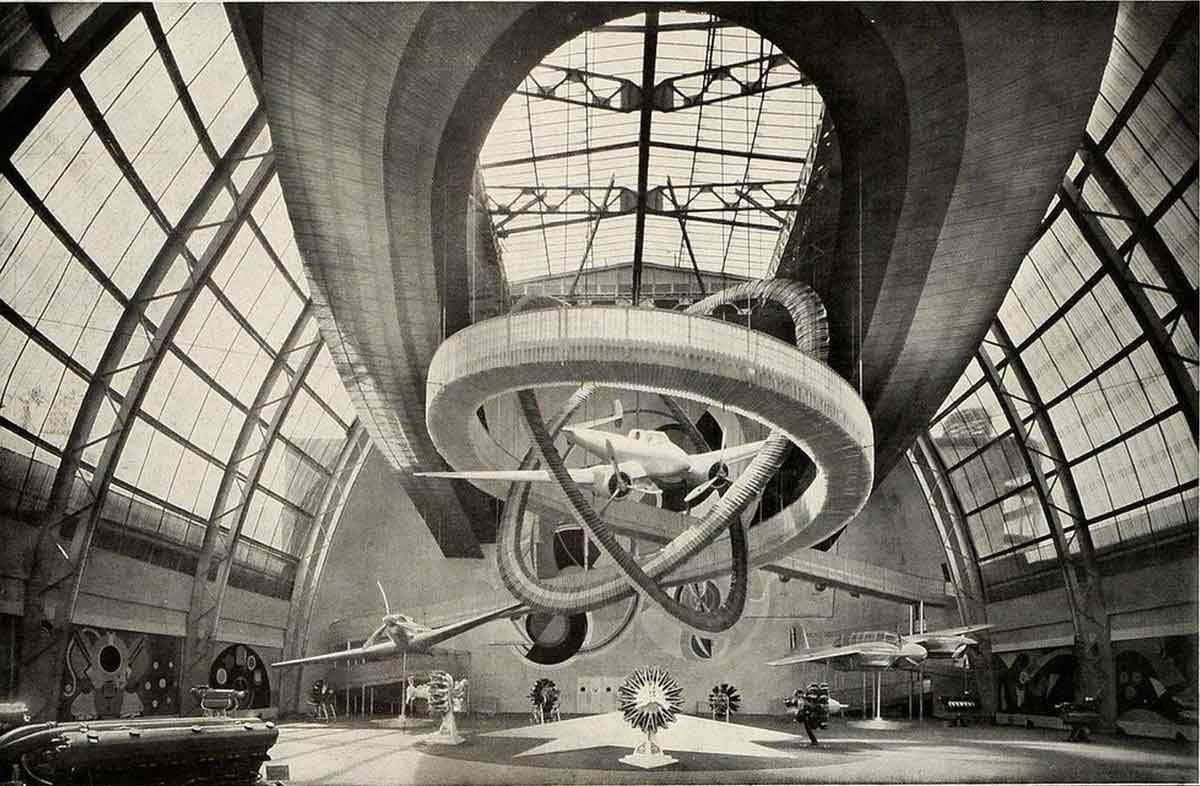
In 1937, Robert and Sonia Delaunay participated in the Paris World Fair—perhaps the most complex and monumental of their projects. Robert Delaunay designed the fair layout and the location of each country’s pavilion. The couple also designed and decorated French pavilions for air travel and railroads. For interior decoration, they created several large murals.
Unfortunately, the effect was overpowered by larger forces at play. The 1937 World Fair became legendary, mostly due to the overwhelming political tension. The pavilion of the Spanish Republic focused its efforts on representing the realities of the ongoing civil war, calling for support in their fight against the fascist forces of Francisco Franco. Among their exhibits was the legendary painting by Pablo Picasso, illustrating the bombing of Guernica. Still, the most tense atmosphere could be felt near the Soviet and German pavilions, located just opposite one another, with monumental sculptures of workers and a swastika-holding eagle, respectively.
4. Réalités Nouvelles: The Abstract Art Salon by Robert & Sonia Delaunay
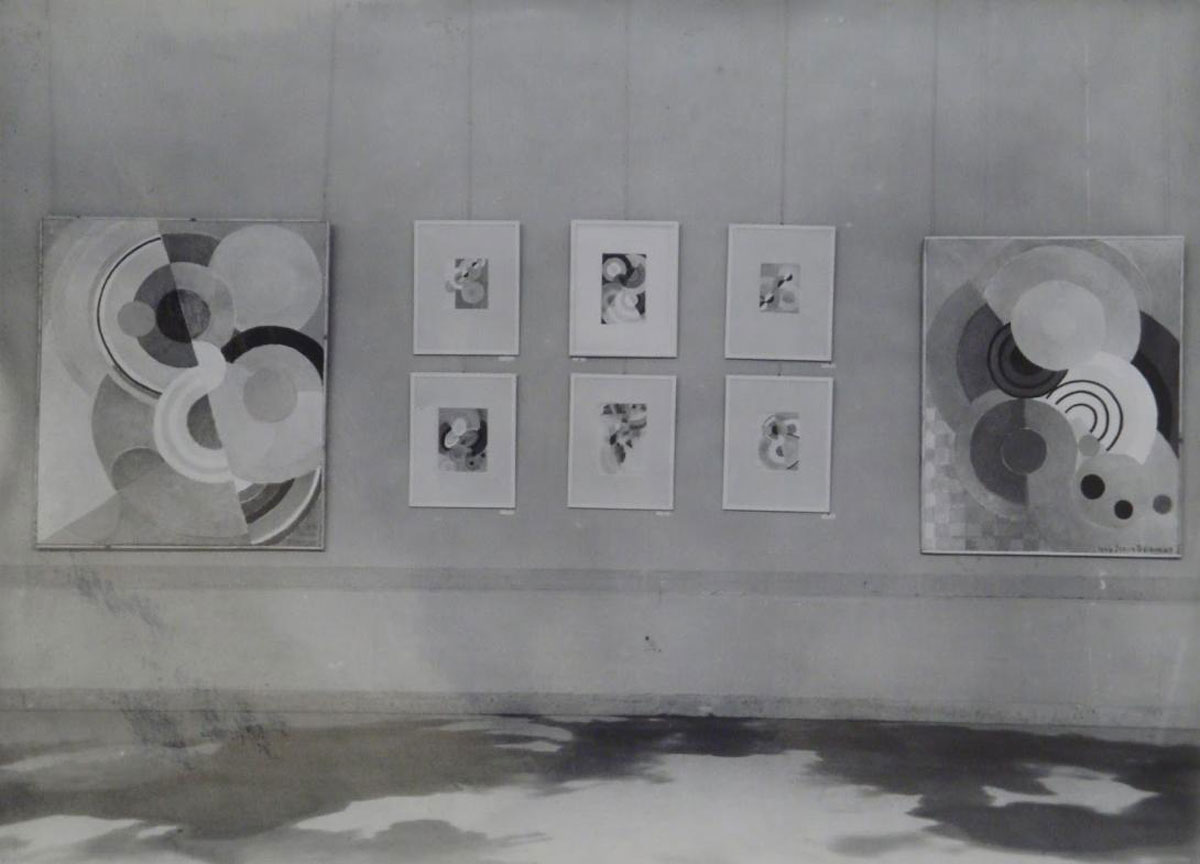
Another collective project by Robert and Sonia Delaunay might be less impressive for an average art lover, but it certainly remains important for those engaged in art market affairs. Starting in 1938, Sonia and Robert arranged a weekly gathering of young intellectuals who wanted to discuss painting and art theory in their studio. Gradually, the group grew and gained such prominent members as Andre Lhote, the inventor of Soft Cubism, and Dutch Dadaist Nelly van Doesburg. In 1939, the group, led by the Delaunays, arranged a show called Realités Nouvelles (meaning New Realities), which focused on presenting the most daring and impressive examples of abstract art.
Robert Delaunay died from cancer in 1941, leaving Sonia to continue working alone and maintaining the archives of both of them. In 1946, she started to arrange public shows again. Little by little, Realités Nouvelles turned into an abstract art fair, still functioning in 2024, with multiple branches outside France and an active online community.