
Best known in the art world as the birthplace of Vincent van Gogh, The Netherlands has a rich artistic history. When Van Gogh and his French contemporaries like Claude Monet, Paul Gauguin, and the Symbolists were making their mark on the evolution of modern European art during the long 19th century, a community of Dutch artists flourished in The Netherlands. These artists, while not world-famous, were vital to Dutch culture and participated in movements like Amsterdam Impressionism. They are celebrated in the country to this day.
1. Dutch Modern Artist Hendrik Willem Mesdag (1831-1915)
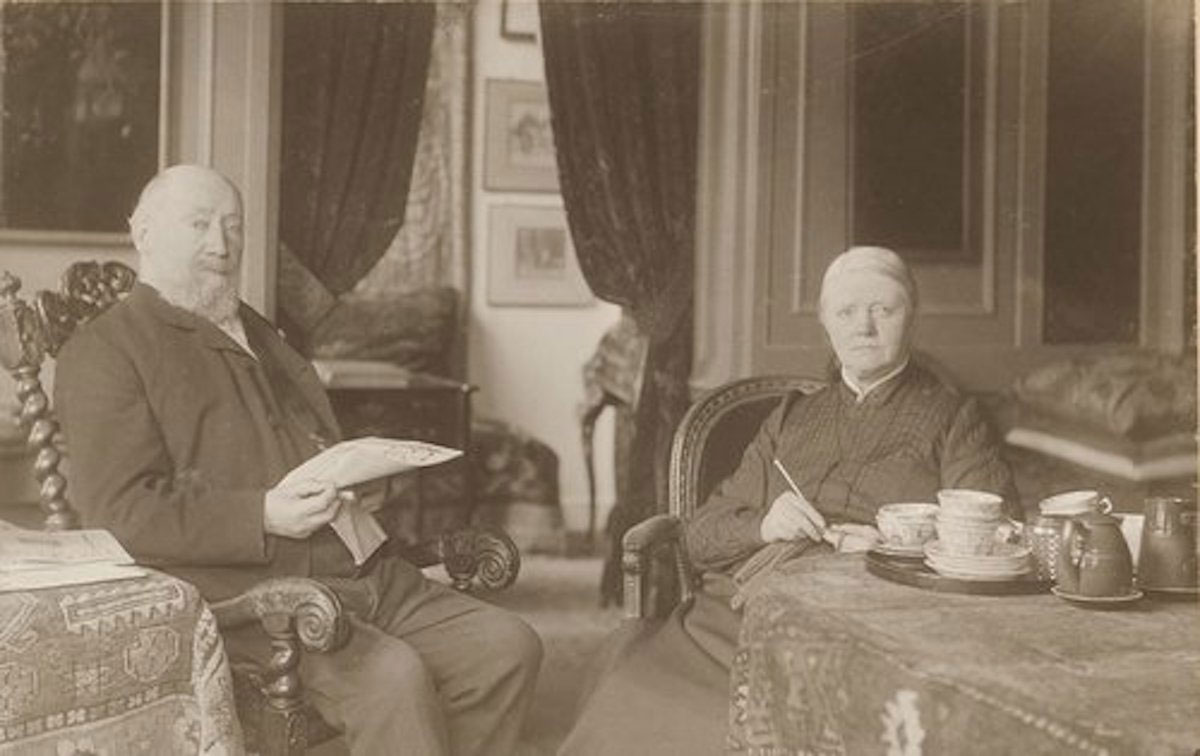
Being introduced to art from an early age by his father, Hendrik Willem Mesdag went on to build a significant artistic legacy in the Netherlands. The artist initially worked as a merchant at his father’s company but quit his day job to train as an artist in Brussels in 1866. His wife, Sientje van Houten, was also a painter and worked alongside her husband. The couple were collectors of contemporary Dutch and French art, and their collection is known as the Mesdag Collection. It has been owned by the state since 1903.
The collection can be seen at the museum De Mesdag Collectie, located next to the Mesdag house in The Hague. A large part of Mesdag’s oeuvre comprises seascapes. The artist was captivated by the ocean and moved to The Hague in 1869 to remain close to the Scheveningen, a fishing village close to the city. Today, Mesdag is best known for his Panorama of Scheveningen, the largest painting in The Netherlands.
Panorama of Scheveningen (1881)
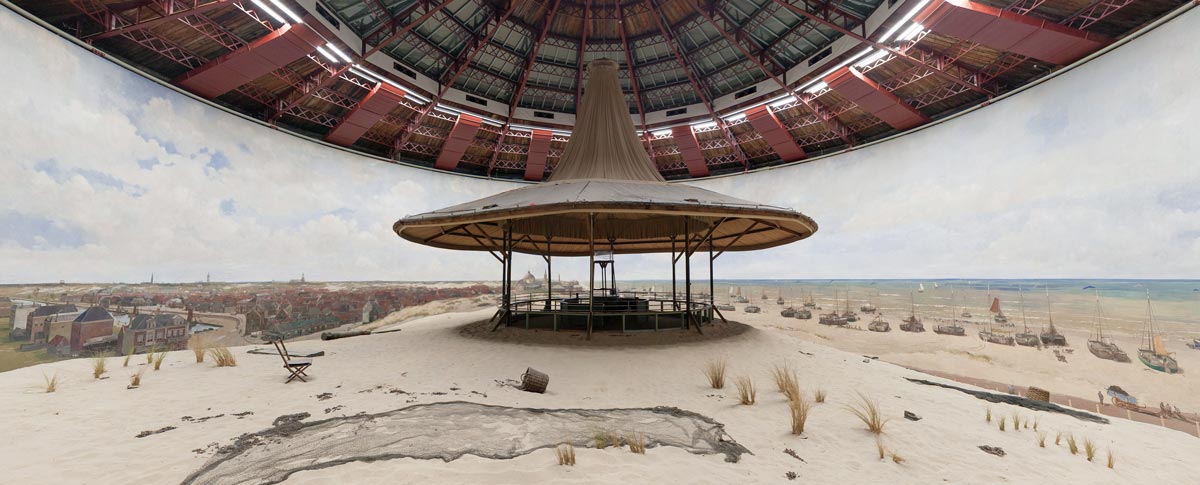
The Panorama of Scheveningen is a 360-degree painting of a fishing village. It depicts the sea, the beach full of people and horses, and fishing boats. It can be viewed by standing in the center of it, on the highest dune in the area called Seinpostduin. The Panorama of Scheveningen is still in its original place, which is unusual for a painting of this size. This masterpiece was not solely completed by Mesdag. He was helped by his wife, Sientje Mesdag-van Houten, as well as other artists, including Bernard Blommers, George Breitner, and Théophile de Bock. The Panorama of Scheveningen opened to the public in 1881 and can still be enjoyed today, among other works by the Mesdags, at the Museum Panorama Mesdag in The Hague.
2. George Hendrik Breitner (1857-1923)
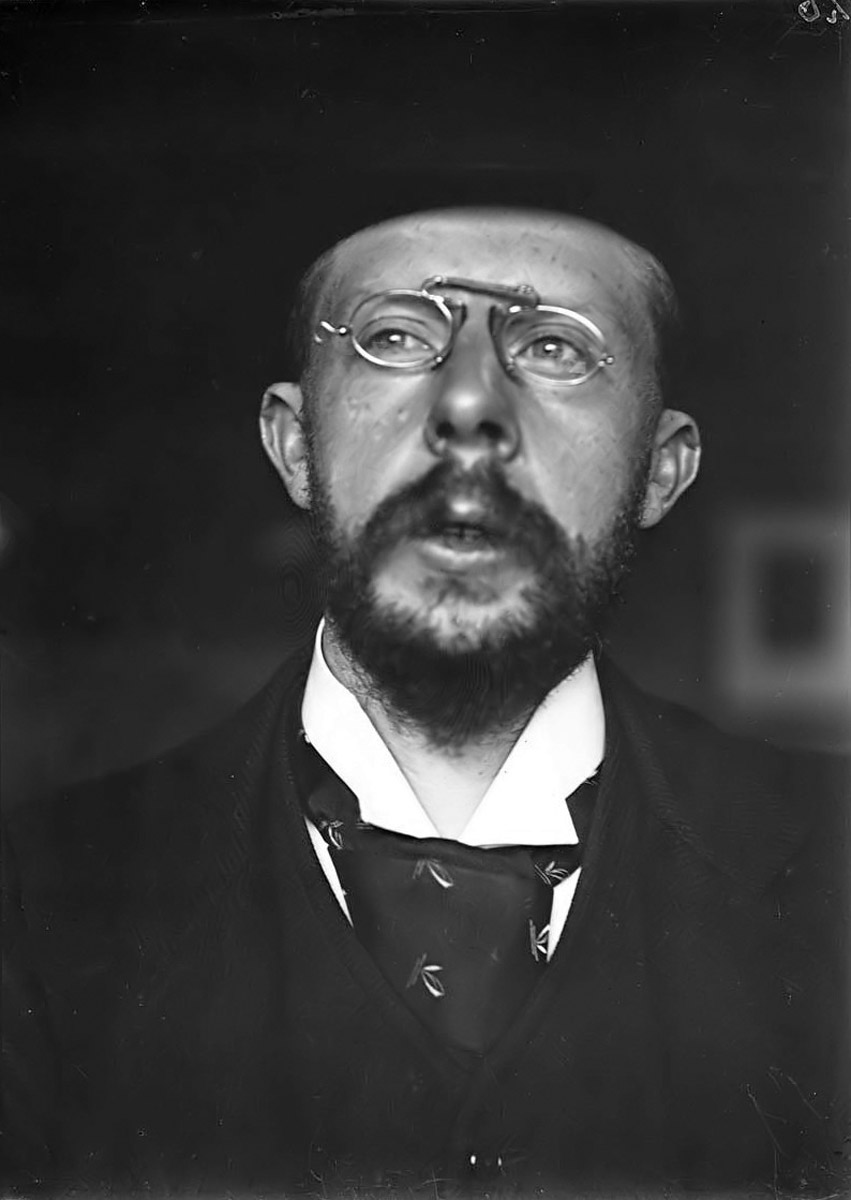
Born in 1857 in Rotterdam, George Breitner is best known for his depictions of Amsterdam city life. He trained at several schools, including the Hague Academy, the Rijksakademie van Beeldende Kunsten in Amsterdam, and Académie Cormon in Paris (known for being a frequently visited spot among French modern artists and Van Gogh). Breitner also briefly worked with Van Gogh in 1882, at the beginning of the latter’s artistic career.
Breitner was also active in a literary group called the Tachtigers, which promoted the shift from Romanticism to Impressionism. However, unlike the French Impressionists, Breitner used somber colors in his paintings while employing fluid Impressionist brushwork. In addition to being a painter, Breitner was also a photographer, and his affinity for photography is reflected in his paintings.
The Singel Bridge at the Paleisstraat in Amsterdam (1896)
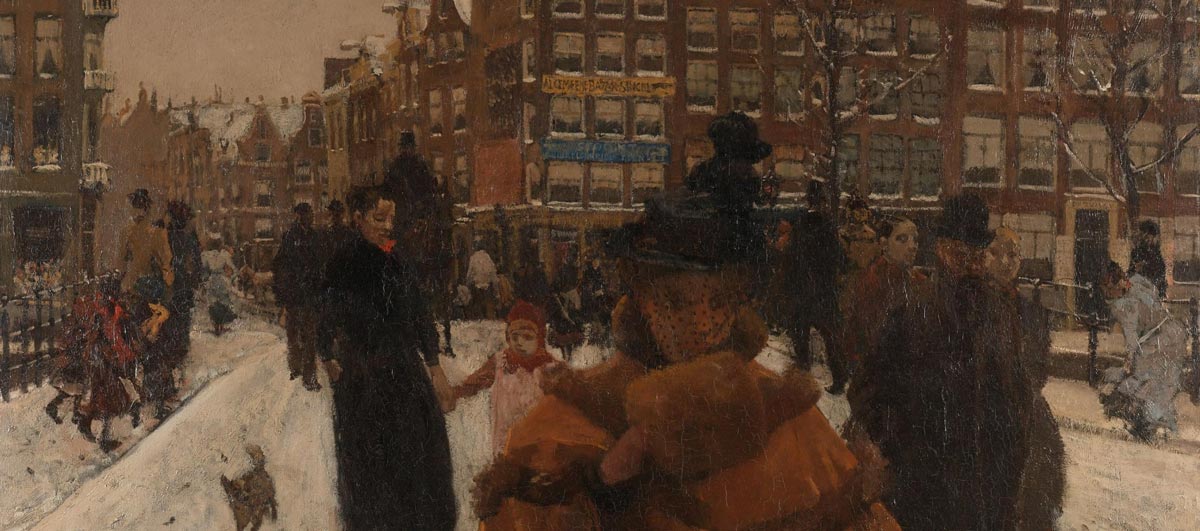
This painting is a typical example of Breitner’s use of photographic elements as well as the Impressionist style in his paintings. This work depicts a regular moment from a winter scene on the busy streets of Amsterdam. The frame of this scene is cut off abruptly at the bottom as in a photograph, which is also a result of Breitner’s use of photographs as references for painting. The people depicted in this painting are common folk, which was a regular occurrence in Breitner’s works as the artist described himself as the painter of the people.
3. Richard Roland Holst (1868-1938)
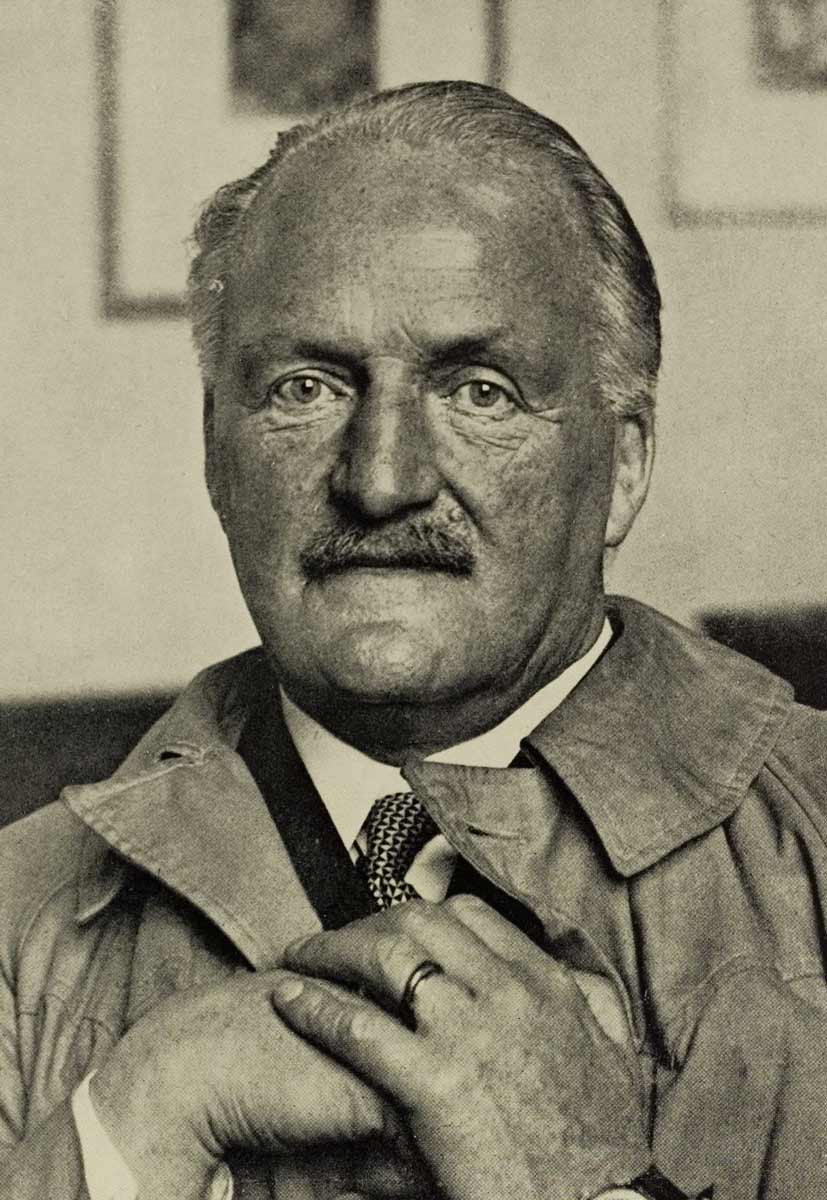
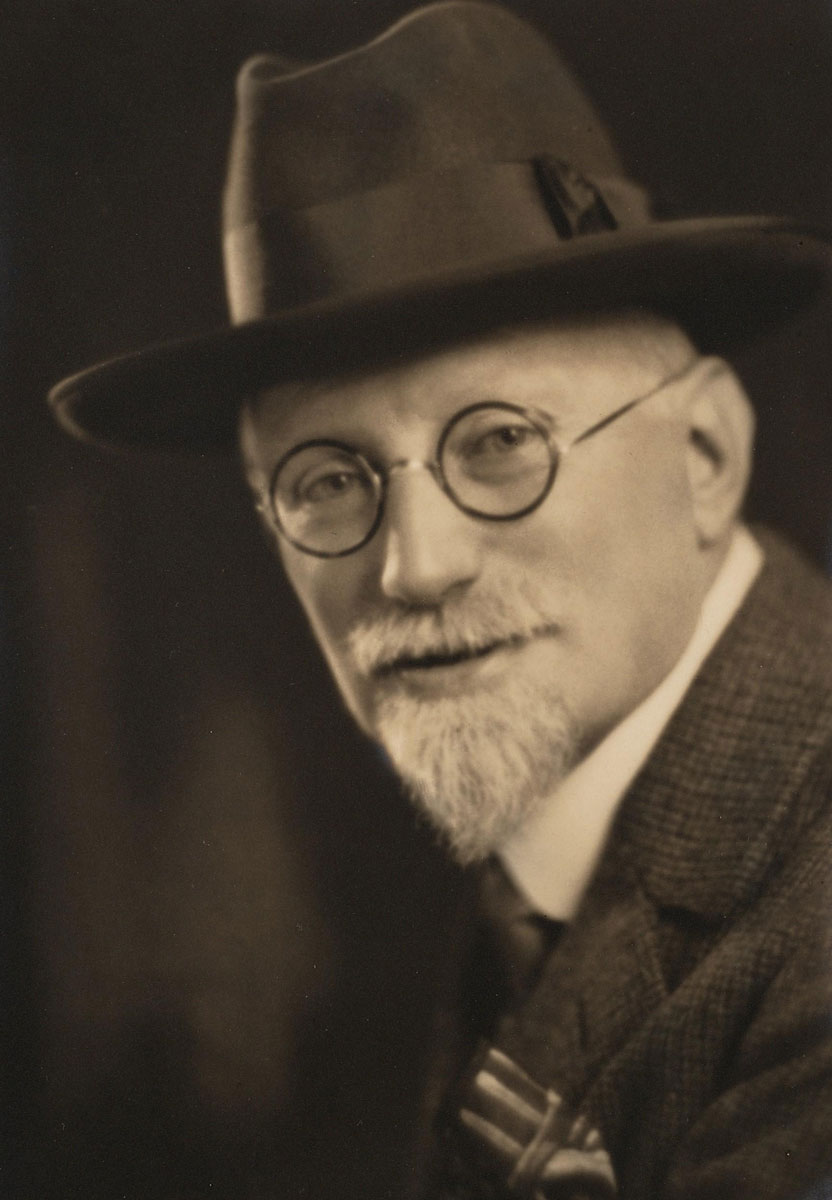
Richard Roland Holst was a versatile artist who dabbled in painting, lithography, sculpture, furniture design, illustration, glass painting, and woodcuts, among other things. He decided to pursue art at a very early age, which was made possible due to his privileged background. In the later years of his career, Holst embraced the theoretical side of art and became a professor of art history at the Rijksacademie in 1918.
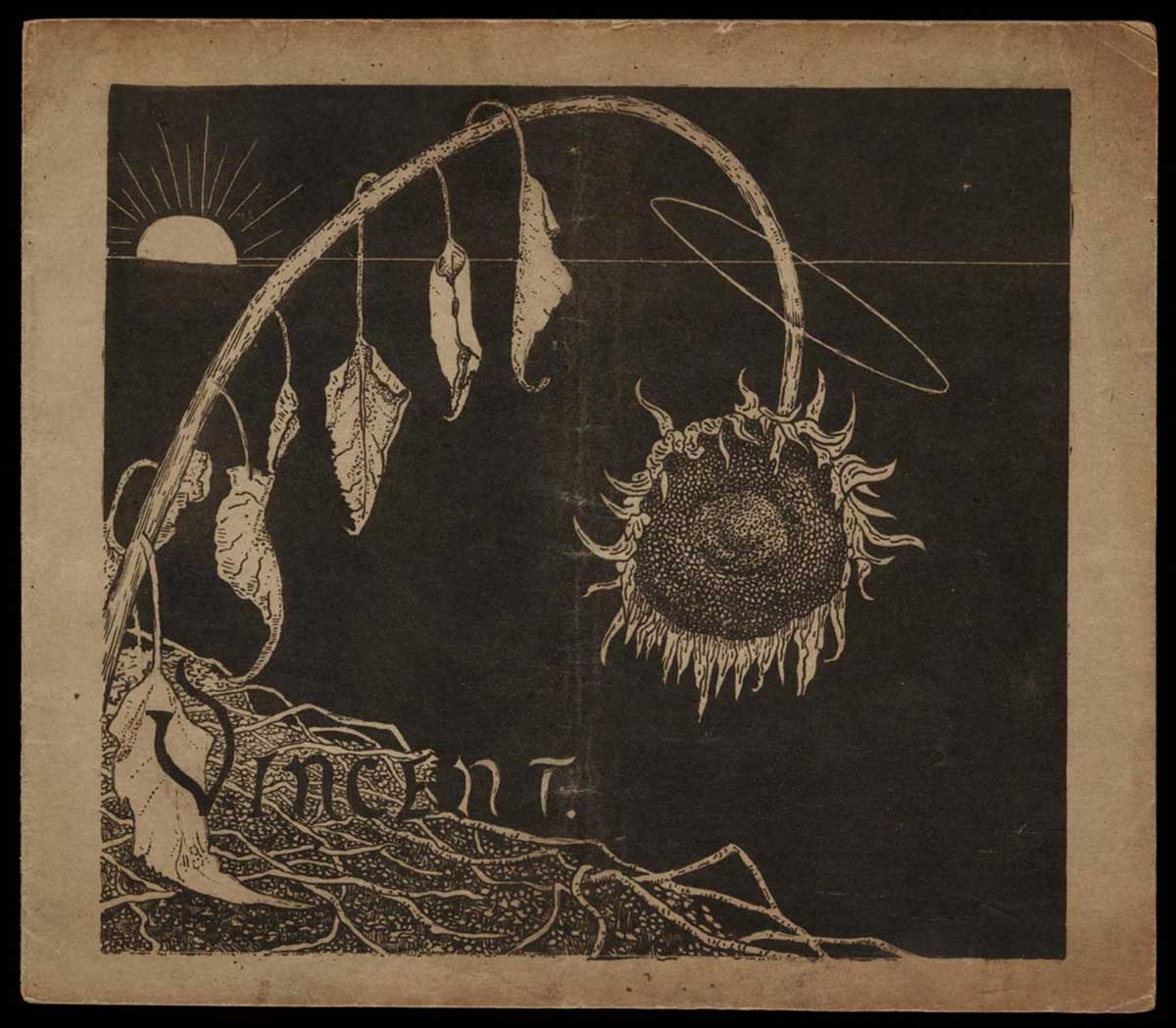
As an artist, Holst was inspired by the growing Arts and Crafts movement in Europe towards the end of the 19th century. After coming across works by British designer William Morris, he decided to commit himself entirely to lithographic printmaking. Holst was also an early supporter of Van Gogh. In 1892, two years after the latter’s death, an exhibition was organized dedicated to Van Gogh’s works, for which Holst made the catalog cover as a lithograph depicting a drooping sunflower with the name Vincent etched under it.
A Socialist Artist
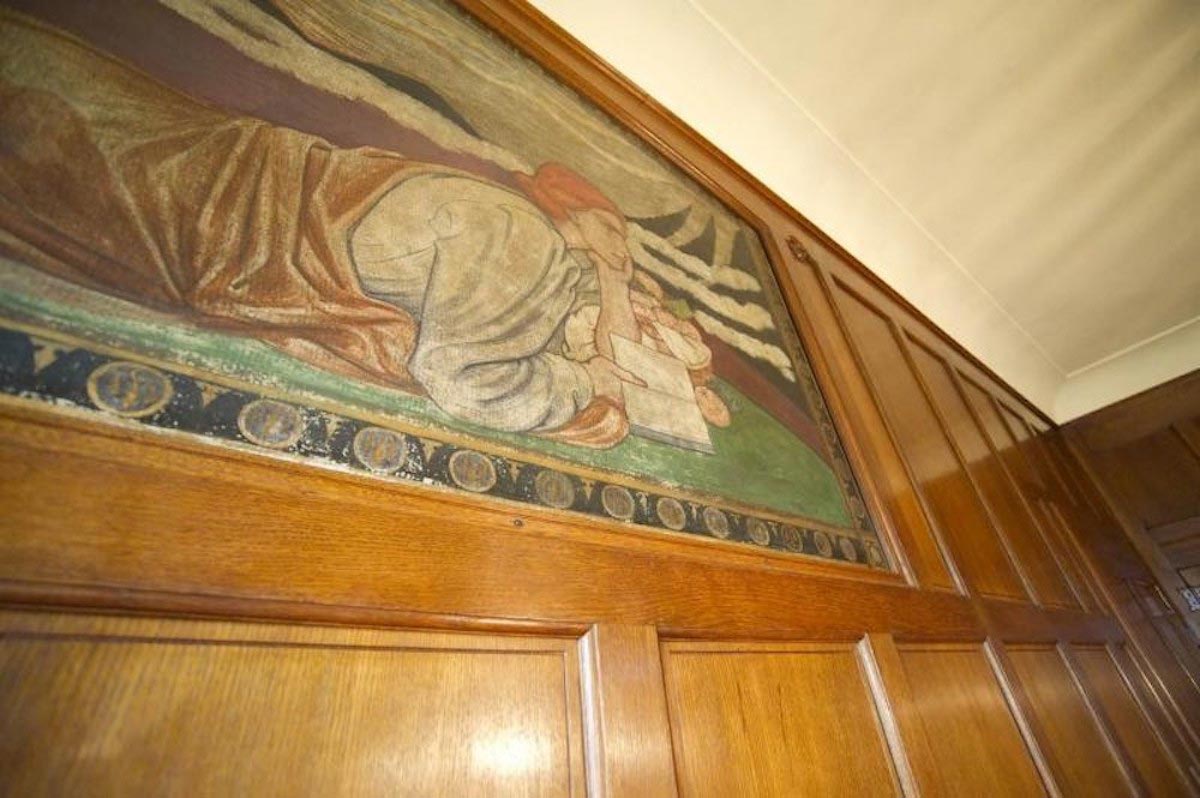
Despite coming from an elite family, Holst was sympathetic to the socialist cause and joined the Social Democratic Workers’ Party (SDAP) in 1897. He made prints and posters for the party and was eventually commissioned by a trade union to paint murals about the history of the labor movement in the Netherlands. His wife, socialist poet Henriëtte van der Schalk, wrote accompanying texts for his works. Holst’s murals can still be viewed today at the Trade Union Museum in Amsterdam.
4. Johann Georg van Caspel (1870-1928)
Johann Georg van Caspel was one of the first commercial artists in The Netherlands. His oeuvre is full of advertisement prints and posters, as well as catalogs, calendars, and book covers. In 1896, he received a permanent position with Senefelder commercial printers, becoming the first artist to do so in The Netherlands. Commercial prints were new to the country at the time, which made Van Caspel a pioneer in this art form.
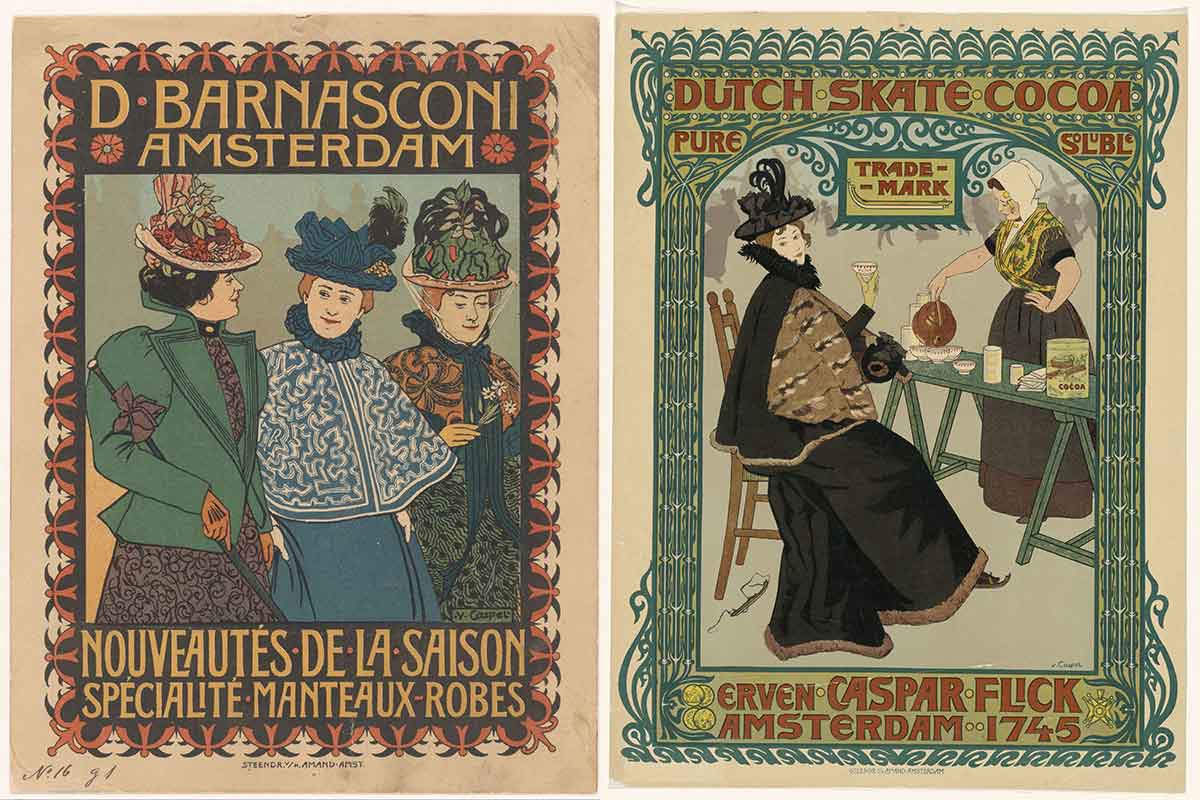
The artist mostly worked in the Art Nouveau style and was also influenced by Japanese prints. The perspective employed in his prints was inspired by Japanese art, as the subjects were placed off-center. Van Caspel’s prints feature various typographies, bold outlines, and bright, eye-catching colors common in advertisements. Although the artist is not renowned today, Van Caspel’s style and contribution to early advertising material are an important legacy for commercial printmaking in the Netherlands.
5. Isaac Israëls (1865-1934)
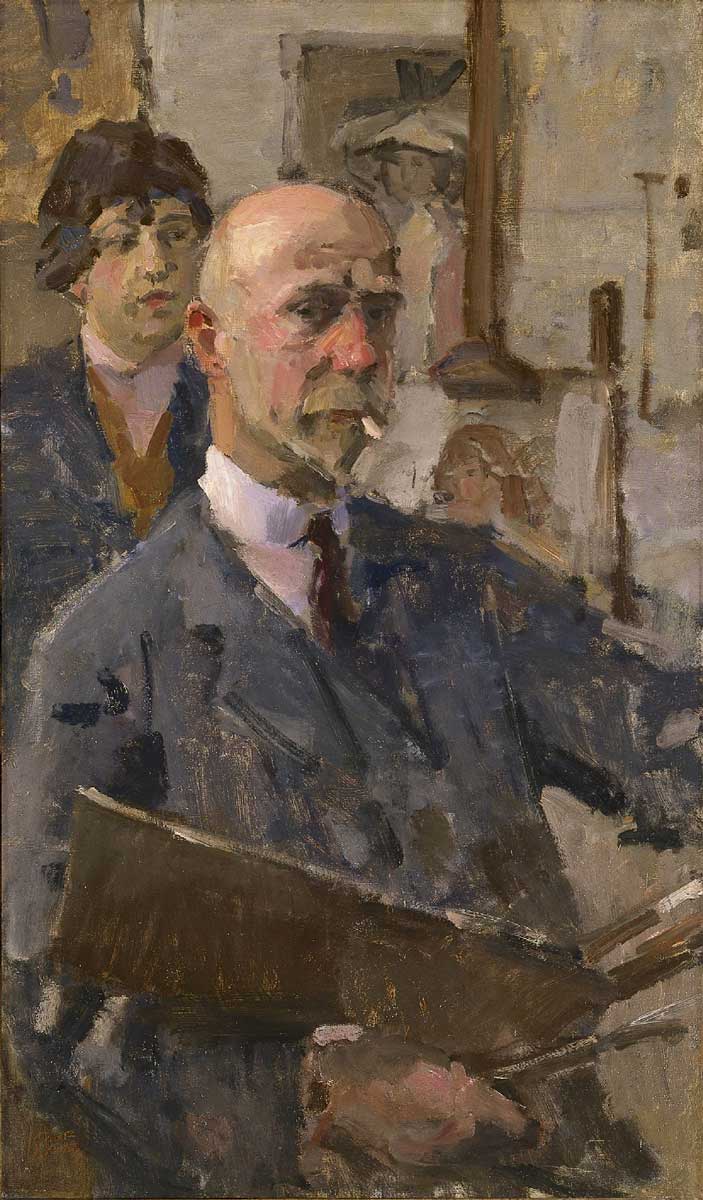
Isaac Israëls was the son of Jozef Israëls, a prominent Dutch painter from The Hague School. With a familial background in painting, Isaac Israëls became an active participant in the modern art movement in The Netherlands. However, his aim was to stand out from his father’s legacy and build a name for himself. This meant leaving behind the landscape paintings that the artists of the Hague School were known for, as well as painting the city life of Amsterdam. As a contemporary of Breitner, Israëls also painted the leisurely aspects of city life, with most of his work depicting scenes from streets, shops, and cafes.
His works resembled those of the Impressionists with their quick brushstrokes that capture a fleeting moment, emphasis on mundane moments from daily life, and the abruptly cut frame of the painting, resembling a photograph. Israëls and Breitner soon became prominent members of Amsterdam Impressionism and offered healthy competition to one another.
Series of Portraits Featuring Van Gogh’s Works (1915-20)
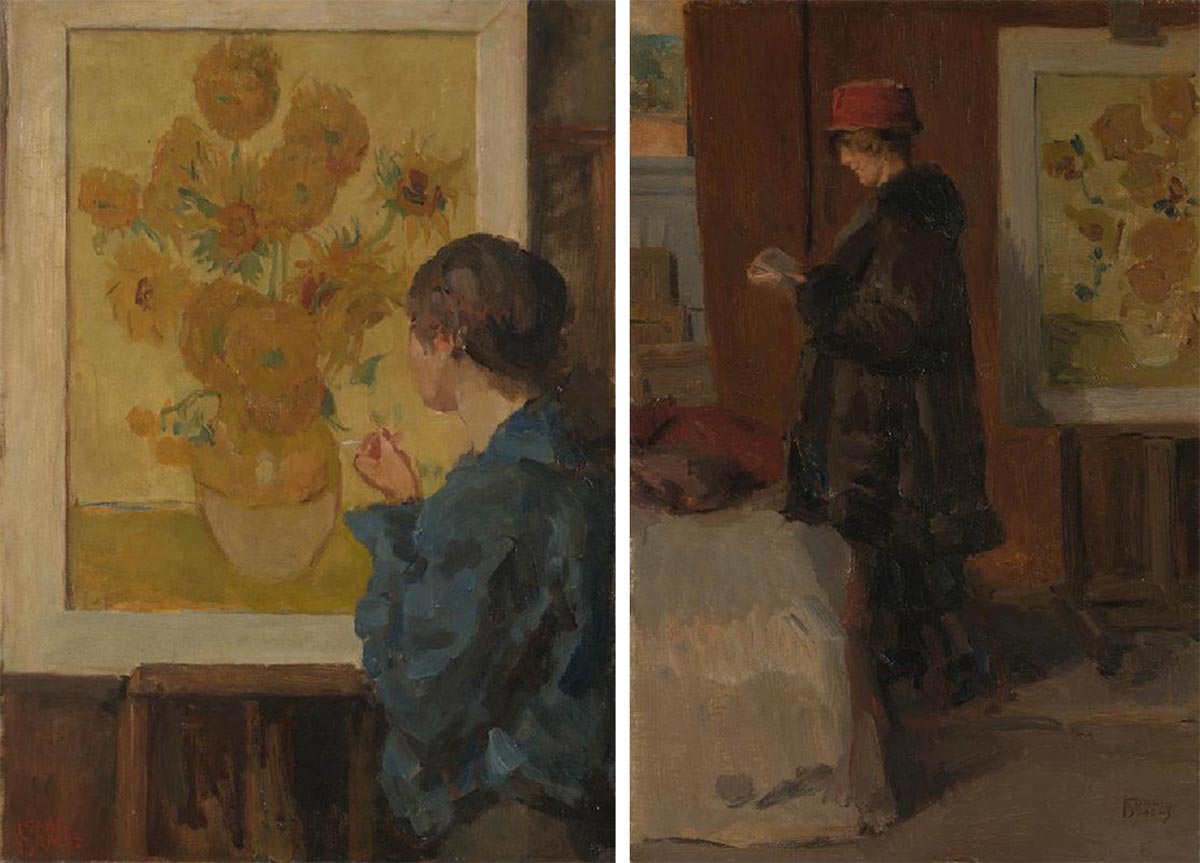
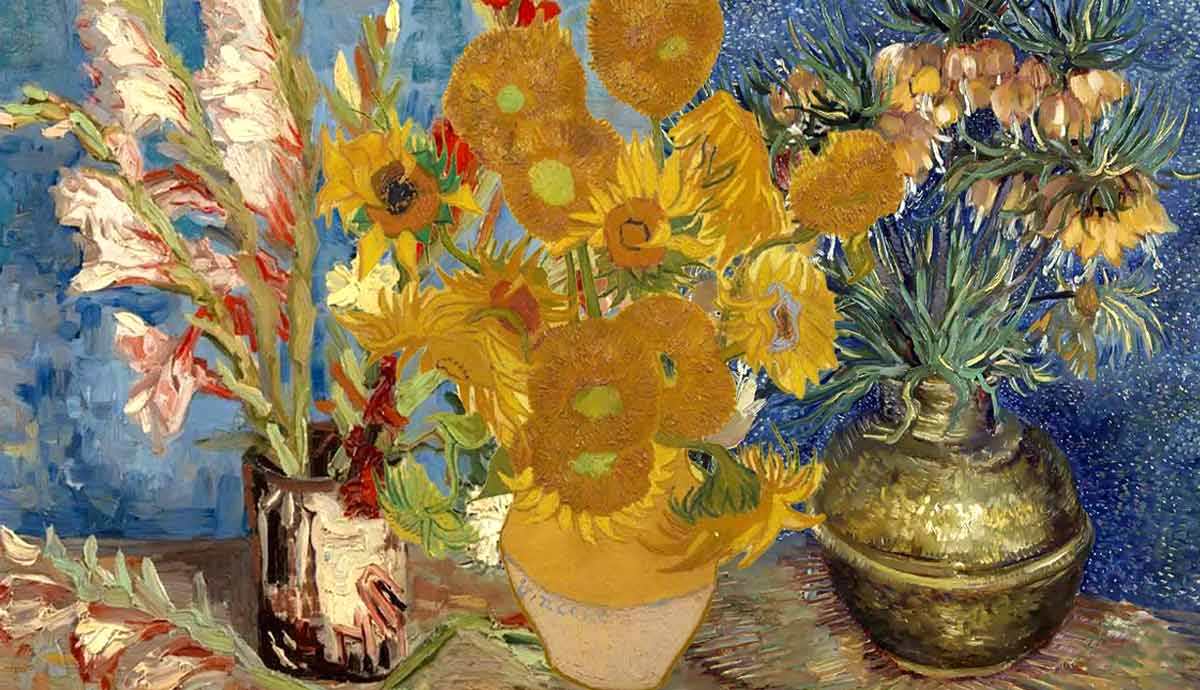
One of Israëls’ most important works includes a series of portraits he painted between 1915-20 featuring Van Gogh’s Sunflowers. The Sunflowers were lent to him by Van Gogh’s sister-in-law, Johanna van Gogh-Bonger. Israëls was quite fond of Van Gogh and was deeply influenced by his use of bright colors as a means of emotional expression. However, he was not interested in copying the Sunflowers but in using them as an element in his own works. Some of the works from the series include An Elegant Lady Posing Before the Sunflowers of Vincent van Gogh, Woman Standing in Front of Van Gogh’s Sunflowers, and Nude Before ‘Sunflowers’ by Van Gogh. It is noticeable that Israëls captured the Sunflowers in his own style and did not make them the center of attention in his composition.
6. Jan Toorop (1858-1928)
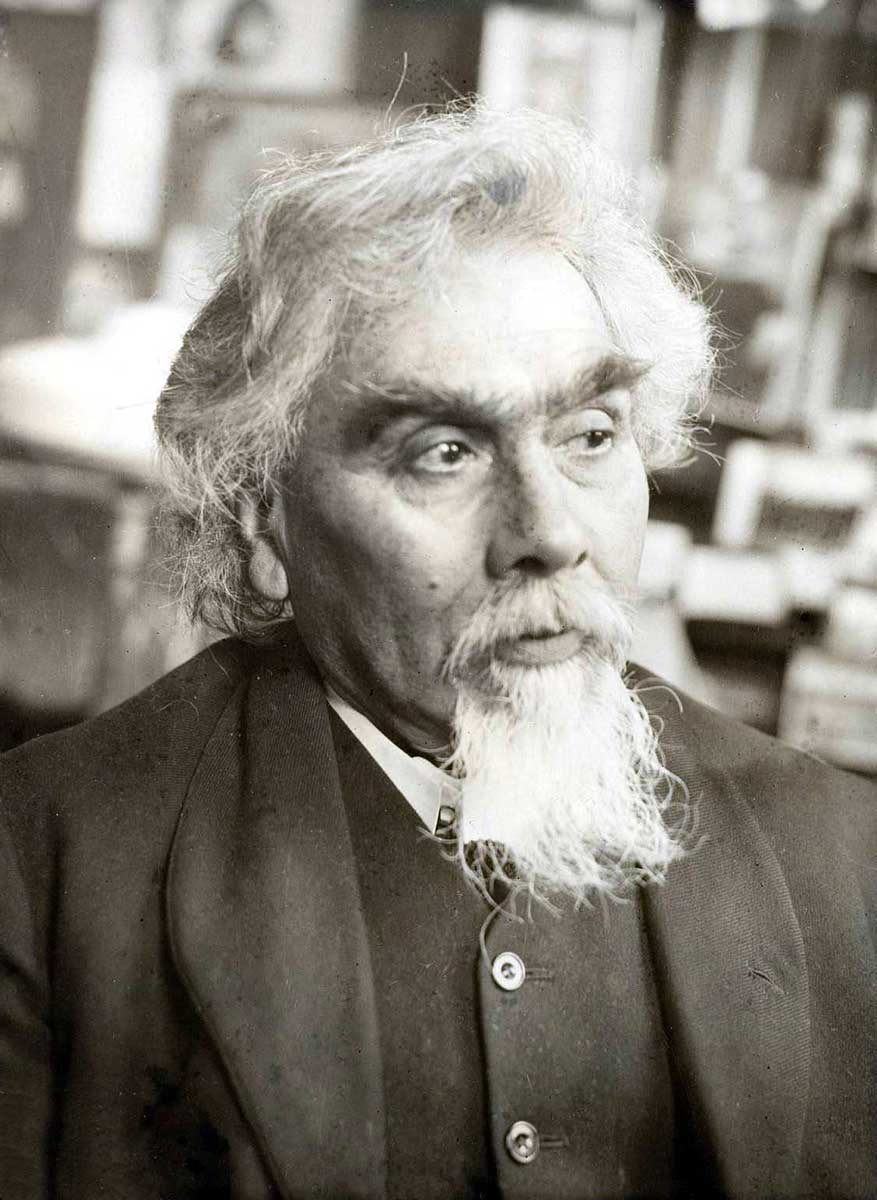
Jan Toorop was a versatile modern artist who began his career with Amsterdam Impressionism and later developed his oeuvre according to Pointillism, Symbolism, and Art Nouveau. He was born on the Indonesian island of Java but soon moved to The Netherlands and studied art at the Rijksacademie van Beeldende Kunsten in Amsterdam and the Academy of Fine Arts in Brussels. Toorop was the most modern Dutch artist of his time. Throughout his career, he remained open to new developments in art and learned new techniques to experiment with different methods of expression through painting. He mastered each style before moving on to the next.
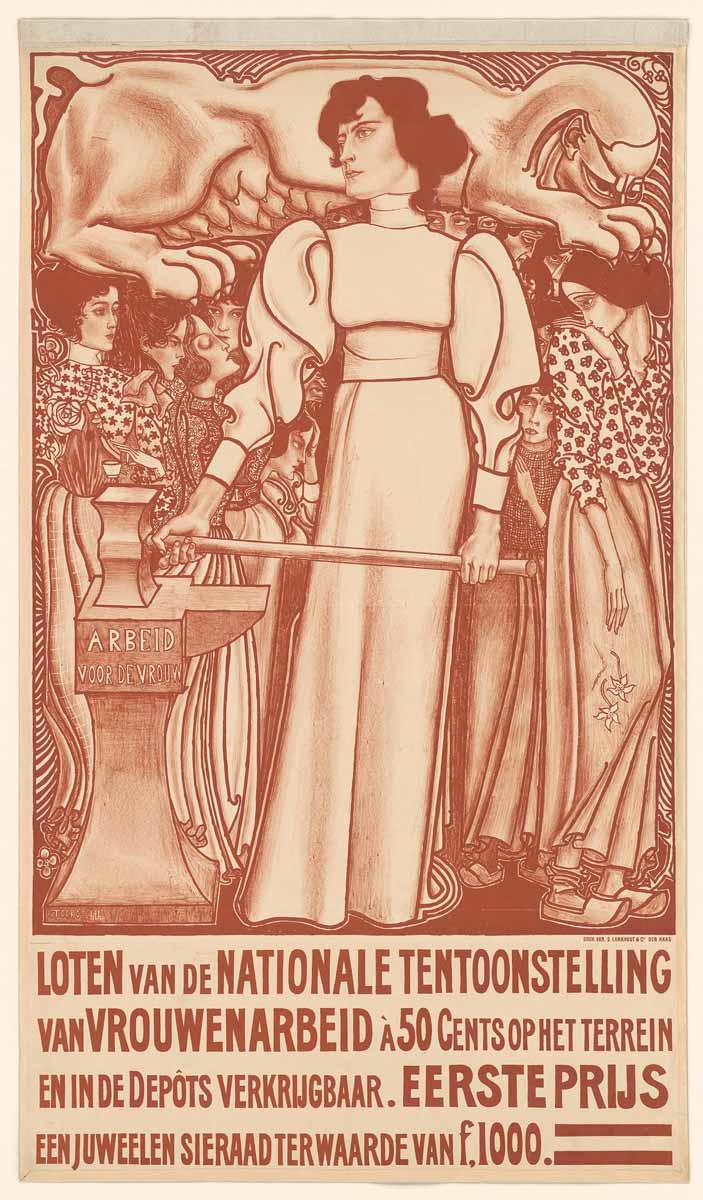
This openness to new ideas and Toorop’s travels to France and Belgium inspired his Dutch contemporaries, who, through him, became aware of international developments in art. Moreover, Toorop supported the feminist agenda and even designed the poster for the National Exhibition of Women’s Labour, held in 1898.
Dutch Modern Artist’s Slaolistijl
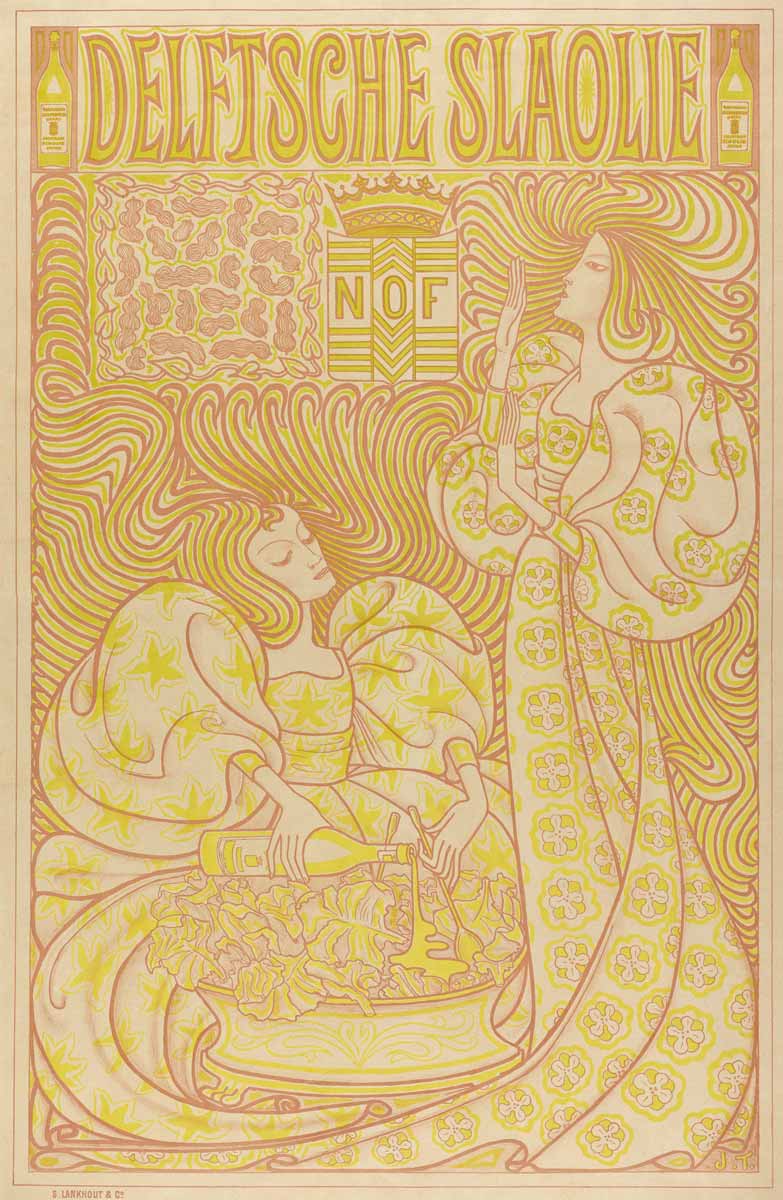
Toorop had a dynamic career that went beyond painting and included graphic design for books and ceramics. He is particularly famous for his Art Nouveau works, such as his commercial lithograph to promote Delft salad oil in The Netherlands. Because this lithograph gained so much popularity, the Art Nouveau style became known as the slaolistijl (meaning salad oil style) in The Netherlands after Toorop’s work.