
Though seemingly small and innocuous, the Lewis chessmen have a fascinating story, and there is much they can reveal about art, culture, trade, and politics in Northern Europe. They also inform our understanding of the spread and evolution of chess itself. However, for all they can teach us, there are many secrets the Lewis chessmen still keep regarding their origin, use, and even their eventual rediscovery.
Background

No one knows for certain where and when they were found. Sometime in 1830, a storm washed away part of a sandbank in Uig Bay or Mealista on the Isle of Lewis in Scotland’s Hebrides Islands, revealing a small rock formation. Legend has it that the first man to investigate the rocks fled in terror, believing he had uncovered a faerie court or some sort of otherworldly gathering.
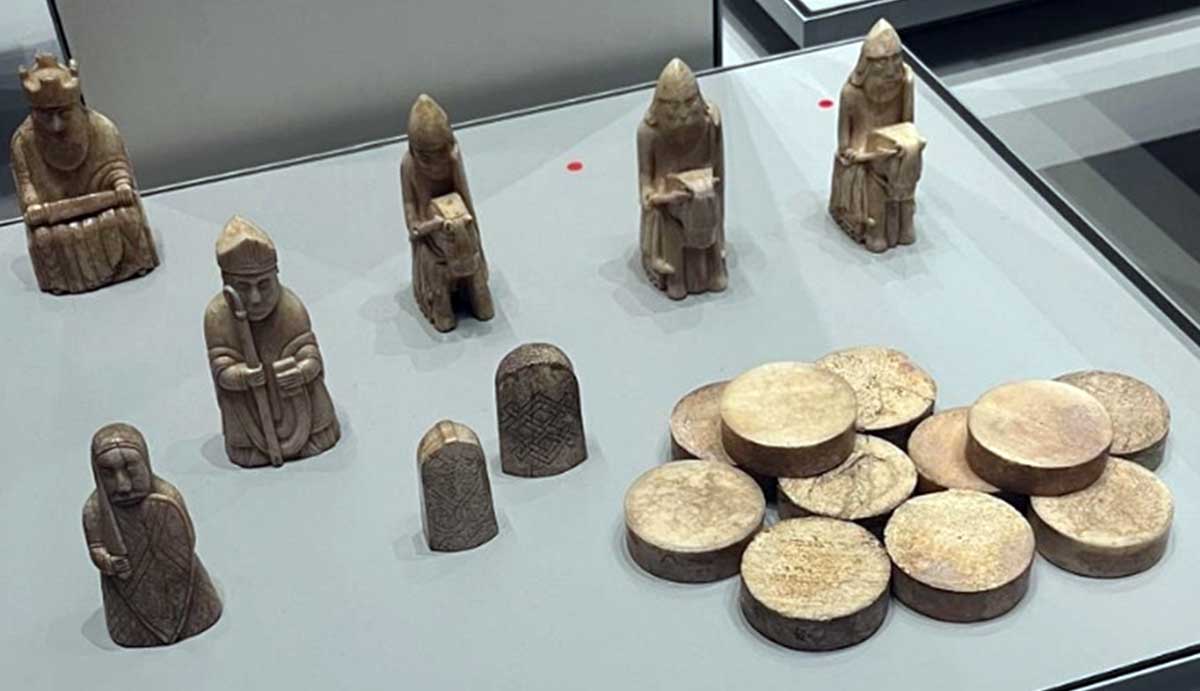
Rather than pixies or elves, though, he had in fact stumbled upon 93 exquisitely made figurines carved out of walrus ivory and whale teeth. The collection consisted of a belt buckle, 14 gaming tokens, and, most famously, 78 chess pieces ranging from 3.5 to over 10 centimeters (1.3 to 4 inches) tall. The pieces consisted of eight kings, eight queens, 16 bishops, 15 knights, 12 rooks, and 19 pawns, enough for four separate sets, though many pieces (especially pawns) are missing.
After a series of backroom deals and academic skullduggery, eleven figurines remained in the National Museum of Scotland in Edinburgh, while the rest went to the British Museum, save one that remains in a private collection.
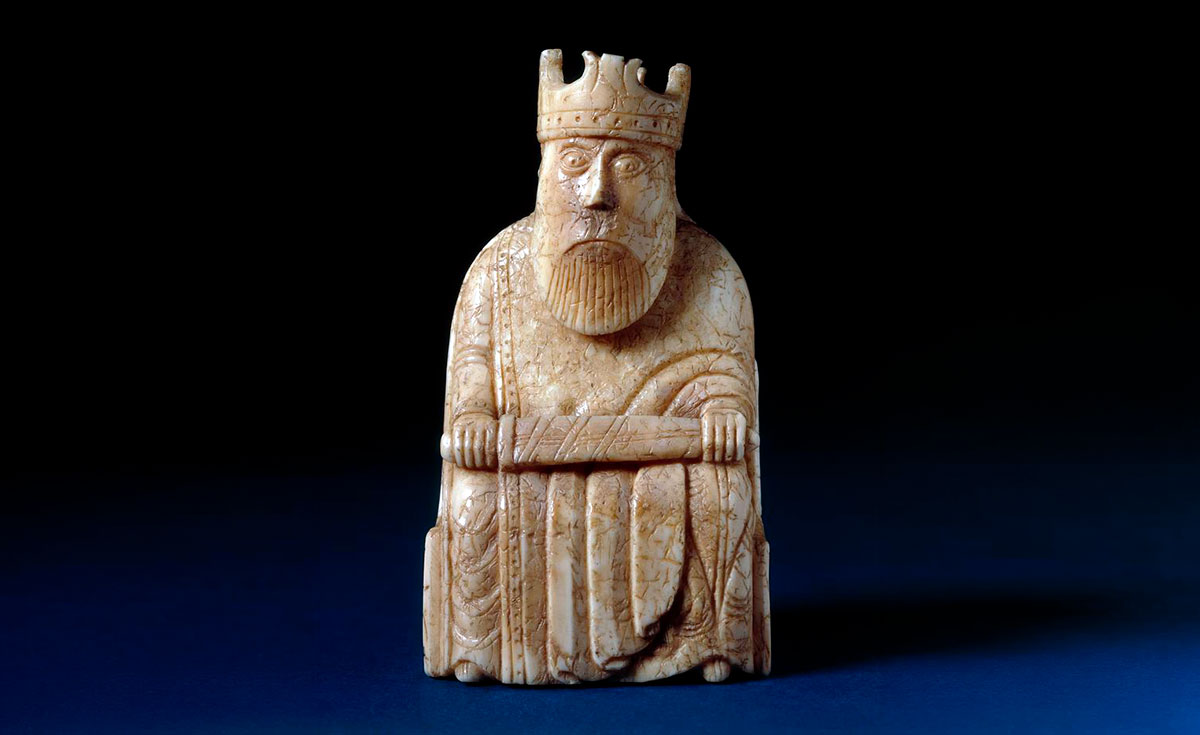
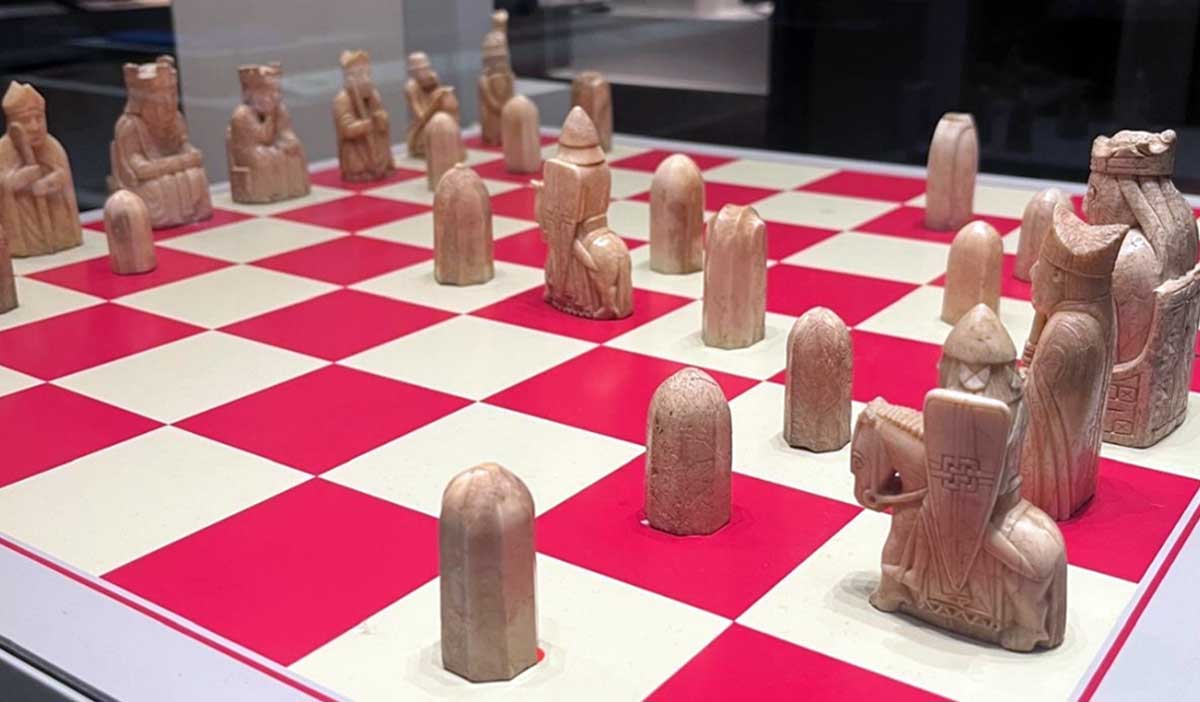
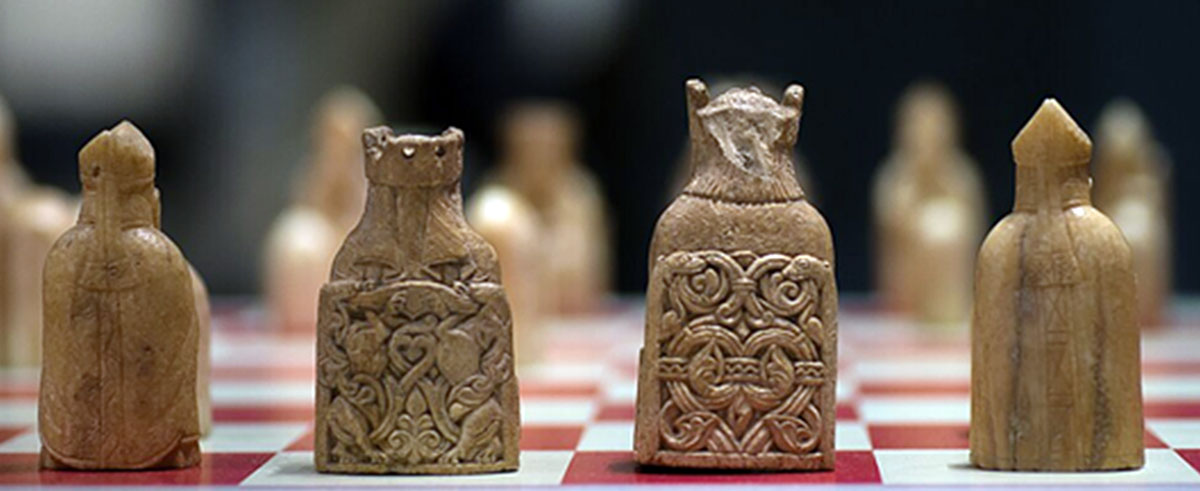
The Lewis chess pieces, as the figurines are now known, quickly gained attention for their mysterious past and beguiling design. Each piece is well designed to type, and all are humanoid save the pawns, which consist of geometric points akin to standing stones or boundary markers.
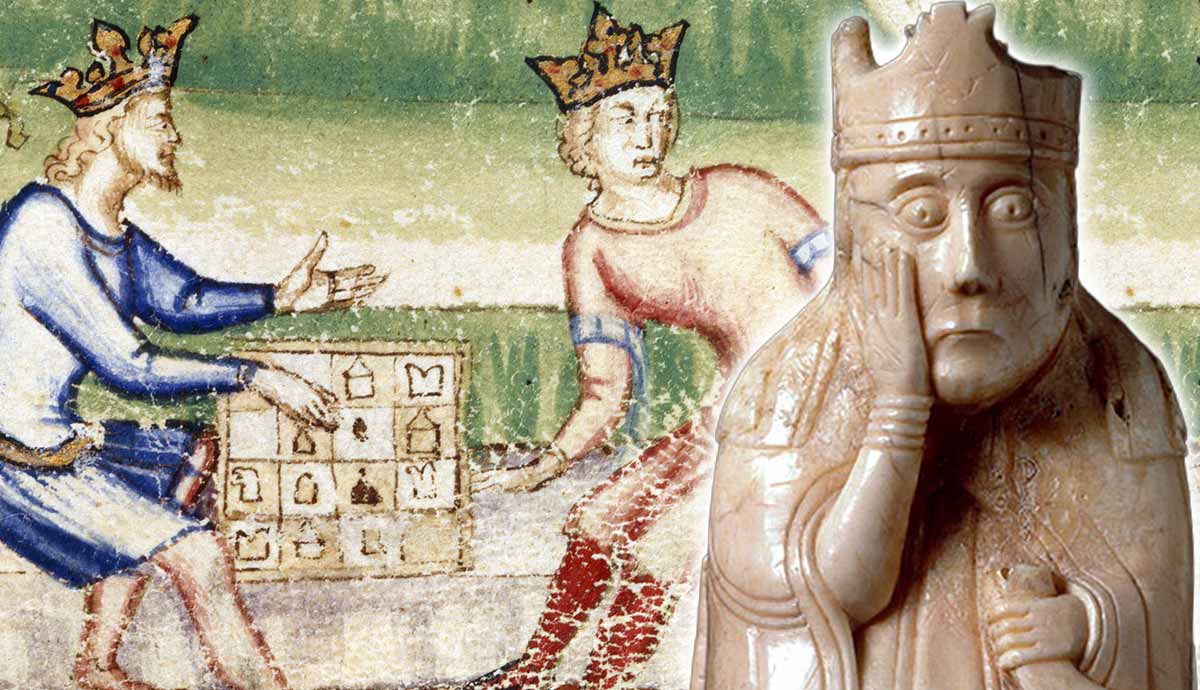
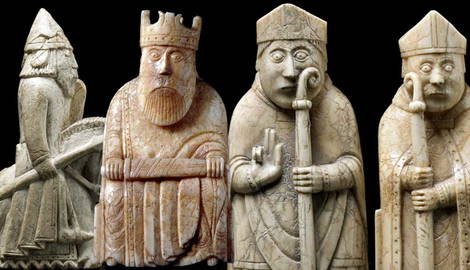
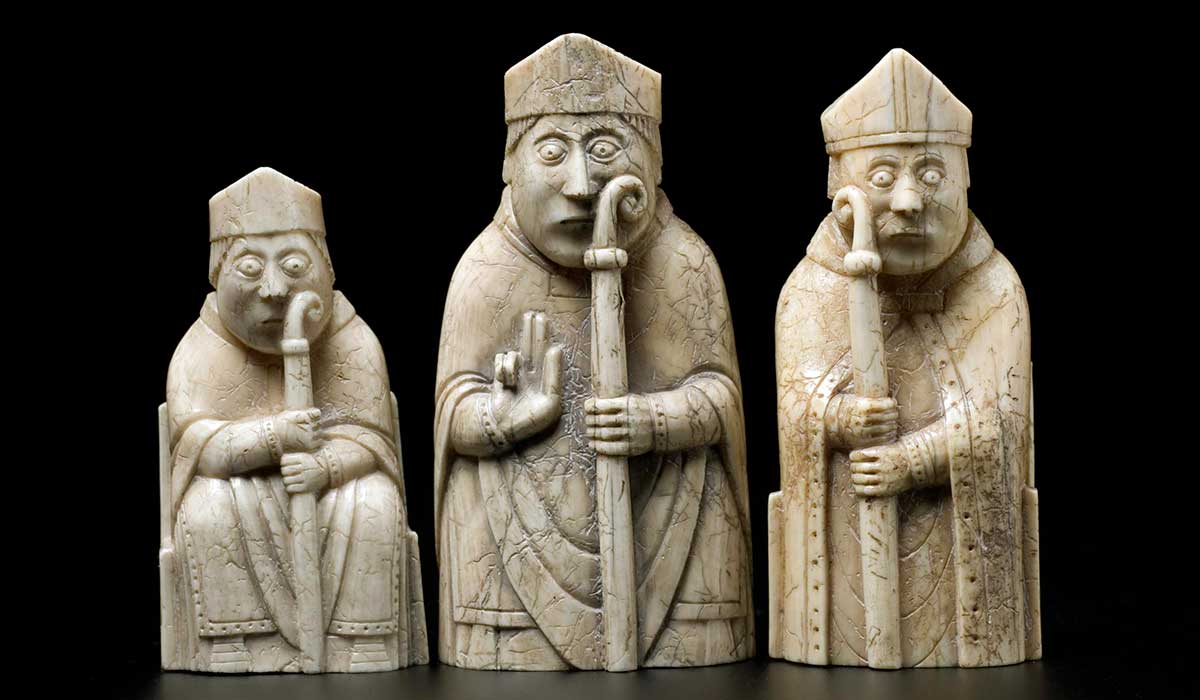
The pieces create a setup of a storied medieval court. The royalty are crowned, the bearded kings rest swords across their laps while the veiled queens rest their heads in their right hands. The bishops are robed and mitered, carrying croziers and Bibles, while the knights are mounted, ready for battle. The rooks (also called warders by researchers) are well-armed infantrymen. Yet, no two pieces are alike, with beautifully unique details in their design, though some have been worn away by time and exposure.
Many questions around the chess pieces remain. Who made them? Where did they come from? What was their purpose? Where, if they exist, are the remaining pieces? And how on earth did they come to be buried on a beach in the Hebrides? The answer to some of these questions reveals intriguing glimpses into the past, yet there are also parts of the chess pieces’ story that remain as mysterious as their rediscovery.
Location
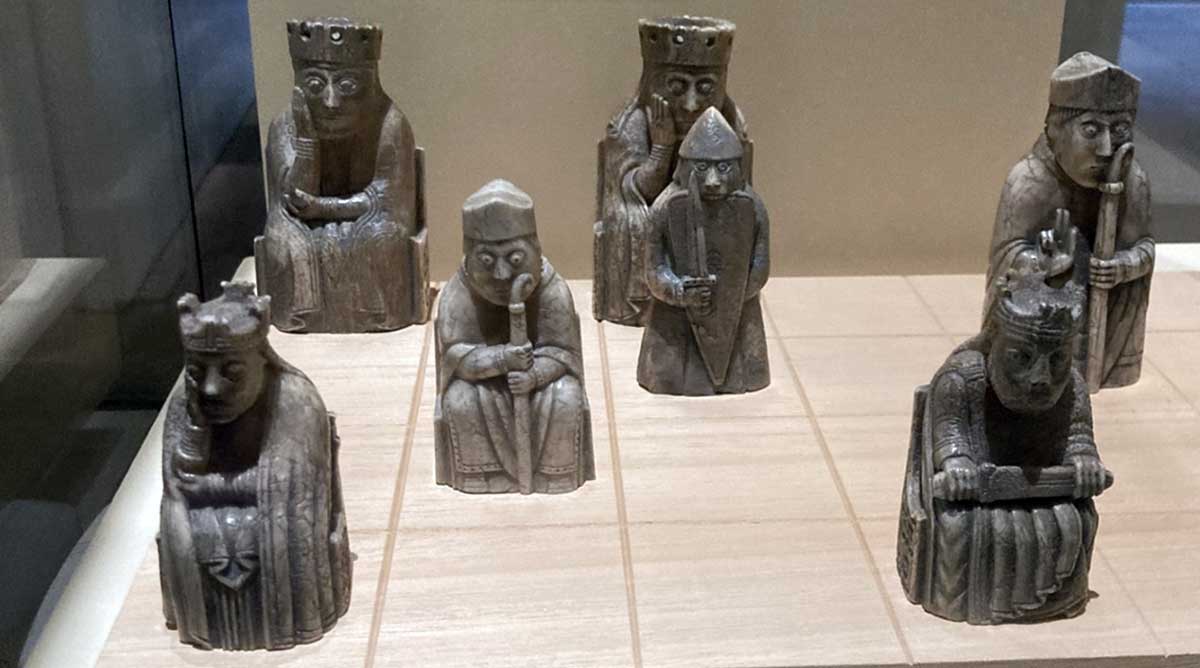
Clues to the chess pieces’ origins (both in time and place) can be found through further analysis of the pieces themselves. Walrus ivory and whale teeth are rare materials. Moreover, their quality and craftsmanship are first-rate. Each piece is wonderfully unique in its facial expressions, clothing, and even hairstyles, but despite these intricate features, they were built to last. They are ergonomic and robust, solidly carved out of single blocks, making them difficult to knock over and featuring no delicate extruding parts liable to break from overhandling.
Such unusual materials and master craftsmanship rule out the possibility that they were contemporary forgeries. However, during the Medieval Era, there was a rich trade in carved walrus ivory and whale teeth centered, by dint of their geographic origin, in Scandinavia.
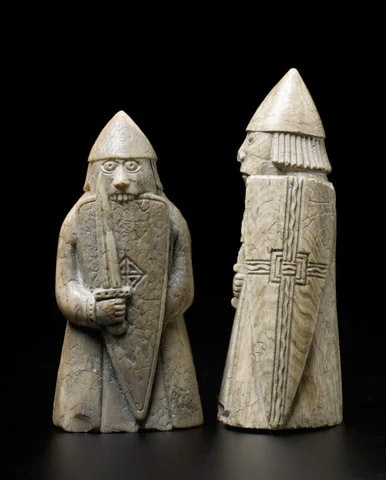
The pieces themselves show clear Scandinavian cultural markers as well. The knights’ horses appear to mimic Icelandic or Fjordland breeds, while several of the Rooks are biting their shields, matching the infamous Berserker rages of Norse mythology. Many of the pieces are also decorated with distinct Norse patterns and motifs as well.
Though Scandinavia was Christian at the time, old Viking art and symbols still held cultural significance. Additionally, the pieces’ facial features are quite striking. In fact, they appear to be part of a medieval Scandinavian artistic style believed to have originated in Nidaros, modern-day Trondheim, the first capital of Norway. At the time, Nidaros was also a center of the ivory trade and the manufacturer of artworks and styles found in the chess pieces.
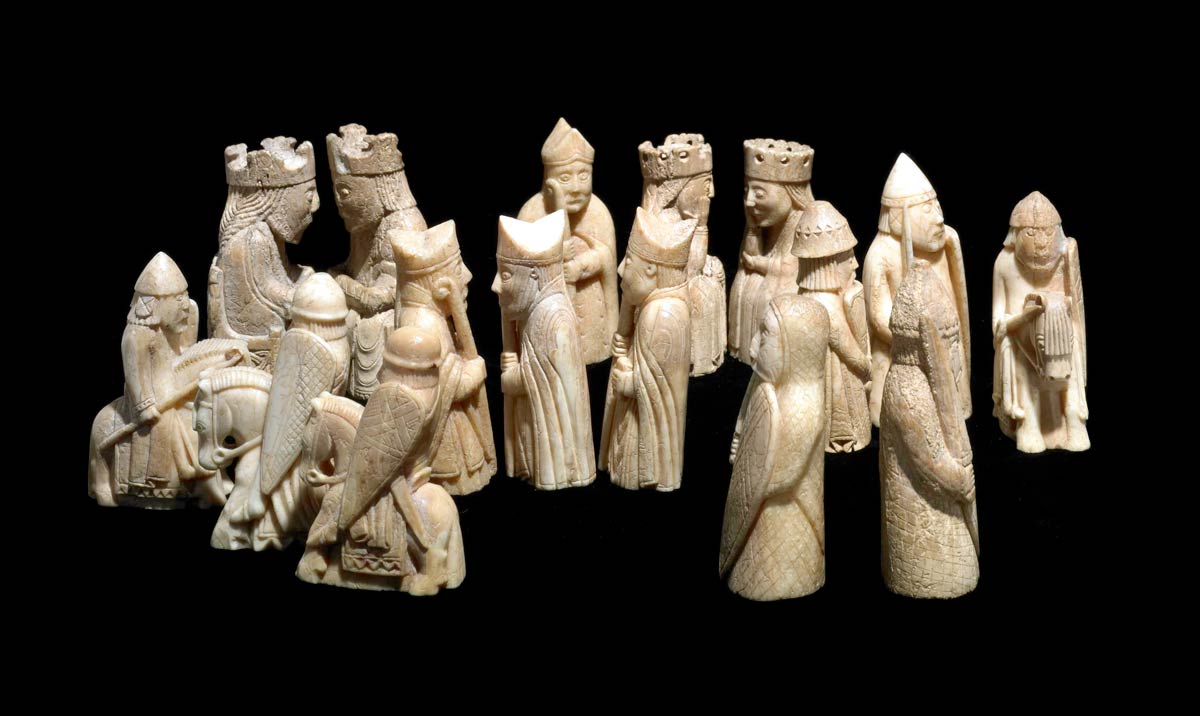
With the cultural markers of the chess pieces identified, the location of their origin becomes clearer, as does the general time of their creation. However, further examining the piece and the cultural and societal context surrounding it can give us a surprisingly close approximation of its date of origin and perhaps intended use. The artistic style of the pieces (and even their fashion), the connection between the Hebrides and Scandinavia, and, fascinatingly enough, our understanding of the medieval walrus ivory trade all combine to give the pieces a time, as well as a place, of their creation.
Artistic Clues
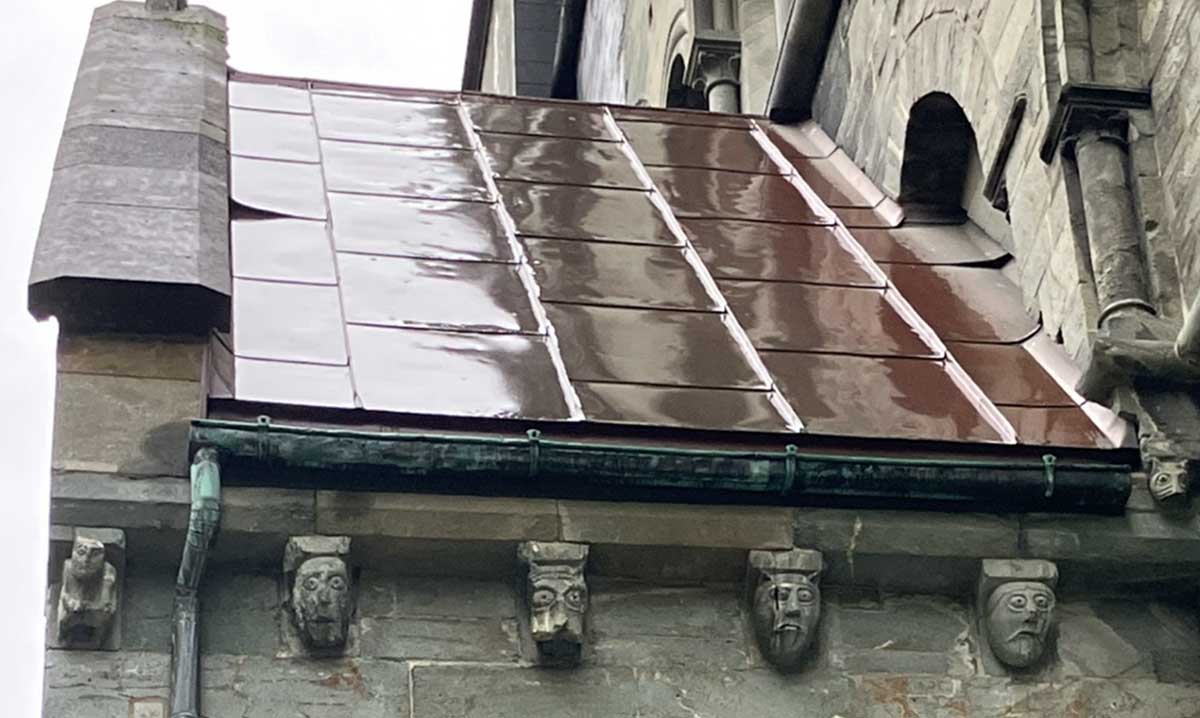
Along with their Nordic cultural motif, the pieces are distinctly Romanesque in style, providing an approximate period of circa 1000-1200, another connection to Nidaros, with its Romanesque cathedral.
The pieces themselves sport fashion from the same period, but some of their garb provides even more precise timing. Specifically, the bishops wear their miters with peaks facing forward and back (as opposed to side to side), a style that began in 1150.
Likewise, the knights and warders are armed with long kite shields, yet most are flat-topped rather than rounded, a stylistic evolution that began in the mid to late 12th century. However, the presence of both styles suggests an earlier point in this change, as does the lack of any smaller heater shields, which replaced kite shields at the beginning of the 13th century.
This leaves an approximate time frame of between the 1150s and mid-13th century, leaning towards the earlier half of this timescale. This also coincides with notable events that may have connections to the Chess pieces. The first is a notable decline in the walrus ivory trade, likely due to over-hunting, from 1160 onwards, leading to walrus ivory items becoming notably rarer by the 1200s. This may also explain the handful of chess pieces made of whale teeth, perhaps a later substitute for replacement pieces. Then there is the political and cultural situation of the Hebrides at the time.
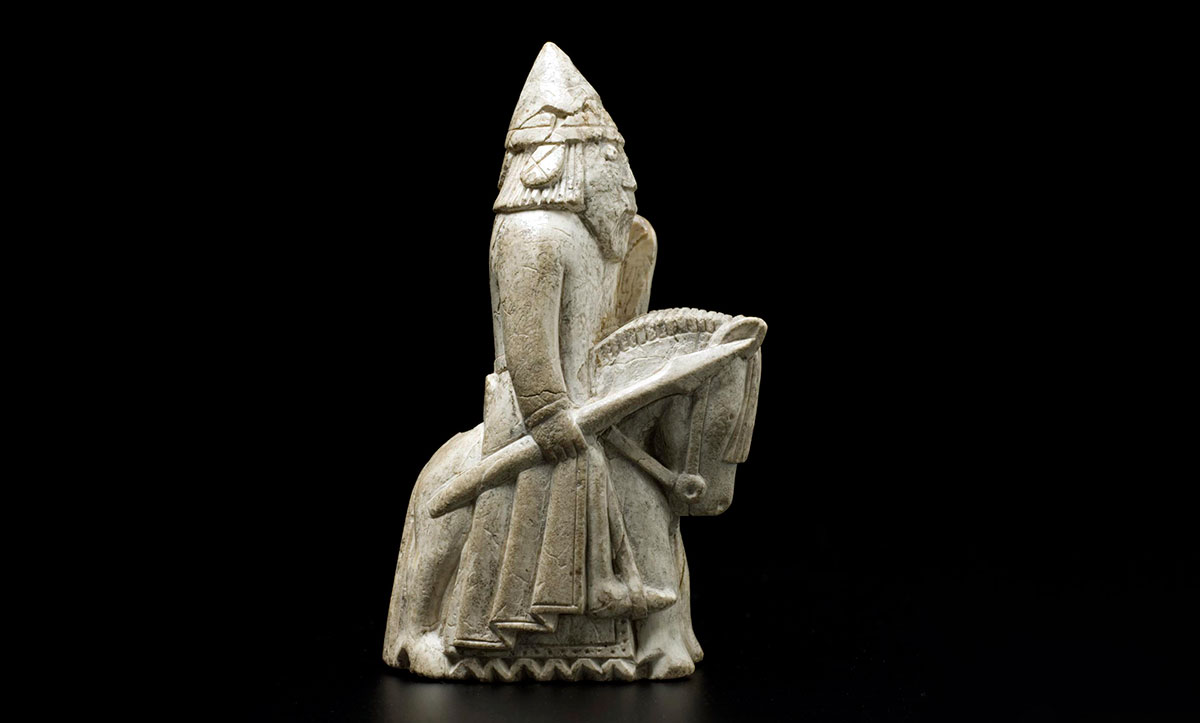
In this period, the islands were part of the Gaelic-Norse Kingdom of the Isles or Suðreyjar, consisting of much of Scotland’s northwest coast and the islands off it down to the Isle of Man. Though an independent kingdom, Suðreyjar held strong cultural and social ties to Norway, ties that went through an intriguing series of developments during the 12th century.
These developments may also indicate who commissioned the chessmen and perhaps even why. During the 1150s, Suðreyjar was divided by conflicts between the Gaelic-Norse nobility as they battled for power. Meanwhile, both Norway and Scotland looked to extend their influence over the kingdom or perhaps even take it for themselves.
Politics and Trade
An even greater development had arisen in ecclesiastical politics, however. In 1154, the diocese of the Isles (which effectively mapped onto the kingdom) was incorporated into the recently established Archdiocese of Nidaros. In effect, Norway’s most prominent archbishop was given jurisdiction over all church matters in the Isles, which only served to further the political and social influences and machinations between the two nations.
In this maelstrom of cultural and social connections and political and religious games, the Lewis chess pieces fit intriguingly. The fact that the pieces were made in a material and style associated with Nidaros, just as the Isles became politically and socially closer to the city, is almost too convenient a coincidence.
Their obvious craftsmanship and value suggest they were intended for someone of status and wealth. Perhaps a diplomatic gift or item from a notable person in Nidaros to an ally or person of interest in Suðreyjar. Nidaros, though, is not the sole candidate for the pieces’ origin.
There is an intriguing theory that the pieces were made by Margaret the Adroit, a famous Icelandic ivory carver. Margaret famously made many ivory items for Bishop Páll Jónsson of Skálholt in Iceland, also under the jurisdiction of Nidaros at the turn of the century. Though on the later side of the proposed timeline, it is still certainly possible that Bishop Jónsson, or the Archbishop of Nidaros, commissioned Margaret to create the chess pieces as a gift for a brother clergyman or noble lord in the Isles.
That all having been said, Margaret’s recorded work was mostly singular objects, such as croziers and altarpieces. Given the sheer number of individual pieces in the Lewis collection, the more widely held position is that they came from a workshop in Nidaros. Moreover, attributing the pieces to either the Bishop of Iceland or even the Archbishop of Nidaros is somewhat dubious. Chess held rather a divisive reputation amongst the clergy, although the Church never universally banned it, as some have claimed.
The more popular theory suggests that the pieces belonged to an enterprising merchant looking to sell them on. This is further supported by the non-chess gaming pieces included among the original find, suggesting they were part of a larger cargo of gaming goods.
Burial
Perhaps the pieces were to be sold to a homesick Nidarosian official or noble of Suðreyjar looking to emulate Norwegian fashions. Perhaps the pieces were intended for markets further south than Suðreyjar; the islands were indeed part of a critical trade route with the old Nordic settlement of Dublin in Ireland. They may not have been for sale at all but were merely the luggage of a traveler to the islands or part of a collection being transported. Yet whatever the origin or intention of the pieces, it is certain that they were not intended to end up buried under a sandspit in Lewis. How and why they got there presents another intriguing mystery in and of itself.
The murky nature of the pieces’ discovery also obscures the condition they were found in. With no documented report on where they were found, let alone how, whether haphazardly buried or neatly buried, for example, the story behind their initial burial is a tantalizing mystery.
It is possible they were washed overboard or buried after a merchant ship or cargo vessel ran into difficulty off the coast of Lewis. However, so many pieces being buried in the same small area completely undisturbed for centuries is highly unlikely, suggesting they were buried deliberately.
Given continued local conflicts, they may have been buried for safekeeping by their owner or a merchant, keeping until he could resume his business. If the shipwreck theory is true, they could have been buried by the surviving crew, looking to return later, or by plunderers or pirates hiding their spoils.
Local legends tell of a greedy herdsman who discovered a shipwrecked mariner on the shore in possession of the pieces. The herdsman killed the survivor and buried the pieces for safekeeping, but was executed for another crime before he could dig up his ill-gotten gains. This legend naturally comes from after the pieces were discovered, but perhaps it is a folkloric echo of a long-lost true story.
The Game of Chess
Whether the pieces were placed underneath the sands of Lewis by man or by the forces of nature, their story remains as intriguing as it is mysterious. It suggests wild storms, shipwrecks, and buried treasure, backdropped by cultural, political, and social intrigue in a time and place often overlooked in the story of the British Isles. However, there is another story that the pieces help to shed light on, namely the evolution and development of chess itself.
Chess reached Europe in the late 10th century and, as the Lewis pieces indicate, had already gained much cultural traction by the mid-12th century. Though they are not the oldest European chess set discovered, the Lewis chess pieces shed light on some crucial developments of the game. The Lewis set contains the earliest physical depiction of bishops rather than elephants from the original Persian and Indian games.
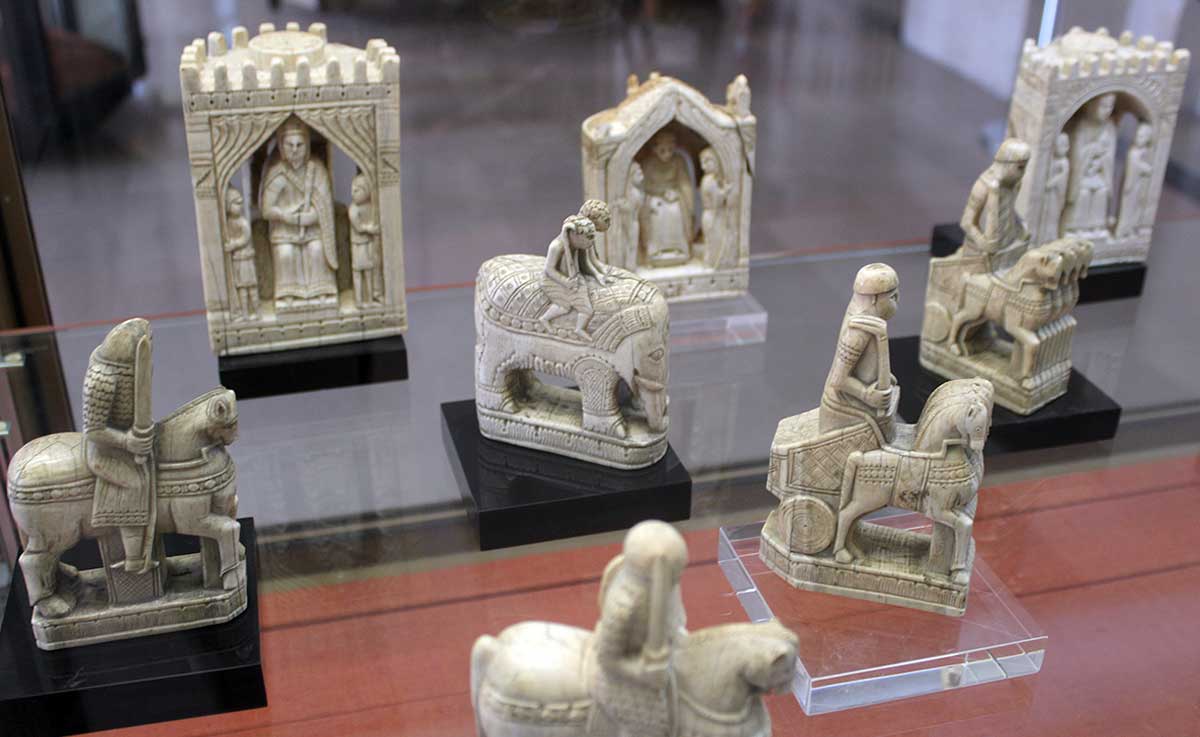
Though the piece is referenced in contemporary writings, depending on the specific dating of the Lewis pieces, it may even predate those records as well. Interestingly, the earliest discovered European pieces (the 11th-century Italian Charlemagne set) still contain much of the game’s original styling, compared to the Lewis pieces. These include the original elephants for bishops and chariots for castles, while the king and queen pieces are contained in structures rather than as standalone individuals. Interestingly enough, the pawns of the Charlemagne set bear a striking resemblance to the warders of the Lewis set (depicted as shielded infantry), though this is likely an artistic coincidence.
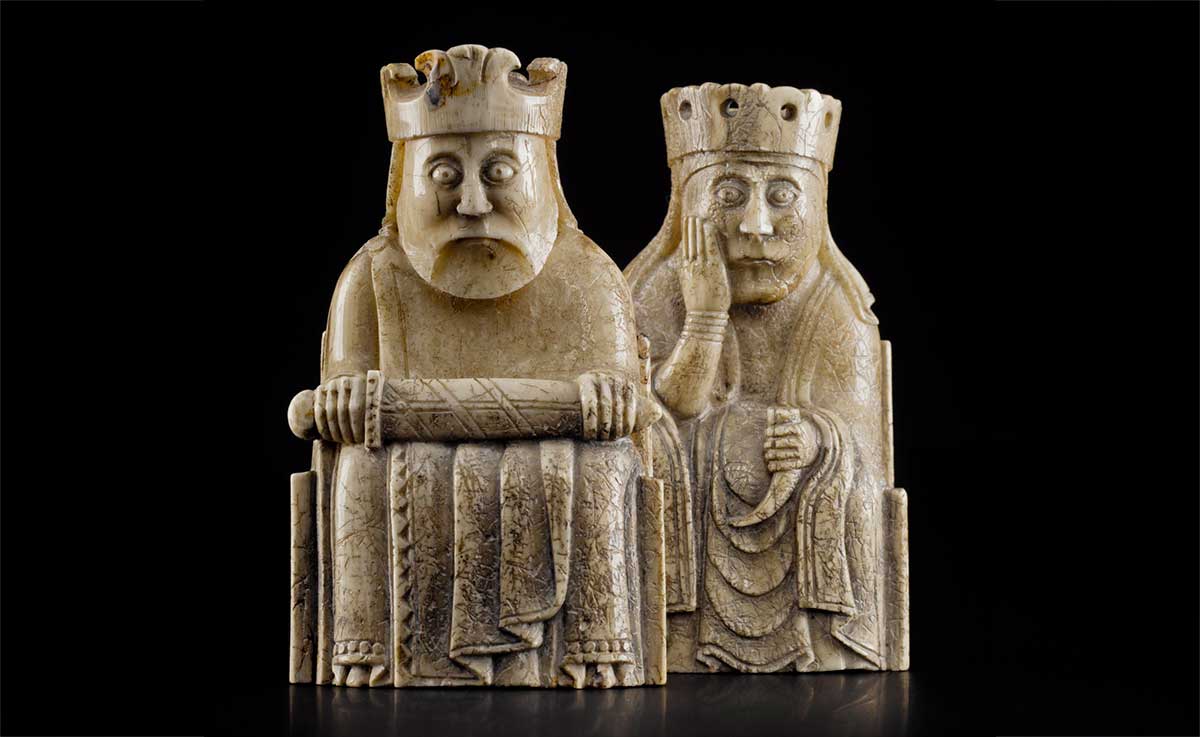
The differences between the Charlemagne and Lewis pieces indicate a fair amount of development for chess in the century between them. The bishop in particular appears to have undergone a rapid change, given the development of other pieces, like castles, and movement rules took several more centuries. This provides an illuminating insight into the evolution of chess as it took hold in Europe, with scholars debating the nature and cause of the changes to certain pieces and styles of play. It also seems that the makers of the Lewis set were on the cutting edge of chess developments, which in itself is a fascinating revelation.
Scandinavian Sophistication
Being familiar with the latest developments in a game considered the height of medieval European culture and fashionable sophistication dramatically recontextualizes Scandinavia in this time period. Far from the frozen backwater it is often presumed to be, clearly, the region was comfortably on the pulse of the continent’s latest social and cultural trends. While Scandinavia and the Scottish Isles appear remote thanks to distance and geography, particularly in an era where travel and communication were complex, the truth appears very different. Those familiar with the Vikings know how well-traveled Norse traders (and raiders) were, yet the Lewis chess pieces provide a yet more powerful perspective.
The medieval traders and craftsmen of Scandinavia were not just seafarers, but key players in a well-connected and thriving network of trade and ideas. Norse travelers and merchants had links to many of the great cities and states of Europe, particularly through their river trade networks, giving them potential access to ideas and cultural fashions faster than may have been imagined.
It is believed that Norse traders were some of the earliest adopters of chess in Europe through their connections to the Byzantine Empire. This may well have granted the merchants of Nidaros an edge in understanding the game and its developing trends.
Yet, it is not just the new bishop and queen pieces that display the modern trends of the Norse world. There are also the miters, shields, and other fashions on the Lewis chess pieces, which reveal designers who were intimately familiar with the latest European cultural styles and fashions. It is possible that these trends reached Scandinavia relatively late, depending on when the pieces were made. Even so, they were still contemporary enough for the crafters of the pieces to use these fashions and sell them on the international market.
Conclusion
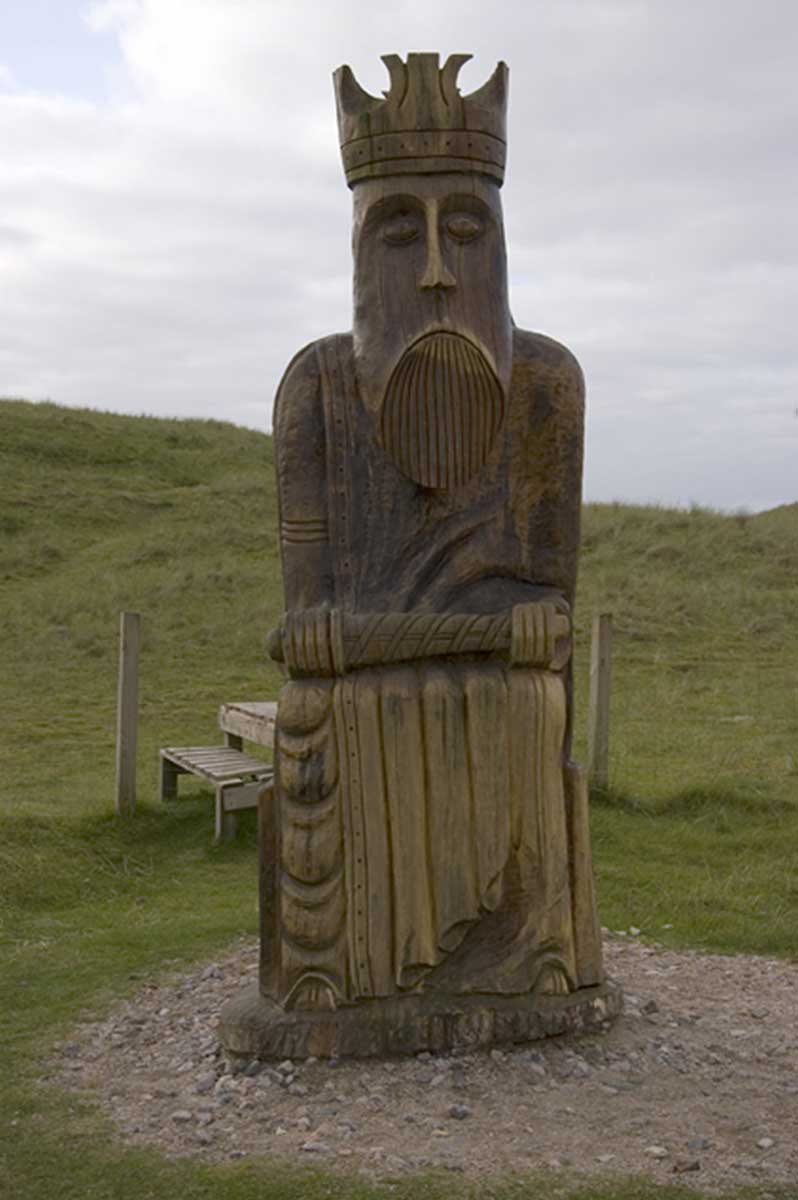
It is unclear precisely when or where the Lewis chess pieces were made, but their design, material, and artistic style give us a strong timeframe and location of origin. It also illuminates a cultural movement at the heart of northern Europe, in the artists of Nidaros and high medieval Scandinavia, that is often unknown outside of historical circles.
Exactly who made them and for what purpose also remains speculation. However, this speculation ties to a period of dramatic social and political intrigue with factions vying for political and spiritual power. It also tells of an interconnected network of trade and commerce in the wild and mysterious northern oceans. Then there is perhaps the greatest mystery of all: who buried them, and why precisely where on the shore of Lewis did they do so? These questions may remain forever unsolvable despite confident speculation, but there is no denying the fascinating, almost romantic tales they can conjure. Legends of storms, greed, and missing treasure buried on a remote island.
Alongside these mysteries and intriguing possibilities they imply, the pieces also tell us much about the evolution of chess. Additionally, they reveal the cultural trends and developments of chess in Europe and how the makers of the pieces were at the forefront of these trends and developments.
Perhaps then, the true mystery of the Lewis Chess pieces is how a collection of initially unassuming chess pieces can tell us so much, while remaining so elusive themselves.