
The Ottoman Empire lasted from c. 1299 to 1922 and saw 36 sultans at its helm. Some of them were powerful figures who ruled over life and death in the sultanate, while others were heavily influenced by foreign powers. Their respective ascensions to the throne, conquests, and domestic policies reveal how a Medieval Muslim principality was ultimately replaced by a secular republic in the 20th century. From the dynasty’s founder to Suleiman the Magnificent and a 19th-century reformist, these were the six most powerful Ottoman sultans.
| Sultan | Achievements |
|---|---|
| Osman I (c. 1299 – c. 1324) | Founder of the Ottoman dynasty, which is named after him. Waged wars against the Byzantine Empire. |
| Murad I (c. 1362 – 1389) | First sultan to significantly expand the realm into Europe. Conquered Adrianople (Edirne) and made it the new capital. |
| Mehmed II (1444 – 1446 & 1451 – 1481) | Known as “the Conqueror” for capturing Constantinople in 1453, ending the Byzantine Empire, and transforming the Ottomans into an imperial power. |
| Selim I (1512 – 1520) | Nicknamed “The Grim”. Enlarged the empire by about 70% in 8 years by conquering the Mamluk Sultanate. |
| Suleiman I (1520 – 1566) | Longest-ruling sultan (46 years) and considered the peak of the Ottoman Empire. Conquered Belgrade and shattered the Hungarian monarchy. Established the frontier in Central Europe (Siege of Vienna). |
| Selim III (1789 – 1807) | Instituted the New Order (a series of regulations) to reform governance and the military, modeling them after European powers. |
1. Osman I (c. 1299 – c. 1324)
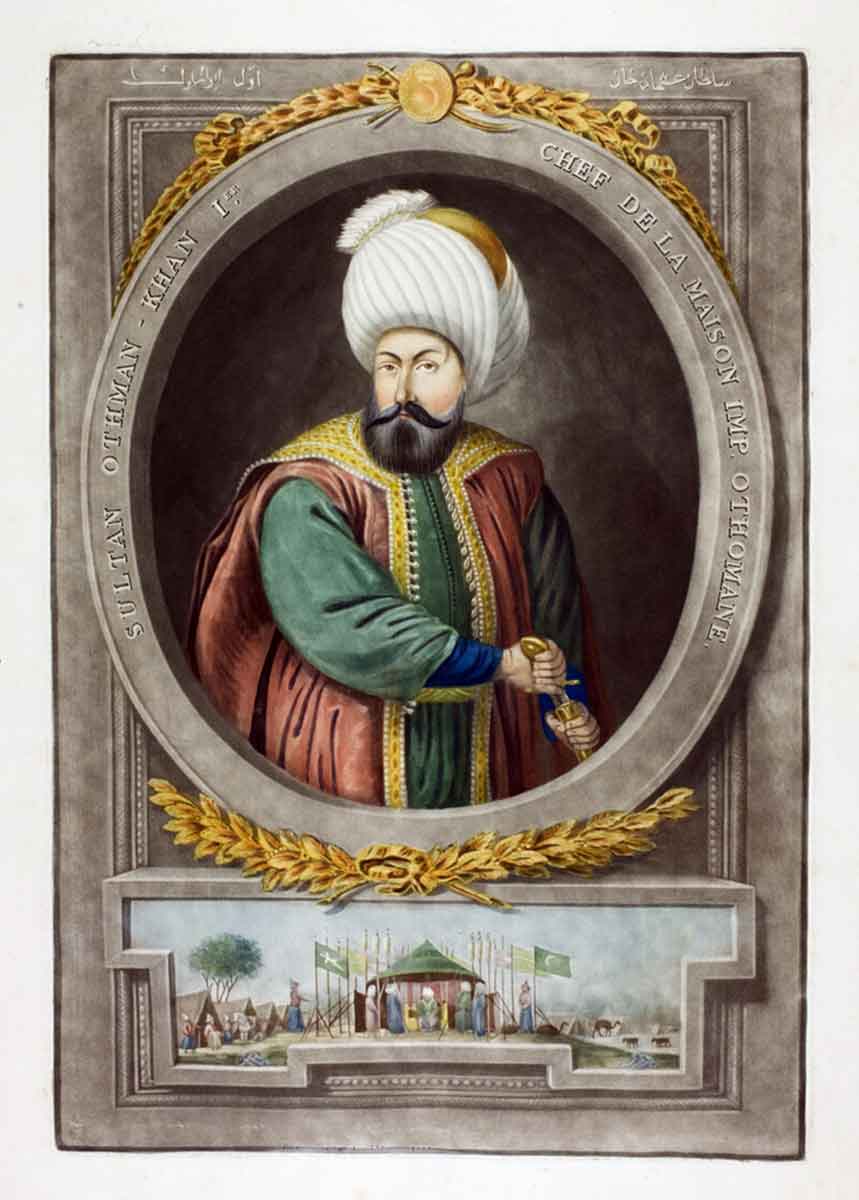
At the beginning of the 14th century, Osman Ghazi was a ruler of just another Turkoman principality in Anatolia, present-day Turkey (Türkiye). Ever since the Great Seljuk Empire disappeared from the world stage around the 13th century, there had been a power vacuum in the lands that once made up the Sultanate of Rum.
Unlike the Turkish principalities in the east, which had to worry about the Mongols, Osman I ruled a beylik located in the northwest of Asia Minor. The area was closest to the Byzantine border, so he often waged wars against the Byzantine Empire. Osman’s expansions brought the Ottomans to the gates of Bursa and Nicaea, which his son and successor, Orhan, would conquer during his reign.
The entire dynasty is named after its founder, Osman. The name originally comes from Arabic (Uthman), but the Europeans pronounced it as “Ottoman,” based on an Italian mispronunciation/adaptation. In English, the adjective was “Osmanli,” which is what most languages use today, including Turkish (Osmanlı İmparatorluğu).
Since there are very few contemporary sources about Osman’s rule, it would be safe to argue that the biggest contribution of the first sultan was naming the empire that would ultimately span three continents.
2. Murad I (c. 1362 – 1389)
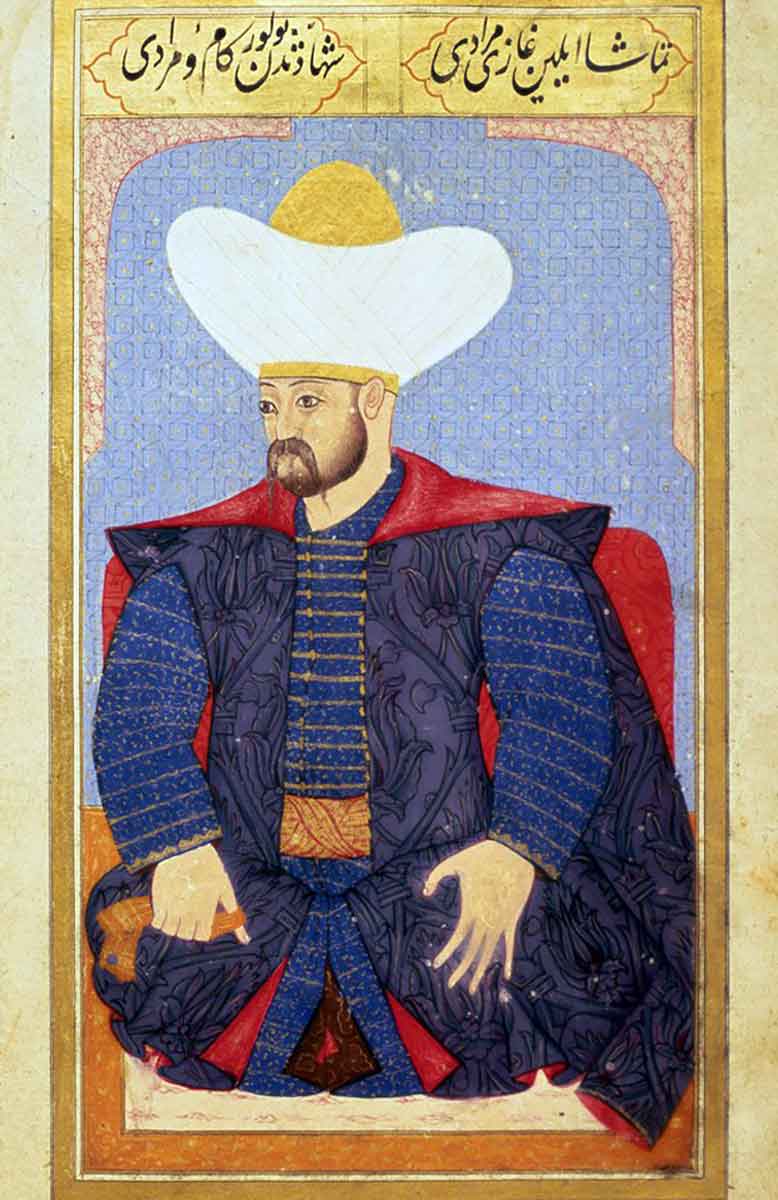
The Ottoman dynasty founder’s grandson, Murad I, was the first to significantly expand his realm into the European continent. Having conquered Adrianople (Edirne) in the mid-14th century, he made it the sultanate’s capital.
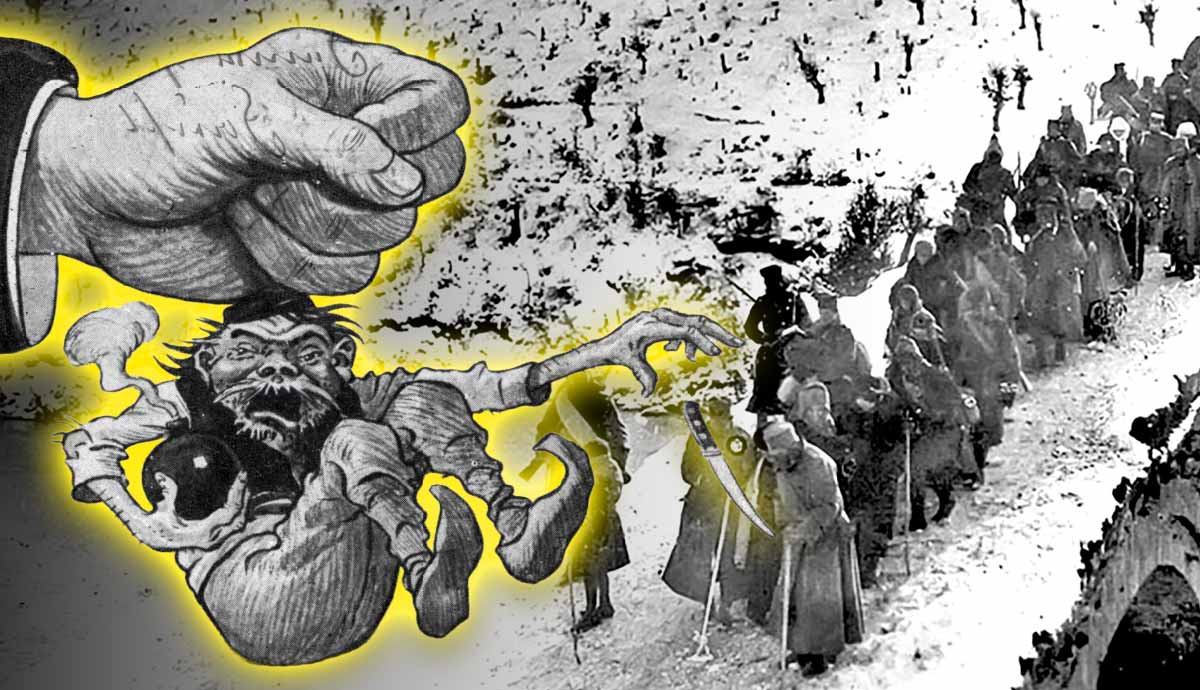
He then pressed deeper into the Balkans, a move that brought him into conflict with Byzantines, Bulgarians, and, most notably, Lazar Hrebeljanović’s Moravian Serbia. Their skirmishes culminated in the Battle of Kosovo in 1389, where both monarchs lost their lives. The legend has it that a Serbian knight, Miloš Obilić, pretended to surrender to the Ottomans, only to gain access to Murad’s camp, where he assassinated Murad with a concealed knife before being slain by the Sultan’s bodyguards.
Two of Murad’s sons took part in the battle. Bayezid, having been informed of his father’s passing, summoned his brother, Yakub Bey, to the camp, only to have him strangled. This made him Bayezid I, the fourth in the long line of Ottoman sultans.
Apart from his conquests in Rumelia (the Ottoman name for the newly formed province in Southeastern Europe), Murad I strengthened the position of the Grand Vizier, who could now be appointed outside of the royal family. In addition, the grim practice of devşirme, the forceful abduction of Christian children to turn them into elite Janissary corps, was initiated during his reign.
3. Mehmed II (1444 – 1446 & 1451 – 1481)
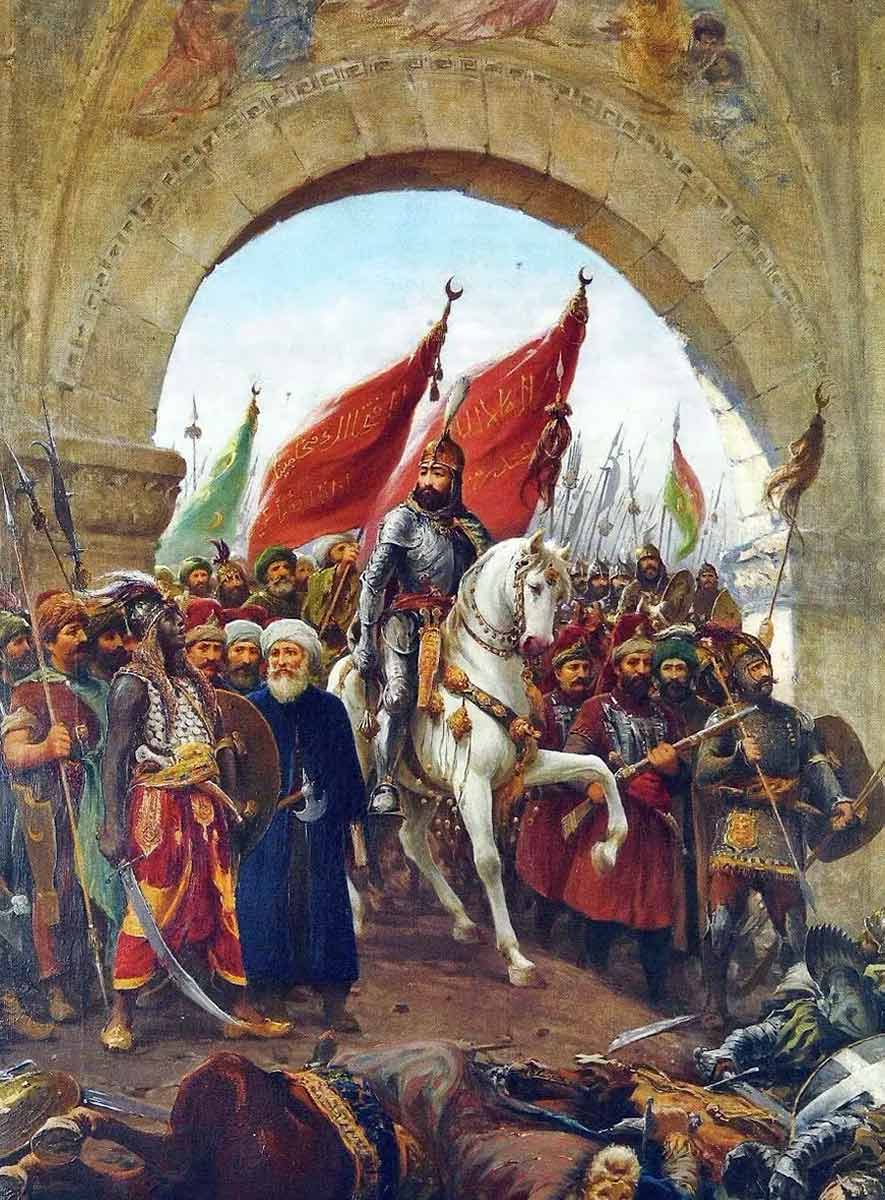
The man who would later become known as Mehmed the Conqueror was born in Edirne, then the capital of the Ottoman Empire. The nickname seems fitting given that he famously succeeded in conquering Constantinople in 1453, ending the centuries-old rivalry between the Ottomans and the Eastern Roman Empire.
He first ascended the throne when he was just 12 years old, after his father, Murad II, abdicated. These were perilous times for the Ottomans, as the Hungarians, led by figures such as John Hunyadi, broke their truce with the Muslim state and invaded its territory. Mehmed’s father had to step in to defeat the crusaders in the Battle of Varna (1444).
Having returned to power for the second time in 1451, Mehmed II set his sights on the Byzantine capital and managed to conquer it two years later. The fall of Constantinople changed the world, as the Ottomans transformed themselves into a true imperial power.
For the remainder of his reign, Mehmed II waged military campaigns from Bosnia and Hungary in the west to the Crimean Peninsula in the east. When it comes to state affairs, he codified the criminal law, among other legislation, and established the image of the padishah (emperor) as an absolutist ruler.
4. Selim I (1512 – 1520)
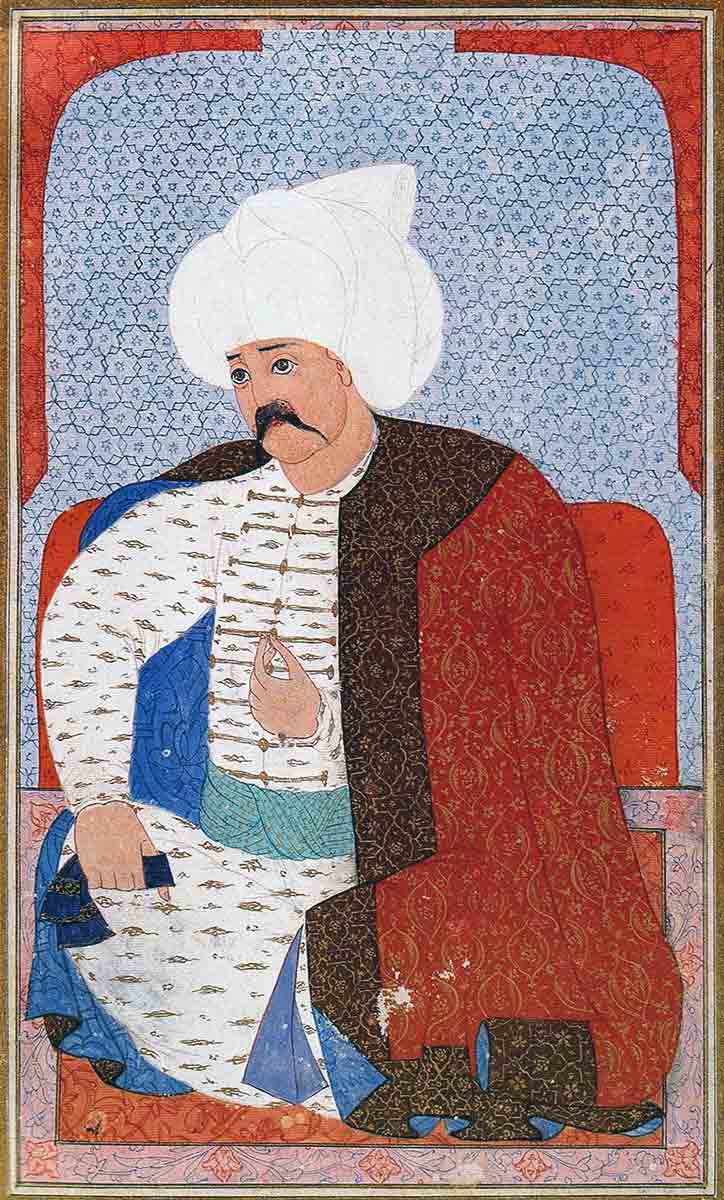
The grandson of Mehmed II, Selim I, was nicknamed “The Grim.” However, the epithet “the conquer” may have suited him better, since he enlarged the Ottoman Empire by approximately seventy percent. What is more impressive is that his rule lasted only eight years, during which he conquered the Mamluk Sultanate, putting the entire Levant and Egypt under Ottoman rule. When, in 1517, in Cairo, he received the keys to the holy city of Mecca, it was clear that Selim I had become the symbolic leader of the Muslim world.
Although he was a savvy army commander, history remembers Selim I as a particularly cruel ruler. After defeating the Safavid Persians early in his reign, he is said to have made lists of Shia Muslims in central Anatolia from seven to 70 years old and had his army execute them as they went from city to city. Selim I was a Sunni Muslim, and he was not particularly tolerant of any other brand of Islam.
Selim was not only cruel toward his enemies but also toward his own family. He engaged in fratricide, previously legitimized by Mehmed II, ordering his two brothers (Korkut and Ahmet), together with their children, to be strangled using a silk cord. This method prevented royal blood from being spilled, but it was, nevertheless, a grim dynastic practice.
5. Suleiman I (1520 – 1566)
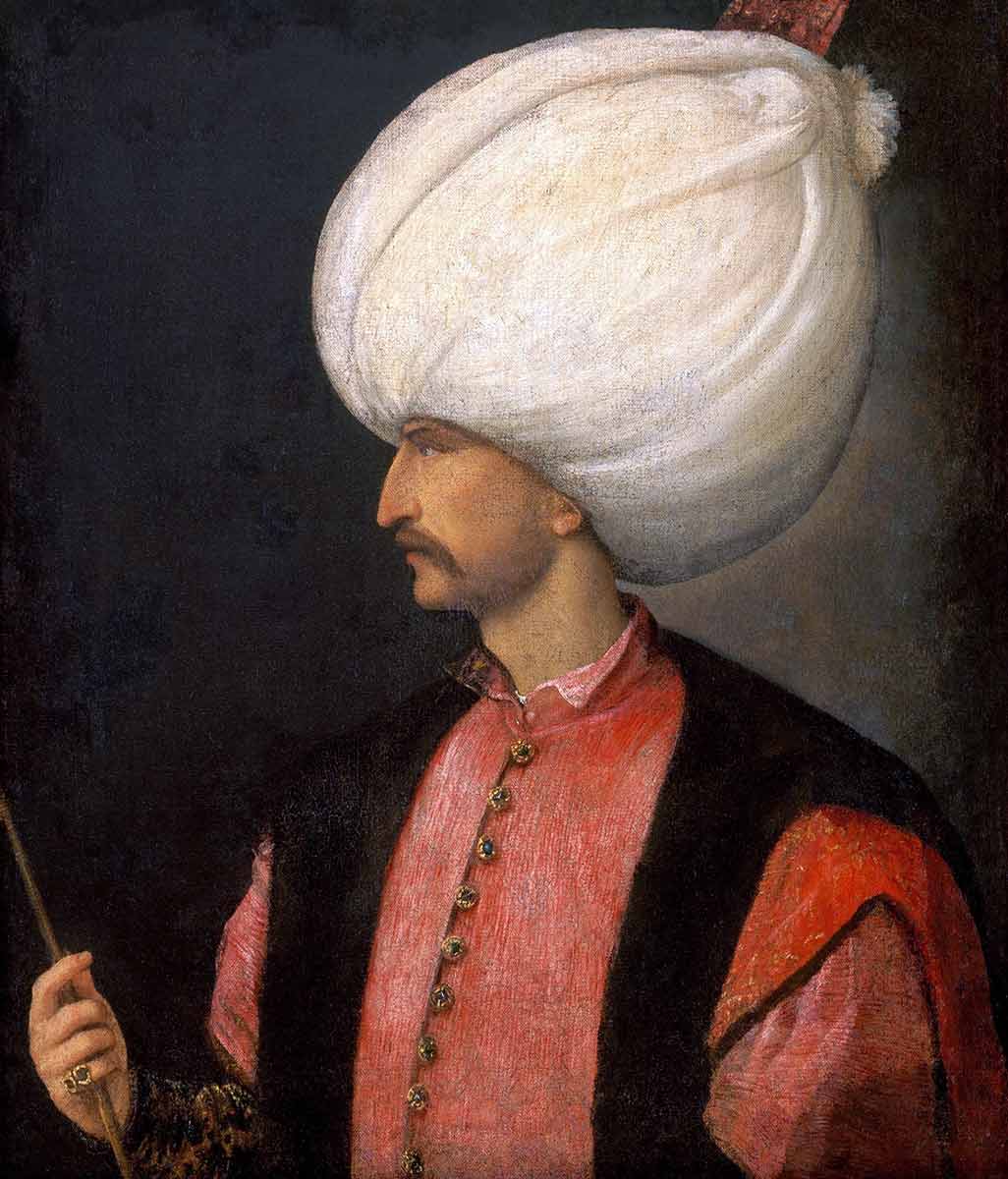
Not only was he the longest-ruling sultan (46 years), but historians widely regard Suleiman I’s rule as the peak of the Ottoman Empire. Süleyman (the original spelling of his name) was Selim I’s only son, and throughout his life, he was schooled to take over the title of the sultan.
Just a year into his reign, he conquered Belgrade in 1521, which was merely the start of his European campaign. After the Battle of Mohács (1526), the path was clear for Suleiman I to triumphally enter Buda, effectively shattering the Hungarian monarchy. Fast forward three years, and the powerful sultan was already at the gates of Vienna, besieging the Habsburg capital. Although he was unsuccessful, Suleiman I firmly established the frontier of the Ottoman Empire in Central Europe.
Suleiman the Magnificent also led a successful military campaign in the Middle East. He acquired Eastern Anatolia, Baghdad, and much-desired access to the Persian Gulf, all at the expense of the Safavid Empire. Suleiman I was on a path of conquest until the very end of his life. He passed away at the age of 71 during the Siege of Szigetvár in Hungary.
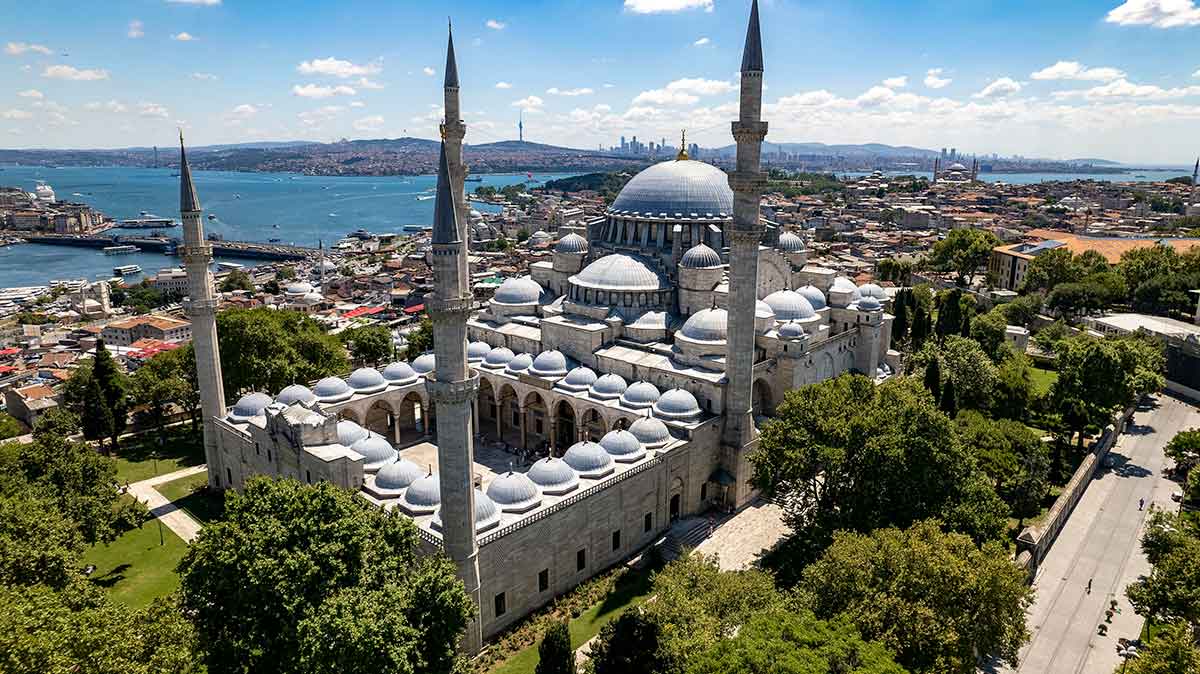
Suleiman I was not considered one of Europe’s most influential 16th-century monarchs solely on the basis of his conquests. He conducted a series of state reforms, such as codifying Ottoman laws, or, more precisely, separating the religious law (Sharia) from the secular law (Kanun). He also worked hard to reduce cronyism and corruption, as well as to improve the taxation system, which would be based on income levels (to use a modern term) and land ownership.
In terms of military reforms, Suleiman I’s reign was the time when the Ottoman navy became a force in the Mediterranean. Previously, the Turks were not regarded as skilled sailors, but under the Admiral Hayreddin Barbarossa (Khayr al-Dīn Barbarūs), the Ottoman navy spread its operations as far as the Indian Ocean, meddling with Portuguese trade routes.
Perhaps the biggest secret behind Suleiman’s statecraft was the people he surrounded himself with. Early on, this was his friend, the Grand Vizier Pargalı Ibrahim Pasha. At the very end of his reign, this role was assumed by Sokollu Mehmet Paşa (Mehmed-paša Sokolović), an ethnic Serb who served as a janissary as part of the devşirme system. Finally, Suleiman I’s wife and great love, Hürrem Sultan, became an influential figure in the Empire. Initially, she was a concubine from Ruthenia (present-day Ukraine) in the sultan’s harem, but won over Suleiman I’s heart. Today, they rest next to each other in Süleymaniye Mosque, commissioned by Suleiman I.
6. Selim III (1789 – 1807)
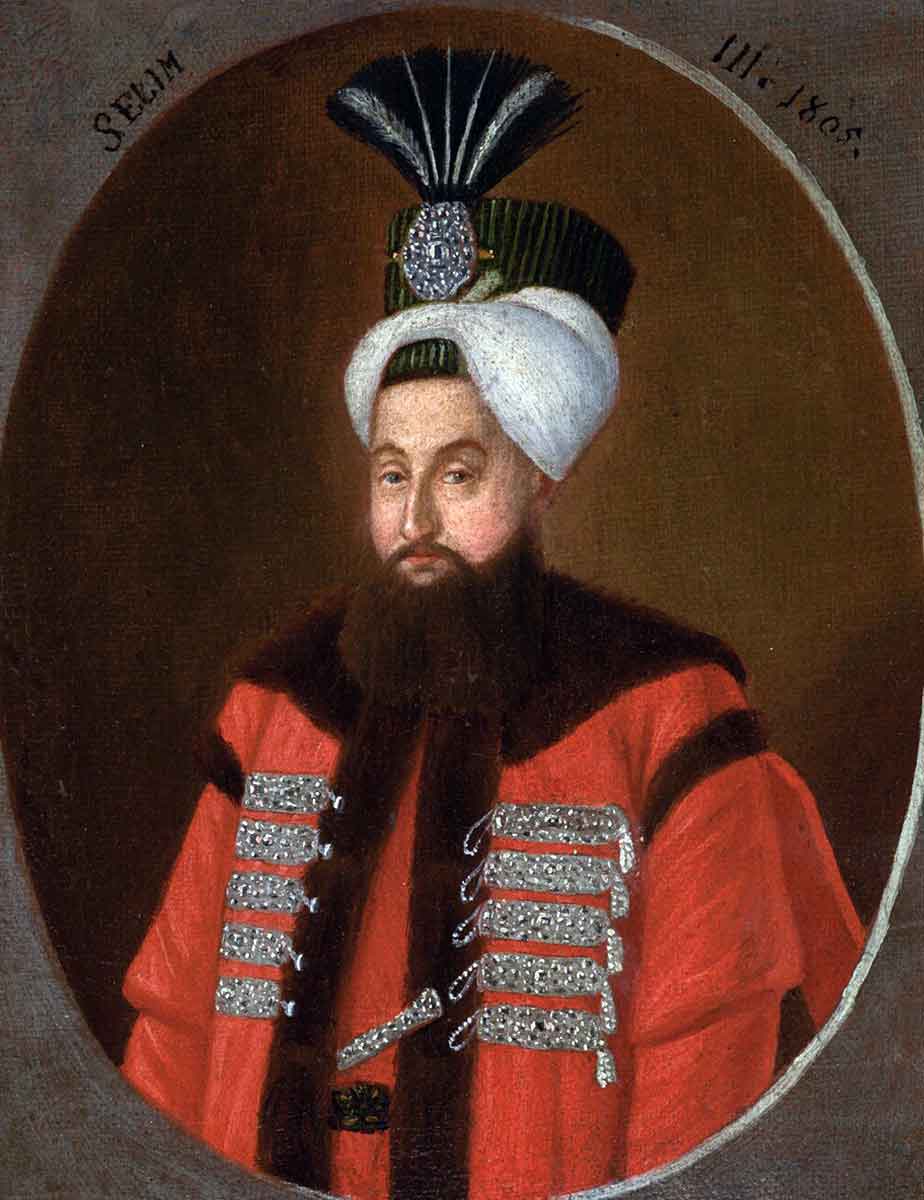
After Suleiman I’s reign, the Ottoman Empire went through a transformation that would last until the end of the 17th century, when it was at its territorial peak. The following century was marked by state reforms, which are best reflected in Selim III’s brief rule. He inherited the throne from his uncle, Abdul Hamid I, and his father, Mustafa III, was also the sultan prior to that.
Selim III’s biggest legacy is the New Order, a set of regulations designed to reform provincial government and the military. These were the times of Napoleon I, so the Ottoman ruler strove to model his governance and military after the French and other European powers.
However, there were strong forces opposing the reforms within the Empire, most notably, the Janissaries. Together with local notables (the Ayans), they revolted in 1806 in Edirne and across Thrace, after the New Order was applied in Rumelia (the Balkans). The following year, another revolt saw Selim III imprisoned and ultimately murdered on the orders of Mustafa IV, who would become the next sultan, albeit just for one year.
Ottoman Sultans in the Late 19th and 20th Centuries
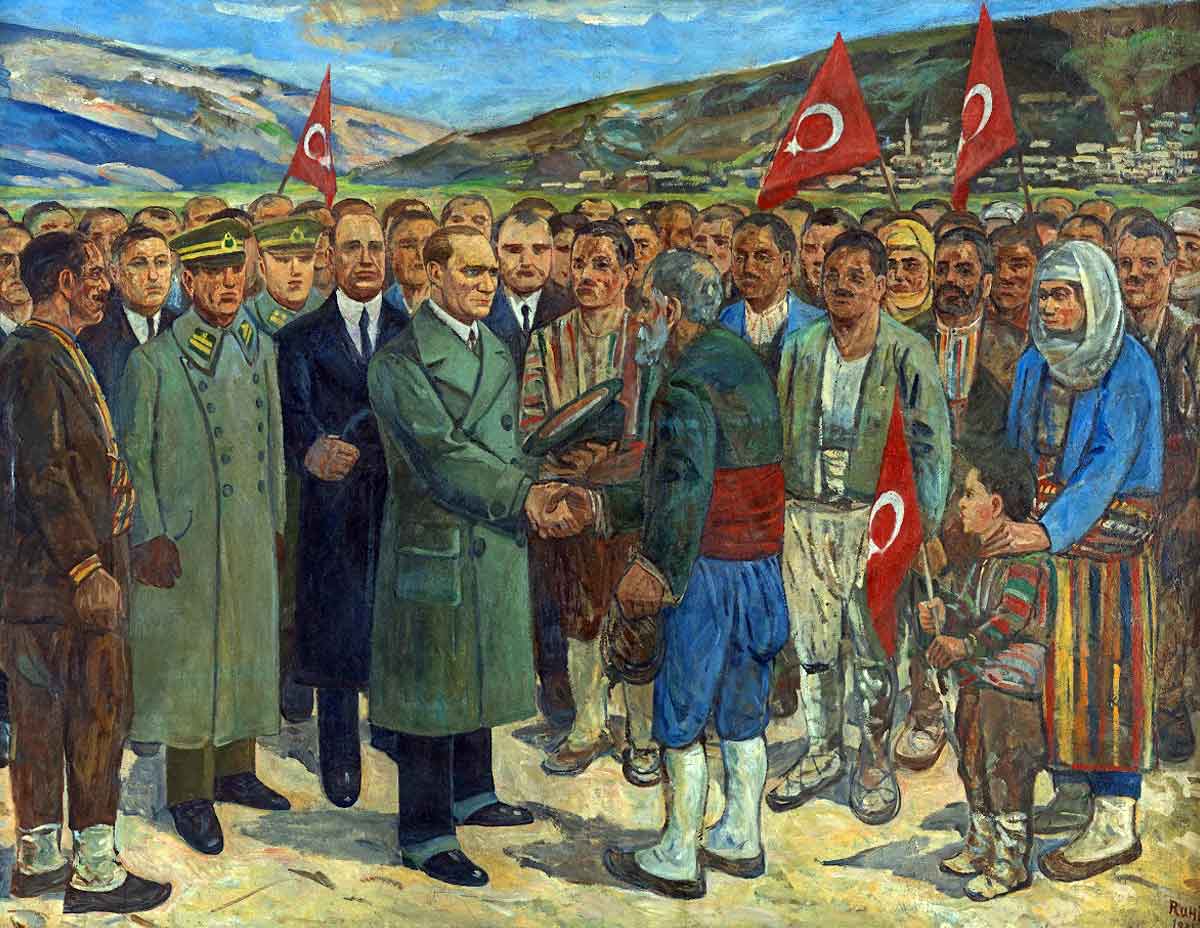
The murder of Selim III did not stop the reforms. However, they only delayed the ultimate downfall of the Ottoman Empire. The phrase that best described the state from the mid-19th through to the early 20th century was the Sick Man of Europe. Following the Greek War of Independence, the Mediterranean country was the first Balkan nation to gain its independence. Serbia, Bulgaria, Romania, among others, followed suit. As a result, by the time the Balkan Wars ended (1912 – 1913), the Ottoman Empire had lost almost all of its lands in Europe.
Apart from a significant loss of territory, the sultans’ power was further weakened by economic dependency on Western loans. The reforms centralized state governance, which caused dissent within the Ottoman Empire. That is why Abdul Hamid II, who reigned for 33 years, until 1909, was the last sultan to have absolute power over the state. The emergence of the Young Turks movement meant that despotism was slowly but surely becoming a thing of the past.
The last Ottoman sultan was Mehmed VI (1918 – 1922), as the Sultanate was abolished after World War I, in which the Ottomans ended up on the losing side (Central Powers). Since 1923, Türkiye has been a republic, and its first president and founder, Mustafa Kemal Atatürk, was, in a sense, a successor to the Ottoman imperial framework.