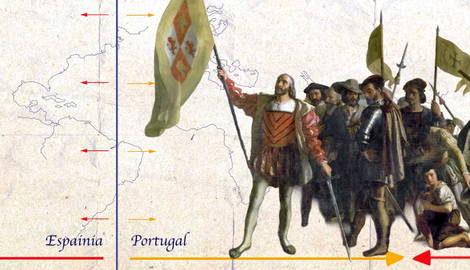

The Treaty of Tordesillas was an agreement made between Portugal and Spain, the two biggest seafaring nations at the time. It mapped out territories that each country could claim as its own, so they could establish their spheres of influence. The deal, which the Pope mediated, was meant to avert a clash between the two countries.
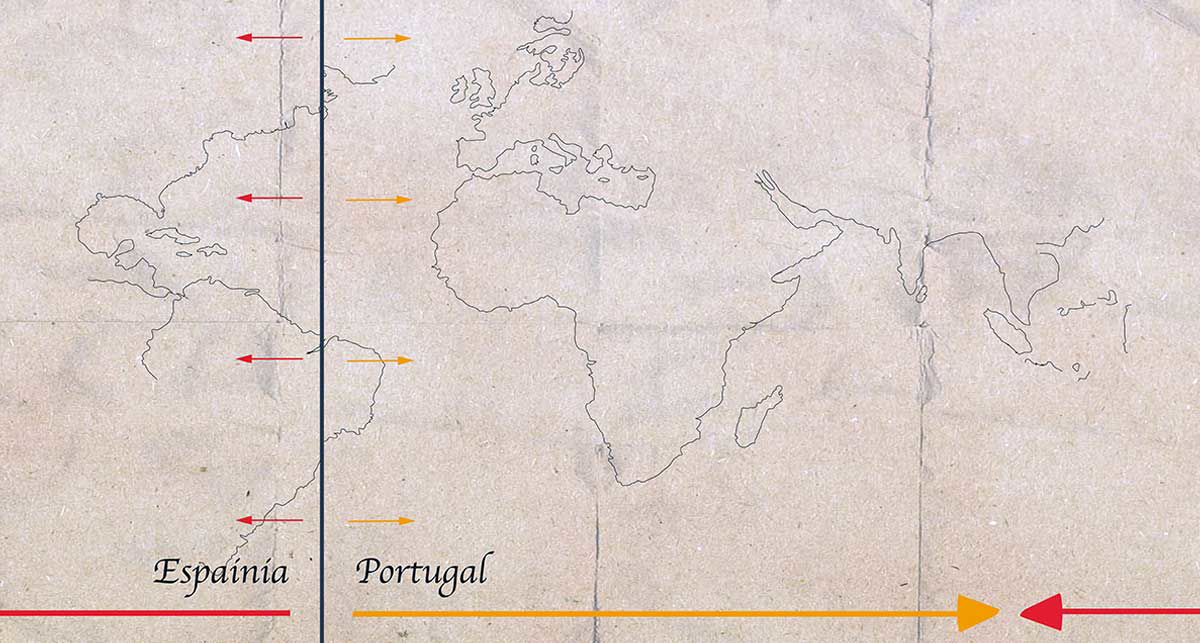
According to the treaty, Spain would control all lands on the west side of a line drawn across the Atlantic Ocean. Portugal, on the other hand, could claim all lands on the east side of the line. The effects of the treaty are well-known today because of the lasting effects that it had.
Why Blocked Trade Routes Forced Spain and Portugal to Negotiate
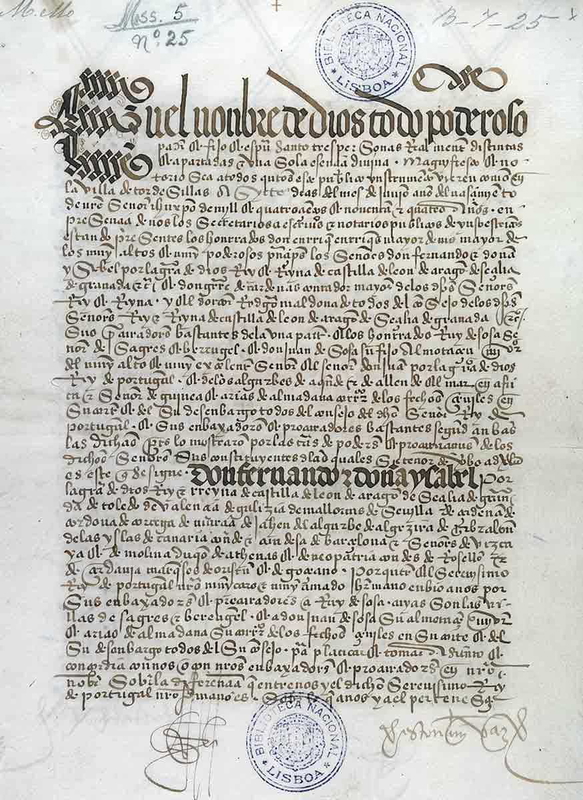
In 1453, Constantinople fell to Ottoman forces, which led to the control of ancient trade routes by the Ottomans. Many routes were blocked, and others had high taxes. The situation forced many European countries to look for alternative routes to reach Asia.
Spain and Portugal, guided by older agreements like the Treaty of Alcacovas, set out to find new routes. Portugal aimed to go around Africa’s southern tip and then onwards to India, while Spain headed westward. As Portuguese explorers got closer to their goal, Spain funded Christopher Columbus in 1492 to find a westward route. At the time, Columbus did not find the Asian route. However, he stumbled upon the Americas. After returning, he stopped in Portugal and told the king about his discoveries. He then continued with his journey to Spain.
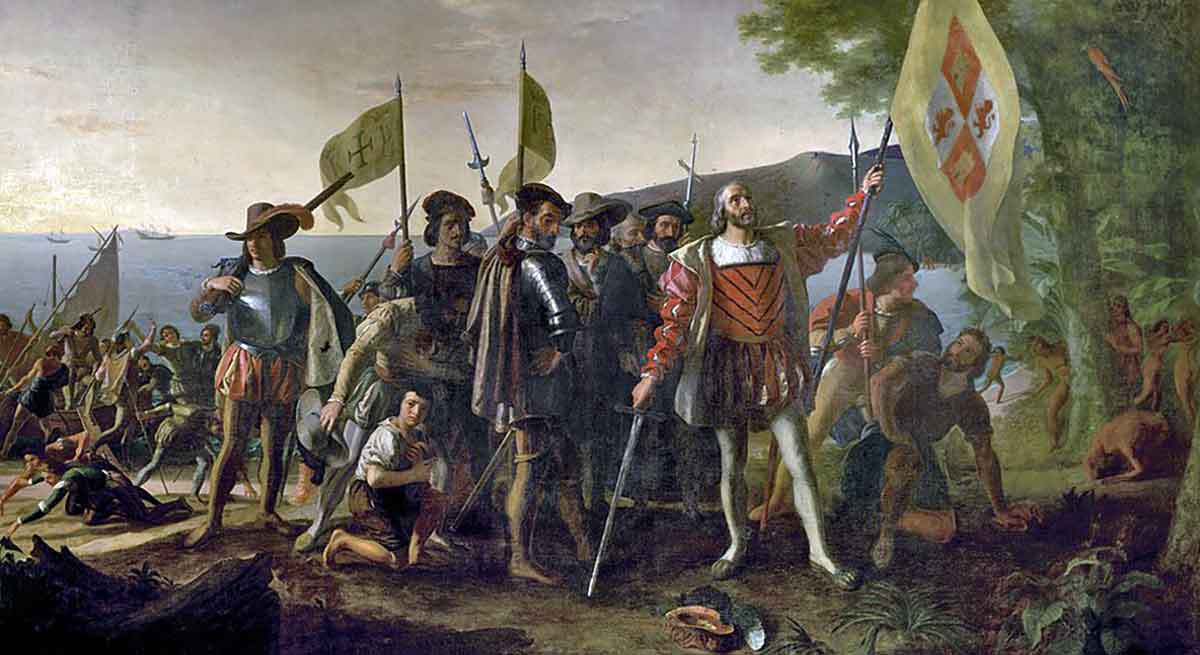
After hearing the news, Portugal’s King John II argued that older treaties gave Portugal the right to the newly found lands. Spain was careful enough to avoid an altercation with Portugal because Portugal had a stronger navy. Spain asked Pope Alexander VI to mediate the crisis. The Pope pronounced that Spain and Portugal could claim areas not ruled by Christian leaders.
How Spain and Portugal Claimed Uncharted Lands
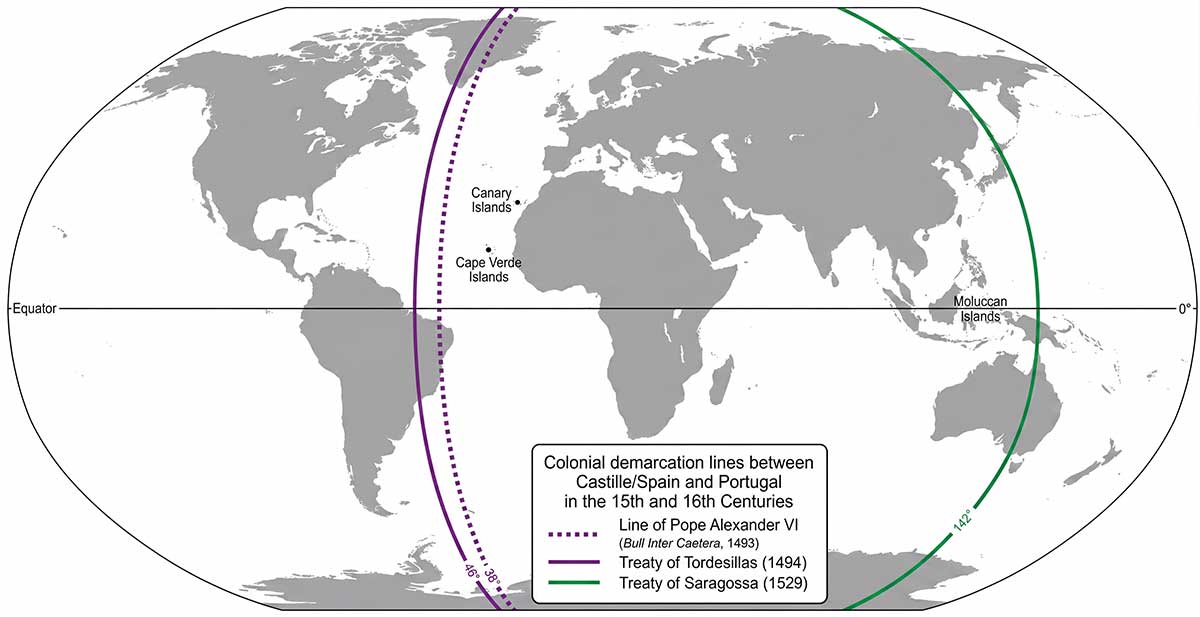
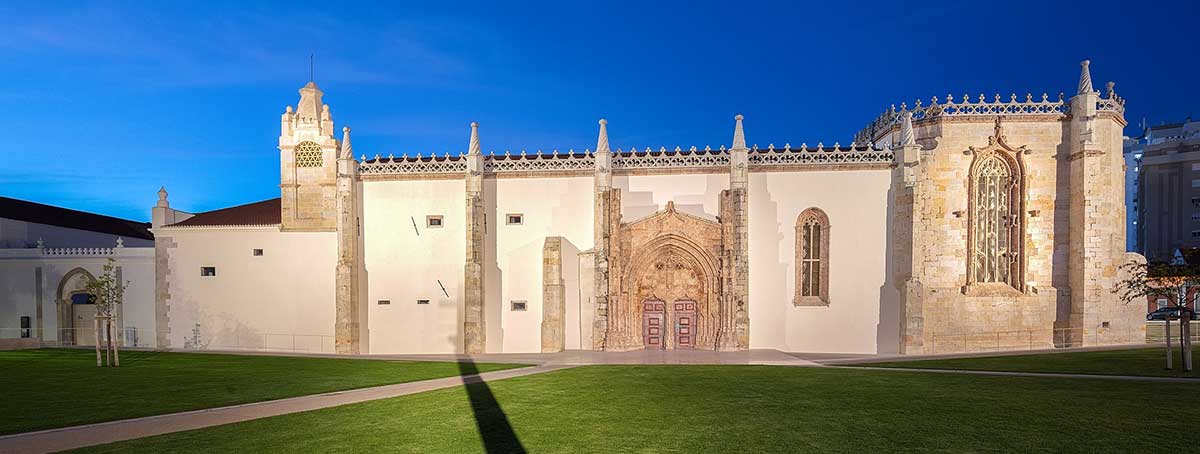
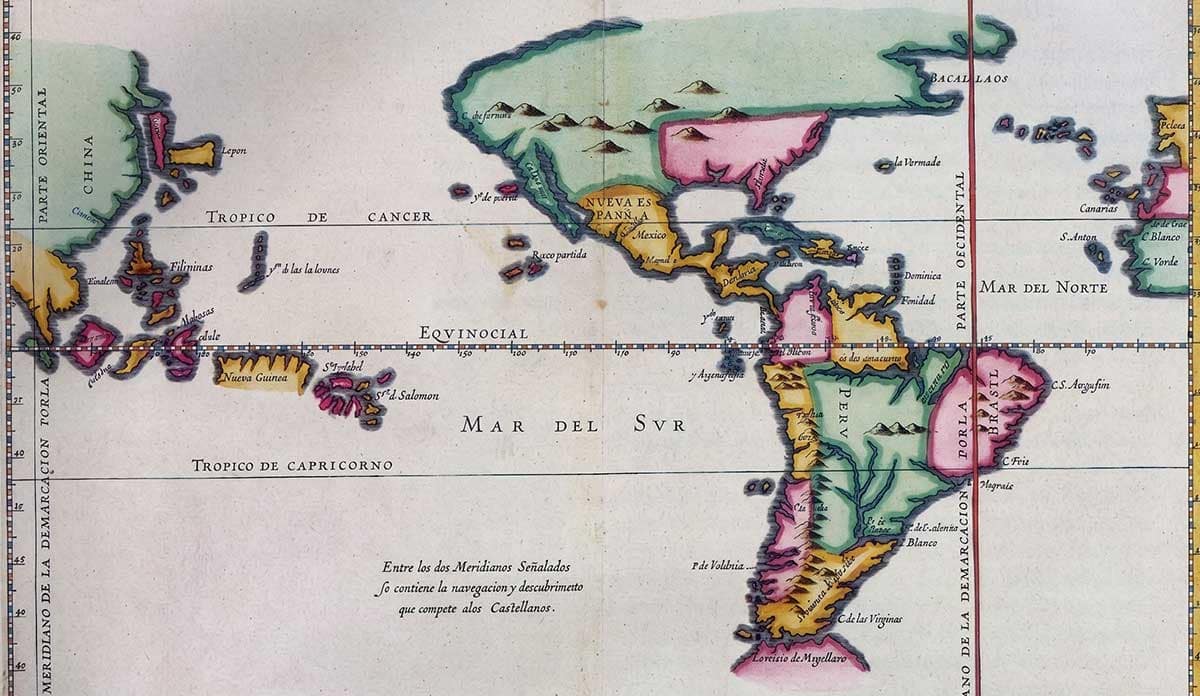
In a Spanish town called Tordesillas, Portugal and Spain made a deal on June 7, 1494. The deal divided the Americas into two zones. A line was drawn across the Atlantic Ocean, about 345 miles west of the Cape Verde Islands (which belonged to Portugal). Portugal got the land to the east of this line, while Spain got the land to the west. For a while, things were mostly peaceful between the two countries.
However, in 1506, they moved the line 932 miles further west. This gave Portugal the eastern part of what is now Brazil. Because the treaty spelled out that both Spain and Portugal could take lands that were not already ruled by Christians, a lot of territory was open for conquest since not many places practiced Christianity at the time.
The Lasting Human Cost of European Colonial Expansion
The treaty’s effects can be seen everywhere today. For example, most Latin American nations mainly speak Spanish, apart from Brazil, where Portuguese is the primary language. The language difference can be traced back to Brazil’s location within Portuguese territory after the Tordesillas treaty, which led to Portuguese colonization. Other places taken by the Portuguese following the treaty, like Angola, Mozambique, Cape Verde, and Guinea-Bissau, also speak Portuguese.
The treaty also ignored indigenous populations and made the takeover of areas with no Christian presence acceptable. The treaty essentially split the globe into Spanish and Portuguese zones of power and influence. Future claims by major powers such as Britain and Germany in areas held by Spain and Portugal were also limited by the deal.
The treaty marked a significant moment that shaped European relations with the rest of the world by making colonialism acceptable. The colonial takeovers that followed led to a lot of human pain and suffering, especially following the rise of the Transatlantic slave trade.
How Rival Powers Shattered the Spanish and Portuguese Monopoly
By the 17th century, major powers such as Britain joined Spain and Portugal in global conquest missions, and slowly, the treaty faltered as new players emerged. With limited resources, Portugal and Spain’s powers waned, and the terms of the agreement could no longer be upheld.