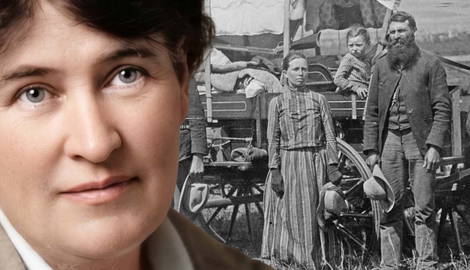

Willa Cather grew up in Nebraska during the late 19th century, largely surrounded by immigrant families living on newly formed homesteads. That childhood experience, surrounded by the sparse, sprawling prairie, had a profound effect on her. When she eventually moved to the East Coast to build her writing career, the Nebraska of her childhood was a constant source of inspiration. Her novels and short stories of pioneer settlement and perseverance still influence how we remember that historical era and capture something essential about what it means to truly love a place.
Willa Cather: A Remarkable Life in a Remarkable Time
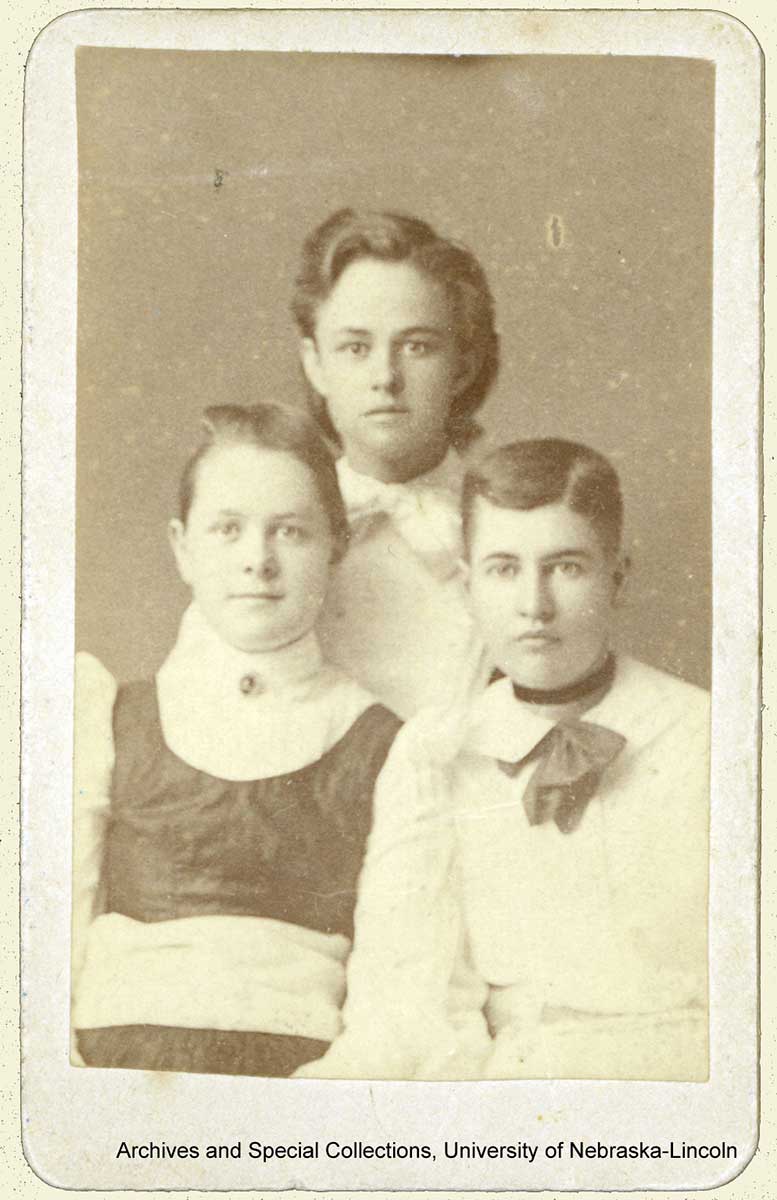
Willa Cather was born in her grandmother’s house in Back Creek Valley, Virginia, in 1873. The family was poor, and there were soon many mouths to feed; Willa was ultimately the eldest of seven children. Her parents moved them all to Nebraska when Willa was nine, apparently repelled by the lingering effects of the Civil War in the former Confederate state, but also drawn by the financial allure of homesteading. The Cathers settled in Red Cloud, Nebraska, a frontier town named after a famed Lakota leader, and anchored commercially to the rest of the world via a crucial railroad stop. Cather’s father soon opened a real estate office there.
By all accounts, the Nebraska landscape astonished young Cather. She described encountering the large sweep of plains, with its looming, open sky as a sort of “erasure of personality” and feeling “a good deal as if we had come to the end of everything.” She was also deeply affected by the people she encountered: the languages, food, dress, and other cultural customs of the various immigrant families who were her neighbors.
She became particularly close with one family, the Miners, whose loving and busy home atmosphere, filled with music and cooking and conversation, served as inspiration for the characters in one of her future novels, My Ántonia. Other neighbors, an educated Jewish couple, had an extensive personal library that they allowed Cather to make use of whenever she wished.
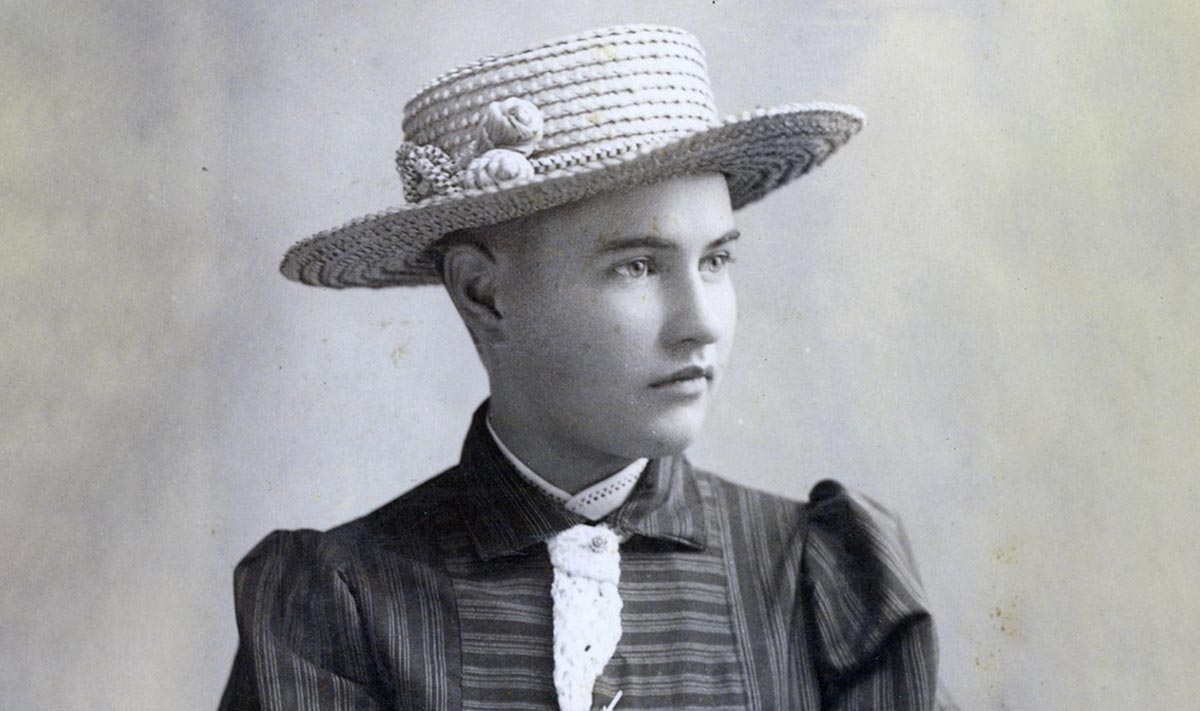
As a young girl, Willa bucked tradition and expectation. She cropped her hair and decided she was going to be a doctor, an exceptional career path for a woman at the time. She attended the University of Nebraska-Lincoln with such intentions and graduated in 1895. But while at school, she began writing for local newspapers, something she loved and soon discovered she had a talent for, and a new career path was born.
After graduating, Willa worked as a journalist and began simultaneously publishing short stories and works of poetry. At 33, she moved to New York City to serve as the managing editor of McClure’s Magazine, one of the nation’s most popular publications of fiction and poetry. It was there that Willa met a hero of hers, writer Sarah Orne Jewett, known for her stories set in the wilderness of Maine. Jewett advised Cather to write about her “own country.”
Cather published her first major novel, O Pioneers!, in 1913, at the age of 40. The novel is set in the late 19th century and focuses on the lifelong efforts of a woman named Alexandra Bergson to cultivate her family’s Nebraska farm. Cather followed O Pioneers! with another prairie novel, My Ántonia, considered by some to be her masterpiece.
At this point in her career, Cather was firmly established as a major American writer and had gained a reputation as a sort of biographer of the Great Plains. She spent the rest of her life writing, winning the Pulitzer Prize for Literature in 1923, and traveling the world with her closest companion, Edith Lewis. Cather died in 1947 from a stroke.
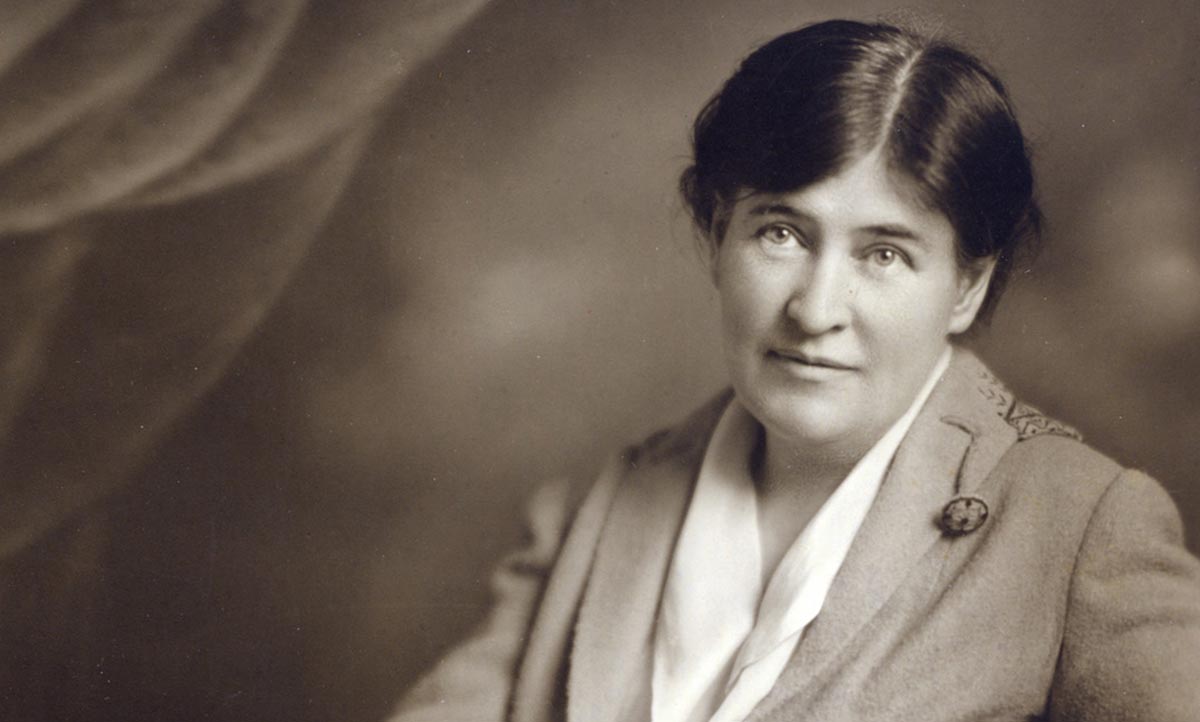
While she never moved back to the prairies of Nebraska, Cather’s memory of that annihilating landscape, the childhood she had there, and the people she met, consumed her writing for her entire life.
Willa Cather’s stories reflect a key time in American history, the settling of America’s frontier and the explosion of European immigration, but they are largely devoid of references to specific historical events or known figures. Rather, her stories focus on the insulated experiences of everyday life on the prairie, in isolation from the larger forces of the world, much like the characters themselves. Because of this, they read almost like folk stories or creation epics: romantic tales that explain the importance of a place and its people, largely ignoring the more complicated, cruel aspects of the homesteading era.
The Nebraska Prairie, Cather’s Muse
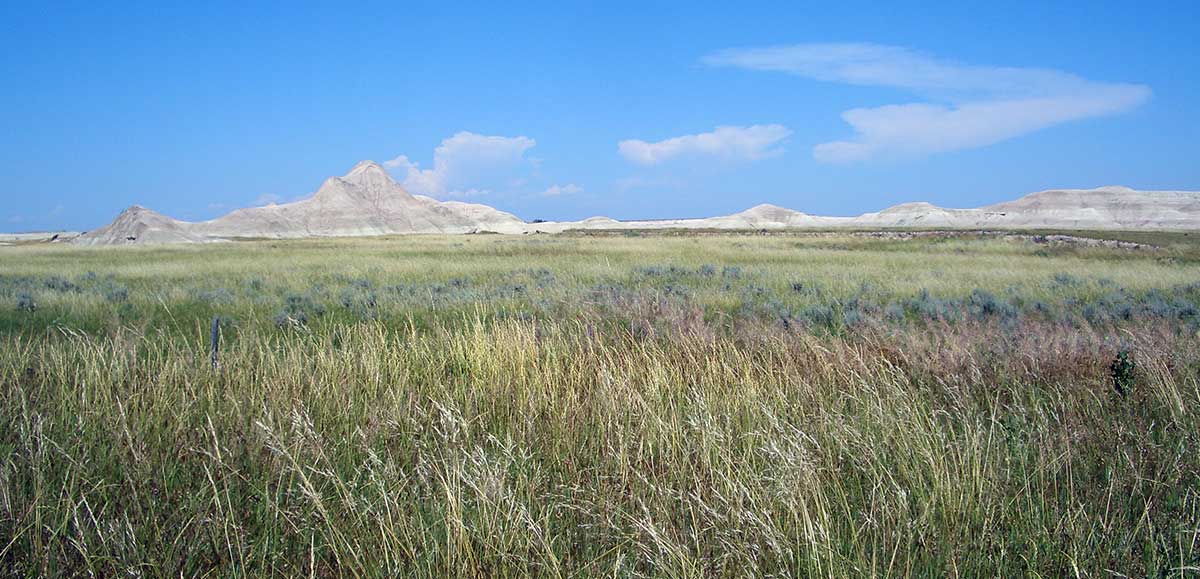
Nebraska is part of the broad expanse of the Great Plains stretching across the middle of the United States, from roughly the Missouri River in the east to the Rocky Mountains in the west. Largely treeless, the Plains can give one the feeling of being consumed by an endless, unbroken terrain, mirrored above by a vast open sky.
The Great Plains consist of a variety of prairies, steppes, and grasslands, and are home to the American buffalo, one of the country’s most iconic animals. The Plains have been occupied by humans for some 12,000 years, since Paleo-Indians first hunted buffalo and mammoths on its long stretches of land. When Cather’s family moved to Nebraska towards the end of the 19th century, the Great Plains were just starting to be meaningfully settled by Americans and European immigrants.
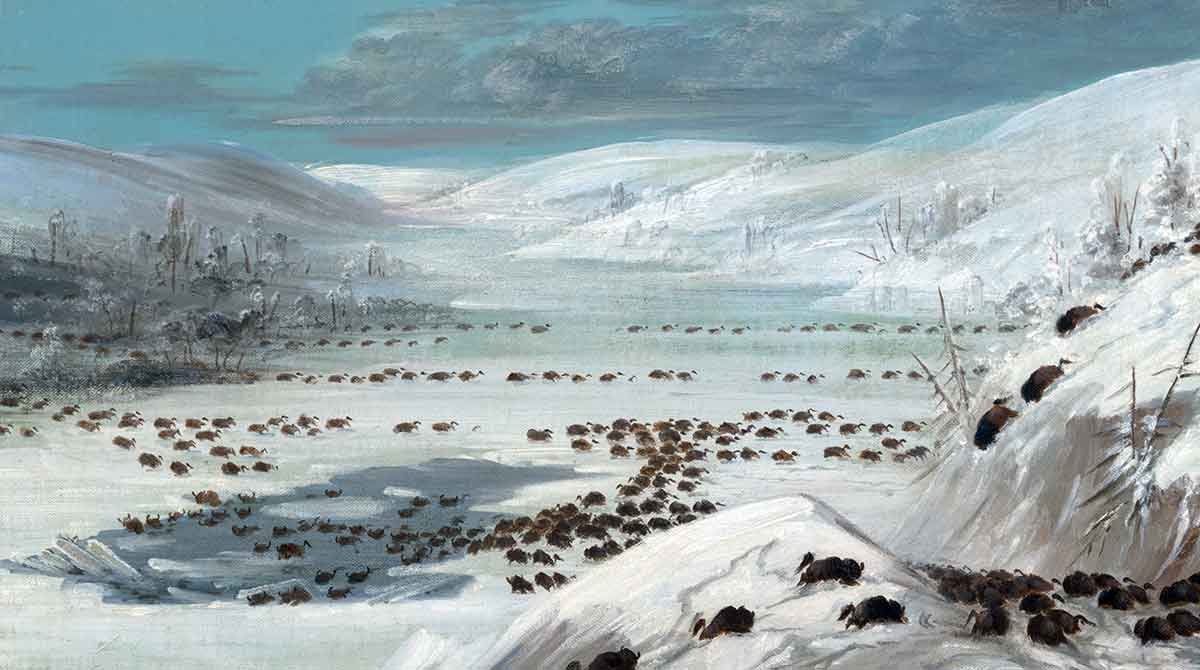
In Cather’s stories, the land is often hostile to the efforts of those who seek to change it. In O Pioneers!, the Nebraska prairie is described as possessing human-like emotions and a kind of awareness of the new people occupying it.
“… the great fact was the land itself, which seemed to overwhelm the little beginnings of human society that struggled in its sombre wastes. It was from facing this vast hardness that the boy’s mouth had become so bitter; because he felt that men were too weak to make any mark here, that the land wanted to be let alone, to preserve its own fierce strength, its peculiar, savage kind of beauty, its uninterrupted mournfulness.”
As Cather’s story goes on, the land does finally relent to human efforts, as long as it’s the right kind of human. Alexandra Bergson, the hero of the story if there is one, is the daughter of a Swedish immigrant who died before he was able to make his homestead profitable. When Alexandra inherits it, the land flourishes under her care and creativity. Her success seems to stem from her deep love and understanding of the place, her ability to see promise and value where others can’t. In Cather’s telling, Alexandra’s efforts to farm her land become almost a biblical kind of event.
“For the first time, perhaps, since that land emerged from the waters of geologic ages, a human face was set toward it with love and yearning. It seemed beautiful to her, rich and strong and glorious … Then the Genius of the Divide, the great, free spirit which breathes across it, must have bent lower than it ever bent to a human will before.”
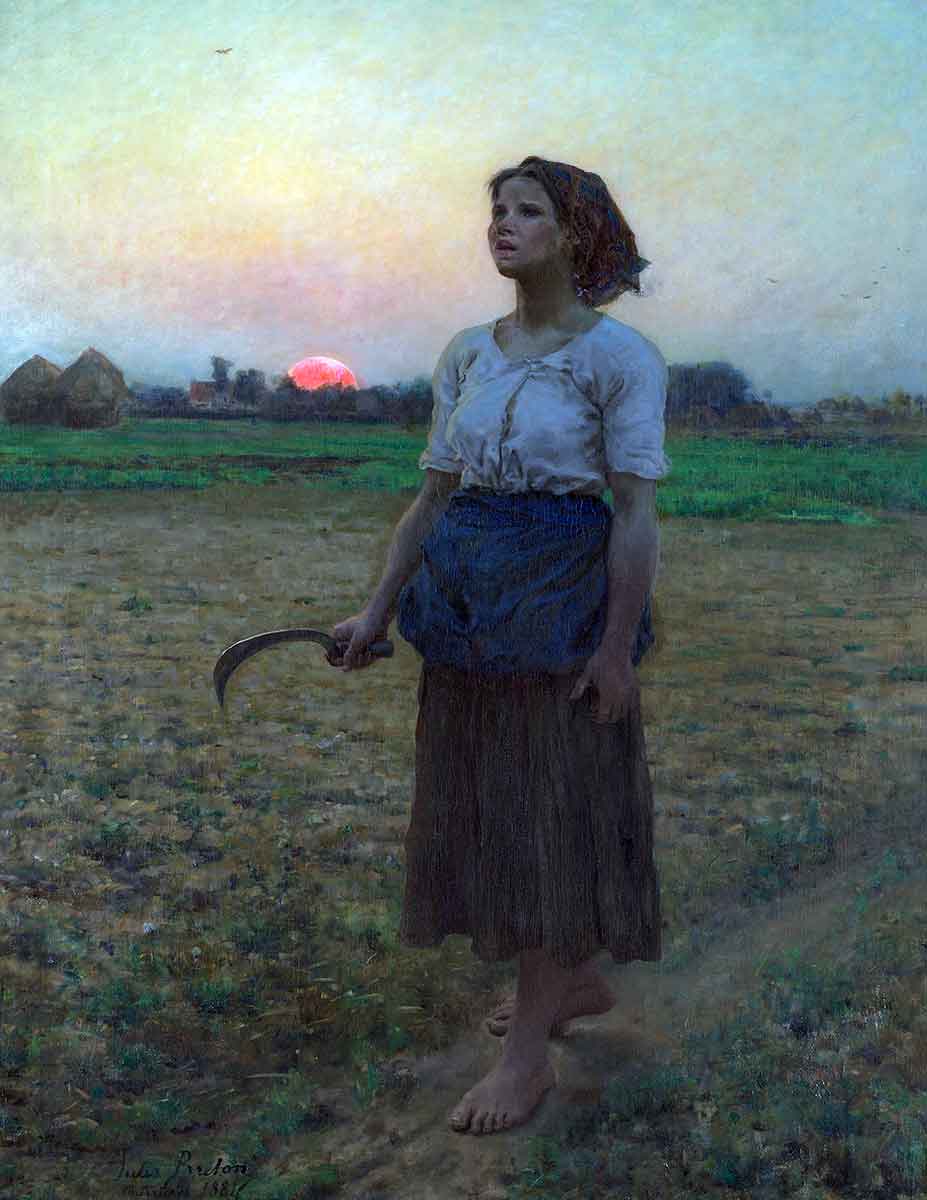
Alexandra is written as an individual talent but also as representative of the collective spirit of a newer generation. It is not just her land that is transformed but also that of her neighbors, who follow her lead in creating orderly, bountiful fields, orchards, and rangelands. In Cather’s telling, this deep love for nature and the land is itself a form of patriotism. One of the final passages of the book includes this reflection from Alexandra, surely speaking the personal beliefs of the author who created her:
“The land belongs to the future, Carl; that’s the way it seems to me. How many of the names on the county clerk’s plat will be there in fifty years? … We come and go, but the land is always here. And the people who love it and understand it are the people who own it for a little while.”
The History Behind Willa Cather’s Stories
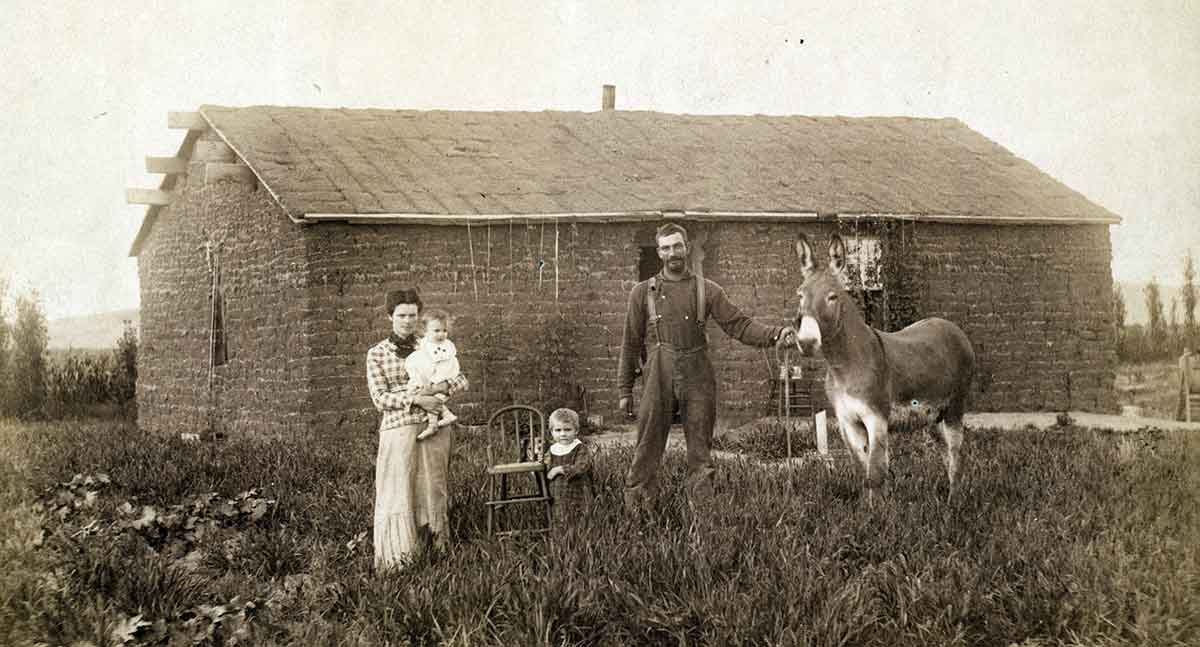
What is the larger historical context of Willa Cather’s beloved prairie, her idealized pioneers? What drove them to the seemingly inhospitable Nebraska, and who occupied it before them?
The history of Nebraska is a history of American western expansion in microcosm. The land on which Red Cloud, Nebraska, was built was the traditional hunting grounds of the Indigenous Pawnee people, who had lived there for centuries along the Platte River, in domed lodges made of timber and earth, farming crops and hunting buffalo.
The region was first claimed by explorers for France in 1682, and over the next hundred years or so, Europeans continued to explore and establish trade posts in the area. In 1803, France sold the Nebraska territory to the United States as part of the Louisiana Purchase.
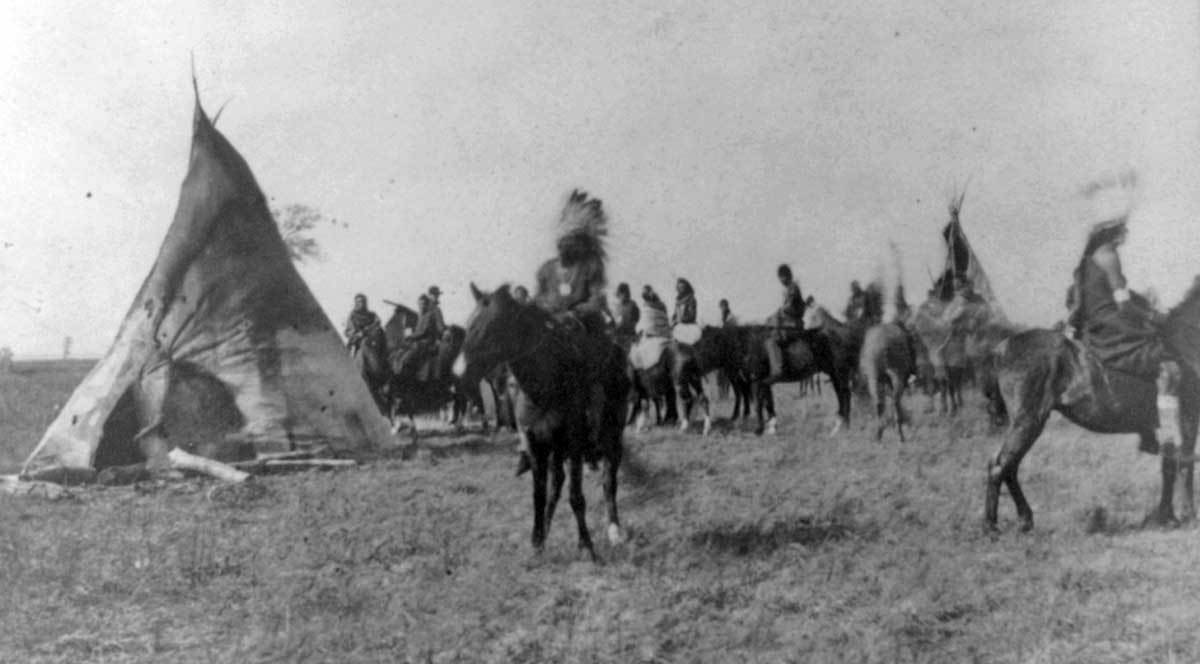
While most early travelers passing through the Great Plains believed the land had little value, that didn’t stop the U.S. government from seeking control. In 1833, the Pawnee tribe signed a treaty with the U.S., surrendering all their land south of the Platte River. Such “treaties” were often signed under coercion; the Pawnee may not have explicitly believed they were giving up the right to live on their land.
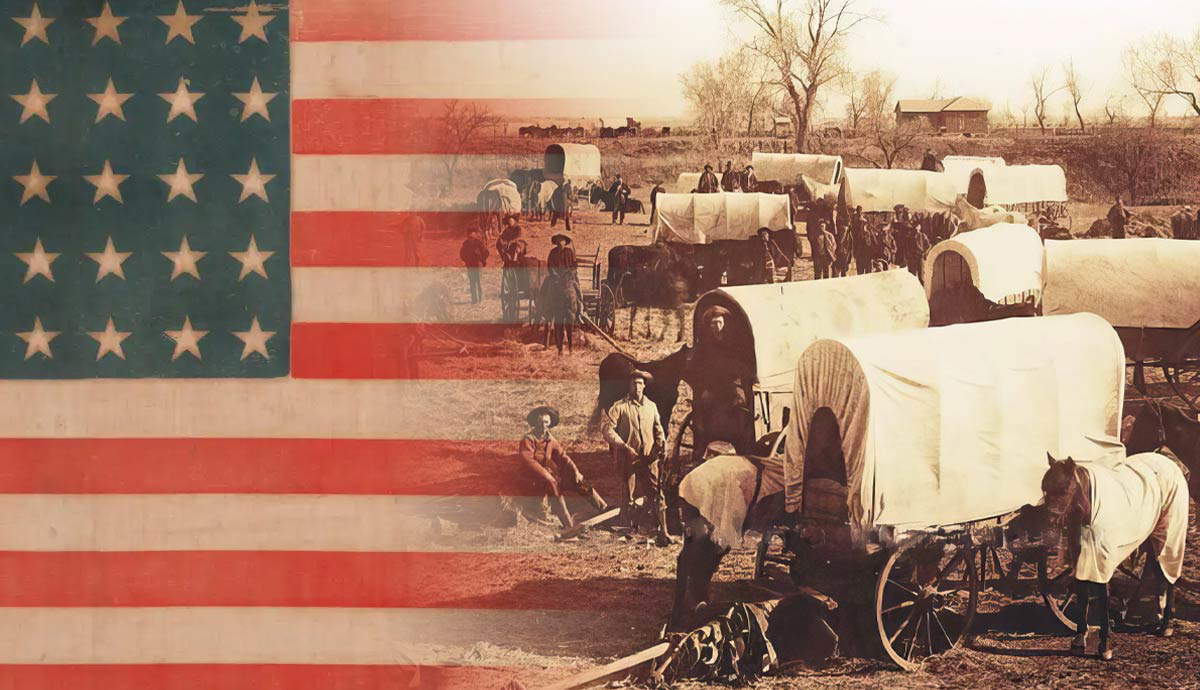
In 1854, the Nebraska Territory was formally created as part of the United States, and as such, travelers could legally settle there. Not many did at first, at least not compared to those settling further west, in the gold fields of California and the fertile valleys of the Oregon Territory. Those who did make Nebraska their home largely made their living by selling supplies to the wagon trains passing through on their way to those more popular destinations.
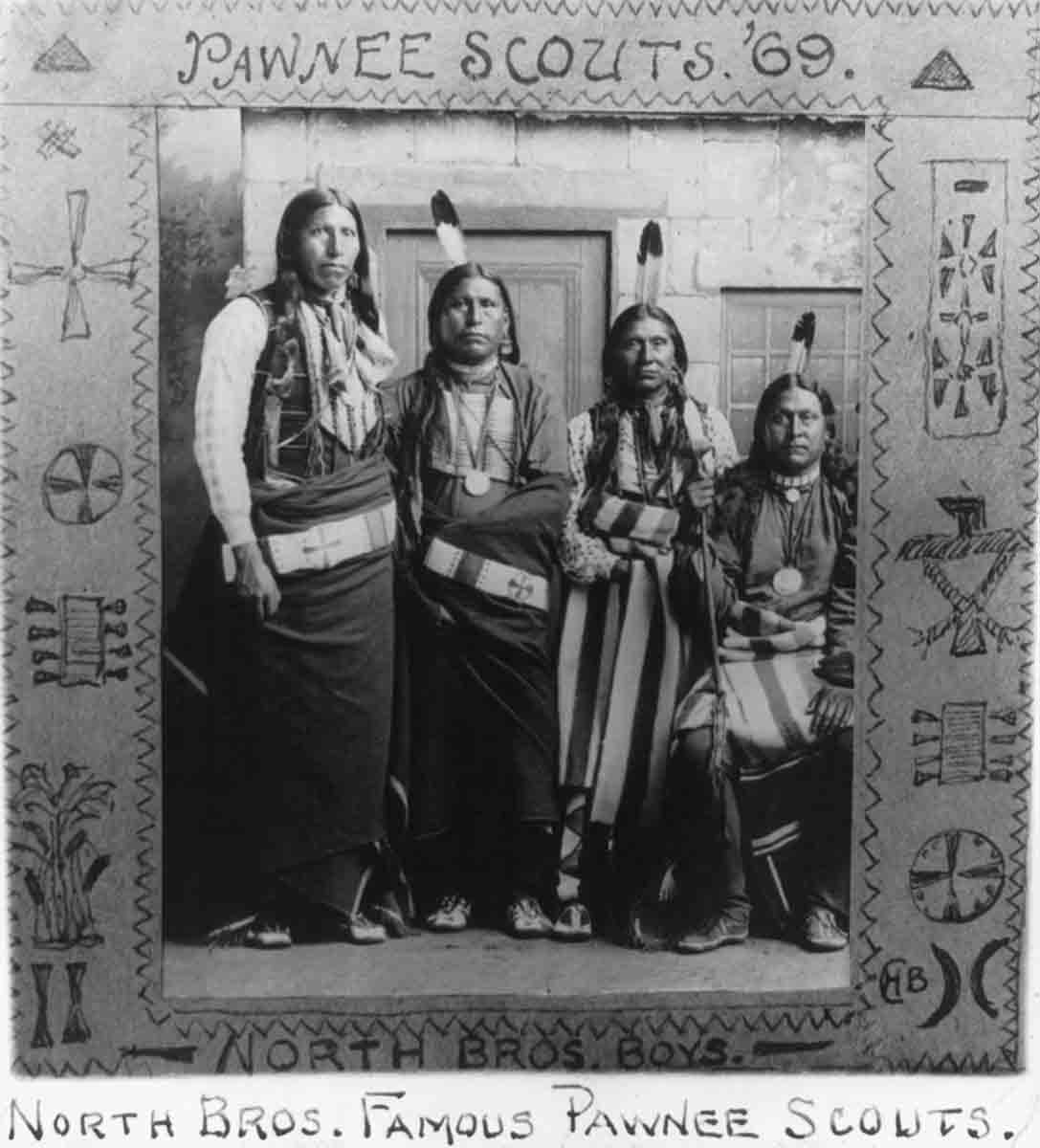
But then, in 1869, the railroad came, connecting Nebraska to the rest of the country. This made it much easier for people to travel to the state, and for those already there to start sending and receiving goods. Suddenly Nebraska was more economically viable.
Congress had also recently passed the monumental Homestead Act of 1862, which provided huge incentives for people to move into the Great Plains region. It stipulated that any adult citizen, or intended citizen, could claim 160 acres in the region so long as they committed to living on the land for five years with the intention of improving or cultivating it.
The act also stipulated that anyone could apply for the program, so long as they had never taken up arms against the U.S. and could be considered the head of their household. This meant that women who were single, widowed, or divorced could claim a stake of land for themselves, and thousands of them did so. Freed slaves and immigrants could also claim land under the act, but Native Americans were effectively excluded because they were not recognized as U.S. citizens at the time. No matter who they were, the majority of those who filed claims and moved west did so with a large family; many hands were needed to do the endless chores required to run a farmstead.
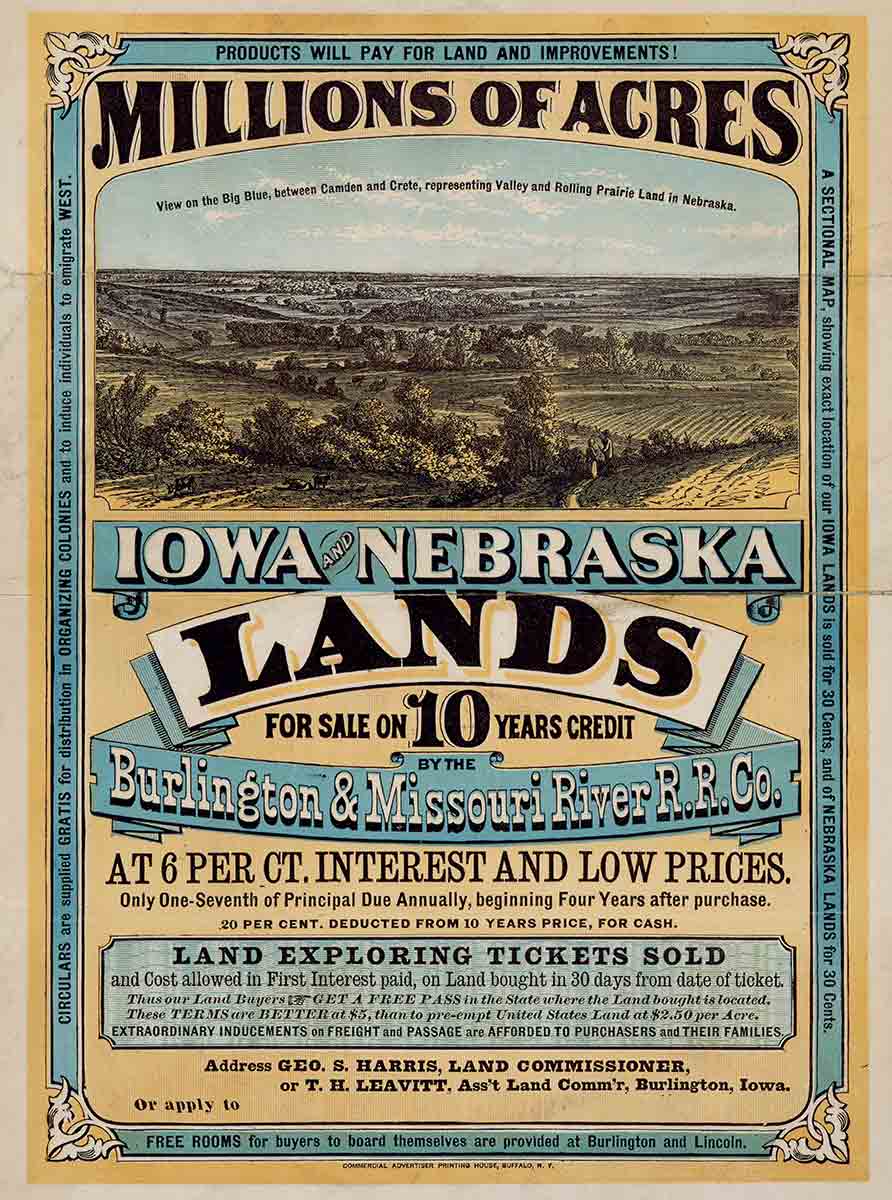
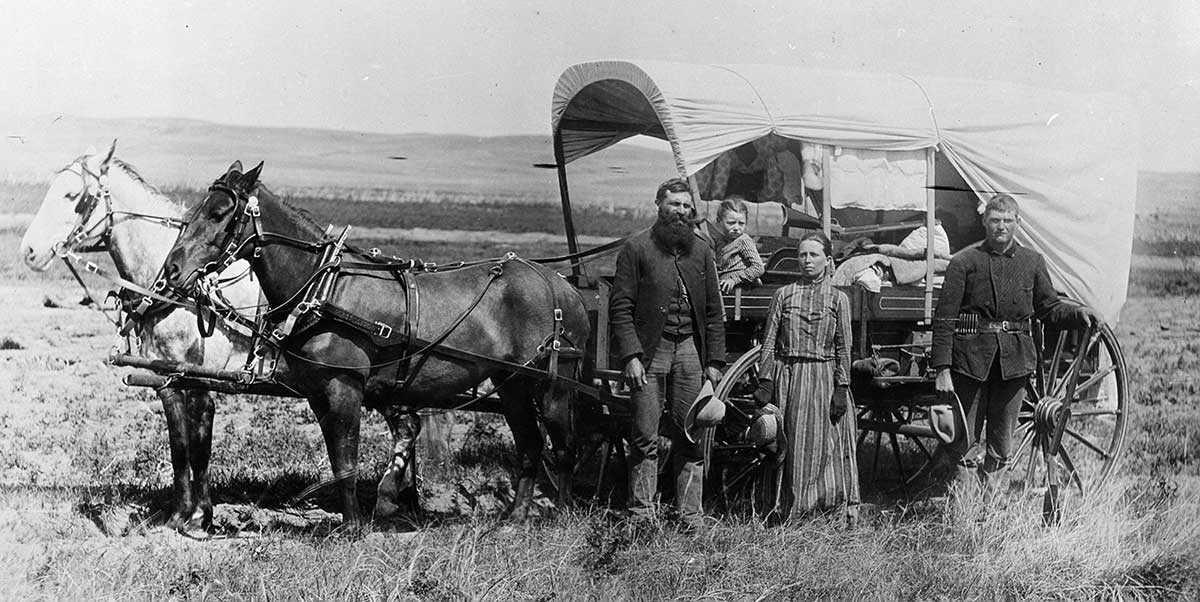
As a result, in the 1870s and 80s an influx of people rushed into Nebraska, including Willa Cather’s family. Many came from America’s Eastern states, but a good number were European immigrants, largely from Germany and Scandinavia. Once in Nebraska, these immigrants often clustered into ethnic communities, living amongst other people from their homelands.
Cather documents these cultural differences in her books, devoting significant text to describing domestic scenes: the way a room is decorated, a dish cooked, torn clothes mended. Embedded in these scenes are references to traditions, customs, and habits associated with different types of immigrants. A Bohemian wife makes strudel with cream for her visitors, and later dresses up as an old country fortune teller at the local state fair. It is said that Bohemians like to drink beer when they thrash grain, but Norwegians do not. The local laundry in town is run by the Danish. The store nearby stocks food that appeals to German and Scandinavian palates: rye bread, smoked fish, strong imported cheeses. These small details give readers a peek into the real lives and histories behind Cather’s fiction.
The Faces of Cather’s Pioneers
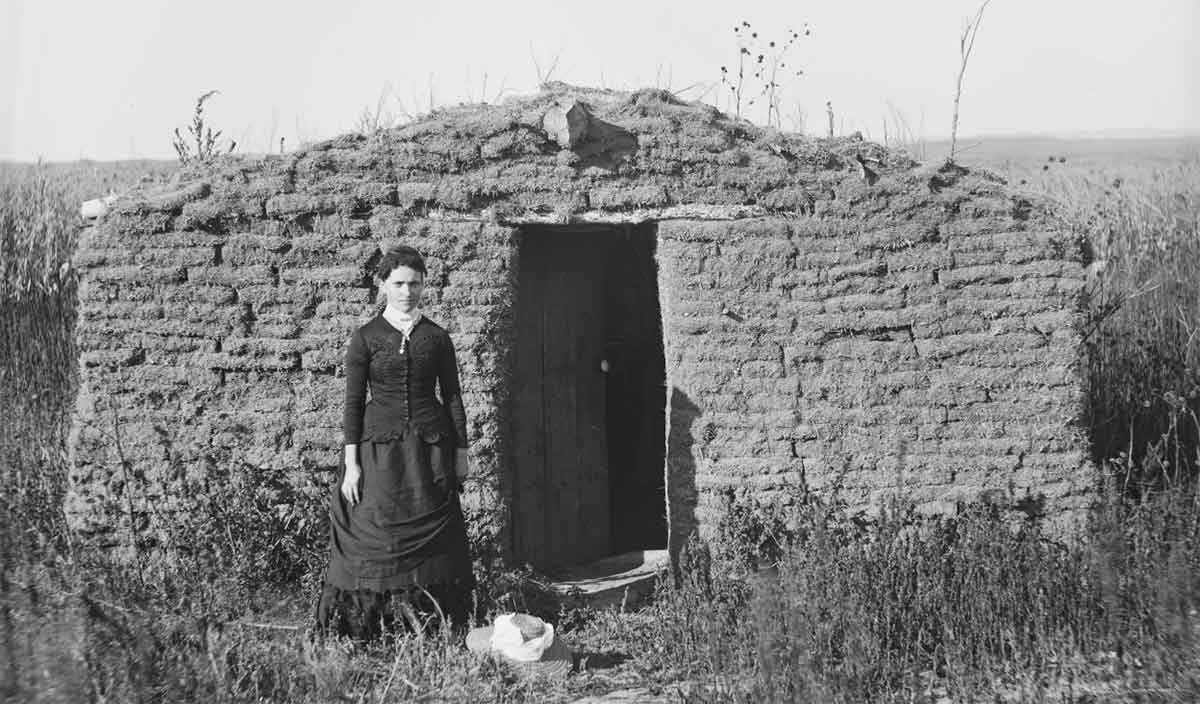
My Ántonia touches on many of the same themes as O Pioneers!. It is narrated by an orphan, Jim Burden, who moves to his grandparents’ Nebraska homestead at age 10. Soon after arriving, he befriends his neighbor, Antonia Shimerda, a young girl whose family recently moved to the prairie from Bohemia (based on Cather’s real childhood friend, Anna Pavelka). Jim teaches Antonia English, and she amuses Jim with stories about her old life in Bohemia. Together, they explore their surroundings, battle rattlesnakes, investigate prairie dog towns, and experience profound loss and tragedy.
Cather, writing from Jim’s adult perspective, describes their childhood days together in typically epic terms, with the land a searing part of his memories:
“All those fall afternoons were the same, but I never got used to them. As far as we could see, the miles of copper-red grass were drenched in sunlight that was stronger and fiercer than at any other time of the day … The whole prairie was like the bush that burned with fire and was not consumed. That hour always had the exultation of victory, of triumphant ending, like a hero’s death.”
Jim ultimately leaves Nebraska while Antonia remains on the prairie, marrying and raising ten children on her own bustling farmstead. Years pass, and when Jim visits Nebraska again on a passing trip, he reunites with Antonia, noting how rooted and at home she seems, like her spirit has become part of the landscape itself.
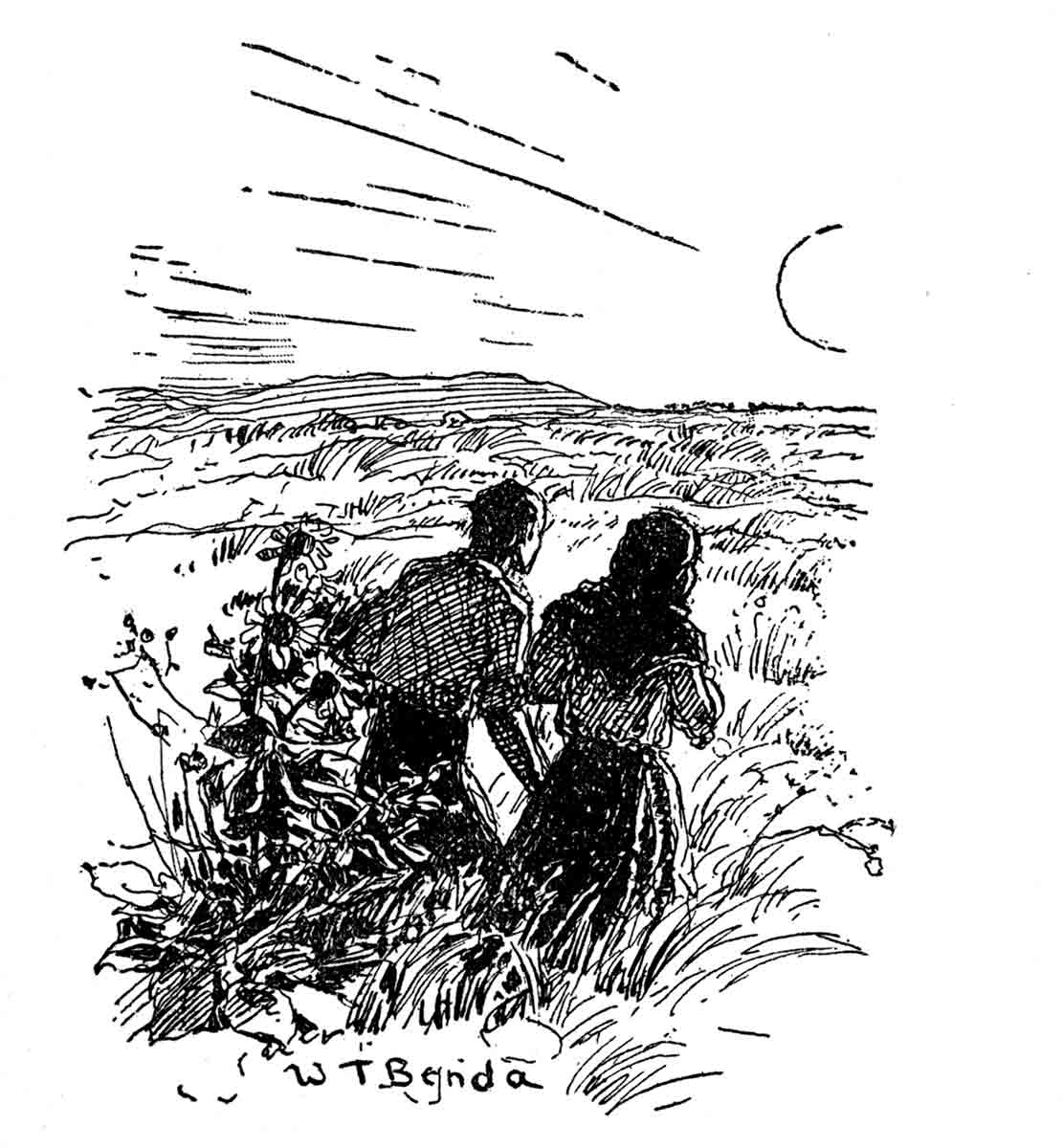
Both O Pioneers! and My Ántonia are deeply nostalgic works, focused on capturing the magic and importance of childhood. Cather’s stories seem to suggest that in order to fully understand and appreciate the prairie, a person has to have seen it first as a child, when they are impressionable and new. Their heroes’ journey typically includes a type of merging of their identity with the land itself. Consider this musing from Alexandra in O Pioneers!:
“She had never known before how much the country meant to her… She had felt as if her heart were hiding down there, somewhere, with the quail and the plover and all the little wild things that crooned or buzzed in the sun. Under the long shaggy ridges, she felt the future stirring.”
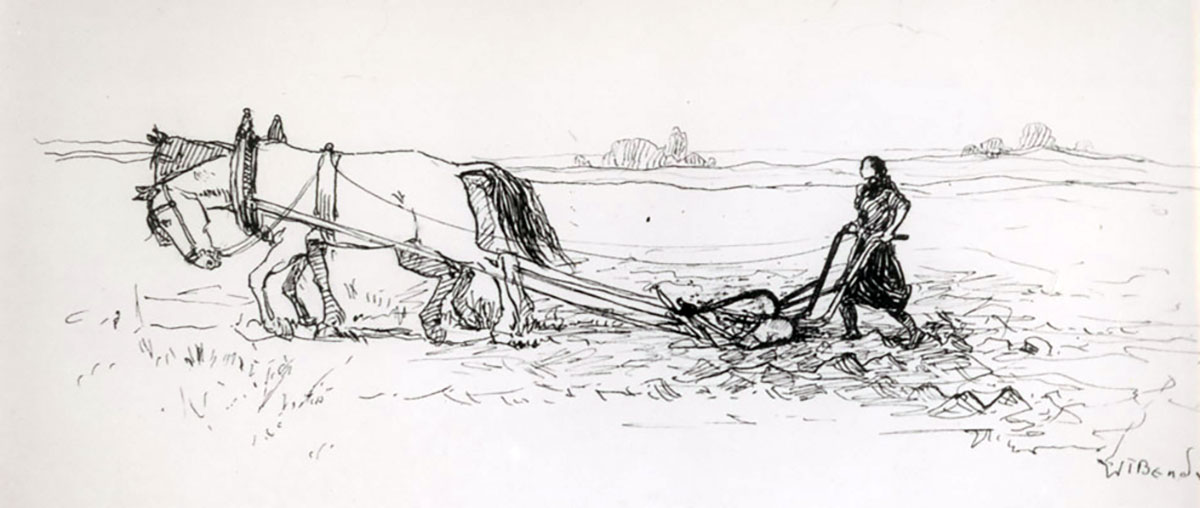
Cather spotlights female versions of the pioneer character, women whose very success on the prairie is tied to their ability to push back against traditional expectations. It is because they think and behave outside the realm of what’s standard that they excel. The prairie was made for these types of characters: rogues, misfits, creative thinkers. But it is also too simplistic to view these novels as straightforward works of feminism. Cather herself was apparently ambivalent about the suffrage movement, which was reaching a fever pitch when she wrote these works, and her stories are not without the traditional archetypes of fallen women.
Certainly there is also a generational element in how Cather depicts her pioneers. Often, the older family members are the ones unable to make peace with this new place, too attached to the friends and memories left behind. In O Pioneers!, Alexandra’s father dies at 46, ill from trying so hard to make the land work. He greets death as a chance to escape the constant devastation.
“He was ready to give up, he felt. He did not know how it had come about, but he was quite willing to go deep under his fields and rest, where the plow could not find him. He was tired of making mistakes. He was content to leave the tangle to other hands.”
The same is true for Antonia’s father, who becomes so miserable over his family’s poverty and homesick for Bohemia that he commits suicide. Both Alexandra and Antonia are able to thrive in a way their fathers could not, and both come to love the prairie for a beauty their fathers never saw. And when these heroines of the prairie die themselves, they are not deaths of defeat, but a type of final reunion with the land, as described in these concluding lines from O Pioneers!:
“ Fortunate country, that is one day to receive hearts like Alexandra’s into its bosom, to give them out again in the yellow wheat, in the rustling corn, in the shining eyes of youth!”
Cather’s Enduring Grip
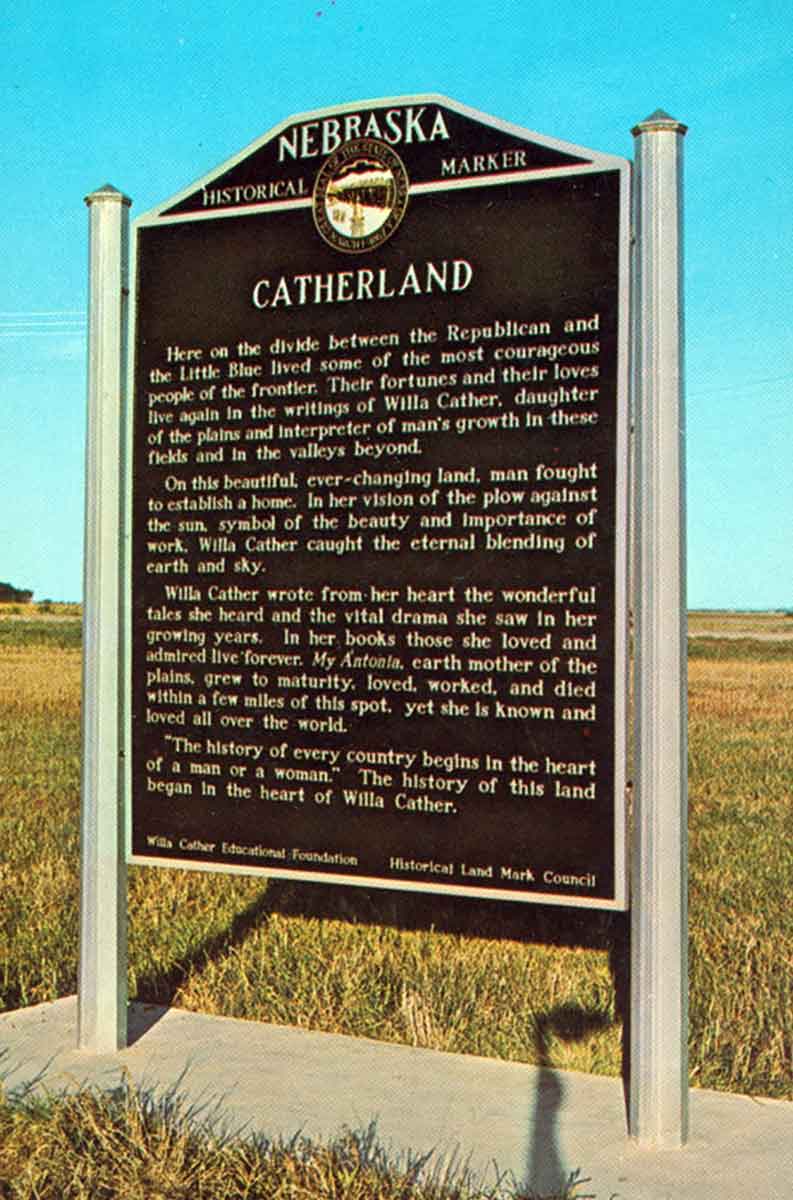
The image of the American pioneer as related by Willa Cather is part of an ongoing romantic narrative of that period of history—hardy, rugged individuals connected in some spiritual harmony with the land, all grit and determination. Cather’s stories, while occasionally dismissed as overly sentimental, do capture some specific truths about that era—the value and uniqueness of the Great Plains, the diversity of communities that settled there, and the unspeakable hardships they often had to endure.
Cather was writing her pioneer stories at a time when the country at large was exerting fresh energy into valuing and protecting its wild spaces. A powerful progressive movement was pushing the government to do more to protect the environment from the ravages of the Industrial Age. The Forest Service was established in 1905 under President Theodore Roosevelt, who also doubled the number of national parks during his presidency. The health of waterways, soils, forests, and other natural spaces began being studied. Stories like Cather’s helped the nation appreciate not just the economic importance of its landscape, but its historic, poetic importance as well.
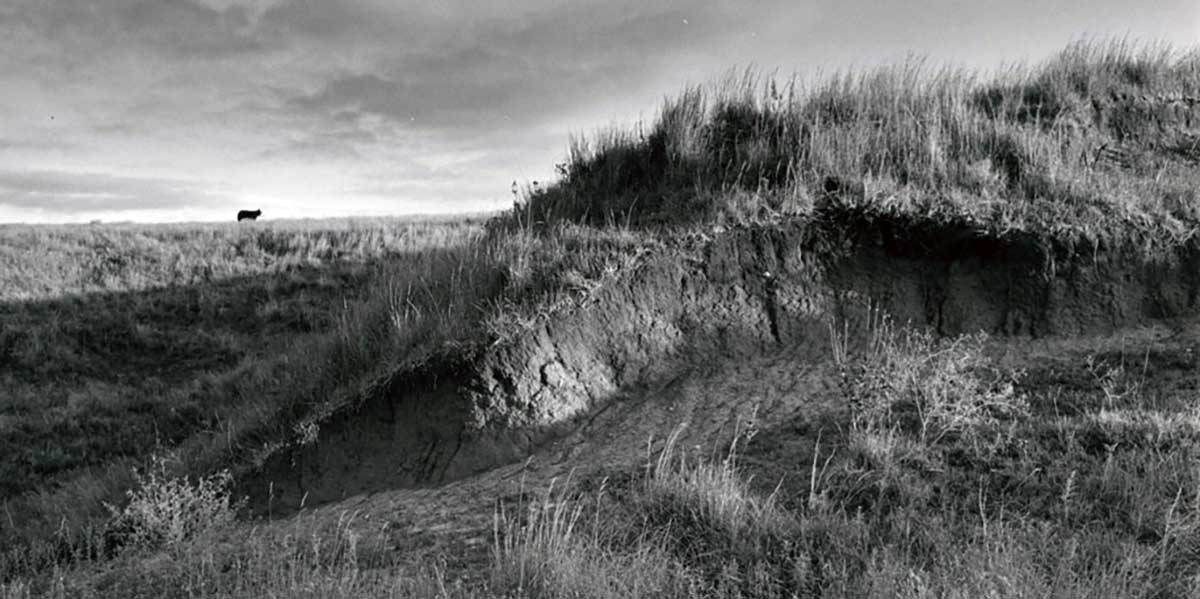
Cather’s stories, her testaments of affection for the land, are written all over Nebraska’s modern landscape. In her hometown of Red Cloud, visitors can tour Cather’s childhood home, stop by the National Willa Cather Center, and then, five miles south of town, enjoy the quiet beauty of the Willa Cather Memorial Prairie, a 612-acre plot of never-been-plowed, soft-rolling, seemingly endless plain.