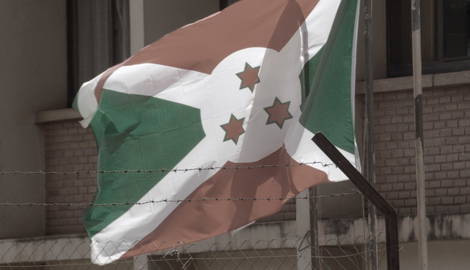

During its colonization, Burundians were pitted against each other on the basis of whether they were Hutu or Tutsi. The result of the subsequent power struggle between the two was a genocide known as the Ikiza.
How Belgian Colonial Policy Created Burundi’s Ethnic Divide
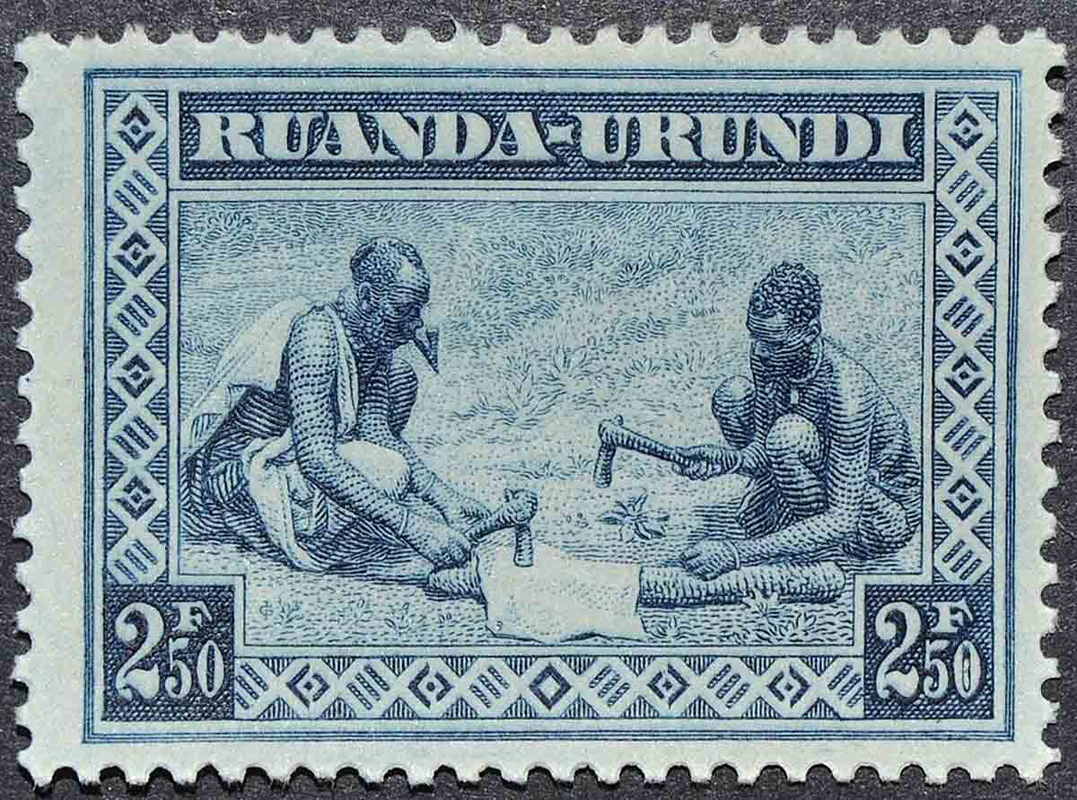
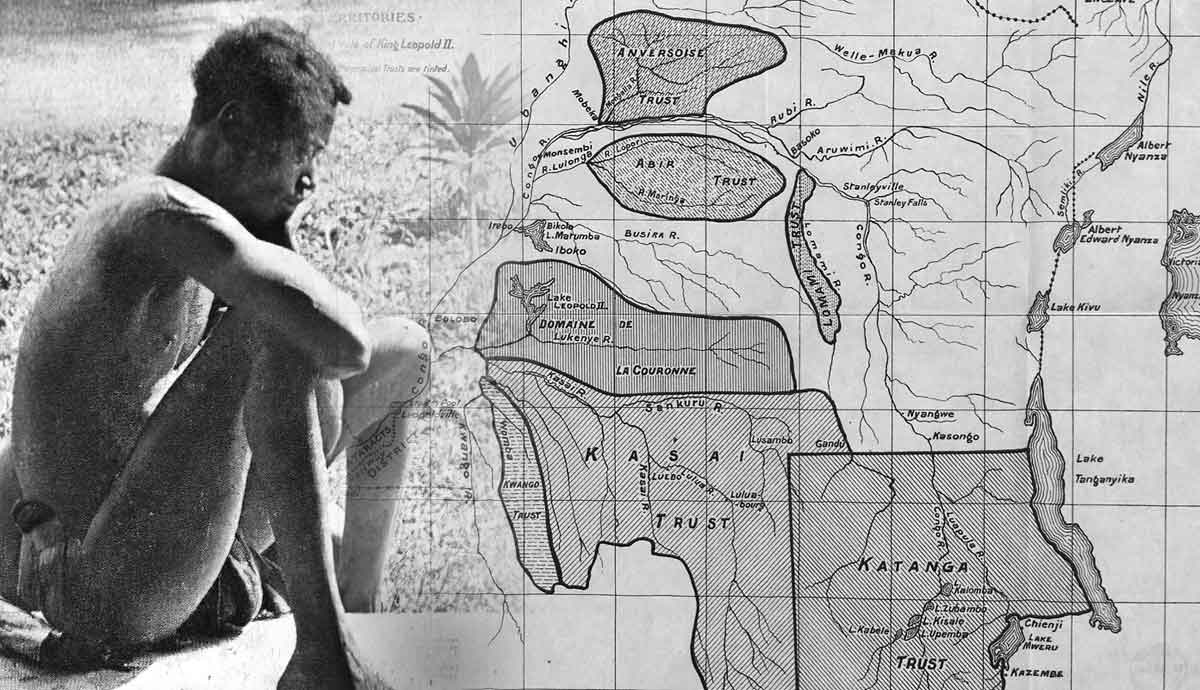
Prior to its colonization by Belgium, Burundi existed as a kingdom. Founded in the 17th century, the Kingdom of Burundi was a tiny, highly regulated East African state. It was ruled by a king (Mwami) and had defeated East African slave traders several times on the battlefield, preventing them from penetrating the kingdom. In the 1890s, the first Europeans arrived in Burundi, and by the turn of the century it was colonized by Germany. After World War I, Belgium took control.
The colonial era was devastating for the people of Burundi. The colonial apparatus disregarded traditional methods of government and imposed forced labor on Burundian peasants. To make matters worse, the Hamitic Hypothesis was introduced to Burundi in the 20th century. Similar to Rwanda, Burundi is composed of Hutu, Tutsi, and Twa. The Hamitic Hypothesis asserts that the Tutsi had conquered the Hutu and Twa and were therefore the superior race. This theory is not true, of course, as historians believe that both the Hutu and Tutsi migrated to Burundi in waves and gradually came together over time to form the kingdom. All three groups speak the Kirundi language and share the same culture. The ruling class of the kingdom (the Ganwa) did not consider themselves to be Hutu or Tutsi, dispelling colonial beliefs about Burundi.
The implementation of the Hamitic Hypothesis made the Tutsi the overlords in Rwanda. As the Belgians indirectly ruled, the Tutsi were made the masters, while the Hutu were made serfs. This arrangement created much resentment and set the stage for future conflict.
Political Turmoil and the Fall of Prince Rwagasore
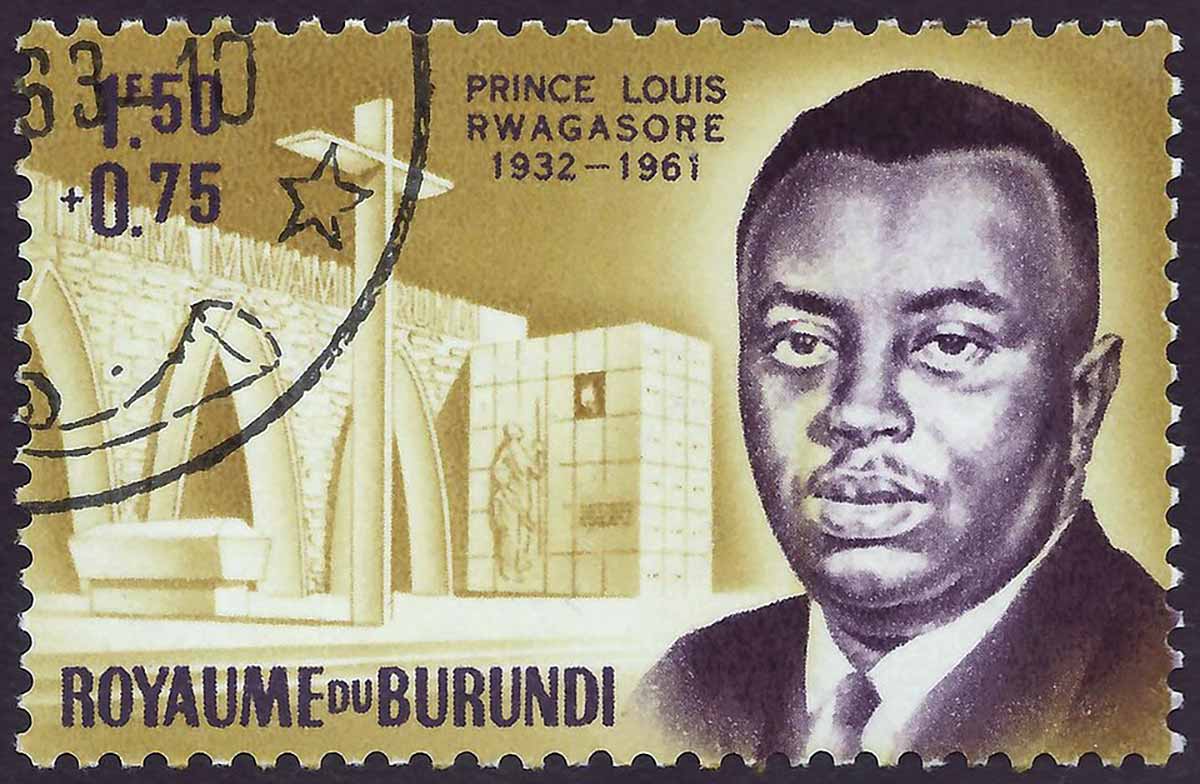
As the 1950s came to a close, Burundi (and the rest of Africa) was approaching independence. Prior to gaining independence, they elected Louis Rwagasore as Prime Minister. Rwagasore, a prince and anti-colonial activist, was widely popular among both Hutus and Tutsis. His election was a positive sign for the country, as he had the ability to unify it. However, less than two weeks into his term, Rwagasore was assassinated.
Rwagasore’s death set the stage for political violence and ethnic warfare to engulf the country. He was the first of six Burundian heads of state who would be assassinated over a 30-year period. While Rwagasore had been acceptable to both Hutus and Tutsis, his death led to ethnic tensions rising. Both sides competed for political power in the country, with disastrous results to follow.
The 1972 Ikiza: Targeted Violence and the 200,000 Casualties
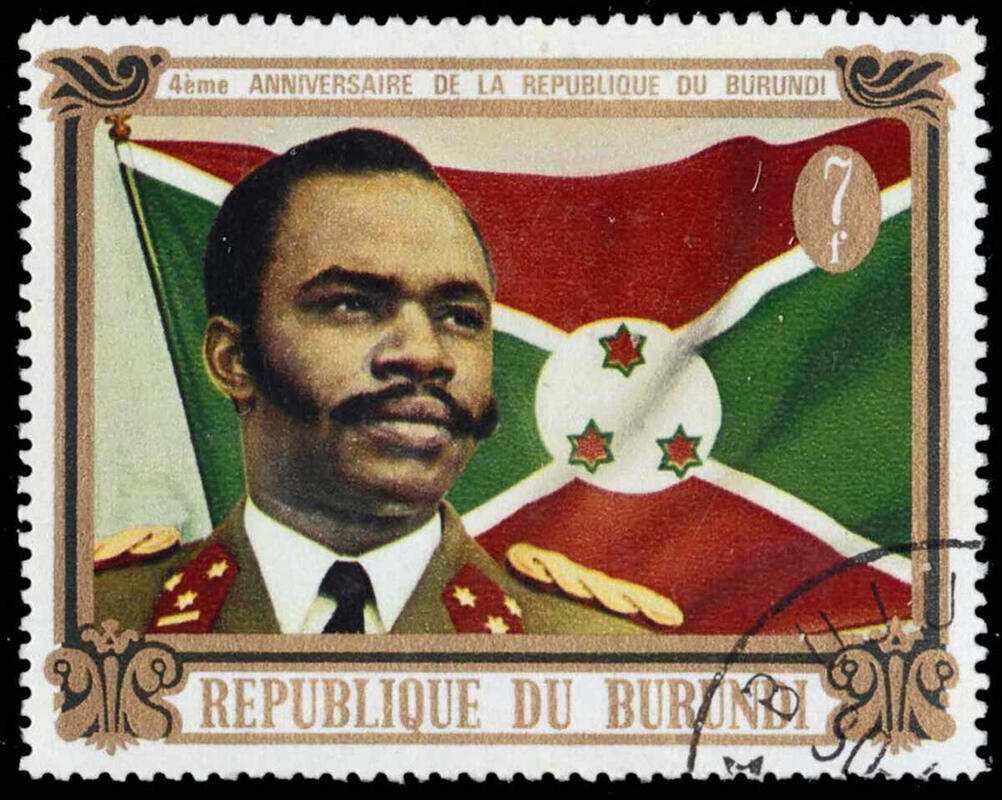
With Hutu and Tutsi politicians in conflict for power in the newly independent Burundi, it would not be long before conflict spiraled. In 1965, a Hutu uprising broke out, which attempted to overthrow the monarchy and take control of the government. Their coup attempt was defeated by a Tutsi army officer named Michel Micombero.
With his stock rising after putting down the coup, the ambitious colonel Micombero was not content. In 1966, he launched a coup that deposed the monarchy and made himself president of the republic. Micombero made sure that the government and army were dominated only by Tutsis loyal to him.
Micombero’s rule was met with resistance from Hutus as well as Tutsis. Tutsis with connections to the monarchy plotted against him during his time in office, while Hutus opposed his stranglehold on power. All of this served to make Micombero increasingly paranoid and use more severe methods of repression to keep his position intact.
On April 29, 1972, another major Hutu uprising broke out. This one was more serious than the prior one in 1965, as the Hutu militants’ quick attacks allowed them to capture territory in the South of the country. After executing as many as 2,000 Tutsi civilians (and Hutu civilians who did not cooperate), the militants declared the territory that they captured as the Republic of Martyzao.
Micombero had the Burundian army respond rapidly to the situation. The better-equipped national army quickly recaptured territory, then pursued retreating rebels. From there, things grew completely out of control.
Anyone suspected of having supported the rebels was immediately executed. Taking things a step further, the Tutsi-dominated army began to retaliate against Hutu civilians. All educated Hutu were rounded up and executed en masse. Children as young as ten who could read were rounded up as well. The army was convinced that educated Hutus had orchestrated the rebellion, and desired to wipe them out to keep control of the country. The nationwide killing continued until August. It is estimated that up to 200,000 Hutu were killed in the Summer of 1972.
The Devastating Aftermath and Burundi’s Long Road to Peace
Burundi emerged from the genocide as a destroyed country. Up to 200,000 people out of a population of five million had been killed, and the surviving educated Hutu had fled the country. The event has come to be known as ‘The Ikiza,’ Kirundi for the disaster.
Micombero’s rule continued until 1976, when his cousin Jean-Baptiste Bagaza overthrew him. He lived out the rest of his days in Somalia before dying in 1983. Bagaza governed in a similar manner to Micombero, and Burundi’s ethnic conflict returned in the 1990s. It was not until the mid-2000s that the country’s warring factions finally made peace. The memory of the Ikiza is still fresh in the minds of Burundians, as they will never forget the horrific genocide that once engulfed their country.