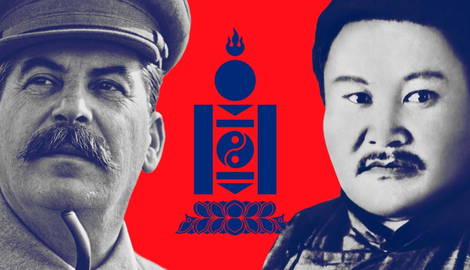
Peljidiin Genden served as Mongolia’s head of state during a difficult time in the country’s history. He faced the challenge of not only modernizing the young nation but resisting the murderous inclinations of Joseph Stalin. He accomplished the latter tasks not only with words, but with his hands. Literally.
Born Into Chaos During the Fall of an Empire
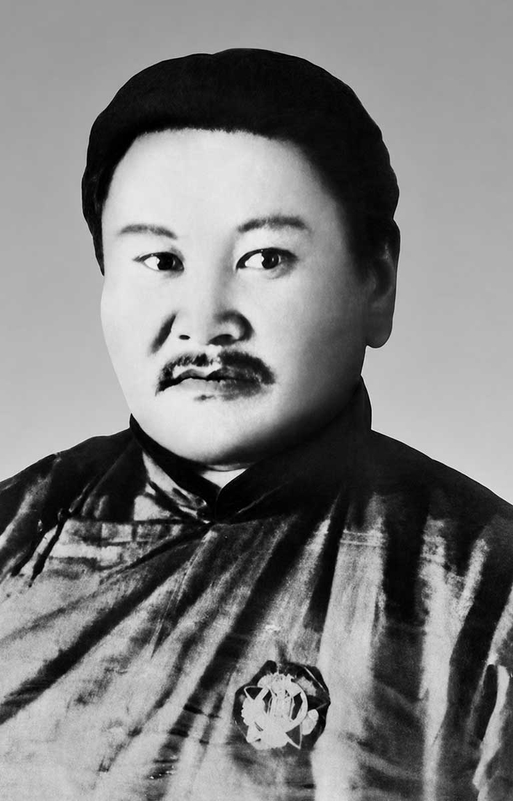
Peljidiin Genden was born in rural Mongolia in 1892. At the time of his birth, Mongolia was still a part of the Qing Dynasty. Soon after the fall of the Qing in 1912, an independence movement arose to establish a Mongolian state. For several years, fighting ensued between Chinese forces looking to keep control, reactionaries that desired to implement a feudal monarchy, and communists who wanted to create a state in the image of the Soviet Union. The end result was a communist victory and the formation of a Mongolian state in 1924.
Surviving as the Soviet Union’s First Satellite State
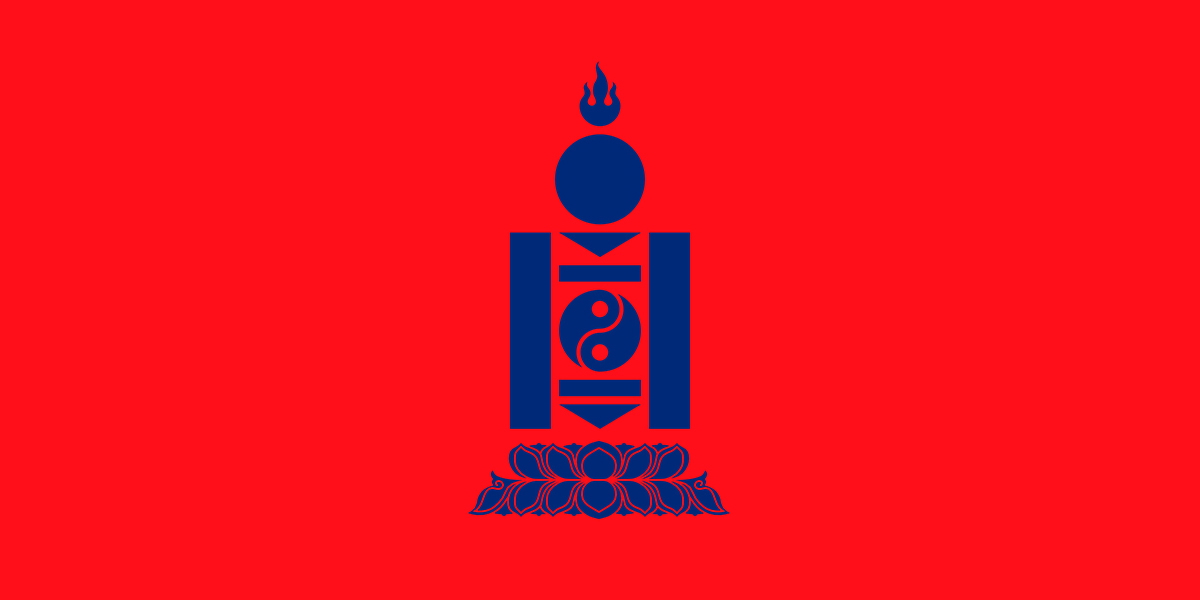
With its establishment in 1924, the Mongolian People’s Republic faced a daunting task. Building a strong modern economy from the ground up would be a great challenge. Doing so while taking orders from the Soviet Union would be even more difficult.
The Soviet Union had greatly contributed to the country’s independence and held a considerable amount of influence on its young government due to Mongolia’s dependence on Soviet economic aid. As the Soviet Union’s first satellite country, it was under great pressure to follow the model specifically outlined by its dictator, Joseph Stalin.
Beginning when he was a young man, Peljidiin Genden took part in the country’s transformation. After joining the nation’s youth league, he was noticed by high-ranking officials for his outspokenness and passion. As he rose through the ranks, he took on a number of high-level positions before eventually becoming the nation’s Prime Minister in 1932. When he took office, his goal was to implement collectivist policies similar to those enacted by Vladimir Lenin. He initially had good relations with Stalin, allowing him to remain safe, unlike other officials who had displeased the Soviet Union. This would not last for long.
The Shocking Drunken Showdown That Broke Stalin’s Pipe
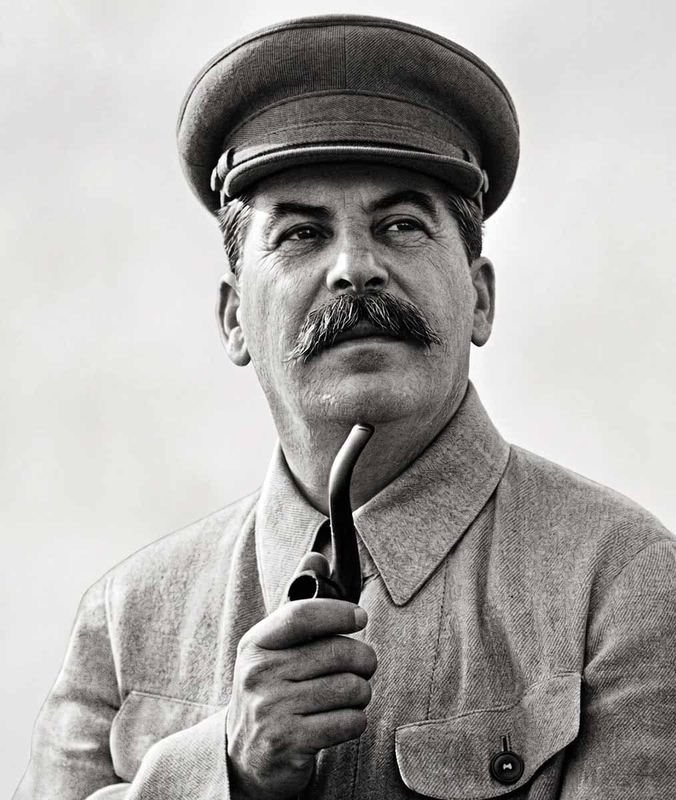
In 1934 Stalin ordered Genden to eliminate Mongolia’s Buddhist population. Genden refused to follow such a request. As a practicing Buddhist, he had no intention of eradicating Buddhism in Mongolia. Genden made his stance clear when he stated that the only two true geniuses to have walked on Earth were Lenin and the Buddha and refused to follow through with the extermination order. Such resistance did not sit well with Stalin. With Genden refusing to get in line, a confrontation was inevitable.
In 1935, Genden traveled to Moscow for a meeting regarding state business. During a meeting with Stalin, the Mongolian Prime Minister was reproached for not following through on the Buddhist purge. Stalin went a step further and alleged that Genden wanted to make himself king of Mongolia. Genden, who was drunk at the time, did not back down. He accused Stalin of trying to turn himself into a Tsar before calling him a “bloody Georgian.” Then, to everyone’s shock, he slapped Stalin in the face. The blow caused Stalin’s pipe to break. The unthinkable had happened; someone had finally dared to stand up to the most feared man in the world.
The Brutal Price of Defying the World’s Most Feared Dictator
Genden paid a heavy price for his act of bravery. Upon his return to Mongolia, he was removed from power by the pro-Soviet members of his party because of his actions in Moscow. From there, his fate was sealed. Genden was kidnapped in April 1936 and taken to a prison near the town of Foros off the coast of the Black Sea. From there, he endured a year of torture so bad that he was eventually forced to falsely confess to having collaborated with Japanese spies and Buddhist reactionaries. On November 26, 1937, like so many other victims of Stalin’s Great Purge, Genden was executed by way of firing squad.
While he paid dearly for it, Peljidiin Genden’s act of bravery solidified his place in history. His refusal to allow Mongolia’s Buddhists to be exterminated showed he was a leader who held morals, and one who had enough backbone to stand up for them.