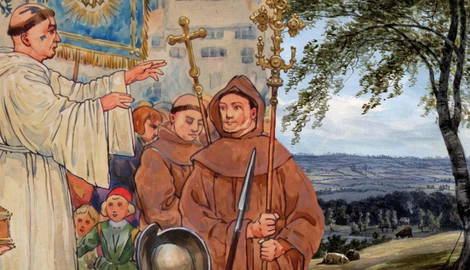

The people of the English countryside held rights to use and live on common lands for generations, and when landowners began selling off these parcels for profit, chaos ensued. Long standing traditions had given the people a safety net, an agreement that the poorest peasants would still have somewhere to live. Rights to farm, put herds to pasture, hunt and live on the commons were uprooted in mass evictions during the enclosure of these lands, leading to riots, revolts, and full scale rebellion during the Tudor Period.
The Medieval Commons and Open Fields
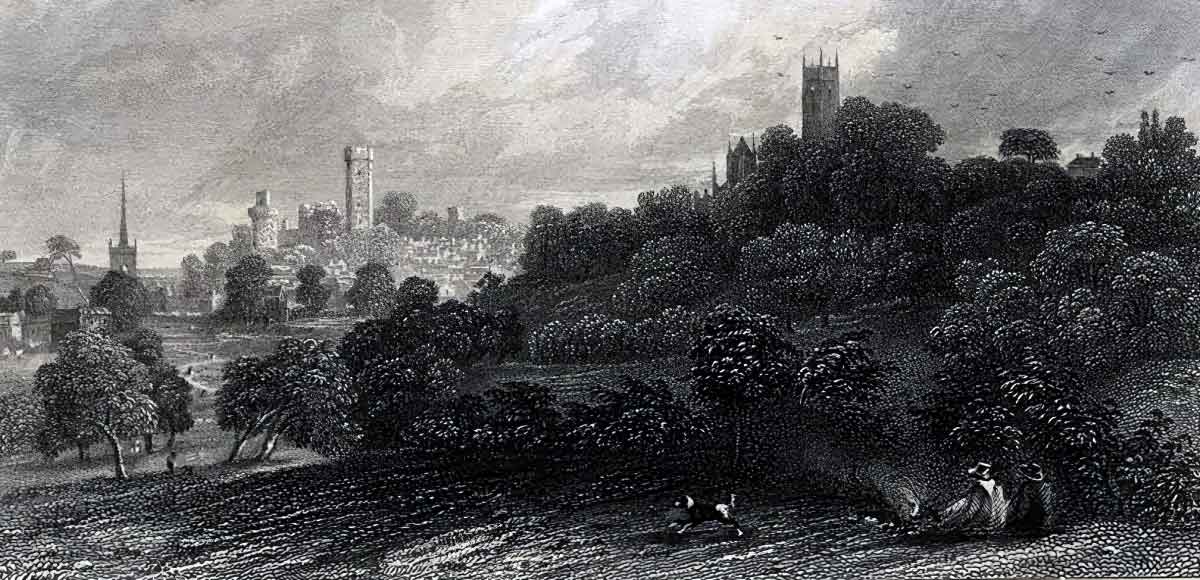
For centuries, people in England had used variations of the open field system, which held manorial lands and divided them among the lord, paying tenants, and peasants. The lord paid employees to work their lands for the manor’s benefit, exacted taxes from the tenants and labor or goods from the peasantry.
Poorer peasants who could not afford to lease lands were allowed to work the lord’s lands in exchange for a place to live, while smaller parcels of unused lands called “wastes” could be worked by landless peoples as well. Under the feudal system, while peasants had their labor expropriated by lords and were subject to exploitation and abuse, they did manage to retain ancient rights to live and farm on the land.
Traditional rights of use also included fishing, wood gathering, peat and turf harvesting, and these were often governed at the village level to ensure fair and sustainable use. As feudal lords and wealthy landowners looked to expropriate more than the customary goods and labor and found an entrepreneurial yeoman class to rent to for profit, the peasantry actively resisted efforts to sell off the land.
A Violent Transition to Tenancy and Dispossession
Historian Spencer Dimmock has written about the enclosures as a violent, highly contested change, rather than a natural transition. Generations of peasants were accustomed to the old rights to land, and commons served as a safety net for working and poor people to farm, herd and live on. Some lands were open in certain seasons of the year, others were “stinted” allowing limited numbers of cattle to graze on them, and others still, were the freely available “wastes.”
While it was more profitable for lords and the entrepreneurial class to appropriate these commonly held lands and drive the now homeless people into wage labor and market dependence, it was a massive social upheaval. Without the rights to exist and subsist on the land, the working classes lost much of their negotiating power, and were forced to accept wages offered to them in order to feed their families.
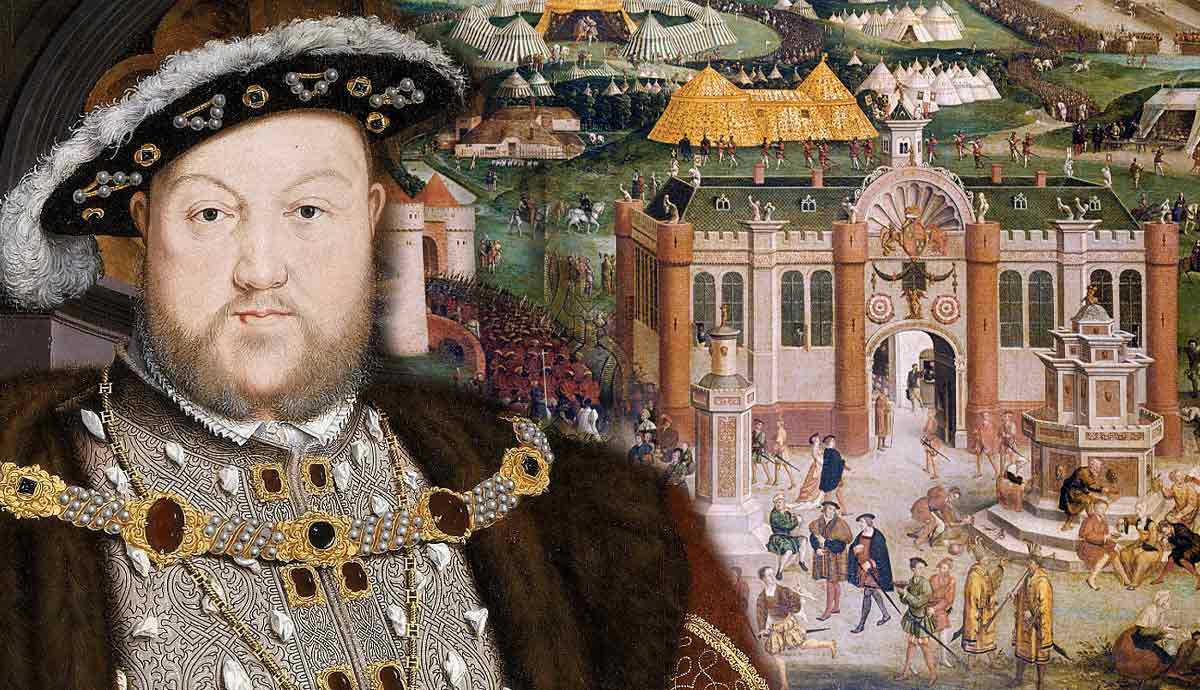
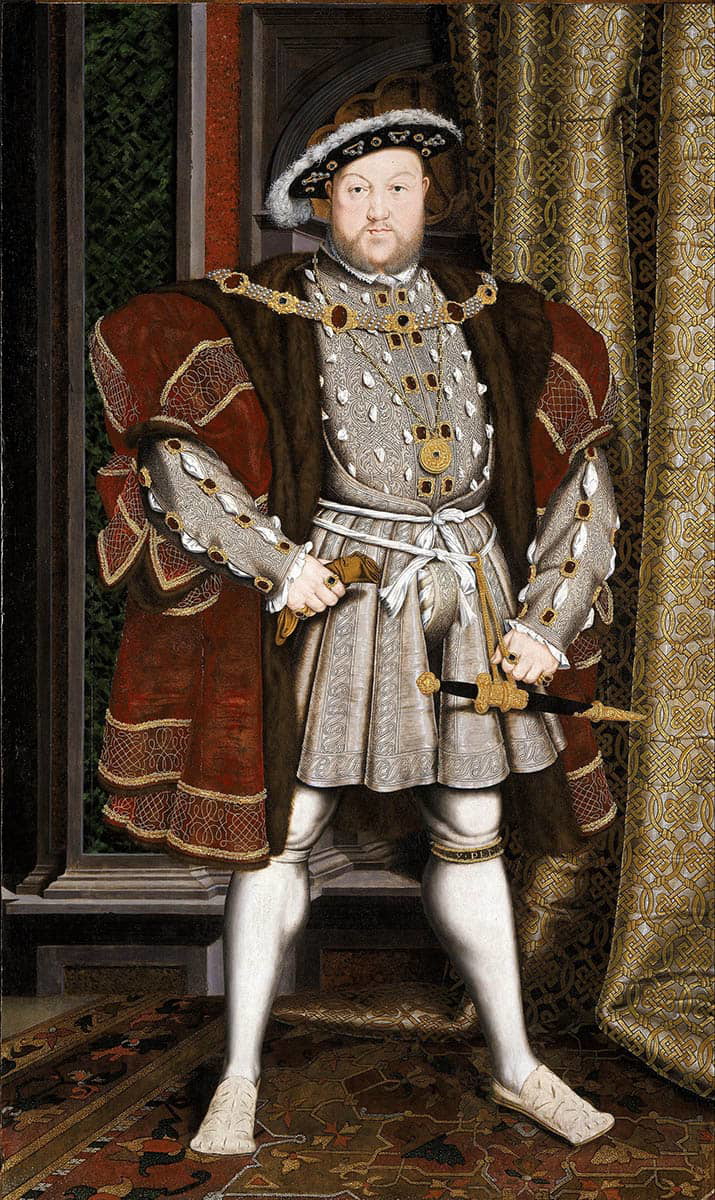
There were investigations into the often illegal nature of the enclosures beginning in 1517, and while they uncovered many cases, the trend continued. Entire hamlets could be evicted in one day, pushing masses of people into destitution and vagrancy, which was reinforced as a crime by Henry VIII in the Vagrancy Act of 1531. He began requiring beggar’s licenses for the old and sick, while instituting whippings and even executions for repeat offenders who would not work on the increasingly privatized farmlands in the countryside. The pressures of vagrancy, of dispossession and wage labor were a major disruption to the traditions of the working folk, as they were forced to sell their time to private landowners to eat, rather than being able to sustain themselves on the land.
The Pilgrimage of Grace, and the Enclosures
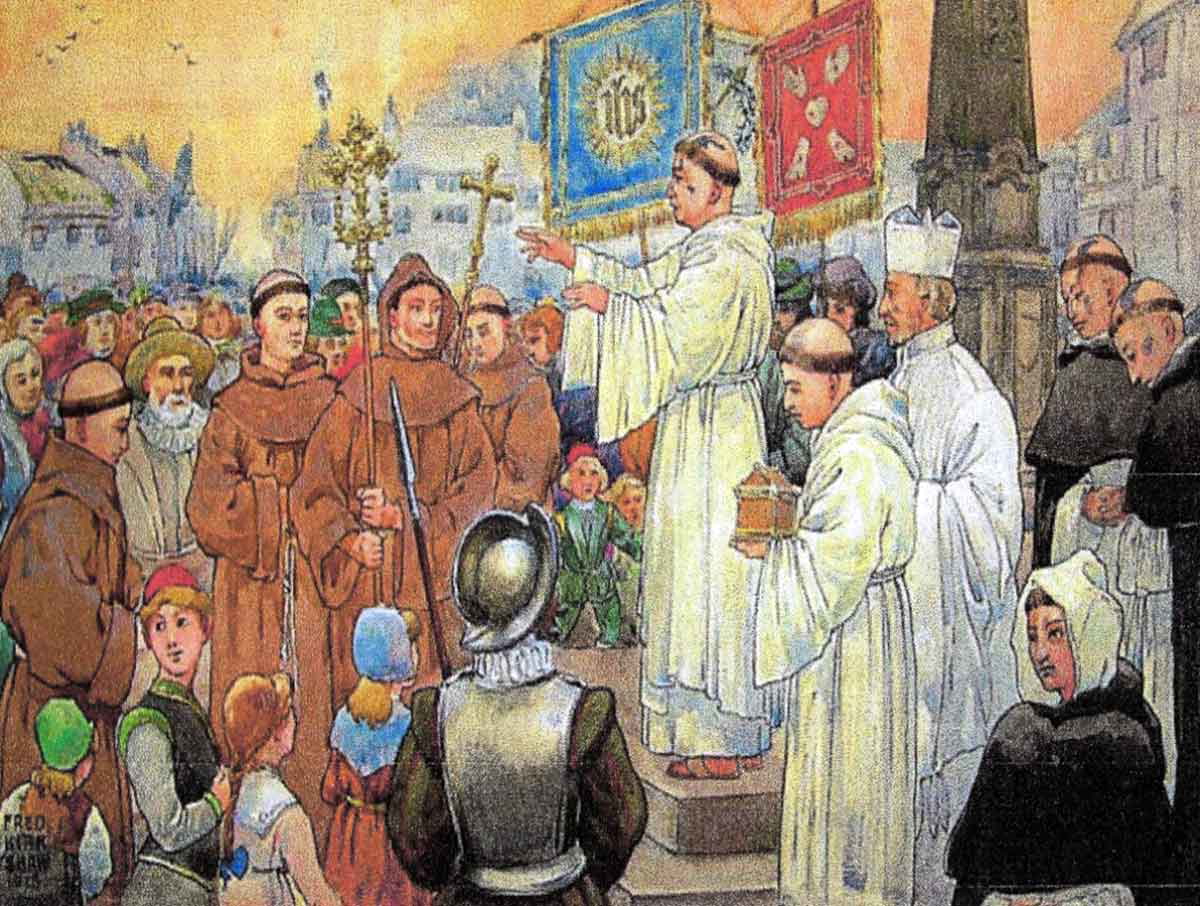
The year 1536 witnessed the outbreak of the rebellion known to posterity as The Pilgrimage of Grace. While it was led by English Catholics who resisted Henry VIII’s split from Rome over his desire to divorce Catherine of Aragon, the economic factors following enclosure played a major role in fanning the flames of rebellion.
Henry VIII had recently shuttered Catholic monasteries, which many destitute and dispossessed laborers had come to rely on for charity. Low wages, increased competition, a new Statute of Uses hardening private landownership and tax burdens, combined with a bad harvest in 1536 to push the people over the edge. Some 40,000 people, led by Lawyer Robert Aske and supported by various lords, took over York and later drafted “24 Articles to the King,” a list of demands also known as The Commons Petition, at Pontefract Castle in December 1536.
Many of the points in the petition concerned the status of the Catholic Church, support for Mary Tudor and condemnations of Thomas Cromwell, but it also included a demand to pull down all enclosures since the reign of Henry VII, except for mountains, forests and parks. Henry VIII agreed to these terms but later reneged on them, prompting a subsequent rebellion by Sir Francis Bigod in 1537 which was brutally suppressed.
Kett’s Rebellion
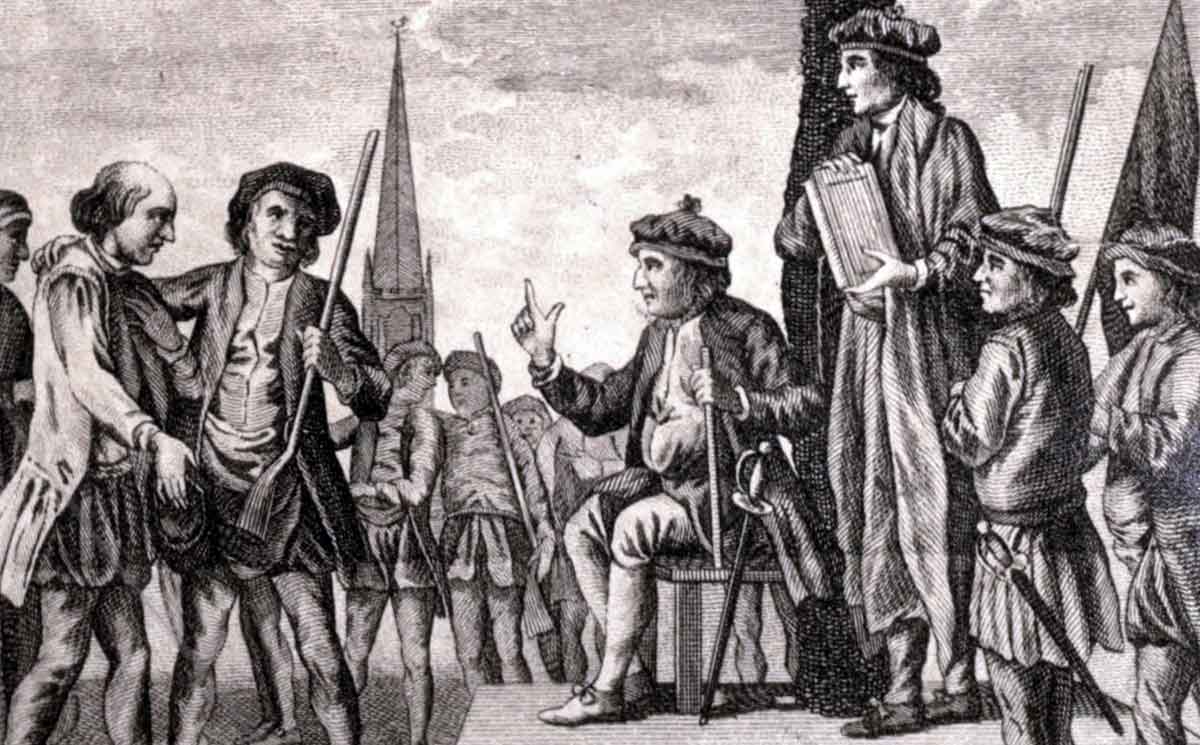
Twelve years later, another rebellion broke out in Norfolk, almost solely over the issue of common lands. In the summer of 1549, townsfolk had begun breaking down fences, in response to a proclamation from Edward Seymour about illegal enclosures. This trend accelerated until the landowner Sir John Flowerdew bribed the crowd to leave his lots alone and pursue those of a rival, Robert Kett. When the mob reached him, Kett heard their demands, helped them level his fences and hedges, and led them back to Flowerdew’s lands. The group set off towards Norwich, and stormed the town on July 29, occupying England’s second-largest city at the time.
The rebel force had swelled to some 16,000-strong and pushed back two attacks in intense house to house street fighting. King Edward VI dispatched the Earl of Warwick with a royal army of over 12,000 men, supported by around 1,400 German landsknecht mercenaries, which eventually outnumbered and routed the rebels at the Battle of Dussindale. Robert Kett was tried in the Tower of London and hanged in Norwich for defying the Crown.
The Midland Revolt, Levellers and Diggers
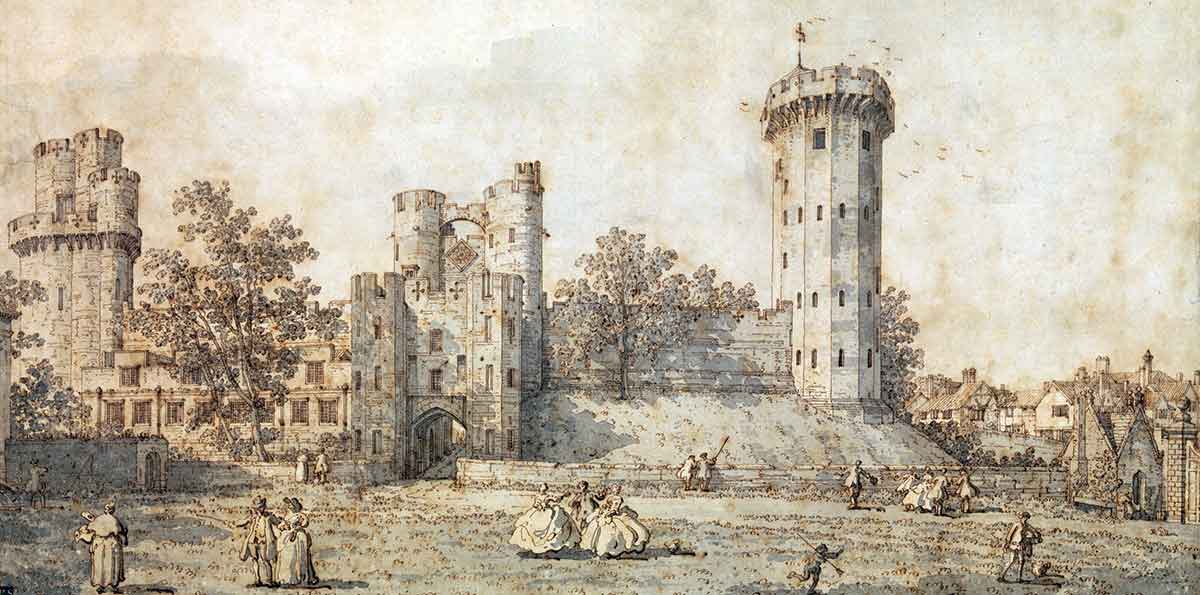
Half a century later, another group of workers revolted against land controls in 1607 in Northamptonshire, Warwickshire and Leicestershire. Thousands rose up and destroyed fences and hedges, led by “Captain Pouch” against the Treshams, a deeply unpopular Roman Catholic landholding family.
As they moved through the countryside, the riots escalated to clashes outside of Newton, where local militias refused to call to arms and landowners had their personal retainers quell the rebellious masses. This was the first use of the term “Levellers” in anti-enclosure movements, and though it later became a separate faction in the English Civil War, this group set out explicitly to resist the privatization of their lands.
In 1649, during the height of the English Civil War, a group formed separately from the political faction called the Levellers, and named themselves “the True Levellers” like their compatriots in 1607. This movement, which came to be known as the “Diggers,” took a different approach to direct action. Rather than rioting and destroying fences, they took over lands for themselves and attempted to farm, graze and form communities on them. Across England, they founded settlements to re-establish commons and sustenance farming on the land, but were driven out by gangs, legal action and threats of force.
The Rise of Agrarian Capitalism
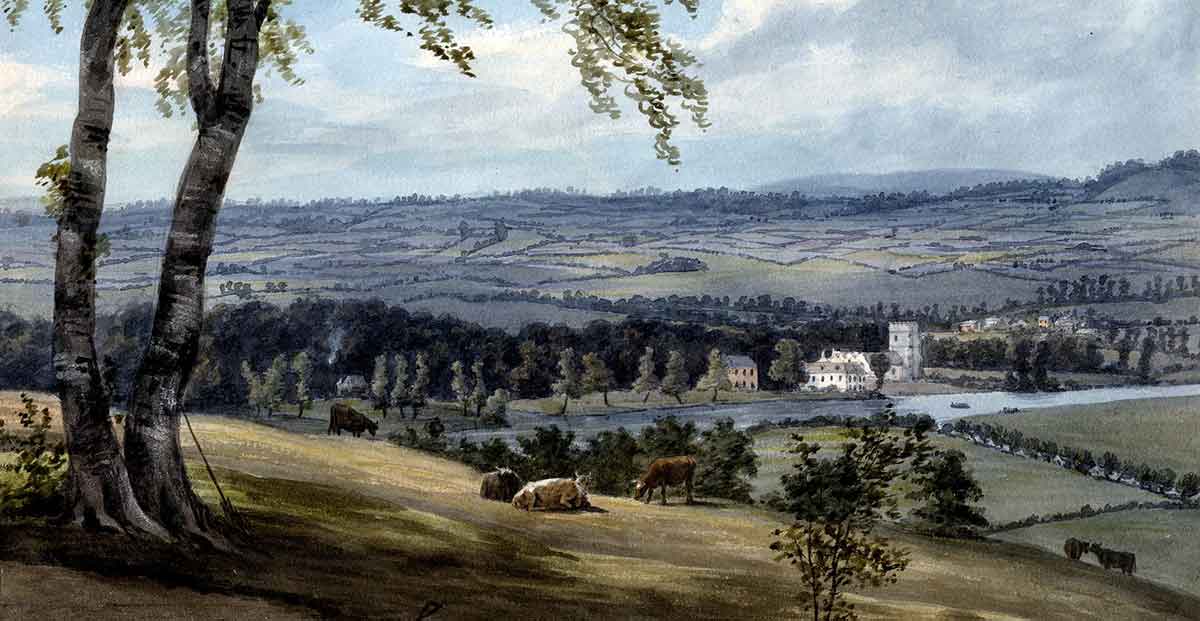
The impact of the enclosures on the English economy was massive, and is said by many scholars to have directly led to the formation of capitalism. As dispossessed and now homeless laborers were threatened with capital punishment for vagrancy, they were forced into wage labor at a disadvantage. As their ability to subsist on the land was gone, they were driven to market dependence at the threat of violence, in a coercive, rather than cooperative transformation. These pressures led to the drive for endless growth, as landowners pushed workers to increase profits and compete on the open market, which was now the basis for survival.
This drive led to increased innovation, as more profits had to be extracted from a limited supply of farm and pasture lands. Centuries before the Industrial Revolution, the framework of capitalism had been established, due in no small part to the enclosure of the commons. Landless laborers were forced to rely on wages and markets to survive, and this early agrarian occurrence set the stage for later industrialization and the rise of the proletariat class. The process of enclosure that accelerated during the early Tudor period was formalized by the parliamentary enclosure acts beginning in 1750. Dispossession was no longer a private transaction, but one endorsed by the state.
With varying degrees and success, the English tried to replicate the enclosures as they expanded into Scotland, Ireland and America. Resistance to this privatization of communal land back home was fierce, consistent, and occurred across religious lines, with both Catholic and Protestant groups taking up arms over the centuries. Though ultimately overcome by the wealthy landowning and aristocratic classes, the staunch opposition to the enclosures proved that the shift to privatization was not natural, peaceful or widely accepted throughout England.