
In the spring of 1827, Hussein Dey, the Ottoman ruler of Algiers, demanded payment of debts for Napoleonic-era grain bills owed to Jewish merchants who were backed by his government. Little did he know that his fiery indignation, which culminated in him striking the French consul with a fly whisk, would cause major issues and give a weak French monarchy under King Charles X the excuse it was looking for to launch a large-scale naval invasion.
The Unpaid Millions for Wartime Wheat That Sparked a Historic Feud
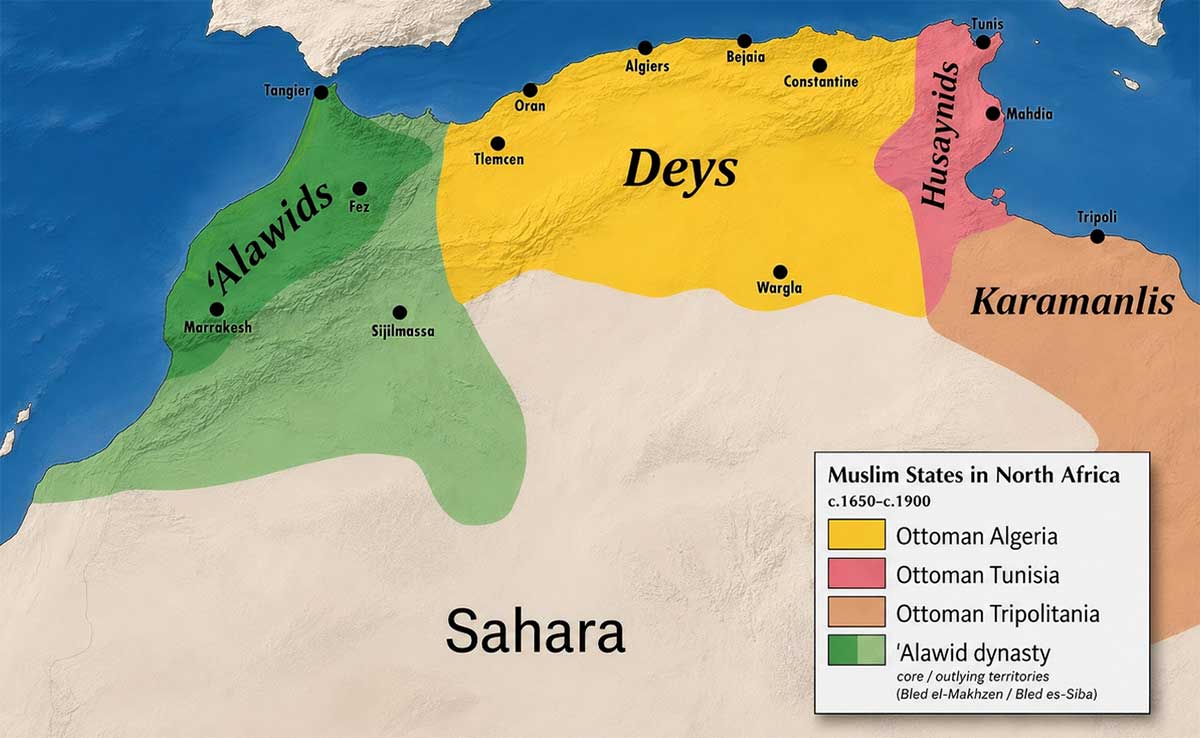
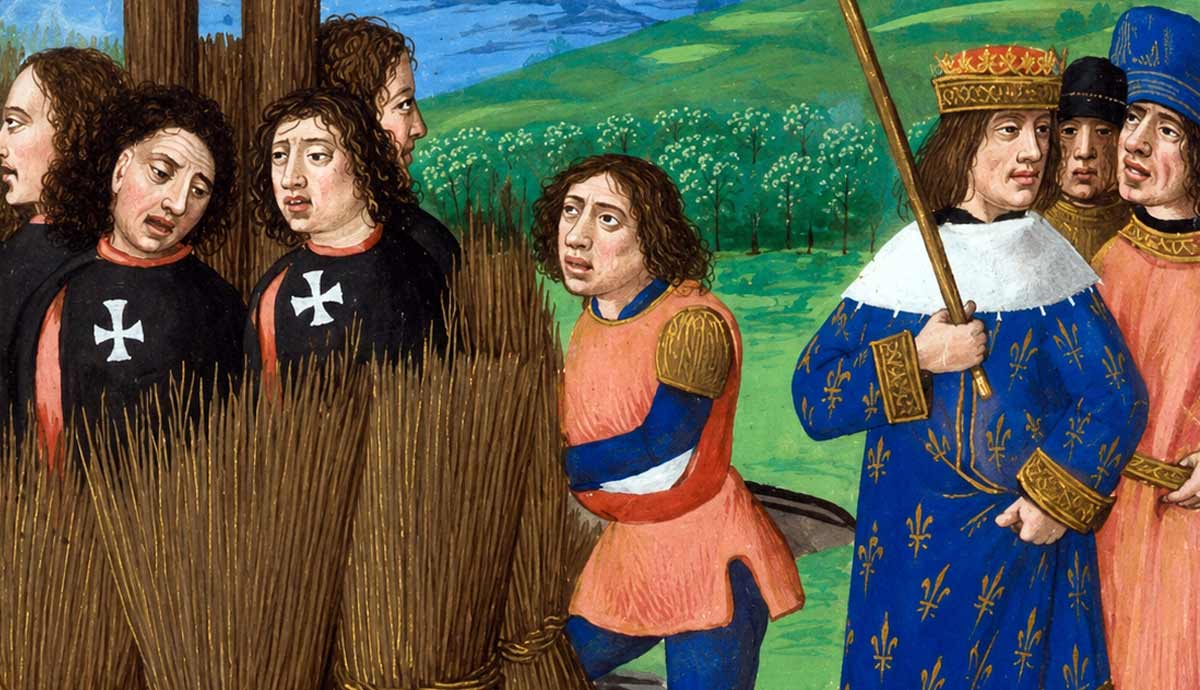
From 1795 to 1798, France suffered from an extreme shortage of food that led to widespread starvation while General Napoleon Bonaparte waged war in Italy and later Egypt. To alleviate the problem, the French Republic purchased enormous shipments of wheat from the Regency of Algiers, a semi-independent territory of the Ottoman Empire, to feed the Army of Italy and the Army of the Orient.
The Jewish Bacri and Busnach families arranged the transactions. But by the late 1790s, the Directory, which was the five-member committee that governed France, had fallen far behind in payments. The ruler of the regency declared that repayment was owed to the Regency of Algiers directly since the merchants had received support from the state treasury, but there were significant payment delays.
Hussein Dey, the ruler of Algiers, finally lost patience with the diplomatic subterfuge on April 29, 1827. After summoning Consul-General Pierre Deval to the Casbah, his fortified palace for an audience, the Dey roundly rebuked the envoy for the unpaid multi-million-franc debt. Because Deval gave unsatisfactory answers, Hussein Dey struck the envoy in the face with a fly whisk – an event that became known as the Affair of the Fan.
How a Desperate French Monarchy Weaponized a Fly Whisk Insult for War

The French government used the incident to drum up national support for an invasion of Algiers. The official narrative framed the Dey as an uncivilized, lawless despot who had physically assaulted the representative of France. When choosing Algiers as their target, Jules de Polignac, who served as the prime minister from 1829, believed he could win support by gaining military prestige for the conquest.
The administration further justified the invasion by claiming it would also put an end to the Barbary pirates, the North African privateers who had raided European shipping and coastal towns for centuries. The rationale gave them some international validation, even though piracy had by then been largely stamped out by British and Dutch fleets, which had bombarded Algiers in 1816. France also used the idea of Christian unity and the desire to bring Western civilization to North Africa to appeal to and gain the support of the church and citizens at home.
Inside the Massive Naval Invasion That Bypassed Algiers’ Defenses

The invasion fleet sailed in May 1830 from the French Mediterranean port city of Toulon. It was one of the largest fleets the century had yet seen, with roughly 100 warships and almost 600 merchant vessels ferrying supplies and troops. The ships were commanded by Admiral Guy-Victor Duperré, while General Louis Auguste Victor de Ghaisne, comte de Bourmont, took charge of the troops upon landing. Altogether, the French fleet carried about 35,000 soldiers and 4,000 horses.
The invasion force landed on the peninsula of Sidi Ferruch on June 14, 1830. The strip of land was about 16 miles west of Algiers and was used as a landing site to avoid the powerful batteries of coastal artillery defending the harbor. Eventually, methodical infantry training, superior firepower, and cannon support allowed the French to overcome many of the enemy positions. By early July, the French Army had surrounded Fort l’Empereur. On July 4, the French deployed heavy artillery against the fortress, and with the defenses clearly compromised, the garrison within retreated, leaving the capital wide open to assault.
The Capture of Algiers and the Sudden Downfall of the French King
To avoid a massacre, Hussein Dey surrendered on July 5, 1830, and signed an agreement giving away the city to France in exchange for his personal safety and exile. French soldiers took roughly 50 million francs in gold and silver from the city’s treasury, which helped pay for the invasion.
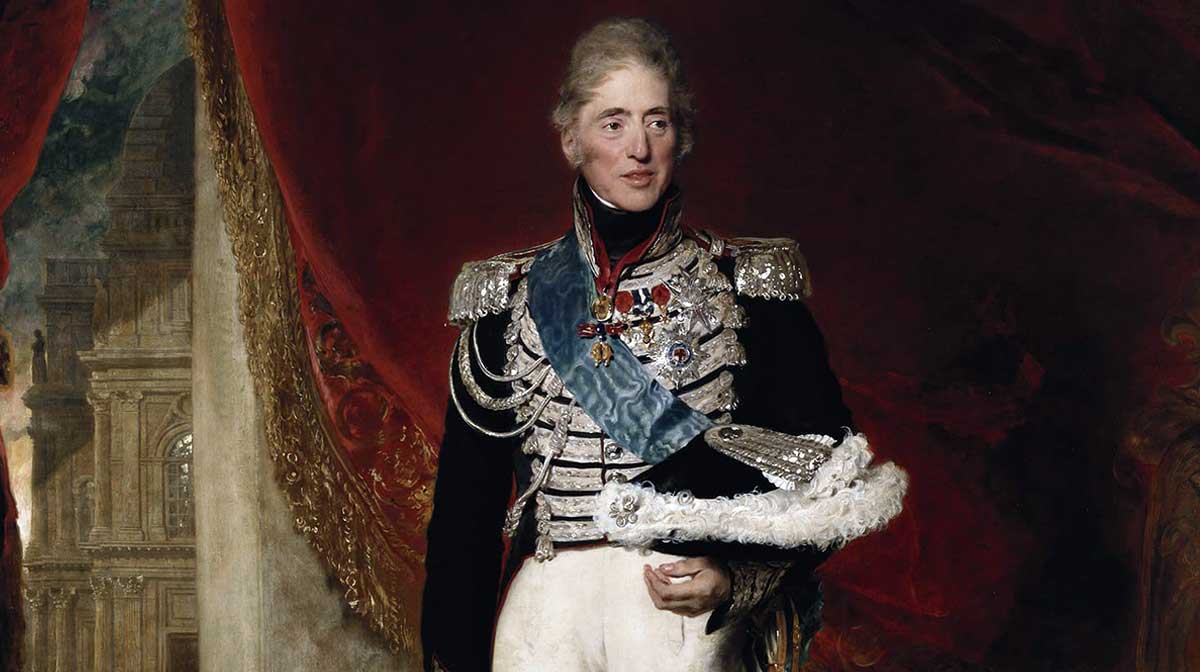
Ultimately, the plan failed its political purpose. Although news of the victory reached Paris in early July, it did not quell the people’s distaste for their king, as less than three weeks after the victory was announced, the July Revolution broke out. Charles X was forced to give up his throne on August 2, 1830. He was replaced by King Louis-Philippe.