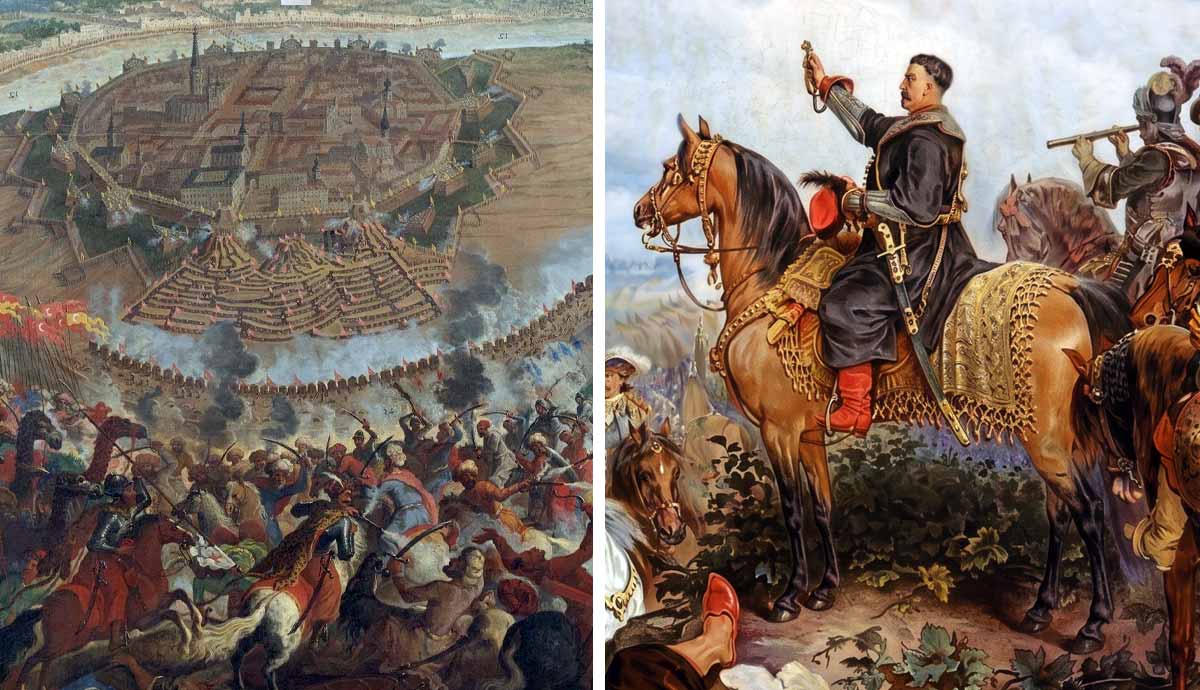

The publication of the Four Ordinances of Saint-Cloud in the government gazette Le Moniteur on July 26, 1830, marked the beginning of the end of the Restored Bourbon Dynasty, as on July 27 fighting began, and within three days, hundreds of barricades were erected in the streets of Paris.
The street fighting that ensued was the July Revolution of 1830, which ended the rule of the main Bourbon line. Spurred to action by King Charles X’s decision to suspend freedom of the press, dissolve the Chamber of Deputies, and drastically reduce voting rights through the Four Ordinances, French citizens took to the streets en masse. The rebellion that became known as the Three Glorious Days overthrew the king and became one of the most notable turning points in French history.
How the July Ordinances Crippled the Bourbon Dynasty
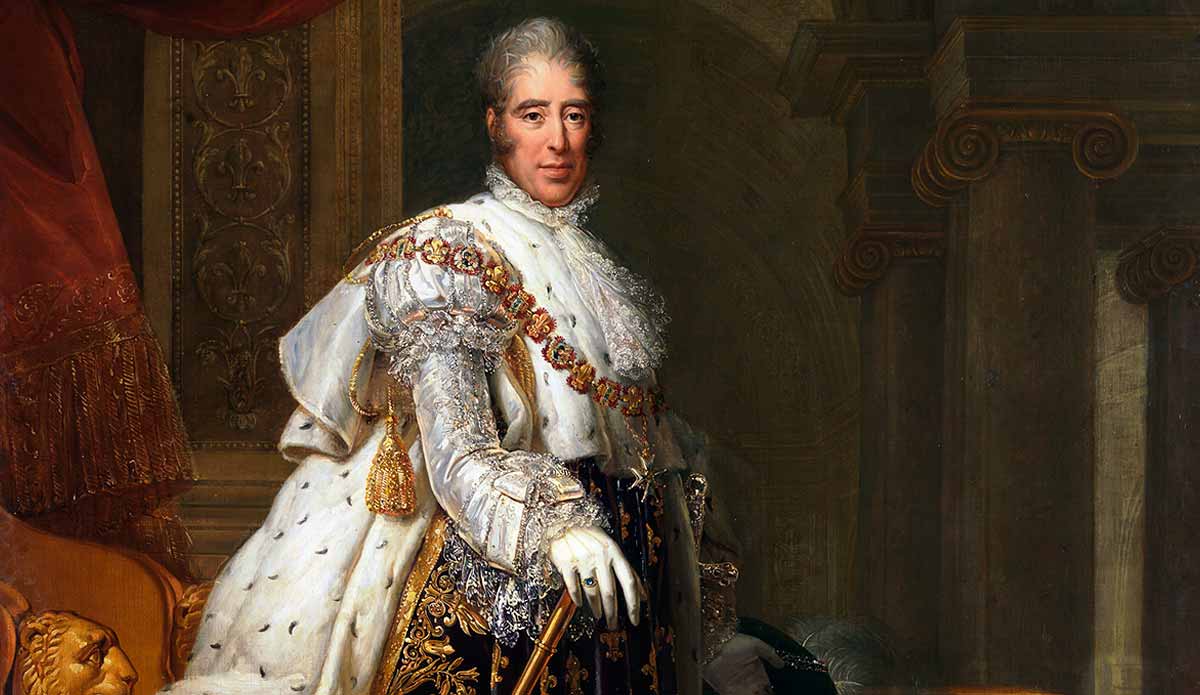
Before the promulgation of the authoritarian decrees signed on July 25, King Charles X of France, emboldened by France’s military invasion of Algiers, believed he could capitalize on nationalist euphoria to conceal his domestic coup d’état. The ordinances dissolved the newly elected Chamber of Deputies before it convened for the first time. They also sharply reduced the number of voters to disenfranchise the wealthy commercial bourgeoisie and imposed strict censorship on the press. According to the new rules, publishers were required to submit all texts to the state before publication. Many saw the measures as a violation of the Charter of 1814, the constitution that had restored the Bourbon monarchy while guaranteeing civil liberties.
The Rise of the Barricades During the Three Glorious Days
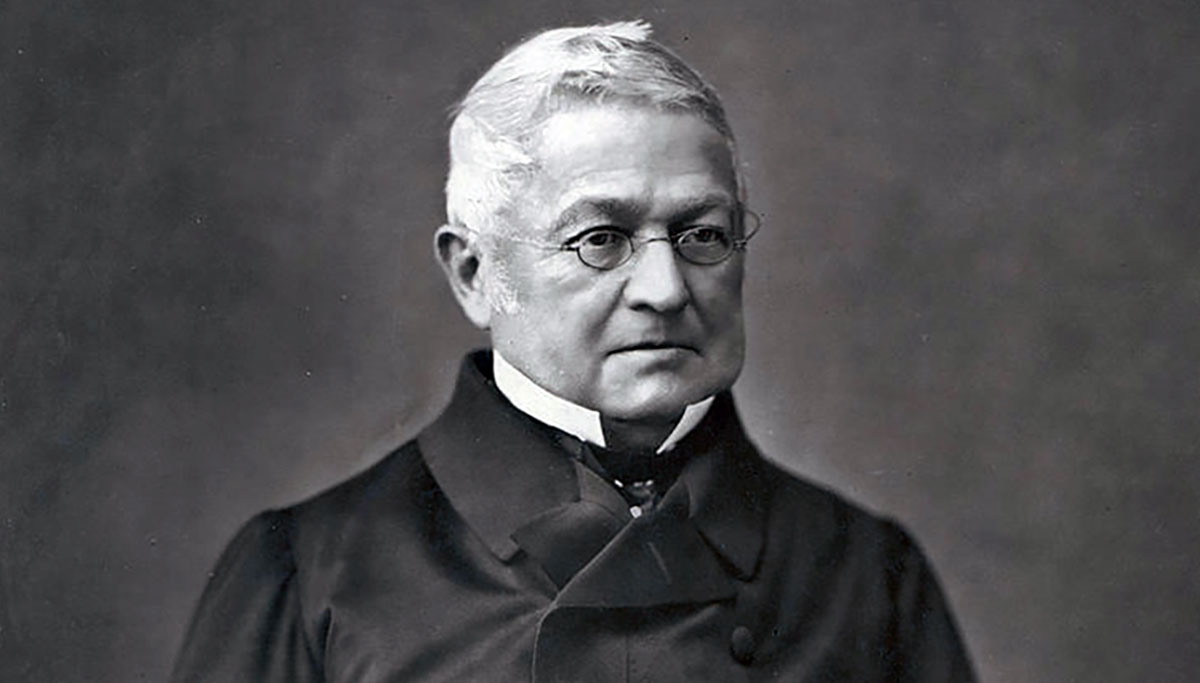
On July 26, when news of the ordinances reached Parisian intellectuals, 44 journalists, led by Adolphe Thiers, published a manifesto asserting that the ordinances would not be regarded as legitimate. The manifesto raised awareness of the issues and stirred the masses.
On July 27, 1830, the first day of the Three Glorious Days, workers and students poured into the streets of Paris. When police tried to close liberal printshops, they were met with rocks and curses. In the early evening hours, government troops fired on crowds near the Rue Saint-Honoré, resulting in the first casualty when a protester was killed. As blood had been drawn, this would no longer be a protest but a revolution. In the night that followed, Parisians knocked down omnibuses and ripped up street stones to build barricades.
Storming the Tuileries Topples the Bourbon Dynasty
On July 29, the third and final day of the uprising, insurgents broke the power of the crown. The royal authority was completely snuffed out as the Louvre was overrun and people stormed the Tuileries Palace, both royal strongholds. The Bourbons’ most reliable military power, the Swiss Guard, fled in panic toward Saint-Cloud. By the time King Charles X publicly agreed to revoke the July Ordinances, his power was long gone. The people in the streets had won their battle, and it was time for liberal politicians of the Chamber of Deputies to decide the future of France.
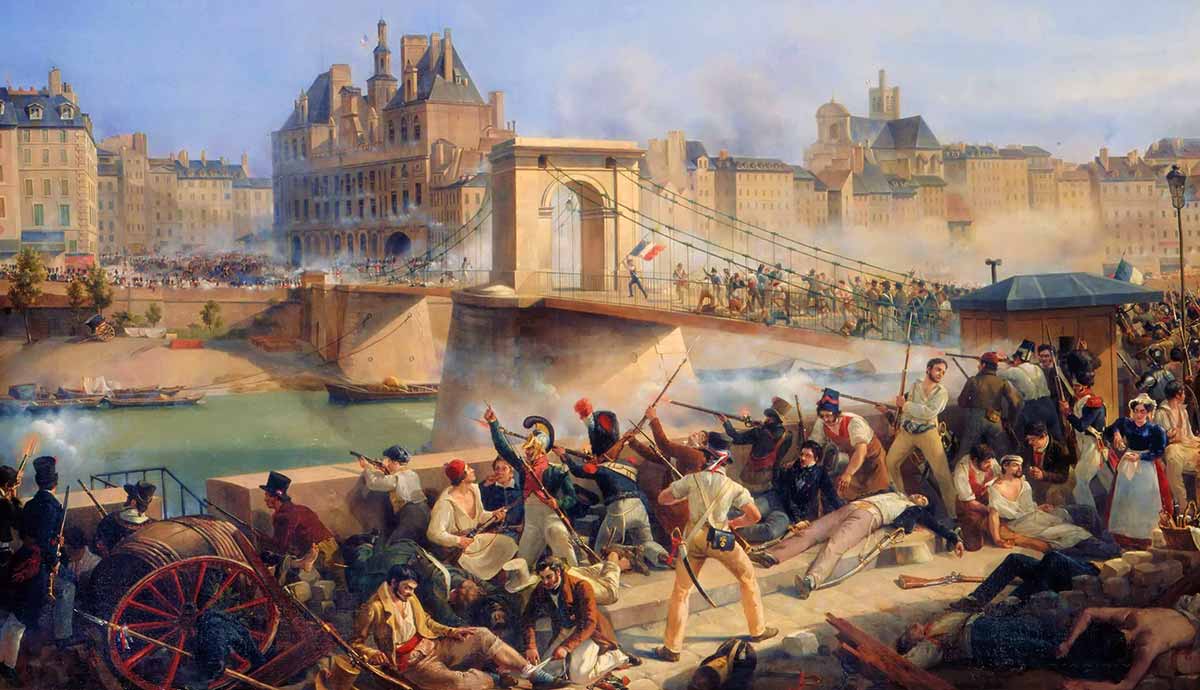
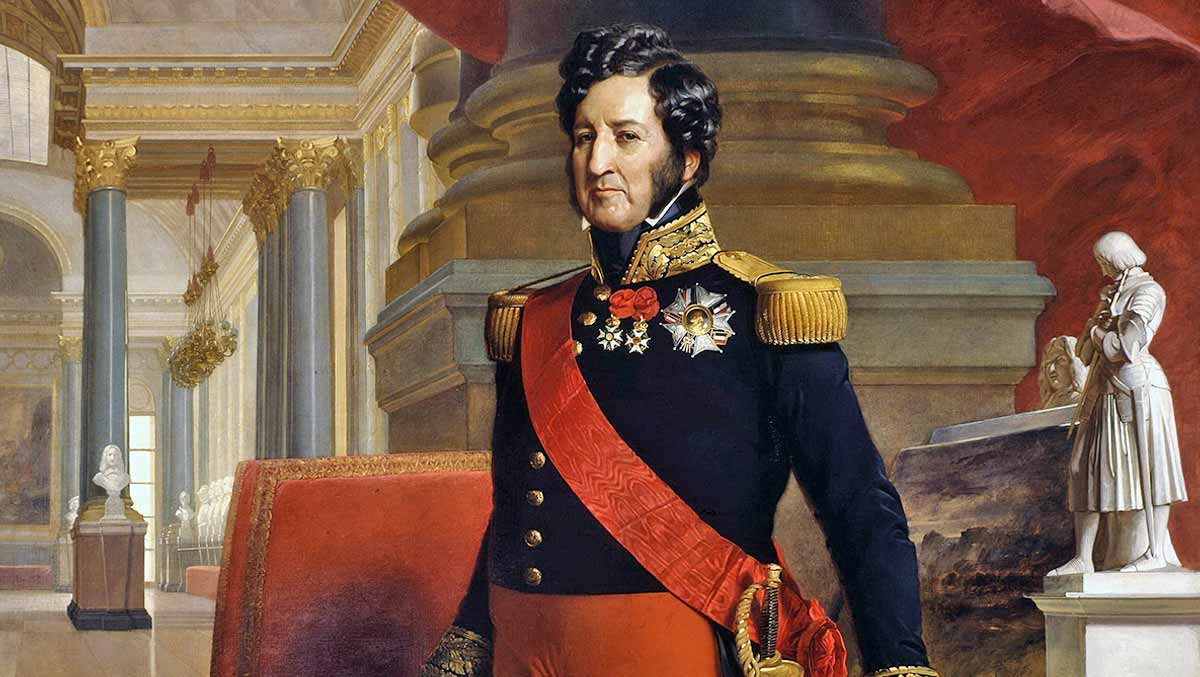
Afraid that a provisional government would result in either a radical republic or a repeat of the 1790s Reign of Terror, liberals chose the Duke of Orléans, Louis-Philippe, as their new king. On August 2, 1830, Charles X signed his abdication documents, attempting to pass rule on to his 9-year-old grandson, the Duke of Bordeaux. Instead, the legislature bypassed the boy, crowning Louis-Philippe, their cousin belonging to the Orléans branch of the Bourbon family, as the “Citizen King” of a new constitutional monarchy.
The Rise of the Orleanist Monarchy to French Leadership
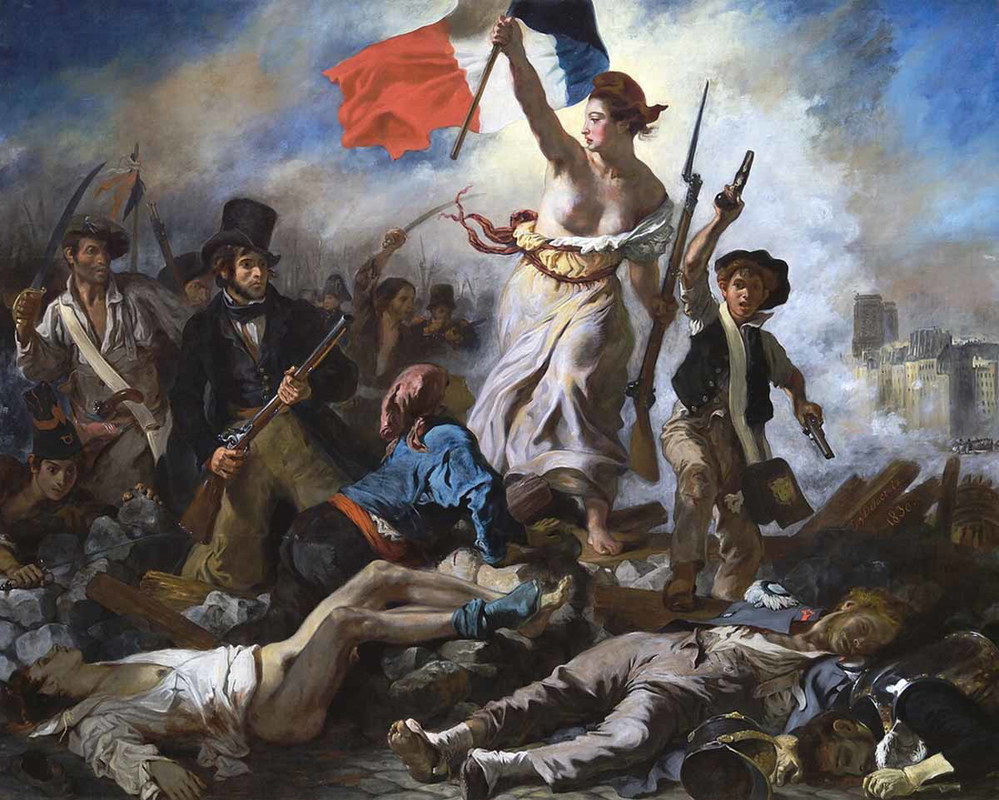
On August 9, 1830, Louis-Philippe was proclaimed King of the French, a title specifically chosen to indicate that his legitimacy came from the people rather than divine right. The shift marked the birth of the July Monarchy, a constitutional regime that favored the commercial bourgeoisie and expanded civil liberties. Thanks to the revolt, a nation was created that had decisively embraced the path of a constitutional government.
To finalize the transition, the Charter of 1814 was revised, and the king’s right to issue ordinances that bypassed parliament, the loophole that King Charles X had used in an attempt to rule without parliament, was removed.
The white Bourbon flag was lowered for the last time and replaced by the Tricolor flag of the revolution. France still flies that flag today.