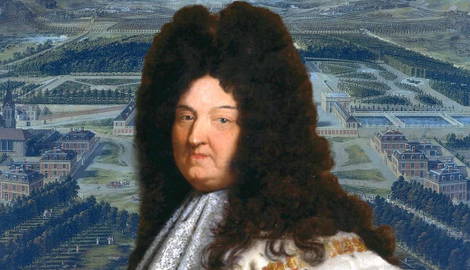

For centuries, French political power had been centralized in Paris, even when the royal court shifted frequently. But while earlier rulers stayed in central urban strongholds like the Louvre, King Louis XIV decided to move his entire government to the quiet countryside in 1682. The relocation of the French court to Versailles was a calculated move that completely reshaped the French monarchical system of power.
The Reasons Behind the Commissioning of the Palace
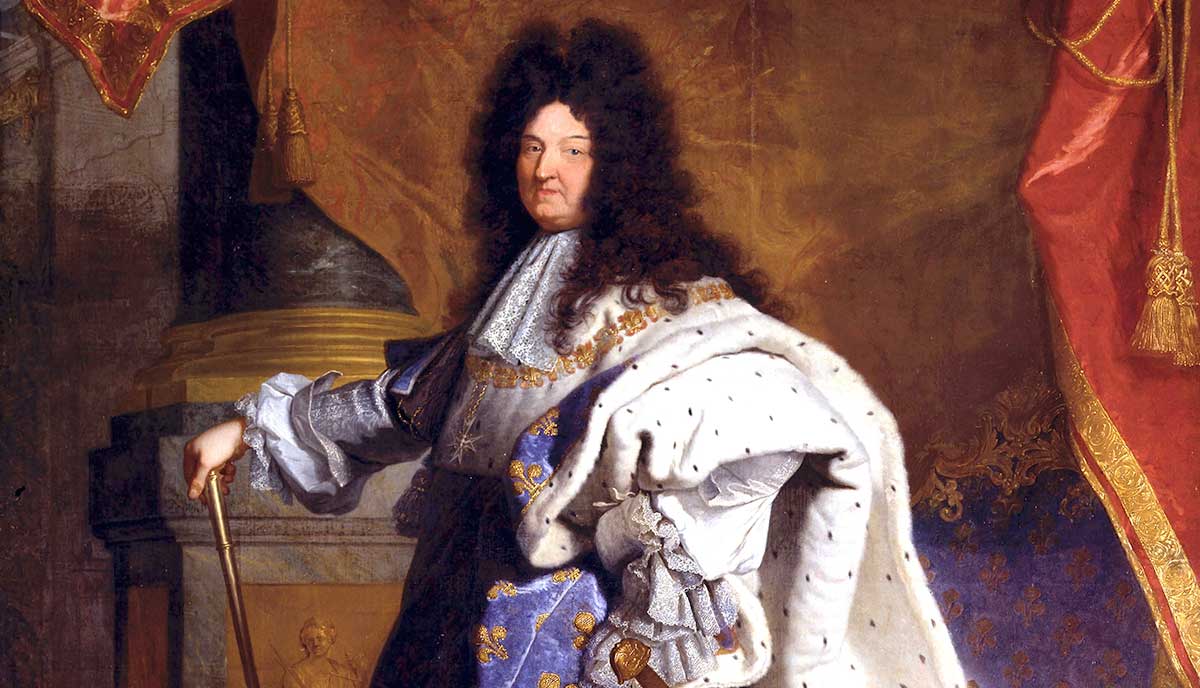
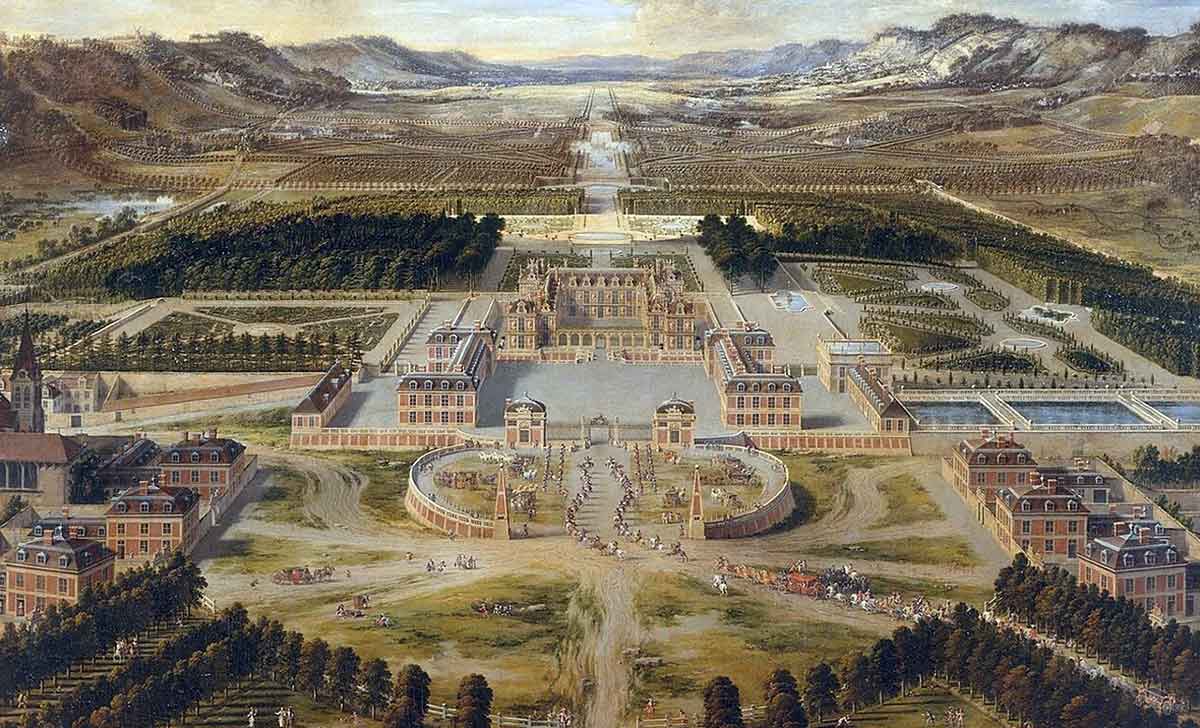
Building upon the site of his father’s existing hunting lodge, Louis XIV began transforming it into the grand palace we know today. The huge project lasted throughout his entire reign and cost an immense amount of money to complete. Costing between 81 and 100 million livres, the structure would be unlike any other royal palace, serving as the ultimate sociological theater. Louis made the change in order to maintain greater control over the historically powerful and often rebellious French nobility. By compelling the aristocracy to reside permanently within these walls, few dared to rebel against him.
Why would Louis go to such extreme lengths?
It is hypothesized that when Louis looked back at his childhood, he remembered the trauma and danger caused by the Fronde Rebellion that led to his family being driven out of Paris twice in the dead of night, leaving him with a lifelong distrust of the capital. From 1648 to 1653, the young Louis feared for his life as various groups of the nobility fought one another and the royal family. The experience strengthened Louis’s hatred and distrust of the French nobility for the rest of his life.
Domesticating Warlords Through Mandatory Presence
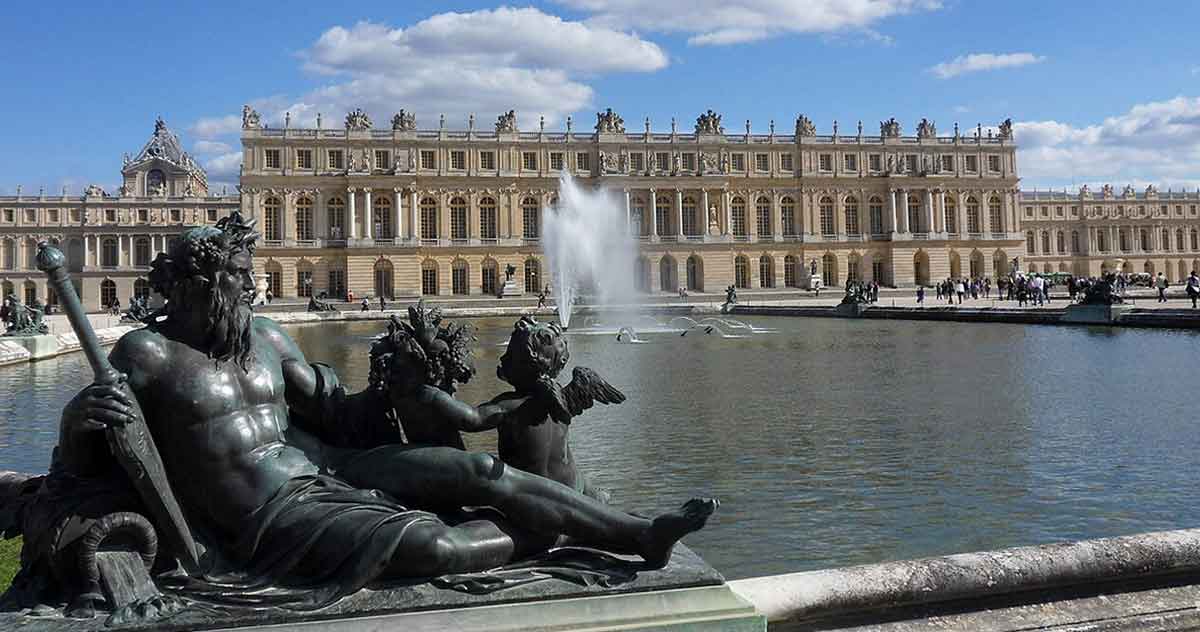
By 1682, Louis had created the perfect solution— force every nobleman who wanted to become rich and powerful to live at his palace. By pulling every important nobleman into the fancy surroundings of Versailles, which was 20 km from the center of Paris, he could keep a close eye on them and prevent them from rebelling against his authority. The distance effectively cut off the nobles from their local sources of power.
To understand Louis’s reasoning, one has to understand his position. Louis wanted to be an absolute ruler, and he gained the opportunity to be one after the chief minister, Cardinal Mazarin, died in 1661. To tame the fiercely independent elites, he required an unprecedented level of leverage; hence the Versailles strategy.
The Ritualization of Power
If the nobles wanted to keep their high social positions, they had to constantly wait around Versailles, hoping to gain notice in the king’s eyes. This gave rise to highly competitive court etiquette. For example, the famous le lever ritual, the king’s waking ceremony at Versailles, turned the simple act of the king waking up into a highly sought-after privilege where chosen nobles competed just to hold his shirt.
They also couldn’t simply ignore the king and go back home, because then, they would face total social isolation. In the Ancien Régime, if the king didn’t speak to a noble, it was basically the end of their career, and they would be left politically and financially ruined.
Soon, creating fierce competition and secret plotting among the nobles became Louis XIV’s specialty. He watched as the lords and ladies of France tore each other apart, trying to stay fashionable and gain favor with him. Meanwhile, the non-stop parties and the cost of living at Versailles made the nobles lose their fortunes. This calculated financial drain systematically bankrupted the nobility and left them completely dependent on him, as they had to rely on yearly payments, awards, and favors from the king just to survive.
Louis effectively controlled the time of everyone who lived at his palace, which at its highest point included between 3,000 and 10,000 people.
The Legacy of Limitless Power
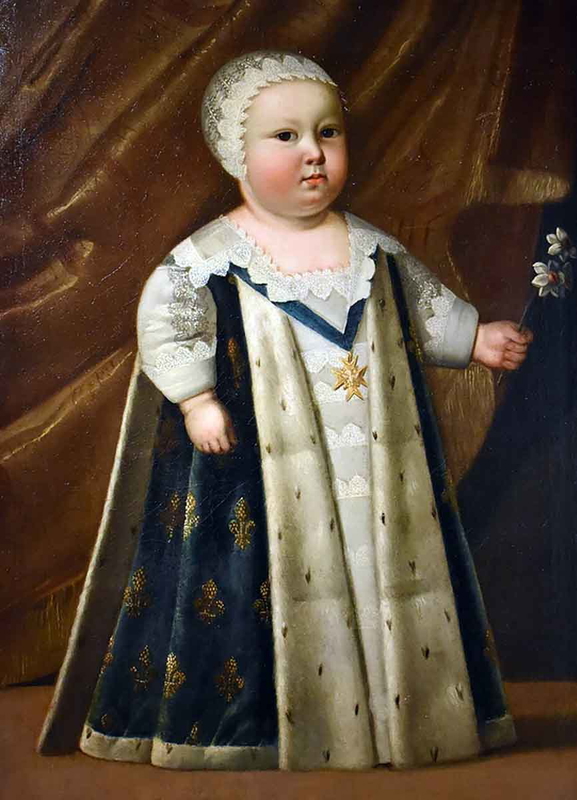
When Louis died in 1715 after ruling for a remarkable 72 years, he left behind a weak and dependent group of nobles that initially left his child successor with a deceptively quiet kingdom free of open revolt. The problem was that Louis and most of the rest of the royal family prioritized the glory of the crown over the welfare of the people of France. Much of his time, money, and resources were spent trying to control the ambitions of the nobility. By the time revolutionaries forced the royal family to leave the palace in 1789, the system had collapsed.