
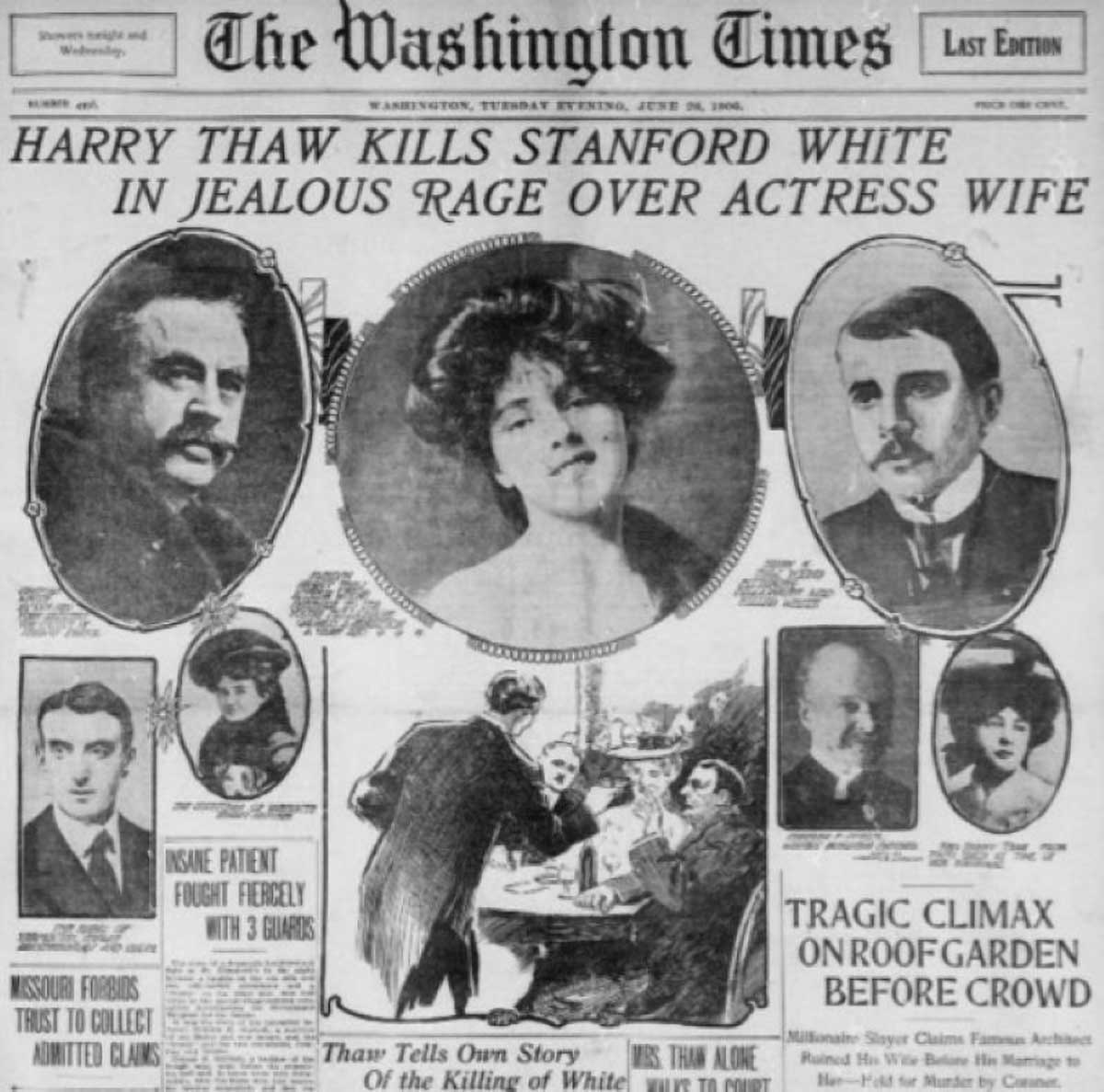
On a sweltering June night in 1906, high above Madison Square Garden, turn-of-the-century New York’s most norm-shattering murder unfolded. As crowds gathered to enjoy a rooftop show, socialite Harry Thaw shot famed architect Stanford White three times point-blank, settling a deadly score over White’s former lover and Thaw’s wife, Evelyn Nesbit. The killing sent shockwaves across the city’s upper crust and the burgeoning powerhouses that would become the New York pressrooms, exposing the twisted affairs and the unchecked opulence that lay beneath the city’s glittering surface.
The Girl on the Velvet Swing
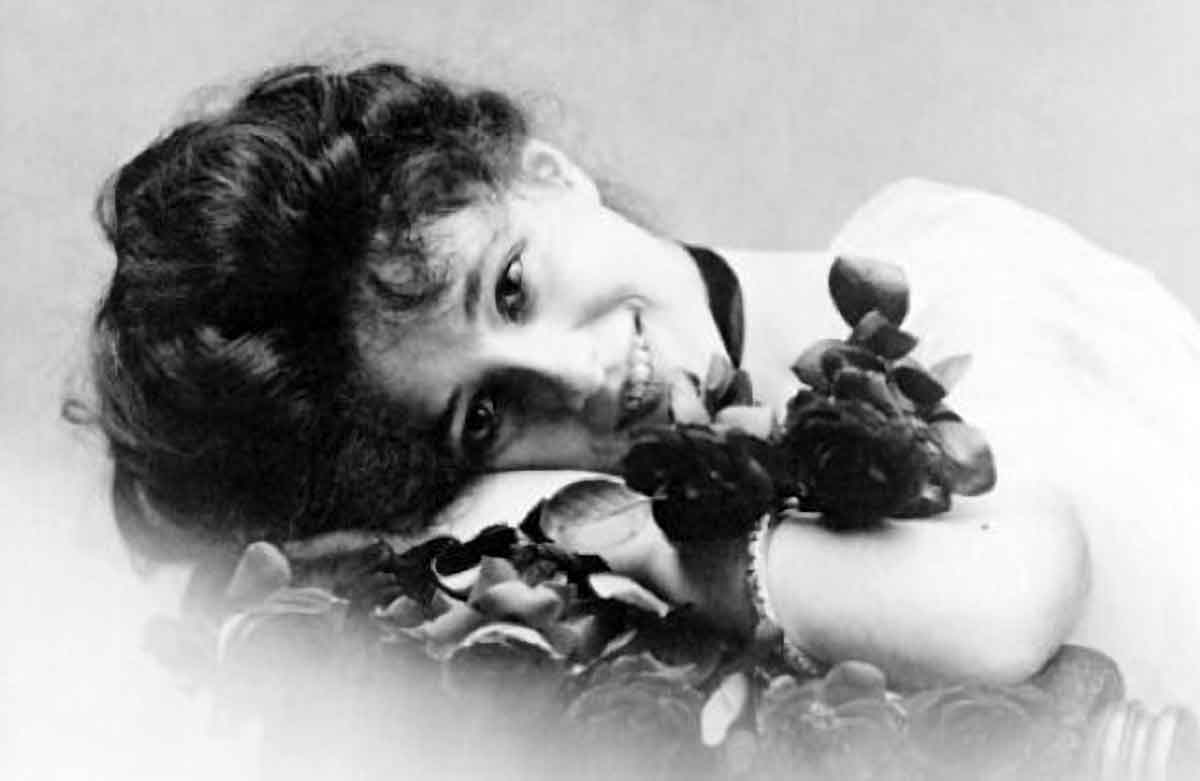
Evelyn Nesbit didn’t exactly start life in the lap of luxury. Born Florence Evelyn Nesbit in Pennsylvania, one Christmas day, she was the daughter of an impoverished lawyer with a penchant for taking on more cases than he could manage—and unfortunately, that meant racking up debts. When her father passed away, his widow and their two young children were left to fend for themselves, digging themselves out from the mountain of financial troubles he’d left behind. There was no filing for bankruptcy then, as those laws wouldn’t be recognizable until after the consequences of the Great Depression became clear.
Evelyn’s mother, nine years younger than her husband who was only 40 at the time of his death, struggled to keep them housed and fed. It was only as Evelyn grew that her mother realized the young woman was their potential meal ticket.
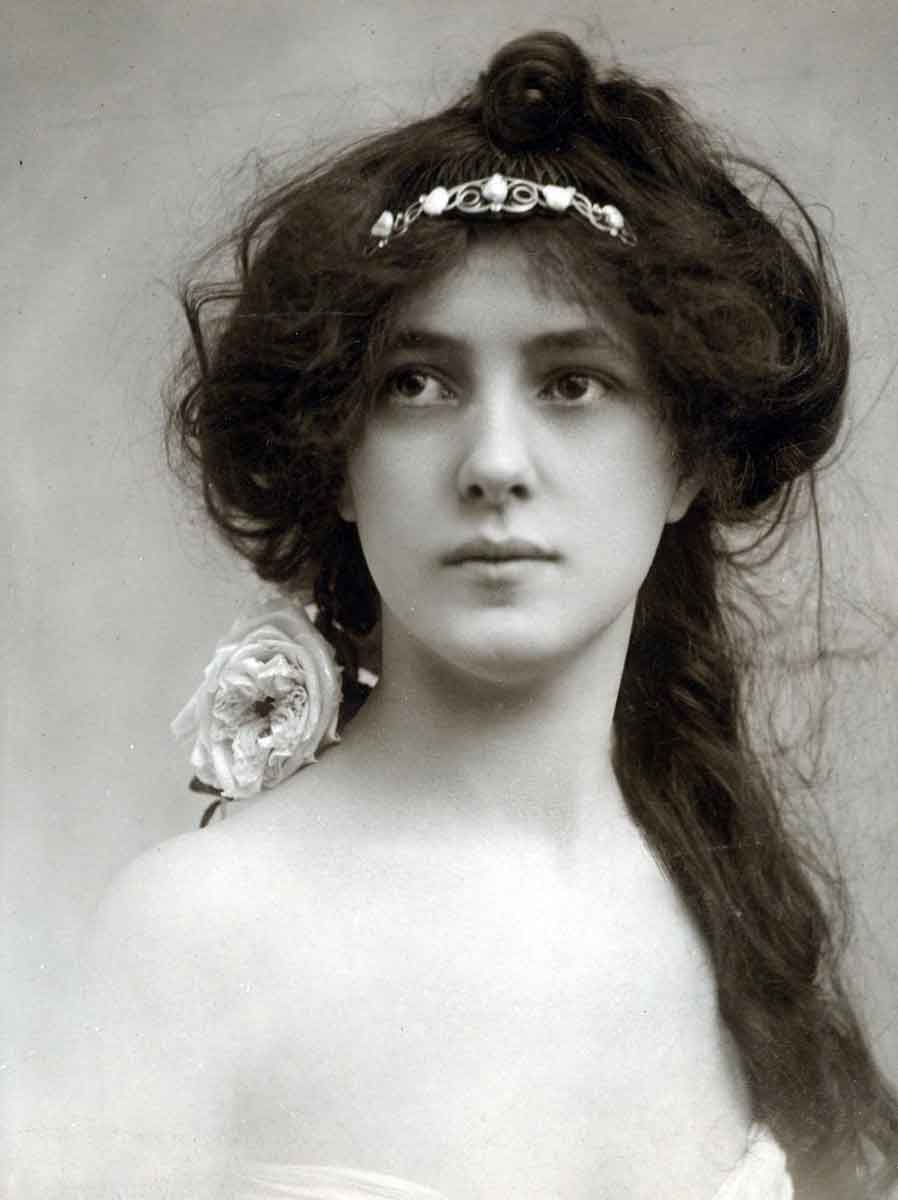
Evelyn’s appearance could stop people mid-stride, and by the time she was a teenager, folks were really starting to notice. The teen boasted long, vibrant red hair in loose curls when it wasn’t dressed in a chignon, a creamy complexion that seemed to glow under the dim gaslights of the time, and eyes that had a way of looking far older than her years. Put her in front of an artist or one of the new carbon or platinum print cameras, something about Evelyn could fascinate.
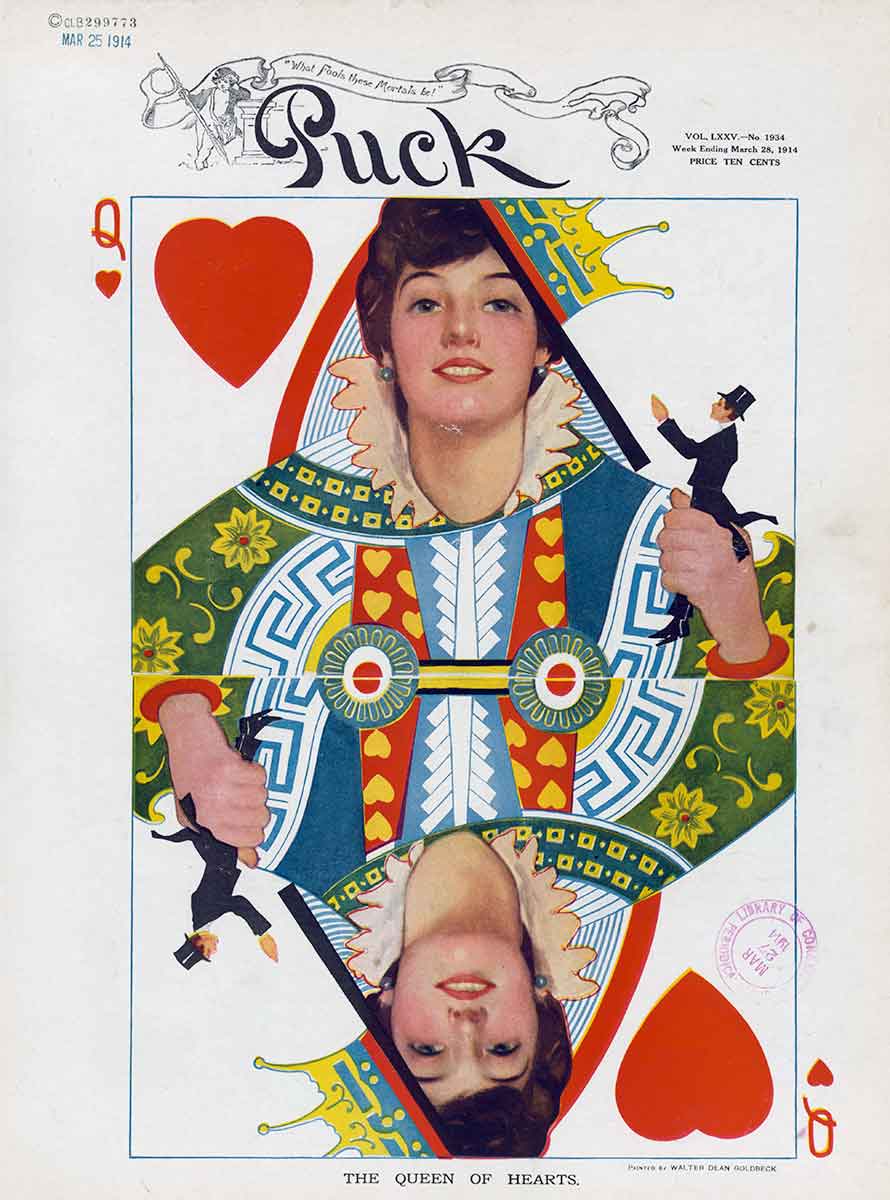
Her mother, sensing the potential for more income, relocated the family of three to Philadelphia and soon found abundant work for Evelyn as an artist’s model. It wasn’t long before she was the subject of dozens of portraits and illustrations, her face and likeness featured everywhere. This wasn’t just some minor gig—she was practically the it-girl of early 1900s art, inspiring hundreds of idealized illustrations for ads, postcards, and magazines.
Evelyn’s look, this mix of chastity with a side of provocativeness, became known as a “Gibson girl.” This cultural phenomenon was the creation of illustrator Charles Dana Gibson, who sketched out an idealized, statuesque woman: impossibly elegant, self-assured, with an attitude that said, “I’m not like other girls.” Gibson Girls had a perfectly coiffed bouffant, a tiny waist, and an athletic grace that made them look just as at home horseback riding as they did reclining with a book of poetry. They were perhaps the first, but certainly wouldn’t be the last, of women to usher in an airbrushed, never achievable ideal to the masses.
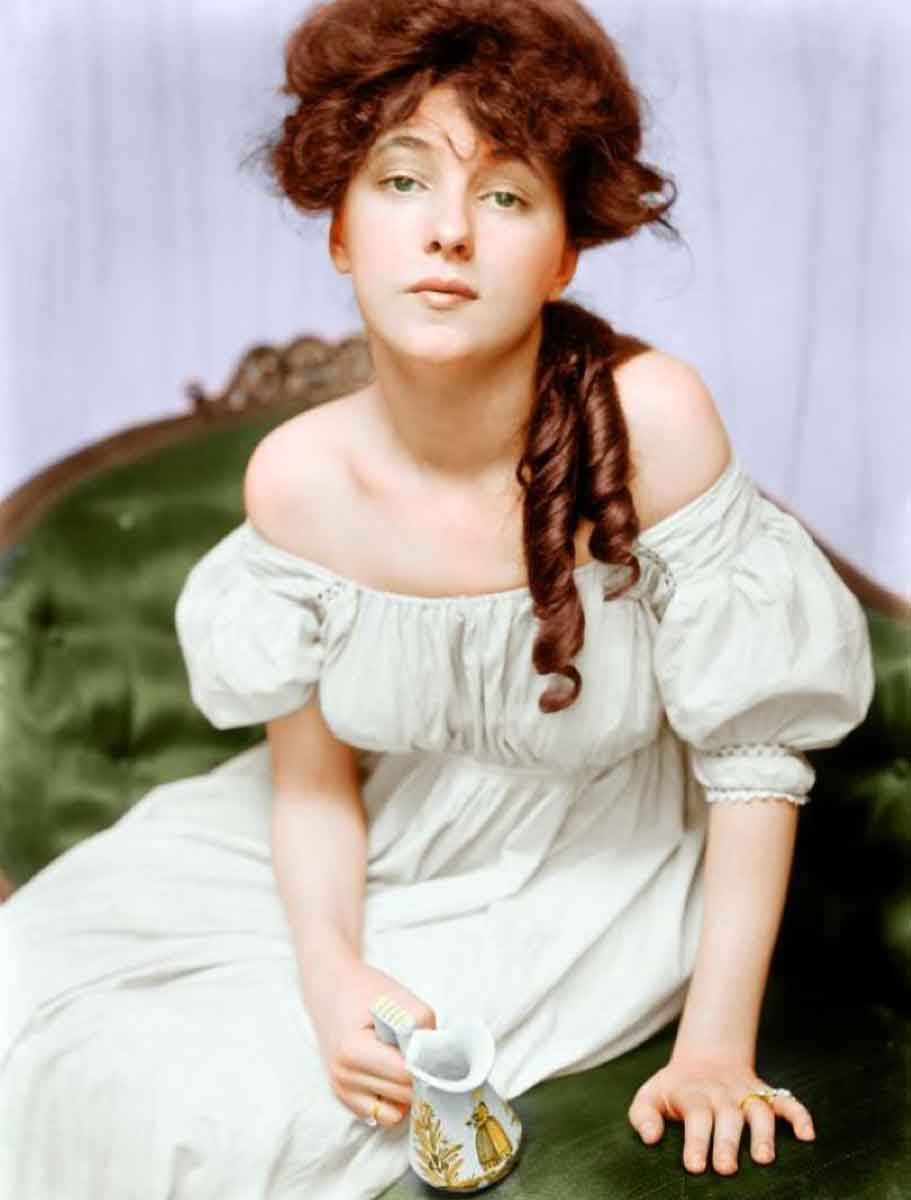
The Gibson Girl—she was as much fantasy as reality. She was a strangely progressive figure: athletic, stylish, and sometimes even clever. Yet, she was also draped in all the expectations of contemporary femininity: beautiful, desirable, and unfailingly charming, never giving anyone a real glimpse of the woman behind the bouffant. She wasn’t breaking the mold as much as she was stretching it—still confined by the corsets of social expectation, but doing so with a bit more verve.
Evelyn, who’d survived her father’s death and her first experimental steps in the world of fashion and society, embodied the aesthetic with ease.
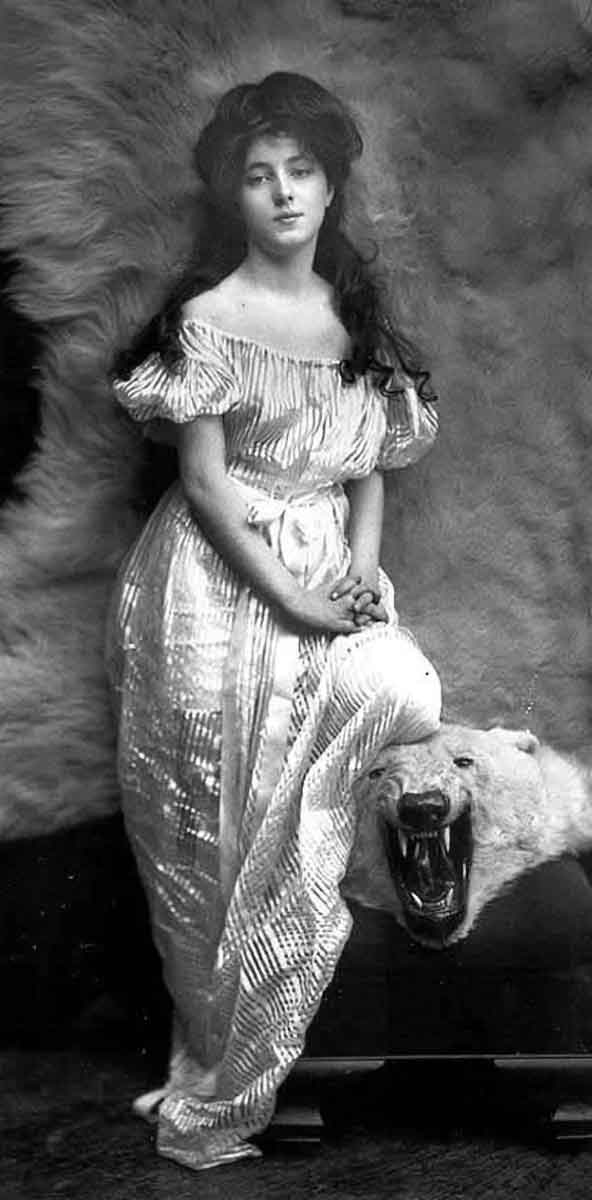
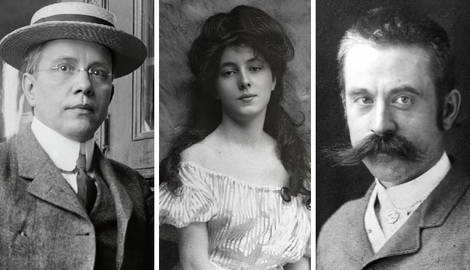
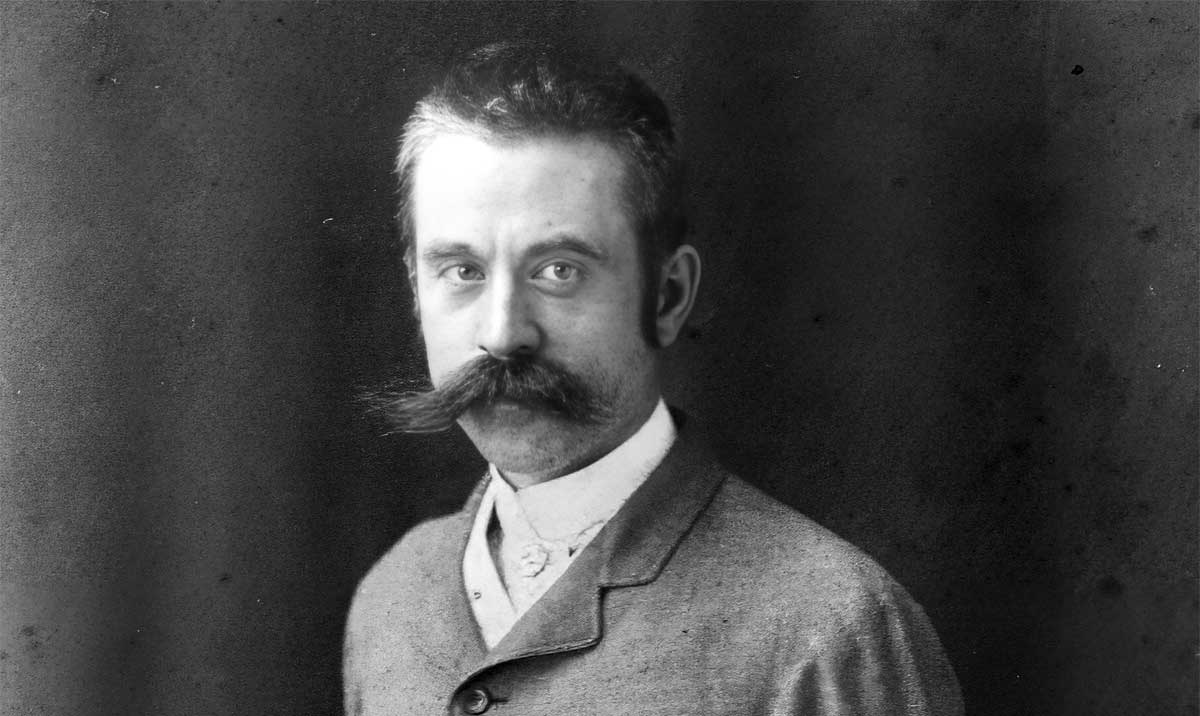
At just 16, Evelyn moved to New York City and met Stanford White, who quickly took a rather disturbing liking to her. Known as one of the leading architects of the time, White had an eye for beautiful things—furniture, mansions, and apparently, young and impressionable girls. White, well into his 40s by the time he first laid eyes on Evelyn, wasn’t a proper suitor. He may have lavished her with gifts, a fancy apartment, and promises concerning her younger brother’s education, but he could never have married Evelyn or provided her with any stability. Stanford White was already married and his extracurriculars never impinged upon that respectable facade of a union.
When Evelyn took the stand at her husband’s trial (he was accused of murdering Stanford White in front of dozens of witnesses), she was 21, but her experiences seemed to have aged her far beyond her years. There was a young woman—once wide-eyed and hopeful—recounting a horrifying betrayal by a man who had been both her earliest benefactor and her predator. Evelyn was the girl with a porcelain face that had graced magazine covers and advertisements across New York. That same face was etched with pain as she spoke in broken phrases, her voice almost lost to the bustling courtroom, as her testimony became part of the record.
It was here she was asked to detail her first encounters with Stanford White, who offered to be a mentor to the naive girl and her, perhaps more unforgivably naive, mother. At the time, Evelyn had been new to New York—drawn into White’s world of extravagant parties, luxurious gifts, and high-society glitz. What looked like an opportunity to a family who had suffered in poverty for years had turned into a nightmare.
White became possessive, even manipulative, exploiting her youth and innocence. In court, Evelyn recalled her first trip to his infamous studio: “I went upstairs, and there I met a man who was introduced to me as Stanford White. I thought him an ugly man…After supper, we went up two flights of stairs more, and in the room was a large red velvet swing. Mr. White put me in the swing and swung me very hard.”
As she spoke, a collective gasp spread through the rather upright courtroom. Her account continued to unravel the twisted relationship that developed between them. White had isolated her, and what began as an acquaintance turned into a controlled series of encounters, each one darker than the last. She spoke of a night when White led her to a bedroom, saying, “Mr. White poured out just one glass for me, and I paid no attention to it. Mr. White went away, came back, and said: ‘I decorated this room myself.’ Then he asked me why I was not drinking my champagne, and I said I did not like it; it tasted bitter.”
What Evelyn described next was more than an assault—it was very likely a crime committed by someone she had trusted. As her voice grew softer, she detailed her fear, her confusion, and the ensuing trauma that left her sleepless, isolated, and silenced by shame. She believed something may have been wrong with her champagne and, upon waking, realized there was blood on her thighs. White, she claimed, laughed at her panic, telling her to keep quiet, even admonishing, “The greatest thing in this world was not to get found out.”
Her testimony shocked the public, revealing the murky depths of New York’s elite social circles and the ways in which young women like Evelyn were chewed up and spit out. Through her words, the world saw not just a scandal but the devastating impact of exploitation hidden beneath the polished veneer of wealth and privilege.
The Enraged Suitor
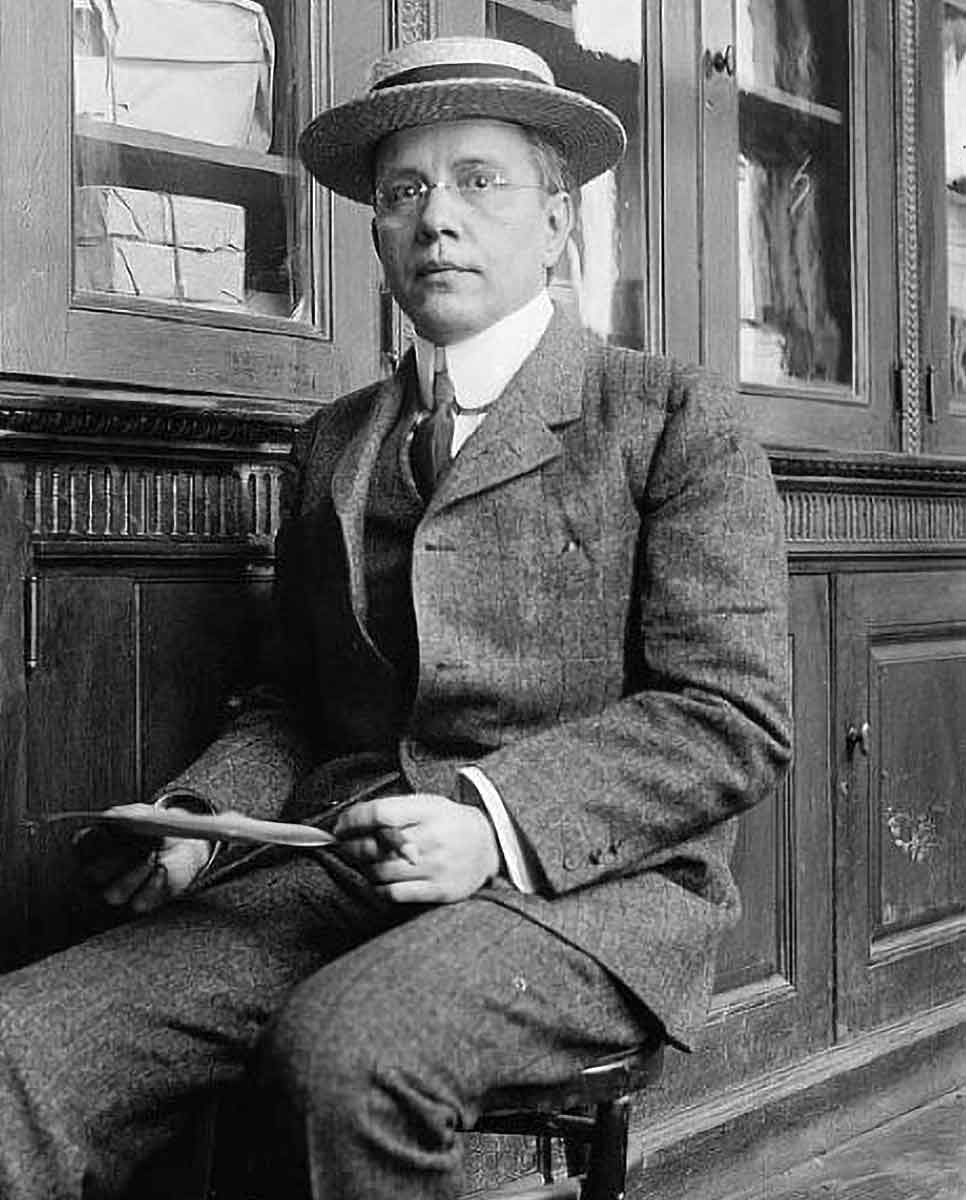
Harry Thaw’s absolutely bizarre life was a blend of privilege, cruelty, and eccentricity unmatched by any other. Thaw wasn’t just rich, he was rich without talent. He had inherited his wealth, indulged every whim, and gotten away with some pretty outrageous behaviors because of his fortune and family name.
Despite a pampered childhood, Harry never developed any real purpose or skill. His family, particularly his father, tried to discipline him, but it was too little too late. Thaw was as reckless and unrestrained as could be. By the time he reached adulthood, Thaw was spending his days in a haze of parties, traveling to get away from whatever scandal he had caused, and impulsive spending.
Much like White, he had a peculiar obsession with Evelyn Nesbit. It wasn’t about love or respect. Thaw saw her more as a prize—a beauty he could collect and control, all to spite Stanford White, whom he blamed for being kept out of New York’s elite men’s clubs.
Thaw didn’t court Evelyn Nesbit: he hunted her. Known as “Mr. Munroe” to her, he showered her with flowers, letters, and gifts, yet Evelyn routinely but politely declined his advances. Once he finally arranged a lunch date through intermediaries, he went all in, dropping to his knees in a restaurant, kissing her hem, and declaring she was the “prettiest girl in New York.” When he revealed himself to be “Harry Kendall Thaw of Pittsburgh!” he practically expected her to swoon. Evelyn, later noting the over-the-top, theatrical reveal, remarked that Napoleon himself couldn’t have done it with more flair.
Thaw’s passion for Evelyn had a dark side. When they were married, he treated her less like a partner and more like a disappointment in female form. His behavior spiraled into physical violence, erratic behavior, and open threats. Thaw’s hatred of White festered into an obsession that culminated in Thaw shooting White dead at Madison Square Garden, an act of revenge that he saw as chivalric but which the public (rightly) found horrifying. His mother, however, immediately began to spin her son’s murderous rage. He was, to her mind, a white knight who had simply been driven to violence to uphold his wife’s honor. He was a protector. A gentleman.
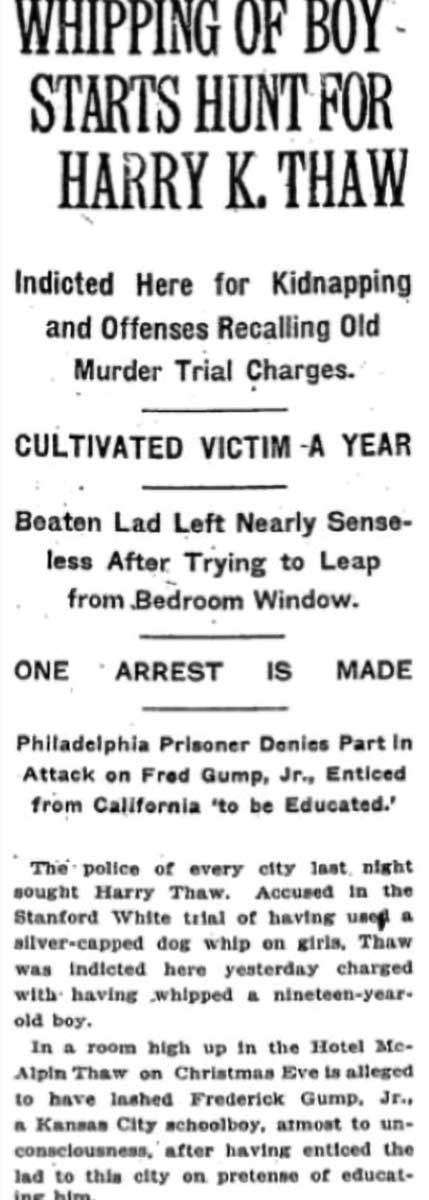
Yet, to many in New York’s upper crust, Thaw’s mental health issues were an open secret. He spent plenty of time in sanatoriums, partly to manage his breakdowns, and partly to stay out of jail after violent outbursts. After Evelyn, he didn’t exactly clean up his act. His second marriage proved just as volatile, though less public. For a man who felt deeply wronged, he made it everyone else’s problem, yet always with the family money ready to sweep up his messes. And, like most ne’er-do-wells, he didn’t learn. Just a few years after the trial and his court-mandated stint in an asylum, he was indicted for kidnapping and assaulting a young man he reportedly saw as “Evelyn-like”—marking his twisted obsession and inability to move on.
Harry Thaw’s life was a cautionary tale. His wealth was both a shield and a sword, allowing him to indulge his worst instincts without consequence, while his obsession with Evelyn Nesbit led to a chain of events that echoed through New York society and well beyond.
The Dastardly Architect
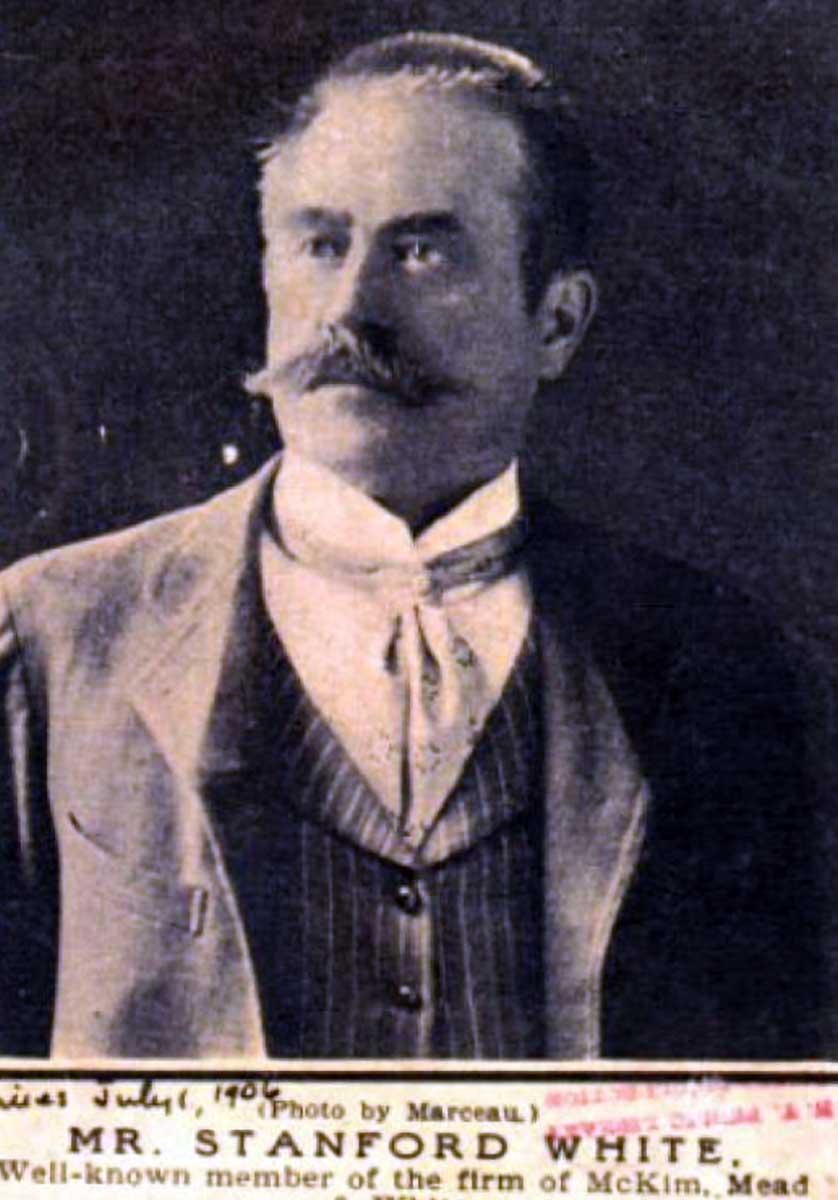
Stanford White, born in 1853, built much of New York’s architectural identity. A founding member of the renowned firm McKim, Mead & White, White designed iconic structures, including the original Madison Square Garden and the Washington Square Arch. Behind his respected reputation was a man with a history of using power and wealth to take advantage of young women, a truth known among friends and sometimes publicly hinted at—though rarely spoken about directly. Think of him as the Weinstein of his time. Even Mark Twain, who knew White personally, alluded to his indiscretions in his observations on high society’s not-so-secret sins.
White married Elizabeth “Bessie” Springs Smith in 1884 and had one son, Lawrence, but he led a double life in New York City while his wife kept home on a vast country retreat. White avoided young women from his social circle, choosing instead those from less influential backgrounds to prey upon, whom he felt were less likely to resist or report his advances.
His disturbing pursuit of teenage model Evelyn Nesbit is merely one such example. He lured Evelyn’s mother with financial support, assuring her that he would provide Evelyn with a reputable network of friends and career opportunities. Through these arrangements, he gained her mother’s trust—and secured private time with the young woman under the guise of mentorship.
Following his murder in 1906, accusations of misconduct against White continued to surface. Some members of his family even suggested that his behavior created a lasting cycle of troubling attitudes toward women within the family, where sexual abuse became commonplace between the generations. White’s legacy, though widely known for his architectural achievements and love of grandeur, remains shadowed by accounts of his personal choices, revealing the disconcerting power imbalances that often went unquestioned among the wealthy and influential in America.
The Players in the Trial
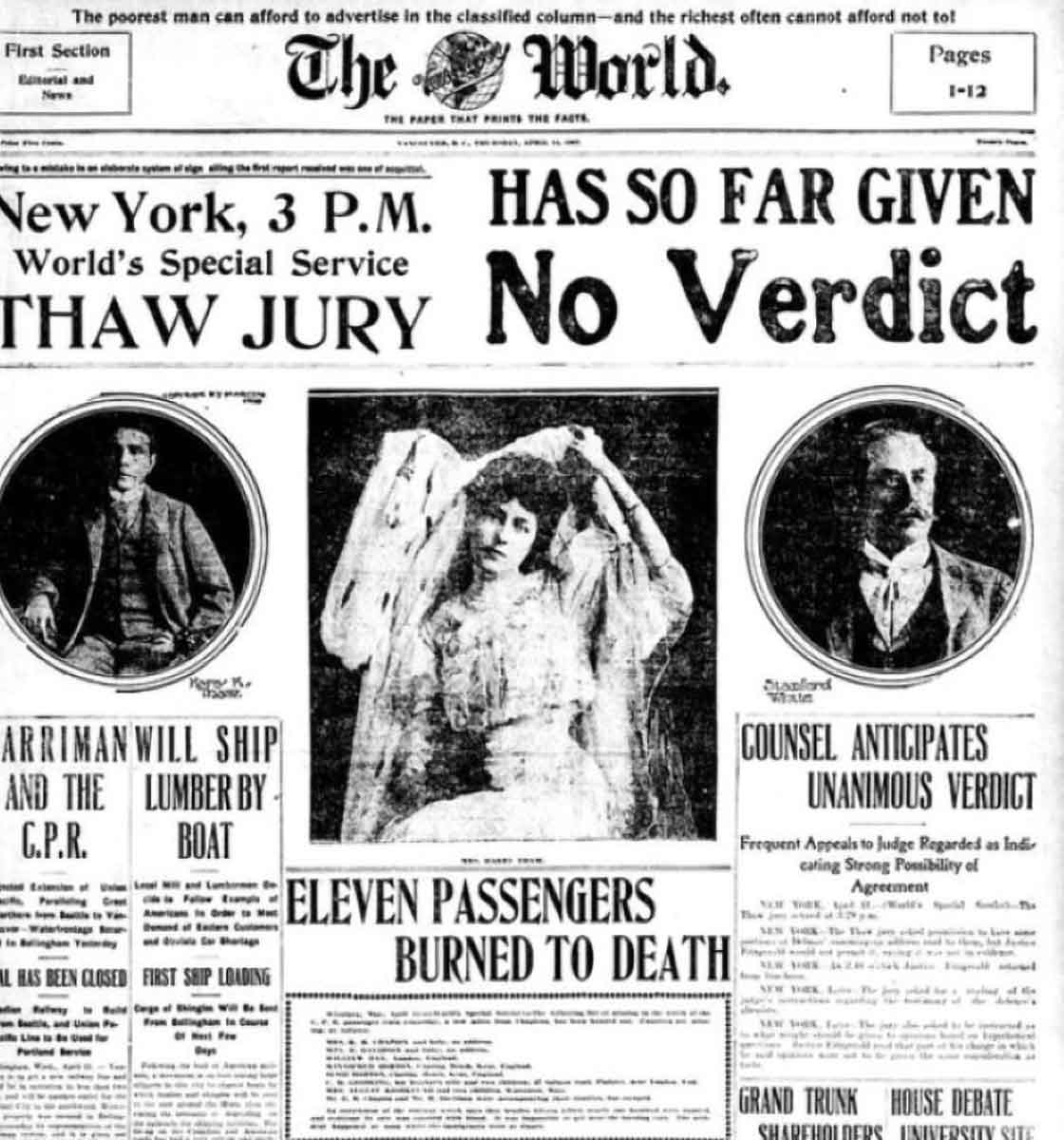
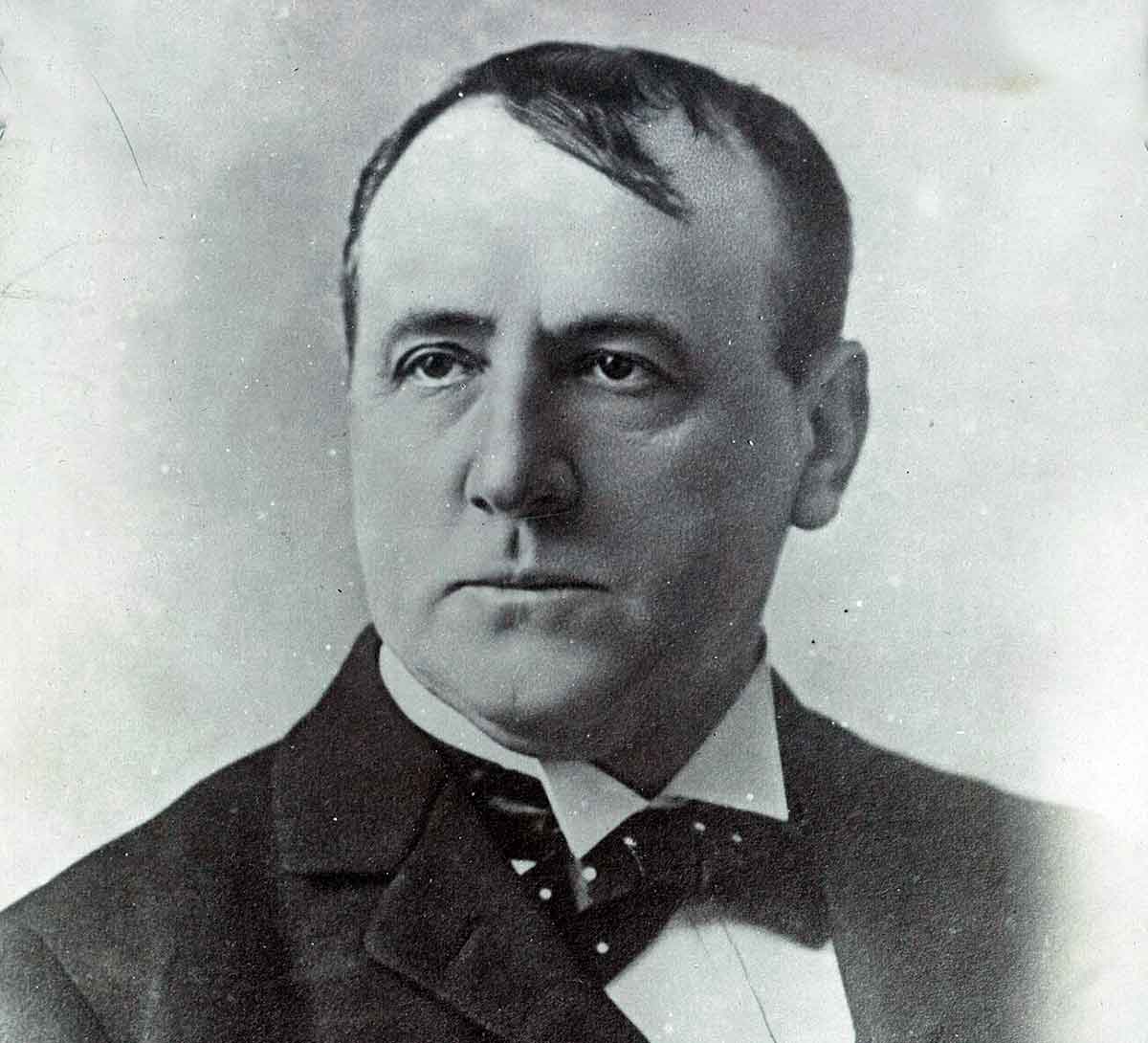
New York’s legal system was not prepared for the media frenzy that followed Thaw’s arrest. The Thaw-White case saw two dramatic trials, each with its own unique blend of courtroom strategy, high-society scandal, and intense media buzz. In the first trial, Justice Thomas W. Fitzgerald—whose name was already thickly mired in controversy due to his evasions of creditors—presided over a legal spectacle with all the exhibitionism of a telenovela.
Fitzgerald attempted to keep order, but the defense’s strategy of claiming temporary insanity relied less on the facts and more on dramatic effect, aiming to portray Harry K. Thaw as a man driven by the forces of the universe to avenge the broken purity of his young wife, Evelyn Nesbit. The defense attorneys were skilled dramatists, but they couldn’t sway the jury, leading to a deadlocked verdict and a mistrial.
For the second trial, Thaw’s family reformed his defense team, bringing in Delphin Delmas, the famed “Napoleon of the California Bar,” to play lead in the new judicial spectacle. This time, the approach centered squarely on proving Thaw’s legal insanity—a strategy that finally succeeded. Delmas portrayed Thaw as a tragic victim of lineage and tortured mental breakdown, skillfully aligning the narrative to fit the court’s expectations for an insanity defense.
This shift convinced the jury, and Thaw was ultimately released on the grounds of insanity, and sent to Matteawan State Hospital for the Criminally Insane. There, he lived a life mostly without restraint or inconvenience, although that didn’t stop him from absconding at the first possible chance.
Beyond the courtroom, Thaw’s family leveraged their wealth to control public opinion, taking advantage of the media’s infatuation with the case to reshape Thaw’s image from a privileged and unstable man to a tortured figure beset by family curses and romantic obsession. Newspapers, social circles, and high society were swept up in a wave of gossip and manipulated storylines, keeping the focus on Thaw as a tragic figure rather than his crime. Even then, money made the world go round.
Thus, Thaw’s case lingered in public memory as a dark tale of money, influence, and the uncanny ability of wealth to shape outcomes—even when the evidence was undeniably murky. It is a story of how glamor and corruption could turn a simple murder case into a national commentary on class inequality.