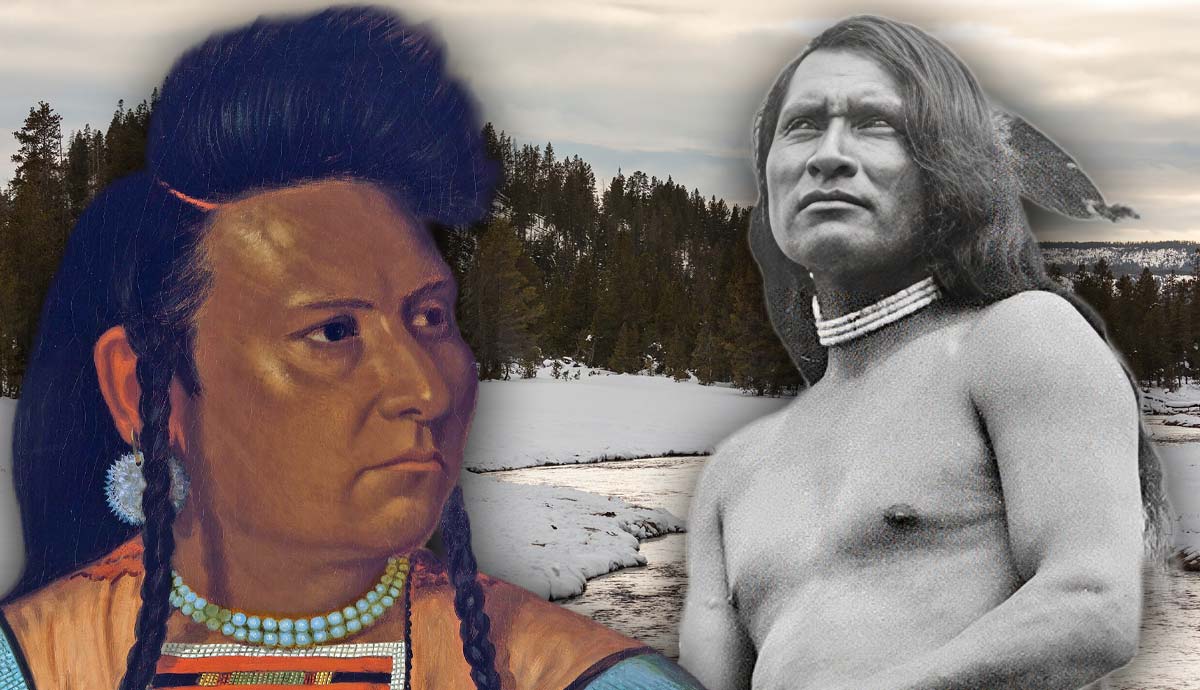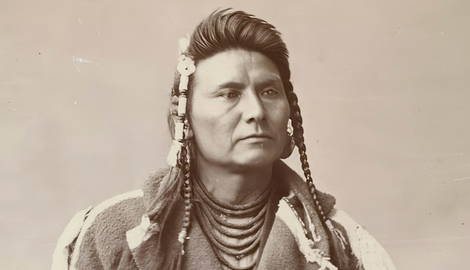

The Nez Perce were among the last tribes to hold out against white subjugation as the 19th century drew to a close. Desperate to retain their cultural freedom, the Nez Perce people were led by the steadfast Chief Joseph as their resistance came to a dramatic conclusion. The chief was a man who was admired by many of his contemporaries but was seen as a problem by the US government. Despite his most vigorous efforts, the US military forced Joseph’s eventual surrender—but they couldn’t capture his spirit.
1. He Was Joseph “The Younger”
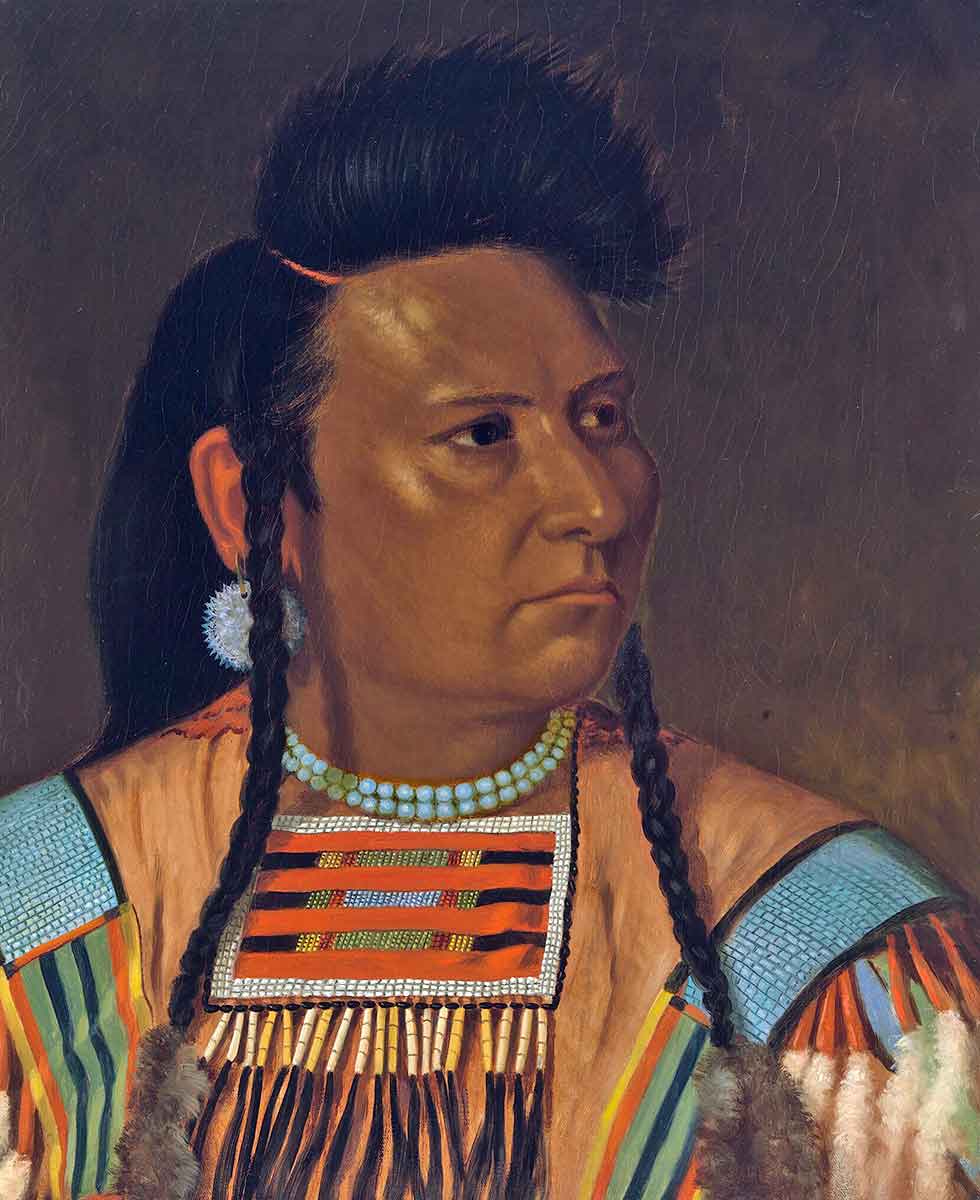
Joseph’s given name among his people, the Nez Perce or Niimiipuu, was Hinmatoowyahatqit. His moniker roughly translates to “Thunder Rolling Down the Mountain.” His anglicized name, Joseph, was inherited from his father, who was baptized and given the name Joseph upon his conversion to Christianity. The elder Joseph was also a chief, and his son followed in his footsteps upon his father’s death. Generally, when sources mention “Chief Joseph,” they are referring to Joseph the Younger, while his father is referred to as “Chief Old Joseph” or some variation that includes the elder designation.
2. His Father Denounced Christianity
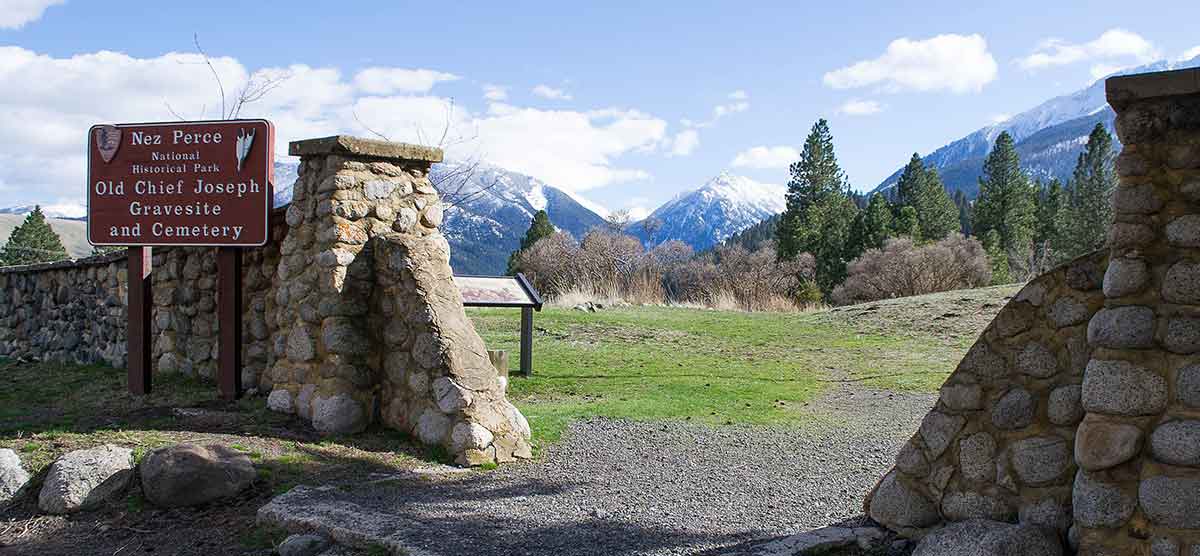
Joseph the Elder’s relationship with whites evolved over time. To the surprise of many, he’d originally been willing to work with the settlers and government, attempting to establish a precedent of peace. He converted to Christianity and was baptized in 1838, taking the name Joseph. However, after gold was discovered in Nez Perce lands, white prospectors began arriving in unprecedented numbers, and the US government took back millions of acres that had previously been promised to the Nez Perce in a treaty. These actions caused Joseph the Elder to renounce his Christian faith, even going so far as to tear up his Bible.
3. He Led His People Over 1,000 Miles Seeking Freedom
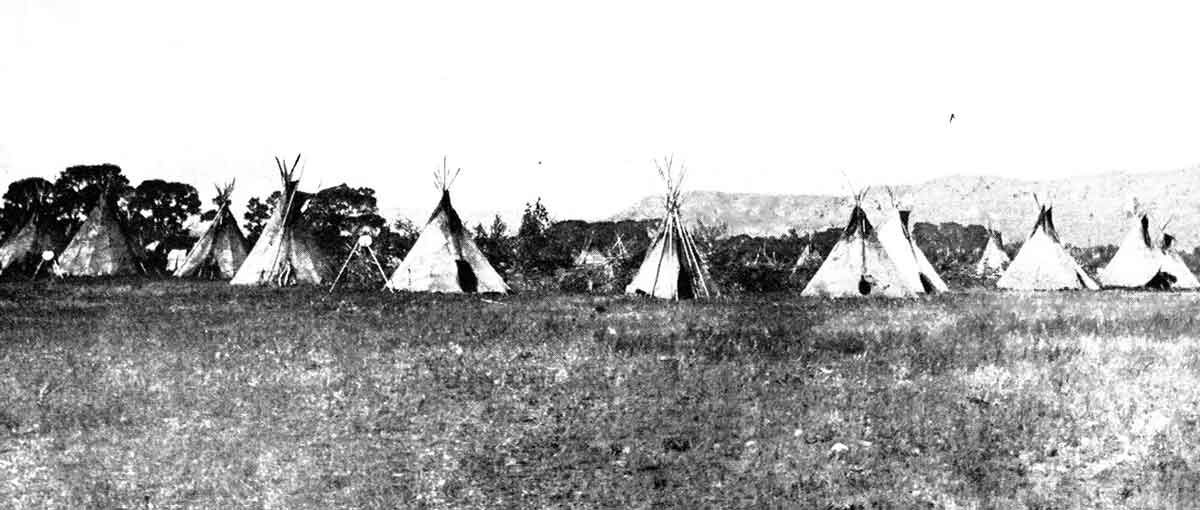
In 1877, the US government ordered the Nez Perce to proceed to an assigned reservation. Chief Joseph led a group of about 800 who did not wish to comply, and they fled. Their goal was to reach Canada. The US army pursued them for over a thousand miles, with about twenty battles occurring along the way.
Chief Joseph’s people fought valiantly but were faced with tumultuous weather and low resources. Exhausted, they made the decision to surrender in October after four months of evading the US government. When Chief Joseph surrendered, his group was about forty miles from the Canadian border, but his people were starving and too ill-equipped to continue. Only 87 warriors remained, and the fallen included Joseph’s brother, Olikut. They were also under the impression that surrender would guarantee them a reservation in their beloved homeland. Instead, they were sent to Fort Leavenworth in Kansas and then onto Indian Territory in Oklahoma, an environment hundreds of miles from home and very disparate in climate.
4. His Flight Is Considered One of the Greatest in History
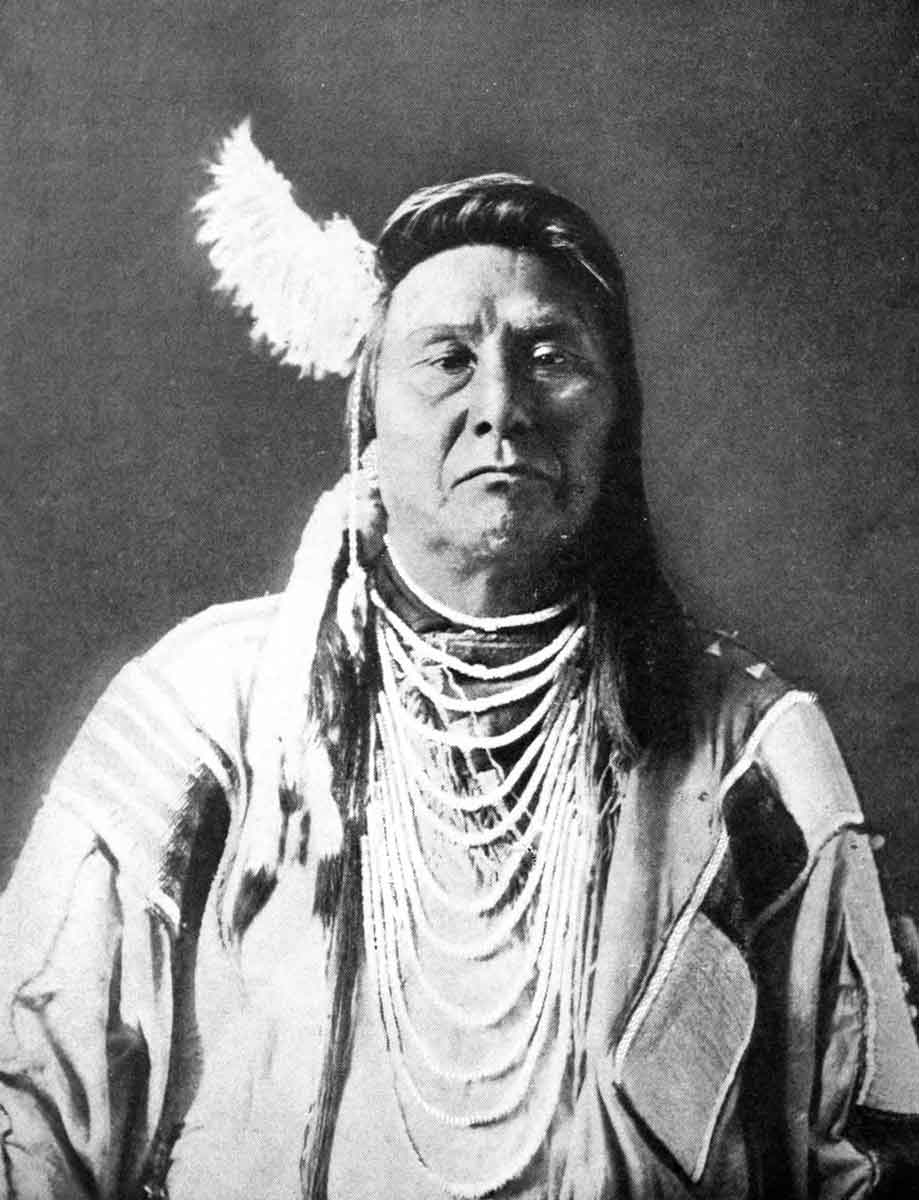
The flight of Chief Joseph’s Nez Perce is considered one of the most well-orchestrated retreats in military history. With only about 200 warriors included in the group of Nez Perce people, engagement with the army was avoided and only attempted when conditions were ideal, managing to outclass their pursuers and continue on their journey. In comparison, about 2,000 members of the US military were in pursuit of the group as they fled to Canada.
5. William Tecumseh Sherman Complimented Him
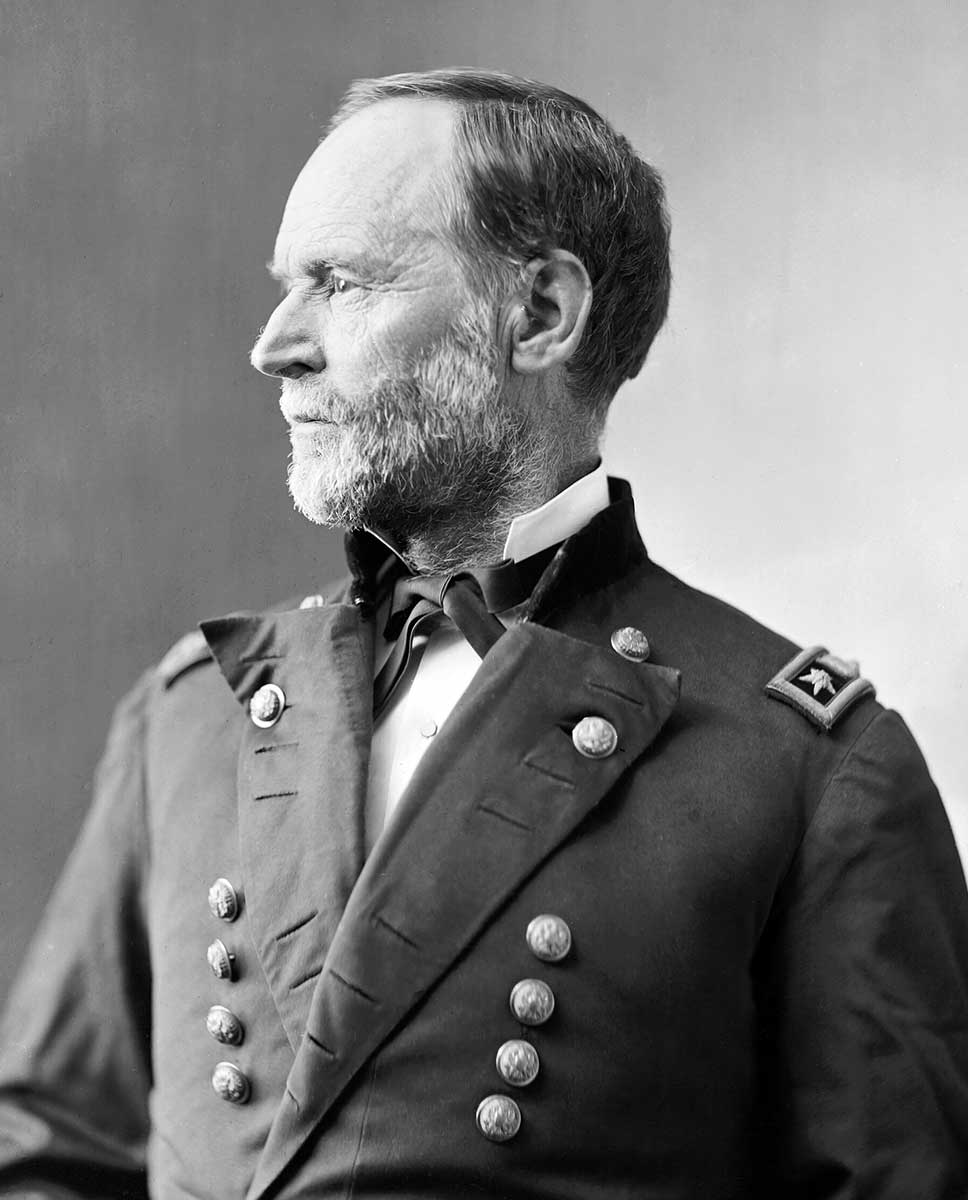
After the Civil War, celebrated General William Tecumseh Sherman’s focus turned to other military matters, most significantly the subjugation of the American Indian. When Ulysses S. Grant became president, Sherman was promoted to General of the Army.
Sherman is perhaps best known for his “total war” approach and his famous “March to the Sea.” The Indigenous people of America were the target of his brutal tactics. Though he was named for Tecumseh, a Shawnee chief, Sherman showed no mercy, believing that the tribes stood in the way of American progress. Despite this, he did respect the efforts of some Indigenous leaders, including Chief Joseph. He spoke admiringly of Joseph’s leadership, stating, “The Indians throughout displayed a courage and skill that elicited universal praise…[They] fought with almost scientific skill.”
Sherman was not the only one to laud Joseph’s military skills. The chief was called “The Red Napoleon” by the press and praised in numerous newspapers. The New York Times reported that the skills of Joseph and his warriors were “as if they had been acquired at West Point.”
6. Joseph Gave One of History’s Most Famous Speeches
Upon his surrender, Chief Joseph gave one of history’s most famous speeches. It is still used in the modern era in the study of oration and humanities. While it was short, less than two hundred words, when translated, the speech was meaningful and impactful. In it, Joseph laments the loss of his soldiers and the suffering of the tribe’s children and speaks of his heart becoming “sick and sad.” The last line of the speech is one of the most effectual, “From where the sun now stands I will fight no more forever.” Joseph’s words are remembered for the way that they powerfully articulated the situation of all Indigenous Americans at the hands of the United States.
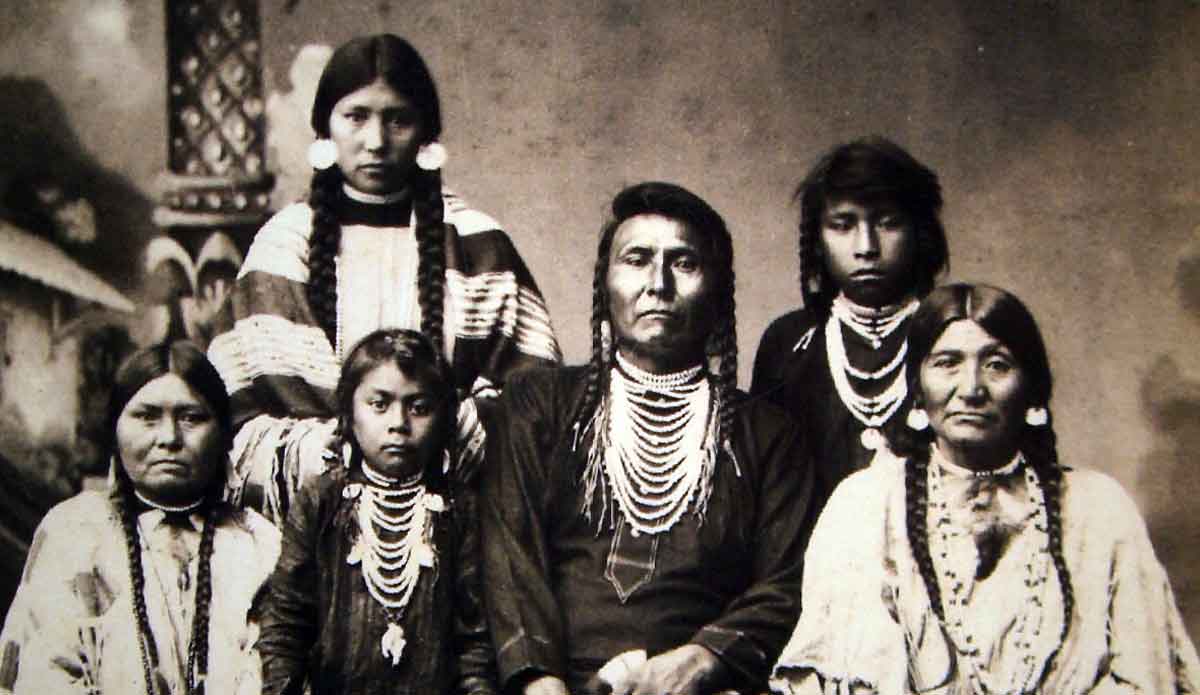
While it is the one most attributed to him, “I Will Fight No More Forever” is not Joseph’s only work of impressive oration. In 1879, Joseph traveled to Washington DC, and gave a speech known as “Good Words,” in which he highlighted the broken promises from the US government, saying, “Good words do not last long unless they amount to something.”
7. The US Used His Compatriots’ Actions as an Excuse to Imprison Him
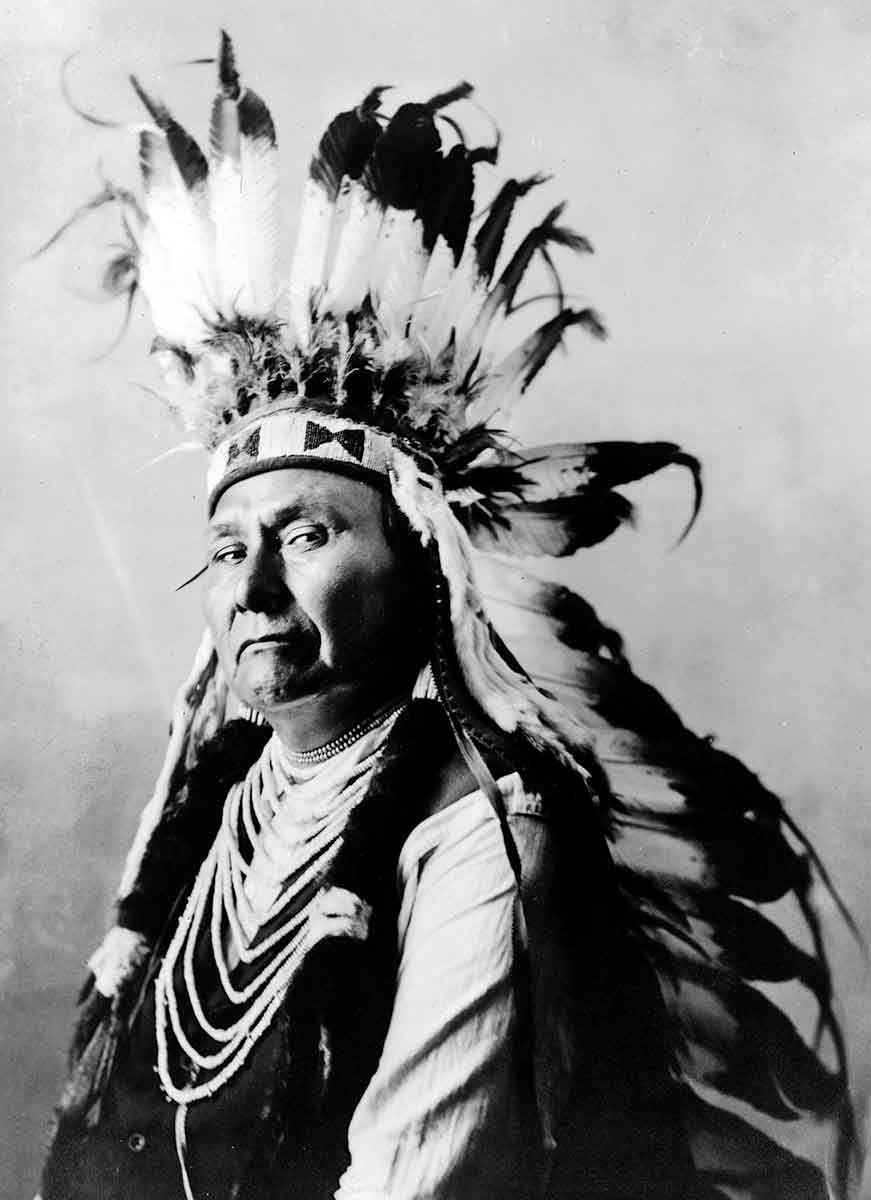
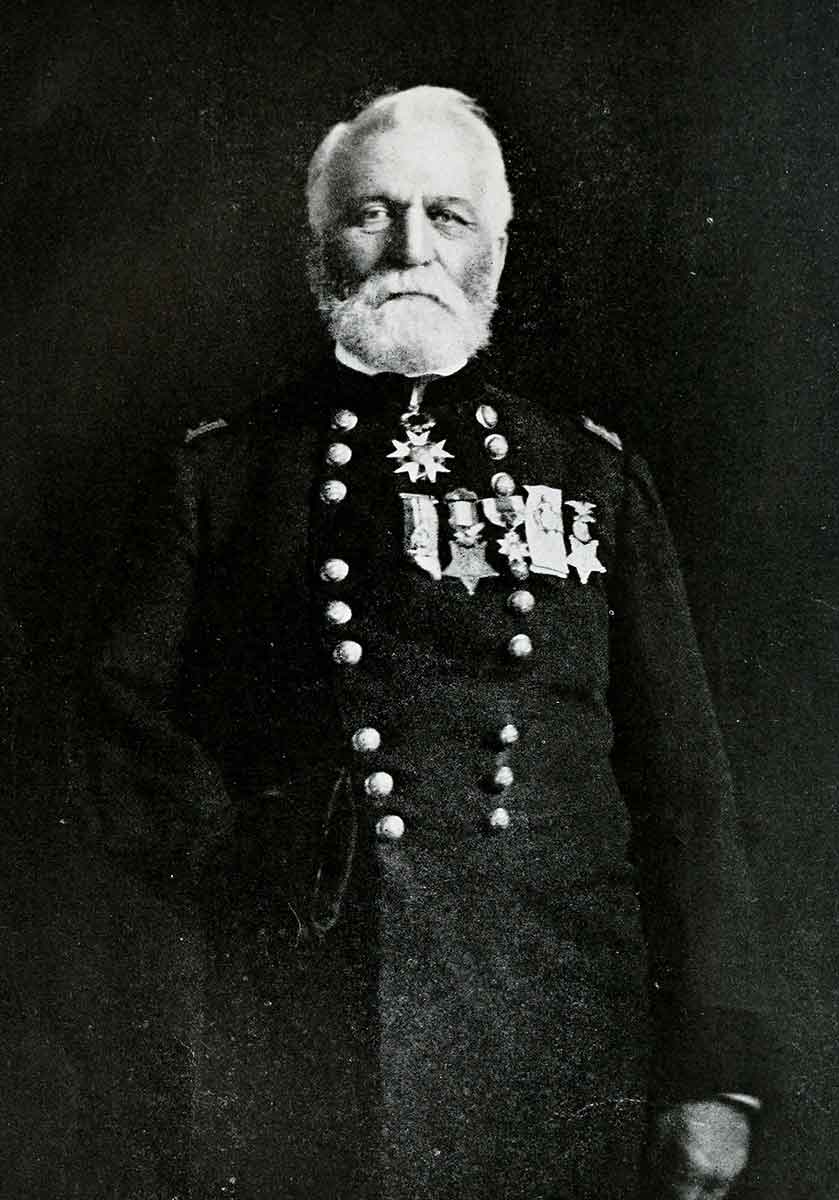
When Joseph surrendered, he apparently did not speak for all of the members of his group. Another Nez Perce leader, White Bird, left the US army camp the night after the surrender, absconding and successfully making the trip to Canada, where they joined the Hunkpapa Lakota leader Sitting Bull, who had also sought refuge in the neighboring nation. General O.O. Howard, who had been charged with securing the Nez Perce, stated that this meant Joseph had violated the terms of surrender, and in return, the US government would not be bound to return them to their homeland in Washington. It is unknown whether or not the government ever intended to return the Nez Perce home, but the promise had been made by General Nelson Miles. Whether he was lying or overruled by White Bird’s actions, his promise was shattered when Joseph’s people were sent directly to Leavenworth, Kansas.
8. He Met With the President(s)
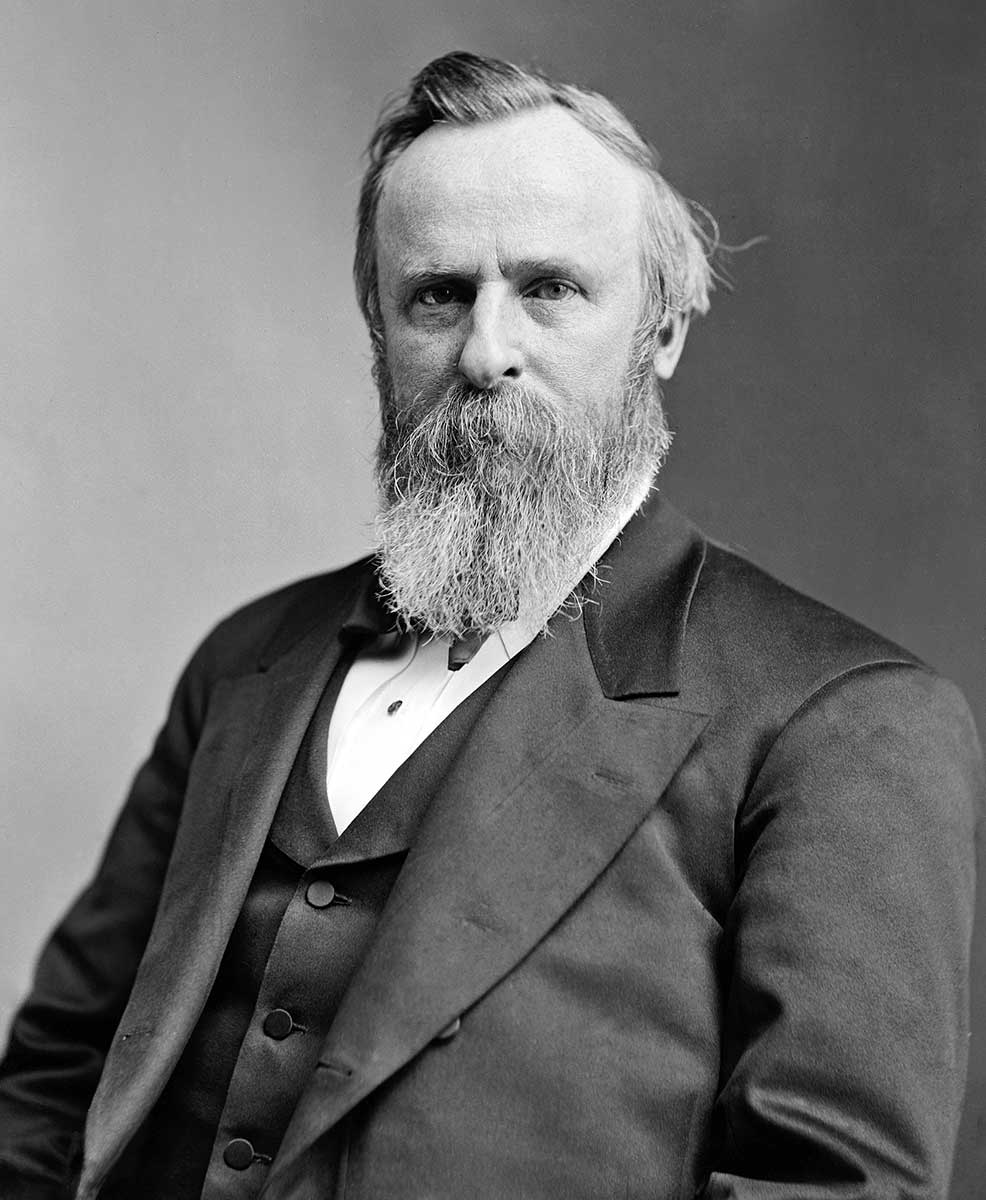
Despite the trauma he went through during the Flight of 1877 and subsequent internment in the Midwest, Chief Joseph refused to stop fighting for his people. He met with three US presidents over the remainder of his lifetime: Rutherford B. Hayes, William McKinley, and Theodore Roosevelt, each time making pleas for his people’s return to their homeland in the Wallowa Valley in Washington.
His meeting with Rutherford B. Hayes was perhaps the most notable, marked with his “Good Words” speech. His travels to Washington DC took him to other stops along the way, including a visit to New York’s Madison Square Garden in 1897, where he watched Buffalo Bill’s Wild West Show and met with old enemies General Howard and General Miles. The group was said to have “conversed congenially.” Joseph was popular in the East and was seen as a celebrity. However, resistance to the Nez Perce in the Pacific Northwest meant that the presidents were hesitant to take any action to repatriate them, and Joseph’s pleas for his people fell on deaf ears.
9. He Died of a Broken Heart
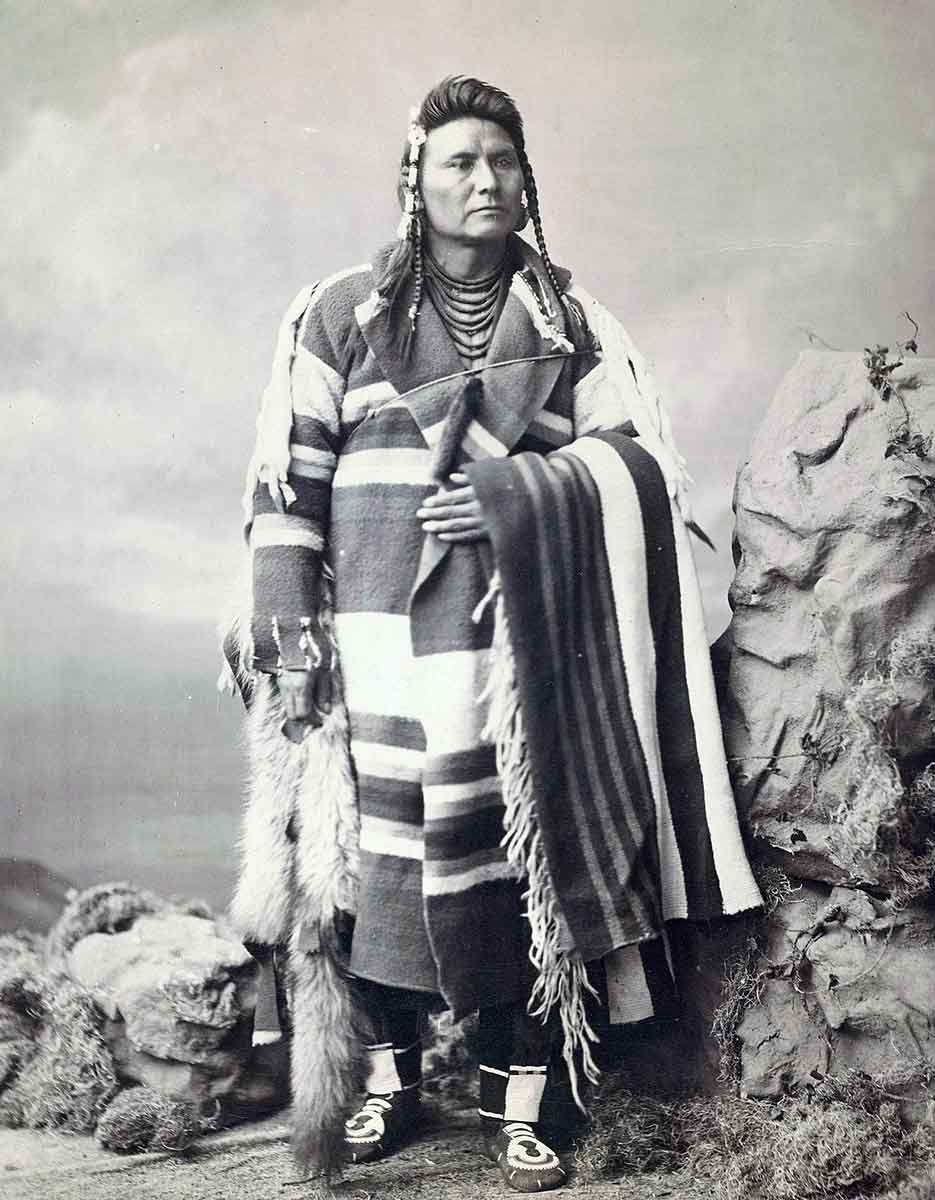
As time went on, Joseph’s frustrations were met with declining health. He became ill in September 1904 with an unknown illness. He asked his wife to get his headdress because he wished to “die as a chief.” He passed away not long after, at age 64, on September 21. His death occurred on the Colville Reservation in Washington, where his people had been returned in 1885. Still, it was hundreds of miles from their home in the Wallowa Mountains, and Joseph was never able to see his homeland in his lifetime. The physician who attended to Chief Joseph stated that he “died of a broken heart.”