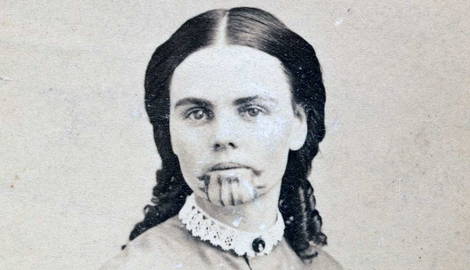

The star of one of the most dramatic captivity stories to come out of the Wild West era, Olive Oatman led a life of tragedy, trauma, and sensationalism. She was a wonder, a curiosity, captivating audiences with her experiences and marked facial tattoos. Over time and retelling, Oatman’s story became veiled in mystery, narratives conflicting and contributing to the building of stereotypes—intentionally or otherwise. When looked at through a modern lens, Oatman’s life offers new perspectives to historians. It is a tale of sadness and resilience.
A Mormon Upbringing
Little is known about Olive Ann Oatman’s early personal life. She was the daughter of Mary Ann and Roys (also spelled Royse, Royce, or Rois in historical references). She had seven siblings, and her mother was pregnant when the family’s life drastically changed in 1851.
Olive was born in September of 1837, and when she was just two, her parents rejected their Methodist traditions in order to join the Mormon church. They were followers of Mormon founder Joseph Smith, but after his death in 1844, they rebuffed new church leadership. Hoping to join an offshoot of the church led by James Brewster on the border of what is now Arizona and California, the Oatman family joined a wagon train of fellow “Brewsterites” to head west from their home in Illinois.
The Oatman Massacre
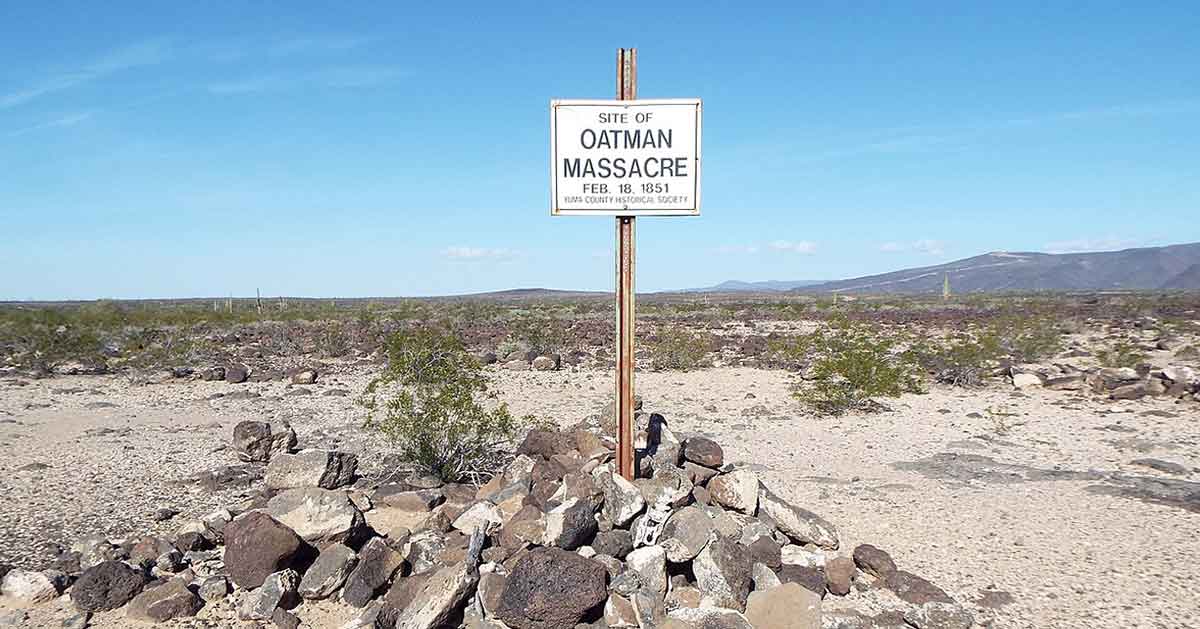
Unfortunately, Roys Oatman found that he didn’t see eye to eye with his traveling companions. Quarrels led to the Oatman family’s separation from the rest of the Brewsterite wagon train, leaving them to face the risks of westward travel alone. A major concern was attacks from hostile Indigenous tribes, an ongoing threat to emigrants moving through the area. However, they were reassured by passing travelers that the road was clear along the Gila River. The Oatmans found that this was not the case. They soon encountered a group of about 19 Native Americans. Some sources identify them as Apache, but it is believed that the men hailed from the Western Yavapai tribe. Not only did tensions exist as a result of the influx of white settlers into the area, but the area had been suffering from drought conditions and a resultant famine.
The hungry Yavapai sought food from the Oatmans, and Roys offered them some bread. However, he refused to provide any more food, angering their visitors. Chaos ensued, and at the end of the skirmish, Roys and pregnant Mary Ann Oatman lay dead, along with four of their children. Olive’s brother, Lorenzo, was knocked unconscious and assumed dead. 13-year-old Olive and her eight-year-old sister, Mary Ann, were not killed, but taken hostage. The band of Yavapai looted the family’s wagon and returned to their mountain village with the two captives.
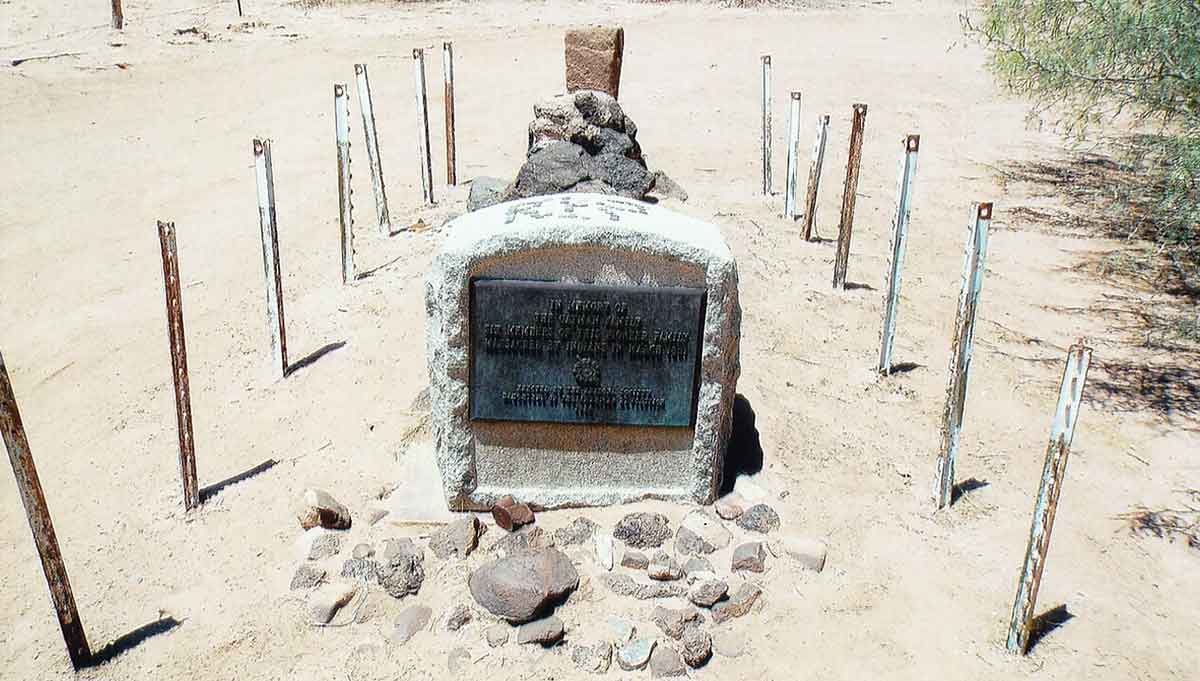
When Lorenzo regained consciousness, he found himself alone, surrounded by his dead and mutilated parents and siblings. He began making a slow journey back to the rest of the Brewsterite wagon train, which was about 50 miles away. He was found by two men who helped him complete the journey back to the rest of the group. With reinforcements, he returned to the site of what became known as the Oatman Massacre, where they interred the family and built a cairn. No one knew what had become of Olive and Mary Ann, but a terrible fate was assumed.
The girls were forced to walk to their new home over the next few days, sans shoes, over about 60 miles. Olive feared the threatening nature of their captors, and worried for her younger sister, who was in a state of shock and beaten when she refused to walk. The girls were turned into slaves and for the next year they foraged for food, lugged water, collected firewood, and completed other tasks for their captors. Beatings were a common occurrence.
Life Among the Mojave
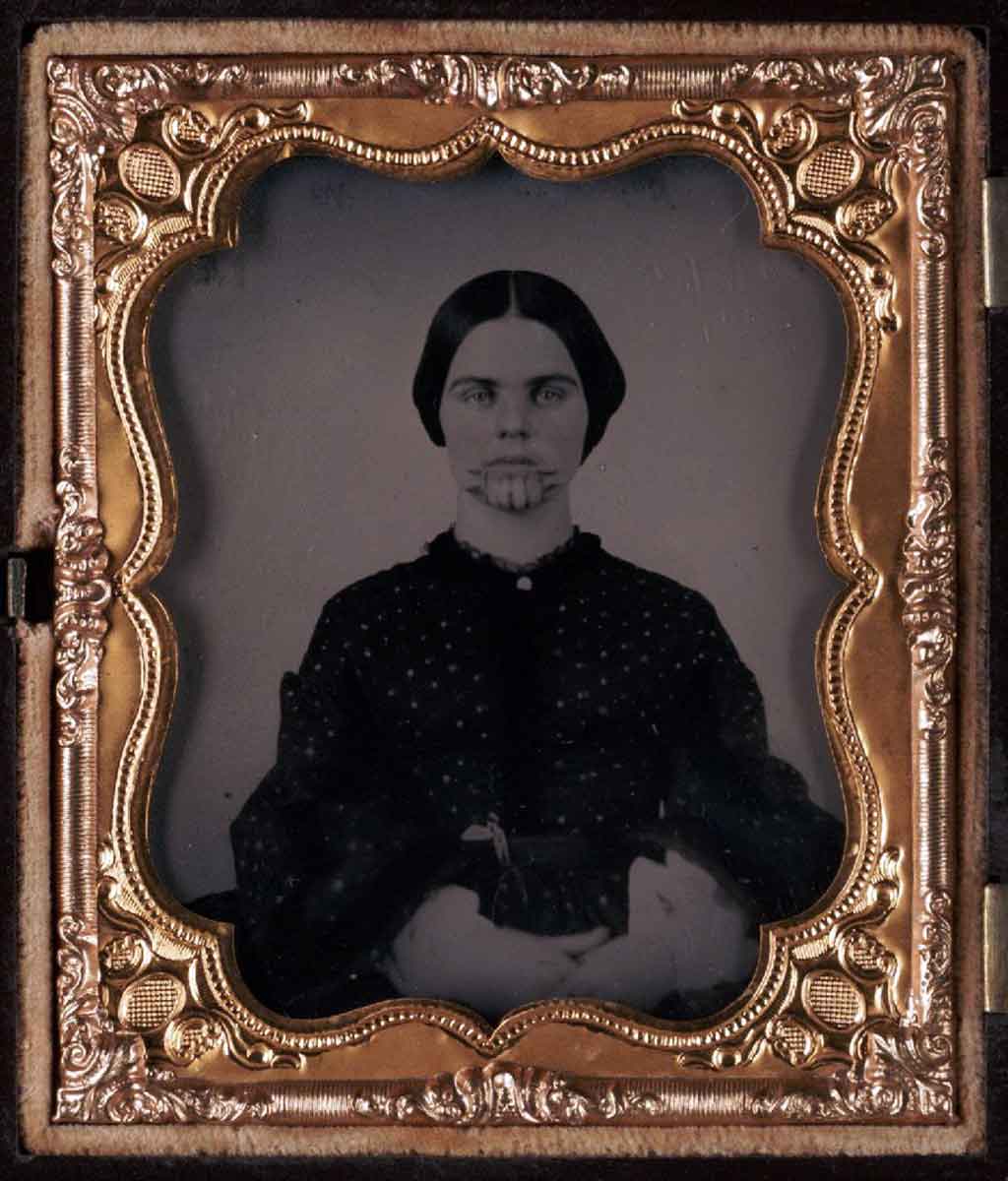
Olive and Mary Ann had no way of knowing that their lives were about to change drastically once again. A group of Mojave visited the Yavapai village where they were held on a trading stop. After some debate, the Mojave were able to purchase the two girls for two horses, blankets, vegetables, and beads. Olive and Mary Ann had no idea if life with their new captors would be worse than their current situation, or if there was hope for the future. The group traveled quickly, and the girls struggled on their journey back to the Mojave village. However, when this was observed, foot coverings were made for Olive and Mary Ann, and the trip slowed. This was just the first example of the improved treatment Olive and her sister would receive at the hands of their new masters. Rather than being treated as slaves, the girls were adopted into the tribe as family members, cared for and fed. They received blue facial tattoos that the tribe believed granted access to the afterlife. They learned the Mojave language and adopted tribal customs and dress. Sadly, Mary Ann died, along with several Mojave, during a drought that affected the region in 1855.
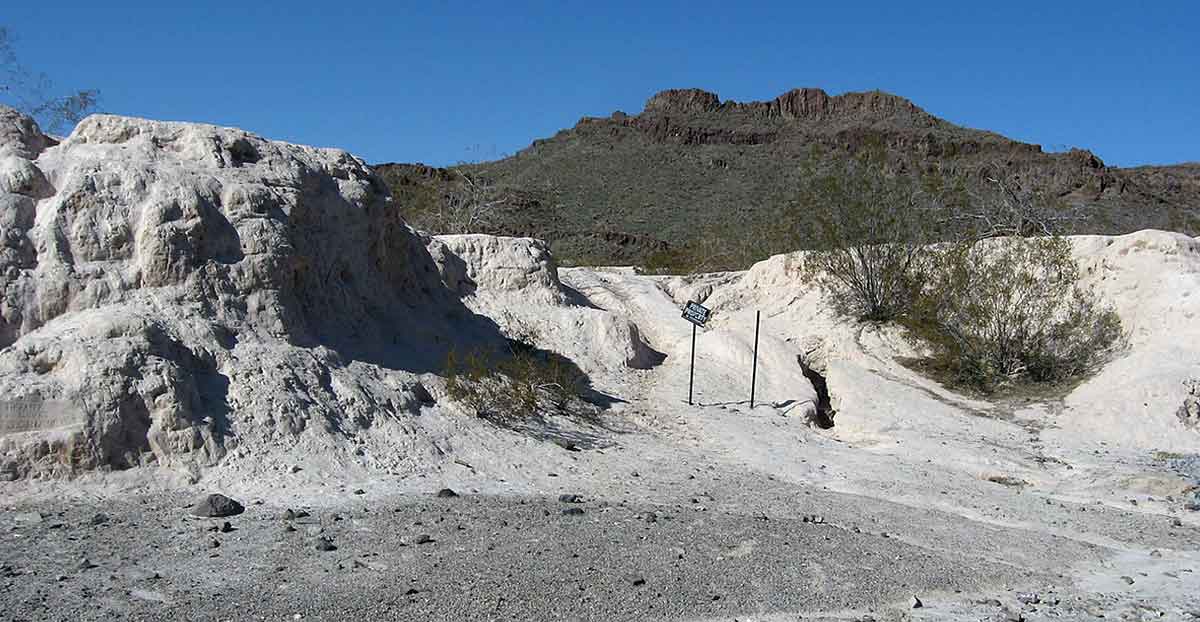
Rumors began to spread about the presence of a white woman among the Mojave, and Olive’s legend grew along with the concern that people would come looking for her. The Mojave willingly released the 19-year-old in 1856. Olive was brought to Fort Yuma, where she was soon reunited with her brother, Lorenzo. Lorenzo had been continuously making efforts to locate his sisters in the time since the attack, even undertaking scouting missions on his own.
Culture Shock
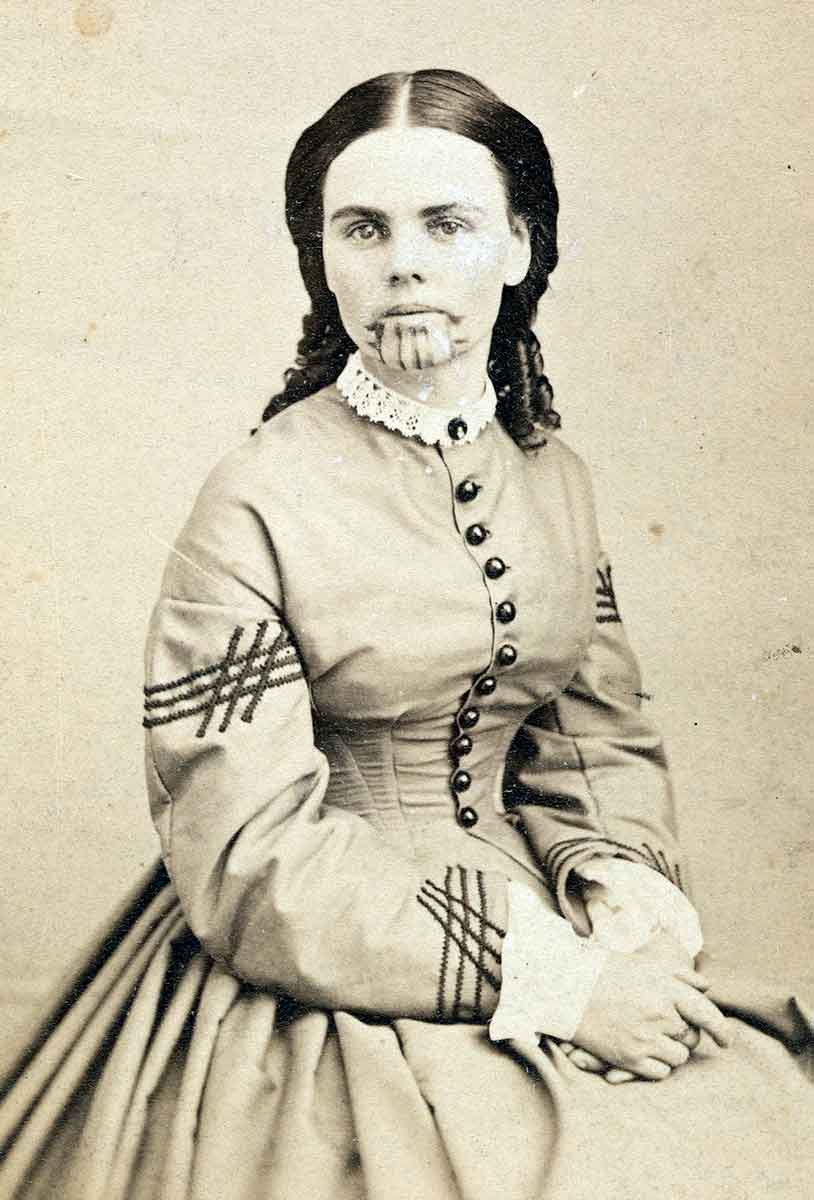
Olive’s return to white society was anything but discreet. She lived in California, then Oregon, where she attracted whispers about her time among the “Indians.” Returning to her previous life required Olive to re-learn a great deal, such as expectations of dress, behavior, and coming back to the English language. It was not an easy transition for her and she missed her Mojave family.
She and Lorenzo met Royal Byron Stratton, an author and minister. Stratton wrote a book about Olive’s experiences that received rave reviews. However, when it was published in 1857, the book was sensationalized and contained numerous erroneous facts. Still, Olive hesitated to correct the errors, and the book propelled her to further fame. She joined the lecture circuit and moved to New York.
While lecturing in Michigan, Olive met John Fairchild, a cattleman who connected with her and seemed to understand her tumultuous feelings about her experiences. The pair married in 1865. After the marriage, Olive stopped lecturing, and she and her husband made efforts to locate and destroy as many copies of Stratton’s book as possible.
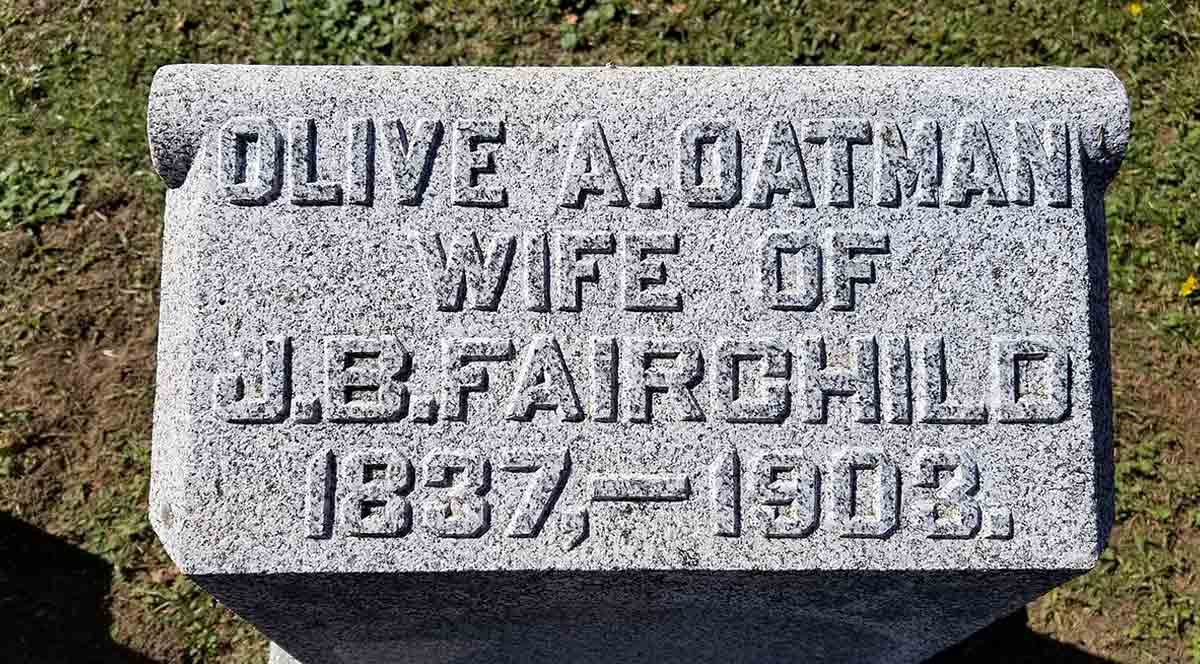
Though the book had made her famous, Olive was at odds with the inaccuracies within and her time in the spotlight as a result. In 1872, the couple moved to Texas, where they adopted a baby girl, Mary Elizabeth. Olive was welcomed into her new community, but she continued to struggle with her past trauma. She made efforts to cover her tattoos while in public and received psychiatric treatment, likely for post-traumatic stress disorder (PTSD) and depression. Olive Oatman Fairchild passed away as the result of a heart attack at age 65. She is buried with her husband, who died four years later, in Sherman, Texas.
Oatman in the Media
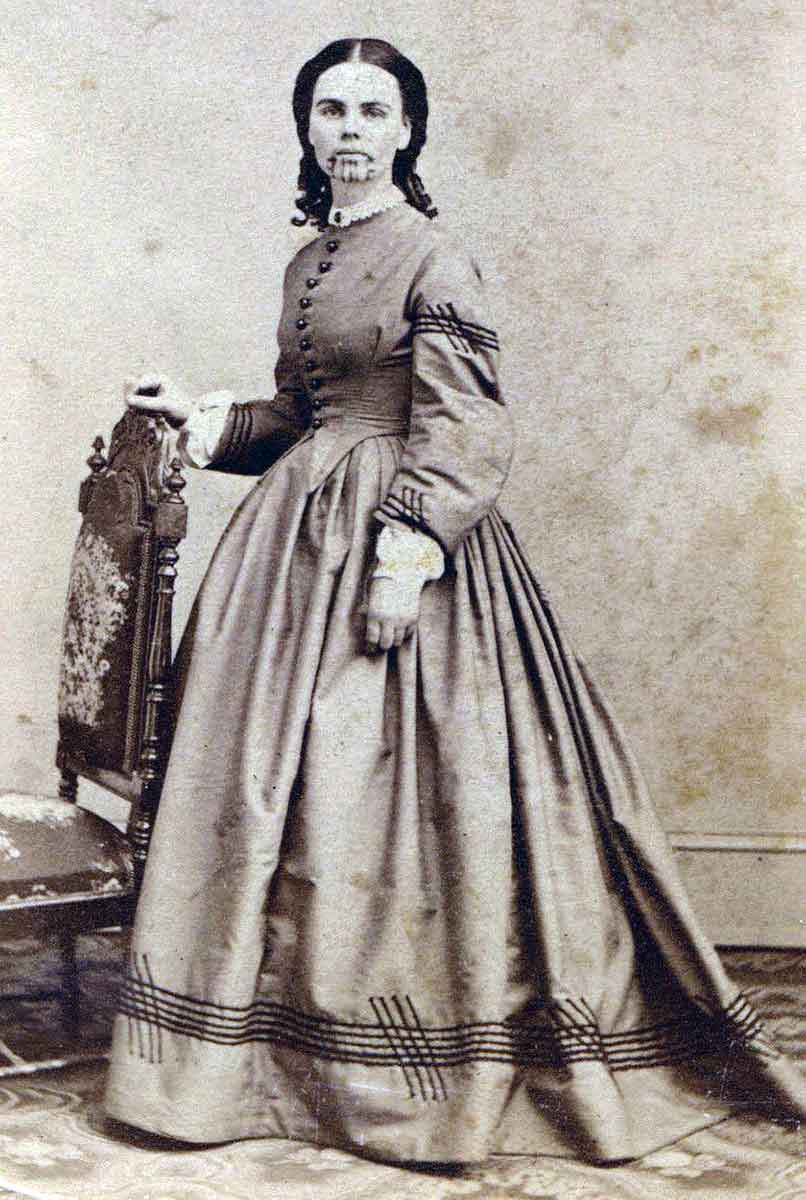
Olive Oatman has been portrayed in books and film on numerous occasions. Stratton’s book, Captivity of the Oatman Girls, included a great deal of misinformation, twisting Olive’s own words and blurring the lines between truth and fiction. More modern novels have followed, attempting to define these differences and incorporate new information that has since arisen. Oatman has been portrayed on television, with a character loosely based on her, down to the iconic facial tattoo, played by Robin McLeavy in AMC’s 2011-2016 series Hell on Wheels.
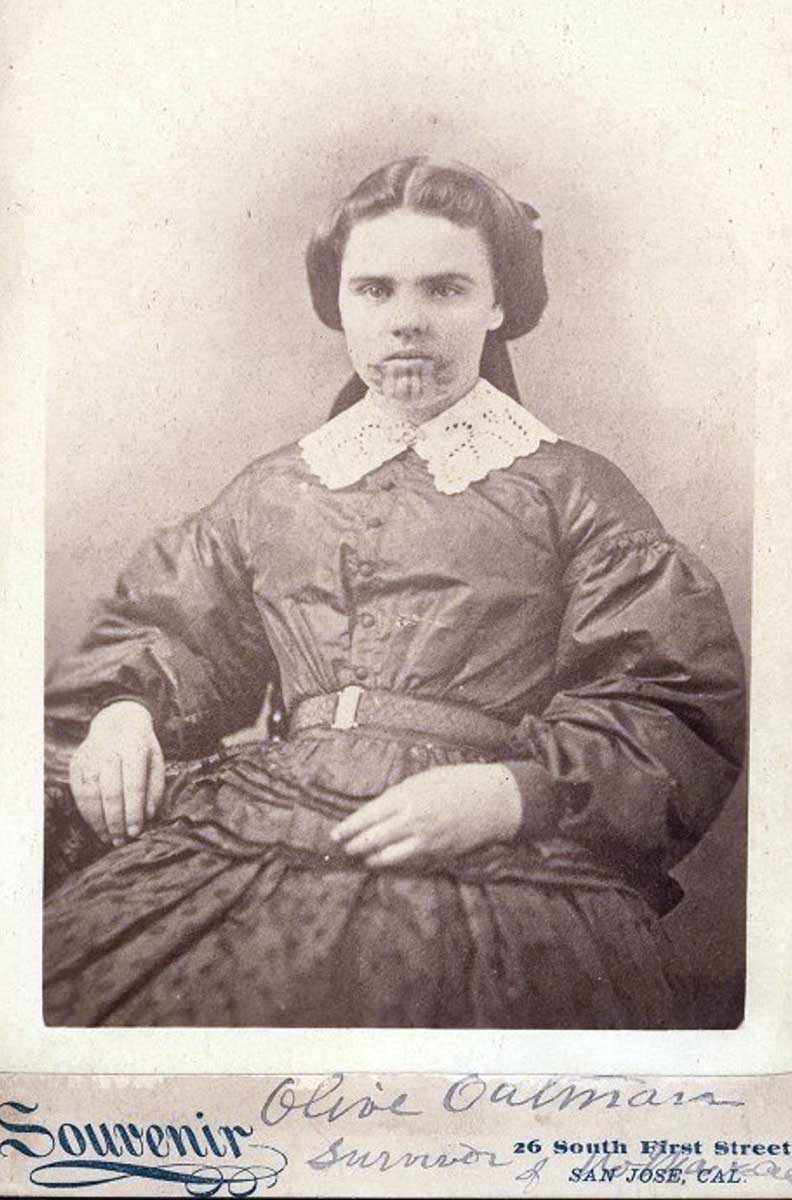
Olive Oatman’s life was one experienced through the lens of multiple cultures. The trauma she endured in her early life stayed with her, even as she returned to American society and tried to make a new start. Olive’s attempts to live a normal life were never completely successful as she was haunted by the emotions and memories of a tumultuous past. She lost pieces of herself as others made attempts to tell her story, and encouraged her to support the narrative. Lost in the sensationalism of the day and traumatized by her experiences, it is unknown whether Olive ever found the peace she yearned for.