
As American settlement in the West increased in volume, tensions between the US government and Indigenous peoples rose as well. One by one, as the US population moved east, tribes were pulled into conflicts with settlers and the US military. Genocide ensued. Indigenous peoples were killed, jailed, and placed on reservations, usually far from their original homelands. One of the last tribes to be subdued was the Nez Perce, living in the mountains of Oregon. The events leading to their defeat culminated in a desperate journey to a last hope for freedom.
This was the Flight of 1877.
1. The War Was a Fighting Retreat
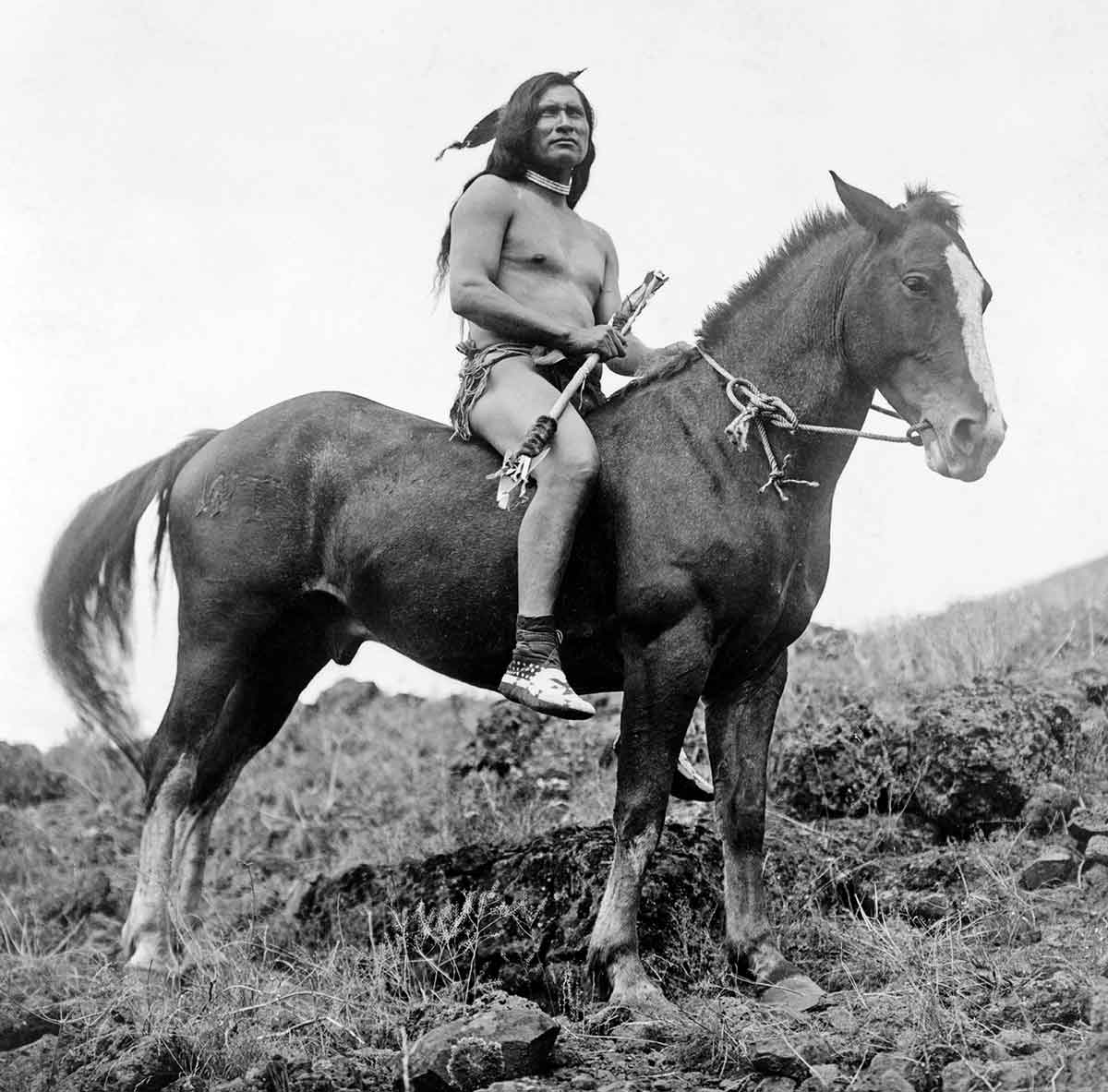
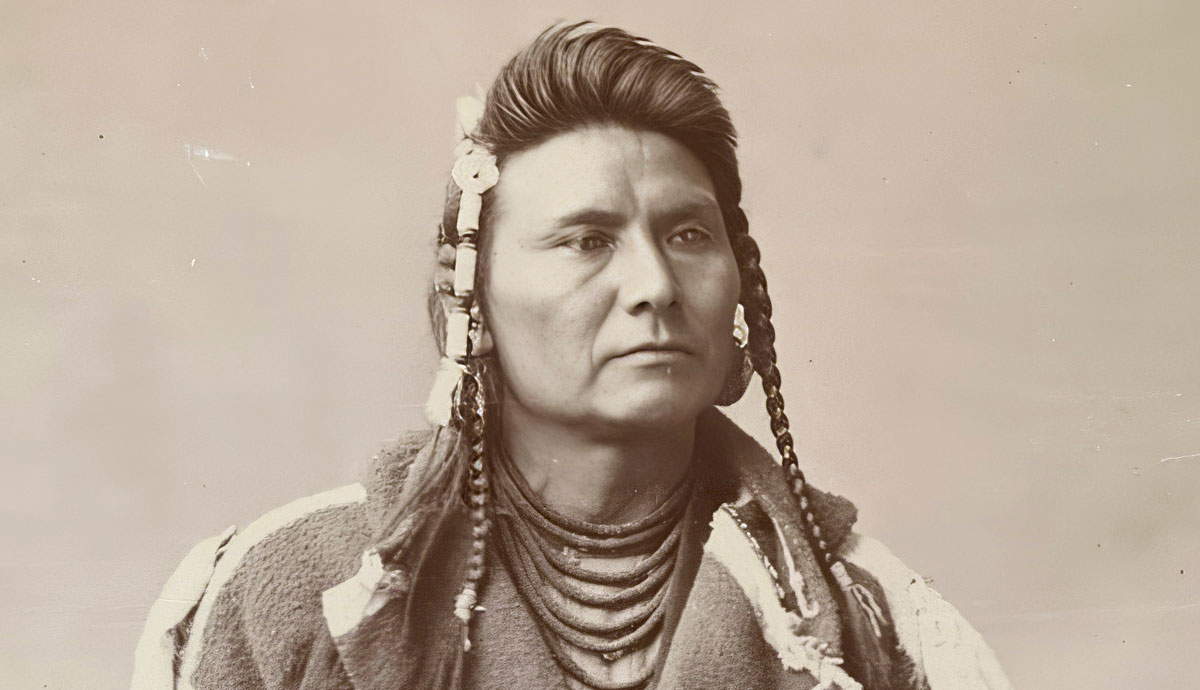
Beginning in the summer of 1877, the Niimiipuu, or Nez Perce, tribe was forced from its homeland in the Wallowa Mountains in Oregon. It was instructed to head to a reservation, but a band of about 800, led by Hinmatoowyahatqit, or Chief Joseph, refused to comply.
Instead, they wished to find a new homeland where they could continue to live in cultural freedom. They began their search but were interrupted by an angry US military. Eager to confine the group to the reservation system, the US soldiers pursued the Nez Perce. The loss at the hands of the Lakota and allied tribes at the Battle of the Greasy Grass the previous year had left the US government feeling the need to punish what they viewed as noncompliance.
As the Nez Perce crossed more than a thousand miles and four US states, over plains and mountains, they battled the pursuing US Army approximately twenty times, turning their exodus into a fighting retreat. This time period was referred to as the Nez Perce War.
The Nez Perce set their sights on Canada, but just forty miles short of the Canadian border, they were exhausted and depleted. With no options left, they surrendered to US forces on October 5, concluding four months of flight and signifying the end of the conflict.
2. Chief Joseph Is Often Confused With His Father
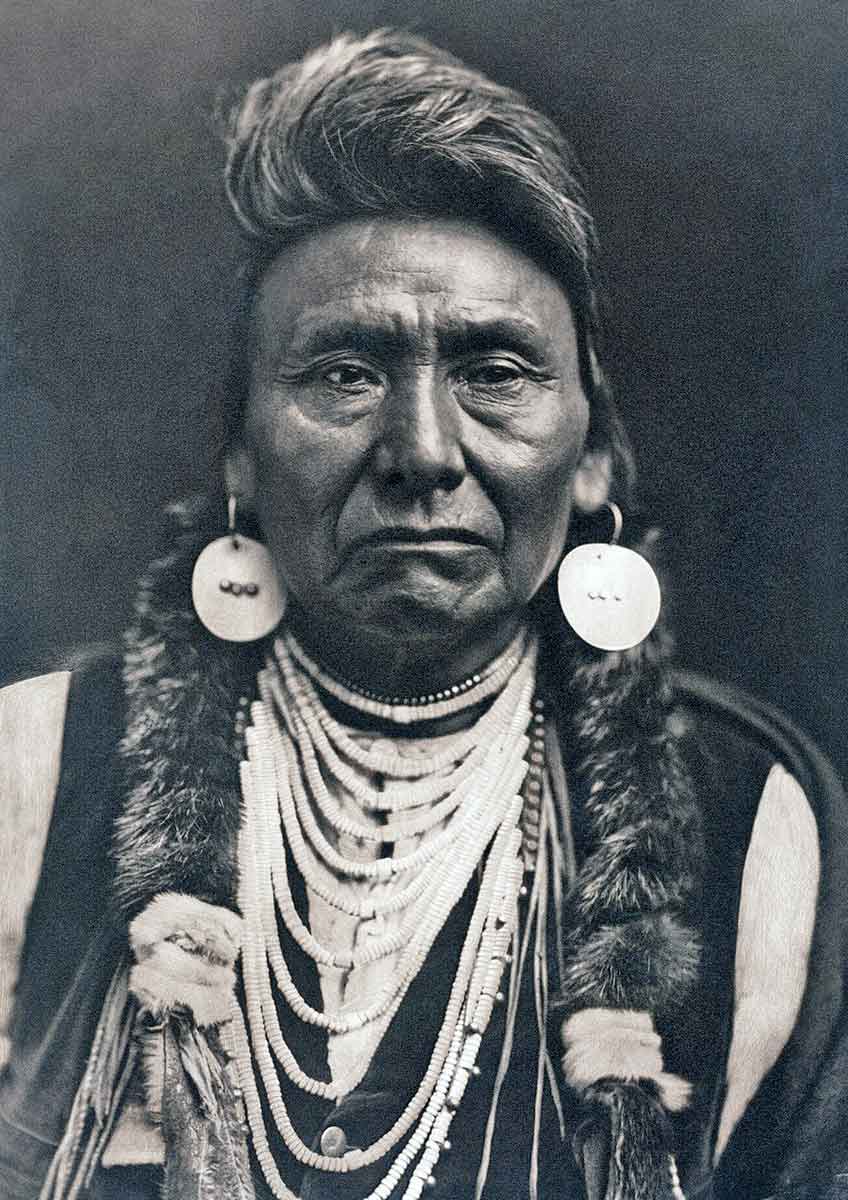
Sharing an anglicized name with his father, Chief Joseph is sometimes confused in history with his also influential father. His birth name, Hinmatoowyahatqit, roughly translates to Thunder Rolling Down the Mountain, and he was also referred to as Young Joseph as a child. His father, Tiwi-teqis, is sometimes referred to as Old Chief Joseph or Joseph the Elder and led the Nez Perce until his death in 1871, after which his son stepped in to lead. Joseph the Elder was baptized in 1839 but later renounced Christianity as he began dealing with the US government in treaty negotiations.
3. There Were Few Warriors
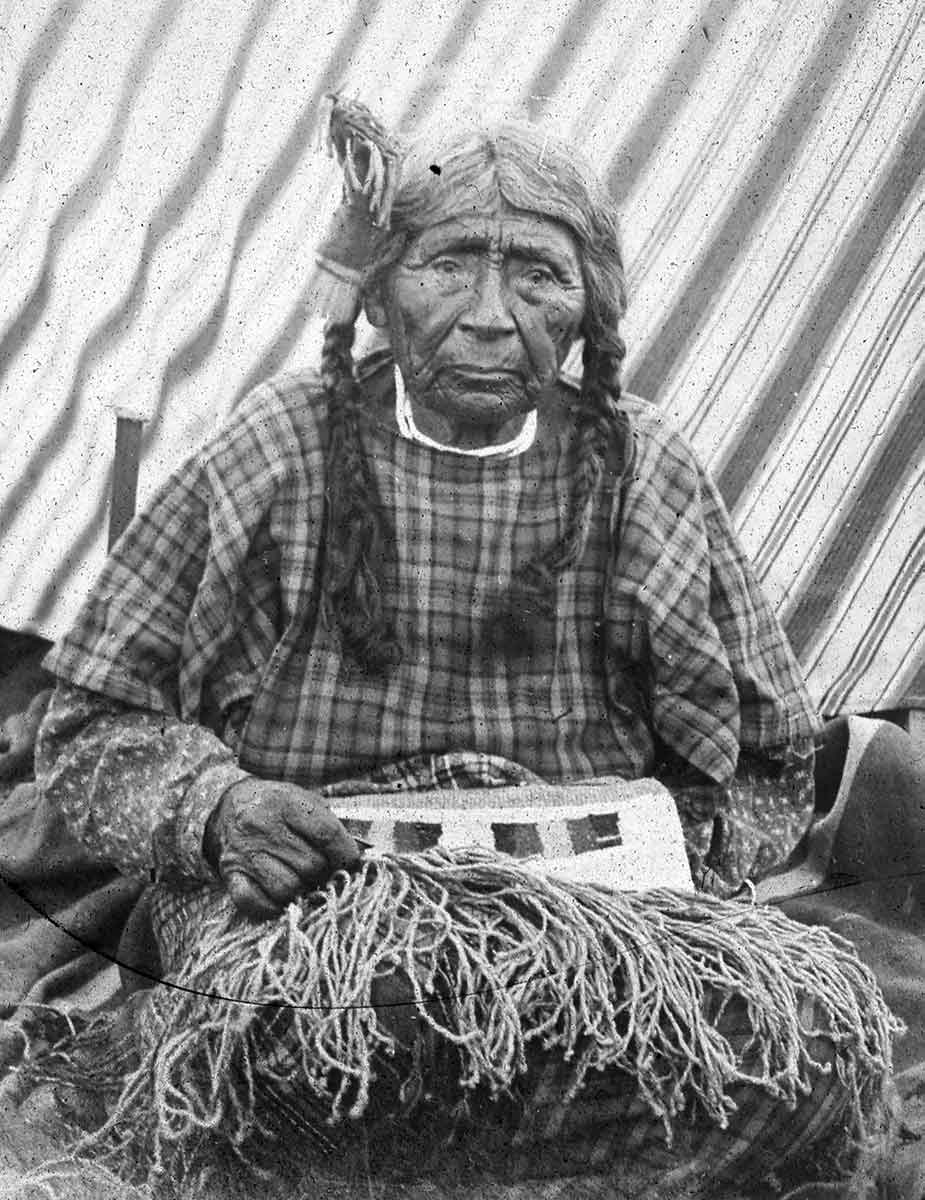
Though approximately 800 Nez Perce set out on the expedition to Canada, few of them were actually fighting men. About 250 warriors made up the entirety of the Nez Perce forces that participated in the battle engagements. On the opposing side, the US army and militia forces numbered approximately 2,000. The remaining Nez Perce camp was made up of noncombatants carrying everything they owned and herding more than 2,000 horses. By the time surrender came in October, about 200 of the Nez Perce had perished from exposure and other hardships on the journey.
4. The Man Who Gave the Nez Perce Their Ultimatum Was Viewed as a Hero for Equality
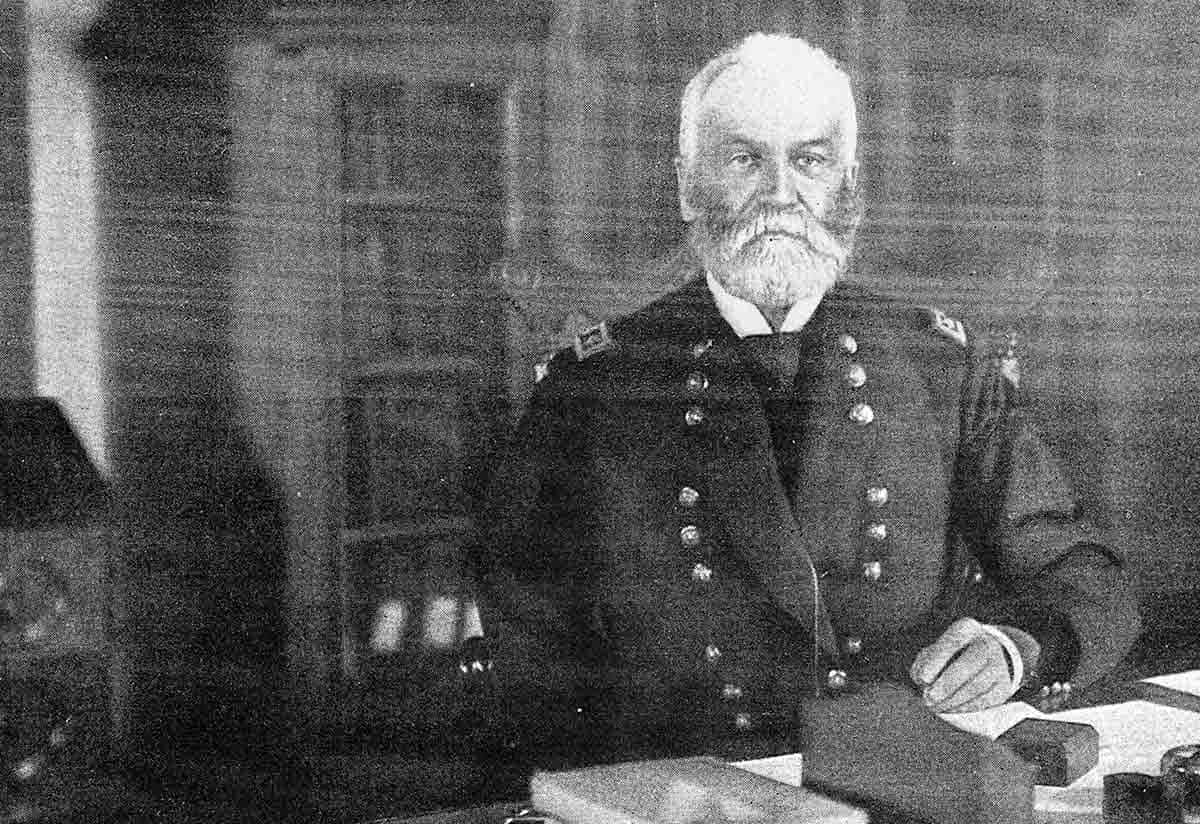
Oliver Otis, “O.O.” Howard was a Maine native and graduate of West Point. He was known as the “Christian soldier” due to his dedication to his faith. A Civil War veteran who lost an arm in the conflict, Howard was a Medal of Honor recipient. He was appointed Commander of the Department of the Columbia and, as a result, was responsible for arbitrating claims between US settlers and the Nez Perce. In 1876, he refused to recognize Nez Perce rights and began moving US troops to the area, anticipating conflict. In May 1877, he issued the ultimatum that would initiate the flight of the Nez Perce. Howard ordered all non-treaty Nez Perce people to the Lapwai Reservation in Idaho, with the consequence of military action for noncompliance. He was instrumental in the later pursuit of the tribe and participated in several battles.
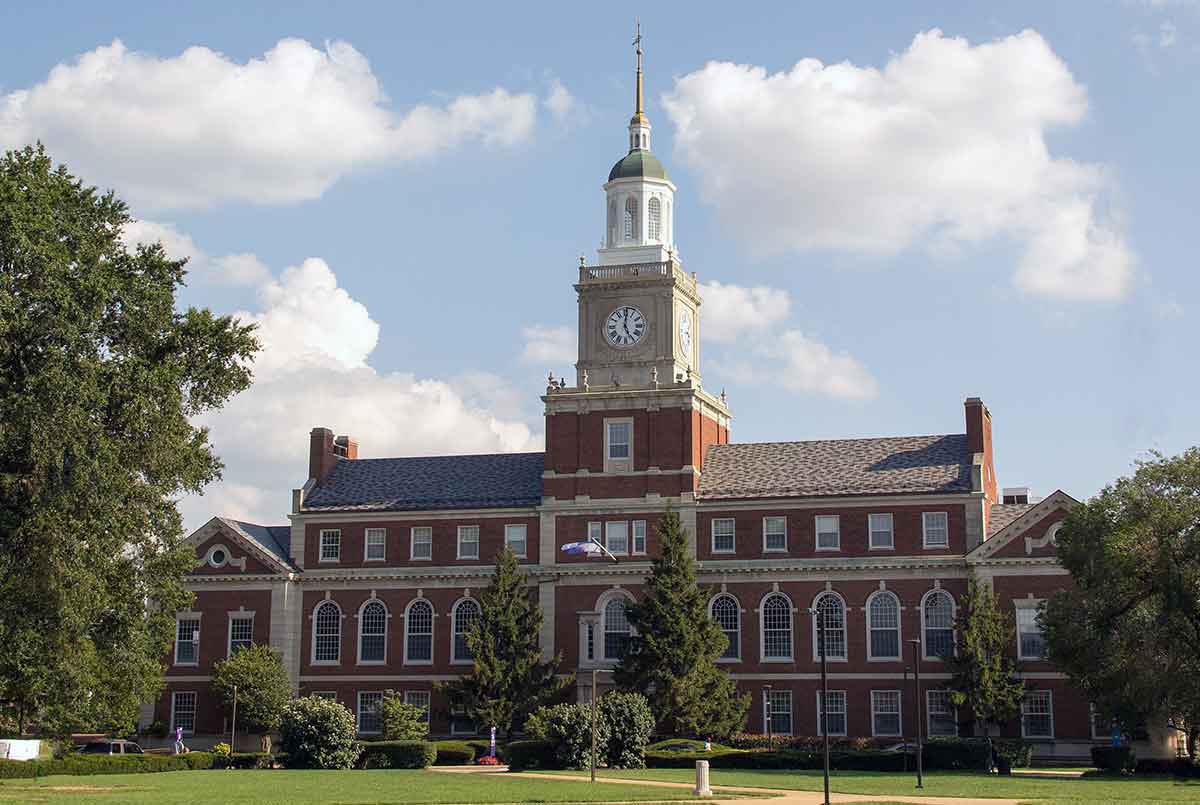
In sharp contrast to his approach to the Nez Perce, O.O. Howard is remembered by many as a historical figure who was a champion for equal rights. Howard was a staunch abolitionist and, after the Civil War, was appointed the Commissioner of the Bureau of Refugees, Freedmen, and Abandoned Lands. The Freedmen’s Bureau, as it was commonly referred to, helped address the obstacles facing newly freed slaves as they attempted to integrate into society. The mission of the Bureau was to ensure equality for African Americans throughout the United States in work, land ownership, and education. In 1867, Howard helped establish Howard University and served as its president from 1869-1873. A historically Black college that is still in existence today, Howard University was built in Washington, DC, and as of 2024, was considered one of the top 100 universities in the nation.
5. Chief Joseph Gave a Famous Speech
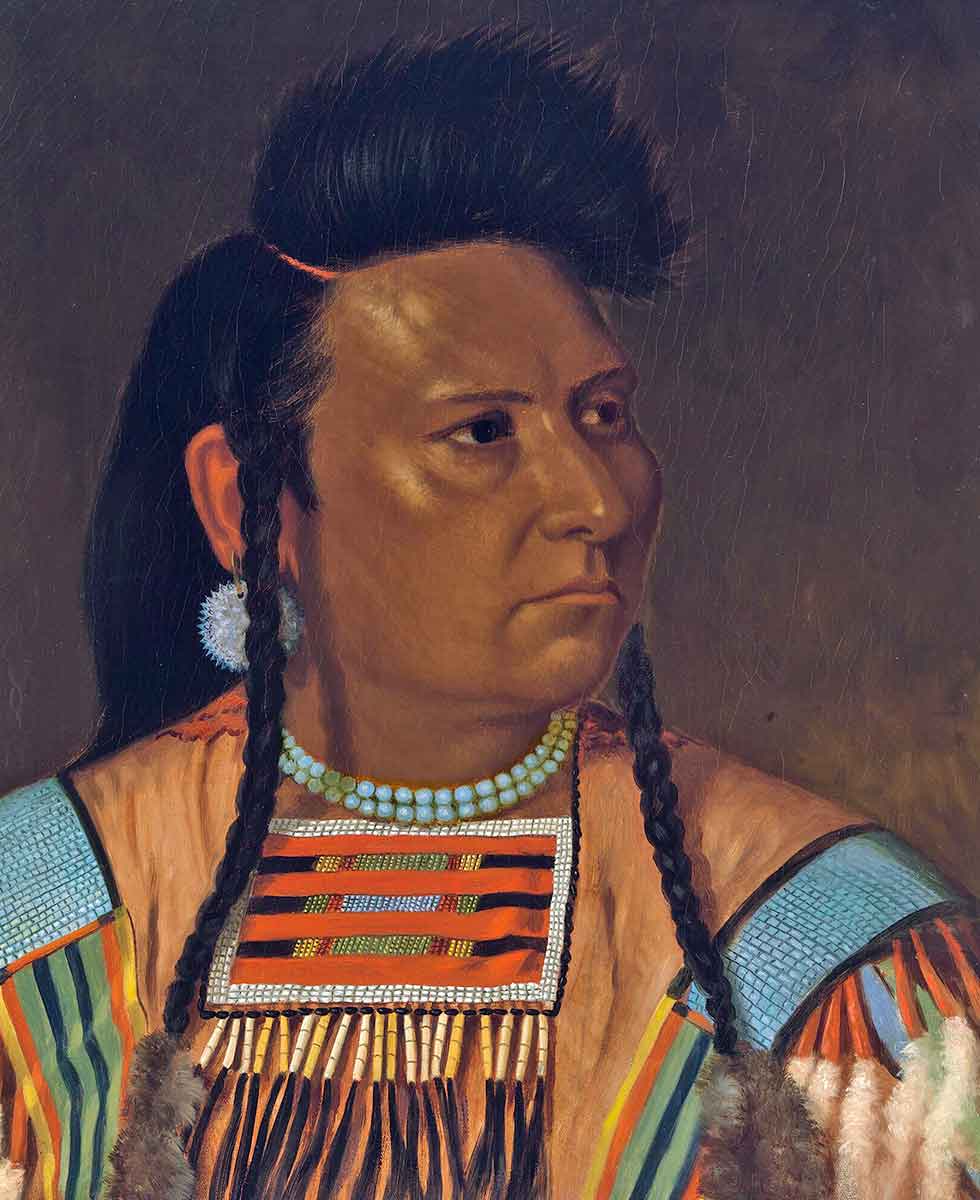
At the surrender, Chief Joseph delivered a brief but impactful speech to the army officers, including General Nelson Miles, who handled the surrender. In the dialogue, Joseph laments the situation his people are in—the death of the elderly on the journey, the suffering of children in the cooling weather, and his tribe’s lack of resources, including food and clothing. The last line of the speech is the one most often memorialized: “From where the sun now stands I will fight no more forever.” His words helped create Joseph’s legacy as a man of reason who advocated for his people until the end, work that would continue for the remainder of his life.
6. Some Did Escape
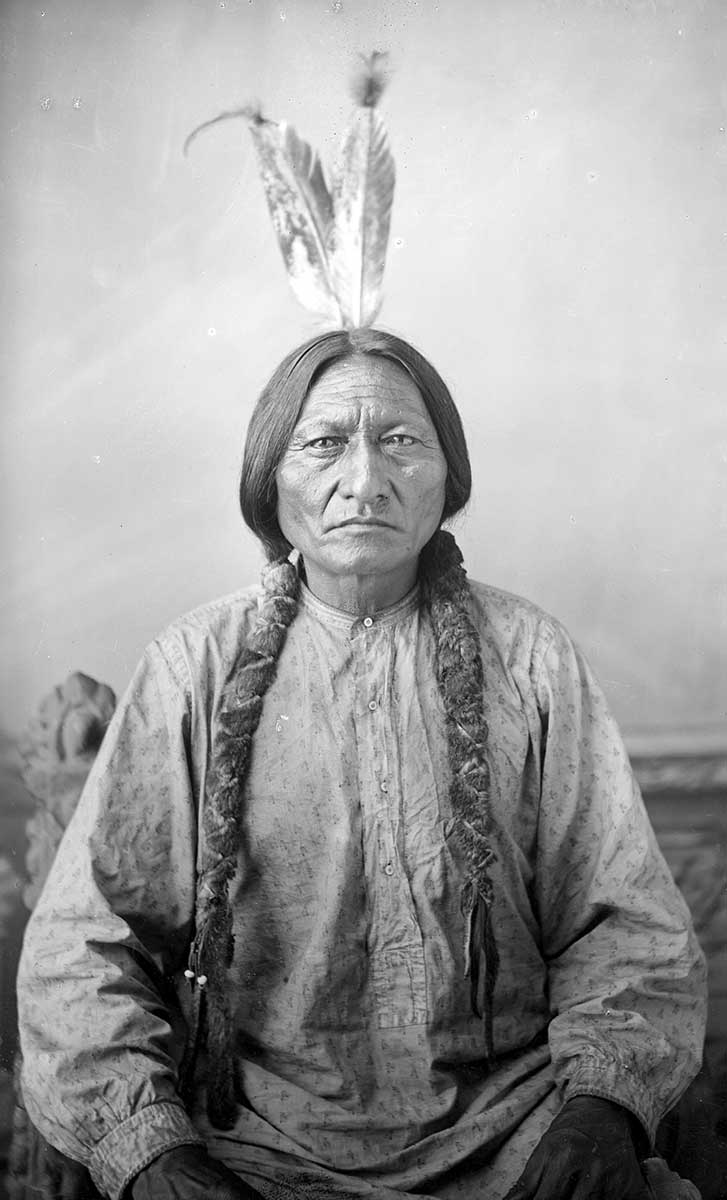
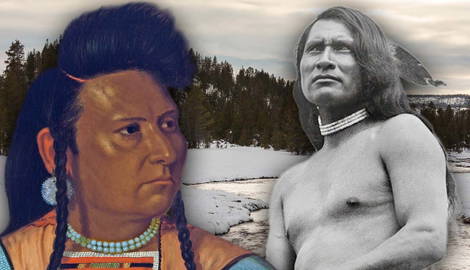
Under the leadership of Chief White Bird, approximately 300 Nez Perce escaped to Canada after the surrender. Near Saskatchewan, they located a Lakota Camp that was home to Sitting Bull and his people, and were welcomed. Though the Lakota were historical enemies of the Nez Perce, they supported the newly arrived refugees, sharing their meager resources. Some of the Nez Perce, including White Bird, chose to remain permanently and start new lives in Canada, while others eventually returned to the United States to be reunited with their families on the reservation.
7. A Change in Climate Killed Many
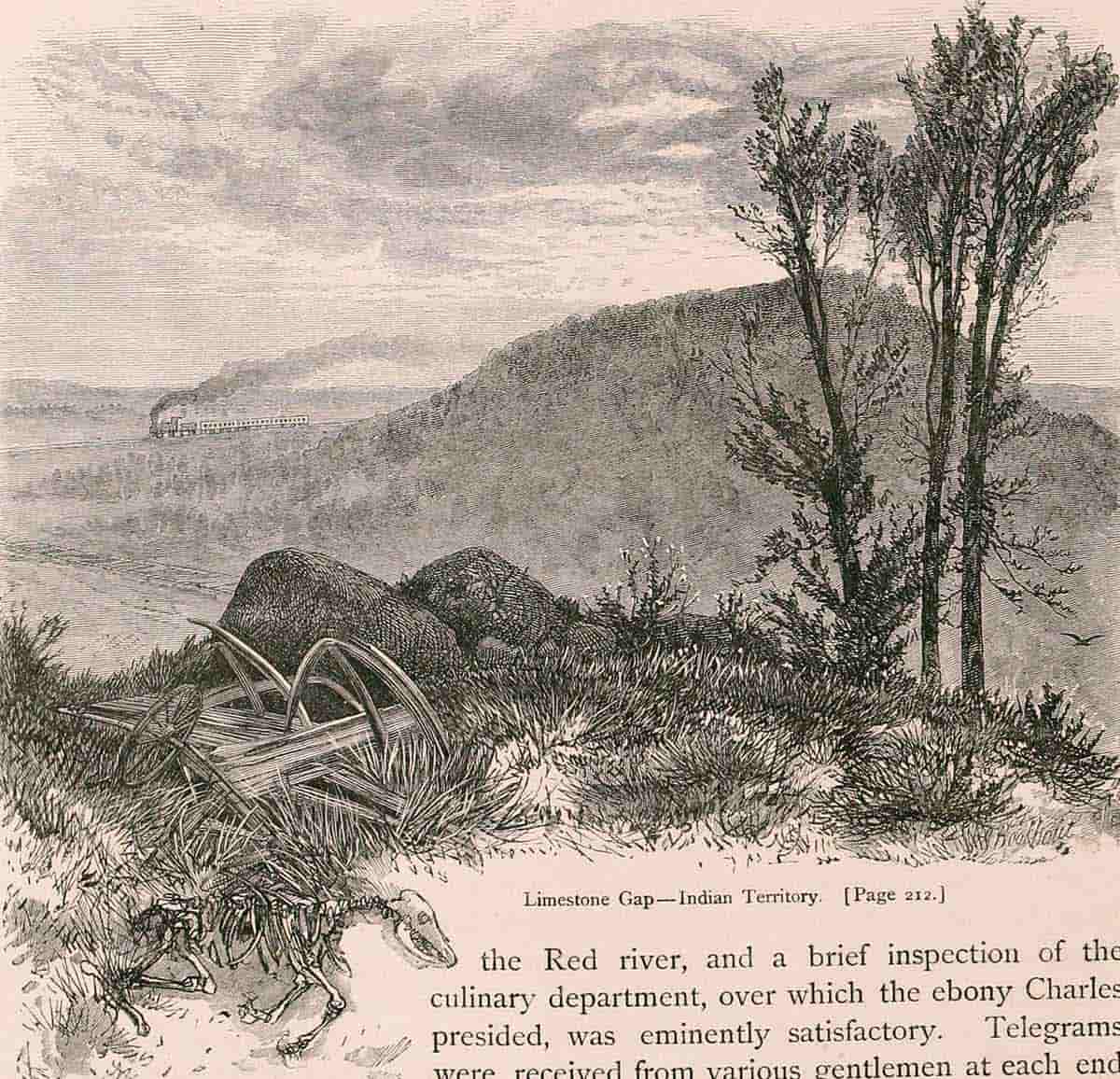
After they surrendered, the Nez Perce believed they would be resettled in Idaho, per Howard’s original order, near their original homeland in the Pacific Northwest. However, they were first deported to Leavenworth, Kansas, then to Indian Territory in Oklahoma. This vast change in climate from that of their homeland resulted in health complications for many of the people.
According to Himin Maqsmaqs, or Yellow Wolf, the main challenge of the Nez Perce’s captivity was the temperature and weather. He cited the death of most of the newborn children and many of the elderly as a direct result of the climate. The hot, flat locale was a stark contrast to the mountains, cool air, and water features of their home territory. Eventually, the Nez Perce were allowed to return to their original region and placed on reservations in Idaho and Washington State, though they were still many miles from their homeland, forbidden to return. Chief Joseph never saw his home again, passing away on September 21, 1904. His doctor listed his cause of death as a “broken heart.”
8. You Can Follow the Nez Perce Path Through Yellowstone Today
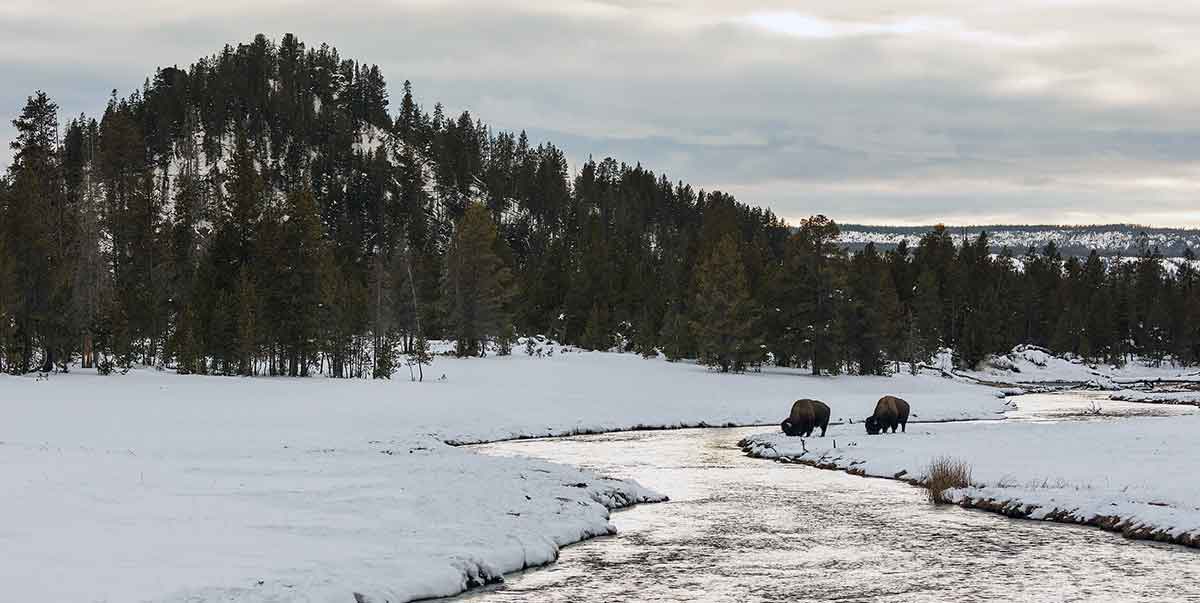
Well over a century later, visitors to Yellowstone National Park can follow parts of the Nez Perce’s flight route. The Nez Perce entered the park in August 1877 and encountered tourists along the way. Several sites in the park are named for the tribe, including Nez Perce Creek and Nez Perce Ford, where they crossed the Yellowstone River. Wyoming Highway 296, leading to the park, is also referred to as the Chief Joseph Scenic Byway.
9. Though Scattered, the Nez Perce Remain
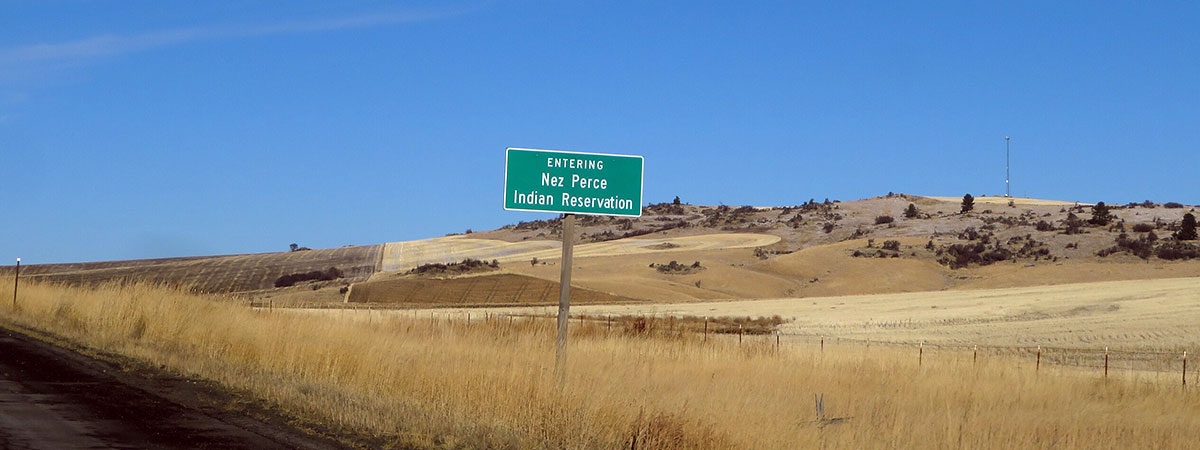
Though they were confined to scattered reservations, the Nez Perce people persevered. Today, the Nez Perce is a federally recognized tribe with more than 3,500 members living throughout the United States and Canada. Many continue to live on the reservation in Idaho, but Nez Perce communities are located throughout the country in Oklahoma, Kansas, Washington, Oregon, Montana, and Canada.