
Benito Mussolini and Adolf Hitler are the defining figures of 20th-century fascism. Together, they managed to conquer almost all of Europe before they were eventually overwhelmed by the Allies. Hitler and Mussolini remained close even in the final stages of the war. Following the collapse of Italy in 1943, Hitler authorized a daring raid to free Mussolini from his mountain prison. Two years later, Mussolini would be captured and executed days before the end of the war. The news reached Hitler a day before he committed suicide. Historians have examined whether the two incidents were directly linked.
Background: Hitler and Mussolini’s Relationship
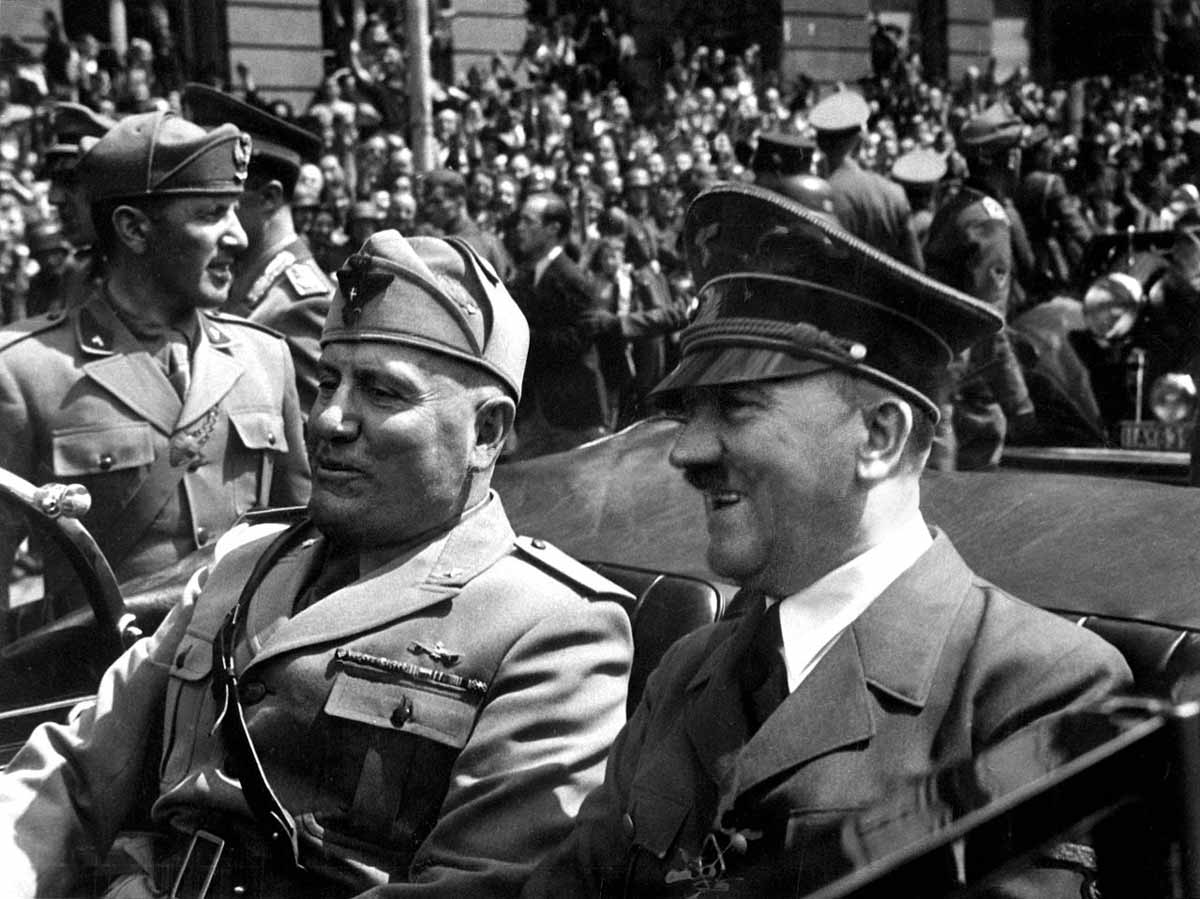
Hitler and Mussolini emerged as fascist leaders within years of each other. Mussolini was much more successful in his first attempt, the 1922 March on Rome. Inspired by the fascist takeover of Italy, Hitler’s Beer Hall Putsch attempted to do the same to Germany in 1923. However, a more stable political system meant the coup was easily stopped by the Weimar Republic.
When the Nazis took power a decade later, Italy and Germany began to align themselves together more strongly. However, there were initial barriers to the union, such as views on race and the interpersonal relationships of Hitler and Mussolini.
As tensions continued to rise between Germany and the rest of Europe, Mussolini began to push Italy away from France and Britain in favor of anti-communist agreements with Hitler. Eventually, the Führer was able to pressure Mussolini to enact anti-Jewish legislation in 1938, which was, for the most part, unpopular in Italy.
Mussolini proved himself a valuable ally to Hitler at the Munich Conference. He persuaded the Western powers that he would be able to keep Germany in check while simultaneously helping Hitler achieve all of his goals in Czechoslovakia.
In 1939, the alliance between the fascist powers was cemented in the Pact of Steel, committing the two countries to prepare for a European war. A big issue was that this war was planned for 1943, a timeline Mussolini had to stick to when rearming Italy.
The First Cracks Appear
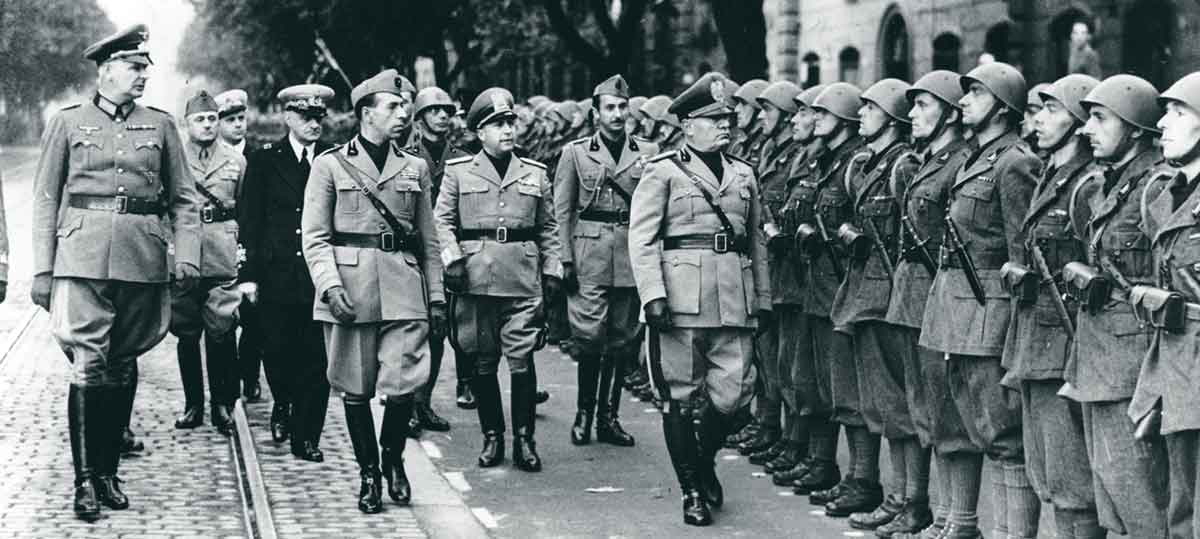
Because of Hitler’s aggressive expansion and the shock of war breaking out in 1939, Italy was not ready to fight a global conflict. To give the Italian army time to prepare, Mussolini waited a whole year before joining Hitler’s war in June 1940.
This lack of preparedness proved disastrous for Italy. Campaigns in Greece and Yugoslavia quickly stalled, requiring German help to invade. In North Africa, Italy’s sole colonial possession of Libya was soon overrun by ragtag Free French forces and the British, striking from Egypt. The Italian army also suffered when supporting German troops, especially with poor treatment from their German counterparts. Italian divisions on the flanks were targeted by the Soviet Union when it tried to surround the German Sixth Army at Stalingrad.
These defeats infuriated Hitler, who resented having to come to Mussolini’s defense so often. The disastrous military campaigns had also soured the will of the Italian people, who felt alienated by what they claimed was a war Hitler had forced Mussolini into joining.
Despite these frustrations, however, the bond between the fascist leaders came closer. As the tide shifted from the Axis to the Allies, Hitler and Mussolini found themselves increasingly relying on each other for legitimacy and belief in fascist doctrine.
The oncoming collapse of Italy’s defenses would soon change this, as Hitler finally gave up trying to work with his Italian neighbor.
1943: The First Collapse
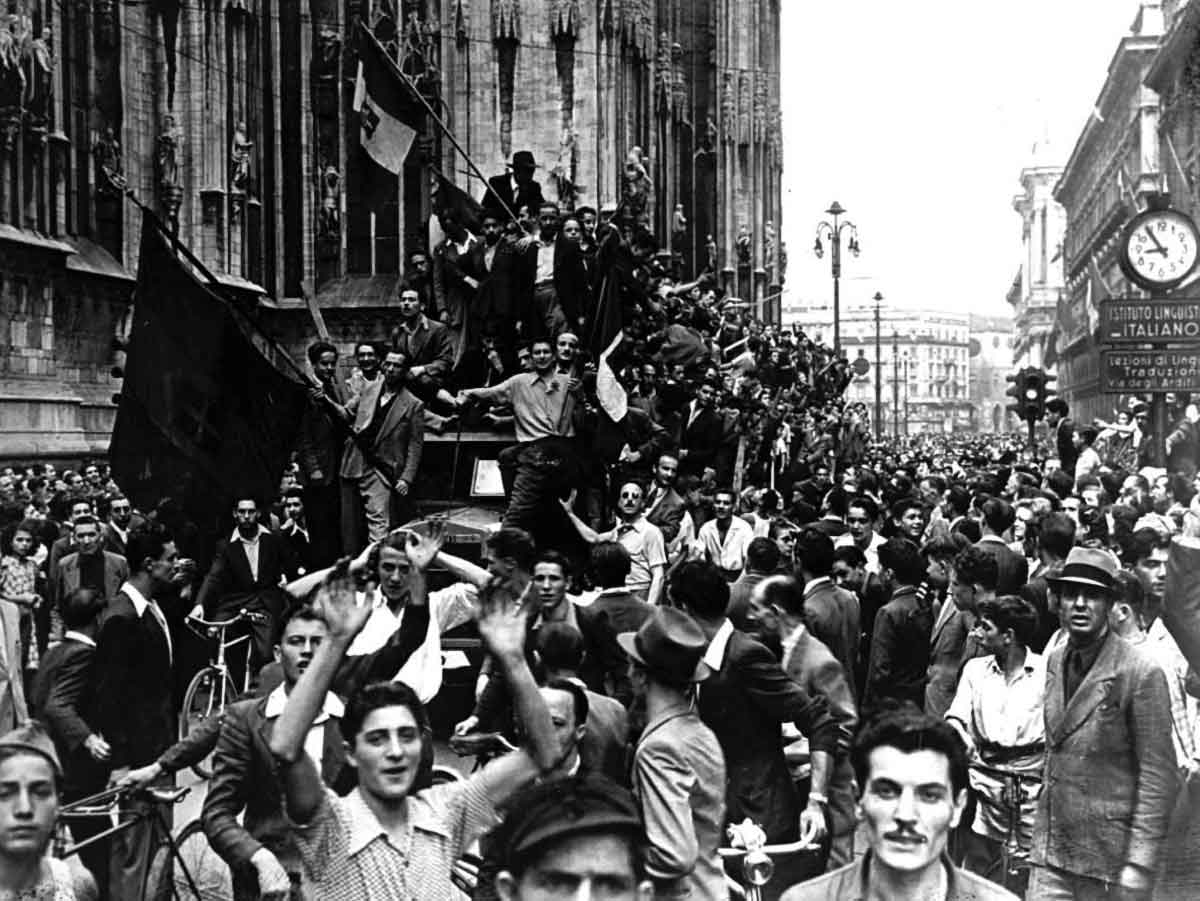
The collapse of Hitler and Mussolini’s alliance began in 1943 following the Allied invasion of Sicily. With the Italian defenses quickly crumbling, Mussolini’s close advisors realized that the war was lost. Even before the Axis defenders on the island were overwhelmed in less than a month, the Italian Gran Consiglio del Fascismo (Fascist Grand Council) voted 19-7 to depose Mussolini.
King Victor Emmanuel III resumed full authority, and a new government under Marshal Pietro Badoglio was formed. They instantly began to negotiate an armistice agreement with the Allies, hoping to secure better peace terms by severing their ties with Fascism and the Duce. In the meantime, Mussolini was placed under arrest.
Not wanting to lose his southern ally and hoping to keep fascism strong in Europe, Hitler quickly decided to regain control. The German forces rushed to occupy and disarm the Italian army, causing the new Italian government and the king to flee to the Allied-controlled south.
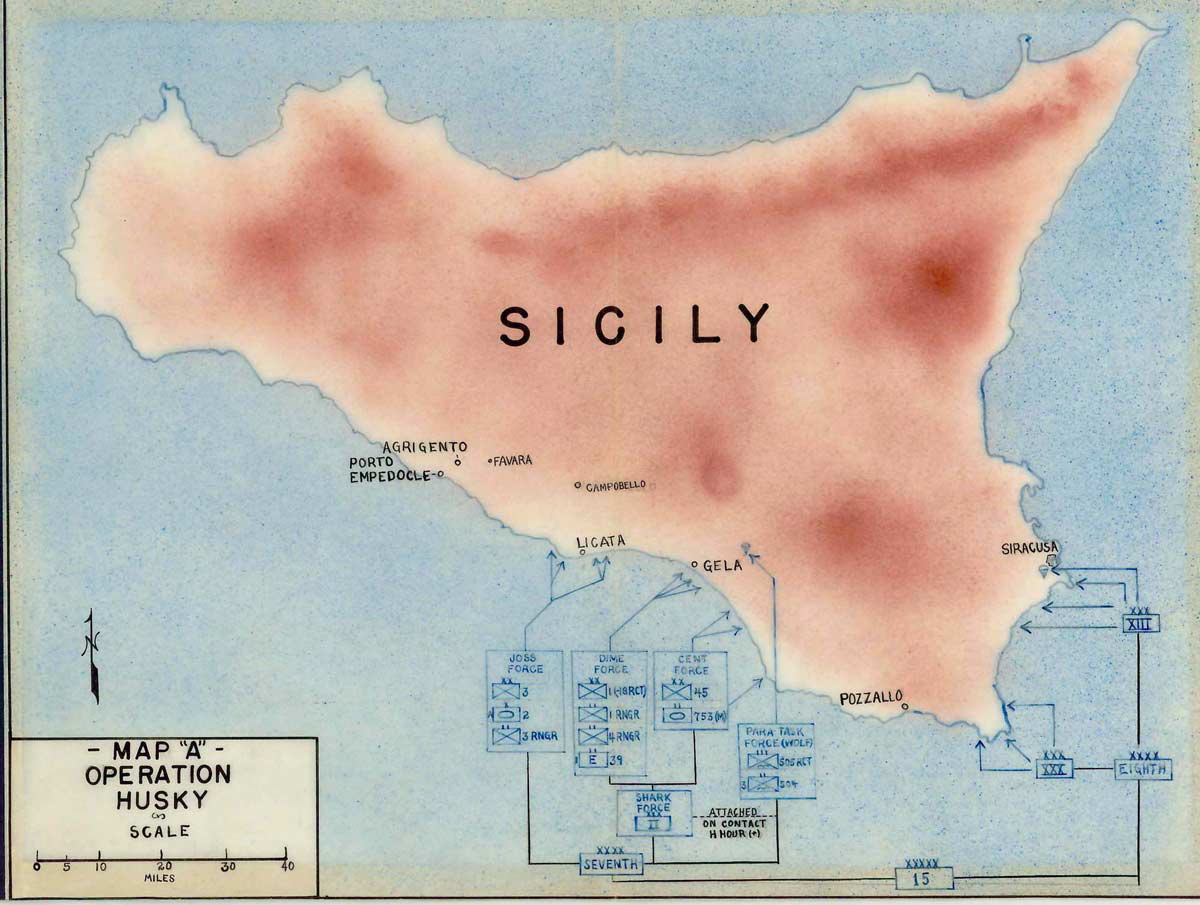
However, Hitler refused to allow Mussolini to be handed over to the Allies. A daring Waffen SS raid rescued Il Duce from his mountain prison at Gran Sasso. Hitler personally ordered the operation, knowing that a face of fascism could not be made to stand trial in a Western court.
Mussolini was flown straight to Berlin, where he met with Hitler, and his rescue was hailed as a dramatic success for the fascist powers. In a year when the tide of war had rapidly shifted against the Axis, the idea of Mussolini returning to lead a new Italy was touted by Germany’s propaganda experts.
From then on, the relationship between Hitler and Mussolini turned from allies to captors and prisoners. The Italian leader was effectively held hostage by the occupying German forces. The portion of Italy that Germany invaded was declared the Republic of Salò, with Mussolini as its puppet leader.
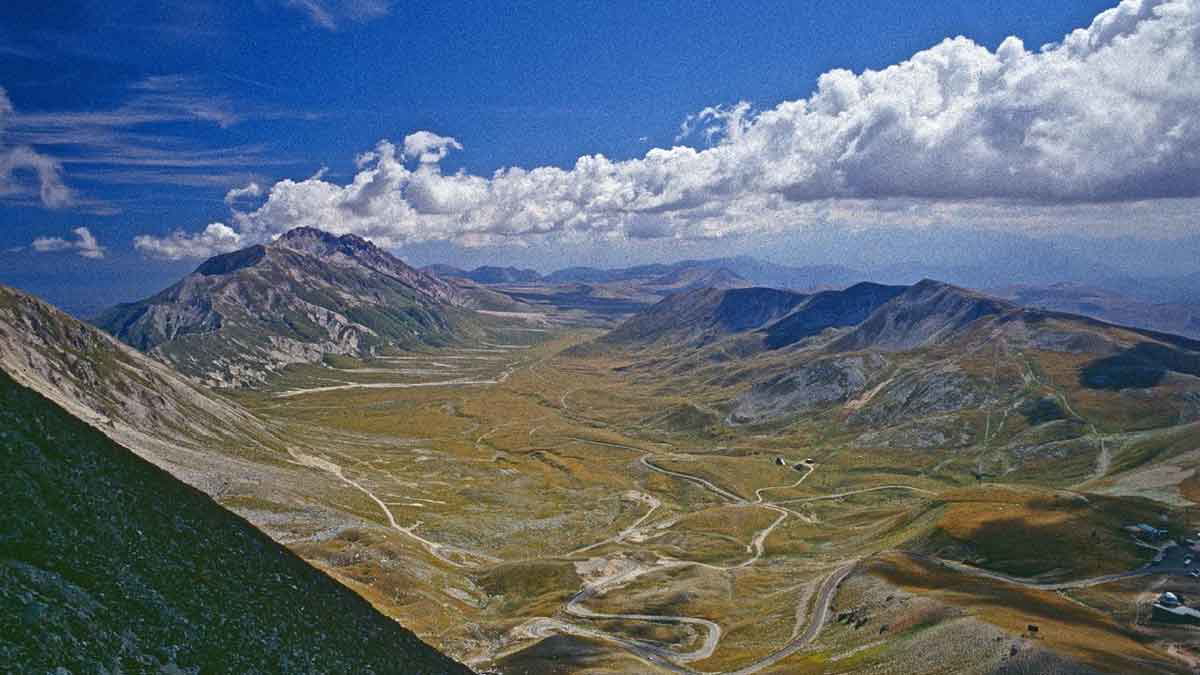
These events were the start of the brutal Italian campaign, where, for nearly two years, the Western powers and their new Italian allies repeatedly tried to break through the German defenses. This would all come crashing down days before the war itself ended.
Mussolini’s Escape and Execution
By April 1945, both Hitler and Mussolini were in the final month of their lives. The Allies had managed to break through German defenses, and the Republic of Salò looked primed to collapse.
Realizing that he was soon at risk of being imprisoned again, Mussolini decided to flee northwards to the closing pocket of German resistance. On April 27, he left as part of a convoy of retreating Germans with his mistress, Claretta Petacci, aiming to reach the border with Switzerland.
As the convoy reached a village near Lake Como, it was ambushed by local partisans. They let the German soldiers pass but made them hand over any Italians in their company. Eventually, they discovered Mussolini and his hoard of treasure. The former Italian Duce, Petacci, and the rest of their retinue were taken to a nearby house and imprisoned there.
The following day, the partisans decided to summarily execute Mussolini and his mistress. The common understanding is that they sent a partisan man named Walter Audisio (known by his nom-de-guerre Colonel Valerio) to the town of Dongo, where Mussolini was being held, to carry out the assassination. In front of the townhouse they were kept in, Benito Mussolini and some of those who had helped him lead Italy for over 20 years were shot.
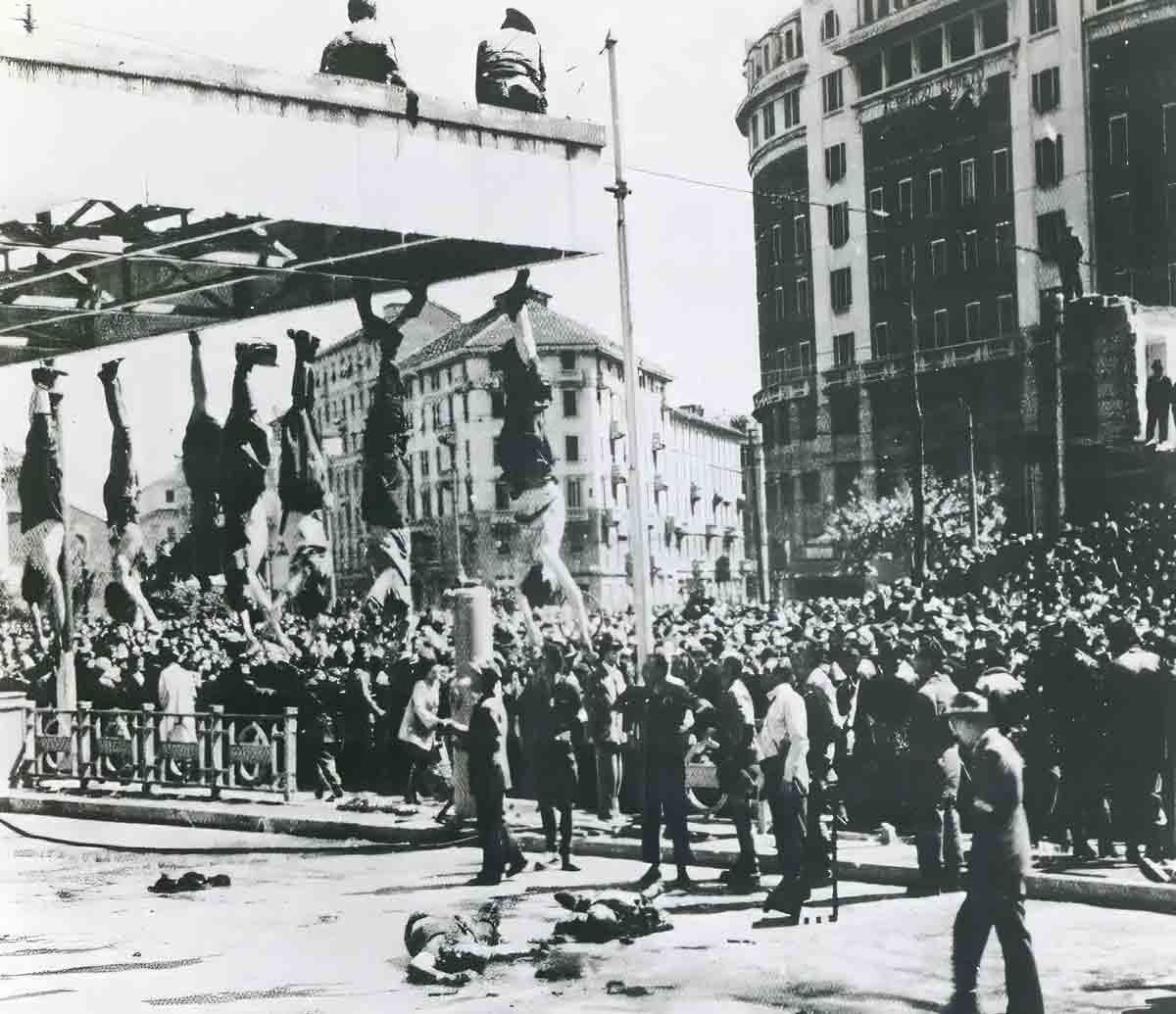
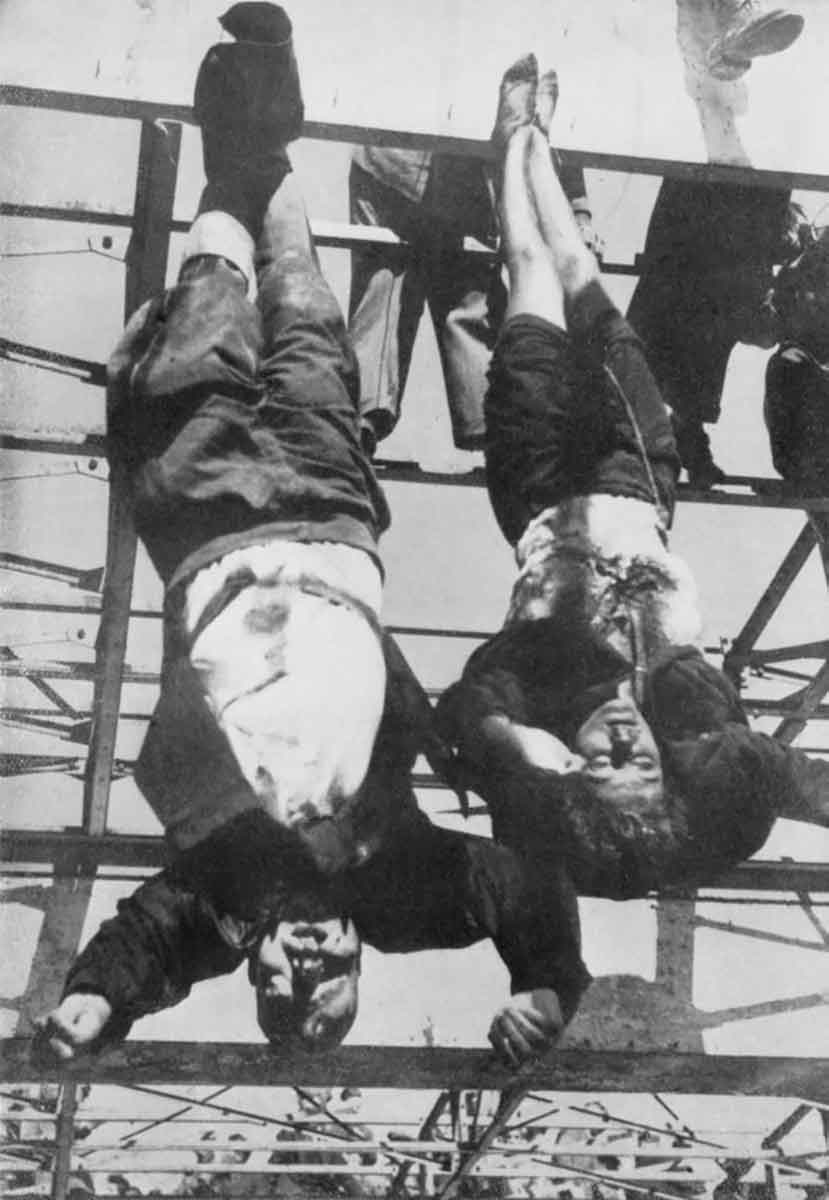
Their bodies were moved to Milan and hung from the central Piazzale Loreto. A common myth is that their bodies were tied to a lamppost when, in reality, it was a girder from a petrol station. The events surrounding the assassination have been shrouded by conspiracy theories ever since.
The next day, the German occupying force of Army Group C and its Italian fascist supporters surrendered. Their capitulation would become effective on May 2, 1945. Hitler and Mussolini would both be dead within a few days of each other.
Hitler’s Reaction to Mussolini’s Death
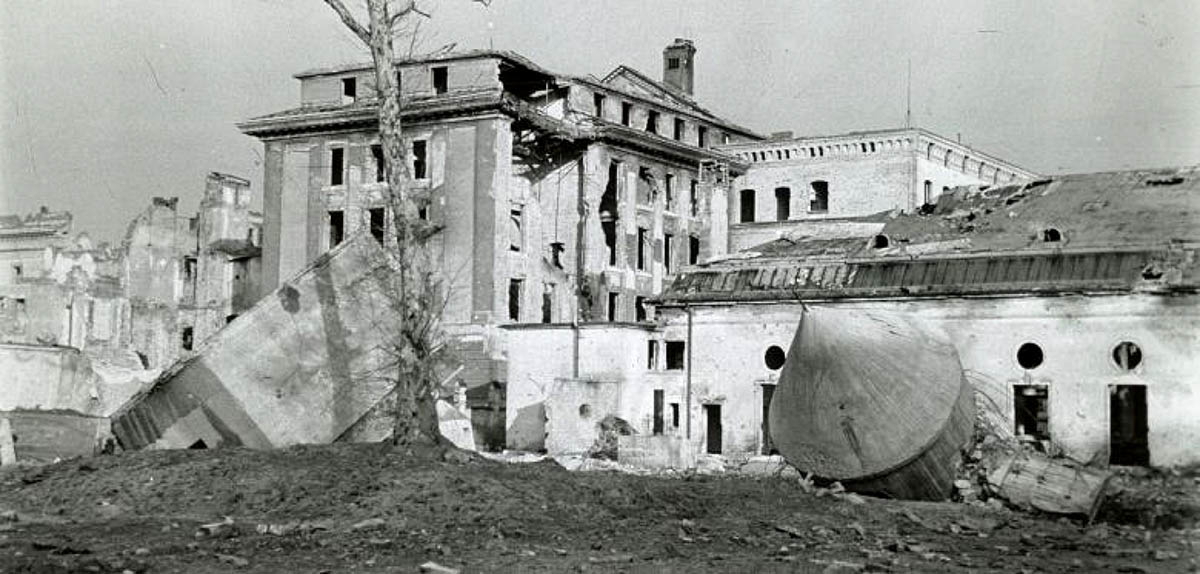
Although the close proximity of Hitler and Mussolini’s deaths has often been highlighted, they, in fact, were almost entirely independent of each other.
In his bunker, Hitler was informed of Mussolini’s death on April 29, and he committed suicide the following day. However, the Führer had already decided to do so before he heard the news. The morning before he heard of Mussolini’s death, he wrote:
“I have decided, therefore, to remain in Berlin and there of my own free will to choose death at the moment when I believe the position of Führer and Chancellor can no longer be held. … I myself and my wife—in order to escape the disgrace of deposition or capitulation—choose death. It is our wish to be burnt immediately on the spot where I have carried out the greatest part of my daily work in the course of twelve years’ service to my people.”
Words like these indicate that Hitler had already decided on this course of action. With the Soviet army nearly having taken all of Berlin, Hitler’s capture at the hands of the Soviets was deemed too shameful to endure.
Historians, therefore, agree that Mussolini’s second capture and execution did not motivate Hitler to commit suicide. At best, it may have strengthened his resolve to go through with the act.
Regardless of his motivation, on the eve of April 30, 1945, Adolf Hitler said goodbye to his closest officials before committing suicide with his wife, Eva Braun. Their bodies were then burned to prevent their capture by the Soviets. Unlike Mussolini, Hitler didn’t want his corpse to be abused by anyone who discovered it.
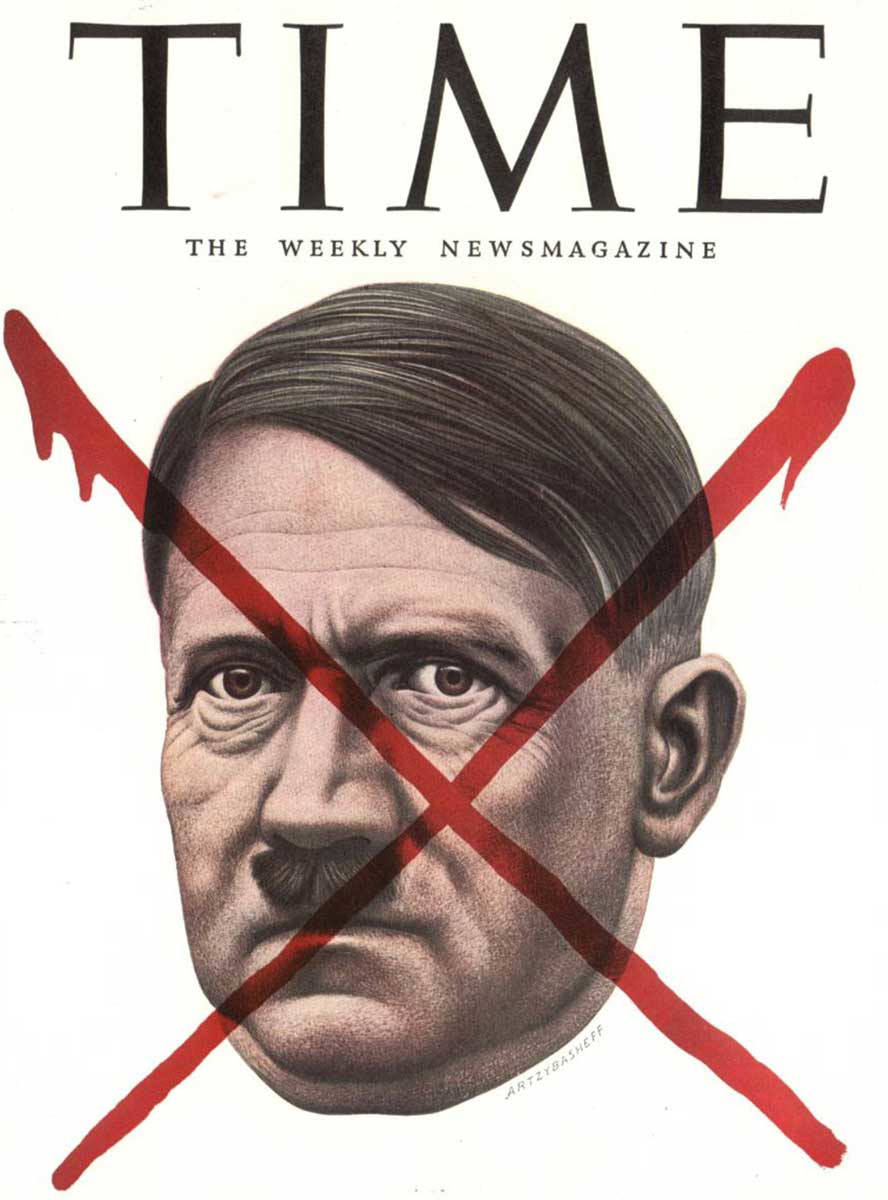
In the span of three days, two of the 20th century’s most notorious dictators were dead. The war in Europe would end a few days afterward, and Germany and Italy would begin the long process toward reconstruction.